Tag: Bank Fraud Prevention

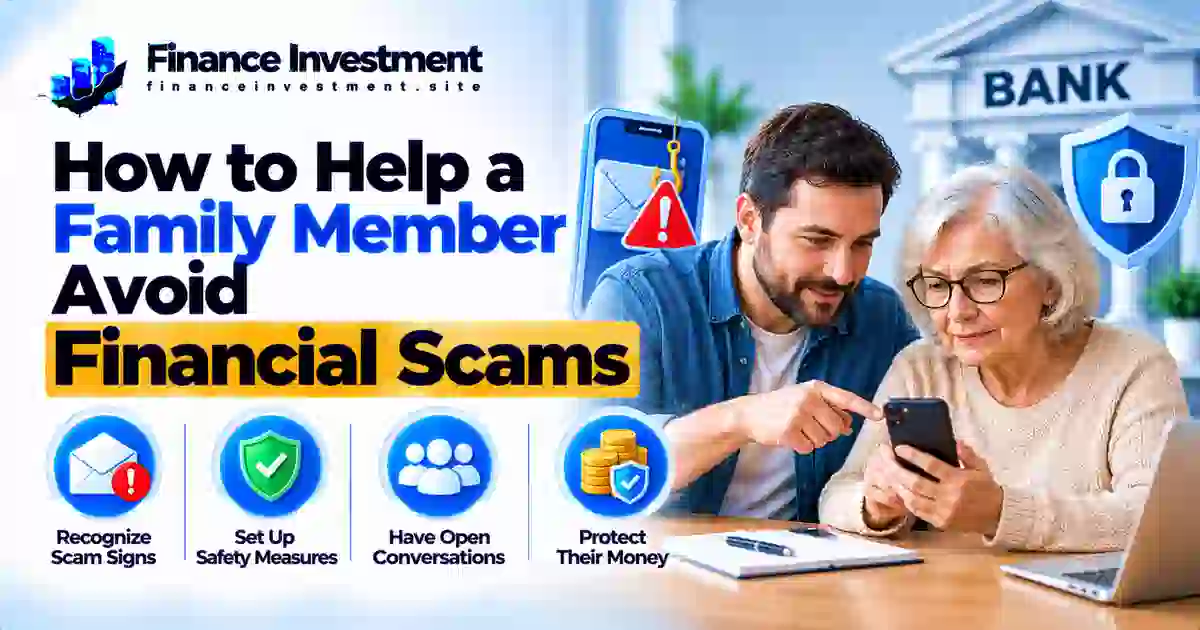
  • How to Help a Family Member Avoid Financial Scams

    How to Help a Family Member Avoid Financial Scams

    How to Help a Family Member Avoid Financial Scams

    Family Finance · Scam Prevention
    SR
    Subhash Rukade
    Founder, FinanceInvestment
    Personal Finance Education · USA
    Last Updated
    October 21, 2026
    Reading Time
    9–11 minutes

    How to Help a Family Member Avoid Financial Scamshelp a family member avoid financial scams

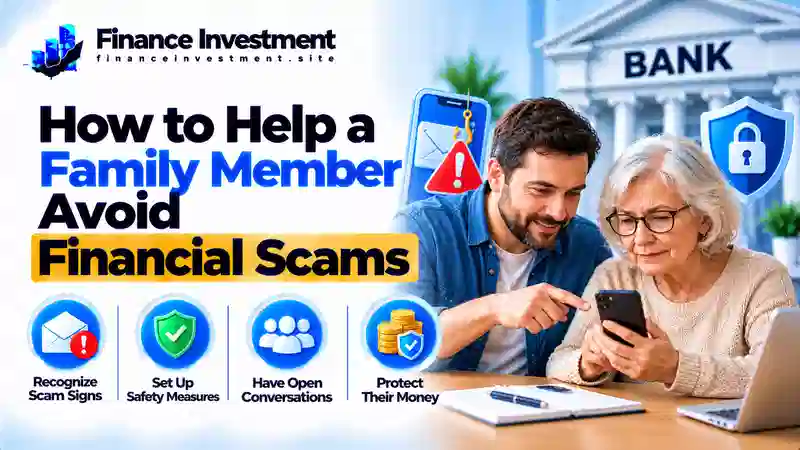
    Knowing how to help a family member avoid financial scams can protect more than money. A phone call claims a grandchild is in trouble. A text warns that a bank account will be frozen. An online friend suddenly asks for an urgent payment. These requests can sound convincing, especially when they involve someone’s safety or savings.

    The best response starts with a calm conversation, not blame. Scammers often create fear, build false trust, or demand secrecy so people act before checking the facts. Encourage your loved one to pause, verify the story through a separate trusted contact, and never rush a payment.

    For more ways to protect financial accounts, read our bank security and fraud prevention guide. This article explains how to recognize suspicious requests, protect personal information, and respond if a family member may already have been targeted.

    What You’ll Learn

    • Warning signs of common financial scams.
    • Ways to verify unexpected calls, texts, and payment requests.
    • How to discuss scam risks without embarrassing a loved one.
    • Steps to protect bank accounts and report suspected fraud.
    • What to do if money has been sent or sensitive information has been shared.

    How Can You Help a Family Member Avoid Financial Scams?

    Quick answer: Ask your loved one to pause before sending money, verify the request using a separate trusted contact method, and never share passwords, PINs, or one-time verification codes. If money or account information may already be at risk, contact the bank or payment provider immediately through its official app or verified contact details.

    Key Takeaways for Families

    • Pause when a request creates panic, demands secrecy, or pressures someone to pay immediately.
    • Verify the story independently using a known phone number or another trusted contact method.
    • Never give a caller or texter your banking password, PIN, or verification code.
    • Use unique passwords and enable multifactor authentication where available.
    • Review transactions regularly and turn on useful account alerts.
    • Report suspected fraud quickly, preserve messages and receipts, and follow the bank’s instructions.

    The Bottom Line

    A suspicious request deserves a pause, not a rushed decision. If a loved one has already sent money, contact the bank or payment provider immediately and ask what action is still possible. Quick reporting may help limit further loss, but recovery is not guaranteed.

    Financial Scam Prevention at a Glance

    Scammers often create urgency, demand secrecy, or discourage people from checking a story. These quick warning signs can help your family decide when to pause and verify.

    Warning sign
    Pressure to act quickly
    First response
    Pause and verify
    Family safeguard
    Agree on a check-in plan

    Warning Signs and Safer Responses

    Warning signSafer response
    A caller says a relative is in danger and demands immediate payment.Contact the relative or another trusted person using a number you already know.
    Someone insists on secrecy or requests gift cards, cryptocurrency, or a wire transfer.Do not rush. Independently verify the request before sending money.
    A caller or message asks for a password, PIN, or one-time verification code.Do not share the code or credentials. Contact the relevant institution through its official app or verified number.

    Quick takeaway: Anyone can be targeted. A stressful life event, unfamiliar technology, or an unexpected request may make verification harder. Offer practical support without assuming someone is vulnerable because of age or treating them as incapable.

    A Beginner Guide to Helping a Loved One Stay Safehelp a family member avoid financial scams

    Start with a respectful conversation, not a lecture. Scams can fool people of any age, so avoid comments that make your loved one feel careless or embarrassed. Ask how they usually handle unexpected calls, payment requests, and messages about their bank account. Listen first, then discuss ways to check whether a request is genuine.

    Agree on a Family Verification Plan

    Make one shared rule: pause before sending unexpected money or responding to an urgent emergency request. Verify the story independently by calling the person on a number you already trust or contacting the organization through its official website or app. Do not rely on contact details provided in the suspicious message.

    Build Simple Banking Safeguards

    • Enable useful transaction alerts if the bank offers them.
    • Use unique passwords and multifactor authentication where available.
    • Save the bank’s official contact details and learn how to report a lost card.
    • Agree on a trusted person to contact when a payment request or transaction seems suspicious.

    Family tip: Offer help with permission. Never ask someone to disclose their banking password or verification codes to you. Support should make it easier for your loved one to make informed decisions, not take away their independence.

    How Financial Scams Work

    A financial scam often begins with a believable story and ends with a request for money or private information. Scammers try to control the conversation so the target feels there is no time to check what is happening.

    Four Tactics Scammers Commonly Use

    1. Build a story: They may impersonate a bank employee, government official, relative, romantic interest, or familiar company.
    2. Trigger an emotion: They create fear about an account, concern for a loved one, or excitement about an unexpected prize or opportunity.
    3. Rush the decision: They demand immediate action, ask for secrecy, or discourage the person from checking with anyone else.
    4. Ask for money or access: They may request a transfer, gift cards, cryptocurrency, passwords, or a one-time verification code.

    Warning sign: Pressure, secrecy, and instructions not to verify a story deserve caution. Urgency alone does not prove a scam, but it should never replace an independent check.

    To interrupt the pattern, stop the unexpected interaction and verify the claim using a contact method you already trust. If the request involves a bank account, contact the bank through its official app or verified phone number before taking action.

    Benefits and Drawbacks of Family Scam Prevention

    A family scam-prevention plan can make it easier to spot suspicious requests before money or personal information is at risk. The key is to offer support without taking away a loved one’s control over their own finances.

    Benefits

    • A pause-and-verify habit can prevent rushed payments.
    • A trusted contact gives family members someone to consult when a request feels suspicious.
    • Bank alerts and transaction reviews may help identify unfamiliar activity sooner.

    Drawbacks to Avoid

    • Repeated warnings can create anxiety or make someone less willing to ask for help.
    • Reviewing accounts without permission can undermine privacy and trust.
    • Taking over financial decisions unnecessarily can weaken confidence and independence.

    The right balance: Agree on simple safety steps together, respect financial privacy, and offer help without judgment. The goal is to help your family member make informed decisions—not to make every decision for them.

    Financial Scam Types Compared

    Financial scams can arrive through phone calls, text messages, email, social media, or in-person conversations. The story may sound convincing, so focus on the warning signs and verify the request independently before taking action.

    Scam typeCommon warning signSafest first response
    Bank impersonationA caller claims there is an account problem and asks for a password, PIN, or verification code.End the unexpected interaction and contact the bank using its official app or verified number.
    Family emergency scamSomeone claims a relative urgently needs money and insists the request remain secret.Call the relative using a known number or confirm the situation with another trusted person.
    Romance or investment fraudAn online contact asks for money or promotes unusually high or guaranteed returns.Pause payments and independently check the person, company, and investment before committing funds.
    Prize or government impersonationSomeone demands payment to release a prize or threatens penalties unless money is sent immediately.Check the claim through the agency’s official website or a verified contact channel.
    Phishing messagesAn unexpected email or text links to a page requesting account or personal information.Do not open the link. Visit the official website or app directly to check for a real alert.

    Family safety rule: A familiar name, convincing story, logo, or caller ID is not proof that a request is genuine. Verify through a separate, trusted channel before sending money or sharing sensitive information.

    Costs, Risks and Expert Tips for Protecting Family Members

    Financial scams can cause more than an immediate monetary loss. A victim may face unauthorized transactions, identity misuse, account access problems, and emotional stress. Quick action can help limit further damage, but recovering stolen money is not guaranteed.

    What to Do if a Family Member Is Targeted

    1. Stop further payments. Do not send more money, pay a supposed recovery fee, or share additional passwords or verification codes.
    2. Contact the bank or payment provider immediately. Use its official app or verified phone number. Report the transaction and ask whether it can be stopped, recalled, or disputed. Options depend on the payment method and circumstances.
    3. Secure affected accounts. From a trusted device, change compromised passwords and any reused passwords. Secure the associated email account, sign out unfamiliar sessions where possible, and enable multifactor authentication.
    4. Save evidence and report the scam. Keep messages, receipts, transaction IDs, and contact details. In the United States, submit a report to the Federal Trade Commission. Suspected cybercrime can also be reported to the FBI’s Internet Crime Complaint Center.

    Practical tip: Stay calm and avoid blaming the person. Scammers deliberately manipulate trust and emotions. Prompt reporting, accurate records, and support from legitimate institutions can help reduce further harm, even when the original payment cannot be recovered.

    Common Mistakes and a Realistic Family Example

    Scammers deliberately create fear, trust, or urgency. Even careful people can be caught off guard, so family conversations should focus on practical checks rather than blame or embarrassment.

    Mistakes Families Should Avoid

    • Shaming a loved one instead of helping them check a suspicious request.
    • Treating a familiar voice, caller ID, profile picture, or logo as proof of identity.
    • Sending money before independently confirming an urgent story.
    • Ignoring an unfamiliar transaction because the amount appears small.

    A Family Example

    Imagine a parent receives a call from someone claiming that their grandchild has been arrested and needs money immediately. The caller insists that the parent must not tell anyone. Rather than rushing to pay or criticizing the parent, another family member suggests ending the call and contacting the grandchild through a known number. They also check with another trusted relative. Because the emergency cannot be independently confirmed, they do not send money. If the contact appears fraudulent, they preserve the details and report it through the relevant platform or authority.

    Family rule: Verify first, pay later—if the request is confirmed as legitimate. Make it normal for everyone to double-check urgent requests without fear of embarrassment or blame.

    Who May Need Extra Support With Scam Prevention?

    Anyone can be targeted by a convincing financial scam, regardless of age, income, or education. Extra support may be useful after a recent scam attempt, during a stressful life event, or when someone feels unsure about unfamiliar banking technology or repeated suspicious messages.

    Offer Help Without Taking Control

    Start by asking what would make the person feel safer. With their permission, help them activate available transaction alerts, save their bank’s verified contact details, or practice checking unexpected requests. Never ask them to reveal passwords, PINs, or one-time verification codes. If money has already been lost, help them contact the bank promptly.

    Keep support respectful: Focus on the person’s actual needs, not assumptions about their age or abilities. The goal is to build confidence, encourage safer decisions, and protect financial privacy and independence.

    Frequently Asked Questions About Helping Family Members Avoid Financial Scams

    1. How can I tell a family member they may be dealing with a scam?

    Stay calm and focus on the suspicious request rather than blaming the person. Suggest pausing, checking the facts independently, and deciding together what to do next.

    2. What should we do if a family member has already sent money?

    Contact the bank or payment provider immediately and ask whether the payment can be stopped, recalled, or disputed. Save transaction records and report the scam. Getting the money back is not guaranteed.

    3. Should I manage a relative’s bank account to protect them?

    Not automatically. Ask what help they want and respect their privacy. Any formal access should follow the bank’s procedures and applicable legal requirements.

    4. What information should never be shared with an unexpected caller?

    Never disclose passwords, PINs, or one-time verification codes to an unexpected caller. Do not approve unfamiliar login requests or follow instructions to move money to a supposed “safe account.”

    5. Are older adults the only people targeted by financial scams?

    No. People of every age and income level can be targeted. Scammers exploit trust, stress, urgency, and personal circumstances rather than targeting only one group.

    6. How can families verify an emergency call?

    End the unexpected call and contact the relative using a number you already know. If necessary, check with another trusted person before sending money.

    7. Where can we report a financial scam in the United States?

    Contact the bank or payment provider promptly if money or account access is at risk. You can also report fraud to the Federal Trade Commission. Suspected cybercrime can be reported to the FBI’s Internet Crime Complaint Center.

    8. Can families guarantee that a loved one will never be scammed?

    No prevention plan can eliminate every risk. Regular conversations, independent verification, available account alerts, and prompt reporting can help reduce exposure and limit further harm.

    Final Verdict: Help Your Family Stay Scam-Safe

    Helping a family member avoid financial scams does not require taking control of their finances. Start with honest conversations, encourage a pause before urgent payments, and verify unexpected requests through a trusted, separate channel. Make it easy for everyone to ask for help without fear of blame.

    If a scam occurs, contact the bank or payment provider promptly, secure affected accounts, save evidence, and report the incident. Quick action may limit further losses, although recovering money is never guaranteed.

    For more practical protection steps, read our bank security and fraud prevention guide. The best family safety plan combines verification, shared awareness, and respect for each person’s privacy and independence.
    FinanceInvestment · Practical Money Guidance

    Have a Money Question? Keep Exploring.

    Protecting your family’s finances starts with reliable information and safer everyday habits. Keep learning, verify unexpected requests, and help loved ones make informed decisions while respecting their independence.

    Have a Question for FinanceInvestment?

    For general website questions or feedback, get in touch by email.

    Contact FinanceInvestment

    Continue Your Research

    FinanceInvestment provides educational information. No particular financial outcome or recovery of money lost to scams is guaranteed.

  • How Parents Can Teach  Safe Banking Habits for teens (2026)

    How Parents Can Teach Safe Banking Habits for teens (2026)

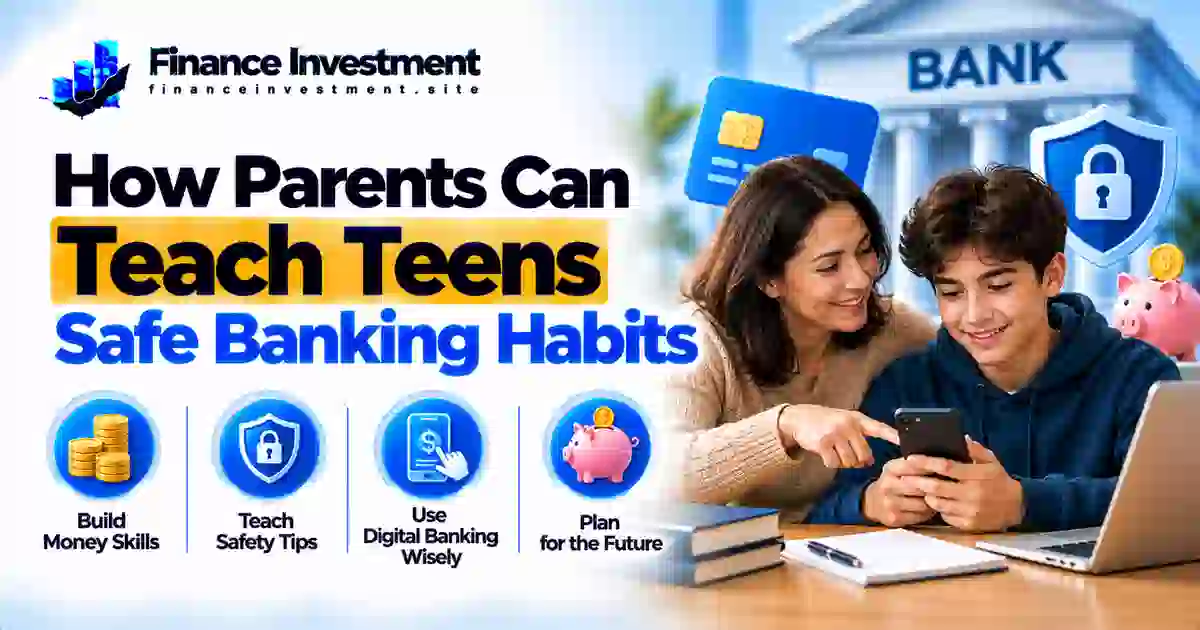
    How Parents Can Teach Teens Safe Banking Habits

    SR
    Subhash Rukade
    Founder, FinanceInvestment
    Personal Finance Education · USA
    2026 Banking Guide
    Published
    October 21, 2026
    Last Updated
    October 21, 2026
    Reading Time
    9–11 minutes
    Family Banking & Teen Safety

    Why Safe Banking Habits Matter for Teens safe banking habits for teens

    A first bank account can feel like a big step toward independence. Your teen might use a debit card for lunch, receive a first paycheck, or save for a car. Along with that freedom comes a new responsibility: keeping money and personal information safe. One shared password, suspicious text, or careless payment can create problems that are difficult for a teenager to handle alone.

    The good news is that safe banking does not require complicated lessons.safe banking habits for teens Parents can start with everyday habits, such as checking transactions, protecting PINs, setting up account alerts, and pausing before responding to unexpected messages. Practicing these skills together helps teens learn to make their own decisions while knowing when to ask for help.

    For a broader look at protecting family finances, read our bank security and fraud prevention guide. It provides additional guidance that families can use alongside these teen-focused lessons.

    What You’ll Learn

    • How to choose an appropriate bank account for your teenager.
    • How to protect debit cards, PINs, passwords, and personal details.
    • How to recognize suspicious bank texts, calls, and payment requests.
    • Why transaction alerts and regular account reviews are useful.
    • How to build financial responsibility while giving teens age-appropriate independence.

    Quick Answer: How Can Parents Teach Teens Safe Banking?

    Teach teens safe banking by practicing everyday tasks with them. Show them how to protect account details, review transactions, recognize suspicious messages, and contact their bank when something seems wrong.safe banking habits for teens, Start with clear spending rules and gradually give them more responsibility as they demonstrate good judgment.

    Key Takeaways for Parents

    • Choose a teen banking account after checking fees, age requirements, parental access, and security features.
    • Keep PINs, passwords, and one-time verification codes private. Never share them in response to an unexpected request.
    • Turn on transaction alerts and teach your teen to review purchases and withdrawals.
    • Verify suspicious bank calls and messages through the bank’s official app or a trusted phone number.
    • Explain available balances, spending limits, overdraft options, and possible account fees.
    • Make sure your teen knows how to lock a card, report an unfamiliar transaction, and contact the bank promptly.

    The Bottom Line

    Pick one banking habit to practice this week, such as checking transactions together.safe banking habits for teens, Once your teen can do it confidently, move on to another skill. Small, repeated lessons can build safer decisions without making every money conversation feel like a warning.

    Safe Banking for Teens: At a Glance

    A teen bank account should make everyday money management easier without leaving a young account holder unprepared for risks.safe banking habits for teens, Compare the account rules, security features, and costs before choosing one for your family.

    Suitable For
    Teens learning to manage money
    First Check
    Age and account requirements
    Daily Habit
    Review purchases and balances

    Quick Facts Every Parent Should Know

    What to CheckWhy It Matters
    Age and ownership rulesA minor may need a parent or guardian on the account, depending on the bank and account type.
    Fees and overdraft termsHelps families understand possible charges and payment risks.
    Alerts and card controlsCan help users notice unusual transactions and respond sooner.
    Deposit insuranceConfirm FDIC or NCUA coverage, eligible deposits, ownership category, and applicable limits.
    QUICK TAKE

    Choose an account your teen can use confidently and your family can supervise appropriately. Review the fee schedule, account agreement, security tools, and deposit insurance before opening it.

    A Parent’s Beginner Guide to Teen Banking safe banking habits for teens

    A first bank account can teach teens how to manage earnings, pay for everyday needs, and save toward personal goals. Parents can make the experience safer by choosing an appropriate account and teaching practical skills before giving a teen more financial independence.

    Choose an Account That Fits

    Compare monthly fees, minimum balance requirements, ATM access, transaction alerts, and parental controls. Depending on the bank, account type, and state law, a minor may need a parent or guardian to open or jointly own the account. Read the account agreement to understand access rights, monitoring features, and any limits on withdrawals or transfers.

    Practice Debit-Card Safety

    Teach teens to shield their PIN, keep their card secure, and check payment amounts before approving a purchase. They should never share passwords or one-time verification codes with someone who contacts them unexpectedly. If a card is lost, they should lock it through the official banking app when available and contact the bank promptly.

    Set Spending Limits Together

    Agree on a realistic weekly spending plan and a savings goal. Explain that pending purchases can make the available balance different from the amount shown as the current balance. Review transactions together and treat mistakes as opportunities to learn, not reasons for embarrassment.

    Parenting tip: Start with shared account reviews, then let your teen manage routine purchases. Adjust supervision as their judgment improves, while respecting the account’s legal ownership and access rules.

    How to Teach Safe Banking Step by Step

    A short practice session can help teens respond calmly when something goes wrong with their money. Set aside 15–20 minutes and use examples rather than real passwords, PINs, or verification codes.

    1. Review a Recent Transaction

    Ask your teen to compare a recent purchase with its receipt. Check the merchant, amount, and date. If a charge looks unfamiliar, teach them to contact the bank promptly through its official app or trusted phone number and ask how to report or dispute it.

    2. Spot a Suspicious Bank Message

    Show a fictional text claiming an account is locked and demanding an urgent response. Ask your teen what they would do. They should avoid the link, never disclose a verification code, and check the account using the official app or a trusted number.

    3. Rehearse a Lost-Card Response

    Have your teen explain how to lock a missing card if that feature is available, contact the bank, and check recent transactions. Help them locate the bank’s official contact details before an emergency happens.

    4. Schedule a Weekly Money Check

    Review spending, upcoming expenses, and progress toward a savings goal. Let your teen explain their choices first, then discuss what they might change next week.

    Practice question: “What if someone claiming to be from your bank asks for your one-time code?” The safe response is to share no code and verify the situation independently through the bank’s official contact channels.

    Benefits and Drawbacks of Teaching Teens Safe Banking

    A first bank account gives teens a chance to practice real financial decisions. The experience can be valuable, but the right level of freedom depends on the teen, the account, and the support available at home.

    Benefits

    • Builds budgeting skills through everyday purchases and saving goals.
    • Creates opportunities to practice spotting suspicious messages and transactions.
    • Helps teens prepare to manage money at college, work, or while living independently.

    Drawbacks to Consider

    • Impulse spending may leave too little for planned expenses.
    • A scam or exposed login details can put account security at risk.
    • Fees, spending controls, and parental visibility vary by provider and account type.

    Parent tip: Give your teen enough freedom to learn, with safeguards that fit their experience. Review the account’s controls and agree on spending expectations before increasing independence.

    Teen Banking Options Compared

    Teen banking products differ in ownership, parental access, spending features, and legal protections. Some teen checking accounts are jointly owned with a parent, so compare the actual account terms rather than relying on the product name alone.

    OptionPotential BenefitWhat to Verify
    Joint checking accountCan provide shared access for a parent and teen.Each owner’s withdrawal rights, account access, fees, and responsibility for transactions.
    Teen checking accountMay offer age-specific features, debit-card access, and spending tools.Minimum age, adult involvement, parental visibility, overdraft terms, and rules at adulthood.
    Prepaid cardCan help families manage spending within a loaded balance, depending on the product.Monthly and reload fees, ATM charges, error-resolution rights, and insurance eligibility.

    Before you choose: Read the account agreement and fee schedule. FDIC insurance may cover eligible deposits at an insured bank, while qualifying funds at an insured credit union may receive NCUA coverage. A prepaid card is not automatically insured; eligibility depends on how the program is structured and how funds are held.

    Banking Risks, Fees and Expert Safety Tips

    Even careful teens can encounter fake messages, unfamiliar transactions, or unexpected account charges. Parents can help by teaching them how to spot warning signs, understand account terms, and respond quickly when something seems wrong.

    Recognize Bank Impersonation Scams

    Be wary of unexpected calls or texts that create urgency, threaten account closure, or request a PIN, password, or one-time verification code. Avoid links in suspicious messages. Open the official banking app independently or call the number printed on the card or bank statement to verify the claim.

    Understand Alerts, Fees and Overdrafts

    Enable available transaction alerts and review account activity regularly. Alerts can help flag unusual activity, but they may be delayed and cannot prevent every unauthorized transaction. Check the fee schedule for monthly charges, ATM fees, and overdraft terms. Rules and charges vary by account and transaction type.

    Secure Devices and Respond Quickly

    Use a unique password, enable multifactor authentication when available, and keep devices updated. If a card or phone is lost, secure the account using official tools. Report unfamiliar transactions to the bank promptly and follow its instructions to protect access and dispute the charge if needed.

    Safety warning: Caller ID and sender names can be faked. A message that looks genuine is not proof that it came from your bank.

    Common Teen Banking Mistakes and How to Avoid Them

    A first bank account comes with a learning curve. Parents can help teens avoid preventable problems by discussing these mistakes before they happen.

    • Sharing a PIN, password, or one-time verification code with someone who contacts them unexpectedly.
    • Ignoring transaction alerts or delaying a report about a potentially unauthorized charge.
    • Forgetting about pending purchases and spending money needed for upcoming expenses.
    • Clicking unexpected banking links instead of verifying messages independently.

    Real-Life Example: A Debit-Card Charge Alex Doesn’t Recognize

    Imagine 16-year-old Alex notices a $28 debit-card transaction that seems unfamiliar. Alex checks the date, merchant details, and recent receipts. The purchase still does not make sense, and no family member recognizes it.

    Alex tells a parent and contacts the bank through its official app or a trusted phone number. They ask how to secure the card and report the transaction as potentially unauthorized. Alex follows the bank’s instructions, records the report details, and watches the account for further unfamiliar activity.

    The lesson: Verify what you can, but don’t ignore a charge you still cannot explain. Report suspected unauthorized transactions promptly and use official bank channels rather than links in unexpected messages.

    Which Banking Approach Fits Your Teen?

    The right banking setup depends on your teen’s age, confidence, and money-management skills. Before opening an account, check the bank’s age requirements, fees, ownership rules, and available parental access.

    Younger Teens: Start With Guidance

    Choose an eligible account with clear spending limits and useful transaction alerts. Review purchases together and teach your teen to keep their PIN, password, and verification codes private.

    Older Teens: Build Independence

    Let your teen take the lead on checking balances, reviewing transactions, and planning weekly spending. Agree on when to discuss unusual activity while respecting the account’s actual access and ownership terms.

    Teens With a First Paycheck: Plan Ahead

    Help them check direct deposits, set aside money for upcoming expenses, and build a realistic savings goal. Compare monthly fees, ATM costs, and overdraft settings before choosing an account.

    Frequently Asked Questions About Teen Banking Safety

    1. How can a teen start banking safely?

    Choose an eligible account with clear fees, useful transaction alerts, and suitable access controls. Teach your teen to protect login details and review transactions regularly.

    2. Should parents monitor a teen’s bank account?

    Parents and teens can agree on regular account reviews. The level of access depends on the account’s ownership terms and bank policies, so explain what each person can see and do.

    3. Can a teen open a bank account without a parent?

    That depends on the teen’s age, applicable law, and the financial institution’s rules. Many accounts for minors require a parent or guardian, so check eligibility before applying.

    4. Is a debit card a good choice for teenagers?

    A debit card can help teens learn to budget using available account funds. Discuss spending limits, card security, fees, and overdraft settings before they start using it.

    5. What should a teen do after receiving a suspicious bank text?

    Do not click unexpected links or share passwords, PINs, or verification codes. Check the account through the official banking app or contact the bank using a trusted number.

    6. What should a teen do if a debit card is lost?

    Lock the card through the official banking app if that feature is available, then contact the bank promptly to report the loss and follow its instructions. Check recent transactions for unfamiliar activity.

    7. Are teen bank deposits protected by FDIC insurance?

    Eligible deposits at FDIC-insured banks are generally insured up to applicable limits, based on ownership category and other rules. Eligible deposits at federally insured credit unions may receive NCUA coverage. Not every financial product qualifies.

    8. How often should teens check their bank accounts?

    Teens should review transactions every few days and enable useful alerts when available. Because alerts can be delayed or missed, they should also check their account directly and report suspected unauthorized activity promptly.

    Final Verdict: Building Safe Banking Habits for Life

    Teens need more than a bank account to manage money safely. They also need to know how to track spending, protect their personal information, recognize suspicious messages, and respond when something looks wrong.

    Parents can make these lessons practical by reviewing transactions together, discussing account fees, and practicing what to do if a card goes missing or an unfamiliar charge appears. As teens become more responsible, give them room to manage routine tasks while keeping communication open.

    For more ways to protect accounts and respond to fraud, read our bank security and fraud prevention guide. Start with one simple habit this week, then build from there.

    Have a Money Question? Keep Exploring.

    Building safe banking habits takes practice. Keep learning with FinanceInvestment and help your family make more confident, informed money decisions.

    Have a Question?

    Have feedback or a personal finance question? Contact FinanceInvestment by email.

    Email FinanceInvestment

    Continue Your Research