Banking Safety · Fraud Awareness · Personal Finance
● Updated: October 13, 2026 ◷ Reading time: About 10 minutes
Fake Bank Phone Calls: How to Recognize a Scammer
Your phone rings, and the caller claims to be from your bank’s fraud department. They mention a suspicious purchase or warn that your account could be frozen. It sounds serious, but fake bank phone calls are often designed to frighten you into acting before you can check whether the story is real.
Some scammers imitate bank employees, use caller ID spoofing to display a familiar number, or know a few details about you. The real warning sign is often what they ask you to do. Requests for your password, one-time verification code, remote access to your device, or an urgent money transfer deserve immediate caution.
You do not need to prove anything to an unexpected caller. Hang up and contact your bank using its official app or the number printed on your debit card. For broader protection, explore our bank security and fraud prevention guide.
What You’ll Learn
How scammers impersonate bank employees and fraud specialists.
Why a familiar caller ID does not prove a call is genuine.
Which requests for passcodes, passwords, device access, or money are warning signs.
How to verify a suspicious call and report suspected bank impersonation.
What to do if you have already shared sensitive information or sent money.
Fake Bank Phone Calls: Quick Answer
How do you spot a fake bank call? Watch for pressure to act immediately, requests for passwords or one-time codes, demands to install remote-access software, or instructions to transfer money to a supposedly safe account. Caller ID can be spoofed, so a familiar number does not prove the call is genuine.
Key Takeaways
Never disclose your password or one-time verification code to an unexpected caller.
Do not move money because a caller says your account is in danger.
Hang up and call your bank using its official app or the number on your card.
Never install software or grant device access at a caller’s request.
Review transactions and account alerts if you suspect fraud.
If you shared details or sent money, contact your bank immediately.
The Bottom Line
You do not need to settle an account issue during an unexpected call. Hang up, verify the situation independently, and contact your bank through a trusted channel before taking action.
Table of Contents
Fake Bank Phone Calls at a Glance
Main warning signPressure to reveal codes, grant access, or move money
Safest responseEnd the call and contact your bank independently
Who should know this?Anyone receiving an unexpected banking call
Quick Safety Checklist
Caller’s request
What you should do
Claims your account is in danger
Check through your bank’s official app
Requests a password or verification code
Do not share it with the caller
Tells you to transfer money urgently
Stop and verify through a trusted channel
Asks to control your phone or computer
Refuse access and end the call
Quick takeaway: Caller ID can be spoofed. Never rely on the displayed number alone to decide whether a call is genuine.
A Beginner’s Guide to Fake Bank Phone Calls
A scam call may begin with a believable warning: a payment you do not recognize, an account that supposedly needs protection, or an alert about suspicious activity. The caller may claim to work for your bank and sound calm, professional, and helpful. The aim is to win your trust before you have time to check the story.
Why a Call Can Seem Genuine
Scammers can manipulate caller ID so a familiar bank number appears on your screen. They may also know your name or other basic details. These clues can look convincing, but they do not confirm who is speaking. Even a caller who knows about a real transaction could be an impostor.
Warning Signs to Watch For
Pressure to act immediately or keep the call secret.
Requests for your password or one-time verification code.
Instructions to move money to a so-called “safe” account.
Requests to install software or grant remote access to your device.
Attempts to stop you from hanging up and contacting your bank independently.
Remember: You can end an unexpected call without resolving anything on the spot. Open your bank’s official app or call the number printed on your debit card to check whether there is a genuine issue.
Fake bank phone calls often follow a predictable pattern. Scammers create fear, appear trustworthy, and then pressure you into sharing information or moving money.
1
They create fear
The caller claims your account has suspicious activity or your card has been used without permission.
2
They imitate your bank
A familiar-looking caller ID, professional tone, or personal details may make the caller seem genuine.
3
They demand action
They may ask for a verification code, password, remote device access, or a transfer to a supposed safe account.
4
They stop you checking
They may insist you act immediately or discourage you from hanging up and contacting the bank yourself.
How to protect yourself: Hang up and contact your bank through its official app or the number on your card. Never share passwords or verification codes, grant remote access, or transfer money because an unexpected caller tells you to. If you have already shared information or sent money, contact your bank immediately.
Benefits and Drawbacks of Legitimate Bank Calls
Legitimate bank calls can help you identify suspicious activity or resolve account problems. However, scammers can imitate bank representatives, so an unexpected call should never be trusted based on caller ID or a convincing voice alone.
Potential Benefits
Alerts you to transactions that may need attention.
Helps address card or account issues.
Can prompt a quicker response to suspected fraud.
Potential Risks
Scammers can spoof a bank’s phone number.
A caller may use personal details to appear genuine.
Pressure to act quickly can lead to unsafe decisions.
Practical safety tip: If a bank calls unexpectedly, end the call and verify the issue through your bank’s official app or the number printed on your debit card. Never disclose your password or one-time verification code to an unexpected caller, or transfer money just because the caller instructs you to.
Real Bank Call vs. Scam Call: Key Differences
A real bank may contact you about suspicious activity, but scammers can imitate bank employees and spoof phone numbers. No single sign proves whether a call is genuine. Pay attention to the caller’s requests, and verify unexpected calls independently.
What to Check
Safer Banking Practice
Scam Warning Sign
Urgency
Verify the issue before taking action.
Threatens immediate loss to stop you thinking clearly.
Passwords and codes
Keep passwords and one-time codes private; verify requests through official channels.
Asks you to disclose a password or one-time verification code.
Money transfers
Contact the bank yourself before moving money.
Tells you to transfer funds to a supposedly “safe” account.
Caller ID
Confirm identity using a trusted contact method.
Uses a familiar-looking number as proof of identity.
Device access
Use your bank’s official support channels.
Pressures you to install software or grant remote access.
The safest response: End the unexpected call and contact your bank through its official app or the number printed on your card. Do not use a callback number supplied by the caller. If you suspect fraud, check your account and notify your bank promptly.
Costs, Risks and Expert Safety Tips
Falling for fake bank phone calls can expose your money, personal information, and financial accounts to fraud. You may face unauthorized transactions, time-consuming disputes, or account access problems. Recovery is not guaranteed, so acting quickly after a suspicious call is important.
Main Risks of Bank Phone Scams
Financial loss: You may be tricked into sending money or giving a scammer access to your account.
Identity theft: Stolen personal details may be used in further fraud attempts.
Device security: Remote-access software could expose private information.
Recovery difficulties: Reporting fraud, disputing transactions, and securing accounts can take time.
Practical Safety Tips
End unexpected calls and contact your bank through its official app or the number on your card.
Never disclose your password or one-time verification code to an unexpected caller.
Turn on account alerts and review transactions regularly.
If you shared sensitive details, notify your bank immediately and follow its account-security instructions.
If you sent money, contact your bank or payment provider immediately and ask whether the transaction can be stopped or recalled.
Scammers use fear and urgency to push people into making mistakes. Avoid these common traps when you receive an unexpected bank call:
Assuming a familiar caller ID proves the caller works for your bank.
Sharing passwords or one-time verification codes with an unexpected caller.
Moving money to a so-called “safe” account without independently verifying the request.
Installing software or granting remote access because a caller asks you to.
Delaying contact with your bank after sharing information or sending money.
Example: A Fake Fraud Alert
Imagine a customer in the United States receives a call from a number that appears to belong to their bank. The caller claims a suspicious purchase has occurred and insists the customer must transfer money to a “safe” account immediately.
Instead of following the instructions, the customer hangs up and contacts the bank through its official app or the number printed on their debit card. The bank can help the customer check the account and determine whether any protective action is needed.
Key lesson: Never let an unexpected caller direct your financial decisions. End the call, verify the situation independently, and notify your bank promptly if you suspect fraud.
Who Should Be Extra Careful About Fake Bank Calls?
Anyone can receive a fake bank call. Extra caution is especially important when an unexpected caller creates pressure, asks for sensitive information, or requests a money transfer. Pay particular attention if you:
Are an older adult or help manage someone else’s finances.
Are new to online banking or unfamiliar with common phone scams.
Receive an unexpected warning about suspicious transactions or account closure.
Feel pressured to reveal verification codes, personal details, or banking information.
Help a parent, student, or relative who may benefit from clear fraud-prevention guidance.
Practical safety rule: Never share a password or one-time verification code with an unexpected caller, and never transfer money just because the caller instructs you to. Hang up and verify the situation through your bank’s official app or the number printed on your debit card.
Frequently Asked Questions About Fake Bank Phone Calls
1. How can I tell if a bank phone call is fake?
Warning signs include pressure to act immediately, requests for passwords or one-time codes, demands to transfer money, or requests for remote device access. Hang up and verify independently.
2. Can scammers fake my bank’s phone number?
Yes. Caller ID spoofing can make a call appear to come from your bank. The displayed number alone does not confirm the caller’s identity.
3. Should I share a one-time verification code with a caller?
Do not disclose a one-time code to an unexpected caller. Contact your bank through an official channel if you are unsure why a code was sent.
4. Should I hang up on a suspicious bank call?
Yes. End the call and contact your bank through its official app or the number printed on your card.
5. What if I already shared my banking information?
Contact your bank immediately, explain what you shared, and follow its security instructions. Change compromised passwords and review recent transactions.
6. What if I transferred money to a scammer?
Contact your bank or payment provider immediately. Ask whether the transfer can be stopped or recalled, and report the suspected fraud.
7. Where can I report a fake bank call in the United States?
Report suspected scams to the Federal Trade Commission (FTC). Notify your bank promptly if your account or money may be at risk.
8. Can I trust a caller who knows my name or transactions?
No. Personal details do not prove the caller is genuine. Verify account alerts through your bank’s official app or a trusted phone number.
Final Verdict: How to Stay Safe From Fake Bank Phone Calls
Fake bank phone calls can sound convincing, especially when the caller claims there is an urgent problem with your account. However, a familiar phone number, professional tone, or knowledge of your personal details does not prove the caller represents your bank.
If a call feels suspicious, end it and verify the situation through your bank’s official app or the number printed on your debit card. Never disclose passwords or one-time verification codes to an unexpected caller, grant remote access, or transfer money based on pressure from the caller.
The bottom line: Pause before acting, verify independently, and contact your bank immediately if you suspect fraud. For additional prevention strategies, read our bank security and fraud prevention guide.
Related Resources and Official Sources
Protecting your finances involves recognizing suspicious calls, securing your accounts, and knowing where to report suspected fraud. Use these related guides and official U.S. resources to learn more.
Important: If you shared banking details or sent money to a suspected scammer, contact your bank or payment provider immediately. You can also report the incident to the FTC. Reporting does not guarantee that lost money will be recovered.
Have a Money Question? Keep Exploring.
Making informed financial decisions starts with reliable information. If a caller claims your bank account is at risk, pause and verify the request through an official banking channel before taking action.
Contact FinanceInvestment
Have a question or suggestion about our personal finance guides? Email our team.
How to Recognize Bank Impersonation Scams Before You Respond
Learning how to recognize bank impersonation scams starts with one simple habit: pause before you respond. A message claiming your account is locked, a call about suspicious transactions, or an alert asking you to verify your identity may look genuine. Scammers can copy bank logos, imitate phone numbers, and use convincing language to make their requests seem legitimate.
The biggest warning sign is often pressure to act immediately. A caller may ask for your password, one-time verification code, or a transfer to a supposedly safe account. Never trust caller ID, a familiar logo, or someone’s knowledge of your personal details as proof of identity. End the conversation and contact your bank using the number on your card or the official app you open yourself.
Warning signs of fake bank calls, texts, and emails.
How to verify whether a bank communication is genuine.
Common mistakes that expose your money or personal information.
What to do if you shared a code, clicked a suspicious link, or sent money.
How Can You Recognize a Bank Impersonation Scam?
Recognize bank impersonation scams by watching for urgent messages, suspicious links, unexpected calls, and requests for passwords or verification codes. Scammers may pretend to be bank employees and claim your account is at risk.
Quick Answer: Never share your banking password or one-time passcode with an unexpected caller. Contact your bank through its official app or the number printed on your card.
Key Takeaways
Be cautious of urgent warnings and threats.
Caller ID and bank logos can be faked.
Avoid clicking links in unexpected bank messages.
Verify suspicious requests directly with your bank.
If you shared information or sent money, contact your bank immediately.
Table of Contents
Bank Impersonation Scams: Quick Facts
Bank impersonation scams occur when criminals pretend to represent a real bank or credit union to steal money, account credentials, or personal information. These quick facts explain the warning signs and the safest response.
What to Check
What You Should Know
Common methods
Fake phone calls, text messages, emails, and websites.
Warning signs
Urgent threats, suspicious links, or requests for confidential codes.
Information at risk
Passwords, one-time passcodes, banking details, and money.
Safest response
Stop responding and verify the request through an official bank channel.
If you are targeted
Contact your bank promptly, secure affected accounts, and report suspected fraud.
QUICK TAKE: A familiar caller ID, bank logo, or message sender name does not prove a communication is genuine. Never share your password or one-time passcode in response to an unexpected request. Contact your bank using the number on your card or its official app.
Bank Impersonation Scams: A Complete Beginner Guide
Bank impersonation scams happen when criminals pretend to represent a real bank or credit union to steal money, account credentials, or personal information. They may pose as fraud investigators, security specialists, or customer service employees. Anyone with a financial account can be targeted, so recognizing common tactics is an important part of protecting your money.
1. Fake Bank Text Messages
You might receive a text claiming that your debit card was used, your account is locked, or suspicious activity needs immediate attention. A link may lead to a fake website designed to capture your login details. Do not click unexpected links; open your bank’s official app or contact the bank using a trusted number.
2. Fraudulent Bank Phone Calls
A caller may claim to work in the bank’s fraud department and ask you to verify a transaction. Caller ID can be spoofed, so a familiar number is not proof of identity. Never share your password or one-time passcode with an unexpected caller. Hang up and contact the bank independently.
3. Fake Emails and Banking Websites
Scammers can copy bank logos, colors, and email formatting to make messages look authentic. They may direct you to a fake sign-in page. Avoid logging in through unexpected email links. Open the bank’s website yourself and check the address carefully.
4. Requests to Transfer Money
A scammer may tell you to move your savings to a “safe account” or make a payment to stop alleged fraud. Treat unexpected transfer instructions as a serious warning sign. Do not send money until you have independently verified the situation with your bank.
5. What to Do If You Suspect a Scam
Stop responding and contact your bank immediately if you shared information, approved a payment, or transferred money. Ask whether the bank can block transactions or secure your account. Change compromised passwords, enable multifactor authentication, and review recent activity. Follow the FTC’s guidance on what to do after a scam. You can also read our guide on how to protect your bank account.
Remember: Stop, verify, and contact your bank through a channel you choose yourself. If money was transferred, report it immediately; recovery is not guaranteed, but a prompt report may help limit further losses.
How Bank Impersonation Scams Work
Bank impersonation scams often follow a pattern: create fear, appear trustworthy, and pressure the victim to act quickly. Criminals may use text messages, phone calls, emails, or fake websites to make a fraudulent request seem legitimate.
Step 1: Create an Urgent Problem
You receive an alert about a suspicious purchase, a locked account, or an alleged security breach. The message may warn that your money is at risk unless you respond immediately. Verify the alert independently rather than following its instructions.
Step 2: Pretend to Be Your Bank
The scammer may imitate a bank employee, spoof caller ID, or copy the bank’s logo. They might even know some personal details. None of these proves the contact is genuine.
Step 3: Ask for Information or Money
The scammer may request your password, one-time verification code, remote access to your device, or a transfer to a supposedly safe account. Treat unexpected requests like these as serious warning signs.
Step 4: Demand More or Disappear
After receiving your information or money, the scammer may disappear or invent another emergency to demand more. Stop responding and contact your bank using its official app or the number on your card.
Safety Tip: Never rely on caller ID or a message logo alone. Verify suspicious contact independently and read our guide to common types of bank fraud to learn about other tactics criminals use.
Benefits of Recognizing Bank Impersonation Scams
Understanding bank impersonation scams helps you recognize suspicious requests before sharing information or sending money. Awareness cannot stop every attempt, but it can help you respond more carefully when an unexpected bank call, text, or email arrives.
Key Benefits
Protect your information: Spotting suspicious requests can help safeguard your login details and financial information.
Respond sooner: Recognizing warning signs can help you report suspicious activity promptly.
Avoid rushed decisions: You can pause and verify a request instead of reacting to threats or pressure.
Build confidence: You can handle unexpected banking alerts more calmly and carefully.
Important Limitations
Scammers constantly change their tactics. Messages can look professional, caller IDs can be spoofed, and even cautious people can be deceived. Fraud alerts and security tools can help, but they cannot guarantee complete protection. Verify unexpected requests independently and review account activity regularly.
Key Takeaway: Awareness is helpful, but it is not a guarantee. Combine careful verification with strong, unique passwords, multifactor authentication, and prompt contact with your bank when something seems suspicious.
Legitimate Bank Contact vs. an Impersonation Scam
Banks may contact customers about unusual transactions or account security. Scammers can imitate these alerts, so a message’s appearance alone cannot establish whether it is genuine. Check the request carefully and verify it through a trusted channel before taking action.
Warning Sign
Safer Response
Pressure to act immediately
Pause and verify the alert independently.
Familiar caller ID or bank logo
Do not treat either as proof; both can be imitated.
Request for a password or one-time code
Never disclose these in response to an unexpected call or message.
Instruction to move money to a “safe account”
Do not transfer funds; contact your bank independently.
Unexpected login link
Avoid the link and open your bank’s official app or website yourself.
How to Verify a Bank Message
End the unexpected call and use the number on your bank card or the official app to ask whether the alert is genuine. Review recent transactions and report anything unfamiliar. Do not call numbers or click links supplied in a suspicious message to verify that same message. For more guidance, read our bank security vs. fraud protection guide.
Remember: A legitimate alert may require attention, but you can pause and confirm it through a trusted channel before sharing information or moving money.
Warning Signs of Bank Impersonation Scams
Bank impersonation scams can look convincing, so pay attention to suspicious behavior rather than appearance alone. A warning sign does not automatically prove fraud, but unexpected requests should always be verified independently.
Red Flags to Watch For
Urgent threats: Someone pressures you to act immediately to avoid an alleged account freeze or financial loss.
Requests for confidential codes: An unexpected caller asks you to reveal your password or one-time passcode.
Suspicious links: A text or email directs you to an unfamiliar website to sign in or verify account details.
Safe-account claims: Someone instructs you to transfer money to supposedly protect your savings.
Unusual payment instructions: You are pressured to send money through a wire transfer, payment app, gift card, or cryptocurrency.
What Is at Risk?
Sharing sensitive information can expose your account credentials, personal details, and money. Criminals may attempt unauthorized transactions or identity theft. A familiar caller ID, convincing voice, or bank logo does not prove that the person contacting you is genuine.
Practical Tips to Stay Safer
Pause before responding, open your bank’s official app yourself, and call the number on your card to verify suspicious contact. Use unique passwords and multifactor authentication, enable transaction alerts, and review account activity regularly. Never give an unexpected caller remote access to your device. If you suspect fraud, contact your bank immediately to secure your account and report unauthorized transactions. For more guidance, read our guide to spotting checking account fraud.
Safety Reminder: Do not rely on a single warning sign or a caller’s claims. Verify unexpected requests through a trusted channel before sharing information or moving money.
Common Mistakes That Make Bank Impersonation Scams Easier
Scammers exploit fear, trust, and rushed decisions. Avoiding these common mistakes can help protect your bank account and personal information.
Trusting caller ID: Scammers can spoof phone numbers to make calls appear genuine.
Clicking unexpected links: Fake banking websites may capture your login details.
Sharing verification codes: Criminals may use a one-time code to access an account or authorize an action.
Transferring money under pressure: Instructions to move funds to a “safe account” are a major warning sign.
Delaying a report: Waiting can give criminals more time to misuse your information or money.
Example: A Fake Bank Fraud Alert
Imagine you receive a text claiming that a $900 purchase triggered a security alert. A person posing as a bank employee then calls and says your savings are at risk. They ask for a one-time passcode and tell you to transfer your money to a “protected” account. This is a hypothetical example of how impersonation scams may unfold.
The safer response: Do not share the code or transfer money. End the call and contact your bank through its official app or the number printed on your card. If you already shared information or sent funds, notify the bank immediately, secure your account, and ask what steps may help limit further losses.
Remember: Urgent warnings can sound convincing, but you do not need to follow an unexpected caller’s instructions. Verify the situation independently and read our guide to what bank fraud is and how it works.
Who Is Most at Risk of Bank Impersonation Scams?
Anyone with a bank account, debit card, or online banking access can be targeted. Scammers use convincing messages, fear, and urgency rather than targeting only one age group. A person’s experience with technology or money does not guarantee protection.
Situations That May Increase Risk
Unexpected security alerts: Anyone may react quickly to claims of suspicious transactions or account suspension.
Busy or distracted moments: People may overlook warning signs when handling an urgent message while multitasking.
Limited familiarity with online banking: Customers who are unsure how to verify messages may find fake alerts harder to assess.
Financial pressure: Threats involving lost savings or frozen accounts can make people feel they must act immediately.
Targeted impersonation attempts: Older adults and other groups may receive scams tailored to their circumstances, but no group is immune.
Steps Every Banking Customer Can Take
Use unique passwords, enable multifactor authentication, turn on transaction alerts, and review account activity regularly. Never disclose a one-time passcode to an unexpected caller or transfer money simply because someone claims it will protect your account. Verify suspicious contact through your bank’s official app or the number printed on your card.
Key Takeaway: Anyone can encounter a convincing scam. Pause, verify unexpected requests independently, and report suspected fraud to your bank promptly.
Frequently Asked Questions About Bank Impersonation Scams
1. What is a bank impersonation scam?
A bank impersonation scam occurs when someone pretends to represent a real bank or credit union to steal money, account credentials, or personal information through fake calls, texts, emails, or websites.
2. How can I tell if a bank call is fake?
Be cautious of pressure, unusual payment instructions, or requests for confidential information. Caller ID can be spoofed, so end the call and contact your bank using its official app or the number on your card.
3. Can my bank ask me for a one-time passcode?
Banks use different verification methods, but never reveal a one-time passcode to an unexpected caller or message. If a request seems suspicious, contact your bank independently before proceeding.
4. What should I do after clicking a suspicious link?
Close the page and do not enter any information. If you entered your banking credentials, contact your bank promptly, change your password through its official app or website, and review recent transactions. If you downloaded a file, check your device for security risks.
5. What if I already transferred money to a scammer?
Contact your bank or payment provider immediately and ask whether the transaction can be stopped, recalled, or disputed. Recovery is not guaranteed, but reporting quickly may help limit further losses.
6. Can scammers fake a bank phone number?
Yes. Caller ID spoofing can make a call appear to come from a legitimate bank number. Never rely on the displayed number alone to confirm the caller’s identity.
7. How do I report a bank impersonation scam in the US?
Use unique passwords, enable multifactor authentication, avoid links in unexpected messages, monitor account activity, and verify suspicious requests through trusted bank channels.
Final Verdict: Stay Alert to Bank Impersonation Scams
Knowing how to recognize bank impersonation scams helps you make safer decisions when unexpected calls, texts, or emails arrive. Scammers may imitate bank employees, copy official logos, and spoof phone numbers to make fraudulent requests appear genuine. Never treat a familiar caller ID or convincing message as proof of identity.
If something seems suspicious, stop responding and verify the request through your bank’s official app or the number printed on your card. Never disclose your password or one-time passcode to an unexpected caller, and do not transfer money to a supposed safe account because someone pressures you.
If you suspect fraud, contact your bank immediately, secure affected accounts, and report the incident. For more practical guidance, read our bank security and fraud prevention guide.
Bottom Line: Pause, verify independently, and use trusted banking channels. Acting carefully can help reduce the risk of financial loss.
Related Resources and Official Fraud Prevention Guides
Protecting your money takes more than recognizing suspicious calls. These FinanceInvestment guides explain other bank fraud risks and practical ways to secure your accounts. Official government resources provide additional guidance on identifying scams and reporting suspected fraud.
IdentityTheft.gov — Official recovery guidance if someone misuses your personal information.
Helpful Tip: If you suspect an active bank scam, contact your financial institution immediately. Do not wait until you have reviewed every guide or resource.
Have a Money Question? Keep Exploring.
Have a question about banking safety, fraud prevention, or protecting your savings? Contact FinanceInvestment or explore our practical financial guides.
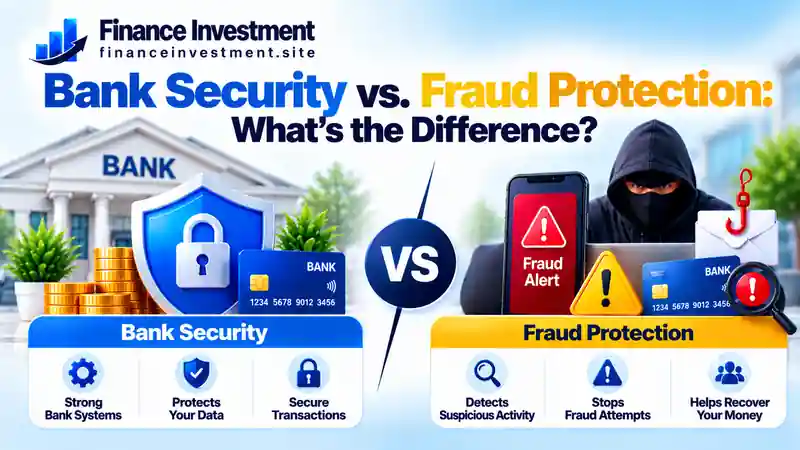
Bank Security vs. Fraud Protection: What’s the Difference?
SR
Subhash Rukade
Founder, FinanceInvestment
BANKING SAFETY GUIDE
Last Updated October, 12, 2026.
Reading Time About 12 minutes*
A practical guide to understanding how bank security works, what fraud protection can do, and where each has its limits.
*Confirm the reading time after the full article is complete.
Bank Security vs. Fraud Protection: Why the Difference Matters
Understanding bank security vs. fraud protection starts with a simple distinction: bank security helps protect your account, information, and access to banking services, while fraud protection focuses on identifying suspicious activity, limiting potential losses, and responding to suspected fraud.
For example, a strong password and multifactor authentication can make unauthorized account access harder. Transaction monitoring and alerts may help flag unusual activity. These safeguards work together, but none can guarantee that every scam will be stopped or that every loss will be reimbursed.
That difference matters when you choose a bank or credit union, review account features, or decide what to do after receiving a suspicious message. Start with our Bank Security & Fraud Prevention Guide for a broader look at protecting your financial accounts.
What You’ll Learn
How bank security differs from fraud protection.
How authentication, account alerts, and transaction monitoring can help.
What these safeguards can do—and what they cannot guarantee.
Which protection features to compare when choosing a bank or credit union.
What steps to take if you notice an unfamiliar transaction or suspect a scam.
Quick Answer: What’s the Difference?
Bank security refers to the safeguards that help protect banking systems, personal information, and account access. Fraud protection focuses on identifying suspicious activity, blocking or limiting potential fraud, and helping customers report and resolve incidents. The two overlap: a single tool, such as multifactor authentication or transaction monitoring, may support both. Neither guarantees that every scam will be stopped or every loss reimbursed.
Key Takeaways
Use unique passwords and multifactor authentication when available to help secure account access.
Enable transaction alerts and review account activity to spot unfamiliar payments sooner.
Check both a bank’s security features and its process for reporting suspected fraud.
Your rights and possible reimbursement depend on the transaction, applicable protections, and reporting deadlines.
Banks and credit unions may offer different security tools, alert options, and support processes, so compare the specific features.
Contact your financial institution promptly through a verified channel if you notice suspicious activity.
Bottom line: Don’t judge an account by a “fraud protection” label alone. Check how access is secured, how suspicious transactions are handled, and what steps you must take if a problem occurs.
In This Guide
Bank Security vs. Fraud Protection at a Glance
Bank security and fraud protection work together, so their features can overlap. The main difference is their purpose: security safeguards banking systems, information, and account access, while fraud protection focuses on recognizing suspicious activity, limiting potential losses, and responding to suspected fraud.
Bank Security
Safeguard accounts and information
Common measures include secure sign-in, encryption, multifactor authentication, access controls, and device verification.
Fraud Protection
Identify and respond to fraud
Measures may include suspicious-transaction monitoring, alerts, card controls, transaction reviews, and dispute procedures.
Review activity and report suspicious transactions promptly
Important limit
Cannot eliminate every security threat
Cannot guarantee that every loss will be recovered
What to look for: When comparing banks or credit unions, check available sign-in protections, account alerts, card-locking options, and the procedure for reporting and disputing suspicious transactions. Features and policies vary by institution.
Bank Security vs. Fraud Protection: A Beginner’s Guide
Bank security and fraud protection work toward the same goal: safer banking. The difference lies in their primary focus. Security safeguards help protect systems, information, and account access. Fraud protection focuses on identifying suspicious activity, limiting potential losses, and handling suspected fraud. In practice, many tools support both.
1. What Does Bank Security Include?
Bank security includes the technology and procedures financial institutions use to protect banking systems and customer information. Some safeguards operate behind the scenes, while others are features customers use directly.
Authentication: Passwords and multifactor authentication help verify who is attempting to sign in.
Data protection: Encryption and access controls help prevent unauthorized access to sensitive information.
Device and sign-in checks: Some banks assess unfamiliar devices or unusual login patterns.
Internal controls: Procedures help restrict access to banking systems and customer records.
Example: If someone steals your password, multifactor authentication may add another barrier to account access. However, the level of protection depends on the verification method and whether the attacker can compromise it.
2. What Does Fraud Protection Include?
Fraud protection covers measures designed to prevent, detect, limit, or respond to fraudulent activity. The tools and procedures available vary by financial institution, account, and transaction type.
Transaction monitoring: Systems may flag payments or account activity that appear unusual.
Alerts and card controls: Notifications and card-locking features may help customers respond to suspicious activity.
Reporting and investigation: Banks provide procedures for reporting suspected fraud and disputing transactions.
Account recovery: Depending on the incident, customers may need to secure access, replace a card, or change compromised credentials.
3. How Do the Two Overlap?
The categories are connected. Multifactor authentication may help prevent unauthorized access, while transaction monitoring may identify activity that suggests an account has been compromised. Both can contribute to a financial institution’s broader security and fraud-control program.
For example, a criminal might obtain login details through a fake banking message. Account security measures may make access harder, while monitoring systems may flag an unusual transaction. Neither response is guaranteed, so customers should also verify unexpected requests and report suspicious activity promptly.
Before choosing an account: Check available sign-in protections, customizable alerts, card controls, and the procedure for reporting suspected fraud. Banks and credit unions can differ in their features and service policies. Our guide to whether credit unions are safe can help you explore that decision.
How Bank Security and Fraud Protection Work
Bank security and fraud protection can work together to reduce banking risks. Their exact operation varies by institution, account type, and transaction method. Some controls operate when you sign in, while others monitor activity or help the bank respond to a reported problem.
STEP 1
Protect Account Access
Passwords, multifactor authentication, and other verification checks may help prevent unauthorized people from accessing an account.
STEP 2
Monitor Transactions
Available monitoring systems may flag unusual payments or other activity for review. Not every suspicious transaction will be detected or blocked.
STEP 3
Report and Respond
If fraud is suspected, the bank may investigate, restrict certain activity, or explain how to dispute a transaction and secure the account.
Example: You Notice an Unauthorized Transfer
Imagine you check your checking account and discover a transfer you did not authorize. Your bank may already have flagged the activity, but it is also possible that its systems did not detect it. Contact the bank promptly through its official app, website, or the phone number on your card. Report the transfer, ask how to secure your account, and follow the bank’s instructions for submitting a dispute.
Keep records of the transaction, your report, and any confirmation number. Reporting deadlines and legal protections can depend on the type of transfer and the circumstances, so do not delay while waiting for an alert or further investigation.
Know your rights: The CFPB’s electronic fund transfer FAQs explain key rules related to electronic transfers. Review the guidance relevant to your situation, and contact your financial institution promptly if you suspect an unauthorized transaction.
Benefits and Drawbacks of Bank Security vs. Fraud Protection
Bank security and fraud protection work together, but each addresses different risks. Knowing their benefits and limitations helps you make informed decisions about your checking, savings, and online banking accounts.
Key Benefits
Safer account access: Authentication and access controls can make unauthorized logins harder.
Suspicious activity alerts: Monitoring tools may help identify unusual transactions sooner.
Support after suspected fraud: Reporting channels may help you secure your account and begin an investigation.
Key Drawbacks
Not foolproof: Some scams and unauthorized transactions may escape detection.
Possible inconvenience: Extra verification or false alerts can interrupt legitimate banking activity.
Action is still required: You must protect your credentials, review account activity, and report suspected fraud promptly.
Bottom line: Neither protection approach eliminates every risk or guarantees reimbursement. Look for a financial institution with clear security practices, useful account alerts, and accessible fraud-reporting support. For more practical steps, read our complete bank security and fraud prevention guide.
Bank Security vs. Fraud Protection: Detailed Comparison
Bank security helps protect account access, information, and banking systems. Fraud protection focuses on identifying suspicious activity and responding to potential financial fraud. These functions overlap, so a bank may use the same technology to support both.
Comparison
Bank Security
Fraud Protection
Primary goal
Protect systems, sensitive data, and account access.
Help detect, prevent, or respond to suspected fraud.
Common measures
Authentication, encryption, access controls, and system monitoring.
Transaction monitoring, alerts, card controls, and fraud investigations.
Main risks addressed
Unauthorized access, compromised credentials, and data exposure.
Suspicious transactions, unauthorized transfers, and certain deceptive schemes.
Your responsibility
Use strong, unique passwords and enable available security features.
Review transactions and promptly report suspected unauthorized activity.
Important limitation
Cannot eliminate every cyberattack or account compromise.
May not catch every scam, stop every payment, or guarantee reimbursement.
What should you compare? Look at both account-security features and the institution’s process for reporting and investigating suspected fraud. Also review available alerts, account controls, customer support, and applicable consumer protections. Neither category alone tells you how well every possible risk will be handled.
Costs, Risks, and Expert Tips for Better Bank Protection
Many banks include basic account-security features and certain fraud-monitoring services at no extra charge. However, fees, features, and eligibility vary. Optional identity-monitoring products, premium account services, or other add-ons may cost extra. Check your bank’s current fee schedule before paying for additional protection.
Risks Every Account Holder Should Know
Phishing scams: Fake emails, texts, or calls may pressure you to reveal passwords, verification codes, or financial details.
Missed alerts: Monitoring systems may not identify every suspicious transaction, so check your account even when no alert arrives.
Limited recovery options: Disputes and reimbursement depend on the transaction type, applicable law, and specific circumstances.
Four Practical Ways to Improve Protection
Create a unique password and enable multifactor authentication when available.
Set up transaction alerts and review recent activity regularly.
Never share passwords or one-time verification codes with unexpected callers or message senders.
Report suspected unauthorized transactions promptly through your bank’s official app, website, or verified phone number.
Expert tip: Do not assume that every payment has the same legal protections. Regulation E covers certain electronic fund transfers, subject to its scope and requirements. Reporting deadlines can affect your rights. Read the CFPB’s electronic fund transfer FAQs and contact your financial institution promptly if you notice a transaction you did not authorize.
Common Bank Security Mistakes and a Realistic Example
Even with bank security controls and fraud-monitoring tools, everyday mistakes can expose your account to avoidable risks. Watch out for these common problems:
Reusing passwords: If another website exposes a reused password, criminals may try it on your banking account.
Ignoring alerts: An unfamiliar transaction deserves attention, even if the amount is small.
Trusting unexpected messages: Scammers may impersonate bank employees and request passwords, verification codes, or urgent payments.
Delaying a report: Waiting to report a suspected unauthorized transfer may affect your available options and, in some cases, your legal protections.
Realistic Example: A Suspicious Bank Text
Imagine receiving a text claiming your checking account will be locked unless you verify your details immediately. The message links to a fake website that looks like your bank’s login page. You enter your username and password, unknowingly sharing them with a scammer.
Your bank may detect unusual activity, but you should not wait for an alert. Contact the bank through its official app or the verified number on your card. Tell the bank what happened, change your compromised password using the legitimate website or app, and secure any other account that used the same password. Review recent transactions and promptly report anything you did not authorize.
Remember: Never use a suspicious message’s link to verify your banking details. If you suspect fraud, act promptly. For more warning signs, read our guide to spotting checking account fraud.
Who Needs Bank Security and Fraud Protection?
Both bank security and fraud protection matter to anyone who holds a checking, savings, or other bank account. The most useful features depend on how you manage money and the risks you want to address.
Banking beginners: Learn to recognize suspicious messages, use unique passwords, and review transactions regularly.
Retirees: Consider convenient alerts, secure account access, and clear procedures for reporting unfamiliar transactions.
Frequent online banking users: Enable multifactor authentication when available and check account activity after important transactions.
Small-business owners: Use separate business accounts where appropriate, limit employee permissions, and establish clear payment-approval procedures.
How to choose: Compare available security features, transaction alerts, customer-support access, and procedures for reporting suspected fraud. If you’re deciding where to bank, read our guide to online banks vs. traditional banks to understand the differences.
Bank Security vs. Fraud Protection: Frequently Asked Questions
1. What is the difference between bank security and fraud protection?
Bank security protects banking systems, sensitive information, and account access. Fraud protection focuses on detecting suspicious activity and responding to potential fraud. The two often use overlapping tools.
2. Does bank security prevent all fraud?
No. Security controls can reduce certain risks, but scammers may still exploit stolen credentials, deceptive messages, or other weaknesses. Regular account reviews remain important.
3. Can banks automatically detect suspicious transactions?
Many financial institutions use automated systems to flag unusual activity. However, detection methods vary, and some suspicious transactions may not trigger an alert or immediate block.
4. Is fraud protection included with a bank account?
Basic security and monitoring features may be included, depending on the institution and account. Optional identity-monitoring services or premium features may cost extra. Check the account terms and fee schedule.
5. What should I do if I notice an unauthorized transaction?
Contact your bank promptly through an official channel. Report the transaction, ask how to secure your account, and follow the bank’s dispute process. Keep records of your report and any confirmation number.
6. Will my bank reimburse every fraudulent transaction?
No, reimbursement is not guaranteed in every situation. Legal protections depend on the payment type, circumstances, and reporting requirements. Regulation E covers certain electronic fund transfers, including qualifying unauthorized transfers, subject to applicable rules.
7. Are online banks safe to use?
Online banks can offer safeguards such as multifactor authentication, account alerts, and transaction monitoring. Check the institution’s legitimacy, security features, customer support, and applicable deposit insurance. FDIC insurance protects eligible deposits if an insured bank fails; it does not cover losses from theft or fraud.
8. What is the easiest way to improve bank security?
Use a unique password, enable multifactor authentication when available, turn on transaction alerts, avoid suspicious links, and review account activity regularly. Report suspected unauthorized transactions promptly.
Bank security and fraud protection work best together. One helps safeguard account access and sensitive information, while the other helps identify and address suspicious activity. Neither can eliminate every risk, so your own banking habits matter too.
When comparing banks or credit unions, look beyond advertised features. Check available account alerts, authentication options, customer-support access, and the process for reporting unauthorized transactions.
Our recommendation: Choose an institution with clear security practices and accessible fraud-reporting support. Use unique passwords, enable multifactor authentication when available, review transactions regularly, and report suspicious activity promptly.
The bottom line: Do not rely on a single security feature. Combining your bank’s safeguards with consistent personal precautions is a more practical way to manage everyday banking risks.
Related Resources and Trusted Official Sources
Use these FinanceInvestment guides and official US government resources to learn more about protecting your bank account, recognizing scams, and understanding deposit insurance.
Important distinction: FDIC insurance protects eligible deposits if an insured bank fails, subject to applicable limits. It does not provide general insurance against scams, theft, or unauthorized transactions. Fraud claims are handled under the applicable rules and circumstances.
Have a Money Question? Keep Exploring.
Understanding bank security and fraud protection is an important step toward safer everyday banking. Keep learning, review your account regularly, and use the security features available through your financial institution.
Contact FinanceInvestment
Have a finance-related question or feedback about our content? Send us an email.
Learning how to protect your bank account starts with more than choosing a strong password. If you use mobile banking, a debit card, direct deposit, or online payments, your account could be exposed to phishing messages, stolen login details, fake bank calls, or unauthorized transactions.
You do not need expensive software or advanced technical skills to improve your banking security. Strong login protection, transaction alerts, regular account checks, and a careful approach to unexpected messages can help you catch problems earlier and reduce avoidable risks.
This 2026 guide explains practical steps for protecting checking and savings accounts in the United States. For a broader look at common threats and prevention methods, read our complete bank security and fraud prevention guide.
What You’ll Learn
How to strengthen banking passwords and enable multifactor authentication when available.
How transaction alerts and routine account reviews can help you spot unfamiliar activity.
How to recognize suspicious texts, emails, calls, and payment requests.
How to use debit cards, mobile banking apps, and public Wi-Fi more carefully.
What to do if you notice an unauthorized transaction or suspect someone has accessed your account.
Keep in mind: No single security measure prevents every type of fraud. Build a few reliable habits, review your account regularly, and contact your bank promptly if you spot suspicious activity.
Quick Answer: How Can You Protect Your Bank Account?
Protect your bank account by using a unique password, enabling multifactor authentication when available, setting up transaction alerts, and checking your account activity regularly. Access banking services through your bank’s official app or website. Never share your password or one-time security code with an unexpected caller or message sender. If you notice an unfamiliar transaction, contact your bank promptly using a verified phone number or official app.
Key Takeaways
Protect account access: Create a strong, unique banking password and enable multifactor authentication if your bank offers it.
Monitor important activity: Set available alerts for transactions, sign-ins, and changes to your contact details.
Verify before responding: Treat urgent messages about frozen accounts, suspicious charges, or payment requests with caution. Contact the bank independently rather than using links or numbers in the message.
Review your records: Check purchases, transfers, withdrawals, and account details for anything you do not recognize.
Respond without delay: Report suspected unauthorized transfers or card transactions to your bank and ask how to secure the account and dispute the activity.
Bottom line: Good banking security combines prevention with quick action. These habits can lower avoidable risks, but they cannot guarantee that fraud will never occur.
Bank Account Protection at a Glance
A safer bank account starts with a few practical habits. Use this overview to prioritize your first steps, then check which additional safeguards your bank offers.
Security step
Why it helps
Your action
Unique password
Limits risks from passwords reused on breached websites
Use a strong password; change it if exposed
Multifactor authentication
Adds another verification step at login
Enable it if your bank offers it
Account alerts
Can flag selected transactions or account changes
Enable available alerts and review their settings
Transaction reviews
Help you spot unfamiliar charges or transfers
Check recent activity and statements regularly
Verified bank contact
Helps you avoid fraudulent contact details
Use the number on your card or official bank website
Your Starter Checklist
Sign in through your bank’s official app or website.
Enable available login and transaction alerts.
Never share your password or verification code with an unexpected caller.
Save a verified way to contact your bank if you notice suspicious activity.
QUICK TAKE: Start with a unique password, available multifactor authentication, and useful alerts. Review transactions regularly and know how to reach your bank. These measures can reduce risk, but they cannot guarantee complete protection.
Complete Beginner’s Guide to Bank Account Security
Protecting your money starts with a few manageable habits. Secure your account access first, learn to recognize suspicious requests, and make checking your transactions part of your regular routine.
1. Strengthen Your Login
Use a long, unique password for online banking. A reputable password manager can help you create and store strong passwords. Enable multifactor authentication if your bank offers it. Never give a one-time verification code to someone who contacts you unexpectedly, even if they claim to represent your bank.
2. Access Your Bank Safely
Use your bank’s official app or enter its verified website address yourself. Avoid signing in through links in unexpected texts or emails. Keep your phone, browser, and banking app updated. Avoid accessing your account over public Wi-Fi; if you must use an unfamiliar network, wait until you can switch to a trusted connection before banking.
3. Keep an Eye on Account Activity
Enable available alerts for purchases, transfers, sign-ins, or account changes. Review recent transactions and statements for activity you do not recognize. If your bank offers debit-card lock controls, learn how to use them. Our guide to how debit cards work can help you understand this payment method.
4. Spot Scams and Respond Promptly
A scammer may claim your account is frozen or demand immediate action to stop a payment. Do not rely on the caller’s identity or the contact details in the message. Reach your bank through its official app or a verified number. If you find an unfamiliar transaction, report it promptly. See our guide on spotting checking account fraud for additional warning signs.
Beginner tip: Choose a regular time to review your account. If something looks unfamiliar, contact your bank promptly, ask how to secure your account, and keep a record of your report.
How Bank Account Protection Works
Bank account protection relies on several layers working together. Your bank may verify login attempts, monitor certain transactions, and offer security alerts. Your own decisions matter just as much because scammers often try to persuade customers to reveal credentials, share verification codes, or approve payments themselves.
Step 1: Verify the Login
When you sign in, your bank checks your credentials and may request another verification step, such as a security code or authentication prompt. Multifactor authentication adds a layer of protection, but it is not foolproof. Never approve a login request you did not initiate or share a verification code with an unexpected caller.
Step 2: Watch for Unusual Activity
Depending on the institution, automated systems may flag transactions that appear unusual. You can also enable available alerts for purchases, transfers, or account changes. These tools may help you spot problems sooner, but they can miss suspicious activity or deliver notifications after a delay. Continue reviewing your transactions yourself.
Step 3: Take Action Promptly
If you notice an unfamiliar transaction, contact your bank through its official app or a verified phone number. Ask how to secure your account, block or replace an affected card, and dispute the transaction. Change compromised credentials, follow the bank’s instructions, and keep a record of your report. Do not delay while waiting for more alerts.
Practical example: You receive a notification for a purchase you do not recognize. Open your bank’s official app independently and check the transaction. If it appears unauthorized, report it promptly and ask about the next steps. Keep the confirmation number for your records.
Benefits and Drawbacks of Bank Account Protection
Bank security measures can make unauthorized access harder and help you notice suspicious activity sooner. However, they require some effort, and no single safeguard can prevent every type of fraud. Consider both the advantages and limitations before deciding which protections to use.
Benefits
Unique passwords and multifactor authentication add barriers to unauthorized logins.
Transaction alerts can help you notice selected activity earlier.
Regular reviews can reveal unfamiliar charges, withdrawals, or transfers.
Knowing how to contact your bank helps you respond more efficiently when a problem appears.
Drawbacks
Additional verification can make sign-in or account recovery take longer.
Security features vary by bank, account type, and device.
Alerts may be delayed, incomplete, or triggered by legitimate activity.
These measures require ongoing attention and cannot stop every scam or customer-authorized fraudulent payment.
How to balance both sides: Start with a unique password, enable available multifactor authentication, and choose useful alerts. Keep your recovery details current and review transactions regularly. If a feature creates access problems, ask your bank about secure alternatives instead of disabling protection without a plan.
Compare Bank Security Methods
Each security measure addresses a different risk. Passwords and authentication help protect account access, while alerts and transaction reviews can help you notice activity that needs attention. Combining these safeguards is generally more useful than relying on just one.
Security method
Main purpose
Limitation to know
Unique password
Reduces risks from reused login credentials
Can still be stolen through phishing or malware
Multifactor authentication
Adds another identity-verification step
Effectiveness varies by method and attack; it is not foolproof
Transaction alerts
Notifies you about selected account activity
Coverage and delivery times vary by bank and alert type
Password manager
Helps create and store distinct passwords
Its master password and recovery options need protection
Debit-card lock
Can restrict certain card transactions temporarily
Does not necessarily block every transaction, recurring payment, or bank transfer
Which Combination Makes Sense?
A sensible starting point is a unique password, multifactor authentication when available, relevant alerts, and regular account reviews. Consider a password manager if you have trouble keeping passwords separate. Check your bank’s card-lock rules so you understand what the feature does—and what it does not do—before you need it.
QUICK TIP: Match each tool to its purpose. Authentication helps secure sign-ins, alerts notify you about selected activity, and regular reviews can reveal transactions that automated tools may not flag.
Costs, Risks, and Practical Tips for Bank Account Security
You can improve bank account security without buying expensive software. Many banks provide features such as login verification, transaction alerts, and card controls, but availability and fees depend on the institution and account. Review your account terms before paying for additional services.
Know Which Tools May Cost Money
Password managers may offer free and paid plans. Your mobile carrier’s messaging or data charges depend on your plan, while identity-monitoring services may charge recurring fees. These services can offer useful features, but they do not guarantee that your bank account will be protected from fraud. Compare costs, coverage, and renewal terms before subscribing.
Risks You Should Not Ignore
Fake bank calls, texts, and emails designed to steal login details or verification codes.
Reused passwords that can expose multiple accounts after a data breach.
Outdated apps, compromised devices, or careless handling of account recovery details.
Assuming alerts, card locks, or monitoring services will detect every suspicious transaction.
Practical Habits That Help
Use your bank’s official app or verified website, keep your contact details current, and review security settings periodically. If someone unexpectedly contacts you about fraud, do not share codes or follow their links. Contact the bank independently. Report unauthorized activity promptly, ask how to secure your account, and keep a record of the report and any confirmation number.
Money-saving tip: Check your bank’s existing security features before buying a separate subscription. Pay only for additional services whose benefits you understand and actually need.
Common Bank Account Security Mistakes to Avoid
Strong security tools help, but everyday decisions matter too. Avoid these common mistakes to make it easier to recognize suspicious activity and respond before a problem gets worse.
Reusing passwords: If one website exposes your password, other accounts using the same credentials may also be at risk.
Trusting urgent messages: Scammers may imitate a bank and pressure you to click a link, reveal a password, or share a verification code.
Ignoring unfamiliar transactions: Check unexpected charges or transfers, even when the amount is small. Some activity may be legitimate, but your bank can help you verify it.
Skipping account reviews: Alerts can be useful, but they may not cover every transaction or arrive immediately.
Delaying a fraud report: Prompt reporting helps your bank investigate. Under applicable rules, reporting deadlines can affect your rights and potential liability.
Hypothetical Example: A Suspicious Bank Text
Imagine Alex receives a text claiming the bank blocked a suspicious purchase. The message includes a link and demands immediate verification. Alex feels concerned but does not click the link or reply with personal information.
Instead, Alex opens the bank’s official app independently and reviews recent activity. Because the message may still require investigation, Alex contacts the bank using a verified number and asks whether the alert is genuine. If an unauthorized transaction appears, Alex reports it promptly and follows the bank’s instructions.
Key lesson: Do not rely on contact details in an unexpected banking message. Verify the alert independently, and report suspected unauthorized activity promptly rather than waiting for another notification.
Who Can Benefit From Bank Account Protection?
Anyone with a checking or savings account can benefit from stronger security habits. The right safeguards depend on how you receive money, make payments, use digital banking, and share account access.
Students and Young Adults
Use unique passwords, enable available login protections, and review purchases and transfers. Be cautious with payment requests from unfamiliar people.
Families and Working Adults
Set useful transaction alerts, review recurring payments, and check who can access a shared account. Give each account holder only the access they need.
Retirees and Benefit Recipients
Monitor accounts receiving Social Security, pension, or other regular deposits. Verify unexpected requests for money independently before responding.
Frequent Online Bankers
Keep devices and banking apps updated, use official banking channels, and review alerts and transactions for unfamiliar activity.
Where to start: If you reuse passwords, rarely check transactions, or feel pressured by unexpected bank messages, begin with a unique password, available multifactor authentication, and regular account reviews. If you share an account, review its access and contact details as well.
Frequently Asked Questions About Bank Account Security
1. What is the best way to protect a bank account?
Use a unique, strong password, enable multifactor authentication when available, set up useful account alerts, and review transactions regularly. Access your account through your bank’s official app or website. Never share verification codes with unexpected callers, and report suspected fraud promptly.
2. Can someone access my bank account with just my account number?
An account number alone generally does not provide access to your online banking login. However, account details may be misused in certain fraudulent transactions or payment schemes. Protect sensitive information and contact your bank if you suspect misuse.
3. Should I check my bank account every day?
Frequent checks can help you notice unfamiliar activity sooner, although a daily review is not essential for everyone. Choose a routine you can maintain, enable available alerts, and review your statements rather than relying on notifications alone.
4. Is mobile banking safe to use?
Mobile banking can be a convenient and secure way to manage money when you use your bank’s official app, keep your device updated, and protect your login. Avoid suspicious links and unexpected requests for security codes. No digital method is completely risk-free.
5. What should I do if I notice an unauthorized transaction?
Contact your bank immediately through its official app or a verified phone number. Ask how to secure your account, block or replace an affected card, and dispute the transaction. Follow the bank’s instructions and keep a record of your report.
6. Does FDIC insurance protect me from bank fraud?
FDIC insurance generally protects eligible deposits at FDIC-insured banks if the bank fails, subject to applicable coverage limits and ownership rules. It is not general insurance against scams, stolen credentials, or unauthorized transactions. Other laws and account agreements may apply to certain disputed transactions.
7. Should I use public Wi-Fi for online banking?
A trusted connection is preferable. Avoid banking over unfamiliar public Wi-Fi when possible, keep your device updated, and never bypass browser security warnings. If you need to access your account, use a trusted network or your mobile connection.
8. How quickly should I report bank fraud?
Report suspected unauthorized activity as soon as you discover it. For certain electronic fund transfers, federal rules establish specific notification deadlines, and delays can affect potential liability. The applicable rules depend on the transaction and circumstances, so contact your bank promptly and ask what steps apply.
Final Verdict: Build a Safer Banking Routine
The most practical way to protect your bank account in 2026 is to combine secure login habits with regular account monitoring. Start by checking your password, enabling available login protections, and choosing alerts that fit your banking activity. Be cautious when someone contacts you unexpectedly and claims there is a problem with your account.
Security tools can reduce certain risks, but they cannot prevent every scam or unauthorized transaction. If something looks wrong, contact your bank through a verified channel, report the activity promptly, and follow its instructions.
Your next step: Spend a few minutes reviewing your bank’s security settings and saving its verified contact number. For more prevention tips, read our complete bank security and fraud prevention guide.
Related Resources and Official Guidance
Explore these additional guides and official resources to learn more about account security, suspicious transactions, and deposit protection.
FTC Consumer Advice — provides official guidance on scams, fraud prevention, and consumer reporting options.
Important: FDIC deposit insurance covers eligible deposits if an insured bank fails; it is not general insurance against fraud. For a suspicious transaction, contact your bank promptly and ask how to report and dispute it.
YOUR NEXT STEP
Have a Money Question? Keep Exploring.
Make account security part of your regular financial routine. Review your banking settings, watch for unfamiliar activity, and know how to contact your bank if a problem appears. Explore more FinanceInvestment guides to build your financial knowledge with confidence.
Have a question for FinanceInvestment?
Email your question, but never include passwords, account numbers, verification codes, or other sensitive banking information.
Bank Security & Fraud Prevention: Complete Guide to Protecting Your Bank Account (USA 2026)
SR
Subhash Rukade
Founder, FinanceInvestment
Bank Security & Fraud Prevention Guide · USA 2026
SECURITY GUIDE
Published: October 11, 2026
Updated: October 11, 2026
Reading Time: Approximately 18–22 minutes
Your bank account helps keep everyday life running. It may hold the money you use for rent, groceries, bills, emergency savings, and family expenses. Protecting that money is why bank security and fraud prevention matter—not just when something goes wrong, but every day.
In the United States, bank fraud can begin with a convincing text message, a fake call from someone claiming to work for your bank, or an email designed to steal your login details. Criminals may also use stolen personal information, compromised passwords, or AI-generated voices to make their requests seem genuine. A message that looks official is not necessarily legitimate.
You can reduce your risk with a few practical habits. Use a unique password, enable multifactor authentication when available, turn on transaction alerts, and review account activity regularly. When a message creates urgency, contact your bank through its official app, a website address you enter yourself, or the number printed on your card or statement. Never share a one-time verification code with someone who contacts you unexpectedly.
This guide explains how to protect your bank account in 2026, recognize common scams, and respond if you notice an unauthorized transaction. It also covers what to do if your account is compromised. Acting quickly is important because reporting deadlines and legal protections can vary depending on the payment method and circumstances.
Banking arrangements differ, but the core security habits apply to many checking and savings accounts. If you are comparing financial institutions, our complete guide to credit unions explains how these member-owned institutions work.
What You’ll Learn
How bank fraud works and which warning signs to watch for.
How to strengthen passwords, login security, and mobile banking protection.
How to spot fake bank texts, phone calls, emails, and emerging scams.
What to do after an unauthorized transaction or suspected account takeover.
How to create a practical bank security routine for yourself and your family.
How Can You Protect Your Bank Account From Fraud?
Protect your bank account by using a unique password, enabling multifactor authentication when available, setting up transaction alerts, and reviewing activity regularly. Never share a one-time verification code with an unexpected caller or follow a suspicious banking link. If you spot an unfamiliar transaction, contact your bank immediately through its official app or a trusted phone number. Ask the bank to secure your account, investigate the transaction, and explain any steps or deadlines that apply to your situation.
Key Takeaways
Protect your login: Use a strong, unique banking password and enable multifactor authentication whenever possible.
Verify suspicious messages: Scammers can impersonate bank employees by text, phone, or email. Contact your bank independently instead of trusting the message.
Watch your transactions: Enable account alerts and review recent activity to catch unfamiliar payments sooner.
Report fraud promptly: Contact your bank as soon as you suspect unauthorized activity. Reporting delays can affect your rights or potential liability, depending on the circumstances.
Understand the applicable rules: Protections may differ for electronic transfers, debit-card transactions, checks, and payments you personally authorized after being deceived.
Security reminder: A caller knowing your name, bank, or partial account details does not prove they are legitimate. Hang up and contact your bank using a number from your card, statement, or official website.
Table of Contents
Jump to the section you need, from common banking scams and everyday protection to fraud reporting, recovery steps, and official resources.
Bank Security at a Glance
Protecting your bank account starts with a few practical habits. Use this table as a quick reference, then check your bank’s official app or website for the security features available on your account.
Security Priority
Recommended Action
How It Helps
Login security
Use a unique password and enable multifactor authentication when available.
Makes it harder for someone to access your account using a stolen password alone.
Account alerts
Enable available alerts for transactions, withdrawals, and account changes.
Can help you notice suspicious activity sooner.
Scam awareness
Verify unexpected requests by contacting your bank independently.
Helps reduce the risk of falling for bank impersonation scams.
Transaction reviews
Check account activity and statements regularly.
Helps you identify unfamiliar purchases, transfers, or withdrawals.
Fraud response
Report suspected unauthorized activity promptly and follow your bank’s instructions.
Helps the bank respond sooner and creates a record of your report.
QUICK TAKE
Start with three essentials: protect your login, turn on useful alerts, and know how to contact your bank through a trusted channel. These steps cannot eliminate every fraud risk, but they can improve your chances of spotting suspicious activity and responding quickly.
One final point: alerts are not a substitute for checking your account. Notifications may be delayed, unavailable for certain transactions, or affected by your bank’s settings. Review activity yourself and report anything suspicious as soon as possible.
Bank Fraud Basics and Common Types
Bank fraud involves deception, theft, or other unlawful activity intended to obtain money, misuse financial information, or gain unauthorized access to an account. It can affect checking accounts, savings accounts, debit cards, checks, and online banking profiles. Some criminals access accounts directly, while others manipulate people into revealing sensitive information or sending money.
Scammers pretend to represent a bank through texts, emails, or phone calls to steal login details, verification codes, or other sensitive information.
2. Account Takeover
A criminal gains control of an online banking profile and may change account settings, lock out the legitimate customer, or attempt unauthorized transfers.
3. Debit Card and ATM Fraud
Stolen card details, skimming devices, or a compromised PIN may be used for unauthorized purchases or cash withdrawals.
4. Check Fraud
Stolen, forged, altered, or counterfeit checks may be used to take money from an account or redirect a legitimate payment.
5. Identity Theft
Someone uses stolen personal information to impersonate you, attempt account access, or apply for financial products in your name.
6. Payment Scams
A criminal invents an emergency, impersonates a trusted person, or creates a fake investment opportunity to persuade you to send money yourself.
Warning Signs You Should Not Ignore
Transactions, withdrawals, transfers, or payees you do not recognize.
Unexpected login alerts, password-reset messages, or account-detail changes.
A caller or message asking for your password, PIN, or one-time verification code.
Pressure to click a link, move money to a so-called safe account, or act immediately to avoid account closure.
Unexpected difficulty accessing your account or unexplained changes to your contact information.
QUICK TAKE
An unfamiliar transaction deserves prompt attention, even if you are not sure it is fraud. Contact your bank through its official app or a trusted phone number. Never rely on contact details supplied in a suspicious message.
A scam and a fraudulent transaction are not always the same thing. A scammer may deceive you into authorizing a payment, while another criminal may initiate a transfer without your permission. The difference can matter when the bank reviews the incident and determines which rules and protections apply. If you are unsure, report the situation honestly and explain exactly what happened.
Online Banking and Account Security
Online banking makes it convenient to check balances, pay bills, and transfer money. The risk is that a stolen password, compromised device, or convincing scam could expose your account. Good security combines strong login protection, safe browsing habits, and regular account monitoring.
1. Create a Strong, Unique Password
Use a long, unique password for your banking account. Never reuse it for email, shopping, or social media. A reputable password manager can generate and store strong passwords securely. Protect your email account as well, because someone who controls it may try to reset your banking credentials.
Multifactor authentication (MFA) adds a verification step beyond your password. Depending on your bank, options may include a passkey, security key, authenticator app, or one-time code. Choose a strong option supported by your bank, and keep your recovery details current.
Never disclose a verification code to an unexpected caller or message sender. A criminal may use a code you share to complete a login or approve an action. Learn more in our guide to
Install security updates for your phone, computer, browser, and banking app.
Use your bank’s official app or enter its verified website address yourself instead of following unexpected links.
Avoid banking on shared devices, and never save your credentials on a device you do not control.
For sensitive transactions, prefer a trusted, secure connection. If you must use public Wi-Fi, avoid unknown networks and never ignore browser security warnings.
If a company reports a breach that may expose your credentials, change affected passwords promptly, especially any reused password shared with your bank or email account. Use the official bank app or website to check your account, review recent transactions, and verify recovery details. If your banking credentials or personal financial information may have been exposed, contact your bank and follow its instructions.
QUICK TAKE
Protect more than your banking password. Secure your email, device, and account-recovery methods too. MFA can add an important layer of protection, but it does not replace careful verification of unexpected requests or regular transaction reviews.
Banking Scams and Warning Signs
Many banking scams start with a text, email, or phone call that creates fear or urgency. The sender may claim that your card has been charged, your account is locked, or a transfer must be stopped immediately. The goal is often to rush you into clicking a link, sharing sensitive information, or sending money before you verify the claim.
Bank impersonation calls: Someone posing as a bank employee asks for login details, a one-time code, or a transfer to a supposed safe account. See Fake Bank Phone Calls: How to Spot a Scam
AI voice-cloning scams: A realistic imitation of a relative or trusted person may be used to demand urgent payment. Verify the request through a separate, previously trusted contact method.
QR-code scams: A misleading QR code may open a fake website or payment page. Check the destination before entering financial information or authorizing a payment.
Remote-access scams: A caller claims to fix a banking problem and asks you to install software, share your screen, or hand over device control. Never grant access to an unsolicited caller.
Warning Signs That Deserve Your Attention
Threats that your account will be closed unless you act immediately.
Requests for your password, PIN, or one-time verification code.
Instructions to move money to a “safe account” or keep the transaction secret.
Unexpected links, QR codes, attachments, or website addresses.
Pressure to stay on the phone instead of contacting your bank independently.
What to Do If a Message or Call Seems Suspicious
Do not click the link, scan the code, open unexpected attachments, or share sensitive information. End the conversation and contact your bank using the number on your card or statement, or open its official app yourself. Do not rely on the caller ID alone, because phone numbers can be spoofed.
If you already shared your password or verification code, granted remote access, or approved a suspicious payment, contact your bank promptly. Explain what happened, ask how to secure the account, and follow its instructions. If you installed remote-access software, disconnect the device from the internet and use a separate trusted device to contact your bank and secure affected accounts.
QUICK TAKE
A familiar logo, convincing voice, or bank-looking phone number does not prove a request is genuine. Pause, verify independently, and never transfer money simply because someone claims your account is at risk.
Debit Cards, Checks, ATMs, and Unauthorized Transactions
Bank fraud can happen even when nobody logs in to your online banking account. Criminals may steal debit-card details, copy card data, capture a PIN, alter a check, or initiate an electronic transfer without permission. Recognizing these risks helps you take preventive steps and respond quickly when something looks wrong.
Protect Your Debit Card and ATM PIN
Cover the keypad when entering your PIN and avoid using an ATM or payment terminal that appears damaged or has suspicious attachments.
Enable available transaction alerts and use your bank’s official app to lock a card if you suspect it is lost or compromised.
Never share your PIN, password, or one-time verification code with an unexpected caller or message sender.
Review transactions regularly and report unfamiliar purchases or withdrawals promptly.
Checks can reveal account and routing numbers, making them targets for theft, forgery, and alteration. In check-washing scams, criminals attempt to remove or change details written on a check. Store unused checks securely, avoid leaving outgoing checks in an unsecured mailbox, and consider your bank’s electronic payment options when appropriate.
Report suspicious transactions as soon as possible, even if you are still gathering details. Different rules and deadlines may apply to debit-card transactions, other electronic transfers, and checks. Ask your bank which procedures apply and keep a record of when you reported the issue.
Do not assume every disputed payment follows the same process. For example, protections for certain unauthorized electronic fund transfers differ from the rules that apply to checks or payments you personally approved after being deceived. Describe exactly what happened so your bank can assess the claim under the applicable rules.
Identity Theft and Account Takeover
Bank fraud can start with stolen personal information, even before someone accesses your bank account. Identity theft occurs when someone uses your personal information without permission, potentially to impersonate you or apply for financial products. Account takeover happens when a criminal gains unauthorized control of an existing account, often through stolen login details, phishing, or compromised account-recovery methods.
The two problems can overlap. Someone who steals your personal information may try to reset your banking password, change your contact details, or open a new account in your name. Read more about. How to Protect Seniors From Bank Scams
Warning Signs to Watch For
Password-reset requests, login alerts, or verification codes you did not request.
Unfamiliar transfers, purchases, new payees, or changes to your account information.
Bank statements, debit cards, or account-opening notices for products you never requested.
Unexpected login problems or notifications that your email address or phone number has changed.
Credit inquiries, unfamiliar accounts on your credit reports, or debt-collection notices you cannot explain.
How to Protect Your Identity and Bank Account
Protect sensitive information. Avoid sharing your Social Security number, account details, or verification codes in response to unexpected requests. Verify the recipient and the reason for any legitimate request.
Secure your login and recovery methods. Use unique passwords, enable multifactor authentication, and protect the email account connected to your bank.
Monitor bank and credit records. Review account activity and your credit reports for unfamiliar transactions, accounts, or inquiries.
Consider credit protections. A fraud alert can tell creditors to take additional steps to verify your identity. A credit freeze can restrict access to your credit file for new credit applications, but it does not lock your existing bank account or stop every form of identity theft.
Act promptly. Contact your bank through an official channel if an account may be compromised. Change affected passwords from a trusted device and follow the bank’s instructions.
Identity theft involves misuse of personal information; account takeover means someone gains control of an existing account. If you suspect either, contact your bank promptly, secure compromised credentials, review your credit reports, and consider a fraud alert or credit freeze when appropriate.
A credit freeze is not a substitute for contacting your bank about suspicious transactions. If money has moved without your permission or your banking login has been compromised, report the issue directly to the financial institution and ask what immediate protections are available.
What to Do If Your Account Is Compromised
If you suspect someone has accessed your bank account, act promptly. An unfamiliar transfer, unexpected password change, or suspicious login alert is a reason to contact your bank, even if you do not yet know exactly what happened. Quick reporting can help the bank investigate and take protective action, although it does not guarantee that lost money will be recovered.
Step 1: Contact Your Bank Through an Official Channel
Call the number on your debit card or bank statement, or open the bank’s official app or website yourself. Explain what you noticed, identify any suspicious transactions, and say whether you shared login details or approved a payment after speaking with someone. Ask the bank to secure the account, restrict suspicious activity where possible, and advise whether your card or account credentials need to be replaced.
Step 2: Secure Your Accounts and Devices
From a trusted device, change compromised banking credentials and any reused passwords. Secure your email account too, because it may be used to reset banking access.
Review recent logins, recovery email addresses, phone numbers, and trusted devices. Sign out of unfamiliar sessions if the bank provides that option.
Enable multifactor authentication where available and follow your bank’s advice about replacing a compromised card or changing account details.
If you installed remote-access software at a caller’s request, disconnect the affected device from the internet and use a separate trusted device to contact your bank. Get trusted technical help before using the affected device for banking again.
Step 3: Report and Dispute the Transaction
Tell your bank which transactions you believe were unauthorized, when you noticed them, and whether you personally initiated or approved any payment. Ask how to file a formal dispute, what deadlines apply, and whether written notice or additional documentation is required. Request a case or confirmation number and keep a record of your report.
Do not assume that every payment follows the same rules. Certain unauthorized electronic fund transfers may receive protections under federal law, while checks, wire transfers, and payments you personally authorized after being deceived can involve different rules and circumstances. Report the facts accurately so the bank can assess the claim.
Save relevant statements, transaction details, screenshots, bank messages, dispute confirmations, and dates of calls. Record the case number and any deadlines the bank provides. Monitor the account while the investigation is underway, respond promptly to requests for information, and follow up if you do not receive an expected update.
QUICK TAKE
Contact your bank promptly, secure compromised access, report suspicious transactions, and keep written records. Reporting deadlines can affect your rights in some cases, so do not delay while trying to investigate the incident yourself.
If the bank does not resolve your complaint, ask for its formal escalation process and identify the appropriate regulator or consumer-protection agency for your issue. Be cautious of anyone demanding an upfront fee or sensitive banking credentials to recover stolen money; recovery scams often target people who have already lost funds.
Everyday Prevention and Family Safety
Protecting a bank account starts with everyday habits, not just strong passwords. A few simple routines can help you notice suspicious activity, avoid common scams, and protect the people who depend on you. The goal is to make account security part of your normal financial routine.
Build a Simple Account-Safety Routine
Review transactions regularly. Check purchases, withdrawals, transfers, and recent account activity. Report unfamiliar transactions promptly rather than waiting for your next monthly statement.
Turn on useful alerts. If your bank offers them, consider notifications for large transactions, transfers, password changes, and account logins. Choose settings that fit your needs and review alerts through official bank channels.
Keep contact details current. Update your phone number and email address with the bank so important notifications can reach you. Secure the email account used for banking as well.
Protect paper and digital records. Store checks, statements, tax documents, and identity records securely. Shred unwanted papers containing sensitive details, and avoid posting financial documents or account information online.
Verify unusual requests. If someone urgently asks you to transfer money, buy gift cards, or move funds to a “safe account,” stop and contact the bank independently using a trusted number. Caller ID, logos, and familiar voices can be imitated.
Review connected access. Where your bank provides these controls, remove unfamiliar devices, review linked apps, and revoke permissions you no longer need.
Help Family Members Stay Safe
Discuss common scams with family members, including fake bank calls, urgent messages, and impersonation scams targeting older adults. Agree on a safe way to verify unusual requests for money. Remind everyone not to share passwords, PINs, or one-time verification codes with callers or people who contact them unexpectedly.
If a family member wants help with banking technology, offer to assist with alerts, software updates, or finding the bank’s official contact details. Respect their privacy and control over their money. Use formal joint-account or authorized-user arrangements when appropriate instead of sharing passwords or signing in as another person.
Review account activity, enable relevant alerts, protect sensitive records, and verify unexpected payment requests independently. Help family members recognize scams while respecting their privacy and financial independence.
No security routine can eliminate every risk, and alerts may not cover every transaction. Check your account directly, report suspicious activity promptly, and contact your bank through an official channel if something does not look right.
Frequently Asked Questions About Bank Security and Fraud Prevention
1. How can I protect my bank account from fraud?
Use a strong, unique password and enable multifactor authentication when available. Secure your email account, turn on useful banking alerts, and review transactions regularly. Never share your PIN or verification codes with unexpected callers. If a message or request seems suspicious, contact your bank using its official app, website, or a trusted phone number.
2. What should I do if someone hacks my bank account?
Contact your bank immediately and report suspicious transactions. Ask how to secure the account, block a compromised card, and change affected credentials. Use a trusted device to secure your email and banking access. Save transaction details, messages, and the bank’s case number, and follow the bank’s dispute instructions.
3. Will my bank refund money stolen through fraud?
A refund is not guaranteed in every situation. Protection depends on factors such as the transaction type, whether the transfer was unauthorized, applicable law, and reporting time. Certain unauthorized electronic transfers have federal protections, but payments a customer personally authorizes after being deceived may be treated differently. Report the incident promptly and ask the bank about its investigation and dispute process. See the CFPB’s electronic fund transfer guidance.
4. Can a scammer access my bank account with my phone number?
A phone number alone generally does not give someone direct access to your account. However, scammers may use it for phishing, impersonation, password-reset attempts, or SIM-swap attacks. Protect your mobile carrier account and never share unexpected login or verification codes.
5. Should I freeze my bank account if I suspect fraud?
Contact your bank first. Depending on the circumstances, it may recommend locking your debit card, restricting account activity, changing credentials, or opening a replacement account. A credit freeze is different: it restricts access to your credit file for many new-credit applications but does not freeze your existing bank account.
6. How often should I check my bank account?
Review transactions every few days if practical, or more often if your account has frequent activity. Enable relevant alerts, but do not rely on notifications alone because they may not cover every transaction. Review statements and report unfamiliar activity promptly.
QUICK TAKE
If you suspect fraud, contact your bank promptly, secure your account, preserve evidence, and ask about the applicable reporting deadlines. Never assume that every scam-related payment receives the same legal protection.
Final Verdict: Make Bank Security Part of Your Routine
Protecting your bank account comes down to a few consistent habits. Use unique passwords, enable multifactor authentication when available, monitor account activity, and keep your contact information up to date. Most importantly, do not let an urgent call or message pressure you into sharing information or moving money. Verify unexpected requests independently through your bank’s official contact channels.
No security measure can eliminate every risk. If you notice suspicious activity, contact your bank promptly, secure affected accounts, and ask how to report or dispute the transaction. Keep records of your communications and follow the bank’s instructions. Reporting deadlines and legal protections can vary depending on the payment method and circumstances.
Your Personal Bank Security Plan
Create a unique banking password and enable multifactor authentication.
Set up useful transaction and account-change alerts.
Review transactions regularly and report unfamiliar activity.
Secure your email account, phone, and devices used for banking.
Save your bank’s official contact details so you can report a problem quickly.
**The bottom line:** Stay alert, verify before you act, and respond quickly when something seems wrong. These habits can help you reduce avoidable risks and handle a potential fraud incident more confidently.
Related Guides and Official Bank Security Resources
HelpWithMyBank.gov — Find guidance and complaint information for national banks and federal savings associations supervised by the Office of the Comptroller of the Currency .
A Helpful Reminder
If you notice an unfamiliar transaction or suspect someone has accessed your account, contact your bank promptly through an official channel. You can also use the relevant government resources to understand reporting options and next steps. The appropriate agency may depend on the type of institution and the issue involved.
Have a Money Question? Keep Exploring.
Making informed financial decisions starts with reliable information. Explore more FinanceInvestment guides to understand banking risks, recognize suspicious activity, and build safer money habits.
Contact FinanceInvestment
Have a question, correction, or suggestion for a future personal finance guide? Send us an email.
FinanceInvestment provides educational information to help readers make more informed decisions about banking, saving, and personal finance. This content is for educational purposes and is not individualized financial or legal advice.