Tag: Bank Transfers

  • Bank Transfer Limits Explained: Daily, Weekly & Monthly Limits (2026)

    Bank Transfer Limits Explained: Daily, Weekly & Monthly Limits (2026)


    Bank Transfer Limits Explained: Daily, Weekly & Monthly Limits

    SR
    Subhash Rukade
    Founder, FinanceInvestment
    Published: October 29, 2026
    Updated: October 29, 2026
    Reading time: About 10 minutes


    How Much Money Can You Transfer From Your Bank Account? bank transfer limits

    Need to send a large payment, move money between accounts, or help a family member with an urgent expense? Your bank may limit how much you can transfer in one transaction or over a specific period. Understanding bank transfer limits before sending money can help you avoid declined payments, unexpected delays, and last-minute complications.

    There is no single transfer limit that applies to every US bank or payment method. Some banks set daily caps, while others may use per-transaction limits, rolling weekly limits, or account-specific restrictions. ACH transfers, wire transfers, transfers between accounts at the same bank, and Zelle payments can each follow different rules. Your account type, transfer history, verification status, and security checks may also affect your available limit.

    In this guide, you’ll learn how these limits work, where to check your bank’s current rules, and what to do when a planned payment exceeds your available limit. For a broader overview, read our complete guide to bank transfers and payments.

    What You’ll Learn

    • The difference between daily, weekly, monthly, and per-transaction limits.
    • How limits can vary across ACH, wire transfers, internal transfers, and Zelle.
    • How to find the applicable limit for your account and transfer method.
    • What to consider before arranging a transfer larger than your current limit.

    Quick Answer: What Are Bank Transfer Limits?

    Bank transfer limits determine how much money you can send in one transaction or over a specified period. Your bank may set a per-transfer cap, a daily limit, a rolling weekly limit, or other account-specific restrictions. There is no universal dollar amount for every US bank. Limits can differ for ACH transfers, wire transfers, transfers between accounts at the same bank, and Zelle payments.

    Key Takeaways

    • Your bank may use one limit type or several; daily, weekly, and monthly caps are not guaranteed.
    • The maximum amount may depend on your account, payment method, recipient, and security verification.
    • Check your bank’s transfer screen, account terms, fee schedule, or customer support for the applicable limit.
    • A large payment may need advance planning, additional verification, or bank approval.

    The Bottom Line

    Before sending a large amount, confirm both your applicable transfer limit and any processing requirements with your bank. If the payment exceeds your limit, ask about approved alternatives or a limit increase. Never assume that splitting a payment will avoid restrictions or security checks.

    Table of Contents

    Bank Transfer Limits at a Glance

    Bank transfer limits vary by financial institution, account, and payment method. Some banks set a maximum for each transaction, while others may also apply daily or rolling-period limits. A separate monthly cap may apply, but not every bank uses all these limit types.

    Single transaction
    Per-transfer cap
    Maximum allowed in one transfer
    Shorter period
    Daily or rolling limit
    May reset at a set time or use a rolling window
    Longer period
    Weekly or monthly
    Applies only when the provider sets this cap

    How Limits Differ by Transfer Method

    MethodWhat can affect the limit?Where to check
    ACH transferBank rules, transfer direction, and account typeBank transfer settings or support
    Wire transferOnline or branch channel, account rules, and verificationWire instructions or bank support
    Internal transferAccount terms and transfer typeBank app or online banking
    Zelle or other P2PBank or provider rules, recipient status, and account eligibilityBank app or provider’s official help page

    Important: These are general categories, not guaranteed limits or approval promises. Before sending a large payment, confirm your current available limit, processing requirements, and any applicable fees with your bank or payment provider.

    A Beginner’s Guide to Bank Transfer Limitsbank transfer limits

    A bank transfer limit is the maximum amount your bank or payment provider permits you to send under specific conditions. It may apply to one transaction or a defined period, such as a calendar day or a rolling seven-day window. Not every bank uses daily, weekly, and monthly caps, and different transfer methods may have separate rules.

    Why Do Banks Set Transfer Limits?

    Limits help financial institutions manage fraud risk and protect accounts. Your permitted amount may depend on whether you are transferring money between your own accounts, sending an ACH payment, arranging a wire, or using a person-to-person payment service. Account type, recipient details, verification requirements, and security reviews may also affect a transfer.

    How to Check Your Transfer Limit

    1. Sign in through your bank’s official app or website.
    2. Choose the transfer method you plan to use and review any displayed limit.
    3. Check your account agreement or applicable transfer terms for restrictions and reset periods.
    4. Contact your bank if the limit, remaining allowance, or reset timing is unclear.

    Beginner tip: Your available balance and transfer limit are different things. Even with enough money in your account, a payment may exceed your sending limit or require additional review. Confirm processing times and fees before sending a large amount.

    How Daily, Weekly & Monthly Bank Transfer Limits Work

    A bank may measure your transfers per transaction, per day, or over a longer period. These limits can work independently, so staying within one cap does not necessarily mean a payment will meet every applicable restriction.

    Daily Transfer Limits

    A daily limit restricts how much you can send during the bank’s defined daily period. The allowance may reset at a specified time rather than midnight in your local time zone. Check your bank’s terms for the exact reset schedule.

    Weekly Transfer Limits

    A weekly cap may follow a calendar week or a rolling seven-day window. With a rolling window, earlier transfers may continue counting until they fall outside that period, so your remaining allowance can change over time.

    Monthly Transfer Limits

    Some providers impose a monthly cap; others do not. Where one applies, its reset date depends on the provider’s rules. Do not assume that every monthly limit resets on the first day of the month.

    Illustrative example: Suppose a bank sets a $2,000 daily cap and a $5,000 rolling seven-day cap. A $2,000 transfer could use the full daily allowance, while transfers made earlier in the seven-day window may also count toward the weekly cap. The amount you can send next depends on the bank’s counting rules and your previous transfers. These figures are hypothetical, not standard limits.

    Benefits and Drawbacks of Bank Transfer Limits

    Bank transfer limits provide an additional layer of control over outgoing payments, but they can also create obstacles when you need to move a large amount quickly. Their impact depends on your account, transfer method, and bank’s policies.

    Benefits

    • Can limit the amount sent in a single transaction or period.
    • Provide an additional safeguard if unauthorized access occurs.
    • May help financial institutions manage unusual payment activity.

    Drawbacks

    • Can delay large or time-sensitive payments.
    • May require extra verification or a request to the bank.
    • Different rules across transfer methods can make planning harder.

    Practical tip: If you expect to send a large payment, check your applicable limit, processing time, and fees ahead of time. If your planned amount exceeds the limit, ask your bank about approved alternatives or a possible limit increase. Transfer limits reduce some risks but do not guarantee protection from fraud.

    Bank Transfer Methods Compared: Limits, Uses & Key Differences

    Transfer methods differ in how payments are processed, what they cost, and which restrictions apply. The right option depends on your amount, deadline, recipient, and provider’s rules. Check your specific limit before initiating a payment.

    MethodCommon useWhat can affect the limit?Where to check
    ACH transferRoutine bank-to-bank payments, deposits, and bill paymentsBank policy, account type, transfer direction, and setupBank transfer settings or customer support
    Wire transferPayments where wire instructions or timing requirements make this method suitableBank policy, online or branch channel, and security verificationWire instructions or bank support
    Internal transferMoving money between eligible accounts at the same bankAccount terms, account ownership, and transfer typeBank app or online banking
    ZelleEligible person-to-person payments, especially with people you know and trustParticipating bank or credit union, account eligibility, recipient status, and provider rulesYour bank’s app or official Zelle resources

    How to choose: ACH may suit routine payments, a wire may fit a payment that specifically requires wire processing, an internal transfer can work for eligible accounts at the same bank, and Zelle may suit eligible person-to-person payments. Compare the actual limit, expected timing, fees, and recipient requirements before deciding. No method guarantees approval.

    What Affects Bank Transfer Limits? Risks & Expert Tips

    Your bank transfer limit depends on the rules for your account and chosen payment method. Even if your balance is sufficient, a transfer may exceed the applicable cap or require additional review.

    Factors That May Affect Your Limit

    • Account terms: Personal and business accounts may have different restrictions; account-specific rules vary by provider.
    • Transfer method: ACH, wires, internal transfers, and P2P payments may have separate caps.
    • Security review: Unusual activity, a new recipient, or incomplete verification may lead to extra checks or delays.
    • Bank policy: Transaction size, online or branch channel, and time-based rules may affect the amount you can send.

    Expert Tips for Large Transfers

    • Confirm the applicable limit, available balance, fees, and processing time before sending.
    • Verify the recipient’s name and account details. Independently confirm unexpected changes to payment instructions.
    • Contact your bank in advance to ask about approved options if you need a higher limit.
    • Use official banking channels and never disclose passwords or one-time codes to unexpected callers or message senders.

    Important: Don’t split transactions to evade transfer limits or security checks. If a payment exceeds your permitted amount, ask your bank about compliant alternatives or a possible limit increase.

    Common Bank Transfer Limit Mistakes to Avoid

    Having enough money in your account doesn’t automatically mean a transfer will go through. Avoid these common mistakes before sending a payment.

    • Assuming every bank has the same cap: Limits vary by provider, account, and transfer method.
    • Confusing balance with transfer allowance: Your available funds may exceed the amount you’re permitted to send.
    • Guessing when limits reset: A rolling period may not reset at midnight or on the first day of the month.
    • Leaving a large payment until the last minute: Verification, processing rules, or bank review may cause delays.

    Example: A Payment Exceeds the Daily Limit

    Imagine Alex has $8,000 available in a checking account, but the bank sets a hypothetical $3,000 daily online transfer limit. Alex attempts to send $5,000 in one transaction. The bank may decline the transfer or require additional review because the amount exceeds the stated cap.

    What Alex should do: Check the bank’s exact limit and reset rules, then contact customer support to ask whether a limit increase or another approved transfer method is available.

    Key lesson: Confirm the applicable limit before initiating a large payment. Don’t assume sufficient funds guarantee approval, and don’t split transactions to evade limits or security checks.

    Who Should Choose Each Bank Transfer Method?

    The right transfer method depends on your purpose, deadline, recipient, fees, and applicable limits. These guidelines can help you compare your options before sending money.

    ACH Transfers

    Consider ACH for eligible direct deposits, bill payments, and routine electronic bank payments when the processing timeline works for you.

    Wire Transfers

    Consider a wire when the recipient or transaction requires it. Check the sending limit, fees, recipient instructions, and expected processing time.

    Internal Transfers

    Useful for moving money between eligible accounts at the same bank, subject to account terms and any applicable restrictions.

    Zelle or Other P2P Payments

    Consider eligible person-to-person payments with people you know and trust. Check your bank’s sending limit and confirm the recipient before authorizing payment.

    Before you choose: Confirm your applicable transfer limit, available balance, fees, processing time, and recipient requirements. If a large or urgent payment exceeds your limit, contact your bank about approved alternatives rather than assuming another method will automatically allow it.

    Frequently Asked Questions About Bank Transfer Limits

    What is the daily bank transfer limit?

    It is the maximum amount your bank allows you to send during its defined daily period. The amount and reset time depend on your bank, account, and transfer method.

    Do banks have weekly and monthly transfer limits?

    Some do, but not all. Your bank may use daily caps, rolling-period limits, monthly restrictions, or a combination. Check your account’s terms for the rules that apply.

    Why was my bank transfer declined?

    Possible reasons include exceeding a transfer limit, insufficient available funds, incorrect recipient details, security checks, or account restrictions. Contact your bank to identify the specific reason.

    Are ACH and wire transfer limits the same?

    No. ACH and wire transfers use different payment systems, and banks may apply different limits, fees, and processing requirements to each method.

    Does Zelle have a transfer limit?

    Sending limits may apply, and the amount can vary by participating bank or credit union and account circumstances. Check your provider’s current limit before sending.

    Can I increase my bank transfer limit?

    Possibly. Contact your bank to ask whether a temporary or permanent increase is available. Approval, verification, and processing time depend on the bank’s policies.

    Does my available balance determine my transfer limit?

    No. Your balance shows available funds, while your transfer limit restricts how much you can send under specific rules. A transfer may still require approval or additional review.

    How can I check my bank transfer limit?

    Sign in through your bank’s official app or website, review the transfer screen and account terms, or contact customer support. Confirm the applicable limit and reset period before making a large payment.


    Final Verdict: Check Your Bank Transfer Limit Before You Send

    There is no single bank transfer limit that applies to every US account. Your permitted amount depends on your bank’s rules, account, and transfer method. Even when you have enough money available, a payment may exceed your limit or require additional verification.

    Before sending a large payment, confirm your sending limit, reset period, fees, and expected processing time. If your payment exceeds the applicable cap, ask your bank about an approved alternative or a possible limit increase. Planning ahead can help you avoid preventable delays without bypassing security controls.

    Explore the bigger picture: Read our complete guide to bank transfers and payments to learn more about transfer methods, processing times, and safer ways to send money.

    Plan Your Next Bank Transfer With Confidence

    Before sending money, confirm your transfer limit, review any fees, and allow enough time for processing. A little preparation can help you avoid preventable payment delays.

    FinanceInvestment provides educational information, not individualized banking advice. Your bank or payment provider can confirm the current limits, fees, and requirements for your specific account.


  • What Time Do Bank Transfers Process? Cutoff Times (2026)

    What Time Do Bank Transfers Process? Cutoff Times (2026)

    What Time Do Bank Transfers Process? A Guide to Cutoff Times

    Subhash Rukade
    Founder, FinanceInvestment
    Personal Finance · Banking Guides
    PublishedOctober 28, 2026
    UpdatedOctober 28, 2026
    Reading timeAbout 9 minutes


    What Time Do Bank Transfers Process?what time do bank transfers process

    If you’re asking what time do bank transfers process, there’s no single time that applies to every payment. ACH transfers generally follow banking-day processing schedules, wire transfers depend on the sending bank’s cutoff and wire service, and eligible instant payments may arrive within seconds when both banks support the service.

    The time you submit a payment matters, too. A transfer sent after your bank’s cutoff may be processed on the next business day. Weekends, federal holidays, security reviews, and the receiving bank’s posting procedures can also affect when the money becomes available. A confirmation that your payment was submitted doesn’t always mean the recipient can use the funds yet.

    Understanding these differences can help you choose the right payment method and avoid unnecessary delays. For a broader overview of payment options, read our complete guide to bank transfers and payments.

    What You’ll Learn

    • When ACH, wire, and eligible instant payments typically process.
    • How cutoff times, weekends, and holidays can affect timing.
    • Why a submitted transfer may not appear immediately.
    • What to check if your money hasn’t arrived when expected.

    Quick Answer: What Time Do Bank Transfers Process?

    Bank transfers don’t all process at the same time. ACH payments generally follow banking-day schedules, domestic wire transfers depend on bank and wire-service deadlines, and eligible instant payments can arrive within seconds. The exact timing depends on the payment method, the sending bank’s cutoff, and the receiving bank’s procedures. Standard transfers submitted after a cutoff or before a weekend or federal holiday may take longer to process.

    Key Takeaways

    • Each bank and payment method can have different processing deadlines.
    • ACH and many traditional bank transfers follow business-day schedules.
    • Eligible instant payment services may operate outside standard banking hours.
    • A transfer confirmation doesn’t necessarily mean the recipient can use the money.
    • For a deadline-sensitive payment, verify the cutoff time and expected delivery window with your bank.

    Bottom Line

    Don’t rely on the time you submit a transfer alone to predict when money will arrive. Check the payment method’s processing rules, confirm whether the recipient’s bank supports it, and allow extra time when using a traditional transfer near a cutoff, weekend, or holiday.

    Bank Transfer Timing at a Glance

    QUICK TAKE: Bank transfer timing depends on the payment network, the bank’s cutoff time, and when the receiving bank makes funds available. Some payments move in seconds; others follow business-day schedules.

    • ACH: Often takes one or more business days, although some eligible payments can settle the same day.
    • Domestic wire: May arrive the same business day if submitted before the bank’s cutoff and processed successfully.
    • Instant payments: Eligible transactions can arrive within seconds, including outside standard banking hours.
    • International wire: Often takes multiple business days, depending on the destination and intermediary banks.

    Bank Transfer Processing Times Compared

    Transfer TypeGeneral TimingWhat Affects It?
    ACH transferOften one or more business days; same-day options may be availableACH processing schedule and bank service
    Domestic wirePotentially the same business dayCutoff, review, and receiving bank
    Instant paymentUsually seconds for eligible transactionsNetwork participation and transaction eligibility
    International wireOften multiple business daysDestination, intermediary banks, and compliance checks

    These are general estimates, not guaranteed arrival times. A bank may distinguish between when it accepts a transfer, when the payment is processed, and when the recipient can access the funds. Check your bank’s current terms for the specific payment method.

    Understanding Bank Transfer Processingwhat time do bank transfers process

    Bank transfer processing refers to how a payment instruction is handled so money can move from one account to another. The timing depends on the transfer method, the banks involved, the time you submit the payment, and the rules of the payment network.

    Submitted, Processed, and Available: What’s the Difference?

    When you submit a transfer, your bank receives your payment instruction. Depending on the method, the payment may then be reviewed, sent through a payment network, or scheduled for a later processing window. The exact sequence varies by transfer type.

    A status such as “submitted” or “pending” doesn’t necessarily mean the recipient has received the money. Likewise, payment processing, settlement between financial institutions, and the moment funds become available to the recipient are related but distinct events.

    Why the Time of Day Matters

    Traditional bank transfers often follow business-day schedules. If a payment misses the applicable cutoff, processing may begin on a later business day. Eligible instant payment services work differently and may operate outside standard banking hours.

    Beginner tip: Check your transaction status, payment method, and bank’s estimated delivery window before deciding that a transfer is late.

    How Bank Transfer Processing Works

    After you authorize a bank transfer, the payment follows a process determined by its method and payment network. Here’s what generally happens before the recipient can use the money.

    1. The Sending Bank Receives Your Instruction

    You enter the recipient’s details and payment amount. The bank applies relevant account, balance, transaction-limit, and security checks. If information is incorrect or a review is required, the payment may be delayed or rejected.

    2. The Payment Moves Through the Relevant System

    The bank processes or schedules the payment according to the transfer method. ACH payments generally follow ACH processing schedules, wire transfers use wire networks and their applicable deadlines, and eligible instant payments may be routed through an instant payment service.

    3. The Recipient’s Funds Are Made Available

    The payment is handled under the relevant system’s rules, and the receiving institution processes it where applicable. Settlement between institutions and the time a customer can access the funds are not always the same moment.

    Practical tip: If a transfer is time-sensitive, check the bank’s cutoff and estimated delivery window for that specific payment method. A submission confirmation alone doesn’t establish when the recipient will have usable funds.

    Benefits and Drawbacks of Bank Transfer Methods

    The right transfer method depends on your deadline, payment amount, fees, and the services supported by both banks. Each option involves different trade-offs.

    ACH Transfers

    Benefits: Useful for payroll, recurring bills, and routine bank-to-bank payments. Fees may be low or waived, depending on your bank and account.

    Drawbacks: Many ACH payments follow business-day schedules. Processing may take longer, and transactions can be delayed or returned.

    Wire Transfers

    Benefits: Useful for certain large or time-sensitive payments. Domestic wires may arrive the same business day when submitted and processed within the applicable deadlines.

    Drawbacks: Fees may apply, cutoff times matter, and recovering money sent to the wrong recipient can be difficult. Verify the recipient’s details before authorizing a wire.

    Instant Payments

    Benefits: Supported transactions can arrive within seconds, and some instant payment services operate around the clock.

    Drawbacks: Availability depends on participating institutions and transaction eligibility. Limits, fees, and options for correcting mistaken payments vary by service.

    Bank Transfer Processing Times Compared

    The time it takes for a bank transfer to arrive depends on the payment method, submission time, bank cutoff, and receiving institution. The estimates below are general guidelines, not guaranteed delivery times.

    Transfer MethodGeneral TimingWeekend and Holiday Considerations
    Standard ACHOften one or more business daysStandard ACH processing generally follows business-day schedules
    Same-Day ACHCan settle the same business day if eligible and submitted within the applicable windowACH settlement generally does not occur on weekends or federal holidays
    Domestic wireMay arrive the same business day when accepted and processed before the cutoffAvailability depends on the bank and wire service’s operating schedule
    Instant paymentOften seconds for eligible transactionsSome services operate 24/7, including weekends and holidays
    International wireOften several business days, but timing variesDestination-country holidays, intermediary banks, and compliance checks may add time

    Expert note: A cutoff is the bank’s deadline for accepting a payment instruction for a particular processing window. Missing it may delay a traditional transfer until a later business day. Also, payment processing or settlement does not always mean the recipient can immediately use the funds.

    Bank Transfer Cutoff Times, Risks & Expert Tips

    A bank transfer cutoff time is the deadline for submitting a payment to be considered for a particular processing window. Cutoff times vary by bank, payment method, and submission channel. A mobile banking deadline may differ from a branch or wire-transfer deadline.

    What Happens If You Miss the Cutoff?

    Depending on the payment method and bank rules, a transfer submitted after the cutoff may be handled during the next business-day processing window. Weekends and federal holidays can affect traditional ACH and wire schedules, while eligible instant payment services may operate outside those hours. Incorrect details or additional reviews may also delay a payment.

    Missing a cutoff does not automatically mean the transfer failed. Check the transaction status and estimated delivery date before taking further action.

    Expert Tips to Avoid Delays

    • Confirm the cutoff time for your specific payment method before sending.
    • Allow extra time for traditional transfers around weekends and bank holidays.
    • Verify the recipient’s details and payment amount before authorizing the transfer.
    • Keep your confirmation number and check the bank’s estimated delivery window.

    Important: If a payment is pending or its status is unclear, contact your bank before sending it again. Resubmitting the payment could result in a duplicate transfer.

    Common Bank Transfer Mistakes to Avoid

    • Assuming every transfer is immediate: ACH and other traditional transfers may follow scheduled processing windows.
    • Overlooking the payment method: A bank transfer’s timing depends on whether it uses ACH, a wire network, or an eligible instant payment service.
    • Relying only on the confirmation message: Confirmation that a payment was submitted does not necessarily mean the recipient can access the funds.
    • Resending a payment without checking: A pending transfer may still be in progress, so verify its status before submitting another one.

    Real-Life Example: An ACH Transfer Submitted on Friday

    Suppose Alex needs to send rent money and submits an ACH transfer late on Friday afternoon. The bank confirms the instruction, but the landlord does not see the money that evening.

    If Alex missed the bank’s cutoff, the payment may enter a later processing window. Because standard ACH processing follows business-day schedules, the funds might not arrive until a subsequent business day. The actual timing depends on the bank, payment instructions, and receiving institution.

    Lesson: Check the expected delivery window before relying on a transfer for a deadline. If the payment remains pending, contact the bank or review its status before sending the money again.

    Which Bank Transfer Method Should You Choose?

    Choose a transfer method based on your deadline, the recipient’s payment options, the amount you’re sending, and the total cost.

    ACH for Routine Payments

    Consider ACH for payroll, recurring bills, and everyday bank-to-bank payments when the recipient can wait for the applicable processing schedule. Check transfer limits and any fees first.

    Wire Transfers for Certain Large or Urgent Payments

    A domestic wire may suit a time-sensitive payment, such as a real estate closing, when the recipient requires a wire. Confirm the bank’s cutoff, fees, delivery estimate, and recipient details before authorizing it.

    Instant Payments When Speed Is the Priority

    If both institutions support an eligible instant payment service, the money may arrive within seconds. Review transaction limits, fees, and the service’s rules before sending.

    For international transfers: Compare the estimated delivery window, exchange rate, transfer fees, and any intermediary-bank charges. Confirm the recipient’s details carefully before submitting the payment.

    Frequently Asked Questions About Bank Transfer Processing Times

    1. What time do bank transfers usually process?

    There is no single processing time for every transfer. ACH and wire payments generally follow their applicable bank and business-day schedules, while eligible instant payments may arrive within seconds.

    2. Do bank transfers process overnight?

    Some payments are handled during scheduled or overnight processing windows. The timing depends on the bank and payment method, so an overnight submission does not guarantee that funds will be available the next morning.

    3. What happens if I miss my bank’s cutoff time?

    A traditional transfer may be moved to a later processing window, often the next business day. The outcome depends on the payment method and the bank’s rules.

    4. Do bank transfers process on weekends?

    Standard ACH processing and many wire services follow business-day schedules. Some instant payment services operate on weekends, provided the transaction and participating institutions support them.

    5. How long does an ACH transfer take?

    Many ACH transfers take one or more business days. Eligible Same Day ACH payments may settle on the same business day if submitted within the applicable processing window, although settlement does not always mean the recipient can immediately use the funds.

    6. When do domestic wire transfers arrive?

    A domestic wire may arrive the same business day if the bank accepts and processes it before the relevant deadline. Cutoff times, reviews, and the receiving institution can affect delivery.

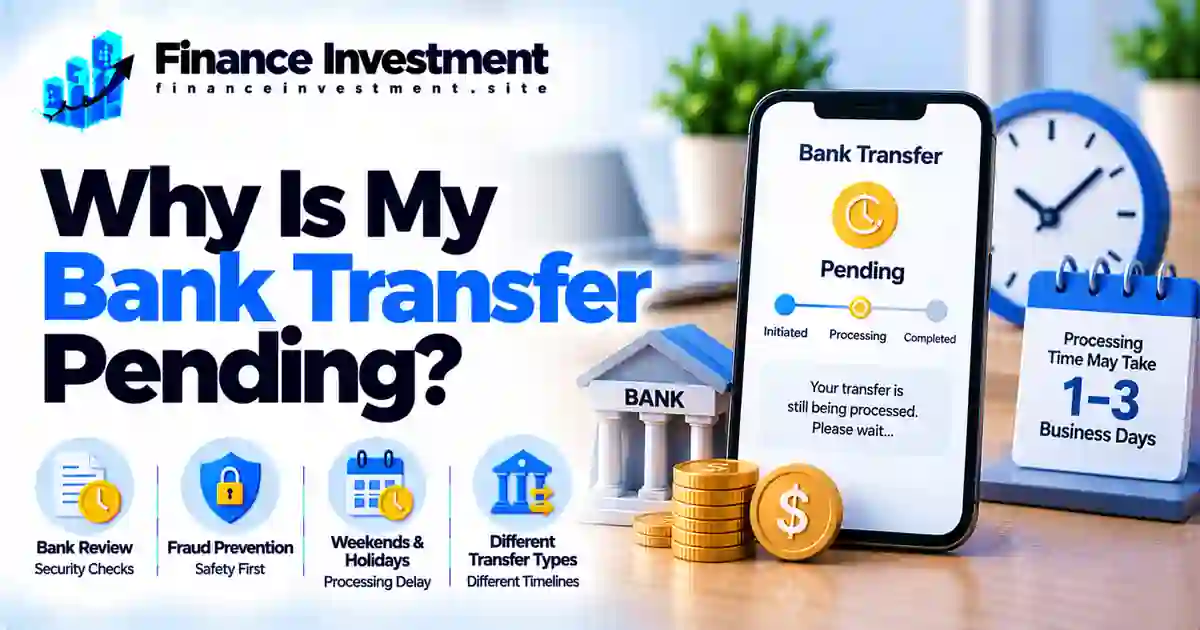
    7. Why is my bank transfer still pending?

    The payment may be awaiting its scheduled processing window, a bank review, or another step required by the payment service. Check the transaction details and contact your bank if the status remains unclear or the estimated delivery window has passed.

    8. How can I check my bank’s transfer cutoff time?

    Check your bank’s official website, mobile app, transfer instructions, or account terms. If the deadline is unclear, ask the bank for the cutoff that applies to your specific payment method and submission channel.


    Final Verdict: When Should You Expect a Bank Transfer?

    The time a bank transfer takes depends on the payment method, the bank’s processing schedule, and when the recipient can access the funds. Traditional ACH payments and wires generally follow business-day schedules, while eligible instant payments may arrive within seconds.

    If timing matters, confirm the expected delivery window before sending money. Choose a method that fits your deadline, check the recipient’s details, and avoid assuming that a payment confirmation means the funds are already available.

    Final takeaway: Understanding cutoff times and payment options helps you plan transfers more confidently, especially when a bill or other payment has a firm deadline.

    For a broader look at transfer options, fees, and payment methods, explore our complete guide to bank transfers and payments.

    Make Smarter Banking Decisions

    Explore practical guides to bank transfers, payment methods, and everyday money decisions from FinanceInvestment.

    Explore Related Guides

    Have feedback or a topic you’d like us to cover? We’d like to hear from you.

    Email FinanceInvestment

    For more banking and personal finance guidance, visit FinanceInvestment regularly for new and updated articles.

  • Why Is My Bank Transfer Pending? Causes & Fixes (2026)

    Why Is My Bank Transfer Pending? Causes & Fixes (2026)

    Why Is My Bank Transfer Pending? Causes and What to Do

    Subhash Rukade
    Founder, FinanceInvestment
    Personal Finance · Banking Guides
    Published: October 28, 2026
    Updated: October 28, 2026
    Reading time: About 9 minutes


    Why Is My Bank Transfer Pending?why is my bank transfer pending

    You sent the money, checked your banking app, and expected the payment to go through. Instead, the status still says “pending.” If you’re wondering why is my bank transfer pending, don’t panic—but don’t ignore the status either. It doesn’t automatically mean your money is lost.

    A bank may still be processing the payment, reviewing transaction details, or waiting for its next processing window. ACH transfers often take multiple business days, while wire transfers and eligible instant payments follow different timelines. Weekends, bank holidays, cutoff times, and verification checks can all affect when a payment moves forward.

    Start by checking the transaction status, recipient details, and estimated arrival date in your banking app. Avoid sending the payment again until you confirm what happened, since a duplicate transfer could leave you paying twice. For a broader overview, read our complete guide to bank transfers and payments.

    What You’ll Learn

    • Why bank transfers can remain pending.
    • How ACH, wire, and instant payments differ.
    • What to check before contacting your bank.
    • When a delay may require urgent action.

    Quick Answer: Why Is My Bank Transfer Pending?

    A bank transfer can remain pending while the payment is being processed, awaiting a scheduled processing window, or undergoing a security check. Weekends, bank holidays, cutoff times, and incorrect payment details can also affect progress. Check the transaction status and estimated arrival date in your banking app. If the expected time has passed, contact your bank using its official app or verified phone number.

    Key Takeaways

    • A pending status does not automatically mean your money is lost.
    • ACH transfers can take multiple business days, depending on the bank and processing schedule.
    • Wire transfers and eligible instant payments follow different timelines.
    • Weekends, holidays, and missed cutoff times can delay processing.
    • A security review or incorrect recipient details may require follow-up.
    • Confirm the transaction status before sending the money again.

    The Bottom Line

    Start by checking the payment method, recipient details, and expected completion time. If the transfer is overdue, the details appear incorrect, or you suspect fraud, contact your bank promptly. Avoid making a duplicate payment until the first transaction’s status is clear.

    Pending Bank Transfers at a Glance

    A pending label means your bank has not yet shown the transaction as fully completed, but the exact meaning depends on the payment method and the bank’s system. The money may still be processing, awaiting review, or waiting for a scheduled transfer window. Check the transaction details before deciding what to do next.

    Quick Facts

    Common causes: Processing schedules, cutoff times, weekends, holidays, or additional verification.

    First step: Review the transaction status, recipient details, and estimated completion date.

    When to follow up: Contact your bank if its stated timeframe has passed, the details look incorrect, or you suspect fraud.

    Typical Transfer Processing Times

    Transfer methodGeneral timing
    Transfer between accounts at the same bankOften quick, but bank rules and account restrictions apply
    Standard ACH transferCommonly 1–3 business days; some eligible payments may be faster
    Domestic wire transferMay arrive the same business day if accepted before the bank’s cutoff
    Eligible instant paymentOften seconds when both institutions and the transaction are supported

    Important: These are general processing estimates, not guarantees for a pending transaction. A payment marked “sent” may not yet be available to the recipient. Check your bank’s displayed status and estimated arrival time, and don’t send the payment again until you confirm the first transaction’s status.

    Understanding Pending Bank Transferswhy is my bank transfer pending

    A pending bank transfer is a payment that has not yet reached its final status in your bank’s system. Your bank may have received the instruction but still need to process the payment, verify certain details, or wait for a scheduled processing window. Depending on the bank and transfer type, the amount may be deducted from your available balance, temporarily held, or still appear in your account.

    Which Transfers Can Show as Pending?

    • ACH transfers: Direct deposits, bill payments, and bank-to-bank transfers may remain pending while they move through the ACH processing cycle.
    • Wire transfers: A wire may show as pending while the sending bank processes or reviews it. Cutoff times and receiving-bank procedures can affect delivery.
    • Transfers between your own accounts: These may appear quickly or take longer, depending on the account types, transfer rules, and bank processing.
    • Instant payments: Eligible payments can arrive within seconds when the service supports the transaction, although verification or other restrictions may affect individual payments.

    Remember: “Pending,” “processing,” “completed,” and “available” are not always interchangeable. A completed transaction does not necessarily mean the recipient can immediately spend the funds. Check your bank’s status definitions and the recipient’s account information before drawing conclusions.

    If you don’t recognize the transfer, notice incorrect recipient details, suspect fraud, or the bank’s stated timeframe has passed, contact your bank through its official app or verified phone number. Don’t send a second payment until you understand the status of the first one.

    How Bank Transfer Processing Works

    Sending a payment is only the beginning. Depending on the transfer method, the bank may need to validate your instructions, process the payment through a banking network, and confirm the result. That is why a transfer can remain pending after you submit it.

    1. You Authorize the Payment

    You enter the amount and recipient information, then approve the transfer. Your bank may check available funds, account details, transfer limits, and whether additional security verification is needed.

    2. The Transfer Enters Processing

    The bank handles the instruction according to the payment service’s rules. Standard ACH transfers follow processing schedules, while wire transfers and eligible instant payments use different systems. Cutoff times may affect some payments.

    3. The Payment Is Sent or Routed

    For an external transfer, the payment may pass through the relevant payment network before reaching the recipient’s bank. Internal transfers may follow a different process. Incorrect details, reviews, or processing issues can delay or prevent completion.

    4. The Transaction Reaches Its Final Status

    The bank updates the transaction status when it receives the relevant processing information. Depending on the payment method and bank, a “completed” label may not tell you exactly when the recipient can use the money. Confirm the status with the institutions involved if the timing is unclear.

    If the transfer appears stuck: Check its latest status, recipient details, and estimated arrival time. If the bank’s stated timeframe has passed, contact it through its official app or verified phone number. Keep your confirmation number or transaction reference available.

    Benefits and Drawbacks of Different Transfer Methods

    No transfer method is ideal for every situation. The right choice depends on how quickly the money needs to arrive, the fees involved, and the options available through your bank.

    Pros

    • ACH transfers: Convenient for payroll, recurring bills, and routine payments; fees may be low or waived.
    • Wire transfers: Can suit time-sensitive or high-value payments when the bank can process them within the required timeframe.
    • Instant payments: Eligible transactions may reach the recipient within seconds when both institutions support the service.

    Cons

    • ACH transfers: Standard processing can take multiple business days, depending on the payment and bank.
    • Wire transfers: Fees may apply, cutoff times matter, and recovering a completed payment sent to the wrong recipient can be difficult.
    • Instant payments: Service availability and limits vary, and payments sent to scammers may be difficult to recover.

    Before choosing a method, compare the estimated arrival time, fees, transaction limits, and cancellation or recall options. Read our guide to ACH transfers versus wire transfers for a closer comparison.

    Bank Transfer Status Comparison: What Each Label Means

    Seeing a status such as “pending” or “completed” can be confusing when you’re waiting for money to arrive. Banks and payment services may use these labels differently, so treat them as clues about the transaction—not as universal definitions.

    StatusWhat it may meanWhat to do next
    PendingThe transaction has not reached its final status in the bank’s system.Check the estimated arrival time and transaction details.
    ProcessingThe bank or payment service is handling the payment instruction.Follow the bank’s stated timeframe.
    CompletedThe transaction has reached the completion stage defined by that bank or service.If the recipient cannot see the funds, ask both banks to confirm the payment status.
    FailedThe attempted payment was not completed.Check the reason and whether the funds were returned.
    ReturnedA payment that was sent into the payment process has been sent back.Confirm the return reason and when the funds will be available again.

    Expert tip: Keep the confirmation number, transfer date, amount, and recipient details. If the expected timeframe has passed, these details can help your bank investigate the transaction.

    A status label alone may not tell you whether the recipient can spend the money. If the transfer is overdue, the details look wrong, or you suspect fraud, contact your bank through its official app or verified phone number. Don’t resend the payment until you confirm what happened to the original transaction.

    Processing Delays, Cutoff Times and Expert Tips

    Even when you enter the correct information, a bank transfer may take longer than expected. The reason could be the payment schedule, a bank review, or a problem with the transaction. Knowing how these factors work can help you decide whether to wait or contact your bank.

    What Can Delay a Bank Transfer?

    • Missed cutoff time: A payment submitted after the applicable cutoff may be handled on the next processing day.
    • Weekends and bank holidays: These can affect standard ACH and wire processing schedules.
    • Security or verification review: Your bank may need to review unusual activity or confirm transaction details.
    • Incorrect recipient information: Wrong account details may cause a delay, rejection, or misdirected payment. Contact your bank promptly if you spot an error.

    Expert Tips to Reduce Avoidable Delays

    • Check your bank’s cutoff time and estimated arrival date before initiating the payment.
    • Verify the recipient’s account information before confirming the transfer.
    • Allow for business-day processing when a weekend or bank holiday is approaching.
    • Keep your confirmation number and contact the bank if the stated timeframe passes.

    An online banking app may be available around the clock, but some transfers still follow specific processing schedules. Eligible instant-payment services may operate outside traditional banking hours, depending on the service, participating institutions, and transaction requirements.

    Common Mistakes That Can Complicate a Pending Transfer

    When a bank transfer remains pending, acting too quickly can create additional problems. Avoid these common mistakes:

    • Sending the payment again: Check the original transaction before retrying to avoid a possible duplicate payment.
    • Overlooking recipient details: If you notice an incorrect account or routing number, contact your bank promptly rather than assuming the transfer will correct itself.
    • Ignoring an unfamiliar transaction: A routine delay is possible, but report any payment you did not authorize immediately.
    • Trusting unexpected messages: Contact your bank through its official app or verified phone number. Never share your password or one-time verification code with someone who contacts you unexpectedly.

    Real-Life Example: An ACH Transfer Started on Friday

    Suppose you initiate an ACH transfer late Friday, after your bank’s cutoff time. The payment may not enter processing until the next business day. A weekend or bank holiday can extend the wait, depending on the bank and payment schedule.

    Instead of submitting another payment, review the transaction status and estimated arrival date. If the stated timeframe passes, contact your bank with the confirmation number and ask whether the transfer is still processing, has failed, or has been returned.

    **Remember:** Waiting is reasonable when a transfer is within its expected timeframe. Suspected fraud, incorrect recipient details, or an unauthorized payment calls for prompt action.

    Remember: Waiting is reasonable when a transfer is within its expected timeframe. Suspected fraud, incorrect recipient details, or an unauthorized payment calls for prompt action.

    When to Wait and When to Contact Your Bank

    If your bank transfer is still within the estimated processing timeframe, check its status and allow the stated period to pass. Cutoff times, weekends, holidays, and the transfer method can affect when funds arrive.

    Contact Your Bank Promptly If:

    • The bank’s estimated processing timeframe has passed and the transfer remains unresolved.
    • You entered incorrect recipient details or sent money to the wrong account.
    • The transfer failed, was returned, or its status is unclear.
    • You notice an unauthorized transaction or suspect fraud.

    Contact your bank through its official app or verified phone number, and keep your transaction reference handy. If you sent money to the wrong recipient, ask whether the payment can be stopped or recalled; recovery is not guaranteed. For suspected fraud or an unauthorized transfer, report it immediately. Avoid sending the payment again until your bank clarifies the original transaction’s status.

    Frequently Asked Questions About Pending Bank Transfers

    1. Why is my bank transfer pending?

    Your transfer may be awaiting processing, a scheduled payment window, verification, or handling by the receiving bank. Check your bank’s transaction status and estimated completion time.

    2. How long can a pending bank transfer take?

    It depends on the payment method, bank cutoff times, weekends, holidays, and any required review. Standard ACH transfers commonly take one to three business days, but some transactions take longer. Check your bank’s estimate for your specific payment.

    3. Can a pending bank transfer fail?

    Yes. A pending transfer may later fail or be returned because of incorrect details, insufficient funds, account restrictions, or other processing issues. Review the bank’s explanation before attempting another payment.

    4. Does pending mean the money has left my account?

    Not necessarily. Depending on your bank and payment method, the amount may affect your available balance before the transaction is fully posted. Check your account activity and balance details for the latest information.

    5. Why is my transfer pending over the weekend?

    Some bank transfers follow business-day processing schedules. A payment submitted after Friday’s cutoff may not begin processing until the next business day. A bank holiday can extend the wait further.

    6. Should I send the transfer again if it is pending?

    Do not resend it until you have confirmed the original transaction’s status. Otherwise, both payments could go through, creating a duplicate payment that may take time to resolve.

    7. Can I cancel a pending bank transfer?

    Possibly. Cancellation depends on the payment method and how far the transaction has progressed. Contact your bank immediately to ask whether it can stop or recall the payment. Cancellation or recovery is not guaranteed, particularly after processing is complete.

    8. When should I contact my bank about a pending transfer?

    Contact your bank if the estimated processing timeframe has passed, the status remains unclear, or you entered incorrect recipient details. Report an unauthorized transfer or suspected fraud immediately rather than waiting for the usual processing period to end.


    Final Verdict: What to Do When Your Bank Transfer Is Pending

    A pending bank transfer is a reason to check the details, not automatically a sign that your money is lost. Review the transaction status, recipient information, and estimated arrival time before deciding what to do next.

    If the bank’s stated timeframe has passed, contact it through an official channel. Report unauthorized activity or suspected fraud immediately, and avoid sending a second payment until the original transfer’s status is clear.

    For a broader understanding of ACH transfers, wire transfers, and other payment options, explore our complete guide to bank transfers and payments before choosing a method for your next transaction.

    Ready to Make Your Next Bank Transfer With Confidence?

    Know what to check when a transfer is pending, understand your payment options, and learn how to avoid common transfer mistakes.

    FinanceInvestment provides educational information to help readers make informed personal finance decisions. For a pending transaction, contact your bank through an official channel.

  • How Long Does a Bank Transfer Take? (2026 Guide)

    How Long Does a Bank Transfer Take? (2026 Guide)

    How Long Does a Bank Transfer Take?

    SR
    Subhash Rukade
    Founder, FinanceInvestment
    PERSONAL FINANCE · USA
    Published: October 28, 2026
    Updated: October 28, 2026
    Reading time: 8 minutes

    How Long Does a Bank Transfer Take? What to Expecthow long does a bank transfer take

    If you’re wondering how long does a bank transfer take, the answer depends on the payment method, the banks involved, and when you send the money. Some eligible instant payments arrive within seconds, while standard ACH transfers commonly take one to three business days. Domestic wire transfers may arrive the same business day when sent before the bank’s cutoff time, but timing and availability vary by institution.

    The transfer type makes a real difference. ACH is commonly used for direct deposits, recurring bills, and transfers between accounts. Wire transfers are often used when speed matters, while instant-payment services can move eligible payments much faster. Weekends, federal holidays, bank processing schedules, security reviews, and incorrect account details can all affect when money arrives or becomes available.

    Knowing the typical timelines can help you plan a bill payment, move savings, or send money without unnecessary stress. For a broader look at available methods, read our complete guide to bank transfers and payments.

    What You’ll Learn

    • How long ACH, wire, internal bank, and instant transfers typically take.
    • How bank cutoff times, weekends, and holidays affect processing.
    • Why a transfer may be pending, delayed, or unavailable to the recipient.
    • How to choose a transfer method based on urgency, fees, and availability.

    Quick Answer: How Long Does a Bank Transfer Take?

    A US bank transfer can take seconds, one or more business days, or longer, depending on the payment method. Eligible instant payments may arrive within seconds. Standard ACH transfers commonly take one to three business days, while domestic wire transfers may arrive the same business day if sent before the applicable cutoff. International transfers can take several business days or longer, depending on the countries, banks, and intermediary institutions involved.

    Key Takeaways

    • ACH transfers commonly take one to three business days, although some payments may arrive sooner.
    • Domestic wire transfers may arrive the same business day, depending on bank cutoffs and processing.
    • Weekends, federal holidays, security reviews, and incorrect recipient details can cause delays.
    • A transfer marked as sent or completed does not necessarily mean the recipient’s funds are immediately available to spend.

    The Bottom Line

    Before sending money, check your bank’s estimated delivery time, cutoff rules, and any applicable fees. If the payment is urgent, confirm that the chosen method supports the required timing and that the recipient can receive it. Do not assume every transfer is instant, even when both accounts are held at the same bank.

    In This Guide

    Bank Transfer Times at a Glance

    How long a bank transfer takes depends on the payment network, the banks involved, submission time, and when the recipient’s funds become available. These are general estimates for common US payment methods, not guaranteed delivery times.

    Transfer methodTypical timing
    Transfer between accounts at the same bankOften immediate or same day; some transfers take longer
    ACH transfer between banksCommonly 1–3 business days; some eligible payments are faster
    Domestic wire transferOften the same business day if accepted and processed before the applicable cutoff
    Eligible instant paymentUsually seconds, if the sending and receiving institutions support the same service
    International bank transferOften several business days; the route, currency, and intermediary banks affect timing

    QUICK TAKE: Business days generally exclude weekends and bank holidays. A payment marked as sent or completed may not mean the recipient can spend the money immediately. Check your bank’s estimated delivery date and the receiving bank’s funds-availability rules.

    Timing varies by institution, payment service, cutoff time, and any security or compliance review.

    A Beginner’s Guide to Bank Transfershow long does a bank transfer take

    A bank transfer moves money electronically from one account to another. You might use one to move savings between your own accounts, pay a bill, send money to another person, or pay a business. The transfer method affects processing time, fees, limits, and when the recipient can access the funds.

    Common Types of Bank Transfers

    • Internal bank transfers: Move money between accounts at the same bank. They often post quickly, although timing depends on the bank, account type, and transaction.
    • ACH transfers: Use the Automated Clearing House network for direct deposits, bill payments, and transfers between banks. Standard ACH transfers commonly take one to three business days, although some payments may arrive sooner.
    • Wire transfers: Send money through wire networks. Domestic wires may arrive the same business day if accepted before the bank’s cutoff, while international wires can take several business days or longer.
    • Instant payments and person-to-person services: Eligible payments through supported instant-payment networks may arrive within seconds. Services such as Zelle have their own eligibility, enrollment, and processing rules, so delivery times can vary.

    Before sending money, confirm the recipient’s details, estimated delivery time, transfer limits, and applicable fees. Learn more in our guides to how wire transfers work and bank transfers and payment methods.

    Beginner tip: A payment being sent or processed does not necessarily mean the recipient can spend the money immediately. Check the expected arrival time and funds-availability rules before relying on a transfer for an urgent bill.

    How Bank Transfer Processing Works

    When you send money, your bank must process the payment through the relevant system before the recipient can use the funds. The exact steps and timing depend on whether you use an internal transfer, ACH, a wire, or an instant-payment service.

    1. You Initiate the Payment

    You provide the amount and recipient details through your bank or payment service. The provider may check your identity, available balance, transfer limits, and payment instructions.

    2. The Payment Enters the Relevant System

    Your bank processes the instruction using the applicable system. ACH payments follow ACH processing schedules, wires use wire networks, and eligible instant payments use supported real-time payment services.

    3. The Payment Is Routed to the Recipient

    The receiving bank or payment provider handles the incoming payment according to the relevant network rules and its own procedures. Incorrect details, compliance checks, or other exceptions may delay or prevent delivery.

    4. The Recipient Gets Access to the Funds

    The money may be available immediately or later, depending on the payment method and the receiving institution’s rules. A displayed transaction status does not always confirm that the recipient can spend the funds.

    Why this matters: “Pending,” “processing,” and “completed” can mean different things across banks and payment services. Check the transaction details and estimated arrival date in your bank’s app. If the expected date passes, contact your bank using its official contact information.

    Benefits and Drawbacks of Different Transfer Methods

    The right transfer method depends on how quickly the money must arrive, what it costs, and whether the recipient can receive it. A faster payment is not automatically the most economical or appropriate option.

    Benefits

    • ACH: Useful for payroll, recurring bills, and routine account-to-account payments; fees may be low or nonexistent, depending on the provider.
    • Wire transfers: Can be suitable for time-sensitive or high-value payments when the recipient’s details are verified.
    • Instant payments: Eligible transactions can reach recipients within seconds when the required service is supported.

    Drawbacks

    • ACH: Standard transfers may take multiple business days, and processing schedules can affect arrival.
    • Wire transfers: Fees may apply, and completed wires can be difficult to recover if sent to the wrong recipient.
    • Instant payments: Availability and limits vary; authorized payments may be difficult to recover if sent to a scammer.

    Before sending money, verify the recipient’s information and check your bank’s fees, limits, and delivery estimate. Compare the options in our guide to ACH transfers vs. wire transfers.

    Bank Transfer Processing Time: Compare Your Options

    In the US, transfer timing depends on the payment network, the banks involved, and when the transaction is submitted. The estimates below are general guidelines, not guaranteed arrival times.

    Transfer methodTypical timingCommon use
    Transfer between accounts at the same bankOften immediate or same day; some transactions take longerMoving money between eligible accounts at one institution
    ACH transfer between banksCommonly 1–3 business days; eligible payments may be fasterDirect deposits, bills, and routine bank transfers
    Domestic wire transferOften the same business day when accepted before the applicable cutoffTime-sensitive or high-value payments
    Eligible instant paymentUsually seconds when the service is supported and availablePayments between participating institutions
    International bank transferOften several business days; some transfers take longerSending money across countries or currencies

    Expert note: Cutoff times, weekends, bank holidays, currency conversion, intermediary institutions, and additional reviews can affect delivery. Also distinguish the time a payment reaches the recipient’s bank from the time the funds become available to spend.

    Choosing between common bank payment methods? Read our guide to ACH transfers vs. wire transfers before sending money.

    How Cutoff Times, Weekends, and Holidays Affect Bank Transfers

    Submitting a transfer online does not always mean processing begins immediately. Banks set cutoff times for certain payment methods. If you miss the applicable deadline, your payment may be processed on the next business day, depending on the bank and transfer type.

    What Can Change Your Transfer Timeline?

    • Weekends: Standard ACH transfers generally follow business-day processing schedules. A transfer submitted late on Friday may not begin processing until the next business day.
    • Bank holidays: Federal holidays can affect ACH and wire processing. A holiday may push the expected delivery date back, depending on the payment method.
    • Cutoff times: Deadlines vary by bank, account, and payment type. Online banking may be available around the clock even when a particular transfer is not processed immediately.
    • Instant-payment services: Eligible payments through supported real-time networks may operate outside traditional banking hours, but availability and service rules still apply.

    Expert Tips to Avoid Delays

    • Submit time-sensitive transfers early on a business day when possible.
    • Confirm the cutoff time and estimated arrival date with your bank.
    • Double-check the recipient’s routing number, account number, and other required details.
    • Allow extra time for international payments, which may involve currency conversion and intermediary banks.

    If a payment must arrive by a deadline, ask your bank which available method is suitable, what it costs, and when the recipient should receive the funds. Do not assume that every transfer submitted after hours will arrive the same day.

    Why Do Bank Transfers Get Delayed?

    If a transfer takes longer than expected, one or more of these factors may be responsible:

    • Missed cutoff time: The bank may process the payment on the next eligible business day.
    • Weekends or bank holidays: Standard ACH and wire processing schedules can extend the wait.
    • Incorrect recipient details: An incorrect account or routing number may lead to rejection, a delay, or a payment being sent to an unintended account.
    • Security or compliance review: A bank may need additional information or verification before processing a transaction.
    • International processing: Currency conversion, intermediary institutions, and checks by participating banks can add time.

    Real-Life Example: An ACH Transfer Sent on Friday

    Imagine Alex schedules an ACH transfer between two US banks late Friday afternoon, after the sending bank’s cutoff. The bank may treat it as received for processing on the next business day. The money could arrive later, depending on the ACH schedule, the banks’ processing times, and any applicable holiday. The exact arrival date should be confirmed with the bank.

    If your transfer is late, check its status and estimated arrival date. If that date has passed, contact your bank using the official app or phone number and keep the transaction confirmation handy. If you suspect incorrect recipient details or fraud, notify the bank promptly. Avoid sending a duplicate payment until you confirm what happened to the original transaction.

    Which Bank Transfer Method Should You Choose?

    Choose a transfer method based on your deadline, total cost, payment limits, and the recipient’s ability to receive the funds.

    • For routine payments: ACH may suit payroll, bills, and eligible transfers between different banks.
    • For urgent domestic payments: Check whether both institutions support an eligible instant-payment service. A domestic wire may also work if it can be processed before the applicable cutoff.
    • For your own accounts at the same bank: An internal transfer may be convenient, subject to the bank’s account rules and processing schedule.
    • For international payments: Compare estimated delivery times, exchange rates, transfer fees, and any intermediary or receiving-bank charges.

    Before you send: Verify the recipient’s details, confirm the estimated arrival time, and review applicable fees and cancellation or recall options. Once a payment has been processed, recovering it may be difficult, especially if the recipient is incorrect or fraudulent.

    Frequently Asked Questions About Bank Transfer Times

    1. How long does a bank transfer usually take?

    It can take seconds to several business days. Eligible instant payments may arrive within seconds, standard ACH transfers commonly take one to three business days, and international transfers may take longer.

    2. Can a bank transfer take 24 hours?

    Yes. Some transfers arrive within 24 hours, but this is not guaranteed. Standard ACH transfers may take multiple business days, especially when weekends, holidays, or cutoff times affect processing.

    3. Do bank transfers go through on weekends?

    Some eligible instant-payment services operate on weekends. Standard ACH and many wire transfers follow business-day schedules, so a weekend submission may be processed later.

    4. Why is my bank transfer still pending?

    A transfer may be pending because of processing schedules, a missed cutoff, verification checks, or incomplete payment details. Check the transaction status and estimated arrival date with your bank.

    5. Are wire transfers faster than ACH transfers?

    Often, yes. Domestic wires may arrive the same business day when processed before the applicable cutoff, while standard ACH transfers commonly take one to three business days.

    6. How long does an international bank transfer take?

    Many international bank transfers take several business days, but some take longer. The destination, currency conversion, intermediary banks, and required checks can affect delivery.

    7. Can a bank transfer arrive on the same day?

    Yes. Eligible internal transfers, instant payments, and some domestic wires may arrive the same day. The actual timing depends on the payment method, bank processing, and recipient eligibility.

    8. What should I do if my bank transfer has not arrived?

    Check the estimated arrival date and transaction status. If the expected date has passed, contact your bank through its official app or phone number and provide the transaction reference. If you suspect fraud or incorrect recipient details, notify the bank promptly.


    Final Verdict: How Long Does a Bank Transfer Take?

    A bank transfer can arrive within seconds or take several business days. The timeline depends on the payment method, bank processing schedules, and the recipient’s ability to receive the payment. Standard ACH transfers commonly take one to three business days, eligible instant payments may arrive within seconds, and domestic wires may arrive the same business day when processed before the applicable cutoff.

    Before sending money, verify the recipient’s details and compare the estimated arrival time, fees, transfer limits, and funds-availability rules. If the payment is urgent, confirm directly with your bank that the chosen method can meet your deadline.

    Your next step: Explore our complete guide to bank transfers and payments to compare common payment methods and choose one that fits your timing and budget.

    FINANCEINVESTMENT

    Make Your Next Money Move with Confidence

    Choosing the right transfer method can help you manage timing, fees, and payment risks. Explore our banking guides for more practical tips on handling your money safely.

    Explore Banking Guides

    Have feedback or a question about this guide? Email FinanceInvestment.

  • How to Send a Wire Transfer Safely From Your Bank

    How to Send a Wire Transfer Safely From Your Bank

    How to Send a Wire Transfer Safely From Your Bank

    SR
    Subhash Rukade
    Founder, FinanceInvestment
    PERSONAL FINANCE · USA
    PUBLISHED
    October 27, 2026
    LAST UPDATED
    October 27, 2026
    READING TIME
    About 9–10 minutes


    how to send a wire transfer safely from your bank

    How to Send a Wire Transfer Safely From Your Bank

    Knowing how to send a wire transfer safely from your bank matters when you are paying for a home, sending money to family, or completing an important business transaction. Unlike some everyday payments, a wire can be difficult to recover once it has been processed, especially if the recipient details were fraudulent or incorrect.

    Before you authorize a transfer, confirm who should receive the money, verify the bank instructions independently, and check the fees and expected delivery window. A message that appears to come from a trusted person or company is not enough on its own—particularly if it announces a last-minute change to payment details.

    New to bank transfers? Our complete guide to bank transfers and payments explains how common payment methods differ and when each may be useful.

    What You’ll Learn

    • How to prepare for and send a bank wire transfer step by step.
    • Which recipient details to verify before approving the payment.
    • How to spot suspicious instructions and common wire-transfer scams.
    • Which fees, cutoff times, and processing requirements to check with your bank.
    • What to do promptly if you make a transfer error or suspect fraud.

    Quick Answer: How Can You Send a Wire Transfer Safely?

    Start through your bank’s official website, mobile app, or verified branch. Confirm the recipient’s payment instructions using a trusted, independently verified contact method. Check the banking details, review fees and timing, and complete your bank’s required security checks before approving the transfer.

    Key Takeaways

    • Verify the recipient and payment instructions independently.
    • Pause if someone unexpectedly changes the account details or pressures you to act immediately.
    • Double-check the recipient’s name, account number, and required routing information.
    • Review applicable fees, transfer limits, cutoff times, and estimated delivery.
    • Never disclose your banking password or one-time verification code to someone who contacts you unexpectedly.
    • Save the transfer confirmation and transaction reference.

    Bottom line: Do not approve a wire until you are confident that the recipient and instructions are legitimate. If anything seems unusual, stop and verify before sending money.

    Wire Transfer Safety at a Glance

    Quick take: Start through your bank’s official channel, verify the recipient’s instructions independently, and review the complete payment details before authorizing a wire.

    Best For

    Payments where a wire is required or appropriate, including certain property closings and business transactions.

    Most Important Check

    Verify the recipient’s details and independently confirm any unexpected change to payment instructions.

    Your Pre-Transfer Checklist

    CheckpointWhat to Verify
    RecipientCorrect name, account number, and required bank identifiers
    Payment detailsAmount, applicable fees, transfer limits, and cutoff time
    SecurityOfficial banking channel and independently verified instructions
    After sendingConfirmation receipt and transaction reference

    Fees, transfer limits, and processing times vary by bank and transaction. Confirm the applicable details with your bank before sending.

    Wire Transfer Basics: What You Need to Knowhow to send a wire transfer safely from your bank

    A bank wire transfer moves money electronically between financial institutions. In the United States, people commonly use wire transfers for property transactions, large purchases, business payments, and other situations where the recipient specifically requests a wire. Before choosing this method, understand the fees, processing deadlines, and recipient information your bank requires.

    A domestic wire transfer generally sends money between accounts within the United States. An international wire transfer sends money to another country and may involve currency conversion, intermediary banks, additional fees, and different processing times.

    What Information Might You Need?

    Depending on your bank and the destination, you may need:

    • The recipient’s full name and account number
    • The receiving bank’s wire-routing number for a domestic transfer, as instructed by the bank
    • The receiving bank’s name and address, if requested
    • A SWIFT/BIC code or IBAN for certain international transfers
    • The transfer amount and any required payment-purpose information

    Safety tip: Obtain payment instructions through a trusted channel. Independently confirm the recipient’s identity and verify any new or changed wire instructions using a phone number or contact method you already trust—not contact details supplied in a suspicious message.

    Wire transfers may be processed quickly, but fees and delivery times vary, and completed transfers can be difficult to recover. If you are deciding between payment methods, read our ACH transfer vs. wire transfer guide before making your choice.

    How to Send a Wire Transfer Safely: Step by Step

    Before sending a wire transfer, follow these five steps to reduce the risk of payment errors and fraud. Your bank’s exact process may vary for domestic and international transfers.

    1. Use Your Bank’s Official Channel

    Sign in through your bank’s official app or website, or visit a verified branch. Avoid banking links in unexpected emails or text messages. Never share your password or one-time security code with someone who contacts you unexpectedly.

    2. Independently Verify the Recipient

    Confirm the recipient’s identity and payment instructions using a trusted phone number or contact method obtained independently. If emailed instructions change unexpectedly, verify the change before sending—even if the message appears to come from someone you know.

    3. Enter Every Detail Carefully

    Enter the recipient’s name, account number, required routing number or international bank identifiers, and payment amount. Compare each field with the verified instructions. Do not assume that a matching recipient name alone guarantees the money will reach the correct account.

    4. Review Before Authorizing

    Check the amount, transfer fee, any applicable exchange rate or conversion costs, estimated delivery time, and cutoff time. Review the final payment summary carefully and complete your bank’s required authentication before confirming.

    5. Save the Receipt and Monitor the Transfer

    Keep your confirmation receipt and transaction reference number. If you notice incorrect details or suspect fraud, contact your bank’s wire department immediately and ask whether the transfer can be stopped, recalled, or otherwise addressed. Recovery is not guaranteed.

    Important safety rule: Do not let urgency or pressure override verification. Pause the transaction and confirm the request independently if anything seems unusual.

    Benefits and Drawbacks of Bank Wire Transfers

    Wire transfers can be useful when a recipient requires payment by wire or a transaction calls for a bank transfer with a specific processing timeline. However, fees, delivery times, and recovery options vary.

    Benefits

    • Can be suitable for large or time-sensitive payments.
    • Provides an established method for sending funds between bank accounts.
    • Eligible domestic wires may be processed the same business day, depending on the bank, submission time, and applicable requirements.
    • Commonly used for certain real estate and business transactions.

    Drawbacks

    • Sending and receiving fees may apply.
    • Incorrect account details can delay or misdirect a payment.
    • Once processed, a wire may be difficult to stop or recover, especially if fraud is involved.
    • International transfers may involve currency-conversion costs, intermediary fees, and longer processing times.

    Bottom line: A wire transfer may be worth the cost when the recipient requires it or the transaction has specific timing needs. For routine payments, compare alternatives before deciding.

    See our ACH transfer vs. wire transfer guide to compare the two methods.

    Wire Transfer vs. Other Payment Methods

    The best way to send money depends on the amount, urgency, recipient, fees, and level of payment protection. Compare these common options before transferring funds.

    Payment MethodCommon UseImportant Consideration
    Wire transferLarge payments or transactions requiring a wireFees may apply, and recovery can be difficult after processing.
    ACH transferRoutine payments, payroll, and bank-account transfersOften cost-effective, but processing time depends on the transfer type and bank.
    ZelleEligible payments to people you know and trustPayments to enrolled recipients may be difficult to recover if you authorize a payment to a scammer. Unauthorized transfers are a different situation.
    Paper checkPayments where the recipient accepts checksDelivery and clearing can take time, and checks can be lost, stolen, or altered.

    Which method should you choose? Consider a wire when the recipient requires it or the transaction calls for that method. For routine payments, compare ACH fees and processing times. Use Zelle only for appropriate recipients, and use checks when accepted and practical. With every method, verify the recipient and payment instructions before sending money.

    Explore our guides to ACH transfers vs. wire transfers and ACH transfers vs. Zelle for a closer comparison.

    Wire Transfer Fees, Risks, and Expert Tips

    Wire transfer costs and risks depend on your bank, the destination, and the transaction. Before authorizing a payment, check the total cost and make sure the recipient’s instructions are genuine.

    Understand the Possible Fees

    • Outgoing wire fee: Your bank may charge to send a domestic or international wire.
    • Receiving or intermediary fees: Other banks may charge fees or deduct them from an international payment.
    • Currency conversion: The exchange rate and any conversion markup can affect the final amount received.

    Ask your bank which charges apply, how much the recipient is expected to receive, and whether any additional deductions may occur.

    Recognize the Main Risks

    Scammers may impersonate a business, seller, title company, or trusted contact. Warning signs include unexpected changes to payment instructions, urgent demands, unfamiliar account details, and emails that look legitimate but come from compromised accounts.

    Expert Safety Tips

    • Verify new or changed instructions by calling a trusted number obtained independently.
    • Confirm fees, transfer limits, cutoff times, and estimated delivery with your bank.
    • Use a unique banking password and enable available account alerts and multifactor authentication.
    • Never let pressure or urgency replace verification.
    • If you suspect fraud or send money to the wrong recipient, contact your bank’s wire department immediately and ask what action may still be possible.

    Strengthen your everyday banking habits with our bank account security checklist.

    Common Wire Transfer Mistakes and a Real-Life Example

    Wire-transfer mistakes can be expensive and difficult to correct. Before sending money, watch out for these common errors:

    • Trusting emailed instructions without independently confirming them.
    • Entering an incorrect account number or required bank identifier.
    • Accepting unexpected changes to payment details without verification.
    • Overlooking transfer fees, currency-conversion costs, or bank cutoff times.
    • Assuming a completed wire can always be canceled or recovered.

    Example: A Last-Minute Payment Change

    Imagine a homebuyer preparing to wire money for a property closing. An email arrives claiming that the title company has changed its bank details and that the payment must be sent immediately.

    Instead of following the new instructions, the buyer calls the title company using a phone number from previously verified paperwork. The company says its bank details have not changed, alerting the buyer to a possible payment-redirection scam.

    Lesson: Verify unexpected payment changes through a trusted, independently obtained contact method before authorizing a transfer.

    If you have already sent money and suspect fraud, contact your bank’s wire department immediately. Request urgent assistance to determine whether the transfer can be stopped or recalled, and preserve your confirmation receipt and relevant messages. Recovery is not guaranteed.

    Who Should Use a Wire Transfer?

    A wire transfer may be appropriate when a transaction requires payment by wire, the recipient specifies this method, or the payment’s timing and requirements make it a suitable choice.

    • Homebuyers: People making verified property-closing payments according to their title company’s or closing agent’s instructions.
    • Businesses: Companies paying suppliers or completing transactions that specifically require a wire.
    • Individuals and families: People sending domestic or international payments when a wire meets the recipient’s requirements.

    A wire may not be necessary for everyday payments if ACH or another suitable method offers lower costs and meets the deadline. Compare fees, processing times, and applicable protections before choosing.

    Before you send: Independently verify the recipient and payment instructions. For property closings or other high-value payments, confirm any new or changed instructions directly with the relevant organization using a trusted phone number obtained independently.

    Frequently Asked Questions About Safe Wire Transfers

    1. How can I send a wire transfer safely?

    Use your bank’s official app, website, or verified branch. Independently verify the recipient’s instructions, check every payment detail, and review the fees before authorizing the transfer.

    2. How long does a bank wire transfer take?

    Timing depends on the bank, destination, cutoff time, and any required checks. Some domestic wires may be processed the same business day, while international transfers can take longer.

    3. How much does a wire transfer cost?

    Fees vary by bank and transfer type. International wires may also involve intermediary-bank charges and currency-conversion costs. Confirm the total cost before sending.

    4. What information do I need to send a wire?

    You may need the recipient’s name, account number, and the appropriate routing number or international bank identifiers. Requirements vary by bank and destination.

    5. Can I cancel a wire transfer after sending it?

    A stop or recall may be possible, depending on the transfer’s status and circumstances, but it is not guaranteed. Contact your bank immediately if you need to correct or stop a payment.

    6. How can I avoid wire transfer scams?

    Independently verify payment instructions, be cautious of urgent requests or changed bank details, and confirm the request using a trusted contact method obtained separately.

    7. Is a wire transfer safer than an ACH transfer?

    Neither method is automatically safer for every transaction. Compare costs, timing, transaction requirements, and applicable protections, and verify the recipient before sending money.

    8. What should I do if I sent a wire to the wrong account?

    Contact your bank’s wire department immediately. Provide the transaction reference, explain the error, and ask whether a stop or recall is possible. Recovery is not guaranteed.

    Final Verdict: Send Your Wire Transfer Safely

    Learning how to send a wire transfer safely from your bank comes down to careful verification, accurate payment details, and understanding the costs before you authorize a transaction. These precautions can help reduce avoidable errors and protect you from common wire-fraud scams.

    A wire transfer may be the right choice when a property closing, business transaction, or recipient requires it. For other payments, compare the cost, timing, and applicable protections of alternative methods before deciding.

    The most important rule: Never send money solely because a request seems urgent. Independently verify unexpected or changed payment instructions before authorizing a wire.

    Want to understand your options before moving money? Read our complete guide to bank transfers and payments for a broader overview of common transfer methods.

    Make Your Next Bank Transfer With Confidence

    Before sending a wire, verify the recipient, confirm the payment instructions independently, and review the fees. Understanding your options can help you make a more informed banking decision.

    Have a question or suggestion? Get in touch with the FinanceInvestment author.

    Email the Author

    FinanceInvestment provides educational information, not individualized financial advice. Confirm wire-transfer instructions, fees, and requirements directly with your bank.

  • Domestic vs. International Wire Transfers: Key Differences

    Domestic Wire Transfer vs. International Wire Transfer: Key Differences

    Subhash Rukade
    Founder, FinanceInvestment
    PERSONAL FINANCE · USA
    PUBLISHED
    October 27, 2026*
    LAST UPDATED
    October 27, 2026*
    READING TIME
    About 10 min
    Straightforward banking explanations to help you make informed money decisions.


    domestic wire transfer vs international wire transfer

    Domestic Wire Transfer vs. International Wire Transfer: What’s the Difference?

    Sending money to another U.S. bank is different from wiring funds to someone in another country. When comparing a domestic wire transfer vs. an international wire transfer, the important questions are how the payment travels, what it costs, how long it may take, and how much money reaches the recipient.

    A domestic wire typically moves money between financial institutions within the United States. An international wire sends funds across borders and may involve currency conversion, intermediary banks, and additional recipient details. Processing times and fees depend on the banks, payment route, destination, currency, and submission time.

    Before authorizing either transfer, check the total cost and verify the recipient’s payment instructions through a trusted source. For a broader look at your options, explore our guide to bank transfers and payments.

    What You’ll Learn

    • The main differences between domestic and international wires.
    • What can affect delivery times and transfer fees.
    • How exchange rates and intermediary charges may change the amount received.
    • How to choose a suitable payment method and avoid common mistakes.

    Quick Answer: Domestic vs. International Wire Transfers

    Domestic wires transfer funds within the United States, while international wires send funds across national borders. International payments can involve exchange-rate costs, intermediary banks, and extra processing checks. The actual fees, delivery time, and recipient requirements depend on the banks, destination, currency, and payment route.

    Key Takeaways

    • Domestic wire fees and cutoff times vary by financial institution.
    • International transfers may require SWIFT/BIC details or other destination-specific banking information.
    • If currencies differ, the exchange rate can change the amount the recipient receives.
    • Sending, receiving, and intermediary fees may affect the total cost.
    • Banking hours, holidays, and compliance checks can affect delivery.
    • Confirm recipient details and verify any changed payment instructions using a trusted contact method.

    Bottom line: Before sending a wire, compare the total fees, expected arrival window, and amount the recipient should receive. Choose the transfer that fits your payment needs, rather than assuming one type is always faster or cheaper.

    Domestic vs. International Wire Transfers at a Glance

    QUICK TAKE

    Domestic wires send funds between financial institutions within the United States. International wires cross national borders and may involve foreign-currency conversion, intermediary banks, or additional payment checks.

    Domestic Wire

    Can suit U.S. payments when the recipient requires a wire, such as certain real-estate closings or business transactions.

    International Wire

    Can suit cross-border payments to family, businesses, or other recipients, subject to the provider’s supported destinations and requirements.

    FeatureDomestic WireInternational Wire
    Delivery timeMay be completed the same business day if submitted before the bank’s cutoffCan take several business days, depending on the route and destination
    Potential costsSending fee and possible receiving feeSending and receiving fees, possible intermediary charges, and currency-conversion costs
    Bank detailsRecipient information and required U.S. bank routing detailsRecipient information plus required destination-specific bank identifiers, which may include SWIFT/BIC or an IBAN where applicable

    These are general comparisons, not guarantees. Actual delivery times and charges depend on the banks, cutoff times, holidays, destination, currency, and any required checks. Before authorizing a transfer, ask about the total cost and the estimated amount the recipient will receive.

    Domestic and International Wire Transfer Basics domestic wire transfer vs international wire transfer

    The payment route is one of the main differences between domestic and international wires. A domestic wire transfers funds between financial institutions within the United States. Depending on the institutions and transaction, it may be processed through a domestic wire system such as the Federal Reserve’s Fedwire Funds Service or another supported network.

    What Happens With an International Wire?

    An international wire sends money across national borders. The sending and receiving banks may use intermediary institutions to route the payment. Banks commonly use the SWIFT network to exchange payment instructions, but SWIFT is a financial messaging network—not a bank account or a currency-exchange service. If the payment involves different currencies, the exchange rate and any conversion markup can affect the amount the recipient receives.

    What Information Might You Need?

    • The recipient’s full name and account number or other required account identifier.
    • The receiving bank’s required routing number or country-specific bank identifier.
    • For some international transfers, a SWIFT/BIC code, an IBAN where applicable, or another local banking code.
    • The transfer amount and currency, plus any additional information the bank requires for that destination.

    Safety tip: Requirements vary by bank and destination. Obtain the instructions from your financial institution, then independently verify any new or changed payment details using a trusted phone number before authorizing the transfer.

    How Domestic and International Wire Transfers Work

    Both types start when the sender submits payment instructions, but the route and checks can differ. Here’s how a wire typically moves from the sender to the recipient.

    1. Provide the recipient’s details. Enter the required account information and bank identifiers. Confirm the details directly with the recipient or their financial institution.
    2. Review the payment terms. Check the amount, currency, applicable fees, exchange rate where relevant, and the bank’s estimated delivery window.
    3. Authorize the wire. Follow your bank’s authentication process. The bank may request additional identity or transaction checks.
    4. The sending bank reviews and releases it. The bank processes the instructions and routes the payment through an available wire system or supported payment arrangement.
    5. The payment travels to the receiving institution. A domestic wire generally follows a U.S. payment route. An international wire may pass through correspondent banks or involve currency conversion, depending on the service and destination.
    6. The receiving bank handles the funds. After any required checks, the receiving institution processes the payment and credits the recipient’s account under its procedures.

    If a wire is delayed or sent incorrectly: Contact your bank promptly, provide the transaction reference if available, and ask it to investigate or request a recall. A recall may not succeed once the payment has been processed or the recipient has received the funds.

    Benefits and Drawbacks of Domestic and International Wires

    A wire can be a practical choice when a recipient requires one or when a payment needs to move directly between financial institutions. But fees, processing requirements, and the difficulty of reversing a completed payment deserve attention before you send money.

    Advantages

    • Useful for property closings and other payments when the recipient specifically requests a wire.
    • Some domestic wires can be processed the same business day, subject to bank cutoff times and checks.
    • Can support cross-border payments to destinations served by the provider.

    Drawbacks

    • Sending, receiving, intermediary, or currency-conversion charges may apply.
    • International transfers may take longer because of routing, local banking hours, or additional checks.
    • Incorrect details and scams can be costly to resolve; a recall may not recover the funds.

    Expert tip: Ask whether the recipient actually requires a wire. For routine domestic payments, compare the fees, timing, and eligibility requirements of an ACH transfer versus a wire transfer before deciding.

    Domestic vs. International Wire Transfer: Side-by-Side Comparison

    The main difference is the destination, but the payment route, currency, and recipient’s banking requirements matter too. Compare these features before choosing a transfer method.

    FeatureDomestic WireInternational Wire
    DestinationA recipient within the United StatesA recipient in another country
    Payment routeA supported domestic wire system, depending on the banksA cross-border payment route; intermediary banks may be involved
    CurrencyOften U.S. dollars for U.S. bank paymentsMay be sent or received in U.S. dollars or another currency
    Possible costsSending fee and possible receiving feeBank fees and, where applicable, intermediary or currency-conversion costs
    Bank detailsRecipient details and the required U.S. bank routing informationRecipient details and any bank identifiers required by the destination
    Best fitU.S. payments when a wire is required or appropriateCross-border payments when the provider supports the destination and the wire suits the recipient’s needs

    Before you send: Confirm the total cost, expected arrival window, exchange rate if applicable, and estimated amount the recipient will receive. For eligible domestic payments where a wire is not required, compare an ACH transfer with a wire transfer to see whether another option better fits your needs.

    Fees, Risks, and Expert Tips for Wire Transfers

    The transfer amount is not necessarily the total cost of sending a wire. Depending on the bank and payment route, you may face an outgoing fee, a receiving fee, or intermediary-bank charges. For an international wire involving currency conversion, the exchange rate offered by the provider may also include a markup that reduces the amount received.

    Check the Full Cost Before Sending

    Before authorizing the payment, ask your bank about applicable fees, the exchange rate, the estimated amount the recipient will receive, and the expected delivery window. Confirm the submission cutoff, too. A transfer sent after the cutoff or before a banking holiday may not be processed on the schedule you expect.

    Protect Your Money Before You Authorize a Wire

    • Verify the recipient’s name, account details, and required bank identifiers before submitting the transfer.
    • If payment instructions change, confirm them using a trusted phone number you obtained independently—not the contact details in the unexpected message.
    • Save your confirmation and transaction reference for follow-up.
    • If you suspect fraud or notice an error, contact your bank immediately and ask whether a trace or recall is possible.

    Expert tip: Wire transfers can be difficult to reverse once processed. A bank may attempt to recover the funds, but a recall does not guarantee that your money will be returned.

    For more ways to protect your banking information, use our bank account security checklist.

    Common Wire Transfer Mistakes and a Real-Life Example

    A wire transfer can go wrong when payment details are inaccurate, costs are overlooked, or instructions are not independently verified. Avoid these common mistakes before authorizing a payment:

    • Using the wrong payment method: Confirm that the recipient requires a wire and that your bank supports the destination and currency.
    • Entering incorrect bank details: Check the recipient’s name, account number, routing information, and any required international banking identifiers.
    • Overlooking the final amount: For international wires, check the exchange rate and ask about applicable receiving or intermediary fees.
    • Accepting unexpected payment changes: Fraudsters may impersonate vendors, home sellers, or real estate professionals to redirect funds.

    Real-Life Example: A Changed Closing Instruction

    Imagine a U.S. homebuyer preparing to wire money for a property closing. An email arrives with new bank details shortly before the deadline. The buyer sends the payment without confirming the change, and the instructions turn out to be fraudulent. Before sending, the buyer could have called the title company using a previously verified phone number to confirm the correct account details.

    If you notice an error or suspect fraud after sending a wire, contact your bank immediately. Provide the transaction reference and ask whether a trace or recall is possible. Acting quickly may help, but recovery is not guaranteed.

    Who Should Choose a Domestic or International Wire Transfer?

    A Domestic Wire May Suit You If…

    You are sending money between U.S. bank accounts for a property closing, business transaction, or another payment where the recipient requires a wire. Confirm the recipient’s details, your bank’s cutoff time, applicable fees, and expected processing window before authorizing it.

    An International Wire May Suit You If…

    You need to send funds to a bank account in another country, such as paying an overseas supplier or supporting family abroad. Check whether your bank supports the destination, which recipient details are required, whether currency conversion applies, and how much the recipient is expected to receive.

    Make the right choice: A wire may not be necessary for every payment. For routine transfers, compare eligible alternatives such as ACH or your bank’s international payment services. Choose based on the recipient’s requirements, total cost, supported destination, and delivery expectations.

    Frequently Asked Questions

    1. What is the difference between a domestic and an international wire transfer?

    A domestic wire transfers funds within the United States. An international wire sends funds across national borders and may involve intermediary banks, currency conversion, or additional processing requirements.

    2. How long does a domestic wire transfer take?

    A domestic wire may be completed the same business day when submitted before the bank’s cutoff. Processing reviews, holidays, and bank policies can affect the actual arrival time.

    3. How long does an international wire transfer take?

    An international wire can take several business days or longer. Timing depends on the destination, participating banks, currency, local holidays, and any required compliance checks.

    4. Are international wire transfers more expensive than domestic wires?

    They can be. Depending on the payment route, costs may include sending and receiving fees, intermediary-bank charges, and an exchange-rate markup. Compare the total cost and expected amount received before authorizing the transfer.

    5. Do all international wire transfers require a SWIFT code or IBAN?

    No. Required details depend on the destination country, receiving bank, and payment route. Your bank can tell you whether a SWIFT/BIC, IBAN, local bank code, or other identifier is required.

    6. Can I track a wire transfer?

    Your bank may provide a status update or tracing service. Contact the sending bank with your transaction reference and ask whether it can investigate the payment.

    7. Can I cancel or reverse a wire transfer?

    Cancellation may be possible before a payment is processed, depending on the bank and transaction status. After processing, a recall may be attempted, but recovery is not guaranteed. Contact your bank immediately if you identify an error or suspect fraud.

    8. Is a wire transfer safer than an ACH transfer?

    Neither method is automatically safer for every situation. The appropriate choice depends on the payment purpose, timing, costs, and applicable protections. Read our ACH transfer vs. wire transfer guide to compare the options.

    Final Verdict: Domestic vs. International Wire Transfers

    The right choice in the domestic wire transfer vs. international wire transfer decision depends on the destination and the payment requirements. A domestic wire suits payments between U.S. bank accounts, while an international wire is designed for cross-border payments that may involve currency conversion or additional banks.

    Before authorizing either transfer, confirm the recipient’s details, review the total cost, and check the expected delivery window. If you are making a routine domestic payment, consider ACH when it meets the recipient’s requirements and timing needs.

    Bottom line: Choose a domestic wire for an appropriate U.S. payment or an international wire for a supported cross-border payment. Verify the instructions independently before sending, especially when payment details have recently changed.

    Make Your Next Wire Transfer With Confidence

    Understand your payment options, review the total cost, and verify recipient details before sending money. Explore more practical banking guidance from FinanceInvestment.

    FinanceInvestment · Practical personal finance guidance for U.S. readers.