Check Washing Scams: How to Protect Your Money
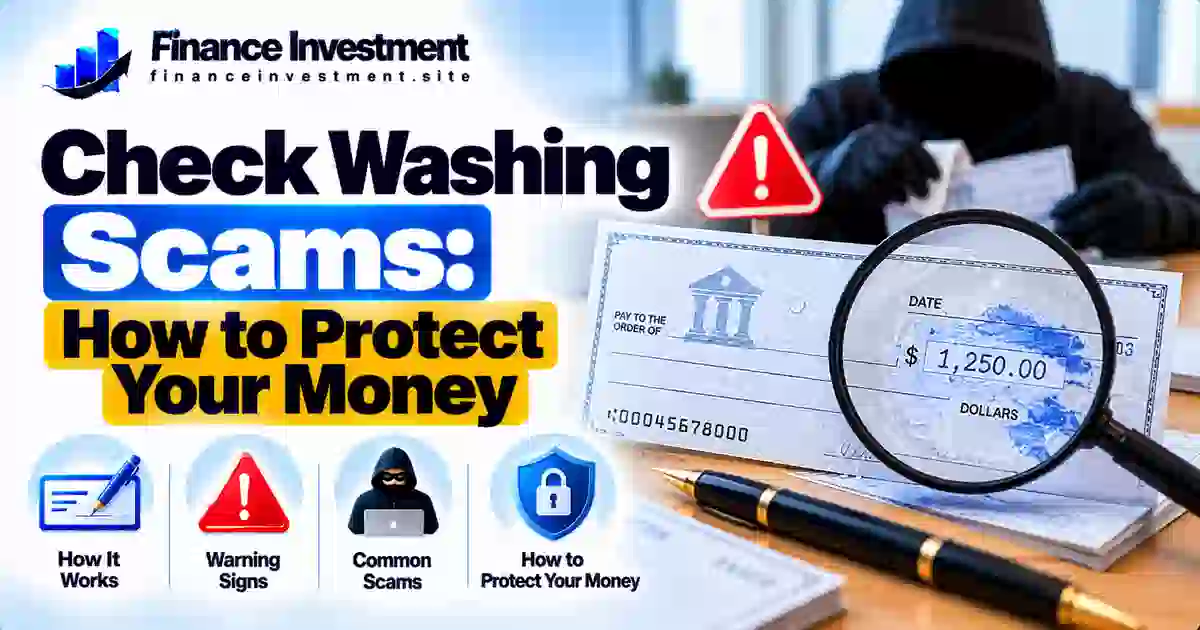
Check Washing Scams: Why Your Paper Checks Need Protection
Check washing scams can turn a routine payment into an expensive problem. A criminal may steal a check, use chemicals to remove handwritten details, and change the payee or dollar amount. The altered check may then be deposited or cashed without your knowledge. You might discover the fraud only after reviewing your bank statement or noticing an unexpected withdrawal.
You can reduce your risk with a few practical habits. Use safer mailing methods, write checks carefully, review account activity regularly, and contact your bank promptly if a payment looks suspicious. No single precaution guarantees protection, but acting early may help limit further problems.
Check washing is just one threat to your finances. Our bank security and fraud prevention guide covers additional risks and practical ways to protect your account.
What You’ll Learn
- How check washing scams work and why criminals target paper checks.
- Warning signs that a check may have been stolen or altered.
- How to write, mail, and monitor checks more safely.
- What to do if you discover an unauthorized or altered check.
- How to report suspected fraud and work with your bank.
Quick Answer: How Can You Prevent Check Washing Scams?
To reduce the risk of check washing scams, mail checks securely, avoid leaving outgoing mail in an exposed mailbox, and use permanent ink when writing checks. Review your bank transactions regularly so you can spot suspicious payments early. If a check goes missing or appears to have been altered, contact your bank immediately to ask about available options, including a stop-payment request when appropriate. Report suspected mail theft to the U.S. Postal Inspection Service. No single precaution can eliminate every risk.
Key Takeaways
- Secure outgoing mail: Use a secure postal collection method instead of leaving checks in an exposed location.
- Complete checks carefully: Write the payee and amount clearly, and use permanent ink to make alteration more difficult.
- Monitor account activity: Review transactions and bank statements for unfamiliar withdrawals or altered payments.
- Report problems quickly: Contact your bank as soon as you suspect fraud and ask what steps are available to protect your account.
- Keep records: Save relevant check details, statements, correspondence, and report reference numbers. Reimbursement depends on the circumstances and applicable rules.
Check Washing at a Glance
Check washing is a form of check alteration. A criminal steals a genuine paper check and attempts to remove or change handwritten details, such as the payee or payment amount. This quick overview explains the main risks and the first steps to take.
| Key Point | What It Means |
|---|---|
| How it works | Handwritten details on a stolen check are removed or altered. |
| Where risk can arise | Outgoing mail that is stolen before reaching its intended recipient. |
| Warning signs | An unfamiliar payee, an unexpected payment amount, or a check you did not authorize. |
| First response | Contact your bank promptly and report suspected mail theft when applicable. |
| Risk reduction | Use safer mailing methods and review bank transactions regularly. |
QUICK TAKE
Check washing can change who receives your money or how much a check is written for. Protect checks before mailing and review your account afterward. Permanent ink may make alteration more difficult, but it cannot guarantee protection. If a check goes missing or a payment looks suspicious, contact your bank without delay.
Check Washing Explained: A Beginner’s Guide
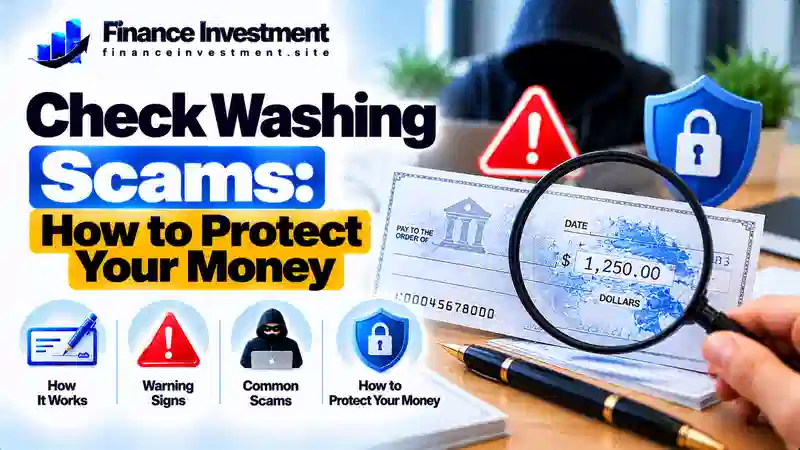
Check washing is a form of check alteration that usually begins with a stolen paper check. A criminal attempts to remove or change handwritten details, such as the payee’s name or the payment amount. The altered check may then be presented for payment, potentially diverting money from the person who wrote it.
How Is Check Washing Different From Other Check Fraud?
The key difference is that check washing targets the information written on a genuine check. Other check fraud may involve forged signatures, counterfeit checks, or unauthorized use of account details. Different methods can also occur in the same fraud incident.
Why Can Paper Checks Be Vulnerable?
A mailed check may pass through several points before it reaches the intended recipient. If it is stolen along the way, the criminal may attempt to alter its details. A check can also expose information such as your name, bank routing number, and account number, which should be handled carefully.
Can You Eliminate the Risk?
No precaution can eliminate every risk. Safer mailing practices, permanent ink, careful check writing, and regular account reviews can help reduce exposure or reveal suspicious activity sooner. Permanent ink is a useful precaution, not a guarantee against alteration.
Remember: If a check goes missing or you notice an unfamiliar payment, contact your bank promptly. Ask about available protective steps and keep records of your communications. Report suspected mail theft to the appropriate postal authorities.
How Check Washing Scams Work
Check washing typically begins when someone steals a genuine paper check. The person may try to alter its handwritten details and then present it for payment. The process does not always succeed, but understanding the common stages can help you recognize suspicious activity.
STEP 1
A Check Goes Missing
A check may be stolen from outgoing mail or another location before reaching its intended recipient.
STEP 2
Check Details Are Altered
The thief may attempt to remove or change handwritten information, such as the payee or payment amount.
STEP 3
An Altered Check Is Presented
The altered check may be submitted for deposit or payment, although the bank may detect the changes or reject it.
How Might You Discover Check Washing?
You might notice that a bill remains unpaid, the intended recipient never receives the check, or your bank statement shows an unfamiliar payment. An unexpected amount or payee can also raise concerns. These signs do not confirm check washing, but they warrant prompt investigation.
What to do: Contact your bank promptly if a check is missing or a transaction looks suspicious. Ask about available protective measures, keep records of your communications, and report suspected mail theft to the U.S. Postal Inspection Service.
Prevention Methods: Benefits and Drawbacks
Preventing check washing involves reducing the chance of theft and spotting unauthorized payments early. Secure mailing, careful check writing, and account monitoring can each help, but they work in different ways and have practical limitations.
Benefits
- Secure mail collection can reduce opportunities for check theft.
- Permanent ink may make handwritten details harder to alter.
- Transaction alerts and regular reviews can help you notice suspicious payments sooner.
Drawbacks
- Some secure mailing services may involve extra time or fees.
- Alerts may not identify every altered check or unauthorized transaction.
- No precaution can guarantee that a check will remain safe.
Practical takeaway: Use more than one protective measure. Choose secure mailing practices, review your account consistently, and ask your bank which alerts or check-related protections it offers.
Compare Check Washing Prevention Methods
The right way to reduce check washing risk depends on how you pay bills and manage your bank account. Compare these practical options, keeping in mind that no single method prevents every type of fraud.
| Method | Main Benefit | Limitation | Best Use |
|---|---|---|---|
| Secure mail collection | Reduces opportunities for outgoing mail theft. | Cannot guarantee delivery or prevent every theft. | Sending checks to individuals or businesses. |
| Permanent ink | May make handwritten details harder to alter. | Does not make a check immune to washing. | Completing paper checks. |
| Bank alerts | Can notify you about certain account activity. | Available alerts vary, and some transactions may not trigger them. | Monitoring eligible transactions. |
| Online bill payment | Can reduce the need to mail paper checks. | Requires secure account access and may not suit every payee. | Eligible bills and supported recipients. |
| Statement reviews | Can help you identify unfamiliar or altered payments. | You may discover the problem only after a transaction appears. | Routine account monitoring. |
QUICK TAKE
Combine prevention with early detection. Use a secure way to send checks, consider electronic bill payment when appropriate, and review your account regularly. Ask your bank which alerts and check-protection services are available for your account.
Costs, Risks, Reporting, and Expert Tips
Check washing can result in unauthorized payments, missed bill deadlines, possible bank fees, and time spent resolving disputes. The amount you may recover depends on the circumstances, applicable law, and your bank’s investigation. Reporting suspected fraud quickly gives your bank an opportunity to review the transaction and explain your available options.
What to Do if You Suspect Check Washing
- Contact your bank immediately: Report the missing or altered check and identify any suspicious payment. Ask whether a stop-payment request, account safeguards, or a transaction dispute may be appropriate.
- Preserve your records: Keep available check images, bank statements, payment details, correspondence, and case or report numbers.
- Report suspected mail theft: Use the U.S. Postal Inspection Service reporting page if you believe the check was stolen from the mail.
- Follow the bank’s instructions: Ask about applicable deadlines, required documents, and how to check the status of the investigation.
Practical Tips to Remember
Keep track of checks you send and review your bank activity regularly. If a recipient says a payment never arrived, or you notice an unfamiliar transaction, investigate promptly. Our guide to reporting bank fraud in the United States explains additional steps for reporting suspected financial fraud.
Important: Do not assume a stop-payment request will reverse a completed transaction or that reimbursement is guaranteed. Reporting deadlines and legal protections depend on the circumstances, so contact your bank as soon as possible.
Common Check Washing Mistakes to Avoid
Small oversights can make check fraud harder to detect. Avoid these common mistakes when sending paper payments:
- Leaving outgoing checks in an exposed mailbox or unattended location.
- Assuming permanent ink alone can prevent check washing.
- Ignoring a missing check or delaying action after spotting an unfamiliar transaction.
- Discarding check records or failing to document conversations with your bank.
A Realistic Example
Imagine Sarah mails a $450 check to her utility company. The company later tells her the payment has not arrived. When Sarah reviews her bank activity, she notices a transaction she does not recognize that may involve the missing check. She contacts her bank promptly, reports the concern, and asks how to dispute the transaction if it is unauthorized. She saves her bill, available check details, and bank correspondence while the bank investigates. The review will help determine what happened; the unfamiliar transaction alone does not prove check washing.
Lesson learned: Do not wait for another suspicious transaction. If a check goes missing or a payment looks wrong, contact your bank promptly, follow its instructions, and keep records of your report.
Who Should Take Extra Care With Check Washing Scams?
Anyone who writes paper checks can be affected by check washing. The level of risk often depends on how checks are handled, mailed, and monitored. These situations deserve particular attention:
- People who mail checks frequently: Regular payments for rent, utilities, donations, or services create more occasions when a check could go missing.
- Small-business owners: Managing many checks for suppliers, payroll-related expenses, or business bills can make regular payment tracking especially important.
- People who rely on help with financial tasks: A trusted helper may assist with reviewing statements and tracking payments, while account access should remain carefully controlled.
- Anyone affected by missing mail: If expected mail or a check disappears, follow up with the intended recipient and contact your bank if the check may be at risk.
Practical takeaway: Focus on your payment habits, not your age or background. Track checks you send, review account activity, and act promptly if a payment is missing or unfamiliar.
Frequently Asked Questions About Check Washing Scams
1. What is check washing?
Check washing is a type of check alteration in which someone attempts to remove or change handwritten details on a genuine paper check, such as the payee or payment amount. The altered check may then be presented for payment.
2. How can I protect my checks from washing?
Use secure mailing methods, avoid leaving outgoing checks exposed, write checks with permanent ink, and review your bank transactions regularly. These steps can reduce risk but cannot eliminate it.
3. Does permanent ink prevent check washing?
No. Permanent ink may make alteration more difficult, but it does not guarantee protection against check washing, theft, or other forms of check fraud.
4. What should I do if a check is stolen?
Contact your bank promptly, explain what happened, and ask about available protective steps. A stop-payment request may help if the check has not been paid, but options depend on its status. If you suspect mail theft, report it to the U.S. Postal Inspection Service.
5. Can my bank refund money lost to check washing?
Possibly, but reimbursement is not guaranteed. The outcome depends on the circumstances, applicable law, account terms, and the bank’s investigation. Report the transaction promptly and ask about applicable deadlines and documentation.
6. Is online bill payment safer than mailing checks?
Electronic bill payment can reduce exposure to paper-check theft because you may not need to mail a check. However, digital payments have their own risks. Use trusted services and secure your banking account.
7. Where can I report check washing in the United States?
Contact your bank to report the suspicious payment. If you suspect mail theft, submit a report through the U.S. Postal Inspection Service. You can also report relevant fraud to the Federal Trade Commission.
8. How often should I check my bank account?
Review your account activity regularly and enable useful transaction alerts when available. If you notice an unfamiliar payment or an expected check payment is missing, contact your bank promptly.
Final Verdict: Protect Your Money From Check Washing
Check washing scams can put your money and bill payments at risk, especially when a stolen check goes unnoticed. You can lower your exposure by handling outgoing checks carefully, monitoring your account, and responding quickly when a payment goes missing or looks unfamiliar.
If you suspect fraud, contact your bank promptly, ask about available protective steps, and keep records of your report. Report suspected mail theft to the appropriate postal authorities when applicable.
There is no guaranteed way to prevent every check washing scam, but early detection and timely action can make a difference. For broader protection strategies, explore our bank security and fraud prevention guide.
Have a Money Question? Keep Exploring.
Small steps can make a difference when protecting your finances. Explore more FinanceInvestment guides to learn how to recognize banking fraud, respond to suspicious activity, and make informed decisions about your money.
Have a question or suggestion?
We welcome your feedback. Contact FinanceInvestment by email.
Leave a Reply