Tag: Identity Theft

  • SIM Swap Scams: Protect Your Bank Verification Codes

    SIM Swap Scams: Protect Your Bank Verification Codes

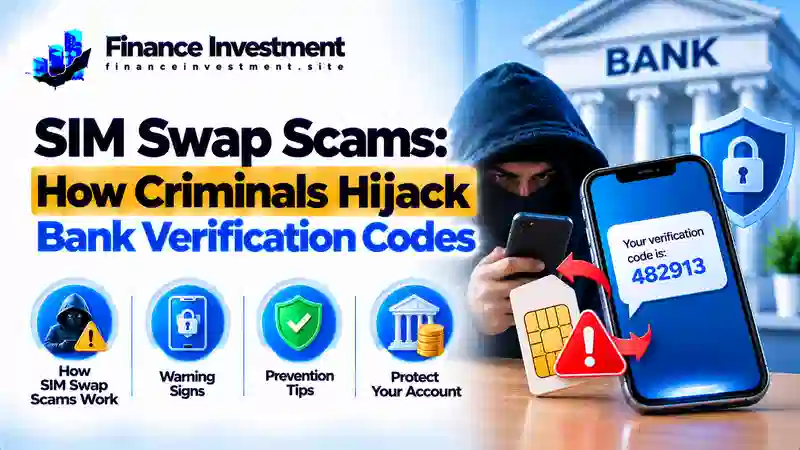
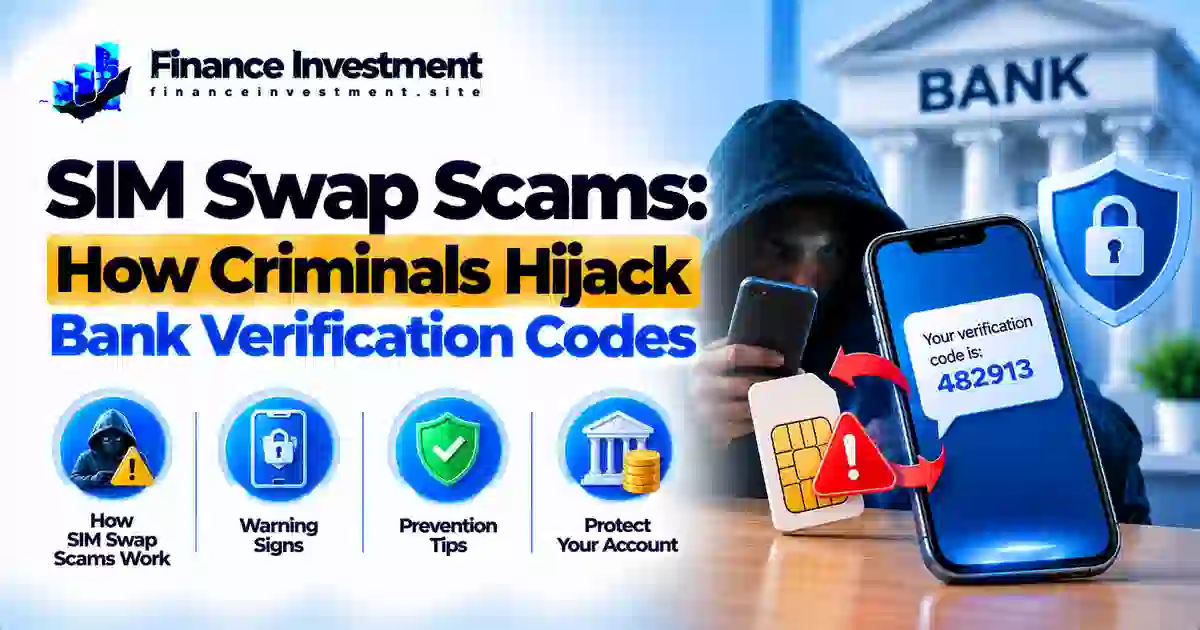
    SIM Swap Scams: How Criminals Hijack Bank Verification Codes
    Personal Finance & Banking Security
    Subhash Rukade
    Founder, FinanceInvestment

    Updated October 22, 2026


    Estimated reading time: 9–11 minutes

    SIM swap scams

    SIM Swap Scams: When Your Phone Suddenly Loses Service

    Your phone suddenly loses service. Calls will not connect, text messages stop arriving, and restarting your device does not help. A carrier outage could explain the problem, but an unexpected loss of service can also be a warning sign of SIM swap scams—a type of attack that may put your bank verification codes at risk.

    In a SIM swap, a criminal tricks or manipulates your mobile carrier into transferring your phone number to a SIM card or eSIM they control. They may then receive your text messages and attempt to access accounts that rely on SMS codes. Losing service alone does not prove a scam has occurred, but you should investigate an unexplained interruption quickly.

    This guide covers the warning signs, practical prevention steps, and actions to take if your number is hijacked. For wider account-protection advice, read our Bank Security and Fraud Prevention Guide.

    What You’ll Learn

    • How criminals hijack phone numbers and target bank verification codes.
    • Which warning signs may indicate a SIM swap or compromised account.
    • How to strengthen mobile-carrier security and protect your bank access.

    Quick Answer: How Can You Protect Yourself From SIM Swap Scams?

    To reduce the risk of SIM swap scams, secure your mobile-carrier account with a strong password and any available account PIN, number-transfer lock, or port-out protection. Use an authenticator app or security key for banking when supported. If your phone unexpectedly loses service and you suspect a number takeover, contact your mobile carrier through its official channel and notify your bank promptly. Check recent transactions and take steps to secure affected accounts.

    Key Takeaways

    • Lock down your carrier account: Enable available account PIN, number-transfer, or port-out safeguards.
    • Take sudden service loss seriously: Contact your carrier if calls and texts stop unexpectedly.
    • Strengthen bank sign-in: Prefer an authenticator app or security key if your financial institution supports one.
    • Secure your email: Use a unique password and stronger authentication for your recovery email account.
    • Review account activity: Check for unfamiliar transactions, login alerts, or password-reset requests.
    • Report suspected takeovers promptly: Contact both your mobile carrier and bank using official contact details.

    Bottom line: A hijacked phone number can expose SMS verification codes, but it does not automatically give a criminal access to every account. Quick reporting, stronger authentication, and monitoring can help limit damage. If money or account access is at risk, do not wait for your phone service to return before contacting your bank.

    SIM Swap Scams at a Glance

    A SIM swap scam occurs when a criminal tricks or manipulates a mobile carrier into transferring your phone number to a SIM card or eSIM they control. The criminal may then receive your text messages and attempt to misuse SMS verification or account-recovery processes. Anyone whose financial accounts rely on their phone number for security could be exposed to this risk.

    Warning sign
    Unexpected loss of calls and text messages
    Who may be at risk?
    People using SMS for account verification or recovery
    Protection to consider
    Carrier transfer safeguards and stronger authentication

    Quick Safety Summary

    Security areaPractical action
    Mobile serviceCheck unexplained service loss with your carrier; outages and device issues are also possible causes.
    Bank sign-inUse an authenticator app or security key when your financial institution supports it.
    Carrier accountEnable available account PINs, port-out locks, or number-transfer safeguards.
    Suspected takeoverContact your carrier and bank promptly through verified channels and check for unauthorized activity.

    Key point: Losing phone service does not prove that a SIM swap has occurred, and a successful swap does not guarantee access to a bank account. Treat unexplained service loss seriously, verify it with your carrier, and act quickly if other signs of account compromise appear.

    A Beginner’s Guide to SIM Swap ScamsSIM swap scams

    A SIM swap scam targets your phone number, not necessarily your physical phone. A criminal may trick or manipulate your mobile carrier into transferring your number to a SIM card or eSIM they control. Your phone can remain in your possession while calls and text messages intended for you begin going elsewhere.

    Why Text Message Codes Can Be a Weak Link

    Some banks use one-time SMS codes to confirm sign-ins, verify changes, or help customers recover access. If a criminal controls your number, they may receive these messages and attempt to use the codes with a stolen password or other personal details. A code by itself does not guarantee account access; the result depends on the bank’s additional security checks.

    How Account Recovery Can Become a Target

    Personal information exposed through phishing, data breaches, or social engineering may help criminals impersonate an account holder. They may then attempt to reset a password or change account settings. Protecting your email, banking login, and mobile-carrier account together makes it harder for one compromised detail to put everything else at risk.

    The key difference: Phone theft means someone takes your device; a SIM swap means someone gains control of your number. For practical steps to strengthen your account security, use our Bank Account Security Checklist.

    How SIM Swap Scams Work

    A SIM swap scam can progress from stolen personal information to a compromised phone number and attempted account access. Knowing the warning signs at each stage helps you decide when to act.

    Personal Information Is Gathered

    A criminal may obtain personal details through phishing, exposed data, or impersonation. Treat unexpected requests for passwords, identity information, or account details with caution, even when the sender sounds convincing.

    The Number Is Moved to Another SIM

    The criminal tries to convince the mobile carrier to transfer the number to a SIM card or eSIM they control. An unexpected SIM-change or number-transfer notification is a reason to contact your carrier immediately.

    Accounts May Be Targeted

    Once the number is under their control, criminals may try to access financial or email accounts. Unfamiliar login alerts, unexpected password-reset messages, or transactions you do not recognize deserve prompt investigation.

    You Secure Your Number and Accounts

    Contact your carrier through its official support channel and ask it to investigate the transfer. If your banking access or money may be affected, notify your bank, report unauthorized transactions, and secure compromised accounts from a trusted device.

    Remember: These stages do not occur in every case, and phone service can fail for ordinary reasons. If an unexpected SIM change coincides with account alerts or unexplained activity, contact your carrier and bank promptly rather than waiting for a confirmed loss.

    Benefits and Drawbacks of SIM Swap Protection Methods

    Different security measures protect different parts of your digital life. Carrier safeguards help protect your phone number, while stronger sign-in methods can reduce the risk of someone using that number to access an account. Combining both offers more protection than relying on SMS verification alone.

    Benefits

    • Carrier transfer safeguards: Can add a barrier against unauthorized number transfers.
    • Authenticator apps: Can reduce reliance on text messages for verification.
    • Security keys: Can provide phishing-resistant sign-in when supported by the service.

    Drawbacks

    • Carrier safeguards: Features and activation procedures vary by provider.
    • SMS verification: Codes may be intercepted if a criminal takes control of your number.
    • Apps and security keys: Require setup and a safe plan for account recovery if a device or key is lost.

    Practical choice: Enable available carrier protections and use the strongest authentication option your bank supports. Secure backup codes and recovery details separately. No single method prevents every attack, so keep your contact information current and monitor important account alerts.

    Authentication Methods Compared

    The way you verify your identity affects how exposed your accounts may be to SIM swap scams. Text-message codes are familiar and convenient, but authentication methods that do not rely on your phone number can reduce exposure to number-transfer attacks. Availability varies by bank and service.

    MethodConvenienceSIM-swap exposureLimitations
    SMS codesSimple when mobile service is availableVulnerable if a criminal gains control of your numberDepends on carrier security and access to the phone number
    Authenticator appRequires initial setup on a compatible deviceGenerally less exposed because codes do not arrive by SMSDevice loss, app access, and account recovery need planning
    Security keyRequires a compatible physical or built-in key and serviceDoes not rely on receiving text messagesCompatibility, backup access, and safe key storage matter

    A practical approach: If your bank supports an authenticator app or security key, consider using it instead of relying only on SMS codes. Follow your bank’s instructions and keep recovery options secure. No method removes every risk, so combine strong authentication with mobile-carrier safeguards and account alerts.

    Costs, Risks, and Expert Safety Tips

    Protecting yourself from SIM swap scams does not always require buying extra security products. Start by checking the protections included with your mobile carrier and bank. Optional paid services may be available, but compare their features and costs before signing up.

    Make Your Accounts Harder to Take Over

    • Secure your carrier account: Use a unique password and activate an account PIN, port-out lock, or number-transfer protection if your carrier offers one.
    • Protect your bank login: Avoid password reuse and enable stronger authentication wherever your bank supports it.
    • Turn on account alerts: Set up notifications for transactions, sign-ins, and profile changes when available.
    • Review your statements: Look for unfamiliar transfers or other activity you cannot explain.

    To learn how stronger sign-in checks work, read our guide to two-factor authentication for bank accounts.

    What to Do If You Suspect a SIM Swap

    1. Contact your mobile carrier through its official support channel and ask it to investigate any unauthorized number transfer.
    2. Notify your bank using its official app or verified phone number. Report suspicious activity and ask how to secure your account.
    3. Using a trusted device, change compromised passwords, secure your email account, and review recent transactions.

    Common Mistakes and a Real-Life Example

    A common mistake is ignoring an unexpected carrier notification about a SIM change or number transfer. People may assume it is routine, reuse passwords across accounts, or overlook unfamiliar banking alerts. These habits can give a developing security problem more time to spread.

    A Realistic Example

    David receives a carrier notification saying a SIM change was requested on his account. He assumes it is a routine update and ignores it. Later, his phone loses service, and he notices a bank alert for a sign-in he does not recognize.

    David contacts his mobile carrier through its official support channel and calls his bank using a verified number. He reports the suspicious activity and asks both organizations to help secure his accounts. Their teams can investigate, although the outcome depends on what happened and which protections apply.

    The Safer Response

    Check unexpected SIM-change notices rather than assuming they are harmless. If the message seems suspicious, do not use its links or phone numbers; contact your carrier directly through a trusted channel. If you also see unfamiliar banking activity, notify your bank promptly.

    Who Needs Extra Protection From SIM Swap Scams?

    Anyone who uses a phone number to secure a bank, email, investment, or payment account can benefit from extra protection. Families may find it useful to agree on how to verify unexpected account alerts. Retirees and younger users can benefit from a clear plan for contacting their carrier and bank if something seems wrong. Investors should also secure the email accounts and phone numbers connected to their financial accounts. Risk depends more on account security and the circumstances than on a person’s age.

    A useful first step: Set up available carrier-transfer safeguards, choose stronger authentication where supported, and save your bank’s official contact details somewhere accessible if your phone number stops working.

    Frequently Asked Questions About SIM Swap Scams

    1. What are the warning signs of a SIM swap scam?

    Unexpected loss of mobile service, an unfamiliar SIM-change notification, or bank alerts you cannot explain may indicate a problem. Contact your carrier to investigate; service loss alone does not confirm a SIM swap.

    2. Can criminals receive my bank verification codes after a SIM swap?

    They may receive SMS codes sent to a number they control. Whether they can access your account depends on the bank’s other security checks and whether they have additional information.

    3. How can I prevent SIM swap scams?

    Use a strong, unique carrier-account password and enable available account PIN or number-transfer safeguards. Choose an authenticator app or security key for banking when supported, and protect your email and banking credentials with unique passwords.

    4. What should I do if I suspect a SIM swap?

    Contact your mobile carrier through an official channel and report the suspected transfer. Notify your bank promptly if financial accounts may be affected, and review recent transactions and security alerts.

    5. Can I recover money lost after a SIM swap?

    Recovery may be possible, but reimbursement is not guaranteed. Report unauthorized transactions to your bank immediately, explain what happened, and ask which investigation and recovery options apply to your situation.

    6. Is an authenticator app safer than SMS verification?

    An authenticator app generally reduces exposure to SIM-swap attacks because its codes are generated on a device rather than delivered by text. Secure the device and plan for recovery if it is lost. Your bank must support the method.

    7. Where can I report a SIM swap scam in the United States?

    Report the suspected number takeover to your mobile carrier and affected financial institutions. You can also file a complaint with the Federal Trade Commission or report suspected internet-enabled crime to the FBI Internet Crime Complaint Center.

    8. Does losing phone service always mean my SIM was swapped?

    No. Network outages, device problems, and carrier issues can also interrupt service. Contact your carrier if the loss is unexpected, especially if you receive a SIM-change notice or notice suspicious account activity.


    Final Verdict: Protect Your Phone Number and Bank Accounts

    SIM swap scams can expose your bank verification codes and put financial accounts at risk. To reduce that risk, secure your mobile-carrier account, enable available number-transfer safeguards, and use an authenticator app or security key for banking when supported. Protect your email with a unique password and stronger authentication, and monitor your financial alerts regularly. If your phone unexpectedly loses service and you suspect a takeover, contact your carrier and bank through verified channels immediately. Report unauthorized transactions promptly and follow each organization’s instructions to secure your accounts. For more practical steps, read our Bank Security and Fraud Prevention Guide.

    Stay Informed and Get More Banking Security Guides

    Stay prepared with practical advice on fraud prevention, safer online banking, and account protection. Start with our Bank Security and Fraud Prevention Guide for more ways to help protect your money and personal information.

    Get Future Banking Security Updates

    Newsletter form placeholder: Insert your email subscription form here so readers can sign up for future fraud prevention and banking security guides.

    Have a question or a suggestion for a future article? Email the FinanceInvestment team.

    Email FinanceInvestment

  • How to Protect Your Bank Account From Identity Theft

    How to Protect Your Bank Account From Identity Theft

    How to Protect Your Bank Account From Identity Theft

    SR
    Subhash Rukade
    Founder, FinanceInvestment
    Personal Finance · Banking Security
    Published

    Last Updated

    Reading Time
    About 10 minutes

    Your Bank Account Deserves More Than a Passwordhow to protect your bank account from identity theft

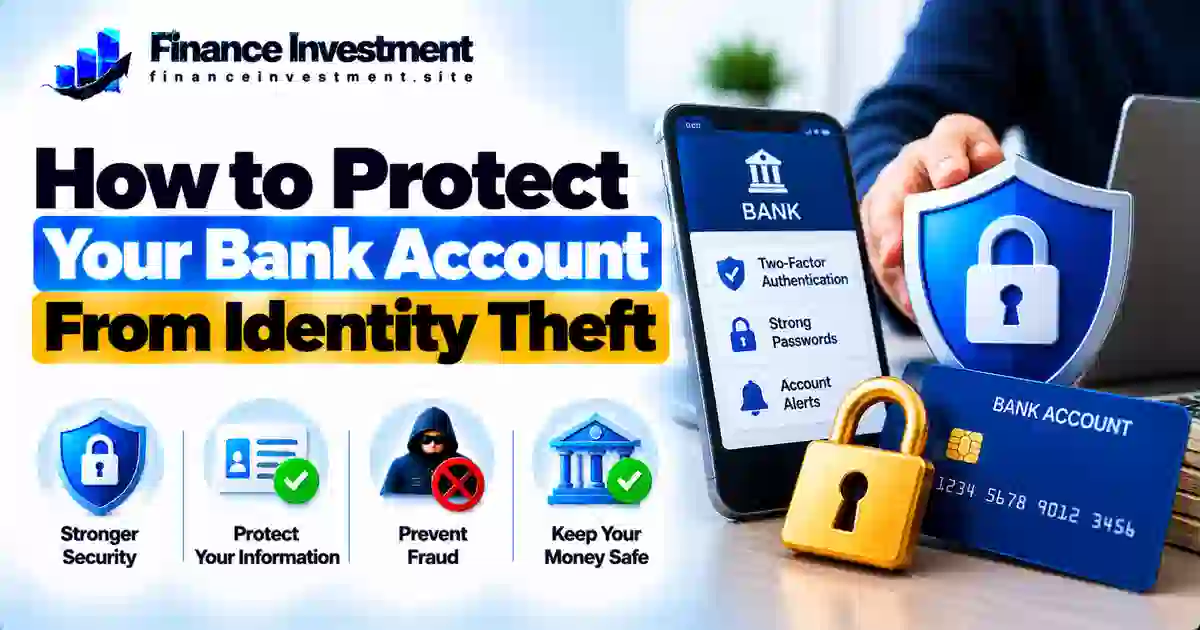
    Your bank account holds more than your money. It may also connect to your paycheck, bills, savings, and other financial details. Learning how to protect your bank account from identity theft can help you reduce the risk of criminals misusing your personal information.

    Identity thieves may use stolen details to impersonate you, attempt to open an account, or gain access to an existing one. Strong, unique passwords, multifactor authentication, and regular transaction checks can help you spot trouble sooner. Never share a one-time verification code with someone who contacts you unexpectedly, even if they claim to represent your bank.

    No single security measure can prevent every scam, but a few consistent habits can make a real difference. This guide covers practical steps to protect your information and explains what to do if something looks wrong. For a broader overview, visit our bank security and fraud prevention guide.

    What You’ll Learn

    • How identity thieves may target bank accounts.
    • How to secure passwords, devices, and banking apps.
    • Which warning signs deserve your attention.
    • What to do if you notice an unfamiliar transaction or account change.
    • Where to report suspected identity theft and find reliable help.

    Quick Answer: Protect Your Bank Account From Identity Theft

    Create a unique banking password, enable multifactor authentication when available, update your devices, and review transactions regularly. Treat unexpected bank calls, texts, and emails with caution. If you notice suspicious activity, contact your bank through its official app, a website address you enter yourself, or the number printed on your card. Ask the bank to secure your account and explain any further steps you should take.

    Key Takeaways

    • Use a strong, unique password that you do not reuse on other websites.
    • Enable multifactor authentication and never share login codes with unexpected callers.
    • Check transactions, account alerts, and contact details for changes you did not make.
    • Avoid banking on shared or untrusted devices; use a trusted connection and your own device whenever possible.
    • Keep your phone, computer, browser, and banking app updated.
    • Report suspected fraud promptly and keep the bank’s case number and related records.

    Bottom line: No security measure prevents every form of identity theft. Strong account habits and a quick response to suspicious activity can help reduce risk and limit further damage.

    Bank Account Identity Theft: At a Glance

    Who should act?
    Every bank customer
    First step
    Secure access and check activity
    Typical cost
    Many basic steps are free

    Security Steps at a Glance

    MeasureWhat it helps with
    Unique password and MFAMakes it harder for someone to access your account using stolen login details.
    Account alertsCan help you spot unfamiliar transactions or account changes sooner.
    Contact your bankLets you report suspected fraud and ask about securing the account.
    Credit freezeCan restrict access to your credit file for many new credit applications, but does not block every fraudulent deposit account or banking scam.

    QUICK TAKE: Review your account activity, strengthen your login security, and enable alerts if your bank offers them. If you find something suspicious, contact the bank promptly through a verified channel and keep the case number and related records.

    A Beginner’s Guide to Protecting Your Bank Accounthow to protect your bank account from identity theft

    You do not need expensive security software to improve your banking safety. Start by protecting the details criminals could use to impersonate you or access your money.

    1. Make Account Access Harder to Steal

    Use a strong, unique password and enable multifactor authentication (MFA) when your bank offers it. A reputable password manager can help you create and store separate passwords. See our guide to two-factor authentication for bank accounts.

    2. Keep Personal Details Private

    Share your Social Security number and banking details only when necessary with a verified organization. Never give an unexpected caller your password or one-time security code. Avoid links in unsolicited bank messages; open your bank’s official app or enter its known website address instead.

    3. Check for Changes You Did Not Make

    Review transactions, alerts, and account contact details. Keep your devices and banking app updated, use a screen lock, and sign out after banking on a shared device.

    If something looks wrong: Contact your bank using a verified phone number or official app. Ask how to secure the account, dispute any unauthorized transaction, and obtain a case or reference number. Keep copies of relevant messages and statements.

    How Identity Theft Happens—and What to Do

    Identity theft may start with a fake bank message, a stolen device, exposed personal details, or information leaked in a data breach. A criminal might use those details to access an existing account, change its contact information, or impersonate you when contacting a financial institution. An unfamiliar transaction does not automatically prove identity theft, but it should never be ignored.

    Steps to Take When You Suspect Fraud

    1. Contact your bank promptly. Use the official banking app or a verified phone number. Report the suspicious activity and ask whether your card, login, or account access needs to be restricted.
    2. Secure compromised access. From a trusted device, change any exposed password and review recent account changes. If your phone or computer may be compromised, use another trusted device.
    3. Save the evidence. Keep relevant statements, messages, transaction details, dates, and the bank’s case number.
    4. Follow official recovery guidance. Use the FTC’s IdentityTheft.gov recovery steps to find actions suited to your situation.

    Act quickly: If money is missing or an unauthorized transfer appears, notify your bank immediately. Ask how to report the transaction and what deadlines or documentation apply. Do not delay contacting the bank while gathering evidence.

    Benefits and Drawbacks of Bank Account Protection Methods

    Each security measure addresses a different risk. Combining them can improve protection, but no tool can prevent every scam or unauthorized transaction.

    Benefits

    • Unique passwords and multifactor authentication make unauthorized login more difficult.
    • Transaction alerts can help you notice unfamiliar activity sooner.
    • Promptly reporting suspected fraud gives your bank a chance to investigate and explain available protections.

    Drawbacks

    • Phishing and impersonation scams may still trick people into revealing private information.
    • Alerts depend on your bank’s available features and the settings you choose.
    • A credit freeze can restrict access to credit files for many new credit applications, but it does not block every deposit-account fraud or banking scam.

    Best approach: Combine login security with transaction monitoring. If you suspect fraud, contact your bank promptly through a verified channel and follow its instructions.

    Compare Bank Account Security Measures

    Each security measure serves a different purpose. Comparing them can help you choose the right response to your risk rather than relying on a single tool.

    Security measureWhat it helps withWhat it cannot guarantee
    Multifactor authentication (MFA)Adds a verification step when signing in.It cannot stop every phishing scam or account takeover attempt.
    Transaction alertsCan help you notice transactions or changes sooner.Alerts may depend on the bank’s features and your settings.
    Credit freezeRestricts access to your credit file for many new credit applications.It does not stop every deposit-account fraud or unauthorized bank transaction.
    Report suspected fraud to your bankStarts the bank’s review and lets you ask about securing the account.The investigation outcome and resolution time can vary.

    Practical choice: For everyday protection, use strong login security and enable available alerts. If you suspect fraud, contact your bank promptly. If your personal information may also be used to open credit accounts, consider placing a credit freeze with each of the three nationwide credit bureaus.

    Costs, Risks, and Expert Tips for Safer Banking

    Many useful precautions, such as reviewing transactions and using your bank’s security features, are available at no extra cost. A security freeze on your credit reports is also free under federal law. However, identity theft may cost you time and effort while you dispute transactions, replace cards, or resolve unfamiliar account activity. Optional identity-monitoring services may charge fees, so compare their features before paying.

    Risks You Should Not Ignore

    • Waiting too long: Report suspicious transactions promptly. Deadlines and protections can depend on the transaction type and your account agreement.
    • Recovery scams: Be cautious of anyone promising guaranteed results, demanding upfront payment to recover your money, or requesting your password or verification code.
    • Assuming a freeze solves everything: A credit freeze does not prevent every checking-account scam, phishing attempt, or unauthorized transaction.

    Expert Tips

    • Save statements, suspicious messages, dates, and your bank’s case number.
    • Ask the bank how to dispute the activity and whether written documentation is required.
    • If your personal information may be misused, consider freezing your credit with all three nationwide credit bureaus.
    • Use the FTC’s identity theft recovery guide to find steps suited to your situation.

    Common Mistakes That Can Put Your Bank Account at Risk

    • Trusting unexpected links: A message may look official but still be fake. Open your bank’s app or enter its known website address instead of using the link.
    • Reusing passwords: If another website exposes a reused password, your banking login may also be at risk.
    • Overlooking unfamiliar transactions: Even a small charge deserves a check if you do not recognize it. Contact your bank if you cannot verify it.
    • Revealing security codes: Never share a one-time code with an unexpected caller or texter. If you are unsure, end the contact and reach your bank through a verified channel.

    A Realistic Example

    Imagine Maya receives a text claiming her bank account will be locked unless she verifies her details. Rather than clicking the link, she opens her bank’s official app independently. She sees no matching notice, so she contacts the bank using its verified channel and reports the suspicious message.

    The lesson: Verify unexpected requests independently. If you already shared your credentials or notice an unauthorized transaction, contact your bank promptly, explain what happened, and follow its security instructions. Maya’s story is illustrative, not a report of an actual customer incident.

    Who Should Take Extra Care With Bank Account Security?

    Identity theft can affect anyone. Extra caution is especially useful if your personal information, banking credentials, or identification documents may have been exposed.

    • Retirees and older adults: Review account activity regularly and independently verify unexpected requests for money or personal details.
    • Families sharing devices: Use separate account logins where appropriate, lock devices, and discuss how to recognize suspicious banking messages.
    • People notified of a data breach: Follow the organization’s official instructions and watch for unusual account activity or targeted scam messages.
    • People who have experienced fraud: Secure affected accounts, replace compromised credentials, and review other accounts that may use the same password.

    Keep it in perspective: A data breach does not automatically mean your bank account has been accessed. Follow verified guidance, monitor relevant accounts, and respond promptly to signs of actual misuse.

    Frequently Asked Questions About Bank Account Identity Theft

    1. How can I protect my bank account from identity theft?

    Use a unique, strong password and enable multifactor authentication if your bank offers it. Turn on transaction alerts, keep your devices updated, and never share passwords or one-time security codes with unexpected callers or texters.

    2. What are the warning signs of bank account identity theft?

    Warning signs include unfamiliar transactions, password-reset messages you did not request, changes to your contact details, or notices about accounts you did not open. Check suspicious activity directly through your bank’s official app or verified phone number.

    3. What should I do if someone accesses my bank account?

    Contact your bank immediately using a verified phone number or official app. Report unauthorized activity, ask how to secure the account, and follow instructions to change compromised credentials. Keep transaction details and your case number for reference.

    4. Does a credit freeze protect my bank account?

    A credit freeze can help prevent certain new credit accounts from being opened using your information. However, it does not stop every checking-account fraud attempt, phishing scam, or unauthorized transaction. Contact your bank if you suspect account misuse.

    5. Can a data breach put my bank account at risk?

    Yes. Stolen personal information may be used in fraud attempts. A data breach does not automatically mean your bank account has been accessed, so follow verified breach notifications and monitor your accounts for unfamiliar activity.

    6. Should I report identity theft to the FTC?

    If you suspect identity theft, visit IdentityTheft.gov for recovery guidance. Also contact your bank directly. If someone opened a checking account in your name, request a free ChexSystems report and contact the affected institution.

    7. Do I need a paid identity theft protection service?

    Not necessarily. Strong passwords, multifactor authentication, account alerts, and regular reviews are useful starting points. Paid services may offer monitoring or recovery assistance, but compare their coverage, exclusions, and fees before enrolling.

    8. Can I get my money back after an unauthorized bank transaction?

    You may have legal protections, but reimbursement depends on the circumstances, the type of transaction, and applicable rules. Report the transaction promptly, ask your bank how to dispute it, and confirm any deadlines. Do not assume that reimbursement is automatic.

    Final Verdict: Protect Your Bank Account Before Problems Start

    Knowing how to protect your bank account from identity theft begins with consistent habits. Create a unique password, enable multifactor authentication, turn on transaction alerts, and review your account regularly. Always verify unexpected bank messages independently instead of clicking suspicious links or sharing security codes.

    If you spot an unfamiliar transaction or unauthorized account change, contact your bank immediately through a verified channel. Ask how to secure your account, report the activity, and dispute any unauthorized transaction. Keep your case number and related records.

    For more practical advice, read our bank security and fraud prevention guide to explore additional ways to protect your money and personal information.

    Have a Money Question? Keep Exploring.

    Have a question about bank security, fraud prevention, or personal finance? Send us an email, or continue learning with our practical banking guides.

    Continue Your Research

    FinanceInvestment shares educational information to help readers understand financial topics and make informed decisions.