Tag: Consumer Protection

  • How to Help a Family Member Avoid Financial Scams

    How to Help a Family Member Avoid Financial Scams

    How to Help a Family Member Avoid Financial Scams

    Family Finance · Scam Prevention
    SR
    Subhash Rukade
    Founder, FinanceInvestment
    Personal Finance Education · USA
    Last Updated
    October 21, 2026
    Reading Time
    9–11 minutes

    How to Help a Family Member Avoid Financial Scamshelp a family member avoid financial scams

    Knowing how to help a family member avoid financial scams can protect more than money. A phone call claims a grandchild is in trouble. A text warns that a bank account will be frozen. An online friend suddenly asks for an urgent payment. These requests can sound convincing, especially when they involve someone’s safety or savings.

    The best response starts with a calm conversation, not blame. Scammers often create fear, build false trust, or demand secrecy so people act before checking the facts. Encourage your loved one to pause, verify the story through a separate trusted contact, and never rush a payment.

    For more ways to protect financial accounts, read our bank security and fraud prevention guide. This article explains how to recognize suspicious requests, protect personal information, and respond if a family member may already have been targeted.

    What You’ll Learn

    • Warning signs of common financial scams.
    • Ways to verify unexpected calls, texts, and payment requests.
    • How to discuss scam risks without embarrassing a loved one.
    • Steps to protect bank accounts and report suspected fraud.
    • What to do if money has been sent or sensitive information has been shared.

    How Can You Help a Family Member Avoid Financial Scams?

    Quick answer: Ask your loved one to pause before sending money, verify the request using a separate trusted contact method, and never share passwords, PINs, or one-time verification codes. If money or account information may already be at risk, contact the bank or payment provider immediately through its official app or verified contact details.

    Key Takeaways for Families

    • Pause when a request creates panic, demands secrecy, or pressures someone to pay immediately.
    • Verify the story independently using a known phone number or another trusted contact method.
    • Never give a caller or texter your banking password, PIN, or verification code.
    • Use unique passwords and enable multifactor authentication where available.
    • Review transactions regularly and turn on useful account alerts.
    • Report suspected fraud quickly, preserve messages and receipts, and follow the bank’s instructions.

    The Bottom Line

    A suspicious request deserves a pause, not a rushed decision. If a loved one has already sent money, contact the bank or payment provider immediately and ask what action is still possible. Quick reporting may help limit further loss, but recovery is not guaranteed.

    Financial Scam Prevention at a Glance

    Scammers often create urgency, demand secrecy, or discourage people from checking a story. These quick warning signs can help your family decide when to pause and verify.

    Warning sign
    Pressure to act quickly
    First response
    Pause and verify
    Family safeguard
    Agree on a check-in plan

    Warning Signs and Safer Responses

    Warning signSafer response
    A caller says a relative is in danger and demands immediate payment.Contact the relative or another trusted person using a number you already know.
    Someone insists on secrecy or requests gift cards, cryptocurrency, or a wire transfer.Do not rush. Independently verify the request before sending money.
    A caller or message asks for a password, PIN, or one-time verification code.Do not share the code or credentials. Contact the relevant institution through its official app or verified number.

    Quick takeaway: Anyone can be targeted. A stressful life event, unfamiliar technology, or an unexpected request may make verification harder. Offer practical support without assuming someone is vulnerable because of age or treating them as incapable.

    A Beginner Guide to Helping a Loved One Stay Safehelp a family member avoid financial scams

    Start with a respectful conversation, not a lecture. Scams can fool people of any age, so avoid comments that make your loved one feel careless or embarrassed. Ask how they usually handle unexpected calls, payment requests, and messages about their bank account. Listen first, then discuss ways to check whether a request is genuine.

    Agree on a Family Verification Plan

    Make one shared rule: pause before sending unexpected money or responding to an urgent emergency request. Verify the story independently by calling the person on a number you already trust or contacting the organization through its official website or app. Do not rely on contact details provided in the suspicious message.

    Build Simple Banking Safeguards

    • Enable useful transaction alerts if the bank offers them.
    • Use unique passwords and multifactor authentication where available.
    • Save the bank’s official contact details and learn how to report a lost card.
    • Agree on a trusted person to contact when a payment request or transaction seems suspicious.

    Family tip: Offer help with permission. Never ask someone to disclose their banking password or verification codes to you. Support should make it easier for your loved one to make informed decisions, not take away their independence.

    How Financial Scams Work

    A financial scam often begins with a believable story and ends with a request for money or private information. Scammers try to control the conversation so the target feels there is no time to check what is happening.

    Four Tactics Scammers Commonly Use

    1. Build a story: They may impersonate a bank employee, government official, relative, romantic interest, or familiar company.
    2. Trigger an emotion: They create fear about an account, concern for a loved one, or excitement about an unexpected prize or opportunity.
    3. Rush the decision: They demand immediate action, ask for secrecy, or discourage the person from checking with anyone else.
    4. Ask for money or access: They may request a transfer, gift cards, cryptocurrency, passwords, or a one-time verification code.

    Warning sign: Pressure, secrecy, and instructions not to verify a story deserve caution. Urgency alone does not prove a scam, but it should never replace an independent check.

    To interrupt the pattern, stop the unexpected interaction and verify the claim using a contact method you already trust. If the request involves a bank account, contact the bank through its official app or verified phone number before taking action.

    Benefits and Drawbacks of Family Scam Prevention

    A family scam-prevention plan can make it easier to spot suspicious requests before money or personal information is at risk. The key is to offer support without taking away a loved one’s control over their own finances.

    Benefits

    • A pause-and-verify habit can prevent rushed payments.
    • A trusted contact gives family members someone to consult when a request feels suspicious.
    • Bank alerts and transaction reviews may help identify unfamiliar activity sooner.

    Drawbacks to Avoid

    • Repeated warnings can create anxiety or make someone less willing to ask for help.
    • Reviewing accounts without permission can undermine privacy and trust.
    • Taking over financial decisions unnecessarily can weaken confidence and independence.

    The right balance: Agree on simple safety steps together, respect financial privacy, and offer help without judgment. The goal is to help your family member make informed decisions—not to make every decision for them.

    Financial Scam Types Compared

    Financial scams can arrive through phone calls, text messages, email, social media, or in-person conversations. The story may sound convincing, so focus on the warning signs and verify the request independently before taking action.

    Scam typeCommon warning signSafest first response
    Bank impersonationA caller claims there is an account problem and asks for a password, PIN, or verification code.End the unexpected interaction and contact the bank using its official app or verified number.
    Family emergency scamSomeone claims a relative urgently needs money and insists the request remain secret.Call the relative using a known number or confirm the situation with another trusted person.
    Romance or investment fraudAn online contact asks for money or promotes unusually high or guaranteed returns.Pause payments and independently check the person, company, and investment before committing funds.
    Prize or government impersonationSomeone demands payment to release a prize or threatens penalties unless money is sent immediately.Check the claim through the agency’s official website or a verified contact channel.
    Phishing messagesAn unexpected email or text links to a page requesting account or personal information.Do not open the link. Visit the official website or app directly to check for a real alert.

    Family safety rule: A familiar name, convincing story, logo, or caller ID is not proof that a request is genuine. Verify through a separate, trusted channel before sending money or sharing sensitive information.

    Costs, Risks and Expert Tips for Protecting Family Members

    Financial scams can cause more than an immediate monetary loss. A victim may face unauthorized transactions, identity misuse, account access problems, and emotional stress. Quick action can help limit further damage, but recovering stolen money is not guaranteed.

    What to Do if a Family Member Is Targeted

    1. Stop further payments. Do not send more money, pay a supposed recovery fee, or share additional passwords or verification codes.
    2. Contact the bank or payment provider immediately. Use its official app or verified phone number. Report the transaction and ask whether it can be stopped, recalled, or disputed. Options depend on the payment method and circumstances.
    3. Secure affected accounts. From a trusted device, change compromised passwords and any reused passwords. Secure the associated email account, sign out unfamiliar sessions where possible, and enable multifactor authentication.
    4. Save evidence and report the scam. Keep messages, receipts, transaction IDs, and contact details. In the United States, submit a report to the Federal Trade Commission. Suspected cybercrime can also be reported to the FBI’s Internet Crime Complaint Center.

    Practical tip: Stay calm and avoid blaming the person. Scammers deliberately manipulate trust and emotions. Prompt reporting, accurate records, and support from legitimate institutions can help reduce further harm, even when the original payment cannot be recovered.

    Common Mistakes and a Realistic Family Example

    Scammers deliberately create fear, trust, or urgency. Even careful people can be caught off guard, so family conversations should focus on practical checks rather than blame or embarrassment.

    Mistakes Families Should Avoid

    • Shaming a loved one instead of helping them check a suspicious request.
    • Treating a familiar voice, caller ID, profile picture, or logo as proof of identity.
    • Sending money before independently confirming an urgent story.
    • Ignoring an unfamiliar transaction because the amount appears small.

    A Family Example

    Imagine a parent receives a call from someone claiming that their grandchild has been arrested and needs money immediately. The caller insists that the parent must not tell anyone. Rather than rushing to pay or criticizing the parent, another family member suggests ending the call and contacting the grandchild through a known number. They also check with another trusted relative. Because the emergency cannot be independently confirmed, they do not send money. If the contact appears fraudulent, they preserve the details and report it through the relevant platform or authority.

    Family rule: Verify first, pay later—if the request is confirmed as legitimate. Make it normal for everyone to double-check urgent requests without fear of embarrassment or blame.

    Who May Need Extra Support With Scam Prevention?

    Anyone can be targeted by a convincing financial scam, regardless of age, income, or education. Extra support may be useful after a recent scam attempt, during a stressful life event, or when someone feels unsure about unfamiliar banking technology or repeated suspicious messages.

    Offer Help Without Taking Control

    Start by asking what would make the person feel safer. With their permission, help them activate available transaction alerts, save their bank’s verified contact details, or practice checking unexpected requests. Never ask them to reveal passwords, PINs, or one-time verification codes. If money has already been lost, help them contact the bank promptly.

    Keep support respectful: Focus on the person’s actual needs, not assumptions about their age or abilities. The goal is to build confidence, encourage safer decisions, and protect financial privacy and independence.

    Frequently Asked Questions About Helping Family Members Avoid Financial Scams

    1. How can I tell a family member they may be dealing with a scam?

    Stay calm and focus on the suspicious request rather than blaming the person. Suggest pausing, checking the facts independently, and deciding together what to do next.

    2. What should we do if a family member has already sent money?

    Contact the bank or payment provider immediately and ask whether the payment can be stopped, recalled, or disputed. Save transaction records and report the scam. Getting the money back is not guaranteed.

    3. Should I manage a relative’s bank account to protect them?

    Not automatically. Ask what help they want and respect their privacy. Any formal access should follow the bank’s procedures and applicable legal requirements.

    4. What information should never be shared with an unexpected caller?

    Never disclose passwords, PINs, or one-time verification codes to an unexpected caller. Do not approve unfamiliar login requests or follow instructions to move money to a supposed “safe account.”

    5. Are older adults the only people targeted by financial scams?

    No. People of every age and income level can be targeted. Scammers exploit trust, stress, urgency, and personal circumstances rather than targeting only one group.

    6. How can families verify an emergency call?

    End the unexpected call and contact the relative using a number you already know. If necessary, check with another trusted person before sending money.

    7. Where can we report a financial scam in the United States?

    Contact the bank or payment provider promptly if money or account access is at risk. You can also report fraud to the Federal Trade Commission. Suspected cybercrime can be reported to the FBI’s Internet Crime Complaint Center.

    8. Can families guarantee that a loved one will never be scammed?

    No prevention plan can eliminate every risk. Regular conversations, independent verification, available account alerts, and prompt reporting can help reduce exposure and limit further harm.

    Final Verdict: Help Your Family Stay Scam-Safe

    Helping a family member avoid financial scams does not require taking control of their finances. Start with honest conversations, encourage a pause before urgent payments, and verify unexpected requests through a trusted, separate channel. Make it easy for everyone to ask for help without fear of blame.

    If a scam occurs, contact the bank or payment provider promptly, secure affected accounts, save evidence, and report the incident. Quick action may limit further losses, although recovering money is never guaranteed.

    For more practical protection steps, read our bank security and fraud prevention guide. The best family safety plan combines verification, shared awareness, and respect for each person’s privacy and independence.

    FinanceInvestment · Practical Money Guidance

    Have a Money Question? Keep Exploring.

    Protecting your family’s finances starts with reliable information and safer everyday habits. Keep learning, verify unexpected requests, and help loved ones make informed decisions while respecting their independence.

    Have a Question for FinanceInvestment?

    For general website questions or feedback, get in touch by email.

    Contact FinanceInvestment

    Continue Your Research

    FinanceInvestment provides educational information. No particular financial outcome or recovery of money lost to scams is guaranteed.

  • How AI Detects Credit Card Fraud in Real Time: 2026 Guide

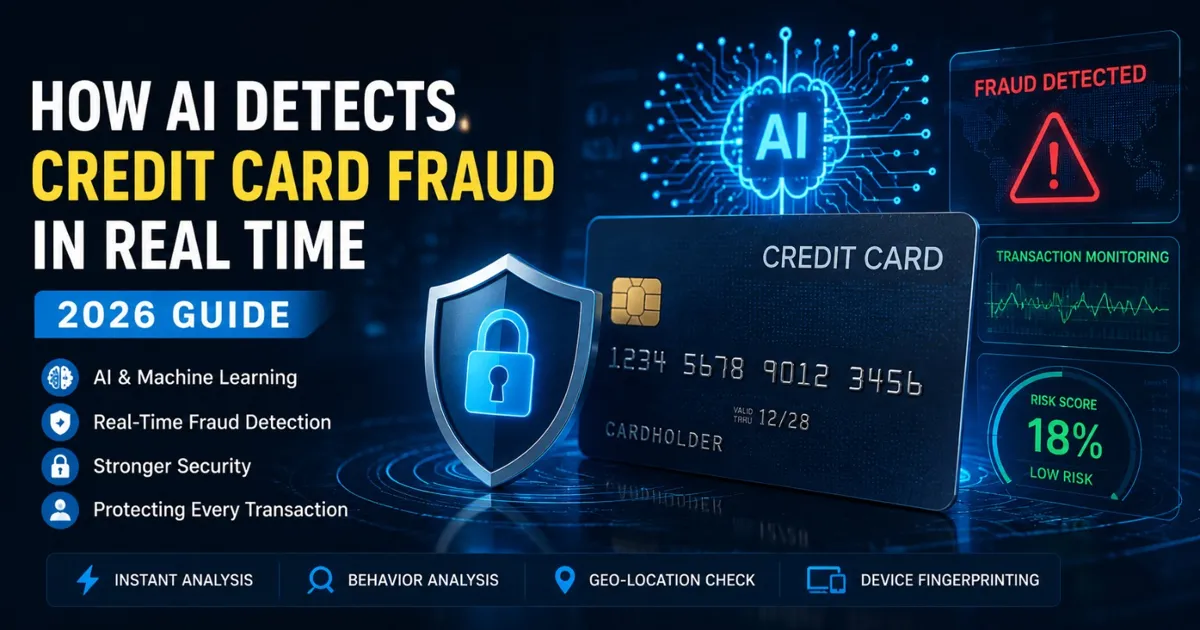
    How AI Detects Credit Card Fraud in Real Time: 2026 Guide


    How AI Detects Credit Card Fraud in Real Time: 2026 Guide

    Published: June 13, 2026

    AI Credit Card Fraud

    Why AI Credit Card Fraud Detection Matters More Than Ever

    Credit card fraud continues to be one of the fastest-growing financial crimes in the United States. As digital payments become more common, criminals are developing increasingly sophisticated methods to steal card information and perform unauthorized transactions.

    AI Credit Card Fraud detection has become one of the most important banking security technologies in 2026. Banks use artificial intelligence to identify suspicious transactions, prevent fraud losses, and protect cardholders in real time.

    For consumers, a single fraudulent transaction can create stress, financial disruption, and countless hours spent resolving account issues. For banks and credit card companies, fraud costs billions of dollars every year.

    This is where AI Credit Card Fraud detection is changing the game.

    Traditional fraud detection systems relied heavily on predefined rules. For example, a transaction above a certain amount or a purchase made in another country might trigger an alert. While these systems provided some protection, they often struggled to keep up with modern fraud techniques.

    Artificial intelligence offers a much smarter solution.

    Today’s AI systems can analyze millions of transactions in real time, identify suspicious behavior patterns, and detect potential fraud within seconds. Instead of relying only on fixed rules, AI continuously learns from new data and adapts to emerging threats.

    This ability to learn and improve makes AI one of the most powerful tools available for protecting consumers and financial institutions.

    Many of the same technologies transforming fraud prevention are also changing investing, budgeting, and personal finance. Investors interested in these innovations should explore our
    AI Investing & Personal Finance Guide 2026.

    Banks, payment processors, and credit card networks now use advanced AI systems to monitor spending patterns, evaluate risk levels, and stop suspicious transactions before they cause significant financial damage.

    The result is faster fraud detection, stronger security, fewer false alarms, and improved protection for consumers.

    In this guide, you’ll learn exactly how AI detects credit card fraud in real time, the technologies behind these systems, real-world examples, practical security tips, and what the future of AI-powered fraud prevention may look like.

    How AI Fraud Detection Works Behind the Scenes

    To understand why AI Credit Card Fraud prevention has become so effective, it’s important to see what happens every time a credit card transaction is processed.

    When a customer swipes a card, taps a smartphone, or makes an online purchase, AI systems immediately begin analyzing dozens of data points before approving the transaction.

    This entire process often takes less than a second.

    Unlike traditional fraud detection systems that depend mainly on fixed rules, artificial intelligence evaluates behavior patterns, spending history, device information, geographic location, transaction amounts, and thousands of other variables simultaneously.

    Machine Learning Learns Normal Behavior

    The foundation of modern Credit Card Fraud Detection is machine learning.

    Machine learning algorithms study historical transaction data and learn what normal customer behavior looks like.

    For example, if a customer typically shops within Texas, spends between $20 and $300 per transaction, and rarely makes international purchases, AI recognizes these patterns.

    When activity suddenly changes, the system becomes more alert.

    Real-Time Transaction Monitoring

    Every transaction generates a digital footprint.

    AI banking security systems continuously monitor these transactions in real time.

    The software compares new purchases against previous spending habits and evaluates whether the transaction appears legitimate.

    If something unusual occurs, the transaction may receive a higher fraud risk score.

    Behavioral Analysis

    One of the most powerful features of AI fraud detection is behavioral analysis.

    Instead of looking only at transaction amounts, AI studies how customers normally behave.

    It can analyze purchasing frequency, merchant preferences, login habits, device usage, and geographic movement patterns.

    Because every consumer has unique financial habits, AI creates highly personalized risk assessments.

    Risk Scoring Systems

    Modern AI systems assign a risk score to every transaction.

    Low-risk purchases proceed normally, while higher-risk transactions may trigger additional verification requests.

    In some situations, banks may temporarily block suspicious transactions until customers confirm their identity.

    Pattern Recognition at Massive Scale

    AI excels at identifying fraud patterns that human analysts might miss.

    As fraudsters develop new techniques, machine learning models continuously update and improve. This adaptive capability allows banks to respond quickly to emerging threats.

    Many of the same AI technologies used in fraud prevention are also transforming budgeting and financial management. To learn more, visit our
    AI Personal Finance Guide 2026.

    The combination of machine learning, behavioral analysis, risk scoring, and real-time monitoring is why AI Credit Card Fraud systems are now considered one of the strongest defenses against modern financial crime.

    AI Technologies Used to Stop Credit Card Fraud

    The effectiveness of AI Credit Card Fraud prevention comes from several advanced technologies working together behind the scenes. These systems analyze millions of transactions every day and help financial institutions detect suspicious activity before fraud causes significant damage.

    Unlike traditional fraud detection systems that depend heavily on static rules, artificial intelligence continuously learns and adapts to new threats.

    Machine Learning Models

    Machine learning serves as the foundation of modern Credit Card Fraud Detection.

    These models are trained using enormous datasets containing both legitimate and fraudulent transactions.

    Over time, the algorithms learn to identify patterns that often indicate fraud.

    As criminals change tactics, machine learning models continue updating themselves, making fraud detection increasingly accurate.

    Neural Networks

    Many financial institutions now use neural networks to improve AI banking security.

    Neural networks mimic certain aspects of human decision-making by processing large amounts of information simultaneously.

    These systems can identify subtle fraud indicators that traditional rule-based software might overlook.

    This helps reduce financial losses while improving customer protection.

    Predictive Analytics

    Predictive analytics allows AI systems to anticipate fraud risks before fraudulent transactions are completed.

    Instead of reacting after fraud occurs, AI evaluates current transaction behavior and predicts whether a purchase may be suspicious.

    This proactive approach has become one of the most valuable components of modern fraud prevention.

    Device Fingerprinting

    Another important technology is device fingerprinting.

    AI systems analyze information about the device being used for a transaction, including browser settings, operating systems, IP addresses, and device characteristics.

    If a transaction suddenly originates from an unfamiliar device, the risk score may increase.

    Geolocation Monitoring

    AI also monitors geographic activity.

    For example, if a customer makes a purchase in Florida and another transaction appears from another country minutes later, the system immediately recognizes the inconsistency.

    Geolocation analysis helps banks detect impossible travel patterns and suspicious activity in real time.

    Consumers interested in choosing secure credit card options should also review our
    Best Credit Cards 2026
    guide.

    Traditional Fraud Detection vs AI Fraud Detection

    FeatureTraditional DetectionAI Fraud Detection
    Learning AbilityFixed RulesContinuous Learning
    Detection SpeedSlowerReal-Time
    AccuracyModerateHigh
    AdaptabilityLimitedDynamic
    Fraud PreventionReactivePredictive

    These advanced technologies explain why AI Credit Card Fraud systems have become one of the most effective tools available for protecting consumers, banks, and payment networks from financial crime.

    Real-World Example: How AI Stops Credit Card Fraud in Seconds

    To understand how AI Credit Card Fraud detection works in practice, let’s look at a realistic example involving a typical American credit card user.

    Imagine John, a 42-year-old professional from Chicago, who regularly uses his credit card for groceries, fuel, online shopping, and travel bookings.

    Over several years, his bank’s AI system has learned his normal spending behavior. It understands the stores he visits, the average amount he spends, the devices he uses, and even the locations where transactions usually occur.

    One evening, John is at home watching television when a criminal attempts to use his stolen card information to make a $2,800 online purchase from another country.

    The transaction reaches the bank’s payment network within seconds.

    Step 1: AI Analyzes the Transaction

    As soon as the purchase request appears, the AI fraud detection system begins evaluating dozens of risk factors.

    • Purchase location
    • Device information
    • Transaction amount
    • Merchant category
    • Historical spending patterns
    • Recent account activity
    • Geographic behavior

    The AI immediately notices that the purchase location is thousands of miles away from John’s normal activity.

    It also detects that the device being used has never been associated with his account.

    Step 2: Risk Score Calculation

    Modern Credit Card Fraud Detection systems assign a fraud probability score to every transaction.

    Because multiple risk indicators are present, the AI calculates a high-risk score for the transaction.

    The amount is unusually large compared to John’s typical purchases, and the location does not match his normal behavior.

    Within milliseconds, the transaction is flagged for further review.

    Step 3: Real-Time Fraud Prevention

    Instead of waiting for a customer complaint, the AI system acts immediately.

    The payment request is temporarily blocked while additional verification takes place.

    John instantly receives a fraud alert through his banking app and text message.

    The notification asks whether he attempted the purchase.

    He selects “No.”

    The transaction is permanently declined, and a fraud investigation begins automatically.

    Step 4: Continuous Learning

    One of the biggest advantages of AI Credit Card Fraud systems is continuous learning.

    After the fraud attempt is confirmed, the transaction becomes part of the system’s training data.

    This helps the AI identify similar fraud patterns in the future and improve detection accuracy across millions of accounts.

    Many of the same machine learning technologies used in fraud prevention are also helping investors make smarter financial decisions. Readers interested in AI-driven financial innovation should revisit our
    AI Investing & Personal Finance Guide 2026.

    This real-world example shows why artificial intelligence has become such a powerful tool in modern banking security. By analyzing data instantly, assigning risk scores, and taking action within seconds, AI helps protect consumers from financial losses before fraud can cause significant damage.

    Common Mistakes and Limitations of AI Fraud Detection

    While AI Credit Card Fraud detection has dramatically improved banking security, no system is perfect. Artificial intelligence can identify suspicious transactions faster than humans, but there are still challenges and limitations that both consumers and financial institutions must understand.

    Knowing these limitations helps cardholders use credit cards more safely and respond appropriately when fraud alerts occur.

    1. False Positive Alerts

    One of the most common issues with modern Credit Card Fraud Detection systems is false positives.

    Sometimes legitimate transactions are mistakenly flagged as suspicious.

    For example, if a customer travels to a new city, makes an unusually large purchase, or shops at an unfamiliar retailer, AI may temporarily block the transaction.

    Although this can be frustrating, these alerts are designed to protect consumers from unauthorized activity.

    2. Identity Theft Remains a Risk

    Even the most advanced AI banking security systems cannot completely eliminate identity theft.

    If criminals gain access to personal information through phishing attacks, data breaches, or stolen credentials, they may still attempt fraudulent activities.

    This is why strong passwords, multi-factor authentication, and secure online behavior remain important.

    3. Overreliance on Automation

    Many consumers assume their bank’s AI system will catch every fraudulent transaction.

    While AI significantly improves fraud detection accuracy, customers should continue monitoring account activity regularly.

    Reviewing statements and transaction histories remains an important part of financial security.

    4. Data Privacy Concerns

    AI systems require large amounts of transaction data to function effectively.

    Some consumers worry about how personal financial information is collected, stored, and analyzed.

    Financial institutions must balance fraud prevention efforts with privacy protections and regulatory compliance.

    5. User Errors Create Security Risks

    Many fraud cases still result from simple mistakes.

    Sharing card information through unsecured websites, clicking suspicious links, or responding to scam emails can expose sensitive financial data.

    Even the best AI Credit Card Fraud systems work most effectively when consumers follow good security practices.

    Investors and consumers concerned about protecting their finances during uncertain economic conditions should also review our
    Recession-Proof Investing 2026
    guide.

    For additional consumer protection information, trusted resources such as the
    Consumer Financial Protection Bureau (CFPB)
    and the
    Federal Trade Commission (FTC)
    provide valuable guidance on fraud prevention and financial security.

    Ultimately, the most effective protection comes from combining AI-powered fraud detection with responsible financial habits, account monitoring, and consumer awareness.

    Practical Ways to Protect Your Credit Cards Using AI and Smart Security Habits

    While banks invest heavily in AI Credit Card Fraud detection systems, consumers also play an important role in protecting their financial accounts. The good news is that modern technology provides several tools that make fraud prevention easier than ever.

    By combining AI-powered security features with responsible financial habits, cardholders can significantly reduce the risk of becoming fraud victims.

    Enable Real-Time Banking Alerts

    One of the simplest ways to improve financial security is enabling transaction alerts through your bank or credit card provider.

    Most major financial institutions now use AI banking security systems that send instant notifications whenever purchases are made.

    If unauthorized activity occurs, customers can react immediately rather than discovering fraud weeks later.

    Monitor Transactions Regularly

    Even though modern Credit Card Fraud Detection systems are highly effective, reviewing account activity remains important.

    Checking recent transactions weekly can help identify suspicious activity before significant financial losses occur.

    Many banking apps now use AI to automatically highlight unusual purchases for customer review.

    Use Mobile Security Apps

    Many financial institutions offer mobile applications with built-in security features.

    These apps often include fraud alerts, biometric authentication, transaction tracking, spending analysis, and account monitoring tools.

    AI continuously evaluates account activity and helps identify potential threats in real time.

    Create Strong Passwords and Enable Multi-Factor Authentication

    Strong account security begins with strong login credentials.

    Consumers should avoid simple passwords and enable multi-factor authentication whenever available.

    This additional security layer makes it much harder for criminals to access financial accounts.

    Review Credit Reports

    Identity theft often appears on credit reports before victims realize fraud has occurred.

    Regularly reviewing credit reports can help detect unauthorized accounts, suspicious inquiries, and other warning signs.

    Maintaining strong financial awareness remains an important part of AI Credit Card Fraud prevention.

    Human Monitoring vs AI Fraud Monitoring

    FeatureHuman MonitoringAI Fraud Monitoring
    SpeedManual ReviewsReal-Time Analysis
    Data ProcessingLimitedMillions of Transactions
    Pattern RecognitionModerateAdvanced
    AvailabilityBusiness Hours24/7 Monitoring
    ScalabilityLimitedExtremely High

    Investors interested in building long-term wealth while maintaining strong financial habits should also explore our
    Top Dividend Stocks USA 2026
    guide.

    Another highly recommended personal finance resource is
    The Simple Path to Wealth by JL Collins.
    The book offers practical lessons on wealth building, investing, and long-term financial success.

    Combining AI-powered monitoring with smart personal security practices provides one of the strongest defenses against modern credit card fraud.

    Future of AI Credit Card Security

    The future of AI Credit Card Fraud detection looks incredibly promising. As cybercriminals develop more sophisticated attack methods, financial institutions are investing heavily in artificial intelligence to stay ahead of emerging threats.

    Banks are moving beyond traditional fraud detection and adopting predictive security systems that can identify suspicious behavior before fraud occurs.

    These next-generation technologies will help reduce financial losses while improving customer protection and convenience.

    Biometric Authentication

    Future AI banking security systems are expected to rely more heavily on biometric verification.

    Fingerprint recognition, facial recognition, voice authentication, and behavioral biometrics can provide additional layers of security that are difficult for criminals to bypass.

    Predictive Fraud Prevention

    Instead of simply reacting to suspicious transactions, future AI systems will focus on predicting fraud risks before transactions are completed.

    This proactive approach may significantly reduce fraud attempts and improve overall payment security.

    Smarter AI Banking Security

    As machine learning models continue improving, banks will be able to identify increasingly complex fraud patterns while reducing false positive alerts.

    This means legitimate transactions will experience fewer interruptions while suspicious activity receives faster attention.

    Frequently Asked Questions

    1. How does AI detect credit card fraud in real time?

    AI analyzes transaction data, spending patterns, device information, and customer behavior to identify suspicious activity within seconds.

    2. Is AI fraud detection more effective than traditional systems?

    Yes. AI can process significantly more data, learn from new threats, and adapt faster than traditional rule-based systems.

    3. Can AI stop every fraudulent transaction?

    No. While AI greatly improves security, no system can eliminate fraud completely.

    4. Why do legitimate purchases sometimes get declined?

    AI systems occasionally flag unusual transactions as suspicious. These false positives occur when activity differs from normal spending behavior.

    5. Do consumers still need to monitor their accounts?

    Absolutely. AI improves protection, but regular account monitoring remains an important security practice.

    6. What is the future of AI banking security?

    Future systems will likely include predictive fraud prevention, biometric authentication, and even more advanced machine learning models.

    Conclusion: How AI Detects Credit Card Fraud in Real Time

    Artificial intelligence has transformed the way banks, payment processors, and financial institutions protect consumers from fraud.

    By combining machine learning, behavioral analysis, predictive analytics, and real-time monitoring, AI Credit Card Fraud systems can identify suspicious activity faster and more accurately than ever before.

    Although no security solution is perfect, AI continues to strengthen financial protection while making digital payments safer for millions of Americans.

    To learn more about how artificial intelligence is transforming investing, personal finance, and wealth management, visit our
    AI Investing & Personal Finance Guide 2026.

    Investors focused on long-term financial growth should also explore our
    How to Build a Dividend Portfolio
    guide.

    📩 Join Our Free Finance Newsletter

    Get AI finance insights, investing tips, credit card security updates, and wealth-building strategies delivered directly to your inbox.

    Subscribe today and stay one step ahead of financial threats and opportunities!

    📘 Recommended Reading:

    I Will Teach You To Be Rich by Ramit Sethi


    About the Author

    Subhash Rukade writes about AI, investing, personal finance, and financial security to help readers make smarter money decisions.

    🚀 Thank you for reading. Stay secure, stay informed, and keep building a stronger financial future!