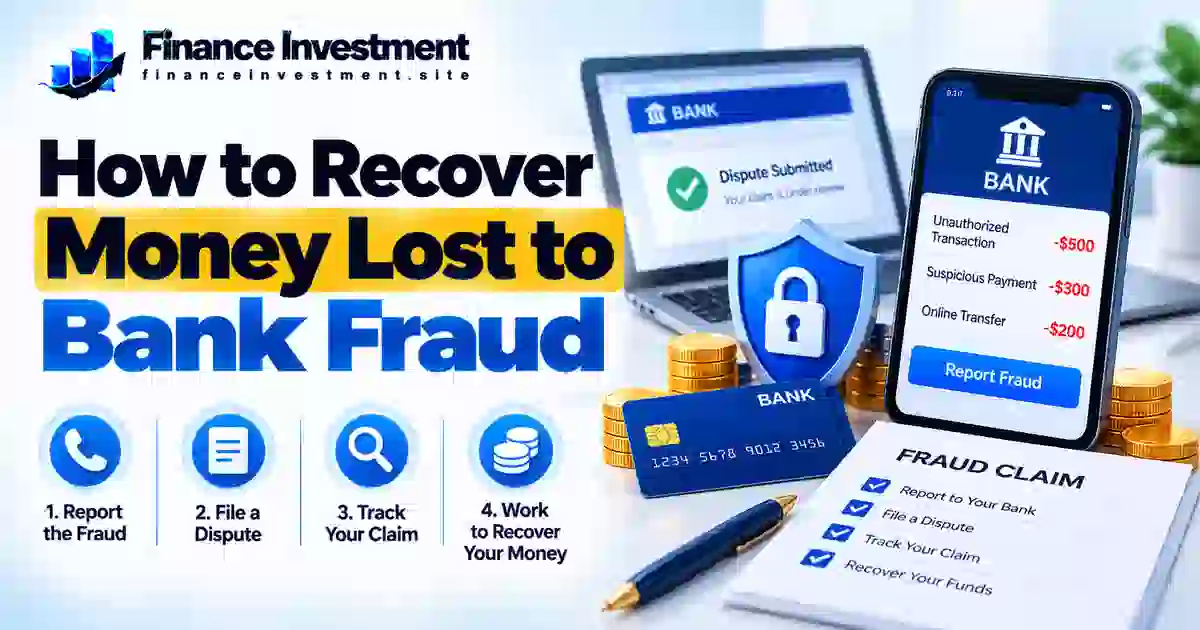
How to Recover Money Lost to Bank Fraud
How to Recover Money Lost to Bank Fraud
If money has left your bank account unexpectedly or a scammer has persuaded you to send a payment, knowing how to recover money lost to bank fraud can help you choose the right next step. Report the problem promptly, because the available options may depend on how the payment was made.
An unauthorized debit-card charge, a fraudulent electronic transfer, a stolen check, and a payment you approved after being deceived are not necessarily treated the same way. Contact your bank through a verified channel, explain what happened accurately, and ask how to report the transaction or start a dispute. A refund is not guaranteed.
This guide covers practical recovery steps for U.S. consumers, including beginners, families, and retirees. To learn how to reduce future risks, explore our bank security and fraud prevention guide.
What You’ll Learn
- What to do first after discovering suspected bank fraud.
- How to report a transaction and request a formal dispute.
- How recovery options can vary by payment method.
- Which records to save and where to seek additional help.
Quick Answer: How to Recover Money Lost to Bank Fraud
Contact your bank immediately through its official app, website, or verified phone number. Report the transaction, ask how to open a dispute, and check whether your card or account access needs to be secured. Keep transaction details and your complaint reference number. If you sent money to a scammer, ask your bank or payment provider whether a recall, reversal, or recovery request is possible. The options depend on the payment method, timing, and circumstances.
Key Takeaways
- Report suspected fraud as soon as you discover it.
- Ask whether the transaction qualifies for a formal dispute.
- Explain clearly whether you authorized the payment or someone made it without your permission.
- Save receipts, transaction records, messages, dates, and case numbers.
- Secure any compromised passwords, cards, email accounts, or banking access.
- If the bank does not resolve your complaint, ask for its formal escalation process and consider contacting the appropriate regulator or consumer protection agency.
Bottom line: Report the loss promptly, describe exactly what happened, and follow the appropriate dispute process. A refund is not guaranteed, so ask the bank which protections and deadlines apply to your situation.
Bank Fraud Recovery at a Glance
The best next step depends on how the money left your account. Contact your bank or payment provider promptly, explain what happened accurately, and save your complaint reference number. The rules and recovery options can differ by transaction type.
| Situation | First Step | What to Know |
|---|---|---|
| Debit-card charge you did not authorize | Report and dispute the charge | Ask whether the card should be locked or replaced |
| Electronic transfer you did not authorize | Notify the bank immediately | Specific legal protections and notice deadlines may apply |
| Payment you sent after a scam | Ask the provider about recall or reversal | Recovery depends on the payment method and circumstances |
| Stolen, forged, or altered check | Notify the bank and ask how to dispute it | Keep available check records, statements, and related messages |
QUICK TAKE
Report suspected fraud promptly, secure compromised account access, and keep a record of your complaint. Clearly explain whether you made or approved the payment. A payment made because of a scam may follow different recovery rules from a transaction you never authorized.
A Beginner’s Guide to Recovering Money Lost to Bank Fraud
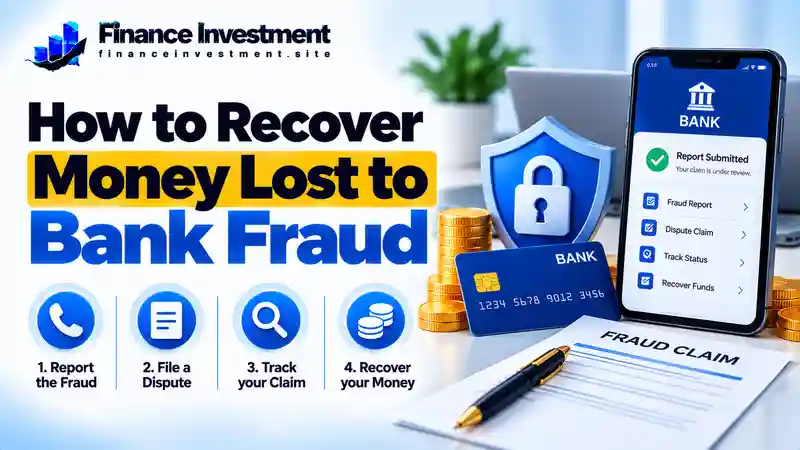
Finding an unfamiliar transaction can be worrying, but taking organized action can help protect your account and preserve your recovery options. Start with these three steps.
1. Report the Transaction Promptly
Contact your bank using the number on your card, its official website, or its verified app. Identify the transaction, give the date and amount, and explain whether you authorized it. Ask how to submit a formal dispute and note any deadlines. Avoid phone numbers or links sent in unexpected messages.
2. Protect Your Account
Ask whether your card should be locked or replaced and whether online banking access needs to be reset. Change compromised passwords using a trusted device, secure your linked email account, and review recent transactions for other suspicious activity.
3. Keep Evidence and Follow Up
Save account statements, receipts, relevant messages, transaction details, and your complaint or dispute number. Follow the bank’s instructions and ask when to expect an update. If you sent money to a scammer, contact the bank or payment provider immediately to ask whether a recall or other recovery step is available.
Remember: Describe the events honestly. A payment you personally authorized after being deceived may be treated differently from a transaction made without your permission. The applicable protections depend on the payment method and circumstances.
How Bank Fraud Recovery Works
Bank fraud recovery often starts with a report and a request to investigate or dispute the transaction. The next steps depend on how the money moved, whether you authorized the payment, and which rules apply. The process below is a general guide, not a guarantee of the same procedure at every bank.
What Affects the Outcome?
The bank may review transaction records, authorization details, your report, and the applicable payment rules. Certain unauthorized electronic transfers may qualify for legal protections, but the requirements and deadlines depend on the circumstances. A payment you approved after being deceived can be treated differently. If you sent money to a scammer, a recall request may help, but it cannot guarantee that the funds will be returned.
Practical tip: Keep your case number, ask which deadlines apply, and request the bank’s formal complaint or escalation process if you disagree with its decision.
Why Acting Quickly Matters After Bank Fraud
If you notice a suspicious transaction, contact your bank promptly. Quick reporting can help limit further account activity, preserve useful records, and give your bank or payment provider a chance to explore available recovery options. It does not guarantee that lost money will be returned.
Benefits of Acting Quickly
- You may stop additional unauthorized transactions.
- Your provider may have more options to attempt a transfer recall or reversal.
- You can preserve transaction details and report the issue while events are fresh.
Risks of Waiting
- More unauthorized activity could occur.
- Funds may become harder to trace or recover.
- You may miss a deadline that applies to your type of claim.
Remember: Report suspected fraud as soon as you discover it, even if you do not yet know exactly what happened. Ask your bank which reporting deadlines and protections apply to your specific transaction.
Compare Bank Fraud Recovery Options
Your recovery options depend on the payment method and whether you authorized the transaction. Use this table to identify the appropriate first step, then ask your bank which process and deadlines apply.
| Payment Situation | First Step | What to Know |
|---|---|---|
| Debit-card charge you did not authorize | Report and dispute the charge with your bank | Applicable protections and reporting deadlines may apply |
| Electronic transfer made without your permission | Notify the bank and request an investigation | The circumstances and applicable rules affect the outcome |
| Payment you authorized after a scam | Contact the provider and ask about recall or recovery options | Recovery may be difficult and is not guaranteed |
| Stolen, forged, or altered check | Notify the bank and ask how to dispute the check activity | Check-specific procedures and deadlines may apply |
Need help with a disputed transaction? Read our guide on how to dispute an unauthorized bank transaction.
QUICK TAKE: Report the issue promptly, explain exactly what happened, and ask which dispute process applies. Do not assume a payment you approved after being deceived receives the same treatment as a transaction made without your permission.
Costs, Risks, and Expert Tips for Bank Fraud Recovery
Reporting suspected fraud and requesting a dispute may not involve a separate fee, but charges can depend on your bank, account terms, and the service involved. Ask your bank about any applicable fees before agreeing to a paid service. Remember that no recovery method guarantees your money will be returned.
Risks to Watch For
- Recovery scams: Be cautious of anyone promising a guaranteed refund, demanding unusual upfront payments, or asking for gift cards or cryptocurrency.
- Account compromise: Never share your password or one-time security code with an unsolicited caller, and do not grant remote access to someone claiming they can recover your money.
- Missed deadlines: Keep records of when you discovered the transaction and reported it. Ask the bank which notice and dispute deadlines apply.
Practical Tips for Recovery
Use verified contact details, save your complaint number, and keep copies of messages and documents you submit. If the bank denies your claim, request its explanation and ask about the formal complaint or escalation process. You can also learn how to recognize fake bank phone calls before sharing sensitive information.
QUICK TAKE: Document each step, secure your account, and be skeptical of guaranteed recovery promises. Verify any paid service independently before sharing information or sending money.
Common Bank Fraud Recovery Mistakes to Avoid
After noticing a suspicious transaction, avoid these mistakes that could complicate your claim or expose your account to further risk:
- Delaying your report while waiting to see whether the transaction reverses on its own.
- Deleting relevant messages, receipts, account alerts, or other evidence.
- Ignoring the bank’s requests for information or missing an applicable deadline.
- Sending money or sharing security codes with someone promising a guaranteed recovery.
- Leaving a compromised card, password, or banking login unsecured.
Illustrative Example
Imagine Alex notices a $450 debit-card transaction he does not recognize. He contacts his bank through its official app, reports the charge, asks how to file a dispute, and checks whether the card needs to be locked or replaced. He saves the case number and reviews recent activity for other unfamiliar transactions.
The bank investigates and explains the next steps. Alex’s report does not guarantee reimbursement, but prompt action and organized records help him respond to the bank’s requests and track the claim.
Key lesson: Report suspicious activity promptly, preserve evidence, secure your account, and follow the appropriate dispute process. Never assume a refund is guaranteed.
Who Should Take Extra Precautions After Bank Fraud?
Bank fraud can affect anyone. Extra safeguards are particularly useful when several people manage finances, banking access is shared, or personal information may have been exposed.
- Retirees and older adults: Verify unexpected bank calls, texts, and payment requests using official contact details before acting.
- Families managing shared finances: Review account alerts, clarify who has access, and report unfamiliar transactions promptly.
- Frequent online banking users: Use unique passwords, enable multifactor authentication, and install security updates.
- People facing possible identity theft: Secure banking and email accounts, contact the bank, and check for other suspicious activity.
Practical tip: If you think someone has misused your personal information, read our guide on protecting your bank account from identity theft for additional account-safety steps.
Frequently Asked Questions About Bank Fraud Recovery
1. Can I recover money lost to bank fraud?
Possibly. Recovery depends on the payment method, what happened, and the protections that apply. Report the transaction promptly and ask your bank about the available dispute process. A refund is not guaranteed.
2. How long does bank fraud recovery take?
It varies by claim. For many covered electronic-transfer errors, the bank generally has 10 business days to investigate, although exceptions and temporary-credit rules apply. Ask your bank for the timeline for your case.
3. What if my bank denies my fraud claim?
Ask for the decision and explanation in writing. Request information about the evidence used and the bank’s appeal or complaint process. You may also contact the appropriate regulator if the issue remains unresolved.
4. Should I report bank fraud to the police?
A police report may help document serious fraud or identity theft. Ask your bank whether one is needed, and consider reporting the scam to the appropriate authorities.
5. Am I protected if someone makes an unauthorized transfer?
Certain electronic transfers may be covered by federal Regulation E protections. Deadlines matter: report a lost or stolen card or access device promptly, and generally report an unauthorized transfer shown on your statement within 60 days after the statement is sent. Specific rules and exceptions apply.
6. Can I recover money I sent to a scammer?
Contact your bank or payment provider immediately and ask whether the payment can be recalled, reversed, or traced. Recovery depends on the payment method and circumstances, and success is not guaranteed.
7. Where can I report a bank-related scam?
Start with your bank or payment provider. In the United States, you can also report scams to the Federal Trade Commission. Reports help authorities identify fraud patterns but do not guarantee an individual refund.
8. Should I pay someone to recover my lost money?
Be wary of unsolicited recovery offers, guaranteed refunds, and unusual upfront-payment demands. Verify any service independently. Never share your banking password or one-time security codes with an unsolicited contact.
Official guidance: Read the CFPB guide to recovering money after an unauthorized transaction for further information about reporting, investigations, and applicable protections.
Final Verdict: Take Action to Recover Money Lost to Bank Fraud
If you discover a suspicious transaction, contact your bank through a verified channel as soon as possible. Ask how to dispute the transaction, secure your account, and keep your complaint number and supporting records. Prompt action can help protect your account and preserve available recovery options, although it cannot guarantee a refund.
The right process depends on how the payment was made and whether you authorized it. Some unauthorized transactions may qualify for legal protections, while money sent to a scammer can be harder to recover. Be cautious of anyone promising a guaranteed refund in exchange for an upfront payment.
Next step: Once you have addressed the immediate issue, explore our bank security and fraud prevention guide to learn how to reduce the risk of future losses.
Leave a Reply