Tag: Banking Scams

  • Wire Transfer Scams: 9 Red Flags to Know Before Sending

    Wire Transfer Scams: 9 Red Flags to Know Before Sending

    Banking Safety Guide

    Wire Transfer Scams: Red Flags Before You Send Money

    SR
    Written by Subhash Rukade
    Founder, FinanceInvestment
    Estimated reading time
    8–10 minutes
    Last reviewed: October 23, 2026

    wire transfer scams

    Wire transfer scams can cost you thousands of dollars, sometimes in a single transaction. Scammers may impersonate real estate agents, send fake invoices, pose as bank representatives, or invent urgent family emergencies to pressure you into sending money. Once a wire transfer has been processed, recovering the funds can be difficult, so checking the recipient and verifying payment instructions independently are essential steps before you send money.

    This guide explains common warning signs, the tactics fraudsters use, and practical steps you can take to protect your money. For a wider look at protecting your finances, explore our bank security and fraud prevention guide.

    What You’ll Learn

    • Common wire transfer scams and the red flags that expose them.
    • How to verify recipients and payment instructions before sending funds.
    • Practical ways to reduce fraud risk during large transactions.
    • What to do quickly if you suspect a fraudulent wire transfer.

    Quick Answer: How Can You Spot a Wire Transfer Scam?

    Common wire transfer scams involve urgent payment demands, last-minute changes to bank details, fake investment opportunities, or claims that you must move money to a “safe account.” Before sending funds, independently confirm the recipient and payment instructions using a trusted phone number or contact method you already know. Never rely solely on contact details supplied in a suspicious email, text, or call. If you have already sent money and suspect fraud, contact your bank or wire transfer provider immediately. Ask whether the payment can be stopped, recalled, or traced, but remember that recovery is not guaranteed.

    Key Takeaways

    • Urgency is a warning sign: Pause if someone pressures you to transfer money immediately or keep the transaction secret.
    • Verify payment details independently: Confirm any new or changed instructions directly with the intended recipient through a trusted channel.
    • Scrutinize high-value payments: Real estate closings, business invoices, and unfamiliar investment offers deserve extra checks.
    • Report suspected fraud promptly: Contact your bank immediately and request a wire recall or other available recovery action.

    Wire Transfer Scams at a Glance

    Wire transfer scams often rely on urgency, impersonation, or convincing but false payment instructions. These common scenarios show what to watch for and how to respond before money leaves your account.

    Scam TypeRed FlagWhat to Do
    Real estate wire fraudLast-minute changes to closing instructions or account details.Call a previously verified closing contact using a trusted number to confirm every detail.
    Vendor invoice fraudA supplier suddenly asks you to pay a different bank account.Verify the change through a separate, trusted communication channel before paying.
    Bank impersonationA caller claims your money is at risk and tells you to move it to a “safe account.”Do not transfer money at the caller’s direction. Contact your bank through its official number.
    Romance or emergency scamSomeone demands urgent financial help and insists you keep it secret.Verify the situation independently and discuss the request with someone you trust.
    Investment scamPromises of guaranteed profits paired with pressure to wire money quickly.Research the opportunity and independently verify the firm and the person offering it.

    Remember: A familiar name, convincing email, or believable phone call does not prove a payment request is legitimate. If you suspect a scam after sending money, contact your bank or wire transfer provider immediately and request a recall or other available recovery action. Acting quickly may help, but recovery is not guaranteed.

    A Beginner’s Guide to Wire Transferswire transfer scams

    A wire transfer is an electronic payment that moves money between banks or other financial institutions. In the United States, people often use domestic wires for real estate closings, business transactions, and other large payments. International wires send funds across national borders and may involve currency conversion, intermediary banks, additional fees, and different processing times. The exact process depends on the institutions and transfer service involved.

    How Does a Wire Transfer Work?

    The sender provides payment instructions and the information required by the sending institution. Depending on the transfer, these details may include the recipient’s name, account number, routing number, or international banking identifiers such as a SWIFT/BIC code. The payment then moves through the applicable banking network or service before the receiving institution processes it. A transfer’s status, delivery time, fees, and cancellation options vary by provider and transaction type.

    What Should You Check Before Sending Money?

    • Confirm the recipient: Make sure the person or business is the intended beneficiary before authorizing payment.
    • Verify the banking details: Check account and routing information directly with the legitimate recipient using a trusted contact method.
    • Recheck changed instructions: If payment details change unexpectedly, pause and independently confirm the change before sending funds.
    • Understand the terms: Ask your bank or transfer provider about fees, expected processing time, and available cancellation or recall options.

    Beginner tip: Do not use only the phone number, email address, or link contained in the payment request to verify its authenticity. Contact the recipient through information you obtained independently. A familiar name or professional-looking message is not proof that the instructions are genuine.

    Knowing how wire transfers work makes unusual requests easier to question. Next, we’ll examine how scammers exploit the process, impersonate trusted people, and pressure victims into sending money to the wrong account.

    How Wire Transfer Scams Work

    Wire transfer scams often begin with a believable request from someone who appears trustworthy. A fraudster may impersonate a real estate professional, business supplier, bank employee, investment adviser, or family member. The aim is to make the payment seem legitimate, create pressure to act quickly, and prevent you from checking the instructions independently.

    1. They Pretend to Be Someone You Trust

    Scammers may use fake email addresses, lookalike websites, caller ID spoofing, stolen personal details, or compromised email accounts to imitate a legitimate person or organization. For example, a homebuyer might receive a message that appears to come from a title company handling the closing. A familiar name, accurate property details, or an ongoing email conversation does not prove the payment request is genuine.

    2. They Use Urgency, Fear, or Secrecy

    A fraudster may claim that a property purchase will fail, your bank account is in danger, or a relative urgently needs money. They may demand immediate payment or tell you not to discuss the situation with anyone. This pressure is intended to make you act emotionally instead of taking time to verify the request.

    3. They Change or Redirect the Payment Instructions

    The scammer may provide an account they control or otherwise benefit from. In real estate wire fraud and business email compromise, criminals sometimes use fraudulent messages to divert legitimate payments to different accounts. If you follow the altered instructions without independently confirming them, your money may reach the wrong recipient.

    Real-world example: You are buying a home and receive an email on closing day announcing new wire instructions. Even if the message looks authentic, do not send the money until you independently call your title company or closing professional using a previously verified phone number. Do not rely on the number or link in the new message.

    4. They Disappear or Ask for More Money

    After receiving the transfer, a scammer may stop responding, invent a problem, or demand another payment for supposed taxes, processing charges, or release fees. A person claiming they can recover your stolen money may also be running a second scam, especially if they demand an upfront fee or guarantee a recovery. If you suspect fraud, contact your bank or wire transfer provider immediately and report the incident to the appropriate authorities.

    Recognizing these stages can help you pause before authorizing a suspicious payment. Next, we’ll examine when wire transfers are useful, along with their practical benefits and limitations.

    Benefits and Drawbacks of Wire Transfers

    Wire transfers are a legitimate payment method for transactions that require money to move directly between financial institutions. They can be useful for large purchases and certain business payments, but they also have costs and limitations. Understanding both sides helps you choose a suitable payment method and recognize where extra verification is essential.

    Benefits

    • Suitable for large transactions: Often used for home purchases, closing payments, and certain business transactions.
    • Electronic processing: Money can be sent without issuing or mailing a paper check.
    • Potentially fast settlement: Some domestic wires are processed the same business day when submitted within applicable deadlines; timing varies.
    • Cross-border transfers: International wire services can send funds abroad, sometimes with currency conversion.

    Drawbacks

    • Potentially difficult recovery: Money sent to a fraudster may be hard to recover, especially after it has been withdrawn or moved.
    • Possible fees: Sending, receiving, intermediary-bank, and currency-conversion charges may apply.
    • Limited reversal options: A processed wire may be difficult to cancel or recover, depending on its status and the institutions involved.
    • Recipient verification matters: Accurate account details do not guarantee that the recipient or payment request is legitimate.

    Important distinction: A wire transfer is not inherently a scam. The main danger is sending money to the wrong person or following fraudulent payment instructions. Before authorizing a transfer, independently verify the recipient and confirm the details with your bank or the legitimate beneficiary. Available protections and recovery options depend on the transaction and provider.

    Wire transfers can be useful when the recipient and payment instructions have been verified. However, another payment method may suit some transactions better. Next, we’ll compare wire transfers with ACH payments, checks, and credit cards.

    Wire Transfers vs. Other Payment Methods

    Wire transfers are useful for certain large or time-sensitive payments, but they are not the only way to move money. In the United States, ACH transfers, paper checks, and credit cards serve different purposes and have different costs, processing times, and dispute procedures. Compare the options before paying, especially when a transaction involves a large amount or an unfamiliar recipient.

    Payment MethodCommon UsesCost and TimingImportant Limitation
    Wire transferReal estate closings and certain large business payments.Fees may apply. Some domestic wires are processed the same business day, depending on cut-off times and bank procedures.A fraudulent or misdirected payment may be difficult to recover.
    ACH transferDirect deposit, recurring bills, and routine bank payments.Often low-cost or free; processing may take one or more business days, depending on the service and transfer type.Incorrect or unauthorized transactions still need prompt reporting; applicable protections depend on the transaction and relevant rules.
    Paper checkPersonal payments, rent, and some business transactions.Usually inexpensive, but delivery and clearing can take time.Checks can be stolen, altered, or used in check-washing fraud.
    Credit cardEligible retail purchases, services, and online payments.Convenient for many purchases; interest or transaction fees may apply, depending on how the card is used.Dispute rights vary by transaction and circumstances; not every payment qualifies for a chargeback.

    Which Payment Method Should You Choose?

    For a real estate closing, follow the verified closing professional’s payment process and independently confirm the wire instructions before sending money. For routine bills or recurring payments, ACH may be a convenient option. Credit cards may be suitable for eligible purchases where card dispute procedures are available. Checks can still be useful, but keep them secure and monitor your account for unexpected activity.

    Safety rule: No payment method makes every transaction risk-free. Before sending a large payment, independently verify the recipient and instructions. If the payment details change unexpectedly, pause and confirm the change using a trusted contact method you already have.

    Choosing the right payment method is only part of protecting your money. Next, we’ll look at transfer costs, common risks, and practical precautions to take before authorizing a payment.

    Costs, Risks, and Expert Safety Tips

    Wire transfers can be useful for large or time-sensitive payments, but they involve costs and risks that deserve attention. Before sending money, check the applicable fees, independently verify the recipient, and understand what your bank can do if a transfer is delayed or appears fraudulent.

    Understand Wire Transfer Costs

    Depending on the bank and transaction, you may pay an outgoing or incoming wire fee. International transfers may also involve intermediary-bank charges and currency-conversion costs. The exchange rate can affect how much the recipient ultimately receives. Before authorizing payment, ask your provider about the total fees, applicable exchange rate, estimated delivery time, and cancellation or recall options.

    Six Safety Checks Before Sending Money

    1. Verify the recipient independently. Contact the intended person or business through a phone number or channel you already trust.
    2. Confirm the payment details. Check the recipient’s name and required account and banking information before approving the transfer.
    3. Recheck unexpected changes. If someone sends new account details, confirm the change directly using previously verified contact information.
    4. Do not let urgency control your decision. Pause if someone demands immediate payment, secrecy, or a transfer to a supposed “safe account.”
    5. Use official banking channels. Contact your bank through its official app, website, or independently verified phone number.
    6. Keep transaction records. Save receipts, payment instructions, confirmations, and relevant messages in case you need to report suspected fraud.

    Red flag: Someone claiming to be from your bank tells you to move your money to another account to keep it safe. Do not follow the instructions or rely on the caller’s supplied number. End the conversation and contact your bank independently.

    What to Do If You Have Already Sent the Money

    1. Call your bank or wire provider immediately. State that you suspect fraud and ask whether the transfer can be stopped, recalled, or traced.
    2. Request urgent contact with the receiving institution. Provide the transaction reference, amount, date, and recipient details available to you.
    3. Preserve evidence and report the incident. Save messages and receipts. In the United States, you can report suspected online or wire fraud to the FBI’s Internet Crime Complaint Center (IC3) at IC3.gov and report scams to the Federal Trade Commission at ReportFraud.ftc.gov.

    Acting quickly may help limit a loss, but a wire recall or refund is not guaranteed. Next, we’ll examine common mistakes that make people more vulnerable to wire transfer scams and how these errors can play out in a U.S. scenario.

    Common Mistakes and a U.S. Example

    Wire transfer fraud can succeed when a payment request fits an expected transaction and appears to come from someone familiar. The danger is not always an obviously suspicious message. Sometimes, a small change to payment instructions goes unnoticed because the sender is focused on meeting a deadline.

    Five Mistakes That Can Put Your Money at Risk

    • Trusting the sender name: Display names and email threads can be impersonated or compromised. Verify unusual payment requests independently.
    • Skipping confirmation after a change: Treat new or revised bank details as unverified until you confirm them with the legitimate recipient through a trusted channel.
    • Letting deadlines rush you: A claim that a deal will collapse unless you pay immediately is a reason to pause and verify—not to skip checks.
    • Assuming correct-looking details prove legitimacy: Account numbers and other banking information can belong to a fraudster. Verify who controls the destination account through the intended recipient or your financial institution.
    • Waiting to report a suspicious transfer: Contacting your bank promptly gives it more time to attempt a recall or coordinate with the receiving institution, although recovery is not guaranteed.

    U.S. Example: A Homebuyer Faces Wire Fraud

    Illustrative scenario: Imagine a homebuyer in Ohio preparing to close on a house. The day before closing, the buyer receives an email that appears to come from the title company. It announces a change to the closing payment instructions and provides a different bank account for the wire transfer.

    The email looks professional and includes the correct property address. The buyer assumes the instructions are genuine and sends the closing funds without checking with the title company through an independently verified phone number. In this hypothetical scenario, the email was fraudulent and the funds went to an account controlled by a criminal.

    How the buyer could have reduced the risk: Call the title company using a previously verified number, confirm the exact payment instructions with the authorized closing professional, and do not send money until the unexpected change has been independently verified.

    What If You Notice the Problem After Sending Money?

    Contact your bank or wire transfer provider immediately and clearly report suspected fraud. Request an urgent recall attempt and ask whether the receiving institution can be contacted. Preserve the payment receipt, email, phone numbers, messages, and any other evidence. Be cautious of anyone demanding an upfront fee or promising guaranteed recovery of stolen funds.

    Key lesson: For a large payment, independently verify every unexpected change to the instructions. A familiar name, accurate transaction details, and professional-looking email are not proof that the request is legitimate.

    Anyone can be targeted, but certain situations may make verification more difficult or increase pressure to act quickly. Next, we’ll look at who may benefit from additional safeguards when sending money.

    Who Needs Extra Protection?

    Anyone who sends money can be targeted by wire transfer scammers. The risk may increase when a transaction involves a large amount, unfamiliar payment instructions, emotional pressure, or a strict deadline. Rather than assuming certain people are naturally more vulnerable, focus on the situations that make independent verification especially important.

    Situations That Deserve Extra Verification

    • Older adults and their families: Unexpected calls about account security, emergencies, or supposed legal problems can create pressure to act quickly. Verify the story independently before sending money. Families may also find our guide on protecting seniors from bank scams helpful.
    • First-time homebuyers: Real estate closings often involve large payments and firm deadlines. Confirm the wire instructions directly with the verified title company or closing professional, especially if account details change.
    • Small-business owners and finance teams: Fraudulent invoices or impersonated vendor emails can redirect legitimate payments. Establish a process requiring independent confirmation of new beneficiaries and changes to existing bank details.
    • Investors and people making large transfers: Guaranteed-return claims, secrecy, and pressure to invest immediately are warning signs. Independently research the investment, verify the firm and the person offering it, and check relevant registration information where applicable.
    • People sending money to online contacts: Romance and emergency scams may rely on emotional pressure, urgent requests, or repeated demands for funds. Verify the circumstances independently and avoid sending money simply because someone insists there is no time to check.

    Create a Simple Payment Verification Routine

    Before sending a significant amount, confirm the recipient’s identity, verify the payment instructions through an independent trusted channel, and check whether any details have changed. If a request is unexpected, pause until you have confirmed it. Families and businesses can agree on an additional review step for unusual or high-value transfers.

    Remember: Extra safeguards are a practical security measure, not a judgment about someone’s age or experience. Scammers exploit trust, timing, and convincing information. A consistent verification process can help anyone make safer payment decisions.

    Even with precautions in place, questions can arise about stopping a transfer, recovering money, or reporting suspected fraud. The next section answers eight common questions about wire transfer scams.

    Frequently Asked Questions About Wire Transfer Scams

    Here are answers to common questions about spotting wire fraud, verifying payment instructions, and responding when a transfer may be fraudulent.

    1. What are the most common signs of a wire transfer scam?

    Common warning signs include urgent payment demands, unexpected changes to bank details, requests to move money to a “safe account,” pressure to keep a transaction secret, and promises of guaranteed investment returns. Verify the recipient and payment instructions independently before sending money.

    2. Can a wire transfer be reversed if I get scammed?

    Sometimes a wire transfer can be stopped or recalled, depending on its status, the transfer type, and the institutions involved. Contact your bank or wire transfer provider immediately, explain that you suspect fraud, and request an urgent recall. Recovery is not guaranteed.

    3. What should I do immediately after sending money to a scammer?

    Contact your bank or wire transfer provider immediately and request a recall or other available recovery action. Ask whether the receiving institution can be contacted urgently, preserve receipts and messages, secure any compromised accounts, and report the suspected fraud to the appropriate authorities.

    4. How can I verify real estate wire instructions safely?

    Call your title company or closing professional using a phone number you obtained independently and previously verified. Confirm the recipient and complete payment instructions before sending funds, especially if you receive an unexpected email or notice of changed bank details.

    5. Will my bank reimburse me if I authorize a fraudulent wire transfer?

    Reimbursement is not guaranteed. The outcome may depend on the transaction, the circumstances, applicable law, and your bank’s policies. Report the fraud promptly, provide accurate transaction details, and ask your bank to explain any available recovery options and applicable deadlines.

    6. Where can I report a wire transfer scam in the United States?

    Contact your bank or wire transfer provider first. You can also report suspected online or wire fraud to the FBI’s Internet Crime Complaint Center at IC3.gov and report scams to the Federal Trade Commission at ReportFraud.ftc.gov. Depending on the circumstances, you may also contact local law enforcement.

    7. Is a wire transfer safer than Zelle, ACH, or a check?

    No payment method is safest for every situation. Wire transfers, Zelle, ACH payments, and checks have different processing methods, risks, and dispute or recovery options. Choose a method appropriate for the transaction, verify the recipient independently, and review your financial institution’s applicable protections before paying.

    8. How can I protect myself from wire transfer scams in the future?

    Independently verify recipients and payment instructions, confirm unexpected changes using a trusted contact method, resist pressure to act immediately, and never move money to an unfamiliar account because a caller claims it is a “safe account.” Keep transaction records and contact your bank promptly if something seems suspicious.

    Final Verdict: Pause, Verify, and Protect Your Money

    A wire transfer can be a convenient way to pay for a home, send money to someone you trust, or complete a legitimate business transaction. The danger arises when a scammer tricks you into sending funds to the wrong recipient. Recognizing wire transfer scams before you authorize a payment can help you avoid a costly mistake.

    Before sending money, verify the recipient and payment instructions through a separate, trusted contact method. Be especially cautious about last-minute changes, unexpected requests to move money into a so-called “safe account,” and anyone pressuring you to act immediately. Never rely solely on an email, text, or phone number included in the suspicious request.

    If you have already sent money and suspect fraud, contact your bank or wire transfer provider immediately. Ask whether the transfer can be stopped or recalled, and report the incident to the appropriate authorities. Recovery is not guaranteed, so avoid anyone promising to get your money back for an upfront fee.

    For more practical steps to protect your finances, read our bank security and fraud prevention guide. A simple habit can make a real difference: verify first, then send.

    Key takeaway: Treat every unexpected payment change as a reason to pause. Independently confirm the details before transferring money—even when the request appears to come from someone you know.

    FinanceInvestment | Banking Security

    Protect Your Money with Smarter Banking Habits

    Before sending a wire transfer, verify the recipient independently, double-check every payment detail, and pause if someone pressures you to act immediately. These simple habits can help you spot suspicious requests before money leaves your account.


    Explore the Bank Security Guide

    Questions or Suggestions?

    Have feedback about this article or an idea for a future FinanceInvestment guide? Send us an email. For your privacy, do not include passwords, PINs, full account numbers, or other confidential financial information.


    Contact FinanceInvestment

    Stay Updated with FinanceInvestment

    Get practical guidance on banking security, common financial scams, and ways to protect your money. A newsletter can make it easier to keep useful financial safety advice close at hand.

    Newsletter signup coming soon

    This is a placeholder, not an active subscription form. Newsletter signup will be available after the subscription service is connected.

    Related Guides to Help You Stay Safe

    Continue learning with these practical resources from FinanceInvestment:

    Disclaimer: This article provides general educational information, not individualized financial or legal advice. Fees, bank procedures, and recovery options vary by provider and circumstances. If you suspect wire transfer fraud, contact your bank or wire provider immediately and use appropriate official reporting channels.
  • Common Banking Scams Targeting Older Adults (2026)

    Common Banking Scams Targeting Older Adults (2026)

    Common Banking Scams Targeting Older Adults

    SR
    Subhash Rukade
    Founder, FinanceInvestment
    BANKING SAFETY · 2026
    Published
    October 21, 2026
    Last Updated
    October 21, 2026
    Reading Time
    About 9–11 minutes

    Common Banking Scams Targeting Older Adults common banking scams targeting older adults

    Common banking scams targeting older adults do not always start with a suspicious-looking message. Sometimes, it is a phone call that appears to come from the bank, a text about an unfamiliar transaction, or an email warning that an account will be locked. The person on the other end may sound convincing and insist that there is no time to waste.

    That pressure is often the warning sign. A scammer may try to frighten someone into sharing a verification code, revealing account details, or moving money to a supposed “safe account.” A genuine-looking caller ID is not proof that a call is legitimate.

    Older adults deserve to manage their money with confidence and independence. A few practical habits can help: pause before responding, verify unexpected requests using a trusted contact method, and tell the bank promptly if something seems wrong. Families can offer support without taking control away from a loved one.

    For a wider overview of account protection, visit our Bank Security and Fraud Prevention Guide.

    What You’ll Learn

    • How common banking scams work and what warning signs to notice.
    • How to check suspicious calls, messages, and payment requests.
    • Which account safeguards can help protect money and personal information.
    • What to do if a scammer gets account details or money.

    Quick Answer: How Can Older Adults Avoid Banking Scams?

    Pause before responding to an unexpected banking request. Never share your password, PIN, or one-time verification code with an unexpected caller, and never move money to a supposed “safe account.” Verify the situation by contacting your bank through the number on your debit card or its official website.

    7 Key Takeaways

    • Be cautious when someone creates panic, threatens you, or demands secrecy.
    • Never give an unexpected caller your banking password, PIN, or verification code.
    • Do not transfer funds, withdraw cash, or buy gift cards or cryptocurrency at a stranger’s request.
    • Avoid clicking unexpected banking links; open your bank’s official app or website yourself.
    • Turn on available transaction alerts and review account activity regularly.
    • Check family-emergency claims by calling the person back on a number you already trust.
    • Contact your bank promptly if you notice suspicious activity or think you have shared sensitive information.

    The Bottom Line

    A convincing voice, familiar name, or genuine-looking caller ID does not prove a request is legitimate. Slow down and verify it independently. If you suspect fraud, report it quickly and follow your bank’s instructions to secure the account. Fast action may help limit further losses, but getting money back is not guaranteed.

    Banking Scams Targeting Older Adults: At a Glance

    Scams can arrive through phone calls, texts, emails, letters, or face-to-face conversations. Be especially cautious when someone creates panic, demands secrecy, asks for security details, or pressures you to make an unusual payment.

    Who This Helps

    Older adults, retirees, family members, and caregivers supporting safer banking.

    Major Warning Sign

    An unexpected caller tells you to move money to a “safe account.”

    First Step

    Pause and verify the request using your bank’s official contact details.

    Quick Safety Checklist

    Warning SignWhat to Do
    Unexpected call about account troubleEnd the call and contact the bank using a verified number.
    Request for a password, PIN, or one-time codeDo not share security details with an unexpected contact.
    Unfamiliar transactionReport it to your bank promptly through an official channel.

    Quick Take: Never transfer money to an account suggested by an unexpected caller as a way to “protect” your funds. Hang up and verify the situation independently before taking action.

    How to Recognize and Avoid Banking Scamscommon banking scams targeting older adults

    Good account protection starts with simple habits, not complicated technology. The goal is to give yourself enough time to check a request before money or personal information leaves your control.

    1. Pause When Someone Pressures You

    A caller may claim your account is in danger, a payment is overdue, or a family member needs emergency help. Do not let fear set the pace. End the unexpected conversation and check the claim using a contact method you already trust. Never transfer funds to a supposed “safe account” at a stranger’s direction.

    2. Protect Your Banking Credentials

    Keep your password, PIN, and one-time verification codes private. Use a unique password for online banking and enable multifactor authentication when available. For a simple review of essential protections, use our bank account security checklist.

    3. Notice Unfamiliar Account Activity

    Turn on transaction alerts if your bank offers them, and review statements regularly. If a transaction looks unfamiliar, contact the bank promptly through its official app, website, or the number printed on your card. Our guide to bank transaction alerts explains how alerts can help you spot activity sooner.

    4. Make a Family Check-In Plan

    Agree on how to verify unexpected emergency requests. For example, call the relative using a saved number or ask a question only that person would know. Discuss any support openly, and respect the older adult’s privacy, preferences, and control over their money.

    Practical tip: Save your bank’s official contact details now. If a suspicious call arrives, you can verify the claim without using a phone number or link supplied by the caller.

    Common Banking Scams and How They Work

    Banking scams often begin with a believable story. Someone claims there is a problem, creates pressure to act quickly, and then asks for money, account information, or access to a device. The details vary, but the aim is usually to stop you from checking the story independently.

    1. Fake Bank Calls and Text Messages

    A message might report an unfamiliar charge or warn that your account will be frozen. The sender may direct you to a fake sign-in page or ask for a one-time code. Caller ID can also be spoofed, so a familiar-looking number does not prove the contact is genuine. Learn more about spotting fake bank calls.

    2. Government Impersonation and “Safe Account” Scams

    A scammer may pretend to be a bank fraud investigator or government official and claim your savings are in danger. They may demand a transfer, cash withdrawal, gift card, or cryptocurrency payment. Do not move money because an unexpected caller says it must be protected or investigated.

    3. Family Emergency and Romance Scams

    A fraudster may impersonate a relative who urgently needs help or a romantic partner who asks for money. Emotional pressure and requests for secrecy can make the story harder to question. Contact the person through a number or account you already know before sending funds.

    4. Tech Support and Fake Check Scams

    A fake technician may ask for remote access to your computer, potentially exposing private information or banking activity. In a check scam, someone sends a fraudulent check and asks you to return part of the money. Your bank may make funds available before confirming the check is valid; if it later bounces, you may have to repay the amount. Read our guide to how check fraud works.

    Remember: A convincing story, familiar phone number, or visible bank balance is not enough to prove a request or payment is legitimate. Check independently before acting.

    Benefits and Drawbacks of Banking Safety Measures

    Banking safeguards can make suspicious activity easier to notice and reduce some risks. However, they work best alongside careful decisions. No alert, password, or security setting can guarantee protection from every scam.

    Benefits

    • Transaction alerts can help you notice unfamiliar activity sooner.
    • Multifactor authentication adds a layer of protection to account sign-ins.
    • A trusted person can help you think through an unusual request.
    • Regular account reviews can help you spot transactions that need attention.

    Drawbacks

    • Alerts may be delayed, unavailable, or overlooked.
    • Extra sign-in steps can feel inconvenient or difficult to manage.
    • Frequent notifications may become easy to ignore.
    • Giving another person account credentials or unrestricted access can create privacy and security risks.

    Practical tip: Begin with steps you can maintain, such as enabling available transaction alerts and using a unique banking password. If you want help from a family member, agree on boundaries first. A bank-designated trusted contact generally does not automatically receive authority to access or control your account.

    Compare Banking Safety Options for Older Adults

    Each safeguard addresses a different risk. The right combination depends on how you bank, what support you want, and which security features your bank provides. No single option prevents every type of fraud.

    Safety OptionWhat It Helps WithLimitation to Know
    Transaction alertsFlagging certain account or card activityAvailability and alert timing vary by bank
    Multifactor authenticationAdding a verification step at sign-inCannot prevent every scam or authorized transfer
    Regular account reviewsSpotting unfamiliar transactionsDepends on checking activity consistently
    Trusted family supportGetting a second opinion on suspicious requestsRequires consent, privacy, and clear boundaries
    Bank-designated trusted contactGiving the bank someone to contact if concerns ariseDoes not itself grant authority to access or manage funds

    A sensible starting point: Turn on available transaction alerts, strengthen your sign-in security, and review activity regularly. If you want help from a family member, agree on the arrangement first. Ask your bank how its trusted-contact feature works and what it does not permit.

    Costs, Risks, and Expert Tips for Safer Banking

    Some banks offer transaction alerts and multifactor authentication without a separate fee, but availability and terms vary. Standard text-message or mobile data charges may still apply, and optional identity-monitoring products can cost extra. Check your bank’s fee schedule before enrolling in a paid service.

    Risks Worth Understanding

    Scams can expose account credentials, lead to unauthorized transactions, or persuade someone to send money willingly under false pretenses. Payments sent directly to a scammer can be difficult to recover, and cryptocurrency transfers may be especially hard to reverse. Contact your bank quickly if you suspect fraud, but do not assume every payment can be recovered.

    Practical Ways to Reduce Risk

    • Use a unique banking password and enable available multifactor authentication.
    • Never give an unexpected caller remote access to your phone or computer.
    • Open your bank’s official app or type its known website address instead of following an unexpected message link.
    • Save suspicious messages, receipts, and complaint reference numbers when reporting fraud.

    Warning: Watch for recovery scams. Someone may claim they can retrieve lost money for an upfront fee or ask for your account password or verification code. Verify any recovery service independently, and never share banking credentials to get your money back.

    If you believe someone has access to your account, contact your bank promptly and ask about restricting transactions or securing online access. Our guide explains how to freeze or restrict a compromised bank account.

    Common Banking Scam Mistakes—and How to Avoid Them

    A convincing scam can catch anyone off guard. The danger often comes from being rushed into a decision before there is time to check what is really happening.

    • Trusting caller ID alone: Scammers can make a call appear to come from a familiar number or organization.
    • Responding to pressure: Threats, urgency, and demands for secrecy are reasons to stop and verify.
    • Sharing security codes: A one-time code may help someone sign in or approve an action on your account.
    • Delaying the report: Waiting to contact your bank can give a scammer more time to misuse account access or funds.

    A Hypothetical Example

    Imagine a retiree receives a call from someone claiming to work in the bank’s fraud department. The caller says the account is at risk and instructs the retiree to transfer savings to a “safe account” immediately.

    The retiree ends the call and contacts the bank using the number printed on the debit card. The bank can verify the account activity and explain what steps, if any, are needed to secure it.

    The takeaway: Do not transfer money based on an unexpected caller’s instructions. If you have already sent money or disclosed account details, contact your bank promptly and explain exactly what happened.

    If you spot a transaction you did not authorize, see our guide to disputing an unauthorized bank transaction for guidance on what to do next.

    Who Should Choose Which Banking Safeguards?

    The most useful safeguards are the ones that fit your everyday banking habits. Choose practical steps you can maintain rather than trying to change everything at once.

    • For online and mobile banking users: Use a unique password, enable multifactor authentication if available, and turn on transaction alerts.
    • For people who prefer phone or branch banking: Keep the bank’s official contact number nearby, protect your PIN, and review statements or transaction records regularly.
    • For older adults who want family support: Agree on a way to verify urgent requests. Share concerns openly, but keep passwords, PINs, and verification codes private.
    • For anyone who suspects fraud: Contact the bank promptly through an official channel, ask how to secure the account, and report unfamiliar transactions or payments.

    Keep control in the right hands: Family help should respect the account holder’s consent and independence. If someone needs formal assistance managing finances, ask the bank or a qualified legal professional about suitable arrangements. Sharing login credentials is not a safe substitute.

    Frequently Asked Questions About Banking Scams Targeting Older Adults

    1. What is a common banking scam targeting older adults?

    A common scam involves someone pretending to be a bank employee and claiming an account is in danger. The caller may ask for a verification code or pressure the person to transfer money.

    2. Should I move money to a “safe account” if a caller asks?

    No. Do not transfer money because an unexpected caller says it will protect your funds. End the conversation and contact your bank through a verified phone number or its official app.

    3. Should I share a one-time banking verification code?

    Never disclose a code to an unexpected caller or message sender. Keep passwords and PINs private, and verify suspicious requests independently.

    4. How can families help protect older adults from bank scams?

    Discuss common warning signs, agree on a way to verify urgent requests, and help set up account alerts with permission. Respect the older adult’s privacy and control over their money.

    5. What should I do if I have already sent money to a scammer?

    Contact your bank or payment provider immediately. Ask whether the payment can be stopped or recalled, preserve messages and receipts, and follow instructions to secure your accounts. Recovery is not guaranteed.

    6. Where can I report a banking scam in the United States?

    Contact your bank promptly if an account or payment is involved. You can also submit a report to the Federal Trade Commission and contact the appropriate law enforcement agency when necessary.

    7. Does FDIC insurance cover money lost to a scam?

    FDIC insurance generally protects eligible deposits if an FDIC-insured bank fails, subject to coverage rules and limits. It does not generally reimburse money lost because a customer was tricked into sending funds to a scammer.

    8. What should I do after clicking a suspicious banking link?

    Do not enter more information or download anything from the link. If you shared credentials, contact your bank through an official channel, change the affected password using a trusted device, and review your account for unfamiliar activity.

    Final Verdict: Safer Banking Starts With a Pause

    A suspicious call or message does not need an immediate answer. Scammers often rely on fear and urgency, so taking a moment to check the facts can help protect your money. Keep banking credentials private, review account activity, and verify unusual requests through a trusted channel.

    If you suspect fraud, contact your bank promptly using its official contact details. If you have already sent money, ask the bank or payment provider whether the transaction can be stopped or recalled. Acting quickly may help, but recovery is not guaranteed.

    For more practical steps to protect your finances, read our Bank Security and Fraud Prevention Guide. With sensible safeguards and support chosen on their own terms, older adults can protect their accounts while maintaining control over their financial decisions.

    Have a Money Question? Keep Exploring.

    Better financial decisions start with reliable information. Have a question about banking safety or a topic you would like FinanceInvestment to explain? Get in touch.

    Email FinanceInvestment

    Continue Your Research

    Disclaimer: This article is for educational purposes only and is not financial, legal, or banking advice. For concerns about a specific account or suspected fraud, contact your bank through a verified channel.

  • How to Report Bank Fraud in the USA (2026 Guide)

    How to Report Bank Fraud in the USA (2026 Guide)

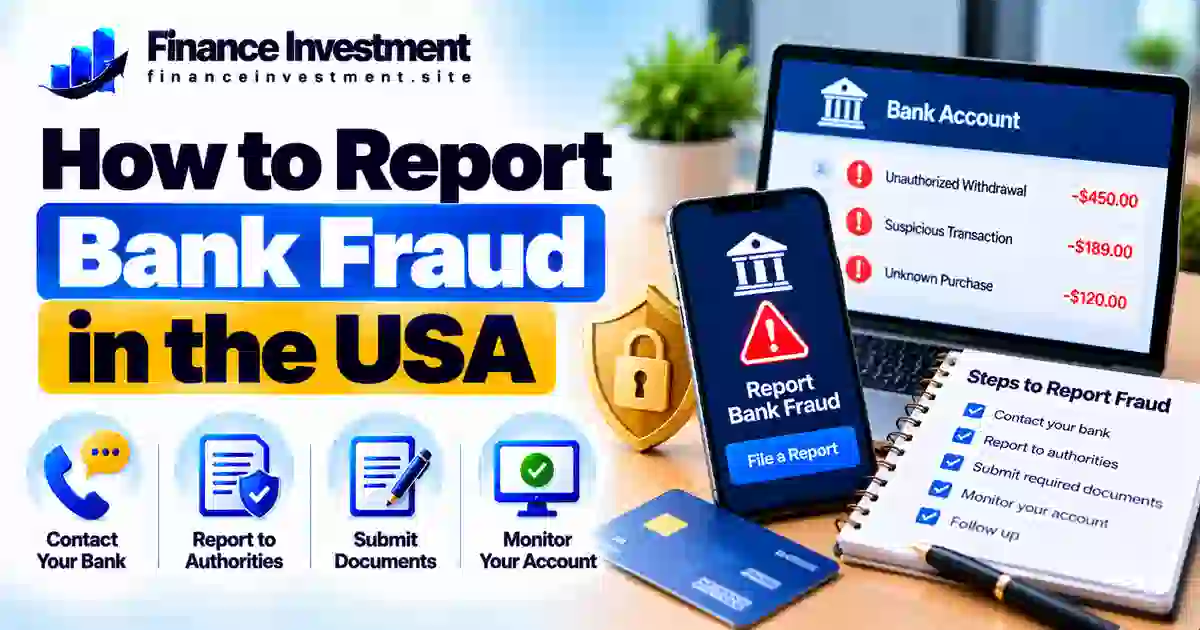
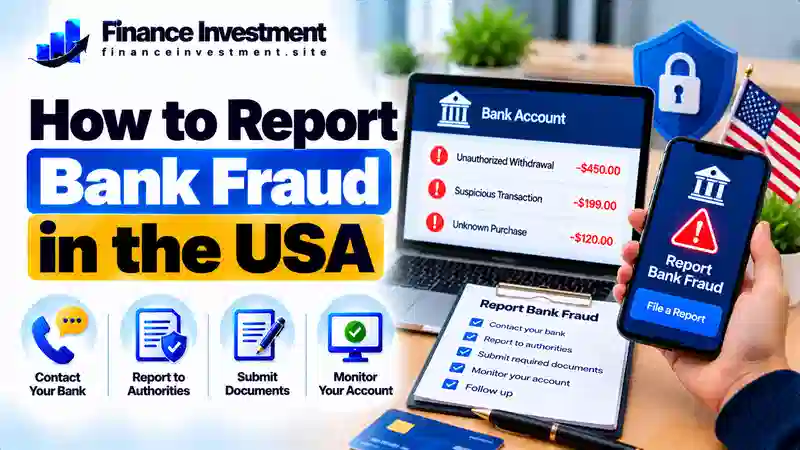
    How to Report Bank Fraud in the USA

    SR
    FinanceInvestment
    Subhash Rukade
    Founder, FinanceInvestment
    Published
    October 16, 2026
    Last Updated
    October 16, 2026
    Reading Time
    About 10 minutes

    How to Report Bank Fraud in the USAhow to report bank fraud in the USA

    Knowing how to report bank fraud in the USA matters when you spot a transfer you did not make, discover unfamiliar withdrawals, or realize someone has impersonated your bank. Start by contacting your bank through its official app, verified website, or the number printed on your card. Ask the bank to secure your account and explain how to dispute the suspicious activity.

    Your bank may be the first call, but it is not always the only one. Depending on the incident, you may also report a scam to the Federal Trade Commission (FTC), submit an online-crime complaint to the FBI’s Internet Crime Complaint Center (IC3), or contact local law enforcement. Save transaction records, messages, emails, dates, and complaint numbers. These details can help you explain the incident and follow up.

    What You’ll Learn

    • How to report suspected bank fraud step by step.
    • When to contact your bank, the FTC, the IC3, or law enforcement.
    • Which records to keep and why reporting deadlines matter.
    • How to secure your account and help prevent further losses.

    For practical prevention steps, read our Bank Security and Fraud Prevention Guide.

    Quick Answer: How Do You Report Bank Fraud?

    If you suspect bank fraud, contact your bank immediately using its official app, verified website, or the number on your card. Report the suspicious activity, ask the bank to secure your account, and find out how to submit a formal transaction dispute. Depending on what happened, you may also need to report the scam to a government agency or local law enforcement.

    Key Takeaways

    • Contact your bank promptly and request a fraud case or reference number.
    • Ask whether your card, online banking access, or affected account needs to be blocked or secured.
    • Change compromised passwords from a trusted device and enable two-factor authentication.
    • Keep transaction records, screenshots, messages, dates, and copies of your bank complaint.
    • Report suspected scams through the FTC’s ReportFraud website or internet crime through the FBI’s IC3, when appropriate.
    • Report unauthorized electronic transfers quickly because legal protections and deadlines depend on the transaction and circumstances.

    Bottom line: Notify your bank, follow its dispute process, and keep written records. An FTC or IC3 complaint does not replace notifying your bank, and reporting fraud does not guarantee reimbursement.

    Bank Fraud at a Glance: Where Should You Report It?

    Start with your bank. If you see a transaction you did not authorize or suspect someone has accessed your account, contact your bank promptly. Ask it to secure your account and explain how to file a formal dispute. Additional reports may be appropriate depending on the type of fraud.

    Reporting channelWhen to consider itWhat it does
    Your bankUnrecognized transfers, withdrawals, or account changesHelps secure the account and starts the bank’s dispute process
    Federal Trade Commission (FTC)Scams, deceptive practices, or fraud attemptsCollects reports and provides consumer guidance
    FBI Internet Crime Complaint Center (IC3)Suspected internet-enabled crimeAccepts information about suspected online crime
    IdentityTheft.govSomeone misuses your personal informationProvides identity-theft reporting and recovery steps

    Before you report: Gather transaction dates, amounts, relevant messages, account statements, and your bank’s case number. Never include your password, PIN, or one-time verification code in a complaint. If money is missing, do not delay contacting your bank while preparing other reports.

    Where and How to Report Bank Fraud in the USAhow to report bank fraud in the USA

    If you notice an unfamiliar withdrawal, a transfer you did not authorize, or signs that someone has accessed your account, act promptly. Start with your bank, then consider other reporting channels based on what happened.

    1. Notify Your Bank and Open a Fraud Case

    Contact your bank through its official app, verified website, or the phone number on your card or statement. Identify the suspicious transaction and ask the bank to secure your account, block compromised access where appropriate, and explain how to file a formal dispute. Request a case number and ask whether a transfer recall is possible. A recall is not guaranteed.

    2. Choose the Right Reporting Agency

    For scams and deceptive practices, submit a report through the Federal Trade Commission (FTC). For suspected internet-enabled crime, such as online scams or phishing-related financial losses, use the FBI’s Internet Crime Complaint Center (IC3). These reports provide information to authorities; they do not replace a bank dispute or guarantee that money will be recovered.

    3. Contact Local Law Enforcement When Appropriate

    Consider contacting your local police department if you suspect theft, identity misuse, or another crime, or if your bank requests a police report. Call 911 for an immediate emergency, not for routine account disputes.

    4. Save Evidence and Follow Up

    Keep statements, transaction dates and amounts, relevant messages, screenshots, and complaint numbers. Follow your bank’s instructions for submitting supporting documents and keep copies of anything you send. For unauthorized electronic fund transfers, notify your bank as soon as possible: certain federal rules use specific reporting deadlines, and the applicable protections depend on the facts and transaction type.

    Scam warning: A legitimate bank representative should not ask you to move money to a stranger’s “safe account” or reveal your password or one-time verification code. End suspicious calls and contact your bank using a verified number.

    How to Report Bank Fraud Step by Step

    You do not need to know exactly how the fraud happened before reporting it. Start with the suspicious activity you noticed, then follow these steps.

    Step 1: Contact Your Bank Through an Official Channel

    Call the verified number on your card or statement, or use the bank’s official app or website. Identify the suspicious transaction and ask the bank to open a fraud case. Request a case number for your records.

    Step 2: Secure Your Account

    Ask whether your card should be locked or replaced and whether online banking access needs to be secured. Change compromised passwords from a trusted device and enable two-factor authentication. Never share verification codes with an unexpected caller.

    Step 3: File a Formal Transaction Dispute

    Tell the bank which transaction you did not authorize and follow its dispute instructions. Include the date, amount, and any relevant details. Keep a copy of your submission. Do not assume that a general fraud report automatically completes the dispute process.

    Step 4: Preserve the Evidence

    Save statements, screenshots, suspicious messages, emails, transaction details, and complaint numbers. Record when you contacted the bank and the instructions you received.

    Step 5: Make Other Reports if Needed

    Report scams through the FTC or suspected internet-related crime through the FBI’s IC3, where appropriate. These reports do not replace your bank’s dispute process.

    Keep in mind: Report unauthorized electronic transfers promptly. Legal deadlines and protections depend on the type of transaction and circumstances. Ask your bank how to submit a dispute and keep written records of every follow-up.

    Benefits and Drawbacks of Reporting Bank Fraud Quickly

    Reporting suspicious activity promptly gives your bank a chance to respond sooner. It may not solve everything immediately, but waiting can make account protection and dispute resolution harder.

    Benefits

    • Gives the bank an earlier opportunity to secure your account.
    • Helps you start the formal transaction-dispute process.
    • Creates a record of when you reported the issue.
    • May help limit further unauthorized activity.

    Possible Drawbacks

    • You may need a replacement card or new login credentials.
    • Some transactions may remain under review during the investigation.
    • You may need to provide documents and follow up.
    • A report does not guarantee reimbursement.

    Expert tip: Do not delay contacting your bank while collecting paperwork. For certain unauthorized electronic fund transfers, Regulation E sets liability rules that depend on the circumstances and timing of your notice. Review the CFPB’s Regulation E liability rules and ask your bank which procedures apply.

    Bank vs. FTC vs. FBI IC3 vs. Police: What’s the Difference?

    Different reporting channels serve different purposes. If money has left your account without your permission, contact your bank first. You may also need to report the scam or suspected crime elsewhere.

    Reporting channelWhen to use itMain purpose
    Your bank or credit unionUnauthorized transfers, withdrawals, or suspicious account accessSecure the account and handle the transaction-dispute process
    Federal Trade Commission (FTC)Consumer scams and deceptive practicesCollect fraud reports and support consumer-protection efforts
    FBI Internet Crime Complaint Center (IC3)Suspected internet-enabled fraud or cybercrimeCollect online crime complaints for analysis and potential investigative action
    Local police or sheriffSuspected theft, identity misuse, or another possible crimeDocument the incident and determine appropriate local action

    Which should you contact first? For an unauthorized bank transaction, notify your bank promptly and ask how to file a formal dispute. Depending on the circumstances, submit an additional report to the FTC, IC3, or local law enforcement. None of these reports guarantees reimbursement.

    Costs, Risks, Deadlines, and Expert Tips

    Reporting fraud through a government complaint website is generally free. You may still face indirect costs, such as replacing a card, updating automatic payments, or spending time collecting records. Be wary of anyone demanding an upfront payment to recover stolen money or promising a guaranteed refund.

    Why Reporting Deadlines Matter

    For certain unauthorized electronic fund transfers from consumer accounts, federal Regulation E rules make prompt notice important. If a lost or stolen access device is involved, reporting it within two business days after learning of the loss or theft can affect your potential liability. You should also report an unauthorized electronic transfer shown on a periodic statement within 60 days after the bank sends that statement. Delaying notice may affect liability for certain later transfers. The precise rules depend on the circumstances, and Regulation E does not cover every type of bank fraud or payment.

    Warning: Checks, wire transfers, credit-card transactions, and payments you were tricked into making may follow different rules. Contact your bank promptly and ask which protections and dispute procedures apply to your situation.

    Practical Tips to Protect Yourself

    • Request a fraud case number and keep notes of every conversation.
    • Change compromised passwords from a trusted device and secure your email account.
    • Review recent transactions and automatic payments for unfamiliar activity.
    • Never share your PIN, password, or one-time code with an unexpected caller.

    Read the CFPB’s Regulation E liability rules for the details that may apply to certain unauthorized electronic transfers.

    Common Mistakes When Reporting Bank Fraud

    When you discover suspicious bank activity, avoid these common mistakes:

    • Delaying notification: Contact your bank as soon as possible. Some consumer protections depend on reporting deadlines.
    • Using an unverified phone number: Contact the bank through its official app, website, or the number on your card or statement.
    • Skipping the formal dispute: Ask how to dispute each unauthorized transaction and whether written notice or a specific form is required.
    • Deleting evidence: Save relevant messages, screenshots, transaction details, and the bank’s case number.
    • Trusting recovery scammers: Be cautious of anyone demanding an upfront fee or promising guaranteed recovery.

    A Realistic Example of Reporting Bank Fraud

    Imagine Sarah notices a $240 electronic transfer from her checking account that she did not authorize. She contacts her bank through its official app, reports the transaction, and asks how to secure her account. She records the case number and follows the bank’s instructions to submit a formal dispute.

    Sarah also saves relevant transaction details and suspicious messages, changes any compromised passwords, and checks for other unfamiliar activity. If the incident involved an online scam, she may also file a report with the Federal Trade Commission or, when appropriate, the FBI’s Internet Crime Complaint Center. These reports do not replace notifying her bank, and reimbursement is not guaranteed.

    Key takeaway: Report suspicious activity promptly, follow the bank’s dispute process, keep records, and never share passwords, PINs, or one-time verification codes with callers or strangers.

    Who Should Take Extra Care When Reporting Bank Fraud?

    Bank fraud can affect anyone. However, some people may need additional help securing their accounts, recognizing scams, or completing a fraud report.

    • Seniors and retirees: Be cautious of unexpected calls claiming to come from a bank, government agency, or fraud department. Verify the caller independently.
    • Families and joint-account holders: Review shared account activity and notify the bank if a transaction appears unauthorized.
    • Students and first-time account holders: Verify suspicious emails and texts before clicking links or sharing account information.
    • Online banking users: If login details may be compromised, contact the bank and secure affected accounts, email, and devices.
    • Identity theft victims: If personal information has been misused, use IdentityTheft.gov for official identity-theft reporting and recovery guidance.

    Important safety tip: Never move money to an unfamiliar “safe account” because of an unexpected call or message. Do not disclose your password, PIN, or one-time verification code to someone who contacts you unexpectedly. Contact your bank using a verified channel instead.

    Frequently Asked Questions About Reporting Bank Fraud

    1. How do I report bank fraud in the USA?

    Contact your bank through its official app, website, or verified phone number. Report suspicious activity, ask how to secure your account, and file a formal dispute for unauthorized transactions. You may also report scams to the FTC or suspected internet crime to the FBI’s IC3.

    2. Can I report bank fraud online?

    Yes. Many banks accept fraud reports online or through their mobile apps. You can also report scams at ReportFraud.ftc.gov or suspected internet-enabled crime at IC3.gov. These reports do not replace contacting your bank.

    3. Should I contact my bank before reporting fraud to the FTC?

    Usually, contact your bank promptly first, especially when money or account access is at risk. An FTC report can help document a scam, but it does not replace notifying your bank or disputing an unauthorized transaction.

    4. Can I get my money back after bank fraud?

    You may qualify for reimbursement, depending on the transaction type, applicable law, circumstances, and investigation. Report the issue quickly and follow the bank’s dispute process. A refund is not guaranteed, and some scam-related payments may have different protections.

    5. How long do I have to report an unauthorized bank transaction?

    The deadline depends on the payment and circumstances. For certain electronic fund transfers covered by Regulation E, reporting a lost or stolen access device within two business days after learning of the loss or theft can affect liability. Reporting an unauthorized transfer within 60 days after the bank sends the statement showing it can also be important. Contact your bank immediately; other payment types may follow different rules.

    6. Do I need a police report for bank fraud?

    Not always. Your bank may request supporting documents, and a police report may be appropriate for suspected crimes such as forged checks or identity theft. Ask your bank what documentation it requires and keep a copy of any report you file.

    7. What evidence should I keep when reporting bank fraud?

    Save transaction dates and amounts, account statements, relevant emails or texts, screenshots, complaint numbers, and correspondence with your bank. Store the records securely. Never include passwords, PINs, or one-time verification codes in ordinary complaint messages.

    8. What should I do if my bank does not resolve my fraud complaint?

    Ask the bank for its written decision and complaint escalation process. Depending on the issue, you can submit a complaint to the Consumer Financial Protection Bureau. Keep copies of all records and note any applicable deadlines.

    Final Verdict: Report Bank Fraud Without Delay

    Knowing how to report bank fraud in the USA helps you respond when suspicious transactions or account activity appear. Contact your bank through a verified channel, secure affected accounts, and formally dispute unauthorized transactions. Save relevant records and consider reporting scams to the appropriate government agency when necessary.

    Act promptly because reporting deadlines and legal protections vary by transaction type. Although a report does not guarantee reimbursement, keeping clear records and following the correct process can help support your case.

    Take the next step: Learn how to reduce future risks with our Bank Security and Fraud Prevention Guide, which covers practical ways to recognize scams and protect your bank account.

    Have a Money Question? Keep Exploring.

    Want to learn more about protecting your money? Explore our practical banking security guides or contact FinanceInvestment with a question or suggestion.

    Contact FinanceInvestment

    Questions or suggestions are welcome by email.

    Email FinanceInvestment

    Continue Your Research

  • Bank Email Phishing Scams: How to Stay Safe in 2026

    Bank Email Phishing Scams: How to Stay Safe in 2026

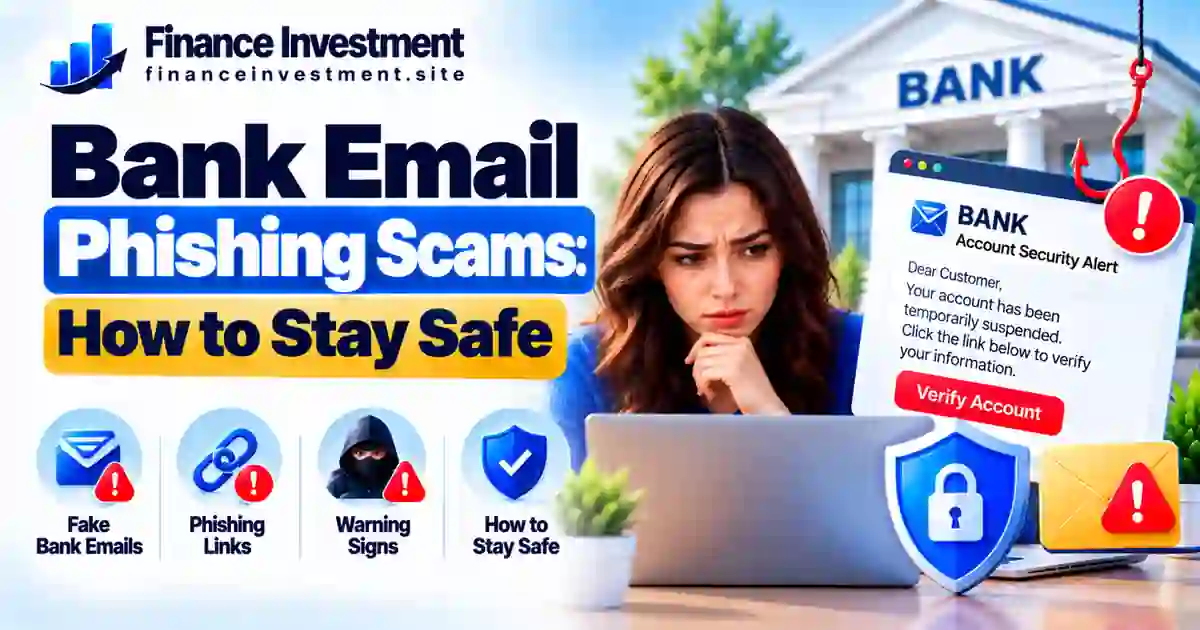
    Bank Email Phishing Scams: How to Stay Safe

    SR
    Subhash Rukade
    Founder, FinanceInvestment
    Banking Safety · Phishing Awareness · Personal Finance
    Updated: October 13, 2026
    Reading time: About 12 minutes

    Bank Email Phishing Scams: How to Recognize the Warning Signsbank email phishing scams

    An email claiming to be from your bank can look convincing. It might warn you about unusual account activity, ask you to verify a payment, or threaten to suspend your account unless you act immediately. These bank email phishing scams are designed to make you worry and click before you stop to check the message. A fake link may lead to a website that steals your banking password, personal information, or one-time security code.

    You can reduce the risk by recognizing common warning signs and verifying unexpected requests through your bank’s official app, website, or phone number. Avoid using contact details or links supplied in a suspicious email. For more practical safeguards, read our bank security and fraud prevention guide.

    What You’ll Learn

    • How phishing emails work and which warning signs to look for.
    • How to distinguish suspicious messages from legitimate bank emails.
    • What to do if you click a link or share sensitive information.
    • How to report phishing attempts and improve your account security.

    Quick Answer: How Can You Avoid Bank Email Phishing Scams?

    To avoid bank email phishing scams, treat unexpected banking emails with caution. Don’t click suspicious links, open unexpected attachments, or provide passwords, PINs, or one-time verification codes in response to an email. Instead, open your bank’s official app, type its known website address yourself, or call the number printed on your bank card. Urgent threats and requests to verify account details are reasons to pause and check independently.

    Key Takeaways

    • Inspect the sender’s full email address, but remember that sender details can be spoofed.
    • Verify account alerts independently instead of using links in unexpected emails.
    • Never email your password, PIN, or one-time verification code to someone claiming to represent your bank.
    • Use a unique banking password and enable multifactor authentication when available.
    • If you clicked a suspicious link or shared information, contact your bank promptly through a trusted channel and ask how to secure your account.

    Remember: You don’t have to reply to a suspicious email to resolve an account issue. Verify the claim directly with your bank, then report the message through an appropriate channel.

    Bank Email Phishing Scams at a Glance

    Bank email phishing scams use messages that appear to come from financial institutions to trick people into revealing sensitive information or visiting fraudulent websites. These common warning signs can help you decide when to stop and verify a message before taking action.

    Warning SignWhy It MattersSafer Response
    Urgent account warningMay pressure you to act without checkingCheck your account through the official app or website
    Unexpected sign-in linkCould lead to a fake login pageEnter your bank’s known website address yourself
    Request for a password or security codeCould be an attempt to gain account accessDo not disclose credentials in response to the email
    Unexpected attachmentMay contain harmful files or linksDo not open it until you verify the message independently

    QUICK TAKE

    A bank logo, familiar display name, or professional-looking design does not prove an email is genuine. Verify unexpected requests through a trusted channel, avoid suspicious links, and contact your bank promptly if you may have exposed your information.

    A Beginner’s Guide to Bank Email Phishing Scamsbank email phishing scams

    Bank email phishing scams involve fraudulent messages designed to look as though they came from a bank or another trusted financial institution. An email might warn you about an unfamiliar transaction, claim your account will be restricted, or ask you to confirm a payment. The goal is to persuade you to reveal private information, visit a fake website, or open unsafe content.

    What Information Are Scammers After?

    Depending on the scam, criminals may try to obtain your online banking username and password, debit or credit card details, personal information, or one-time verification code. They may use stolen details to attempt unauthorized transactions, access accounts, or support identity fraud. Some phishing emails also direct recipients to fake sign-in pages or contain dangerous attachments.

    How Should You Handle a Suspicious Email?

    Avoid clicking its links, opening unexpected attachments, or replying with sensitive information. Instead, check the claim through your bank’s official app, a website address you already know, or the trusted phone number on your bank card. If the message appears fraudulent, follow your bank’s reporting instructions and use your email provider’s phishing-report option.

    Beginner tip: A familiar bank logo or display name does not prove an email is genuine. When you are unsure, do not use the message to contact your bank; verify the issue independently.

    How Bank Email Phishing Scams Work

    Bank email phishing scams typically follow a pattern: imitate a trusted institution, create pressure, and encourage the recipient to reveal information or visit a fraudulent website. Recognizing these steps can help you stop before taking an action that puts your account at risk.

    Four Common Steps in a Phishing Attempt

    1. A message appears legitimate. The sender may copy a bank’s logo, colors, or writing style. The displayed sender name alone does not prove who sent it.
    2. The email creates urgency. It may warn about an unfamiliar transaction, a locked account, or a payment that supposedly needs immediate attention.
    3. You are prompted to act. A link may lead to a fake login page, or an unexpected attachment may contain malicious content.
    4. Your information may be targeted. If you enter your password, card details, or verification code on a fraudulent page, criminals may attempt to access your account or misuse your information.

    Safety reminder: Do not rely on an email’s appearance to decide whether it is genuine. Verify unexpected requests through your bank’s official app, a website address you already know, or a trusted phone number.

    Some phishing emails include your name or other accurate details, so personalization is not proof of legitimacy. If you only opened a suspicious email, that alone does not necessarily mean your account is compromised. If you clicked a link, downloaded a file, or shared information, take appropriate precautions and contact your bank if banking details may be exposed.

    Bank Email Alerts: Benefits and Drawbacks

    Genuine bank email alerts can help you monitor account activity, receive service updates, and notice certain changes. However, alerts may be delayed or filtered, and scammers can imitate bank notifications to trick you into clicking fraudulent links.

    Benefits of Bank Email Alerts

    • Keep you informed about selected transactions and account changes.
    • Help you notice unfamiliar activity so you can investigate promptly.
    • Provide convenient access to important service and security notifications.

    Drawbacks to Keep in Mind

    • Fraudulent emails may copy the appearance of legitimate bank alerts.
    • Messages can arrive late, land in spam, or go unnoticed.
    • Following a fake link may expose your login details or other sensitive information.

    Practical tip: Set up alerts through your bank’s official app or website. Treat unexpected email links cautiously, and verify account warnings independently instead of signing in through the message.

    Legitimate Bank Emails vs. Phishing Emails

    Phishing emails can closely imitate genuine bank messages, making them difficult to identify at first glance. Instead of judging an email by its logo or appearance, examine the request and verify unexpected account warnings independently.

    What to CheckPossible Legitimate SignPotential Warning Sign
    Message purposeAn expected alert or routine account updateUnexpected threats or pressure to act immediately
    Links and websitesA link consistent with a verified bank serviceA look-alike domain or unfamiliar sign-in page
    Sensitive informationInstructions to review activity through secure banking channelsRequests to email passwords, PINs, or one-time codes
    Sender detailsConsistent with communications you have independently verifiedMisspelled domains or misleading sender information

    Important: No single clue can confirm that an email is genuine. Sender information can be spoofed, and some legitimate bank messages contain links. When in doubt, avoid the email’s links and open your bank’s official app, use a website address you already know, or call a trusted number on your bank card.

    Risks, Costs, and Expert Safety Tips

    Falling for bank email phishing scams can expose your banking password, card details, or personal information. Depending on what was shared, criminals may attempt unauthorized transactions or identity fraud. You may also spend time securing accounts, replacing cards, and disputing transactions. Financial losses and reimbursement outcomes vary, so report suspected fraud promptly and ask your bank which protections and deadlines apply.

    Practical Ways to Protect Your Account

    • Verify unexpected requests: Use your bank’s official app, a website address you already know, or a trusted phone number—not contact details supplied in a suspicious email.
    • Strengthen account security: Use a unique password and enable multifactor authentication when available.
    • Review account activity: Check transactions regularly and set up relevant alerts through your bank’s official settings.
    • Respond quickly to exposure: Contact your bank if you shared credentials or financial details. Change compromised passwords through a trusted device, and ask whether your card or account access should be blocked or replaced.

    If you notice an unauthorized transaction: Contact your bank immediately through a trusted channel, report the transaction, and ask about dispute procedures and deadlines. In the United States, you can also report suspected scams through the FTC’s ReportFraud website. Reporting a scam does not replace contacting your bank about your account or money.

    Common Mistakes to Avoid With Bank Email Phishing Scams

    A convincing message can catch anyone off guard. These mistakes can increase your risk:

    • Trusting a bank logo or familiar sender name without verifying the message.
    • Following an unexpected sign-in link or opening an unverified attachment.
    • Sharing passwords, PINs, card details, or one-time verification codes in response to an email.
    • Ignoring unusual transactions or delaying action after sharing sensitive information.

    Realistic Example: A Fake Bank Security Alert

    Imagine receiving an email claiming that your bank has detected suspicious activity and will restrict your account unless you verify a transaction. The message looks professional and includes a sign-in link. You click it and enter your banking password on a fake website.

    The safer choice is to open your bank’s official app or use its known website to check the claim. If you already entered your password, contact your bank promptly and change the compromised password using a trusted device. If you shared a verification code or notice an unfamiliar transaction, tell the bank that too.

    Remember: Pause and verify unexpected requests independently. Simply receiving or opening a suspicious email does not automatically mean your account has been compromised, but clicking links or sharing information may require further action.

    Who Should Be Extra Careful About Bank Email Phishing Scams?

    Anyone with a bank account can be targeted by phishing emails. Extra caution is helpful if you:

    • Are new to online banking or unfamiliar with common phishing warning signs.
    • Rely on email for account alerts, payment notifications, or security updates.
    • Manage family finances, business banking, or several financial accounts.
    • Have received suspicious messages or believe your personal or banking information may have been exposed.

    Practical takeaway: You do not need advanced technical skills to protect yourself. Pause before following unexpected requests, verify them through your bank’s official app or a trusted phone number, and contact your bank promptly if you suspect your account details have been compromised.

    Final Verdict: Stay Alert and Protect Your Bank Account

    Bank email phishing scams can appear convincing, but you can reduce the risk by slowing down and checking unexpected requests. Do not rely on a bank logo, display name, or professional-looking message as proof of authenticity. Instead, verify account alerts through your bank’s official app, a website address you already know, or a trusted phone number.

    If you share your banking credentials or notice an unauthorized transaction, contact your bank immediately. Follow its instructions to secure your account, review recent activity, and report any suspicious transactions.

    Bottom line: Stop, verify, and then act. Checking an unexpected email independently is a simple habit that can help protect your finances and personal information.

    Have a Money Question? Keep Exploring.

    Staying safe online starts with knowing what to check before you act. Keep learning about banking scams, account security, and practical ways to protect your financial information.

    Have a question?

    Send your general questions or feedback about FinanceInvestment’s financial education content by email.

    Email FinanceInvestment

    Continue Your Research