Common Types of Bank Fraud in the USA
Common Types of Bank Fraud: What Every Account Holder Should Know
The common types of bank fraud in the USA range from fake bank messages and stolen debit card details to check fraud and unauthorized transfers. Some schemes begin with a suspicious transaction. Others start with a convincing phone call from someone pretending to be a bank employee.
The difficult part is that a scam can look like a normal banking interaction. A text may mention a purchase you never made. An email may warn that your account will be locked. A caller may ask you to move money to a supposedly safer account. Acting quickly without verifying the request can make the situation worse.
This guide explains how major bank fraud schemes work, which warning signs deserve attention, and what steps to take if you suspect fraud. For a broader look at prevention, explore our bank security and fraud prevention guide.
What You’ll Learn
- How phishing, bank impersonation, debit card fraud, check fraud, and identity theft differ.
- Which warning signs may indicate a fraudulent message, transaction, or payment request.
- How to compare common fraud methods and understand their potential risks.
- What to do when you notice an unfamiliar transaction or believe your information has been stolen.
- Where to find official US guidance on reporting scams and disputing unauthorized electronic transfers.
One important distinction: A fraudulent transaction, a scam payment you were tricked into authorizing, and identity theft may involve different facts and reporting rules. Contact your bank promptly and explain exactly what happened.
Quick Answer: What Are the Common Types of Bank Fraud?
Common types of bank fraud in the USA include phishing, bank impersonation, debit card fraud, check fraud, identity theft, account takeover, and fraudulent electronic transfers. Some criminals steal account information directly. Others manipulate people into sharing security codes or sending money themselves. Knowing how these schemes differ can help you recognize warning signs and explain the problem clearly when contacting your bank.
Key Takeaways
- Phishing and impersonation: Fake messages, websites, or callers may try to obtain your banking details or verification codes.
- Card and check fraud: Stolen card information, counterfeit checks, or altered checks can lead to financial losses.
- Identity theft and account takeover: Stolen personal details or login credentials may be used to access accounts or attempt to open new ones.
- Electronic transfer scams: A criminal may initiate an unauthorized transfer or trick you into authorizing a payment.
- Verify unexpected requests: Contact your bank through its official app or a verified phone number instead of using details in a suspicious message.
- Report suspected fraud promptly: Ask your bank how to secure your account, dispute the transaction, and document your report.
Bottom line: Not every scam involves a stolen login, and not every payment made under deception is treated the same as an unauthorized transfer. Explain exactly what happened to your bank and report the incident promptly.
Bank Fraud at a Glance
Bank fraud can involve checking or savings accounts, debit cards, checks, and electronic payments. Some criminals steal financial details, while others impersonate trusted organizations or pressure people into sending money. The warning signs depend on the method, so knowing what to look for can help you respond appropriately.
Common Bank Fraud Types Compared
| Fraud type | Possible warning sign | What to do |
|---|---|---|
| Phishing | Unexpected link requesting banking details | Use the bank’s official app or website |
| Bank impersonation | Urgent demand for a code or money transfer | End the contact and verify independently |
| Debit card fraud | Purchases you do not recognize | Contact the card issuer promptly |
| Check fraud | An altered check or unfamiliar check payment | Ask the bank to review the transaction |
| Identity theft or account takeover | Unexpected account changes or unfamiliar activity | Secure account access and report the incident |
Quick takeaway: A suspicious message is not proof that your account has been compromised, but it deserves caution. Verify the situation independently, keep relevant records, and report any suspected unauthorized activity to your bank promptly.
Common Types of Bank Fraud in the USA
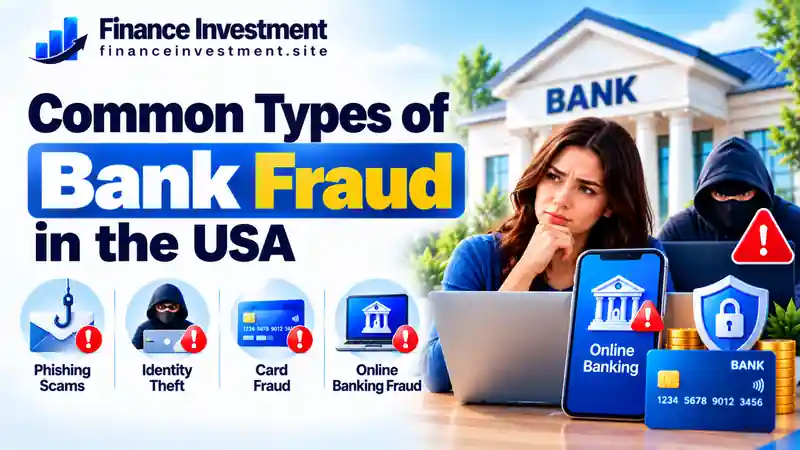
Bank fraud does not always begin with a stolen card or a suspicious withdrawal. Sometimes, a criminal steals personal information. In other cases, the person pretends to be trustworthy and persuades someone to reveal banking details or send money. Here are six common forms to recognize.
1. Phishing and Fake Bank Messages
A fake email or text may warn that your account is locked or a payment needs urgent verification. A link leads to a website designed to collect your login details or security codes. Unexpected links, pressure to act immediately, and requests for sensitive information are reasons to pause. Open your bank’s official app or type its verified website address yourself.
2. Bank Impersonation Scams
A caller may claim to be from your bank’s fraud department and insist that your money is in danger. The caller might ask for a one-time code or instruct you to transfer funds to a supposedly safe account. Do not trust a caller simply because they know your name or some account details. End the call and contact your bank through a verified number.
3. Debit Card and ATM Fraud
Stolen card details, counterfeit cards, or devices that capture card information can lead to fraudulent purchases or withdrawals. Check your transactions for unfamiliar activity. If you suspect card misuse, contact the issuer promptly, ask about locking or replacing the card, and review any transactions you do not recognize. Learn more in our guide to how debit cards work.
4. Check Fraud and Check Washing
Check fraud includes forged signatures, counterfeit checks, and altered payment details. Check washing involves chemically removing or changing information written on a genuine check. An unexpected check payment, a changed amount, or an unfamiliar recipient may signal a problem. Contact your bank if a check appears altered or a payment does not match your records.
5. Identity Theft and Account Takeover
Identity theft involves the misuse of personal information, potentially to apply for financial accounts or impersonate you. Account takeover is more specific: someone gains access to an existing account and may change its settings or move money. Unexpected password-reset messages, changed contact details, or transactions you did not initiate deserve prompt attention. Contact your bank and secure affected login credentials.
6. Unauthorized Transfers and Payment Scams
An unauthorized transfer may occur when a criminal accesses an account without permission. A payment scam is different: the victim may personally approve a transfer after being deceived about who will receive the money or why it is needed. Report either situation promptly and describe exactly what happened. Reimbursement rights can depend on the payment method, circumstances, and applicable rules.
If something looks wrong: Contact your bank through its official app or a verified phone number. Ask how to secure your account, dispute the transaction, and document your report. Our guide on spotting checking account fraud covers additional warning signs.
How Bank Fraud Happens
Bank fraud does not always follow the same pattern. Some schemes begin with stolen information, while others start with a convincing message or phone call. Many rely on urgency or misplaced trust to push people into revealing details, granting access, or sending money.
Establish Contact
A criminal may send a message, make a call, or use personal information to appear familiar and trustworthy.
Create Urgency
The person may claim there is an account emergency or promise an attractive reward to discourage careful checks.
Request Access or Money
The target may be asked to disclose a code, reveal account details, approve an unexpected sign-in, or send a payment.
Misuse Information or Funds
Depending on the scheme, the criminal may attempt to access an account, misuse payment details, or obtain money through deception.
How to Interrupt the Process
Slow down when a request feels urgent or unusual. Never share a one-time security code with an unexpected caller, and do not approve a sign-in you did not initiate. Verify the request independently through your bank’s official app or a trusted phone number. If you have already shared details or sent money, contact the bank promptly, explain what happened, and follow its instructions.
Keep in mind: A familiar logo, professional-sounding caller, or person who knows your name does not prove a request is genuine. Verify independently before sharing information or moving money.
Benefits and Limitations of Bank Fraud Protection
Bank security features can help protect account access and alert you to certain activity. Their value depends on the tools your institution offers, your account settings, and how quickly you respond to a warning.
Benefits
- Multifactor authentication adds a verification step when signing in.
- Transaction alerts can help you spot selected purchases, transfers, or account changes.
- Regular account reviews help you identify unfamiliar activity that alerts may miss.
Limitations
- Alert availability, coverage, and delivery times vary by bank and account.
- Security tools cannot prevent every scam, especially when someone is tricked into authorizing a payment.
- Losing access to a phone or recovery method can make account access more difficult.
Practical takeaway: Use available login protections, select relevant alerts, and review account activity regularly. Keep your recovery details current and know how to contact your bank through a verified channel.
Compare Common Types of Bank Fraud
Fraud schemes can look similar at first, but the warning signs and appropriate response may differ. Use this table as a starting point, not as a substitute for reporting suspicious activity.
| Fraud type | Possible warning sign | Recommended first step |
|---|---|---|
| Phishing | Unexpected message asking you to sign in or verify details | Avoid the link and open your bank’s official app independently |
| Bank impersonation | Urgent demand for a code or transfer to a supposed safe account | End the contact and verify the request through a trusted bank channel |
| Debit card fraud | Unfamiliar purchase or cash withdrawal | Contact the card issuer, report the activity, and ask about locking or replacing the card |
| Check fraud | Altered check details or an unfamiliar check payment | Contact the bank promptly and ask how to report the check |
| Account takeover | Unrecognized sign-in, changed contact details, or unfamiliar transfer | Contact the bank, secure account access, and follow its recovery instructions |
| Payment scam | A convincing but false reason to send money | Contact your bank or payment provider immediately and ask whether the payment can be stopped or recalled |
Why the Difference Matters
A transaction made without your permission is not necessarily treated the same as a payment you authorized after being deceived. Reporting requirements, investigation procedures, and potential reimbursement depend on the payment method and circumstances. Describe exactly what happened instead of assuming the bank will classify it a particular way.
Practical tip: Save relevant messages, transaction details, dates, and report numbers. Contact your bank promptly rather than waiting until you know the exact type of fraud.
Financial Risks and Practical Prevention Tips
Bank fraud can affect more than your balance. A suspicious transaction may disrupt bill payments, expose personal information, or require time and documentation to resolve. The outcome depends on the type of incident, the payment method, and the steps taken after it is discovered.
Financial Risks to Understand
- Loss of access to money: A bank may restrict account access while reviewing suspicious activity, which can complicate everyday payments.
- Unexpected transactions: Fraudulent withdrawals or transfers can leave you short of funds while a dispute is investigated.
- Recovery uncertainty: Refunds and reimbursement are not guaranteed in every case. The applicable rules depend on the payment method and circumstances.
Practical Ways to Reduce Risk
- Use a unique banking password and enable multifactor authentication when available.
- Choose useful transaction and account alerts, then review activity regularly.
- Never share verification codes or transfer money because an unexpected caller demands it.
- Keep your bank’s verified contact details accessible and your recovery information current.
- Report suspected unauthorized activity promptly and save relevant messages, transaction details, and the report confirmation.
Important: Federal protections and reporting deadlines for electronic transfers depend on the facts and the applicable rules. Read the CFPB’s Electronic Fund Transfers FAQs and contact your bank quickly if you suspect an unauthorized transfer or account error.
Common Bank Fraud Mistakes to Avoid
A convincing scam can catch people off guard, especially when a message creates fear or demands immediate action. A few avoidable mistakes can make the situation harder to resolve.
- Reacting without checking: Urgent messages can push you to click a link before confirming whether the alert is genuine.
- Sharing verification codes: Never disclose a one-time code to an unexpected caller or message sender.
- Overlooking unfamiliar activity: Review unexpected charges or transfers, even when the amount seems small.
- Delaying a report: Contact your bank promptly because reporting timelines may affect your rights and the investigation.
- Discarding useful evidence: Keep suspicious messages, transaction details, dates, and any report confirmation.
Hypothetical Example: A Fake Fraud Alert
Imagine Maria receives a text claiming that her bank account will be frozen unless she verifies a suspicious purchase through a link. Rather than clicking, she opens the bank’s official app independently to check her recent transactions.
Maria notices a charge she does not recognize. She contacts the bank using a verified number, reports the transaction, and asks how to secure her account and dispute the charge. She also saves the text and notes the report confirmation number. The bank can then review the case and explain the next steps.
Lesson: Verify unexpected banking alerts independently. If you have already clicked a link, shared information, or sent money, tell your bank exactly what happened and follow its instructions promptly.
Who Is Most at Risk of Bank Fraud?
Bank fraud can affect anyone who uses a checking account, savings account, debit card, or digital payment service. Risk often depends on the situation, the information exposed, and how a scammer makes contact—not simply a person’s age or income.
- Students and new account holders: People still learning banking procedures may need extra guidance on recognizing fake payment requests and phishing messages.
- Families and working adults: Busy schedules, frequent transactions, and shared financial responsibilities can make regular account reviews especially useful.
- Retirees and people on fixed incomes: Unauthorized withdrawals can disrupt essential bills and carefully planned budgets, making prompt reporting important.
- Frequent digital banking users: Regular online activity creates more opportunities to encounter fake websites, impersonation attempts, or misleading payment requests.
A practical approach: Use unique passwords, enable available account-security features, review transactions regularly, and verify unexpected requests independently. Explore our bank security and fraud prevention guide for additional steps.
Frequently Asked Questions About Bank Fraud
1. What are the most common types of bank fraud?
Common types include phishing, bank impersonation, debit card fraud, check fraud, identity theft, account takeover, and unauthorized electronic transfers. Scammers may use fake messages, calls, websites, or stolen personal information.
2. What should I do if I notice an unauthorized bank transaction?
Contact your bank promptly using its official app, website, or the phone number on your card or statement. Ask how to secure the account, report the transaction, and dispute the charge. Save relevant messages and case numbers.
3. Will my bank refund money lost to fraud?
A refund is not guaranteed in every case. Your rights and recovery options depend on the payment method, whether the transaction was authorized, applicable law, and reporting deadlines. Report the loss promptly and ask the bank to explain its investigation and dispute process.
4. How can I recognize a fake bank text or email?
Warning signs include unexpected links, urgent demands, requests for passwords or one-time codes, and instructions to move money to a supposedly safe account. Do not reply or use the supplied contact details. Verify the message independently through your bank’s official channel.
5. Where can I report bank fraud in the USA?
Notify your bank first. You can report scams to the Federal Trade Commission (FTC). If your identity has been misused, visit IdentityTheft.gov for recovery guidance. Contact law enforcement when appropriate.
6. Can scammers access my bank account with my phone number?
A phone number alone generally does not give someone direct access to your bank account. However, scammers may combine it with stolen personal details, phishing, or a SIM-swap attack. Never share banking passwords or one-time verification codes with someone who contacts you unexpectedly.
7. Is money sent to a scammer considered an unauthorized transaction?
Not necessarily. A transfer you approve after being deceived may be treated differently from a transfer initiated without your permission. The legal treatment and recovery options depend on the payment method and circumstances. Contact your bank or payment provider immediately.
8. How can I reduce the risk of bank fraud?
Use unique passwords, enable multifactor authentication when available, turn on transaction alerts, review account activity, and keep devices updated. Verify unexpected requests independently. If you share sensitive details or send money to a suspected scammer, contact your bank promptly.
Remember: Reporting deadlines can affect your rights, especially for electronic fund transfers. Review the CFPB’s electronic fund transfer FAQs and contact your financial institution without delay.
Final Verdict: Recognize Bank Fraud and Act Quickly
Bank fraud can take many forms, from phishing messages and debit card fraud to check fraud, identity theft, and account takeover. Knowing how these schemes work makes it easier to recognize suspicious activity and choose a safer response.
Protect your accounts with unique passwords, available security features, and regular transaction reviews. Never share verification codes with unexpected callers or messages, and independently verify requests to send money. If you spot an unfamiliar transaction or suspect your information has been exposed, contact your bank promptly through an official channel and keep records of your report.
Bottom line: No single security measure can eliminate every risk, but careful habits and prompt reporting can help limit potential damage. For more account-protection steps, explore our Bank Security & Fraud Prevention Guide.
FinanceInvestment | Banking Safety
Have a Money Question? Keep Exploring.
Understanding bank fraud is one step toward protecting your money. Review your account activity, verify unexpected requests independently, and contact your bank promptly if you notice suspicious transactions.