Category: Bank Security & Fraud Prevention

  • Check Washing Scams: How to Protect Your Money
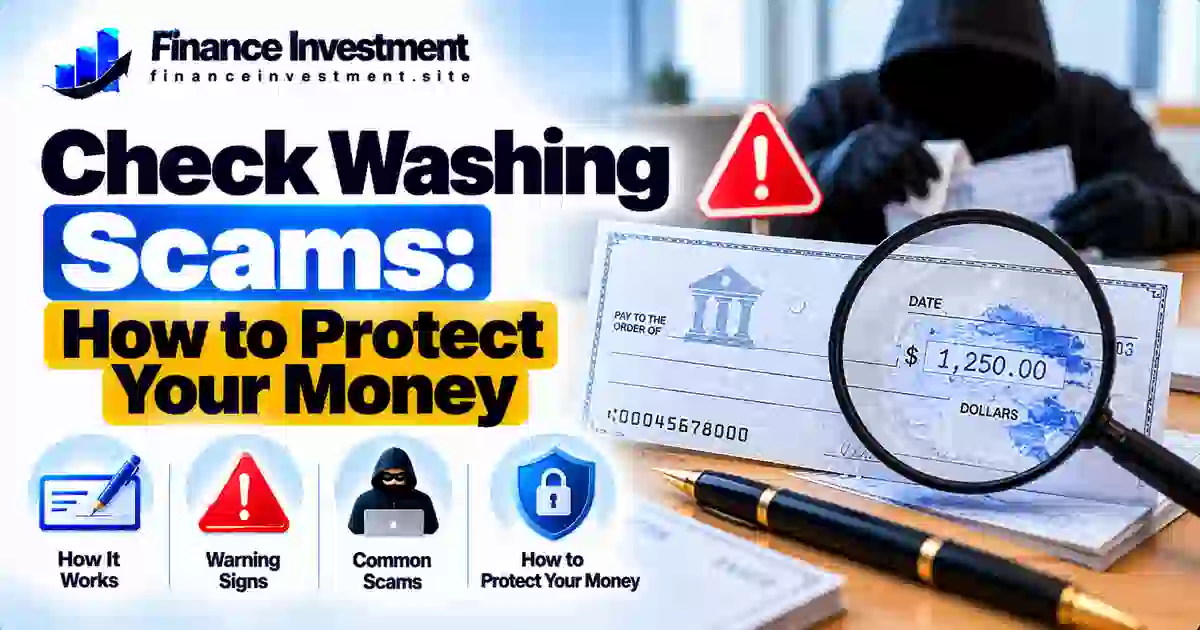
    Check Washing Scams: How to Protect Your Money

    Check Washing Scams: How to Protect Your Money

    SR
    Subhash Rukade
    Founder, FinanceInvestment
    BANKING SECURITY GUIDE
    Published / Updated
    October 17, 2026
    Reading Time
    About 9–10 minutes

    check washing scams

    Check Washing Scams: Why Your Paper Checks Need Protection

    Check washing scams can turn a routine payment into an expensive problem. A criminal may steal a check, use chemicals to remove handwritten details, and change the payee or dollar amount. The altered check may then be deposited or cashed without your knowledge. You might discover the fraud only after reviewing your bank statement or noticing an unexpected withdrawal.

    You can reduce your risk with a few practical habits. Use safer mailing methods, write checks carefully, review account activity regularly, and contact your bank promptly if a payment looks suspicious. No single precaution guarantees protection, but acting early may help limit further problems.

    Check washing is just one threat to your finances. Our bank security and fraud prevention guide covers additional risks and practical ways to protect your account.

    What You’ll Learn

    • How check washing scams work and why criminals target paper checks.
    • Warning signs that a check may have been stolen or altered.
    • How to write, mail, and monitor checks more safely.
    • What to do if you discover an unauthorized or altered check.
    • How to report suspected fraud and work with your bank.

    Quick Answer: How Can You Prevent Check Washing Scams?

    To reduce the risk of check washing scams, mail checks securely, avoid leaving outgoing mail in an exposed mailbox, and use permanent ink when writing checks. Review your bank transactions regularly so you can spot suspicious payments early. If a check goes missing or appears to have been altered, contact your bank immediately to ask about available options, including a stop-payment request when appropriate. Report suspected mail theft to the U.S. Postal Inspection Service. No single precaution can eliminate every risk.

    Key Takeaways

    • Secure outgoing mail: Use a secure postal collection method instead of leaving checks in an exposed location.
    • Complete checks carefully: Write the payee and amount clearly, and use permanent ink to make alteration more difficult.
    • Monitor account activity: Review transactions and bank statements for unfamiliar withdrawals or altered payments.
    • Report problems quickly: Contact your bank as soon as you suspect fraud and ask what steps are available to protect your account.
    • Keep records: Save relevant check details, statements, correspondence, and report reference numbers. Reimbursement depends on the circumstances and applicable rules.

    Check Washing at a Glance

    Check washing is a form of check alteration. A criminal steals a genuine paper check and attempts to remove or change handwritten details, such as the payee or payment amount. This quick overview explains the main risks and the first steps to take.

    Key PointWhat It Means
    How it worksHandwritten details on a stolen check are removed or altered.
    Where risk can ariseOutgoing mail that is stolen before reaching its intended recipient.
    Warning signsAn unfamiliar payee, an unexpected payment amount, or a check you did not authorize.
    First responseContact your bank promptly and report suspected mail theft when applicable.
    Risk reductionUse safer mailing methods and review bank transactions regularly.

    QUICK TAKE

    Check washing can change who receives your money or how much a check is written for. Protect checks before mailing and review your account afterward. Permanent ink may make alteration more difficult, but it cannot guarantee protection. If a check goes missing or a payment looks suspicious, contact your bank without delay.

    Check Washing Explained: A Beginner’s Guidecheck washing scams

    Check washing is a form of check alteration that usually begins with a stolen paper check. A criminal attempts to remove or change handwritten details, such as the payee’s name or the payment amount. The altered check may then be presented for payment, potentially diverting money from the person who wrote it.

    How Is Check Washing Different From Other Check Fraud?

    The key difference is that check washing targets the information written on a genuine check. Other check fraud may involve forged signatures, counterfeit checks, or unauthorized use of account details. Different methods can also occur in the same fraud incident.

    Why Can Paper Checks Be Vulnerable?

    A mailed check may pass through several points before it reaches the intended recipient. If it is stolen along the way, the criminal may attempt to alter its details. A check can also expose information such as your name, bank routing number, and account number, which should be handled carefully.

    Can You Eliminate the Risk?

    No precaution can eliminate every risk. Safer mailing practices, permanent ink, careful check writing, and regular account reviews can help reduce exposure or reveal suspicious activity sooner. Permanent ink is a useful precaution, not a guarantee against alteration.

    Remember: If a check goes missing or you notice an unfamiliar payment, contact your bank promptly. Ask about available protective steps and keep records of your communications. Report suspected mail theft to the appropriate postal authorities.

    How Check Washing Scams Work

    Check washing typically begins when someone steals a genuine paper check. The person may try to alter its handwritten details and then present it for payment. The process does not always succeed, but understanding the common stages can help you recognize suspicious activity.

    STEP 1

    A Check Goes Missing

    A check may be stolen from outgoing mail or another location before reaching its intended recipient.

    STEP 2

    Check Details Are Altered

    The thief may attempt to remove or change handwritten information, such as the payee or payment amount.

    STEP 3

    An Altered Check Is Presented

    The altered check may be submitted for deposit or payment, although the bank may detect the changes or reject it.

    How Might You Discover Check Washing?

    You might notice that a bill remains unpaid, the intended recipient never receives the check, or your bank statement shows an unfamiliar payment. An unexpected amount or payee can also raise concerns. These signs do not confirm check washing, but they warrant prompt investigation.

    What to do: Contact your bank promptly if a check is missing or a transaction looks suspicious. Ask about available protective measures, keep records of your communications, and report suspected mail theft to the U.S. Postal Inspection Service.

    Prevention Methods: Benefits and Drawbacks

    Preventing check washing involves reducing the chance of theft and spotting unauthorized payments early. Secure mailing, careful check writing, and account monitoring can each help, but they work in different ways and have practical limitations.

    Benefits

    • Secure mail collection can reduce opportunities for check theft.
    • Permanent ink may make handwritten details harder to alter.
    • Transaction alerts and regular reviews can help you notice suspicious payments sooner.

    Drawbacks

    • Some secure mailing services may involve extra time or fees.
    • Alerts may not identify every altered check or unauthorized transaction.
    • No precaution can guarantee that a check will remain safe.

    Practical takeaway: Use more than one protective measure. Choose secure mailing practices, review your account consistently, and ask your bank which alerts or check-related protections it offers.

    Compare Check Washing Prevention Methods

    The right way to reduce check washing risk depends on how you pay bills and manage your bank account. Compare these practical options, keeping in mind that no single method prevents every type of fraud.

    MethodMain BenefitLimitationBest Use
    Secure mail collectionReduces opportunities for outgoing mail theft.Cannot guarantee delivery or prevent every theft.Sending checks to individuals or businesses.
    Permanent inkMay make handwritten details harder to alter.Does not make a check immune to washing.Completing paper checks.
    Bank alertsCan notify you about certain account activity.Available alerts vary, and some transactions may not trigger them.Monitoring eligible transactions.
    Online bill paymentCan reduce the need to mail paper checks.Requires secure account access and may not suit every payee.Eligible bills and supported recipients.
    Statement reviewsCan help you identify unfamiliar or altered payments.You may discover the problem only after a transaction appears.Routine account monitoring.

    QUICK TAKE

    Combine prevention with early detection. Use a secure way to send checks, consider electronic bill payment when appropriate, and review your account regularly. Ask your bank which alerts and check-protection services are available for your account.

    Costs, Risks, Reporting, and Expert Tips

    Check washing can result in unauthorized payments, missed bill deadlines, possible bank fees, and time spent resolving disputes. The amount you may recover depends on the circumstances, applicable law, and your bank’s investigation. Reporting suspected fraud quickly gives your bank an opportunity to review the transaction and explain your available options.

    What to Do if You Suspect Check Washing

    1. Contact your bank immediately: Report the missing or altered check and identify any suspicious payment. Ask whether a stop-payment request, account safeguards, or a transaction dispute may be appropriate.
    2. Preserve your records: Keep available check images, bank statements, payment details, correspondence, and case or report numbers.
    3. Report suspected mail theft: Use the U.S. Postal Inspection Service reporting page if you believe the check was stolen from the mail.
    4. Follow the bank’s instructions: Ask about applicable deadlines, required documents, and how to check the status of the investigation.

    Practical Tips to Remember

    Keep track of checks you send and review your bank activity regularly. If a recipient says a payment never arrived, or you notice an unfamiliar transaction, investigate promptly. Our guide to reporting bank fraud in the United States explains additional steps for reporting suspected financial fraud.

    Important: Do not assume a stop-payment request will reverse a completed transaction or that reimbursement is guaranteed. Reporting deadlines and legal protections depend on the circumstances, so contact your bank as soon as possible.

    Common Check Washing Mistakes to Avoid

    Small oversights can make check fraud harder to detect. Avoid these common mistakes when sending paper payments:

    • Leaving outgoing checks in an exposed mailbox or unattended location.
    • Assuming permanent ink alone can prevent check washing.
    • Ignoring a missing check or delaying action after spotting an unfamiliar transaction.
    • Discarding check records or failing to document conversations with your bank.

    A Realistic Example

    Imagine Sarah mails a $450 check to her utility company. The company later tells her the payment has not arrived. When Sarah reviews her bank activity, she notices a transaction she does not recognize that may involve the missing check. She contacts her bank promptly, reports the concern, and asks how to dispute the transaction if it is unauthorized. She saves her bill, available check details, and bank correspondence while the bank investigates. The review will help determine what happened; the unfamiliar transaction alone does not prove check washing.

    Lesson learned: Do not wait for another suspicious transaction. If a check goes missing or a payment looks wrong, contact your bank promptly, follow its instructions, and keep records of your report.

    Who Should Take Extra Care With Check Washing Scams?

    Anyone who writes paper checks can be affected by check washing. The level of risk often depends on how checks are handled, mailed, and monitored. These situations deserve particular attention:

    • People who mail checks frequently: Regular payments for rent, utilities, donations, or services create more occasions when a check could go missing.
    • Small-business owners: Managing many checks for suppliers, payroll-related expenses, or business bills can make regular payment tracking especially important.
    • People who rely on help with financial tasks: A trusted helper may assist with reviewing statements and tracking payments, while account access should remain carefully controlled.
    • Anyone affected by missing mail: If expected mail or a check disappears, follow up with the intended recipient and contact your bank if the check may be at risk.

    Practical takeaway: Focus on your payment habits, not your age or background. Track checks you send, review account activity, and act promptly if a payment is missing or unfamiliar.

    Frequently Asked Questions About Check Washing Scams

    1. What is check washing?

    Check washing is a type of check alteration in which someone attempts to remove or change handwritten details on a genuine paper check, such as the payee or payment amount. The altered check may then be presented for payment.

    2. How can I protect my checks from washing?

    Use secure mailing methods, avoid leaving outgoing checks exposed, write checks with permanent ink, and review your bank transactions regularly. These steps can reduce risk but cannot eliminate it.

    3. Does permanent ink prevent check washing?

    No. Permanent ink may make alteration more difficult, but it does not guarantee protection against check washing, theft, or other forms of check fraud.

    4. What should I do if a check is stolen?

    Contact your bank promptly, explain what happened, and ask about available protective steps. A stop-payment request may help if the check has not been paid, but options depend on its status. If you suspect mail theft, report it to the U.S. Postal Inspection Service.

    5. Can my bank refund money lost to check washing?

    Possibly, but reimbursement is not guaranteed. The outcome depends on the circumstances, applicable law, account terms, and the bank’s investigation. Report the transaction promptly and ask about applicable deadlines and documentation.

    6. Is online bill payment safer than mailing checks?

    Electronic bill payment can reduce exposure to paper-check theft because you may not need to mail a check. However, digital payments have their own risks. Use trusted services and secure your banking account.

    7. Where can I report check washing in the United States?

    Contact your bank to report the suspicious payment. If you suspect mail theft, submit a report through the U.S. Postal Inspection Service. You can also report relevant fraud to the Federal Trade Commission.

    8. How often should I check my bank account?

    Review your account activity regularly and enable useful transaction alerts when available. If you notice an unfamiliar payment or an expected check payment is missing, contact your bank promptly.

    Final Verdict: Protect Your Money From Check Washing

    Check washing scams can put your money and bill payments at risk, especially when a stolen check goes unnoticed. You can lower your exposure by handling outgoing checks carefully, monitoring your account, and responding quickly when a payment goes missing or looks unfamiliar.

    If you suspect fraud, contact your bank promptly, ask about available protective steps, and keep records of your report. Report suspected mail theft to the appropriate postal authorities when applicable.

    There is no guaranteed way to prevent every check washing scam, but early detection and timely action can make a difference. For broader protection strategies, explore our bank security and fraud prevention guide.

    Have a Money Question? Keep Exploring.

    Small steps can make a difference when protecting your finances. Explore more FinanceInvestment guides to learn how to recognize banking fraud, respond to suspicious activity, and make informed decisions about your money.

    Have a question or suggestion?

    We welcome your feedback. Contact FinanceInvestment by email.
    Email FinanceInvestment

    Continue Your Research

  • How to Report Bank Fraud in the USA (2026 Guide)

    How to Report Bank Fraud in the USA (2026 Guide)

    How to Report Bank Fraud in the USA

    SR
    FinanceInvestment
    Subhash Rukade
    Founder, FinanceInvestment
    Published
    October 16, 2026
    Last Updated
    October 16, 2026
    Reading Time
    About 10 minutes

    How to Report Bank Fraud in the USAhow to report bank fraud in the USA

    Knowing how to report bank fraud in the USA matters when you spot a transfer you did not make, discover unfamiliar withdrawals, or realize someone has impersonated your bank. Start by contacting your bank through its official app, verified website, or the number printed on your card. Ask the bank to secure your account and explain how to dispute the suspicious activity.

    Your bank may be the first call, but it is not always the only one. Depending on the incident, you may also report a scam to the Federal Trade Commission (FTC), submit an online-crime complaint to the FBI’s Internet Crime Complaint Center (IC3), or contact local law enforcement. Save transaction records, messages, emails, dates, and complaint numbers. These details can help you explain the incident and follow up.

    What You’ll Learn

    • How to report suspected bank fraud step by step.
    • When to contact your bank, the FTC, the IC3, or law enforcement.
    • Which records to keep and why reporting deadlines matter.
    • How to secure your account and help prevent further losses.

    For practical prevention steps, read our Bank Security and Fraud Prevention Guide.

    Quick Answer: How Do You Report Bank Fraud?

    If you suspect bank fraud, contact your bank immediately using its official app, verified website, or the number on your card. Report the suspicious activity, ask the bank to secure your account, and find out how to submit a formal transaction dispute. Depending on what happened, you may also need to report the scam to a government agency or local law enforcement.

    Key Takeaways

    • Contact your bank promptly and request a fraud case or reference number.
    • Ask whether your card, online banking access, or affected account needs to be blocked or secured.
    • Change compromised passwords from a trusted device and enable two-factor authentication.
    • Keep transaction records, screenshots, messages, dates, and copies of your bank complaint.
    • Report suspected scams through the FTC’s ReportFraud website or internet crime through the FBI’s IC3, when appropriate.
    • Report unauthorized electronic transfers quickly because legal protections and deadlines depend on the transaction and circumstances.

    Bottom line: Notify your bank, follow its dispute process, and keep written records. An FTC or IC3 complaint does not replace notifying your bank, and reporting fraud does not guarantee reimbursement.

    Bank Fraud at a Glance: Where Should You Report It?

    Start with your bank. If you see a transaction you did not authorize or suspect someone has accessed your account, contact your bank promptly. Ask it to secure your account and explain how to file a formal dispute. Additional reports may be appropriate depending on the type of fraud.

    Reporting channelWhen to consider itWhat it does
    Your bankUnrecognized transfers, withdrawals, or account changesHelps secure the account and starts the bank’s dispute process
    Federal Trade Commission (FTC)Scams, deceptive practices, or fraud attemptsCollects reports and provides consumer guidance
    FBI Internet Crime Complaint Center (IC3)Suspected internet-enabled crimeAccepts information about suspected online crime
    IdentityTheft.govSomeone misuses your personal informationProvides identity-theft reporting and recovery steps

    Before you report: Gather transaction dates, amounts, relevant messages, account statements, and your bank’s case number. Never include your password, PIN, or one-time verification code in a complaint. If money is missing, do not delay contacting your bank while preparing other reports.

    Where and How to Report Bank Fraud in the USAhow to report bank fraud in the USA

    If you notice an unfamiliar withdrawal, a transfer you did not authorize, or signs that someone has accessed your account, act promptly. Start with your bank, then consider other reporting channels based on what happened.

    1. Notify Your Bank and Open a Fraud Case

    Contact your bank through its official app, verified website, or the phone number on your card or statement. Identify the suspicious transaction and ask the bank to secure your account, block compromised access where appropriate, and explain how to file a formal dispute. Request a case number and ask whether a transfer recall is possible. A recall is not guaranteed.

    2. Choose the Right Reporting Agency

    For scams and deceptive practices, submit a report through the Federal Trade Commission (FTC). For suspected internet-enabled crime, such as online scams or phishing-related financial losses, use the FBI’s Internet Crime Complaint Center (IC3). These reports provide information to authorities; they do not replace a bank dispute or guarantee that money will be recovered.

    3. Contact Local Law Enforcement When Appropriate

    Consider contacting your local police department if you suspect theft, identity misuse, or another crime, or if your bank requests a police report. Call 911 for an immediate emergency, not for routine account disputes.

    4. Save Evidence and Follow Up

    Keep statements, transaction dates and amounts, relevant messages, screenshots, and complaint numbers. Follow your bank’s instructions for submitting supporting documents and keep copies of anything you send. For unauthorized electronic fund transfers, notify your bank as soon as possible: certain federal rules use specific reporting deadlines, and the applicable protections depend on the facts and transaction type.

    Scam warning: A legitimate bank representative should not ask you to move money to a stranger’s “safe account” or reveal your password or one-time verification code. End suspicious calls and contact your bank using a verified number.

    How to Report Bank Fraud Step by Step

    You do not need to know exactly how the fraud happened before reporting it. Start with the suspicious activity you noticed, then follow these steps.

    Step 1: Contact Your Bank Through an Official Channel

    Call the verified number on your card or statement, or use the bank’s official app or website. Identify the suspicious transaction and ask the bank to open a fraud case. Request a case number for your records.

    Step 2: Secure Your Account

    Ask whether your card should be locked or replaced and whether online banking access needs to be secured. Change compromised passwords from a trusted device and enable two-factor authentication. Never share verification codes with an unexpected caller.

    Step 3: File a Formal Transaction Dispute

    Tell the bank which transaction you did not authorize and follow its dispute instructions. Include the date, amount, and any relevant details. Keep a copy of your submission. Do not assume that a general fraud report automatically completes the dispute process.

    Step 4: Preserve the Evidence

    Save statements, screenshots, suspicious messages, emails, transaction details, and complaint numbers. Record when you contacted the bank and the instructions you received.

    Step 5: Make Other Reports if Needed

    Report scams through the FTC or suspected internet-related crime through the FBI’s IC3, where appropriate. These reports do not replace your bank’s dispute process.

    Keep in mind: Report unauthorized electronic transfers promptly. Legal deadlines and protections depend on the type of transaction and circumstances. Ask your bank how to submit a dispute and keep written records of every follow-up.

    Benefits and Drawbacks of Reporting Bank Fraud Quickly

    Reporting suspicious activity promptly gives your bank a chance to respond sooner. It may not solve everything immediately, but waiting can make account protection and dispute resolution harder.

    Benefits

    • Gives the bank an earlier opportunity to secure your account.
    • Helps you start the formal transaction-dispute process.
    • Creates a record of when you reported the issue.
    • May help limit further unauthorized activity.

    Possible Drawbacks

    • You may need a replacement card or new login credentials.
    • Some transactions may remain under review during the investigation.
    • You may need to provide documents and follow up.
    • A report does not guarantee reimbursement.

    Expert tip: Do not delay contacting your bank while collecting paperwork. For certain unauthorized electronic fund transfers, Regulation E sets liability rules that depend on the circumstances and timing of your notice. Review the CFPB’s Regulation E liability rules and ask your bank which procedures apply.

    Bank vs. FTC vs. FBI IC3 vs. Police: What’s the Difference?

    Different reporting channels serve different purposes. If money has left your account without your permission, contact your bank first. You may also need to report the scam or suspected crime elsewhere.

    Reporting channelWhen to use itMain purpose
    Your bank or credit unionUnauthorized transfers, withdrawals, or suspicious account accessSecure the account and handle the transaction-dispute process
    Federal Trade Commission (FTC)Consumer scams and deceptive practicesCollect fraud reports and support consumer-protection efforts
    FBI Internet Crime Complaint Center (IC3)Suspected internet-enabled fraud or cybercrimeCollect online crime complaints for analysis and potential investigative action
    Local police or sheriffSuspected theft, identity misuse, or another possible crimeDocument the incident and determine appropriate local action

    Which should you contact first? For an unauthorized bank transaction, notify your bank promptly and ask how to file a formal dispute. Depending on the circumstances, submit an additional report to the FTC, IC3, or local law enforcement. None of these reports guarantees reimbursement.

    Costs, Risks, Deadlines, and Expert Tips

    Reporting fraud through a government complaint website is generally free. You may still face indirect costs, such as replacing a card, updating automatic payments, or spending time collecting records. Be wary of anyone demanding an upfront payment to recover stolen money or promising a guaranteed refund.

    Why Reporting Deadlines Matter

    For certain unauthorized electronic fund transfers from consumer accounts, federal Regulation E rules make prompt notice important. If a lost or stolen access device is involved, reporting it within two business days after learning of the loss or theft can affect your potential liability. You should also report an unauthorized electronic transfer shown on a periodic statement within 60 days after the bank sends that statement. Delaying notice may affect liability for certain later transfers. The precise rules depend on the circumstances, and Regulation E does not cover every type of bank fraud or payment.

    Warning: Checks, wire transfers, credit-card transactions, and payments you were tricked into making may follow different rules. Contact your bank promptly and ask which protections and dispute procedures apply to your situation.

    Practical Tips to Protect Yourself

    • Request a fraud case number and keep notes of every conversation.
    • Change compromised passwords from a trusted device and secure your email account.
    • Review recent transactions and automatic payments for unfamiliar activity.
    • Never share your PIN, password, or one-time code with an unexpected caller.

    Read the CFPB’s Regulation E liability rules for the details that may apply to certain unauthorized electronic transfers.

    Common Mistakes When Reporting Bank Fraud

    When you discover suspicious bank activity, avoid these common mistakes:

    • Delaying notification: Contact your bank as soon as possible. Some consumer protections depend on reporting deadlines.
    • Using an unverified phone number: Contact the bank through its official app, website, or the number on your card or statement.
    • Skipping the formal dispute: Ask how to dispute each unauthorized transaction and whether written notice or a specific form is required.
    • Deleting evidence: Save relevant messages, screenshots, transaction details, and the bank’s case number.
    • Trusting recovery scammers: Be cautious of anyone demanding an upfront fee or promising guaranteed recovery.

    A Realistic Example of Reporting Bank Fraud

    Imagine Sarah notices a $240 electronic transfer from her checking account that she did not authorize. She contacts her bank through its official app, reports the transaction, and asks how to secure her account. She records the case number and follows the bank’s instructions to submit a formal dispute.

    Sarah also saves relevant transaction details and suspicious messages, changes any compromised passwords, and checks for other unfamiliar activity. If the incident involved an online scam, she may also file a report with the Federal Trade Commission or, when appropriate, the FBI’s Internet Crime Complaint Center. These reports do not replace notifying her bank, and reimbursement is not guaranteed.

    Key takeaway: Report suspicious activity promptly, follow the bank’s dispute process, keep records, and never share passwords, PINs, or one-time verification codes with callers or strangers.

    Who Should Take Extra Care When Reporting Bank Fraud?

    Bank fraud can affect anyone. However, some people may need additional help securing their accounts, recognizing scams, or completing a fraud report.

    • Seniors and retirees: Be cautious of unexpected calls claiming to come from a bank, government agency, or fraud department. Verify the caller independently.
    • Families and joint-account holders: Review shared account activity and notify the bank if a transaction appears unauthorized.
    • Students and first-time account holders: Verify suspicious emails and texts before clicking links or sharing account information.
    • Online banking users: If login details may be compromised, contact the bank and secure affected accounts, email, and devices.
    • Identity theft victims: If personal information has been misused, use IdentityTheft.gov for official identity-theft reporting and recovery guidance.

    Important safety tip: Never move money to an unfamiliar “safe account” because of an unexpected call or message. Do not disclose your password, PIN, or one-time verification code to someone who contacts you unexpectedly. Contact your bank using a verified channel instead.

    Frequently Asked Questions About Reporting Bank Fraud

    1. How do I report bank fraud in the USA?

    Contact your bank through its official app, website, or verified phone number. Report suspicious activity, ask how to secure your account, and file a formal dispute for unauthorized transactions. You may also report scams to the FTC or suspected internet crime to the FBI’s IC3.

    2. Can I report bank fraud online?

    Yes. Many banks accept fraud reports online or through their mobile apps. You can also report scams at ReportFraud.ftc.gov or suspected internet-enabled crime at IC3.gov. These reports do not replace contacting your bank.

    3. Should I contact my bank before reporting fraud to the FTC?

    Usually, contact your bank promptly first, especially when money or account access is at risk. An FTC report can help document a scam, but it does not replace notifying your bank or disputing an unauthorized transaction.

    4. Can I get my money back after bank fraud?

    You may qualify for reimbursement, depending on the transaction type, applicable law, circumstances, and investigation. Report the issue quickly and follow the bank’s dispute process. A refund is not guaranteed, and some scam-related payments may have different protections.

    5. How long do I have to report an unauthorized bank transaction?

    The deadline depends on the payment and circumstances. For certain electronic fund transfers covered by Regulation E, reporting a lost or stolen access device within two business days after learning of the loss or theft can affect liability. Reporting an unauthorized transfer within 60 days after the bank sends the statement showing it can also be important. Contact your bank immediately; other payment types may follow different rules.

    6. Do I need a police report for bank fraud?

    Not always. Your bank may request supporting documents, and a police report may be appropriate for suspected crimes such as forged checks or identity theft. Ask your bank what documentation it requires and keep a copy of any report you file.

    7. What evidence should I keep when reporting bank fraud?

    Save transaction dates and amounts, account statements, relevant emails or texts, screenshots, complaint numbers, and correspondence with your bank. Store the records securely. Never include passwords, PINs, or one-time verification codes in ordinary complaint messages.

    8. What should I do if my bank does not resolve my fraud complaint?

    Ask the bank for its written decision and complaint escalation process. Depending on the issue, you can submit a complaint to the Consumer Financial Protection Bureau. Keep copies of all records and note any applicable deadlines.

    Final Verdict: Report Bank Fraud Without Delay

    Knowing how to report bank fraud in the USA helps you respond when suspicious transactions or account activity appear. Contact your bank through a verified channel, secure affected accounts, and formally dispute unauthorized transactions. Save relevant records and consider reporting scams to the appropriate government agency when necessary.

    Act promptly because reporting deadlines and legal protections vary by transaction type. Although a report does not guarantee reimbursement, keeping clear records and following the correct process can help support your case.

    Take the next step: Learn how to reduce future risks with our Bank Security and Fraud Prevention Guide, which covers practical ways to recognize scams and protect your bank account.

    Have a Money Question? Keep Exploring.

    Want to learn more about protecting your money? Explore our practical banking security guides or contact FinanceInvestment with a question or suggestion.

    Contact FinanceInvestment

    Questions or suggestions are welcome by email.

    Email FinanceInvestment

    Continue Your Research