Tag: Health Insurance

  • Health Insurance Mistakes Americans Should Avoid (2026): Complete Guide to Smarter Coverage Decisions

    Health Insurance Mistakes Americans Should Avoid (2026): Complete Guide to Smarter Coverage Decisions


    Health Insurance Mistakes Americans Should Avoid (2026): Complete Guide to Smarter Coverage Decisions

    Published: July 4, 2026 |
    Author: Subhash Rukade
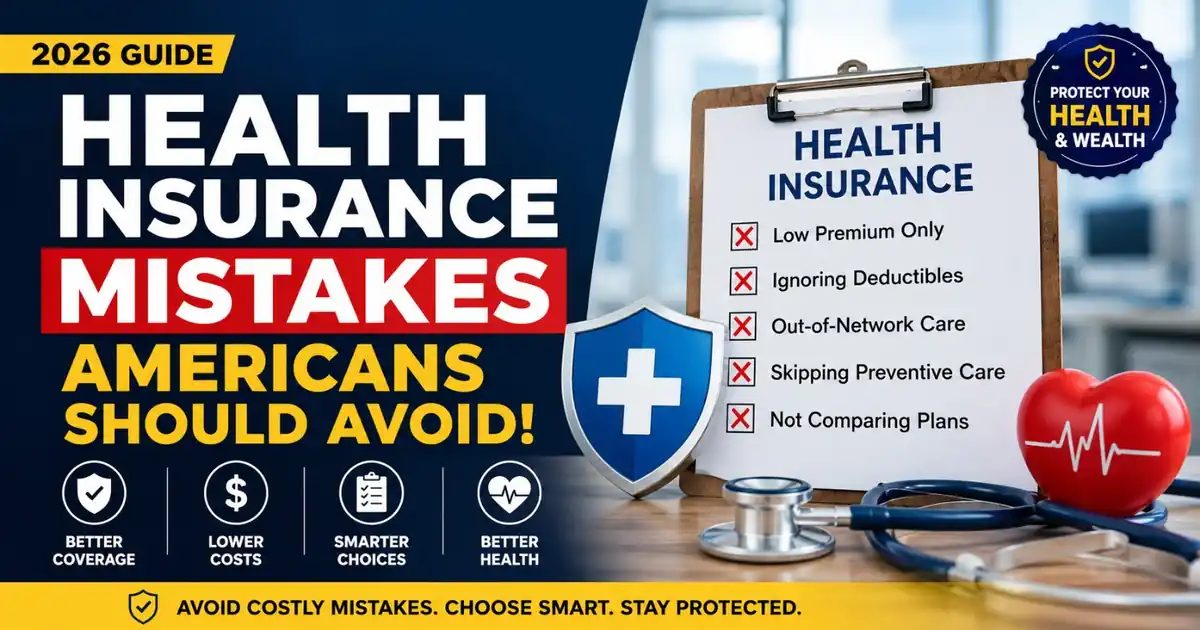
    health insurance mistakes    Avoid the biggest health insurance mistakes Americans make in 2026 and choose smarter, more affordable coverage.

    Health insurance mistakes can quietly cost Americans hundreds or even thousands of dollars every year. Many people choose a policy simply because it has the lowest monthly premium, while others renew the same plan year after year without checking whether better options are available. These decisions often lead to higher medical bills, limited provider networks, expensive prescription costs, and unnecessary financial stress when unexpected healthcare needs arise.

    Health insurance should protect both your physical health and your financial future. Before enrolling in any plan, it’s important to compare deductibles, copayments, coinsurance, annual out-of-pocket maximums, provider networks, prescription drug coverage, and preventive care benefits. Spending a little extra time comparing plans today can help you avoid expensive surprises later.

    If you’re new to health insurance, start with our comprehensive

    Insurance for Beginners USA 2026: Complete Guide to Choosing the Right Coverage
    .
    This pillar guide explains insurance terminology, premiums, deductibles, provider networks, claims, and policy comparisons in simple language, making it easier to choose the right health insurance plan with confidence.

    In this complete guide, you’ll discover the most common health insurance mistakes, learn practical strategies to avoid them, compare health insurance plans effectively, estimate your real healthcare costs, and understand which coverage options provide the best value for individuals, families, self-employed professionals, and retirees.

    We’ll also cover a detailed comparison table, a healthcare cost calculator, a real-life case study, trusted government resources, financial planning recommendations, and expert tips that can help you make smarter insurance decisions throughout 2026.

    By the end of this guide, you’ll know exactly how to avoid costly health insurance mistakes, reduce medical expenses, and confidently choose health insurance that protects both your health and your long-term financial goals.

    7 Common Health Insurance Mistakes That Cost Americans Thousands

    Many health insurance mistakes happen because people focus only on monthly premiums and ignore the total cost of healthcare. A policy that appears inexpensive today may become very costly if you require emergency treatment, prescription medications, or ongoing medical care. Understanding these common mistakes can help you choose better coverage while protecting your long-term financial health.

    1. Choosing the Cheapest Health Insurance Plan

    One of the biggest health insurance mistakes is selecting the lowest-premium plan without reviewing deductibles, copayments, coinsurance, and annual out-of-pocket costs. Although lower premiums reduce monthly expenses, they often result in much higher healthcare costs when medical treatment is needed.

    2. Ignoring the Provider Network

    Before enrolling, always verify that your preferred doctors, hospitals, specialists, and pharmacies participate in the insurance company’s provider network. Receiving out-of-network care can significantly increase medical expenses and reduce insurance benefits.

    3. Not Understanding Deductibles

    Many Americans don’t fully understand how deductibles work. Choosing a policy without reviewing the deductible amount is one of the most expensive health insurance mistakes. If you require regular medical care, a lower deductible may save more money despite having a slightly higher monthly premium.

    4. Overlooking Prescription Drug Coverage

    Every insurance company has its own prescription drug formulary. If your medications aren’t covered or fall into higher pricing tiers, pharmacy costs can increase dramatically throughout the year.

    5. Automatically Renewing Last Year’s Plan

    Health insurance plans change every year. Premiums, provider networks, deductibles, prescription coverage, and additional benefits may all be different. Comparing new plans during Open Enrollment helps ensure you’re still receiving the best value.

    6. Skipping Preventive Healthcare

    Many health insurance plans include annual wellness visits, vaccinations, screenings, and preventive care at little or no additional cost. Failing to use these benefits is another common health insurance mistake that can lead to more serious and expensive health problems later.

    7. Not Comparing Multiple Insurance Plans

    Never purchase the first plan you find. Comparing several Marketplace and employer-sponsored options allows you to evaluate total healthcare costs, provider networks, prescription benefits, and overall coverage quality before making a decision.

    Healthcare planning works best when combined with smart financial planning. Learn how to build long-term wealth with our

    Retirement Planning Guide

    and discover how technology is transforming personal finance in our

    AI Investing Guide 2026
    .

    For official Marketplace enrollment information and consumer guidance, visit
    Healthcare.gov.
    Additional insurance education is available from the
    National Association of Insurance Commissioners (NAIC).

    Recognizing these common health insurance mistakes before enrolling can save thousands of dollars over time while helping you choose coverage that provides stronger financial protection and better access to quality healthcare throughout 2026.

    How to Compare Health Insurance Plans and Avoid Costly Mistakes

    Avoiding health insurance mistakes starts with comparing health insurance plans carefully rather than choosing the first policy that appears affordable. The best plan isn’t always the one with the lowest monthly premium—it’s the one that provides the right balance of cost, coverage, and financial protection based on your healthcare needs.

    1. Compare Total Annual Healthcare Costs

    One of the biggest health insurance mistakes is looking only at the monthly premium. Instead, calculate your expected yearly healthcare expenses by including premiums, deductibles, copayments, coinsurance, prescription costs, and your annual out-of-pocket maximum. This gives a more accurate picture of the policy’s real cost.

    2. Review Deductibles and Out-of-Pocket Maximums

    A low monthly premium often comes with a higher deductible. If you visit doctors frequently, take prescription medications, or expect medical treatment during the year, paying a slightly higher premium with a lower deductible may reduce your overall healthcare expenses.

    3. Check the Provider Network Carefully

    Before purchasing any policy, confirm that your preferred primary care physician, specialists, hospitals, urgent care centers, and nearby pharmacies are included in the provider network. Receiving treatment outside the network is one of the most expensive health insurance mistakes Americans make.

    4. Review Prescription Drug Benefits

    Prescription coverage varies between insurance companies. Compare each insurer’s formulary and verify that your medications are covered before making your final decision. This simple step can save hundreds of dollars every year.

    5. Compare Extra Benefits

    • Annual wellness exams
    • Preventive healthcare services
    • Telehealth appointments
    • Mental health coverage
    • Vision and dental benefits
    • Wellness rewards and fitness programs

    These additional benefits can significantly increase the overall value of your health insurance plan while reducing future healthcare expenses.

    Building strong financial habits goes beyond health insurance. Learn how consistent investing builds long-term wealth in our

    SIP Investing Guide 2026
    .
    You can also explore passive income opportunities with our

    Top Dividend Stocks USA 2026
    .

    For official Marketplace plan comparisons and enrollment information, visit

    Healthcare.gov
    .
    Consumer insurance education is also available through the

    National Association of Insurance Commissioners (NAIC)
    .

    Taking time to compare policies carefully helps you avoid common health insurance mistakes, reduce unnecessary medical expenses, and choose a health insurance plan that offers better protection for both your health and your financial future.

    Health Insurance Mistakes Comparison: Smart Choices vs Costly Decisions

    Many Americans make expensive healthcare decisions simply because they don’t fully understand their insurance coverage. Avoiding health insurance mistakes isn’t just about choosing the cheapest plan—it’s about selecting coverage that fits your healthcare needs, financial goals, and future medical expenses. Comparing plans carefully before enrollment can save thousands of dollars over time.

    Health Insurance Comparison Table

    Common MistakePossible ResultBetter Choice
    Choosing the Lowest Premium OnlyHigher deductibles and medical billsCompare total yearly healthcare costs
    Ignoring Provider NetworksHigher out-of-network expensesVerify doctors and hospitals before enrolling
    Skipping Prescription Coverage ReviewUnexpected medication costsReview the plan’s drug formulary
    Ignoring Out-of-Pocket MaximumUnexpected financial burdenCompare annual spending limits
    Automatically Renewing the Same PlanMiss better coverage opportunitiesCompare new Marketplace plans every year

    Simple Healthcare Cost Calculator

    Estimate Your Annual Healthcare Cost

    Annual Premiums + Deductible + Estimated Copays + Coinsurance = Estimated Total Healthcare Cost

    Example

    Annual Premium = $3,600

    Deductible = $2,000

    Copays = $500

    Coinsurance = $900

    Estimated Total Annual Cost = $7,000

    Looking beyond the monthly premium helps you compare plans more accurately and avoid expensive health insurance mistakes.

    Real-Life Case Study

    Emily, a 38-year-old self-employed graphic designer from Texas, selected the cheapest Marketplace health plan because it had the lowest monthly premium. Unfortunately, she didn’t compare the deductible or provider network. After needing outpatient surgery, she discovered her preferred hospital was out of network and her deductible was much higher than expected. Her total medical expenses exceeded $8,000 for the year.

    The following year, Emily carefully compared deductibles, provider networks, prescription coverage, and out-of-pocket maximums before enrolling. Although her monthly premium increased slightly, her total healthcare costs were significantly lower because she chose coverage that better matched her medical needs.

    If you’re still learning health insurance basics, continue reading our

    Insurance for Beginners USA 2026: Complete Guide to Choosing the Right Coverage
    .
    It explains deductibles, copayments, provider networks, claims, and insurance terminology in simple language.

    For official health insurance information, visit
    Healthcare.gov
    and the
    Centers for Medicare & Medicaid Services (CMS)
    to compare Marketplace plans, consumer protections, and enrollment options.

    Avoiding common health insurance mistakes starts with comparing the total cost of coverage—not just the monthly premium. A smarter comparison today can protect both your health and your finances throughout 2026.

    Health Insurance Mistakes Different Americans Should Avoid

    Not everyone has the same healthcare needs, which means one insurance plan cannot work for everyone. One of the most common health insurance mistakes is choosing coverage based on someone else’s recommendation instead of your own medical needs, budget, and lifestyle. Selecting the right policy requires understanding how your health, income, and future healthcare expenses affect your insurance choice.

    Families Should Focus on Complete Coverage

    Families often require pediatric care, maternity benefits, preventive services, emergency coverage, and prescription drug benefits. Choosing the cheapest policy without reviewing these benefits is one of the most expensive health insurance mistakes. A plan with slightly higher monthly premiums may provide significantly lower total healthcare costs for families throughout the year.

    Young Adults Shouldn’t Ignore Insurance

    Many healthy young adults believe they don’t need health insurance. Unfortunately, accidents and unexpected illnesses can happen at any time. Comparing deductibles, provider networks, and annual out-of-pocket maximums before enrolling helps avoid large medical bills and provides valuable financial protection.

    Self-Employed Americans Need Careful Planning

    Freelancers, consultants, and business owners should compare multiple Marketplace plans before enrolling. Ignoring premium tax credits or Health Savings Account (HSA) opportunities is another common health insurance mistake that can increase yearly healthcare expenses.

    Retirees and Pre-Retirees

    As healthcare needs increase with age, retirees should prioritize specialist access, prescription drug coverage, preventive care, and lower annual out-of-pocket limits instead of focusing only on monthly premiums.

    Recommended Resources

    • Healthcare.gov Plan Finder — Compare Marketplace plans and estimate available premium tax credits.
    • Fidelity Health Savings Account (HSA) — A tax-advantaged savings account for qualified healthcare expenses.
    • The Bogleheads’ Guide to Investing — A trusted personal finance book covering long-term investing and wealth building.

    Recommended Insurance Providers

    • Blue Cross Blue Shield — Nationwide health insurance plans with extensive provider networks.
    • Kaiser Permanente — Integrated healthcare and insurance plans available in participating states.
    • Fidelity HSA — Flexible Health Savings Account solution for eligible High-Deductible Health Plans.

    Good health insurance works alongside strong financial planning. Continue building long-term wealth with our

    Retirement Planning Guide
    ,
    discover smarter investing ideas in our

    AI Investing Guide 2026
    ,
    and learn disciplined investing through our

    SIP Investing Guide 2026
    .

    For official consumer information about Marketplace enrollment and health insurance regulations, visit
    Healthcare.gov.
    Additional consumer education and insurance guidance are available from the
    National Association of Insurance Commissioners (NAIC).

    Avoiding these health insurance mistakes helps you choose coverage that matches your healthcare needs, protects your finances, and provides greater peace of mind throughout 2026.

    Common Health Insurance Mistakes to Avoid and Future Healthcare Trends in 2026

    Even after comparing health insurance plans carefully, many Americans still make costly decisions that increase their medical expenses. Understanding these common health insurance mistakes can help you choose better coverage, reduce unexpected healthcare costs, and protect your financial future. Spending a little extra time reviewing your policy each year can save thousands of dollars over the long term.

    1. Choosing a Plan Based Only on Monthly Premiums

    One of the biggest mistakes is selecting the lowest premium without considering deductibles, copayments, coinsurance, and the annual out-of-pocket maximum. A cheaper premium may result in much higher healthcare expenses when you actually need medical treatment.

    2. Ignoring the Provider Network

    Many policyholders assume their preferred doctors and hospitals are covered. Always verify that your healthcare providers are part of the plan’s network before enrolling. Receiving out-of-network care can significantly increase your medical bills.

    3. Not Reviewing Prescription Drug Coverage

    Prescription medications can represent a major portion of healthcare costs. Before choosing a plan, review the insurer’s drug formulary to confirm your medications are covered at affordable copayment levels.

    4. Automatically Renewing the Same Plan Every Year

    Health insurance plans, premiums, provider networks, and benefits often change annually. Comparing Marketplace plans during each Open Enrollment Period helps ensure you’re still receiving the best value for your healthcare needs.

    Future Trends in Health Insurance

    The health insurance industry continues to evolve with digital innovation. More insurers now offer virtual healthcare services, AI-powered claims processing, personalized wellness programs, wearable health technology integration, online policy management, and expanded telehealth coverage. These advancements are improving convenience while helping consumers better manage healthcare expenses.

    Protecting your health also supports your long-term financial success. Learn how to prepare your investments for uncertain markets in our

    Recession-Proof Investing 2026
    ,
    and improve your everyday finances with our

    Best Credit Cards 2026
    .
    Building both financial security and healthcare protection creates a stronger long-term plan.

    Trusted Government Resources

    Before enrolling in any health insurance plan, compare coverage using
    Healthcare.gov,
    review consumer information from the
    Centers for Medicare & Medicaid Services (CMS),
    and explore Health Savings Account rules through the
    Internal Revenue Service (IRS).
    These trusted government resources help consumers make informed healthcare decisions.

    Avoiding common health insurance mistakes, reviewing your coverage every year, and staying informed about new healthcare trends can help you reduce medical expenses while ensuring you and your family receive the protection you need throughout 2026 and beyond.

    Frequently Asked Questions (FAQs)

    1. What are the biggest health insurance mistakes Americans make?

    The biggest health insurance mistakes include choosing a plan based only on the lowest premium, ignoring deductibles, not checking provider networks, overlooking prescription drug coverage, and failing to compare plans during Open Enrollment.

    2. How can I avoid paying too much for health insurance?

    Compare multiple plans, estimate your total annual healthcare costs, review deductibles and out-of-pocket maximums, stay within your provider network, and take advantage of preventive care services.

    3. Should I compare health insurance plans every year?

    Yes. Insurance companies frequently change premiums, deductibles, provider networks, prescription drug formularies, and additional benefits. Comparing plans annually helps you find better coverage and lower costs.

    4. Does the cheapest health insurance plan save the most money?

    Not always. A low monthly premium may come with higher deductibles, higher coinsurance, and greater out-of-pocket expenses. Compare the total yearly cost before making your decision.

    5. Where can I compare health insurance plans safely?

    You can compare Marketplace plans through
    Healthcare.gov,
    review Medicare information on
    CMS.gov,
    and learn about consumer insurance protections through the
    National Association of Insurance Commissioners (NAIC).

    Conclusion

    Avoiding health insurance mistakes is one of the smartest financial decisions Americans can make in 2026. The right health insurance policy does much more than cover medical expenses—it protects your savings, reduces financial stress, and gives you peace of mind during unexpected health emergencies. Instead of choosing a plan based only on the lowest monthly premium, compare deductibles, provider networks, prescription drug coverage, annual out-of-pocket maximums, and preventive care benefits to find the best overall value.

    Review your health insurance every Open Enrollment period, estimate your total annual healthcare costs, and always compare multiple plans before making a decision. These simple habits can help you avoid expensive medical bills while ensuring you receive quality healthcare for yourself and your family.

    If you’re still learning the basics of health insurance, continue with our complete

    Insurance for Beginners USA 2026: Complete Guide to Choosing the Right Coverage
    .
    You can also strengthen your financial future with our

    Retirement Planning Guide

    and improve your everyday finances using our

    Best Credit Cards 2026
    .
    Building smart financial habits today will help you enjoy greater financial security for years to come.

    📩 Get Weekly Insurance & Personal Finance Tips

    Subscribe for free and receive expert health insurance advice, retirement planning guides, investing strategies, and money-saving tips delivered every week.


    Subscribe Free

    ✔ Free Weekly Updates   |   ✔ No Spam   |   ✔ Unsubscribe Anytime

    SR

    Subhash Rukade

    Founder • FinanceInvestment.site

    Subhash Rukade publishes research-backed articles on health insurance, investing, retirement planning, passive income, and personal finance. His goal is to simplify complex financial topics into practical, easy-to-follow guides that help Americans make smarter money decisions with confidence.


    Insurance


    Investing


    Retirement


    USA Finance
  • Insurance for Beginners USA 2026: Complete Guide to Choosing the Right Coverage

    Insurance for Beginners USA 2026: Complete Guide to Choosing the Right Coverage


    Insurance for Beginners USA 2026: Complete Guide to Choosing the Right Coverage

    Insurance for beginners USA starts with understanding your personal financial risks before choosing any policy.

    Published: July 01, 2026 |
    Author: Subhash Rukade

    insurance for beginners USA

    Insurance for beginners USA is one of the most important financial topics every American should understand before purchasing any insurance policy. Whether you’re buying health insurance, auto insurance, life insurance, homeowners insurance, renters insurance, or travel insurance, choosing the right coverage can protect your finances from unexpected events while giving you peace of mind.

    Many first-time buyers feel overwhelmed by insurance terminology such as premiums, deductibles, copays, policy limits, exclusions, riders, and claims. Fortunately, once you understand the basics, comparing policies becomes much easier. Instead of focusing only on the lowest premium, it’s essential to evaluate overall coverage, deductibles, customer service, financial strength, and claim settlement history.

    Every family has different needs, so insurance for beginners USA should always be customized.

    Insurance should be viewed as part of a complete financial strategy. Along with protecting your family and assets, it works best when combined with smart saving, investing, retirement planning, and responsible budgeting. Before building your long-term financial plan, read our
    Complete Retirement Planning Guide
    to learn how insurance fits into overall wealth protection.

    In this complete 2026 guide, you’ll learn how every major type of insurance works, how to compare policies, common mistakes to avoid, practical money-saving strategies, and which type of coverage makes the most sense for your situation. You’ll also find links to detailed guides covering each insurance category so you can continue learning with confidence.

    How Insurance Works: The Basics Every Beginner Should Know

    Understanding insurance for beginners USA starts with learning the basic terms that appear in almost every insurance policy. Whether you’re purchasing health, life, auto, homeowners, renters, or travel insurance, these concepts determine how much you pay, what your policy covers, and how much financial protection you receive when something unexpected happens.

    Insurance for beginners USA starts with understanding your personal financial risks before choosing any policy.

    Insurance is a financial agreement between you and an insurance company. In exchange for paying a regular premium, the insurer agrees to help cover eligible financial losses according to the terms of your policy. This protection helps individuals and families avoid paying the full cost of major medical bills, car accidents, property damage, lawsuits, or other covered events.

    Insurance Premium

    A premium is the amount you pay to keep your insurance policy active. Depending on the policy, premiums may be paid monthly, quarterly, semi-annually, or annually. Premium amounts vary based on factors such as age, location, coverage limits, deductible, claims history, and overall risk.

    Insurance Deductible

    A deductible is the amount you pay out of your own pocket before your insurance company begins covering eligible expenses. Choosing a higher deductible usually lowers your monthly premium, while a lower deductible generally results in higher premium payments.

    Coverage Limits

    Every insurance policy has coverage limits that specify the maximum amount the insurer will pay for a covered claim. Selecting appropriate limits is essential because insufficient coverage could leave you responsible for significant expenses after an accident or emergency.

    Insurance Claims

    When a covered event occurs, you submit a claim to your insurance company requesting payment for eligible losses. The insurer reviews the claim, verifies coverage, and determines the amount payable based on your policy terms and conditions.

    Why Comparing Policies Matters

    Never purchase insurance based solely on the lowest premium. Compare deductibles, exclusions, claim settlement reputation, financial strength ratings, customer service, optional riders, and policy benefits before making a final decision.

    If you’re planning your overall financial future, insurance should work alongside smart investing and retirement planning. Our

    Complete Retirement Planning Guide

    explains how insurance, retirement savings, and long-term wealth protection work together to create a stronger financial foundation.

    Now that you understand the fundamentals of insurance for beginners USA, the next step is learning the major types of insurance available and deciding which policies best match your personal needs, family situation, budget, and long-term financial goals.

    Health Insurance Basics: The First Insurance Every Beginner Should Understand

    For most Americans, health insurance is the first and most important type of coverage to purchase. Medical expenses in the United States can be extremely expensive, and even a short hospital stay may cost thousands of dollars. Understanding insurance for beginners USA starts with knowing how health insurance protects both your health and your finances.

    Health insurance helps pay for doctor visits, hospital care, surgeries, emergency treatment, prescription medications, preventive care, laboratory tests, and many other medical services. While every policy is different, choosing the right plan can significantly reduce your out-of-pocket healthcare costs and provide financial security during unexpected medical situations.

    Every family has different needs, so insurance for beginners USA should always be customized.

    Types of Health Insurance Plans

    Health insurance plans generally fall into several categories, including HMO, PPO, EPO, POS, and High Deductible Health Plans (HDHPs). Each option offers different provider networks, deductibles, premiums, and flexibility. Understanding these differences helps beginners choose a plan that matches their healthcare needs and budget.

    If you’re selecting coverage for your household, read our
    Best Health Insurance Plans for Families in the USA
    guide.

    Freelancers and business owners should also explore
    Best Health Insurance for Self-Employed Americans
    to understand coverage options available outside employer-sponsored plans.

    If affordability is your primary concern, our
    Affordable Health Insurance Plans in the USA (2026 Guide)
    article explains practical ways to lower healthcare costs without sacrificing important benefits.

    Understanding Deductibles and Out-of-Pocket Costs

    Many beginners confuse deductibles with out-of-pocket maximums. Knowing the difference can help you estimate your total healthcare expenses more accurately before choosing a policy.

    Read our detailed comparison:

    Health Insurance Deductible vs Out-of-Pocket Maximum Explained (2026)

    Choosing the Right Health Insurance Plan

    The best health insurance policy depends on your age, family size, medical history, preferred doctors, expected healthcare usage, and monthly budget. Comparing several plans before enrolling helps you find the right balance between premium costs and overall coverage.

    For step-by-step guidance, visit

    How to Choose Health Insurance Plan (2026)

    Best Health Insurance for Young Adults (2026)


    Health Insurance Mistakes Americans Should Avoid (2026): Complete Guide to Smarter Coverage Decisions

    “`0
    and if you’re comparing plan types, don’t miss


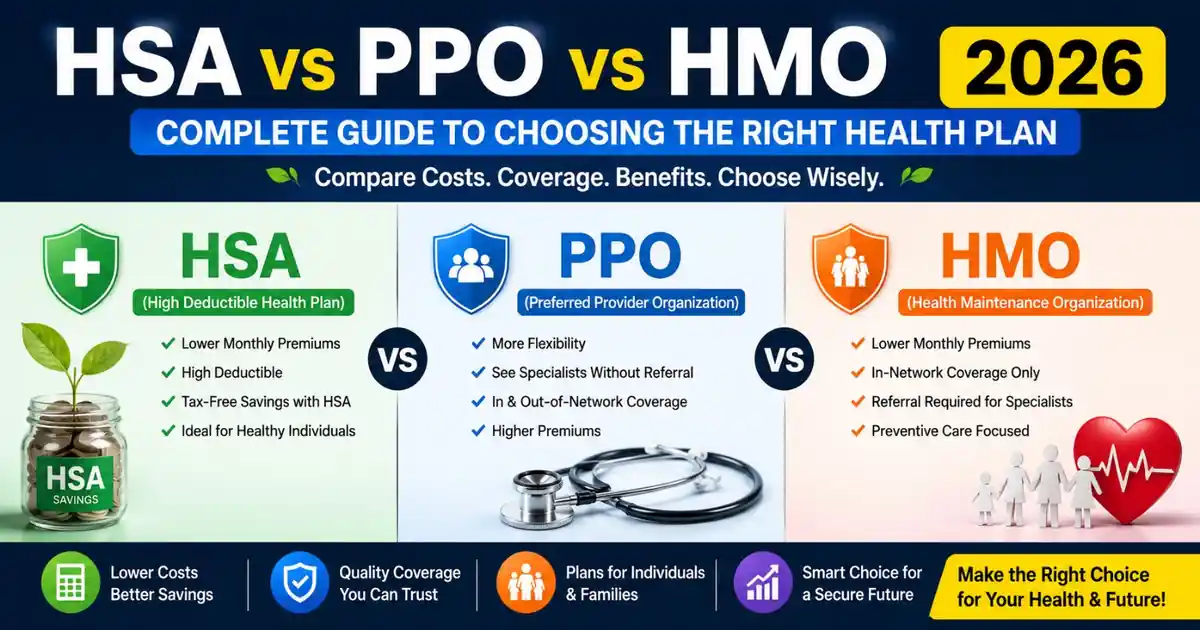
    HSA vs PPO vs HMO (2026): Complete Guide to Choosing the Right Health Plan

    Health insurance is the foundation of insurance for beginners USA. Once you understand how medical coverage works, choosing other insurance policies becomes much easier because many of the same concepts—premiums, deductibles, claims, and coverage limits—apply across every type of insurance.

    Life Insurance: Protecting Your Family’s Financial Future

    After understanding health insurance, the next essential step in insurance for beginners USA is learning how life insurance works. Life insurance provides financial protection for your loved ones if you pass away unexpectedly. The death benefit can help replace lost income, pay off debts, cover funeral expenses, fund children’s education, and maintain your family’s financial stability during a difficult time.

    While many people believe life insurance is only necessary for parents, it can also benefit young professionals, homeowners, business owners, and anyone with financial responsibilities. Purchasing coverage while you’re young and healthy often results in significantly lower premiums.

    Comparing multiple insurers is one of the smartest steps in insurance for beginners USA.

    Types of Life Insurance

    The two most common types of life insurance are Term Life Insurance and Whole Life Insurance. Term life provides coverage for a specific period, such as 10, 20, or 30 years, making it an affordable option for most families. Whole life insurance offers lifelong coverage while building cash value over time, but typically comes with higher premiums.

    For a detailed comparison, read our

    Term Life vs Whole Life Insurance (2026): Complete Guide to Choosing the Right Policy

    guide.

    How Much Life Insurance Do You Need?

    The amount of life insurance depends on your income, outstanding debts, mortgage balance, family size, future education costs, and long-term financial goals. Many financial professionals recommend coverage equal to 10–15 times your annual income, but your personal situation should always guide the final decision.

    Building a long-term protection plan is the primary goal of insurance for beginners USA.

    Learn how to estimate your ideal coverage in our
    How Much Life Insurance Do You Need? Complete USA Coverage Guide (2026)

    Choosing the Right Policy

    Young adults often benefit from purchasing life insurance early because premiums are generally lower at younger ages. Parents may need larger policies to protect children and household income, while high-income earners often require additional coverage to preserve family wealth and estate planning goals.

    Explore these detailed guides to find the right policy for your situation:

    Common Mistakes to Avoid

    Many beginners purchase too little coverage, wait too long to buy insurance, or select policies based only on the lowest premium. Understanding policy features and comparing multiple insurers helps you make a more informed decision.

    Avoid costly errors by reading
    Common Life Insurance Mistakes
    If you’re unsure about timing, ourBest Time to Buy Life Insurance (2026): Complete USA Buying Guide
    “`0
    guide explains the best time to purchase coverage.

    Life insurance is one of the most valuable parts of insurance for beginners USA because it protects the people who depend on you financially. Choosing the right policy today can provide lasting financial security for your family while giving you greater peace of mind for the future.

    Auto Insurance: Protecting Yourself, Your Vehicle, and Your Finances

    Auto insurance is legally required in most U.S. states, making it one of the first policies many Americans purchase. As part of insurance for beginners USA, understanding auto insurance helps you meet state requirements while protecting yourself from costly accidents, lawsuits, vehicle damage, and unexpected repair bills.

    A standard auto insurance policy may include liability coverage, collision coverage, comprehensive coverage, uninsured/underinsured motorist protection, medical payments, and personal injury protection (PIP). The right combination depends on your vehicle, driving habits, state laws, and financial goals.

    Insurance for beginners USA helps reduce financial stress during unexpected emergencies.

    Types of Auto Insurance Coverage

    Liability insurance pays for injuries and property damage you cause to others. Collision coverage pays for damage to your own vehicle after an accident, while comprehensive insurance covers theft, vandalism, fire, weather damage, and other non-collision events.

    Understanding these options helps beginners avoid buying too little coverage or paying for protection they may not need.

    Comparison Table: Common Auto Insurance Coverages

    Coverage TypeWhat It CoversWho Should Consider It?
    Liability InsuranceDamage and injuries to othersRequired for nearly every driver
    Collision InsuranceYour vehicle after an accidentNewer or financed vehicles
    Comprehensive InsuranceTheft, storms, vandalism, fireDrivers seeking broader protection
    Uninsured MotoristAccidents caused by uninsured driversRecommended in every state

    Finding the Right Auto Insurance

    Every driver has different insurance needs. Teen drivers, first-time drivers, experienced motorists, and families all require different coverage levels and discounts. Comparing multiple insurers before buying a policy often results in better protection at a lower cost.

    Explore our complete guides:

    Smart Tips for First-Time Buyers

    Always compare quotes from multiple insurers, choose deductibles that fit your emergency savings, ask about safe-driver and multi-policy discounts, and review your policy every year. Avoid purchasing coverage based only on the cheapest premium, because lower-cost policies may provide less protection when you need it most.

    As you continue learning about insurance for beginners USA, remember that auto insurance is more than a legal requirement—it’s an essential financial safety net. Selecting the right policy today can protect your vehicle, your savings, and your future from unexpected financial losses.

    Homeowners and Renters Insurance: Protecting Your Home and Personal Belongings

    As you continue learning about insurance for beginners USA, protecting your home and personal property becomes another important step. Whether you own a house or rent an apartment, the right insurance policy can protect you from financial losses caused by fire, theft, storms, vandalism, water damage, and liability claims.

    Many beginners mistakenly believe homeowners insurance covers every possible loss or that renters insurance isn’t necessary. In reality, each policy has different coverage limits, exclusions, and optional endorsements. Understanding these differences helps you avoid expensive surprises when filing a claim.

    Homeowners Insurance Basics

    Homeowners insurance typically protects your home’s structure, detached buildings, personal belongings, liability, and additional living expenses if your house becomes temporarily uninhabitable after a covered event. Mortgage lenders usually require homeowners insurance before approving a home loan.

    Learning policy limits is an essential part of insurance for beginners USA.

    To understand homeowners coverage in detail, read our
    Homeowners Insurance Explained (2026): Complete Beginner’s Guide for U.S. Homeowners

    If you’re comparing providers, visit our                                          Best Home Insurance Companies in the USA (2026): Compare Top Providers & Coverage
    guide to compare top-rated insurers based on coverage, customer satisfaction, and pricing.

    Choosing the right coverage amount is equally important. Learn how to estimate your protection needs in                      How Much Home Insurance Coverage Do You Really Need? (2026 Complete USA Guide)

    Many homeowners also wonder whether they need both a home warranty and homeowners insurance. Our
    <a
    Home Insurance vs Home Warranty: Key Differences, Costs & Which Protection You Need (2026)
    comparison explains the differences.

    Want to reduce your premium? Read

    10 Smart Ways to Save Money on Home Insurance in 2026
    and avoid costly errors with
    Common Homeowners Insurance Mistakes to Avoid (2026 Complete USA Guide)

    Renters Insurance Basics

    If you rent a home, apartment, or condominium, your landlord’s insurance does not cover your personal belongings. Renters insurance protects furniture, electronics, clothing, valuables, and provides liability protection if someone is injured in your rental property.

    Start by reading
    Best Renters Insurance Companies USA (2026): Compare Coverage, Cost & Top Picks
    If you’re unsure whether renters insurance is worthwhile, our
    Is Renters Insurance Worth It? (2026 USA Guide): Benefits, Costs & Expert Advice
    guide explains the benefits.

    You should also understand exactly what your policy includes by reading
    What Does Renters Insurance Cover? Complete Coverage Guide for USA Renters (2026)
    For additional clarification, compare rental and landlord policies in
    Renters Insurance vs Landlord Insurance (2026): What’s the Difference?

    Protecting your home—whether you own or rent—is an essential part of insurance for beginners USA. Selecting the right homeowners or renters policy helps safeguard your property, personal belongings, and financial future while giving you confidence that you’re prepared for unexpected events.

    Travel Insurance and Pet Insurance: Extra Protection That Can Save You Thousands

    As you continue exploring insurance for beginners USA, you’ll discover that not every important insurance policy is legally required. Travel insurance and pet insurance are optional, but they can provide valuable financial protection when unexpected situations arise. Whether you’re planning an international vacation or caring for a beloved pet, the right coverage can prevent unexpected expenses from disrupting your budget.

    Why Travel Insurance Matters

    Travel insurance helps protect travelers from financial losses caused by trip cancellations, medical emergencies, lost baggage, travel delays, and emergency evacuations. For international travel, where U.S. health insurance may offer limited coverage, travel insurance becomes even more valuable.

    If you’re planning your next vacation, explore our
    Best Travel Insurance Plans USA (2026): Compare Coverage, Prices & Top Picks
    guide to compare popular providers and coverage options.

    Traveling abroad requires additional planning. Our
    International Travel Insurance Explained (2026): Complete USA Guide
    explains how international policies protect against medical emergencies, trip interruptions, and emergency transportation.

    The right coverage makes insurance for beginners USA a valuable investment instead of an expense.

    Many travelers wonder whether travel insurance is really necessary. Read
    Is Travel Insurance Worth Buying? (2026 USA Guide): Benefits, Costs & Expert Advice
    to understand when purchasing coverage makes financial sense.

    You should also understand the difference between medical coverage and trip protection by reading
    Travel Medical Insurance vs Trip Insurance (2026): What’s the Difference?

    Understanding Pet Insurance

    Veterinary care continues to become more expensive each year. Pet insurance helps cover eligible medical treatments, surgeries, emergency care, diagnostic testing, medications, and certain chronic conditions depending on the policy you choose.

    If you’re comparing providers, start with our
    Best Pet Insurance Plans USA (2026): Compare Coverage, Costs & Top Picks
    guide.

    Before purchasing coverage, learn about average premiums in our
    Pet Insurance Cost Guide 2026: Average Costs, Coverage & Ways to Save

    Still unsure whether pet insurance is worthwhile? Our
    Is Pet Insurance Worth It? Complete USA Guide (2026)
    article explains the financial advantages and potential limitations of different policies.

    You should also know exactly what expenses are covered before enrolling. Read
    What Does Pet Insurance Cover? Complete USA Coverage Guide (2026)
    for a detailed breakdown of covered treatments and common exclusions.

    Choosing Optional Insurance Wisely

    Not every optional insurance policy is necessary for every person. Evaluate your lifestyle, travel frequency, financial situation, and personal responsibilities before purchasing additional coverage. Comparing policies, reviewing exclusions, and understanding deductibles will help you avoid paying for protection you don’t actually need.

    Learning about travel and pet insurance completes another important step in understanding insurance for beginners USA. By selecting coverage that matches your lifestyle, you can protect yourself from unexpected expenses while making smarter long-term financial decisions.

    Insurance Claims, Premiums, and Smart Buying Strategies

    One of the most important parts of insurance for beginners USA is understanding what happens after you purchase a policy. Buying insurance is only the first step. Knowing how claims work, how premiums are calculated, and how to compare insurance companies can help you maximize your coverage while keeping costs under control.

    Many first-time buyers focus only on the monthly premium. However, the true value of an insurance policy depends on its coverage limits, deductibles, exclusions, customer service, financial strength, and claims experience. A slightly higher premium may provide significantly better protection when you actually need to file a claim.

    Making informed financial decisions is the ultimate objective of insurance for beginners USA.

    How the Insurance Claims Process Works

    An insurance claim is a formal request you submit to your insurance company after experiencing a covered loss. This may include a car accident, house fire, medical emergency, theft, or another insured event. The insurer reviews your policy, investigates the claim, and determines the amount it will pay based on your coverage.

    Every major life event should trigger a review of your insurance for beginners USA strategy.

    For a complete step-by-step guide, read our
    Insurance Claims Process Explained

    Understanding Premiums vs Deductibles

    One of the biggest decisions when buying insurance is balancing your monthly premium with your deductible. Higher deductibles usually lower your premium, while lower deductibles increase monthly costs but reduce your out-of-pocket expenses when filing a claim.

    Reviewing your insurance policies regularly helps improve your overall insurance for beginners USA strategy.

    Learn more in our detailed guide:
    Insurance Premium vs Deductible Explained

    Comparison Table: Choosing the Right Deductible

    OptionMonthly PremiumOut-of-Pocket CostBest For
    Low DeductibleHigherLowerFamilies expecting frequent claims
    High DeductibleLowerHigherHealthy individuals with emergency savings

    Bundle Insurance to Save Money

    Many insurers offer significant discounts when you purchase multiple policies from the same company. Combining auto, home, renters, or life insurance may reduce premiums while simplifying policy management.

    Insurance for beginners USA provides peace of mind as your assets and responsibilities grow.

    Discover additional savings in our
    Best Insurance Bundles for Families
    guide.

    Always Compare Quotes

    Never purchase the first insurance policy you receive. Comparing quotes from multiple companies helps you evaluate coverage, deductibles, customer reviews, claim satisfaction, and overall value before making a decision.

    Read our complete guide on
    How to Compare Insurance Quotes Online and Save Money

    Common Insurance Mistakes

    Many Americans unknowingly purchase too little coverage, ignore policy exclusions, or fail to update beneficiaries and coverage limits after major life events. Avoid these costly mistakes by reading

    Families can protect their future by following the basic principles of insurance for beginners USA

    Top Insurance Mistakes That Cost Americans Thousands

    As your assets grow, additional protection may become necessary. Learn about
    Umbrella Insurance Explained: Complete USA Guide (2026)
    Disability Insurance Explained: Complete USA Guide (2026)
    and our
    Long-Term Care Insurance Guide: Complete USA Guide (2026)
    to understand advanced coverage options for long-term financial security.

    Mastering the claims process, comparing quotes carefully, and understanding premiums and deductibles are essential steps in insurance for beginners USA. These skills will help you choose better policies, avoid expensive mistakes, and build a stronger financial safety net for yourself and your family.

    Smart Insurance Buying Strategies, Budget Calculator, and Product Recommendations

    A successful insurance for beginners USA strategy isn’t just about buying multiple policies—it’s about purchasing the right coverage at the right price while keeping your long-term financial goals in mind. Smart insurance planning helps protect your income, assets, family, and future without paying for unnecessary coverage.

    Insurance Budget Calculator

    Financial experts often recommend keeping your total annual insurance costs within a reasonable percentage of your household income. While every family’s situation is different, this simple calculation provides a helpful starting point.

    Understanding deductibles improves your knowledge of insurance for beginners USA.

    Insurance Budget Formula

    Monthly Insurance Budget = Annual Household Income × Recommended Insurance Percentage ÷ 12

    Example:

    Annual Household Income = $90,000

    Recommended Insurance Budget = 8%

    Annual Insurance Budget = $7,200

    Monthly Insurance Budget = $600

    Diversify Your Financial Protection

    Insurance works best alongside a diversified financial plan. Emergency savings, retirement accounts, dividend-paying investments, and responsible debt management all help reduce financial risk while supporting long-term wealth creation.

    Understanding policy exclusions is another important lesson in insurance for beginners USA.

    Learn how recurring investment income can strengthen your financial future by reading our

    How to Build a Dividend Portfolio

    guide.

    You can also explore our

    Top Dividend Stocks USA 2026

    article to discover companies with long histories of paying reliable dividends.

    Manage Everyday Expenses

    Reducing everyday financial costs creates additional room in your budget for quality insurance coverage. Choosing the right financial products can improve cash flow while helping you avoid unnecessary fees.

    Insurance for beginners USA should be reviewed every year to match your changing financial goals.

    Our

    Best Credit Cards 2026

    guide explains how to compare rewards, cash-back programs, travel benefits, and introductory offers responsibly.

    Recommended Financial Resources

    • Insurance comparison marketplace for reviewing quotes from multiple insurers.
    • Personal finance and budgeting software to track monthly insurance expenses.
    • Digital document organizer for securely storing insurance policies, claim records, and important financial documents.

    Why Annual Policy Reviews Matter

    Your insurance needs change as your life changes. Marriage, buying a home, starting a family, changing jobs, purchasing a vehicle, or retiring can all affect the type and amount of insurance you need. Reviewing every policy annually ensures your coverage continues to match your financial goals.

    Building a complete insurance for beginners USA strategy means balancing affordability, protection, emergency savings, and long-term investing. By combining smart budgeting with the right insurance policies, you’ll create a stronger financial foundation that protects both your current lifestyle and your future wealth.

    Real-Life Case Study and Future Insurance Trends for 2026

    A practical example makes insurance for beginners USA much easier to understand. While every family’s financial situation is different, building the right combination of insurance policies can significantly reduce financial risk and improve long-term financial stability.insurance for beginners USA complete guide

    Case Study: The Johnson Family

    Michael and Sarah Johnson, a young family from Texas, recently purchased their first home and welcomed their first child. Initially, they only carried the minimum required auto insurance because they believed additional insurance policies were too expensive.

    Choosing financially strong insurers strengthens your insurance for beginners USA plan.

    After reviewing their finances with a licensed insurance advisor, they decided to build a complete insurance plan. They purchased health insurance for the family, a 20-year term life insurance policy, comprehensive auto insurance, homeowners insurance, and an emergency savings fund. They also bundled several policies with one insurer, reducing their annual premiums by nearly 18%.

    Just eight months later, a severe hailstorm damaged their roof and vehicle. Thanks to their homeowners and auto insurance policies, most repair costs were covered. Without adequate insurance, they estimated the repairs would have exceeded $24,000, forcing them to use retirement savings and emergency funds.

    Future Insurance Trends in 2026

    The insurance industry is changing rapidly. Artificial intelligence, digital underwriting, telematics, wearable health technology, and faster online claims processing are making insurance more personalized and efficient than ever before.

    Insurance for beginners USA becomes easier when you compare coverage instead of only premiums.

    AI-powered systems can analyze driving behavior, estimate health risks, detect fraudulent claims, recommend personalized coverage, and simplify policy comparisons. These innovations help consumers purchase more accurate coverage while potentially lowering premiums.

    Learn how artificial intelligence is transforming personal finance in our

    AI Investing Guide 2026
    .

    Preparing for the Future

    As technology continues to evolve, insurance buyers should review their policies regularly, compare quotes every few years, update beneficiaries, increase coverage after major life events, and maintain accurate records of valuable assets. These habits help ensure your insurance protection grows alongside your financial responsibilities.

    Understanding insurance for beginners USA is about more than purchasing policies—it’s about building a complete financial protection strategy that adapts to your changing life. Combining smart insurance decisions with long-term financial planning gives you greater confidence and security throughout 2026 and beyond.

    Common Insurance Mistakes and Frequently Asked Questions

    Even after learning the basics of insurance for beginners USA, many first-time buyers still make avoidable mistakes that can cost thousands of dollars over time. Understanding these common errors—and knowing how to avoid them—helps you choose better policies while protecting your finances.

    Common Insurance Mistakes to Avoid

    • Buying insurance based only on the lowest premium. Cheap policies often provide limited coverage and higher out-of-pocket costs.
    • Choosing the wrong deductible. Select a deductible you can comfortably afford during an emergency.
    • Ignoring policy exclusions. Always read what your policy does not cover before purchasing.
    • Failing to compare multiple insurance companies. Rates and coverage can vary significantly between insurers.
    • Not updating your policy after major life events. Marriage, children, buying a home, or changing jobs may require additional coverage.
    • Missing available discounts. Bundling policies, maintaining a good driving record, and installing home security systems may lower premiums.
    • Waiting too long to purchase life insurance. Premiums generally increase with age and health conditions.
    • Never reviewing your policy. Annual reviews ensure your insurance continues meeting your financial needs.

    Frequently Asked Questions (FAQs)

    1. What insurance should beginners buy first?

    Most Americans should begin with health insurance, followed by auto insurance (if required), renters or homeowners insurance, and life insurance if someone depends on their income.

    2. How can I lower my insurance premiums?

    Compare multiple quotes, bundle policies, increase your deductible when appropriate, maintain a good credit score, and ask your insurer about available discounts.

    3. Is the cheapest insurance always the best choice?

    No. Low-cost policies may offer reduced coverage limits, higher deductibles, or fewer benefits. Always compare overall value rather than price alone.

    4. How often should I review my insurance policies?

    Review every policy at least once each year and after major life events such as marriage, buying a home, having children, changing jobs, or retiring.

    5. What is the difference between a premium and a deductible?

    A premium is your regular payment to keep the policy active, while a deductible is the amount you pay before your insurance company begins covering eligible claims.

    6. Why is life insurance important?

    Life insurance provides financial support to your family by replacing lost income, paying debts, covering funeral costs, and helping achieve long-term financial goals.

    7. Do renters really need insurance?

    Yes. Renters insurance protects your personal belongings and provides liability coverage, even though the building itself is insured by the landlord.

    8. Can I have multiple insurance policies?

    Yes. Many Americans carry health, life, auto, homeowners or renters, travel, and pet insurance based on their personal needs and financial responsibilities.

    9. What should I do before filing an insurance claim?

    Document the damage, take photographs, gather receipts, review your policy, and notify your insurance company as soon as possible.

    10. Is insurance part of a complete financial plan?

    Absolutely. Insurance works alongside emergency savings, retirement planning, investing, and responsible budgeting to protect your long-term financial future.

    By avoiding these common mistakes and understanding the answers to these frequently asked questions, you’ll build a much stronger foundation in insurance for beginners USA. The final section brings everything together with a complete conclusion, trusted resources, an email subscribe CTA, and a premium author box.

    Conclusion

    Choosing the right insurance doesn’t have to be complicated. By understanding the basics of insurance for beginners USA, comparing policies carefully, and purchasing coverage that matches your lifestyle, you can protect your income, family, home, vehicle, health, and long-term financial future. Insurance isn’t simply another monthly expense—it’s one of the most valuable financial tools available for managing risk and avoiding unexpected financial setbacks.

    Throughout this guide, you’ve learned how health, life, auto, homeowners, renters, travel, pet, disability, umbrella, and long-term care insurance work together to build a complete financial safety net. You also discovered how premiums, deductibles, claims, policy limits, and smart comparison shopping influence the overall value of every insurance policy.

    Smart financial planning always includes insurance for beginners USA alongside emergency savings.

    Insurance should always be part of a broader financial plan. Alongside emergency savings, retirement investing, and responsible budgeting, the right insurance strategy helps protect everything you’ve worked hard to build. For a complete long-term financial roadmap, read our

    Complete Retirement Planning Guide
    .

    Recommended Financial Resources

    • National Association of Insurance Commissioners (NAIC) Consumer Guides
    • Healthcare.gov Marketplace Resources
    • Medicare.gov Coverage Information

    Trusted Government & Industry Resources

    National Association of Insurance Commissioners (NAIC)

    Healthcare.gov

    Medicare.gov

    USA.gov Insurance Resources

    Consumer Financial Protection Bureau (CFPB)

    Recommended Products & Services

    • Online Insurance Quote Comparison Marketplace
    • Digital Home Inventory & Document Organizer
    • Personal Budget & Financial Planning Software

    📩 Stay Ahead with Weekly Insurance & Personal Finance Tips

    Join thousands of readers receiving practical insurance advice, money-saving strategies, retirement planning tips, investing guides, and personal finance updates designed specifically for Americans.


    Subscribe Free

    ✔ Free Weekly Updates   |   ✔ No Spam   |   ✔ Unsubscribe Anytime


    👨‍💼 About the Author

    Subhash Rukade is the founder of FinanceInvestment.site and specializes in personal finance, investing, retirement planning, insurance, dividend investing, and wealth-building strategies. His mission is to simplify complex financial topics into practical, easy-to-understand guides that help American readers make smarter financial decisions with confidence.

    Expertise:

    Retirement Planning • Insurance • Personal Finance • Dividend Investing • Wealth Building • Financial Education