Tag: Direct Deposit

  • Why Is My Direct Deposit Late? 8 Common Reasons & Fixes

    Why Is My Direct Deposit Late? 8 Common Reasons & Fixes

    Why Is My Direct Deposit Late? Common Reasons and What to Do

    SR
    Subhash Rukade
    Founder, FinanceInvestment
    Published: October 31, 2026 • Updated: October 31, 2026
    10-MINUTE READ

    why is my direct deposit lateWhy Is My Direct Deposit Late?

    Your payday has arrived, but your paycheck is nowhere to be found in your bank account. Whether you’re waiting for wages, Social Security benefits, or another scheduled payment, a delayed deposit can disrupt bills and everyday expenses. If you’re asking why your direct deposit is late, the reason could be somewhere between the organization sending the payment and your bank making the money available.

    A payroll file may have been submitted later than expected, an ACH payment may still be processing, or a weekend or federal holiday may have affected the schedule. Incorrect account information and your bank’s posting procedures can also cause delays. A missing deposit does not automatically mean the payment has been lost.

    The best approach is to check the payment status first, confirm when it was sent, and then contact the right institution. This guide walks you through the likely causes and the steps to take. For a broader look at electronic payment delays, see our Bank Transfers and Payments Guide.

    What You’ll Learn

    • The most common reasons a direct deposit arrives late.
    • How payroll submission, ACH processing, weekends, and holidays affect timing.
    • What to check when a deposit is pending or missing.
    • When to contact payroll, your bank, or a benefit agency.
    • How to request payment details and an ACH trace number.

    Quick Answer: Why Is Your Direct Deposit Late?

    Your direct deposit may be late because payroll was submitted later than expected, ACH processing is still underway, a weekend or federal banking holiday affected the schedule, or your receiving bank has not posted the funds. First, check your paystub or benefit payment status and confirm the scheduled payment date. Then ask your employer or payment provider whether the deposit was actually sent. If it was, request the payment date and ACH trace number so your bank can investigate.

    Key Takeaways

    • Weekends and federal banking holidays can affect ACH payment schedules.
    • Your employer or benefit provider determines when the payment is submitted.
    • ACH processing and your bank’s posting of funds are separate steps.
    • Early direct deposit depends on when payment information reaches your bank and is not guaranteed.
    • An ACH trace number can help your bank locate a payment that the sender says was released.

    The Bottom Line

    A late deposit does not necessarily mean your money is lost. Confirm that the sender released the payment, check whether a weekend or banking holiday affected processing, and contact your bank with the payment details if the funds still have not arrived.

    Direct Deposit Delay at a Glance

    A late direct deposit can involve the payment sender, ACH processing, or your receiving bank. This table helps you identify the likely source of the delay and the first step to take.

    Possible reasonWhat may be happeningWhat to check
    Payroll delayYour employer has not submitted or released payroll.Confirm payment status with payroll.
    Weekend or banking holidayACH processing or settlement may move to a business day.Check the payment and holiday schedule.
    ACH processing delayThe payment has been submitted but has not completed processing or settlement.Ask the sender when it was submitted and its expected effective date.
    Bank posting delayYour bank may have received the payment but not yet made it available.Contact your bank with the payment details.
    Incorrect account detailsThe payment may be rejected, returned, or sent to an unintended account.Verify the routing and account numbers with payroll.

    Important: A scheduled payday does not guarantee that funds will appear at a specific hour. The sender’s submission timing, ACH processing, banking days, and your bank’s funds-availability rules can all affect when you can use the money.

    Common Reasons Direct Deposits Get Delayedwhy is my direct deposit late

    A direct deposit passes through several steps before the money becomes available in your account. A delay can occur with the sender, during ACH processing, or at the receiving bank. Here are six possible reasons your payment has not arrived.

    1. Your Employer Submitted Payroll Late

    Your employer must approve payroll and submit the payment instructions before your paycheck can be processed. Late timesheets, missed payroll cutoffs, or internal processing problems can push the submission date back. Ask payroll whether your payment was actually released.

    2. A Weekend or Federal Banking Holiday Affected the Schedule

    Standard ACH processing and settlement follow business-day schedules. When a scheduled payment falls around a weekend or federal banking holiday, the effective payment date or funds-availability timing may change.

    3. The ACH Payment Has Not Completed Processing

    A payroll file can be submitted before the payment reaches its effective date or completes settlement. Processing windows and submission timing can affect when the receiving bank gets the funds. Ask the sender for the submission date and expected effective date.

    4. Your Bank Account Information Is Incorrect

    An incorrect routing number or account number can cause a deposit to be rejected, returned, or potentially sent to an unintended account. Check the details saved with your employer or benefit provider and report any error promptly.

    5. Your Bank Has Not Made the Funds Available

    The receiving bank may need to process an incoming payment before it appears in your available balance. If the sender confirms the payment was sent, contact your bank and provide the payment date, amount, and ACH trace number if available.

    6. Your New or Updated Account Details Need Attention

    If you recently changed banks or enrolled in direct deposit, the new instructions may not have taken effect for the current payroll cycle. Confirm that the sender received and accepted your updated account information.

    Expert Tip: Do not assume that a scheduled payday means your payment has already been sent. First confirm the release date with payroll or the benefit provider. If it was submitted, request the ACH trace number before asking your bank to investigate.

    How Direct Deposit Processing Works

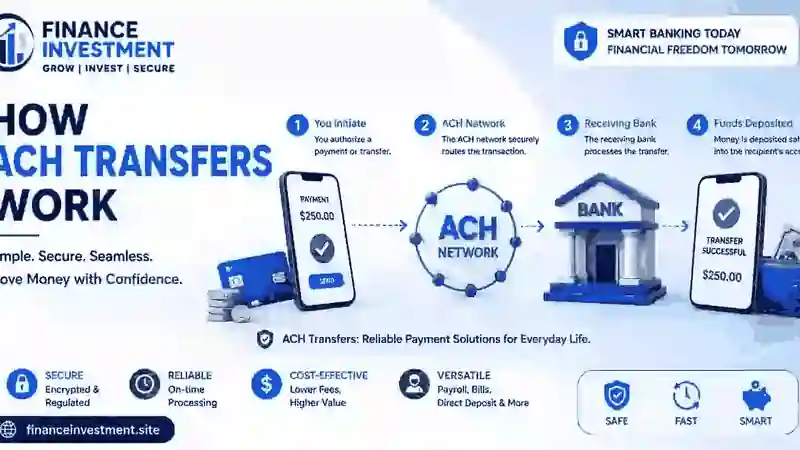
    Most U.S. payroll direct deposits use the Automated Clearing House (ACH) network. The payment does not move instantly from your employer’s account into yours. Instead, payment instructions pass through a series of steps before the money becomes available.

    Step 1: Employer prepares payroll

    Your employer calculates your wages, approves payroll, and prepares payment instructions using your banking details.

    Step 2: Payment instructions are submitted

    The employer or payroll processor sends the ACH payment instructions through its financial institution, with an intended payment or effective date.

    Step 3: ACH network processes the instructions

    The ACH operator processes the payment instructions and routes them to the appropriate receiving financial institution. Settlement takes place between the institutions through the applicable settlement system.

    Step 4: Receiving bank makes the funds available

    Your bank processes the incoming credit and makes the money available according to applicable funds-availability requirements and its account procedures.

    A delay at any stage can affect when your paycheck appears in your account. To understand the payment network in more detail, read our guide on how ACH transfers work.

    Early Direct Deposit: Benefits and Drawbacks

    Some banks and credit unions offer early direct deposit, which may make eligible payroll or government benefit payments available before the scheduled payday. Depending on the bank’s policy and when it receives the payment information, funds may arrive up to two days early. However, early access is not guaranteed for every payment or pay cycle.

    Benefits

    • Access eligible payments before the scheduled payday.
    • More flexibility when planning bills and everyday expenses.
    • Potentially reduce the wait for money you are expecting.

    Drawbacks

    • Early availability depends on when the bank receives payment information.
    • Some payment types may not qualify.
    • Deposit timing can vary between pay cycles.

    Important: Early direct deposit does not necessarily mean your employer submitted payroll earlier. Some banks make eligible funds available after receiving the payment information, without waiting until the scheduled payday. If that information arrives late, your early deposit may also be delayed.

    Employer vs. ACH vs. Bank Delays: What’s the Difference?

    A delayed direct deposit can happen before the payment is submitted, while it is being processed, or after it reaches your receiving bank. Identifying the stage helps you contact the right organization instead of waiting for an answer from the wrong one.

    Where delay occursWhat may be happeningWho to contact first
    Employer or payrollPayroll has not been approved or submitted, or the banking details need correction.Employer’s payroll department.
    ACH processing or settlementThe payment is awaiting processing or its scheduled effective date and settlement.Payment sender or payroll processor.
    Receiving bankThe bank may need to locate, process, or investigate the incoming credit.Your bank’s customer support team.

    How to identify the problem: First ask payroll or the payment provider whether the deposit was submitted and request its effective date. If it was sent, ask for the ACH trace number. Give that information to your bank so it can investigate whether the payment reached your account.

    What to Do When Your Direct Deposit Is Late

    If your paycheck or benefit payment has not arrived, avoid assuming it is lost. Follow these steps to identify whether the delay is with the sender, ACH processing, or your bank.

    1. Check Your Bank Account and Paystub

    Confirm the scheduled payday, payment amount, and account details shown on your paystub. Review your available balance, transaction history, pending activity, and any bank notifications.

    2. Contact Your Employer or Payment Provider

    Ask whether the payment was approved and actually submitted. Request the submission date and expected effective date rather than relying only on the scheduled payday.

    3. Request the ACH Trace Number

    If the sender confirms the payment was released through ACH, request the trace number and payment details. These details can help your receiving bank locate the transaction.

    4. Ask Your Bank to Investigate

    Provide the payment amount, date, sender information, and ACH trace number if available. Ask whether the payment has reached the bank, is awaiting posting, or was rejected or returned.

    5. Resolve a Rejected or Returned Payment

    If incorrect account details caused the payment to be returned, contact the sender to confirm the correction process and expected reissue date. Verify your updated banking information before the next payroll cycle.

    Keep a record: Save your paystub, payment confirmation, ACH trace number, contact dates, case numbers, and messages. Never share your online banking password or one-time verification code while seeking payment support.

    Common Mistakes to Avoid When Your Direct Deposit Is Late

    When a paycheck does not arrive on time, reacting too quickly or contacting the wrong organization can delay the investigation. Avoid these common mistakes:

    • Blaming the bank immediately: First confirm whether your employer or payment provider actually submitted the payment.
    • Ignoring payroll notifications: Check for messages about processing changes, payment dates, or account verification.
    • Overlooking account details: Verify your routing and account numbers with the payment sender if you recently changed banks.
    • Contacting the bank without payment information: Request the ACH trace number from the sender if the payment was released.
    • Sharing sensitive credentials: Never give anyone your online banking password or one-time verification code.

    Hypothetical Example: A Delayed Friday Paycheck

    Imagine an employee expecting a paycheck on Friday. The deposit does not appear, so they initially assume the receiving bank is responsible.

    After contacting payroll, the employee learns that the payroll file was submitted later than planned. Payroll confirms the actual submission and effective dates and provides the ACH trace number. The employee then contacts the bank with those details to check whether the payment has arrived or is still being processed.

    The lesson: Checking with payroll first helps establish whether the payment was actually sent. Once that is confirmed, the bank can investigate the incoming transaction using the available payment details.

    Note: This is an illustrative hypothetical scenario, not a verified customer experience.

    When to Contact Payroll, Your Bank, or Benefit Agency

    The right organization to contact depends on whether the payment was submitted. Use these guidelines to direct your inquiry to the correct place.

    • Contact your employer’s payroll department: If your paycheck has not been approved or submitted, your paystub is missing, or payroll cannot confirm the payment date. Ask whether the deposit was released and request its effective date.
    • Contact your receiving bank: If payroll or the payment provider confirms the ACH payment was sent. Provide the payment amount, date, sender details, and ACH trace number if available.
    • Contact your benefit agency: If a Social Security, unemployment, or other government benefit payment is missing. Check the payment status through the agency’s official website or contact channel before asking your bank to investigate.

    Important: Do not wait indefinitely if a payment is overdue. If the sender cannot confirm its status, your account details may be incorrect, or the expected payment date has passed, follow up promptly and keep a record of each inquiry.

    Frequently Asked Questions About Late Direct Deposits

    1. Why is my direct deposit late today?

    Your deposit may be late because payroll was submitted later than expected, ACH processing is incomplete, a weekend or federal banking holiday affected the schedule, or your bank has not posted the funds. First, confirm with the sender whether the payment was released.

    2. How long does a delayed direct deposit take to arrive?

    There is no fixed waiting period for every delayed deposit. Timing depends on the submission date, effective date, ACH processing, and receiving bank procedures. Ask the sender for the payment status and expected arrival date.

    3. Can weekends and holidays delay direct deposit?

    Yes. Standard ACH processing and settlement follow business-day schedules. Weekends and federal banking holidays can affect payment processing and funds availability, depending on when the payment was submitted and its effective date.

    4. Why hasn’t my direct deposit arrived even though payday is today?

    Your employer may have submitted payroll later than expected, or the payment’s effective date may differ from your expected posting time. Check your paystub and ask payroll whether the payment was actually submitted.

    5. Can a bank hold or delay a direct deposit?

    A bank may need to process an incoming ACH credit before showing it in your available balance. If the sender confirms the payment was sent, ask your bank whether it has received or located the transaction and whether any issue is affecting availability.

    6. What should I do if my employer says my direct deposit was sent?

    Request the payment date, amount, effective date, and ACH trace number from payroll. Contact your receiving bank with those details and ask it to investigate the incoming payment.

    7. Can early direct deposit arrive late?

    Yes. Early direct deposit depends on when your bank receives the payment information and its eligibility rules. If payroll is submitted later than usual, early access may also be delayed.

    8. Who should I contact about a missing direct deposit?

    Contact your employer’s payroll department if the payment has not been submitted. If it was released, contact your bank with the ACH trace number. For government benefits, check the payment status with the relevant benefit agency.

    Final Verdict: What to Do When Your Direct Deposit Is Late

    A delayed direct deposit does not automatically mean your paycheck or benefit payment has disappeared. The issue may be with payroll submission, ACH processing, incorrect account information, or the receiving bank’s posting process. Finding the stage where the delay occurred is more useful than simply waiting or assuming your bank is responsible.

    Confirm the payment status with the sender, verify the effective date, and request an ACH trace number if the payment was released. Then give those details to your bank if it needs to investigate. If the payment was never submitted, follow up with payroll or the relevant benefit agency.

    The key takeaway: Identify who currently has responsibility for the payment, verify its status, and follow up with the right organization.

    For a broader understanding of electronic payment delays, explore our complete Bank Transfers and Payments Guide.

    Make Smarter Banking Decisions

    Get practical insights into bank transfers, direct deposits, and account security with helpful financial guides from FinanceInvestment.

    Practical insights. Clear explanations. Smarter financial decisions.

  • How to Set Up Direct Deposit With Your Bank (2026 Guide)

    How to Set Up Direct Deposit With Your Bank (2026 Guide)

    How to Set Up Direct Deposit With Your Bank: A Step-by-Step Guide

    SR
    Subhash Rukade
    Founder, FinanceInvestment

    BANKING GUIDE

    Published: October 31, 2026
    Updated: October 31, 2026
    Reading time: 10 minutes

    how to set up direct deposit

    How to Set Up Direct Deposit With Your Bank

    Learning how to set up direct deposit can make getting paid easier, whether you have started a new job, want to stop handling paper checks, or receive regular government benefits. Instead of depositing a physical check yourself, your employer or benefit provider can send the money electronically to your eligible checking or savings account.

    The enrollment process is usually simple, but accuracy matters. Your payroll department may ask for your bank’s routing number, account number, account type, and a completed direct deposit form. Entering incorrect information or missing your employer’s payroll deadline could delay your first deposit.

    In this guide, you’ll learn how to gather your banking details, choose where your money should go, complete the enrollment process, and confirm that your first payment arrives. For a broader understanding of electronic payments, you can also explore our Bank Transfers and Payments Guide.

    What You’ll Learn

    • How to find your bank routing number and account number.
    • How to complete a direct deposit form or enroll through your employer’s payroll portal.
    • Whether to deposit your paycheck into checking, savings, or both.
    • How to verify your enrollment and prepare for your first deposit.
    • What to check if your expected direct deposit does not arrive.

    Quick Answer: How Do You Set Up Direct Deposit?

    To set up direct deposit, get your bank’s routing number and account number, then complete the enrollment process provided by your employer or benefit agency. Choose the eligible checking or savings account where you want the money deposited, enter the requested details, and review everything before submitting the form. Depending on the payer, you may need to provide a direct deposit form, a voided check, or other account verification. Ask when the change will take effect so you know whether your first payment will arrive by direct deposit or another method.

    Key Takeaways

    • Gather the correct bank details: You will generally need your routing number, account number, and account type.
    • Follow the payer’s enrollment process: Employers and government agencies may have different forms, portals, and verification requirements.
    • Choose your deposit account: You may be able to use checking, savings, or split your payment between eligible accounts.
    • Allow time for processing: If you miss a payroll cutoff, your first payment may still arrive through your previous payment method.
    • Confirm the effective date: Check with payroll or the benefit provider before assuming the new account is active.

    Security reminder: Never give your online banking password or one-time verification code to someone claiming to enroll you in direct deposit. Use your employer’s verified payroll system or your benefit provider’s official website.

    Direct Deposit at a Glance

    Direct deposit allows an employer, government agency, or another eligible payer to send money electronically to your bank account. Before enrolling, review these essential details to understand what you need and how the process generally works.

    What it meansAn electronic payment sent directly to an eligible bank account.
    Common usesEmployer paychecks, Social Security benefits, and other eligible government payments.
    Information neededBank routing number, account number, and account type.
    Where to enrollEmployer payroll portal, HR department, or the relevant benefit agency.
    Activation timeVaries by payer, account verification, submission date, and payroll or payment schedule.

    Best for: Employees, retirees, and benefit recipients who receive regular payments and prefer automatic deposits over paper checks. Enrollment requirements and eligible account types depend on the organization sending the money.

    Complete Beginner’s Guide to Setting Up Direct Deposithow to set up direct deposit

    Setting up direct deposit is generally straightforward once you have the correct bank information and know how your employer or payment provider handles enrollment. Follow these steps to prepare your details and avoid common setup problems.

    1. Choose the Bank Account for Your Deposit

    Decide whether you want your money deposited into a checking or savings account. Checking is useful for everyday purchases, bills, and automatic payments, while savings can help you set aside money for future goals. If your employer supports split deposits, you may be able to direct specific amounts or percentages into more than one eligible account.

    2. Find Your Routing and Account Numbers

    Locate your details through your bank’s official app, online banking account, statement, or direct deposit form. Confirm that you are using the correct routing number for ACH deposits. Some banks use different routing numbers for ACH and domestic wire transfers, so do not assume they are interchangeable.

    3. Complete Your Direct Deposit Enrollment

    Follow your employer’s verified payroll portal instructions or request an enrollment form from HR. Enter your legal name, account number, routing number, account type, and any requested deposit allocation. Provide a voided check or bank verification document only if your employer requires it.

    4. Submit and Verify the Setup

    Double-check every detail before submitting your information. Ask payroll when the change is expected to take effect and whether your next paycheck will use the new account. After that payment date, check your bank account and pay stub. Keep your existing payment arrangement in place until the first direct deposit is successfully confirmed.

    How Direct Deposit Works Behind the Scenes

    Most U.S. payroll direct deposits are processed through the Automated Clearing House (ACH) network, an electronic payment system used by banks and credit unions. After your enrollment is accepted, your employer or payroll provider uses your banking information to prepare and initiate the payment to your account.

    How the Direct Deposit Process Works

    Step 1 — Payroll calculation: Your employer calculates your gross pay, taxes, other deductions, and final take-home pay.
    Step 2 — Payment initiation: The employer or payroll provider submits the ACH payment instructions through its financial institution.
    Step 3 — ACH processing: The ACH network processes and routes the payment information to the receiving bank or credit union.
    Step 4 — Deposit to your account: Your financial institution processes the incoming credit and makes the funds available according to applicable rules and its processing schedule.

    Direct deposit does not always mean instant access to money. The payment’s effective date, payroll submission deadline, weekends, federal holidays, and bank processing schedules can affect when funds become available. Some banks offer early direct deposit by making eligible payroll payments available before the scheduled payday, but this is a bank-specific feature rather than a guaranteed ACH delivery time.

    To understand the payment network in more detail, read our guide on how ACH transfers work.

    Benefits and Drawbacks of Direct Deposit

    Direct deposit can simplify how you receive regular income, but it also comes with a few limitations. Understanding both sides can help you decide whether it suits your banking and payment needs.

    Benefits

    • Convenience: Eligible payments go directly into your account without requiring a branch visit or check deposit.
    • Payment planning: A regular deposit schedule can make budgeting and bill management easier.
    • Less paperwork: You do not need to handle, carry, or deposit a physical paycheck.
    • Flexible allocation: Some employers allow you to divide your paycheck between multiple eligible accounts.

    Drawbacks

    • Enrollment delays: Missing a payroll cutoff or completing verification late may delay activation.
    • Incorrect account details: A wrong routing or account number can cause a rejected or misdirected payment.
    • Account access issues: Bank outages, account restrictions, or account closures may affect access to deposited funds.
    • Payment schedule limitations: You depend on the payer’s processing schedule and your bank’s funds-availability policies.

    Practical takeaway: Direct deposit is useful for people who want regular payments handled electronically. Protect your banking information, review incoming deposits, and know whom to contact if a payment is delayed or sent to the wrong account.

    Direct Deposit Setup Methods Compared

    Your employer or payment provider determines which enrollment methods are available. Some organizations use online payroll systems, while others accept paper forms or bank-provided documents. Here is how the common options compare.

    Setup methodHow it worksBest suited for
    Employer payroll portalLog in to your employer’s verified payroll system, enter your bank details, and submit the enrollment request.Employees with access to online payroll services.
    Paper direct deposit formComplete the official form with your banking information and return it to the designated HR or payroll department.Employees whose workplace uses paper-based enrollment.
    Bank-provided form or assistanceObtain a prefilled direct deposit form or account details from your bank, then submit the required information through your payer’s approved process.People who need help locating or confirming their banking information.

    Which method should you choose? An employer’s secure payroll portal is often convenient when available. If your workplace accepts paper enrollment, request its official form. A bank-provided form can help supply accurate account details, but it does not necessarily complete enrollment on your behalf. Always follow the payer’s instructions and use a verified submission channel.

    Direct Deposit Costs, Risks, and Expert Tips

    Standard payroll direct deposits into eligible bank accounts generally do not carry a separate fee for receiving the payment. However, your bank account may have maintenance charges, balance requirements, or fees for optional services. Understanding these details and protecting your enrollment information can help prevent avoidable problems.

    Potential Banking Costs

    • Monthly maintenance fees: Some checking or savings accounts charge a fee unless you meet specific waiver conditions.
    • Minimum balance requirements: Certain accounts require a minimum balance to avoid charges.
    • Optional service fees: Other banking services may carry separate charges under your account agreement.

    Risks to Watch For

    • Incorrect bank details: A wrong routing or account number can cause a deposit to be rejected or potentially credited to an unintended account.
    • Payroll impersonation scams: Fraudulent emails or messages may try to trick you into changing direct deposit details.
    • Last-minute account changes: Updates submitted after payroll processing begins may not apply to the upcoming payment.

    Expert Tips for Safer Direct Deposit Setup

    • Verify your routing and account numbers through your bank’s official app, website, or account documents.
    • Submit enrollment changes only through your employer’s verified payroll portal or an authorized HR contact.
    • Confirm unexpected requests to change payroll details through a trusted contact method, not by replying to the suspicious message.
    • Never share your online banking password or one-time security code to complete enrollment.
    • Check your pay stub and bank activity after the expected deposit date.

    Common Direct Deposit Mistakes and How to Avoid Them

    Even a small mistake during enrollment can create problems with your first paycheck. Before submitting your direct deposit details, watch for these common errors:

    • Using the wrong routing number: Check that the number is intended for ACH deposits, not a different banking transaction.
    • Entering an incorrect account number: Compare every digit with your bank’s official account information.
    • Missing the payroll cutoff: Submit your enrollment early and ask when the change will become effective.
    • Selecting the wrong account type: Confirm whether your destination account is checking or savings.
    • Skipping confirmation: Do not assume enrollment is active until your payroll department confirms it.

    Real-Life Example: An Incorrect Account Number

    Imagine a new employee submits a direct deposit form but accidentally enters one incorrect digit in the account number. Depending on the details and receiving bank, the payment could be rejected, delayed, or credited to an unintended account. Once the employee notices the missing paycheck, the right step is to contact payroll immediately, confirm the payment status, and ask about the correction process. If the payment was sent to an unfamiliar account, the employee should also contact the bank promptly.

    What to remember: Verify your routing number, account number, and account type before submitting the form. After enrollment, confirm the effective date and monitor your first expected deposit.

    Who Should Set Up Direct Deposit?

    Direct deposit can suit different people depending on how they receive regular income and manage their bank accounts. It may be particularly useful for:

    • Employees: People who receive regular wages and want their paychecks sent directly to their bank accounts.
    • Retirees: Individuals receiving eligible Social Security or pension payments electronically.
    • Government benefit recipients: People who receive eligible federal payments and want an electronic payment option.
    • Families managing household finances: People who want to organize incoming income across checking and savings accounts, where split deposits are supported.
    • People starting a new job: Employees who want to arrange payroll deposits before their first payday.

    Who may need another option? People without an eligible bank account or those whose payment provider does not support direct deposit may need an alternative payment method. Check the payer’s requirements before enrolling.

    Frequently Asked Questions About Setting Up Direct Deposit

    1. What information do I need to set up direct deposit?

    You generally need your bank’s routing number, account number, account type, and the enrollment information requested by your employer or payment provider. Some organizations may also require a voided check or another form of account verification.

    2. Can I set up direct deposit online?

    Yes. Many employers allow employees to enroll through a secure payroll portal. Government agencies and other payment providers may also offer online enrollment through their official websites.

    3. How long does direct deposit take to start?

    It depends on the payer’s verification process and payment schedule. If you submit your information after the payroll cutoff, your next paycheck may still use your previous payment method. Ask payroll when the new instructions become effective.

    4. Can I use a savings account for direct deposit?

    Often, yes. However, your employer or payment provider must support the account type, and your bank must be able to receive the payment. Confirm your account details before submitting the enrollment form.

    5. Do I need a voided check to set up direct deposit?

    Not necessarily. Many employers accept online enrollment or a bank-provided direct deposit form. Provide a voided check only if your employer specifically requests one.

    6. Can I split my paycheck between two bank accounts?

    Some employers allow you to divide your paycheck between multiple eligible accounts using fixed dollar amounts or percentages. The available options depend on your employer’s payroll system.

    7. Is direct deposit free?

    Receiving a standard payroll direct deposit is generally free. However, your bank may charge separate monthly maintenance or optional service fees under your account agreement.

    8. What should I do if my direct deposit does not arrive?

    Check your pay stub and bank account first. Contact your payroll department or payment provider to confirm whether the payment was submitted, rejected, delayed, or sent to another account. If the money may have gone to an unintended account, contact your bank promptly as well.

    Final Verdict: Is Direct Deposit the Right Choice for You?

    For most people who receive regular eligible payments, direct deposit is a convenient alternative to paper checks. The key is not simply completing the enrollment form but making sure your banking details are accurate and your payment provider has accepted the change. Taking a few minutes to verify your information and confirm the effective date can help prevent avoidable payday problems.

    If you are comparing direct deposit with other electronic payment options, our Bank Transfers and Payments Guide explains how different bank payment methods fit into everyday financial transactions.

    Our final advice: Use an official enrollment channel, double-check your routing and account numbers, and verify your first deposit. A careful setup can make managing regular income simpler without relying on paper checks.

    Take the Next Step Toward Smarter Banking

    Setting up direct deposit can simplify how you receive regular payments. Keep your banking details accurate, follow your payer’s enrollment instructions, and explore more practical personal finance guides from FinanceInvestment.

    Clear information. Confident decisions. Smarter personal finance.

  • Bank Transfers & Payments Guide: ACH, Wires & More (2026)

    Bank Transfers & Payments Guide: ACH, Wires & More (2026)

    Bank Transfers And Payments Explained: Complete Guide to ACH, Wire Transfers, Direct Deposit & Digital Payments (USA 2026)

    Written by Subhash Rukade

    Founder, FinanceInvestment


    Reading time: Approximately 18–20 minutes


    Published: October 24, 2026


    Last updated: October 24, 2026


    bank transfers and paymentsBank transfers and digital payments help people across the United States manage everyday finances, from receiving a paycheck and paying bills to moving savings between accounts or sending money to family. However, payment methods differ in processing time, fees, limits, and available protections. Knowing these differences can help you choose an option that fits your transaction.This guide explains the main U.S. payment methods, including Automated Clearing House (ACH) transfers, domestic and international wire transfers, direct deposit, online bill pay, and person-to-person payment apps. You’ll learn how they work, what they may cost, how long transfers can take, and what steps to consider when a payment is delayed, rejected, or sent to the wrong account.There is no single best method for every situation. ACH transfers are commonly used for recurring payments, while wire transfers may suit transactions that require funds to be sent through a bank wire. Payment apps offer another convenient option, but their fees, transaction limits, and dispute procedures vary.
    understanding bank security and fraud prevention
    Security is equally important. Fraudsters may impersonate bank employees, send fake payment instructions, or pressure people to transfer money quickly. For additional precautions, read our bank security and fraud prevention guide.

    What You’ll Learn

    • How ACH, wire transfers, direct deposit, and digital payments differ.
    • How transfer times, fees, limits, and processing cut-off times affect payments.
    • What to do when a transfer is delayed, rejected, or sent to the wrong account.
    • How to verify payment details and respond to suspected fraud.
    • How to compare payment methods for your needs.

    Quick Answer: Which Bank Transfer Method Should You Use?

    The right payment method depends on the transaction, delivery timing, fees, and provider rules. ACH transfers are widely used for payroll, recurring payments, and moving money between eligible bank accounts. Wire transfers are often used for large or time-sensitive payments, although fees and processing times vary. Direct deposit commonly delivers paychecks and eligible benefits electronically. Online bill pay and person-to-person payment apps serve other everyday needs. Before choosing, check the provider’s terms, confirm the recipient, and review the payment details carefully.

    Key Takeaways

    • Compare fees, transfer limits, expected arrival times, and convenience.
    • Check processing cut-off times, weekends, and holidays before relying on an estimated delivery date.
    • Verify recipient and account details before authorizing a transfer.
    • If a payment appears fraudulent, contact your bank or payment provider immediately.

    Bank Transfers & Payments at a Glance

    U.S. bank transfers and payment services use different processes to move money. Some are designed for recurring payments, others for sending funds directly to another person or institution. Compare the main options below, keeping in mind that processing times, fees, and limits depend on the bank, payment provider, and transaction.

    MethodCommon usesTiming and costWhat to check
    ACH transferAccount-to-account transfers, payroll, recurring paymentsOften low-cost; standard and Same-Day ACH have different processing windowsAvailability, cut-off times, limits
    Wire transferProperty closings, large payments, some international transfersMay be processed quickly during banking hours; sending or receiving fees may applyRecipient details, fees, cut-off time
    Direct depositPaychecks and eligible benefit paymentsUsually arranged through the payer and commonly processed through ACHCorrect account details and payer’s schedule
    Online bill payUtilities, loans, credit cards, other billsMay be sent electronically or by paper check, depending on the biller and bankDelivery date, biller processing time, any fees
    P2P payment appsSending money to friends or familyDelivery speed and fees vary by service, funding source, and transfer optionRecipient identity, account security, dispute rules

    How to Choose the Right Method

    ACH may be suitable for routine account transfers and recurring payments. A wire transfer may fit a transaction that specifically requires a bank wire. Direct deposit is generally set up through an employer or benefit payer, while online bill pay is designed for paying bills. P2P apps can be convenient for sending money to people you know, but their terms and protections differ.

    Before confirming a payment, check the provider’s current fees, delivery estimate, transfer limits, and cancellation options.

    Bank Transfer Basics: How Money Movesbank transfers and payments

    A bank transfer moves money electronically between accounts. The route, processing time, and cost depend on whether the accounts are held at the same bank, at different financial institutions, or accessed through a payment service. Understanding the basics helps you select an appropriate method and avoid timing surprises.

    Internal vs. External Bank Transfers

    An internal transfer moves money between accounts at the same financial institution, such as transferring funds from your checking account to your savings account at that bank. These transfers may be completed quickly, although timing depends on the bank and transaction type. An external transfer moves money between accounts at different financial institutions. It may require account verification and additional processing time.

    Bank Transfer vs. Payment

    A bank transfer describes moving funds between accounts, while a payment uses funds to pay a person, business, or organization. Moving money from checking to savings is a transfer; paying your electricity bill is a payment. Many electronic payments still rely on transfer networks behind the scenes, so the terms can overlap in everyday banking.checking account routing numbers explained

    ACH Push vs. ACH Pull

    An ACH push occurs when you instruct your bank to send money to another account through the ACH network. An ACH pull occurs when an authorized business or service requests money from your account—for example, to collect an automatic utility payment. Before authorizing a pull, review the payment amount, timing, and terms, and make sure the requester is legitimate. ACH Transfer vs. Paper Check

    Scheduled vs. Immediate Transfers

    A scheduled transfer is arranged for a future date or recurring interval. An immediate transfer is submitted for processing as soon as the service allows. Neither label guarantees instant arrival: cut-off times, weekends, holidays, verification checks, and the transfer method can affect when funds become available. Check the bank’s estimated delivery date before relying on the money.

    Before confirming any transfer, verify the recipient’s details, amount, source account, and expected arrival time. The next section explains ACH transfers in greater detail, including how they work and when they may be useful.
    ACH Transfer vs. Paper Check: Key Differences

    ACH Transfers Explained

    The Automated Clearing House (ACH) network processes electronic payments between U.S. bank and credit union accounts. It supports everyday transactions such as payroll deposits, recurring bills, government benefit payments, and transfers between accounts at different financial institutions. ACH is often a cost-effective choice for routine payments, although fees, processing times, and fund availability depend on the banks and transaction involved.

    How the ACH Network Works

    An ACH transaction begins when a person or organization initiates or authorizes a payment. The originating financial institution submits the transaction through the ACH network, which sorts and delivers payment instructions to the receiving institution. The receiving bank processes the entry and posts it to the recipient’s account according to its procedures. ACH credits include direct deposits, while ACH debits include authorized bill payments and other collections.

    Standard ACH vs. Same-Day ACH

    Standard ACH commonly takes one to three business days, but the actual timing depends on when the payment is submitted, the institutions involved, and the transaction type. Same-Day ACH can process eligible payments on the same business day when they meet network requirements and applicable submission deadlines. It is not available for every transaction, and same-day processing does not guarantee immediate access to funds. Weekends, federal holidays, bank cut-off times, and account-specific reviews can affect when a payment is completed.

    When Should You Use ACH?

    ACH works well for payroll, recurring utility bills, loan payments, and many bank-to-bank transfers. Compared with domestic wire transfers, ACH is often cheaper but may take longer. Wires may suit time-sensitive or high-value payments when the recipient requires them and the fees are acceptable. Services such as Zelle are separate payment services with their own eligibility, timing, and dispute rules; they should not be treated as equivalent to ACH. Paper checks can also take longer because they must be delivered and processed.

    Before initiating an ACH transfer, confirm the recipient’s name, routing number, account number, amount, and expected delivery date. If speed matters, ask your bank whether Same-Day ACH is available for your transaction. Keep in mind that ACH payments may be subject to return or reversal procedures under applicable rules, but recovery is not guaranteed if an error occurs.

    Wire Transfers Explained

    A wire transfer electronically sends money between financial institutions. In the United States, wires are commonly used for real estate closings, business transactions, and other payments where the recipient requires this method or timely delivery is important. Wires can move quickly, but processing times, fees, and requirements depend on the sending bank, receiving institution, and destination.
    What Is a Wire Transfer? Complete Beginner Guide

    Domestic vs. International Wire Transfers

    A domestic wire transfer sends funds between financial institutions within the United States. An eligible wire may arrive the same business day if it is submitted before the bank’s cut-off time and processed successfully. An international wire transfer sends funds across borders and may involve intermediary banks. Delivery can take several business days, depending on the destination country, currency, receiving bank, compliance reviews, and intermediary processing. Neither method has a universal delivery guarantee.
    How Do Wire Transfers Work?

    Wire Transfer Timing and Fees

    Banks generally process wires according to their operating hours and cut-off schedules. Requests submitted after a deadline, on a weekend, or on a bank holiday may be handled on the next business day. Sending and receiving fees may apply, and intermediary banks may deduct additional charges from international payments. Currency conversion can also affect the final amount received. Before authorizing a wire, ask about the total fees, exchange rate, estimated delivery time, and any charges the recipient may pay.

    Verify Recipient Details Before Sending

    Confirm the recipient’s name, account number, bank routing details, and any required SWIFT/BIC or international payment instructions. If you receive new or changed wire instructions by email, call the intended recipient using a phone number you already trust—not a number supplied in the message. This independent check can help prevent costly business email compromise and payment-redirection scams.

    Can a Wire Transfer Be Reversed?

    Once a wire has been processed, recovering the money can be difficult, especially if the receiving account has already been credited or the funds withdrawn. Contact your bank’s wire department immediately if you enter incorrect details or suspect fraud. Ask whether the bank can initiate a cancellation or recall and request a fraud investigation when appropriate. A recall is a request, not a guarantee that the funds will be returned.

    Transfer Times, Processing Windows & Delays

    Bank transfer timing depends on the payment method, submission time, and financial institutions involved. Sending a transfer does not always mean the recipient can use the money immediately. Before initiating a payment, check the estimated delivery date and whether the funds will be available upon arrival.

    Business Days and Bank Cut-Off Times

    Banks use processing schedules and cut-off times for many transactions. A payment submitted after the applicable deadline may not be processed until the next business day. Standard ACH transfers commonly take one to three business days, while eligible domestic wire transfers may arrive the same business day if submitted before the bank’s cut-off. These are general estimates, not guarantees; individual banks and transaction types can differ.

    Weekends, Holidays, and Pending Transfers

    Standard ACH processing generally follows business-day schedules, so weekends and federal holidays can extend delivery times. Wire transfers also depend on the operating schedules of the relevant banks and payment systems. A pending status means the transaction has not been shown as fully completed, but its precise meaning varies by bank or payment service. Do not treat a pending payment as proof that the recipient has received usable funds.

    Common Reasons for Transfer Delays

    Delays can result from incorrect account details, insufficient funds, incomplete verification, security reviews, processing backlogs, or additional checks on large and international payments. The receiving bank may also need time to post incoming funds. If a transfer exceeds the provider’s estimated delivery window, contact the sending institution using its official contact details. Provide the transaction reference and ask whether the payment is processing, completed, rejected, or returned.

    If you suspect fraud or discover that you sent money to the wrong recipient, contact your bank immediately. Ask whether the transfer can be stopped, recalled, or investigated. Acting quickly may help, but recovery is not guaranteed.

    Transfer Fees, Limits & Large Payments

    The cost of sending money depends on the transfer method, your financial institution, account terms, and destination. Before confirming a payment, compare the total expected cost and check whether transaction limits or processing requirements could affect delivery.

    Common Bank Transfer Fees

    ACH transfers are often inexpensive, and some banks include them at no additional charge. However, fees can apply to certain services or account types. Domestic and international wires commonly carry sending fees, while receiving or intermediary banks may impose additional charges. International transfers can also involve currency-conversion costs and exchange rates that affect how much the recipient receives. Check your provider’s current fee schedule and ask about the estimated total before authorizing the transaction.

    Transfer Limits and Daily Caps

    Financial institutions and payment services may impose per-transaction, daily, or monthly limits. These can vary by account type, transfer method, recipient, verification status, and security controls. Online bank transfers, wire transfers, and person-to-person payment services may each have different limits. A transaction that exceeds an applicable limit may be declined, delayed, or require another approved method. Confirm your current limit directly with the provider because limits can change and may be specific to your account.

    Planning a Large Payment

    For a home purchase, tuition bill, or major business payment, verify the recipient’s instructions through a trusted, independent contact method. Ask your bank about applicable limits, fees, documentation, cut-off times, and any additional verification well before the deadline. Allow enough time for processing and confirm when the recipient should expect the funds. Never split transactions to evade legal reporting requirements or bank controls; ask your institution about legitimate alternatives if a payment exceeds a limit.

    To reduce unexpected costs, double-check the destination details, review exchange rates and possible intermediary charges, and save the transaction confirmation. If a fee or restriction is unclear, obtain an explanation from your provider before sending the money.

    Transfer Problems, Cancellations & Reversals

    A bank transfer may be delayed, rejected, returned, or sent to the wrong recipient. Your options depend on the payment method, transaction status, and reason for the problem. Contacting your financial institution promptly can help you understand the next steps, but recovering money is not always possible.

    Failed or Delayed Transfers

    Transfers may fail because of incorrect account information, insufficient funds, verification issues, or security reviews. Check your transaction history and any bank notification to see whether the payment is pending, rejected, completed, or returned. If it exceeds the estimated delivery window, contact the sending institution with your transaction reference and ask for the current status and any action required.checking account fraud warning signs

    Cancellations, Reversals, and ACH Returns

    A transfer that has not yet been processed may sometimes be canceled, depending on the provider and payment type. Once completed, stopping it may be difficult. An ACH return sends an entry back through the ACH system for a permitted reason under applicable rules; it is not the same as a general cancellation. A bank may also be able to request a wire recall, but the request does not guarantee that the funds will be recovered. Contact your provider immediately to learn which options apply.

    If You Sent Money to the Wrong Recipient

    Contact your bank or payment service immediately and explain the error. Ask whether the payment can be stopped, traced, or recalled. Do not send another payment to correct the mistake until you know what happened to the original transaction. Save confirmations, reference numbers, and relevant messages. If the recipient’s account details were incorrect, the institution can explain whether the payment was rejected, returned, or delivered.

    If You Suspect Fraud or an Unauthorized Transfer

    Contact your bank through its official app, website, or the number on your card. Report the transaction as soon as possible, request a fraud investigation, and ask whether the payment can be stopped or recalled. Secure compromised credentials and keep records of your report. For more guidance, read our guide to disputing an unauthorized bank transaction. Reporting deadlines and protections can vary by transaction type, so do not delay.

    Direct Deposit, Online Bill Pay & Recurring Transfers

    Automated banking services help you receive income, pay bills, and move money on a schedule. Each service follows different processing and authorization rules. Understanding how it works, when funds may move, and how to manage scheduled payments can help prevent missed bills and unexpected withdrawals.

    Direct Deposit for Paychecks and Benefits

    Direct deposit electronically sends money to your bank account, commonly through the ACH network. Employers use it for wages, and eligible government agencies may use it for benefits. Submit your account details through the payer’s approved process and confirm when the arrangement becomes effective. Early access to a paycheck is not guaranteed; availability depends on when the payer submits the deposit and how your bank processes it.

    Online Bill Pay vs. Automatic Payments

    With online bill pay, you instruct your bank to pay a company or individual. Depending on the recipient and service, the bank may send an electronic payment or mail a paper check, so allow enough delivery time. With a biller-authorized automatic payment, you authorize a company to collect money from your account, often through ACH. Before enrolling, review the amount or calculation method, due date, authorization terms, and cancellation instructions.

    Managing Recurring Transfers Safely

    Recurring transfers move money automatically between accounts at a chosen frequency, such as weekly or monthly. Confirm the source and destination accounts, amount, schedule, and first transfer date. Keep sufficient funds available, including a buffer for other pending transactions.

    To avoid missed or duplicate payments, track due dates, enable transaction alerts, and review your account regularly. Before paying a bill manually, check whether an automatic payment has already been scheduled or processed. When switching banks or canceling a service, confirm the new arrangement is active and follow the relevant cancellation procedure. Save confirmations and check subsequent statements to ensure payments occur—or stop—when expected.

    Digital Wallets, P2P & International Payments

    Digital payment services make it convenient to shop, pay in stores, and send money to other people. However, digital wallets, person-to-person (P2P) services, and international money transfers work differently. Their funding methods, fees, processing times, and options for resolving problems depend on the provider and transaction type.

    Digital Wallets and Contactless Payments

    Digital wallets, such as Apple Pay and Google Wallet, can store payment credentials for eligible purchases. When you pay with a wallet, the transaction generally follows the rules of the linked card or payment method; it is not necessarily a direct bank-to-bank transfer. Check which card or account will be charged, review transaction alerts, and secure your device with a passcode and available authentication features.

    P2P Payments: Convenient but Not Risk-Free

    P2P services let users send money to eligible recipients, such as friends and family. Depending on the service and funding method, a payment may reach the recipient quickly, while withdrawing or transferring the balance to a bank account can take longer. Fees may apply to certain funding methods or expedited transfers. Before sending money, independently verify the recipient and the reason for payment. Our guide to avoiding Zelle scams explains why payments to impostors can be difficult to recover. Availability of refunds or other remedies depends on the circumstances and applicable rules.

    International Transfers, Fees, and Exchange Rates

    International transfer providers can send money across borders using eligible payout methods, including bank deposits. Delivery may take minutes or several business days, depending on the provider, destination, funding method, compliance checks, and receiving institution. Compare the transfer fee, exchange rate, any exchange-rate markup, possible intermediary charges, and the final amount the recipient is expected to receive. Check the destination and currency carefully before confirming the payment.how to protect yourself from Zelle scams

    Reduce Digital Payment Risks

    Scammers may impersonate friends, businesses, or bank employees to pressure people into sending money. Verify urgent requests through a separate, trusted contact method, avoid unfamiliar payment links, and never share one-time verification codes. If you notice a transaction you did not authorize or suspect a scam, contact your bank or payment provider immediately through its official app or website. Explain what happened and ask about available reporting, cancellation, or recovery options; a refund is not guaranteed.how to avoid QR code payment scams

    Payment Security, Verification & Disputes

    Electronic payments are convenient, but incorrect recipient details, compromised accounts, and payment scams can put your money at risk. Verify payment instructions before sending funds, protect your banking access, and report suspicious activity promptly. Quick action may help limit further losses and preserve available recovery options.how to recognize bank email phishing scams

    Verify Recipients Before Sending Money

    Check the recipient’s name, account number, routing details, amount, and destination before confirming a transfer. For large or unfamiliar payments, independently verify instructions using a trusted phone number or contact method you already have. Do not rely solely on an email, text, or unexpected call requesting changed payment details. Scammers may impersonate vendors, relatives, or bank employees to redirect money into accounts they control.how to protect your bank account

    Protect Your Banking Access

    Use a unique password, enable multifactor authentication where available, and keep your device and banking apps updated. Never share one-time passcodes or approve sign-in requests you did not initiate. Enable transaction alerts and review account activity regularly. Our guides on protecting your bank account and setting up bank transaction alerts provide additional security steps.how to spot fake bank phone calls

    What to Do About a Suspicious or Unauthorized Transaction

    Contact your bank immediately through its official app, website, or the number on your card. Explain whether you did not authorize the transaction or authorized a payment because someone deceived you. Ask the bank to secure your account, investigate the activity, and determine whether the payment can be stopped or recalled. Change compromised credentials from a trusted device, preserve transaction records, and save your case number. Do not wait for your next statement if you already suspect fraud.how to recognize bank impersonation scams,  remote access banking scams

    Report and Dispute Payment Problems

    Ask your bank how to submit a formal dispute and what deadlines apply. In the United States, legal protections and procedures depend on the account, payment method, and circumstances. Prompt reporting is especially important for potentially unauthorized electronic transfers. Read our guide to disputing unauthorized bank transactions for additional steps. Keep copies of communications and follow up using your case reference.fake bank text message scams An investigation may lead to a refund or other remedy, but recovery is not guaranteed in every case.how to monitor your bank account ,  SIM swap scams and bank account security

    Frequently Asked Questions About Bank Transfers

    1. What is the best way to transfer money between bank accounts?

    ACH is often a cost-effective option for routine transfers between U.S. bank accounts. A wire may be more appropriate when the recipient requires it or timing is important. Compare fees, delivery estimates, limits, and cancellation options before choosing.

    2. Is ACH cheaper than a wire transfer?

    ACH is often less expensive, and some banks include it at no additional charge. Wire transfers commonly have sending fees, while international wires may involve intermediary charges and currency-conversion costs. Check your provider’s fee schedule.

    3. How long does a typical bank transfer take?

    Standard ACH transfers commonly take one to three business days. Eligible domestic wires may arrive the same business day. Actual timing depends on the payment method, submission time, bank schedules, and any required reviews.

    4. Can you cancel a bank transfer after sending it?

    Cancellation may be possible before processing is complete, depending on the provider and transfer type. After processing, recovery can be difficult. Contact your bank immediately to ask about cancellation or recall options; success is not guaranteed.

    5. Why is my bank transfer still pending?

    A pending status may reflect normal processing, a weekend or holiday, verification checks, or a bank review. Check the provider’s estimated delivery window and contact it if the transaction remains pending beyond that estimate or shows an unexpected warning.

    6. What should you do if you send money to the wrong account?

    Contact your bank or payment provider immediately. Explain the mistake and ask whether the payment can be stopped, traced, or recalled. Keep the confirmation and transaction reference. Recovery depends on the payment status and circumstances.

    7. Are bank transfers safer than payment apps?

    Neither method is automatically safer in every situation. Use trusted services, verify recipients, and understand the applicable dispute process. Payments you authorize after being deceived may be difficult to recover, even when fraud is involved.

    8. Are there limits on how much money you can transfer?

    Many banks and payment services set per-transaction or daily limits. The amount may depend on your account, payment method, recipient, and verification status. Confirm your current limit and any additional requirements with the provider before arranging a large payment.