Tag: online banking safety

  • How to Recognize Bank Impersonation Scams (2026)

    How to Recognize Bank Impersonation Scams (2026)

    How to Recognize Bank Impersonation Scams

    SR
    Subhash Rukade
    Founder, FinanceInvestment
    Personal Finance • Banking Safety • Consumer Education
    Updated: October 13, 2026
    Estimated reading time: 12 minutes

    How to Recognize Bank Impersonation Scams Before You Respondhow to recognize bank impersonation scams

    Learning how to recognize bank impersonation scams starts with one simple habit: pause before you respond. A message claiming your account is locked, a call about suspicious transactions, or an alert asking you to verify your identity may look genuine. Scammers can copy bank logos, imitate phone numbers, and use convincing language to make their requests seem legitimate.

    The biggest warning sign is often pressure to act immediately. A caller may ask for your password, one-time verification code, or a transfer to a supposedly safe account. Never trust caller ID, a familiar logo, or someone’s knowledge of your personal details as proof of identity. End the conversation and contact your bank using the number on your card or the official app you open yourself.

    For broader protection, explore our bank security and fraud prevention guide.

    What You’ll Learn

    • Warning signs of fake bank calls, texts, and emails.
    • How to verify whether a bank communication is genuine.
    • Common mistakes that expose your money or personal information.
    • What to do if you shared a code, clicked a suspicious link, or sent money.

    How Can You Recognize a Bank Impersonation Scam?

    Recognize bank impersonation scams by watching for urgent messages, suspicious links, unexpected calls, and requests for passwords or verification codes. Scammers may pretend to be bank employees and claim your account is at risk.

    Quick Answer: Never share your banking password or one-time passcode with an unexpected caller. Contact your bank through its official app or the number printed on your card.

    Key Takeaways

    • Be cautious of urgent warnings and threats.
    • Caller ID and bank logos can be faked.
    • Avoid clicking links in unexpected bank messages.
    • Verify suspicious requests directly with your bank.
    • If you shared information or sent money, contact your bank immediately.

    Table of Contents

    Bank Impersonation Scams: Quick Facts

    Bank impersonation scams occur when criminals pretend to represent a real bank or credit union to steal money, account credentials, or personal information. These quick facts explain the warning signs and the safest response.

    What to CheckWhat You Should Know
    Common methodsFake phone calls, text messages, emails, and websites.
    Warning signsUrgent threats, suspicious links, or requests for confidential codes.
    Information at riskPasswords, one-time passcodes, banking details, and money.
    Safest responseStop responding and verify the request through an official bank channel.
    If you are targetedContact your bank promptly, secure affected accounts, and report suspected fraud.
    QUICK TAKE: A familiar caller ID, bank logo, or message sender name does not prove a communication is genuine. Never share your password or one-time passcode in response to an unexpected request. Contact your bank using the number on your card or its official app.

    Bank Impersonation Scams: A Complete Beginner Guidehow to recognize bank impersonation scams

    Bank impersonation scams happen when criminals pretend to represent a real bank or credit union to steal money, account credentials, or personal information. They may pose as fraud investigators, security specialists, or customer service employees. Anyone with a financial account can be targeted, so recognizing common tactics is an important part of protecting your money.

    1. Fake Bank Text Messages

    You might receive a text claiming that your debit card was used, your account is locked, or suspicious activity needs immediate attention. A link may lead to a fake website designed to capture your login details. Do not click unexpected links; open your bank’s official app or contact the bank using a trusted number.

    2. Fraudulent Bank Phone Calls

    A caller may claim to work in the bank’s fraud department and ask you to verify a transaction. Caller ID can be spoofed, so a familiar number is not proof of identity. Never share your password or one-time passcode with an unexpected caller. Hang up and contact the bank independently.

    3. Fake Emails and Banking Websites

    Scammers can copy bank logos, colors, and email formatting to make messages look authentic. They may direct you to a fake sign-in page. Avoid logging in through unexpected email links. Open the bank’s website yourself and check the address carefully.

    4. Requests to Transfer Money

    A scammer may tell you to move your savings to a “safe account” or make a payment to stop alleged fraud. Treat unexpected transfer instructions as a serious warning sign. Do not send money until you have independently verified the situation with your bank.

    5. What to Do If You Suspect a Scam

    Stop responding and contact your bank immediately if you shared information, approved a payment, or transferred money. Ask whether the bank can block transactions or secure your account. Change compromised passwords, enable multifactor authentication, and review recent activity. Follow the FTC’s guidance on what to do after a scam. You can also read our guide on how to protect your bank account.

    Remember: Stop, verify, and contact your bank through a channel you choose yourself. If money was transferred, report it immediately; recovery is not guaranteed, but a prompt report may help limit further losses.

    How Bank Impersonation Scams Work

    Bank impersonation scams often follow a pattern: create fear, appear trustworthy, and pressure the victim to act quickly. Criminals may use text messages, phone calls, emails, or fake websites to make a fraudulent request seem legitimate.

    Step 1: Create an Urgent Problem

    You receive an alert about a suspicious purchase, a locked account, or an alleged security breach. The message may warn that your money is at risk unless you respond immediately. Verify the alert independently rather than following its instructions.

    Step 2: Pretend to Be Your Bank

    The scammer may imitate a bank employee, spoof caller ID, or copy the bank’s logo. They might even know some personal details. None of these proves the contact is genuine.

    Step 3: Ask for Information or Money

    The scammer may request your password, one-time verification code, remote access to your device, or a transfer to a supposedly safe account. Treat unexpected requests like these as serious warning signs.

    Step 4: Demand More or Disappear

    After receiving your information or money, the scammer may disappear or invent another emergency to demand more. Stop responding and contact your bank using its official app or the number on your card.

    Safety Tip: Never rely on caller ID or a message logo alone. Verify suspicious contact independently and read our guide to common types of bank fraud to learn about other tactics criminals use.

    Benefits of Recognizing Bank Impersonation Scams

    Understanding bank impersonation scams helps you recognize suspicious requests before sharing information or sending money. Awareness cannot stop every attempt, but it can help you respond more carefully when an unexpected bank call, text, or email arrives.

    Key Benefits

    • Protect your information: Spotting suspicious requests can help safeguard your login details and financial information.
    • Respond sooner: Recognizing warning signs can help you report suspicious activity promptly.
    • Avoid rushed decisions: You can pause and verify a request instead of reacting to threats or pressure.
    • Build confidence: You can handle unexpected banking alerts more calmly and carefully.

    Important Limitations

    Scammers constantly change their tactics. Messages can look professional, caller IDs can be spoofed, and even cautious people can be deceived. Fraud alerts and security tools can help, but they cannot guarantee complete protection. Verify unexpected requests independently and review account activity regularly.

    Key Takeaway: Awareness is helpful, but it is not a guarantee. Combine careful verification with strong, unique passwords, multifactor authentication, and prompt contact with your bank when something seems suspicious.

    Legitimate Bank Contact vs. an Impersonation Scam

    Banks may contact customers about unusual transactions or account security. Scammers can imitate these alerts, so a message’s appearance alone cannot establish whether it is genuine. Check the request carefully and verify it through a trusted channel before taking action.

    Warning SignSafer Response
    Pressure to act immediatelyPause and verify the alert independently.
    Familiar caller ID or bank logoDo not treat either as proof; both can be imitated.
    Request for a password or one-time codeNever disclose these in response to an unexpected call or message.
    Instruction to move money to a “safe account”Do not transfer funds; contact your bank independently.
    Unexpected login linkAvoid the link and open your bank’s official app or website yourself.

    How to Verify a Bank Message

    End the unexpected call and use the number on your bank card or the official app to ask whether the alert is genuine. Review recent transactions and report anything unfamiliar. Do not call numbers or click links supplied in a suspicious message to verify that same message. For more guidance, read our bank security vs. fraud protection guide.

    Remember: A legitimate alert may require attention, but you can pause and confirm it through a trusted channel before sharing information or moving money.

    Warning Signs of Bank Impersonation Scams

    Bank impersonation scams can look convincing, so pay attention to suspicious behavior rather than appearance alone. A warning sign does not automatically prove fraud, but unexpected requests should always be verified independently.

    Red Flags to Watch For

    • Urgent threats: Someone pressures you to act immediately to avoid an alleged account freeze or financial loss.
    • Requests for confidential codes: An unexpected caller asks you to reveal your password or one-time passcode.
    • Suspicious links: A text or email directs you to an unfamiliar website to sign in or verify account details.
    • Safe-account claims: Someone instructs you to transfer money to supposedly protect your savings.
    • Unusual payment instructions: You are pressured to send money through a wire transfer, payment app, gift card, or cryptocurrency.

    What Is at Risk?

    Sharing sensitive information can expose your account credentials, personal details, and money. Criminals may attempt unauthorized transactions or identity theft. A familiar caller ID, convincing voice, or bank logo does not prove that the person contacting you is genuine.

    Practical Tips to Stay Safer

    Pause before responding, open your bank’s official app yourself, and call the number on your card to verify suspicious contact. Use unique passwords and multifactor authentication, enable transaction alerts, and review account activity regularly. Never give an unexpected caller remote access to your device. If you suspect fraud, contact your bank immediately to secure your account and report unauthorized transactions. For more guidance, read our guide to spotting checking account fraud.

    Safety Reminder: Do not rely on a single warning sign or a caller’s claims. Verify unexpected requests through a trusted channel before sharing information or moving money.

    Common Mistakes That Make Bank Impersonation Scams Easier

    Scammers exploit fear, trust, and rushed decisions. Avoiding these common mistakes can help protect your bank account and personal information.

    • Trusting caller ID: Scammers can spoof phone numbers to make calls appear genuine.
    • Clicking unexpected links: Fake banking websites may capture your login details.
    • Sharing verification codes: Criminals may use a one-time code to access an account or authorize an action.
    • Transferring money under pressure: Instructions to move funds to a “safe account” are a major warning sign.
    • Delaying a report: Waiting can give criminals more time to misuse your information or money.

    Example: A Fake Bank Fraud Alert

    Imagine you receive a text claiming that a $900 purchase triggered a security alert. A person posing as a bank employee then calls and says your savings are at risk. They ask for a one-time passcode and tell you to transfer your money to a “protected” account. This is a hypothetical example of how impersonation scams may unfold.

    The safer response: Do not share the code or transfer money. End the call and contact your bank through its official app or the number printed on your card. If you already shared information or sent funds, notify the bank immediately, secure your account, and ask what steps may help limit further losses.

    Remember: Urgent warnings can sound convincing, but you do not need to follow an unexpected caller’s instructions. Verify the situation independently and read our guide to what bank fraud is and how it works.

    Who Is Most at Risk of Bank Impersonation Scams?

    Anyone with a bank account, debit card, or online banking access can be targeted. Scammers use convincing messages, fear, and urgency rather than targeting only one age group. A person’s experience with technology or money does not guarantee protection.

    Situations That May Increase Risk

    • Unexpected security alerts: Anyone may react quickly to claims of suspicious transactions or account suspension.
    • Busy or distracted moments: People may overlook warning signs when handling an urgent message while multitasking.
    • Limited familiarity with online banking: Customers who are unsure how to verify messages may find fake alerts harder to assess.
    • Financial pressure: Threats involving lost savings or frozen accounts can make people feel they must act immediately.
    • Targeted impersonation attempts: Older adults and other groups may receive scams tailored to their circumstances, but no group is immune.

    Steps Every Banking Customer Can Take

    Use unique passwords, enable multifactor authentication, turn on transaction alerts, and review account activity regularly. Never disclose a one-time passcode to an unexpected caller or transfer money simply because someone claims it will protect your account. Verify suspicious contact through your bank’s official app or the number printed on your card.

    Key Takeaway: Anyone can encounter a convincing scam. Pause, verify unexpected requests independently, and report suspected fraud to your bank promptly.

    Frequently Asked Questions About Bank Impersonation Scams

    1. What is a bank impersonation scam?

    A bank impersonation scam occurs when someone pretends to represent a real bank or credit union to steal money, account credentials, or personal information through fake calls, texts, emails, or websites.

    2. How can I tell if a bank call is fake?

    Be cautious of pressure, unusual payment instructions, or requests for confidential information. Caller ID can be spoofed, so end the call and contact your bank using its official app or the number on your card.

    3. Can my bank ask me for a one-time passcode?

    Banks use different verification methods, but never reveal a one-time passcode to an unexpected caller or message. If a request seems suspicious, contact your bank independently before proceeding.

    4. What should I do after clicking a suspicious link?

    Close the page and do not enter any information. If you entered your banking credentials, contact your bank promptly, change your password through its official app or website, and review recent transactions. If you downloaded a file, check your device for security risks.

    5. What if I already transferred money to a scammer?

    Contact your bank or payment provider immediately and ask whether the transaction can be stopped, recalled, or disputed. Recovery is not guaranteed, but reporting quickly may help limit further losses.

    6. Can scammers fake a bank phone number?

    Yes. Caller ID spoofing can make a call appear to come from a legitimate bank number. Never rely on the displayed number alone to confirm the caller’s identity.

    7. How do I report a bank impersonation scam in the US?

    Notify your bank and report the incident through the FTC’s official fraud reporting website. If your personal information was misused, visit IdentityTheft.gov for recovery guidance.

    8. How can I prevent bank impersonation scams?

    Use unique passwords, enable multifactor authentication, avoid links in unexpected messages, monitor account activity, and verify suspicious requests through trusted bank channels.

    Final Verdict: Stay Alert to Bank Impersonation Scams

    Knowing how to recognize bank impersonation scams helps you make safer decisions when unexpected calls, texts, or emails arrive. Scammers may imitate bank employees, copy official logos, and spoof phone numbers to make fraudulent requests appear genuine. Never treat a familiar caller ID or convincing message as proof of identity.

    If something seems suspicious, stop responding and verify the request through your bank’s official app or the number printed on your card. Never disclose your password or one-time passcode to an unexpected caller, and do not transfer money to a supposed safe account because someone pressures you.

    If you suspect fraud, contact your bank immediately, secure affected accounts, and report the incident. For more practical guidance, read our bank security and fraud prevention guide.

    Bottom Line: Pause, verify independently, and use trusted banking channels. Acting carefully can help reduce the risk of financial loss.

    Have a Money Question? Keep Exploring.

    Have a question about banking safety, fraud prevention, or protecting your savings? Contact FinanceInvestment or explore our practical financial guides.

    Contact FinanceInvestment

    Email Us

    Tap the button to open your email app.

    Continue Your Research

    Stay alert, verify unexpected requests through trusted channels, and contact your bank promptly if you suspect fraud.
  • How to Avoid Credit Card Scams in 2026

    How to Avoid Credit Card Scams in 2026

    How to Avoid Credit Card Scams in 2026

    how to avoid credit card scams in 2026


    By Subhash Rukade | Updated May 29, 2026

    Why Credit Card Scam Protection Matters More Than Ever in 2026

    Millions of Americans are searching for ways to understand how to avoid credit card scams in 2026 because online banking, digital payments, and mobile shopping continue growing rapidly across the United States.

    Today, consumers regularly use credit cards for:

    • Online shopping purchases
    • Travel bookings
    • Subscription services
    • Investment platforms
    • Digital wallet payments

    However, while digital banking makes life easier, scammers are also becoming smarter.

    Many Americans now face:

    • Phishing scams
    • Identity theft risks
    • Fake banking websites
    • Unauthorized transactions
    • Online shopping fraud

    Financially disciplined Americans now prioritize:

    • Safer online banking habits
    • Fraud monitoring systems
    • Secure payment gateways
    • Two-factor authentication
    • Long-term financial protection

    Unfortunately, many consumers still misunderstand how digital scams actually work.

    Some Americans incorrectly believe:

    • Only older adults become scam victims
    • Strong passwords alone are enough
    • Public Wi-Fi banking is harmless
    • Fraud alerts are unnecessary

    Unfortunately, unsafe online habits often create:

    • Financial losses
    • Account hacking risks
    • Identity theft exposure
    • Credit score problems
    • Long-term financial stress

    Consumers wanting deeper understanding of smarter credit systems also continue learning through:
    Ultimate Credit Card Guide 2026: Best Cards, Rewards & Smart Usage Tips.

    The good news is Americans may still protect themselves by learning how to avoid credit card scams in 2026 with safer online banking habits, secure payment systems, and stronger financial awareness.

    In this beginner-friendly 2026 guide, we’ll explain the biggest scam risks Americans face, smarter fraud prevention strategies consumers use today, common online banking mistakes people make, and safer digital habits that may improve long-term financial protection.

    Biggest Credit Card Scams Americans Face in 2026

    Understanding how to avoid credit card scams in 2026 starts with learning the biggest online fraud risks Americans face while using digital banking systems and online payment platforms.

    In 2026, scammers are becoming more advanced because millions of consumers now rely heavily on:

    • Mobile banking apps
    • Digital payment systems
    • Online shopping websites
    • Subscription services
    • Investment platforms

    Financially disciplined Americans now understand one important fact:

    Most online financial fraud problems begin through small digital security mistakes.

    1. Phishing Scams Continue Growing Rapidly

    Phishing scams remain one of the biggest online threats Americans face in 2026.

    Scammers often create:

    • Fake banking emails
    • Fraudulent payment alerts
    • Suspicious text messages
    • Counterfeit login websites
    • Fake customer support calls

    These scams attempt to steal:

    • Credit card information
    • Passwords
    • Banking credentials
    • Personal financial information

    Financially disciplined consumers usually:

    • Verify official website URLs carefully
    • Avoid suspicious email links
    • Ignore urgent scare tactics
    • Use official banking apps directly

    2. Fake Banking Websites Create Serious Financial Risks

    Many scammers now build fake banking websites that look almost identical to real financial institutions.

    These dangerous websites often:

    • Steal login credentials
    • Capture payment information
    • Monitor account activity
    • Increase identity theft exposure

    Financially disciplined Americans usually:

    • Check HTTPS security carefully
    • Verify website spelling
    • Bookmark official banking websites
    • Avoid random payment links

    Understanding how to avoid credit card scams in 2026 may help Americans reduce digital banking risks while protecting long-term financial stability.

    3. Identity Theft Continues Damaging Financial Stability

    Identity theft remains one of the most dangerous financial crimes in America.

    Hackers may use stolen information to:

    • Open fake financial accounts
    • Make unauthorized purchases
    • Damage credit records
    • Access sensitive banking systems

    Financially disciplined consumers now prioritize:

    • Fraud monitoring services
    • Strong password systems
    • Two-factor authentication
    • Regular account monitoring

    4. Fake Customer Support Scams Are Increasing

    Many scammers now pretend to represent:

    • Banks
    • Credit card companies
    • Online retailers
    • Payment platforms

    These scammers often:

    • Create panic situations
    • Request sensitive information
    • Pressure consumers into quick actions
    • Ask for verification codes

    Financially disciplined Americans usually:

    • Call official customer support numbers directly
    • Verify suspicious requests carefully
    • Never share verification codes
    • Ignore aggressive scare tactics

    5. Online Shopping Fraud Continues Expanding

    Many Americans unknowingly enter payment information on:

    • Fake eCommerce websites
    • Unsafe checkout systems
    • Counterfeit online stores
    • Fraudulent social media advertisements

    These dangerous websites often:

    • Steal credit card information
    • Create unauthorized charges
    • Expose banking accounts
    • Increase scam risks

    Scam TypeFinancial RiskSafer Alternative
    Phishing scamsStolen banking informationVerify official websites carefully
    Fake banking websitesUnauthorized account accessUse bookmarked banking pages
    Identity theftDamaged financial recordsUse fraud monitoring systems
    Fake support scamsLoss of sensitive informationContact official support directly
    Online shopping fraudFinancial fraud lossesUse trusted retailers only

    Many Americans also continue improving broader financial preparedness through:
    How Americans Are Protecting Their Money During a Recession in 2026.

    Consumers planning stronger long-term financial stability also continue learning through:
    Retirement Healthcare Planning Strategies.

    Understanding these scam risks may help Americans build safer digital banking habits while improving long-term financial protection in 2026.

    Smart Scam Prevention Strategies Americans Use in 2026

    After understanding how to avoid credit card scams in 2026, the next important step is learning the smartest fraud prevention habits financially disciplined Americans use to reduce online financial risks and improve long-term digital banking security.

    In 2026, secure online payment systems have become extremely important because digital scams and online fraud continue increasing rapidly across the United States.

    Financially disciplined consumers now focus heavily on:

    • Fraud monitoring systems
    • Secure payment gateways
    • Two-factor authentication
    • Safe mobile banking habits
    • Long-term financial awareness

    Understanding how to avoid credit card scams in 2026 may help Americans strengthen online financial protection while reducing scam exposure.

    1. Two-Factor Authentication Improves Account Security

    Many banks now encourage consumers to activate:

    • Two-factor authentication
    • Biometric verification
    • Mobile banking alerts
    • Fraud monitoring systems

    These tools often help consumers:

    • Detect suspicious activity faster
    • Reduce hacking exposure
    • Protect online banking accounts
    • Improve financial security

    Financially disciplined Americans increasingly rely on these systems to strengthen online payment safety in 2026.

    2. Fraud Monitoring Helps Detect Problems Early

    Many financial institutions now provide instant fraud alerts whenever:

    • Large purchases occur
    • Unknown devices access accounts
    • International transactions appear
    • Password changes happen

    These alerts often help Americans:

    • Respond faster to scams
    • Reduce financial losses
    • Protect banking accounts
    • Improve financial awareness

    Many financially disciplined consumers now review fraud alerts daily instead of waiting for monthly statements.

    3. Secure Payment Gateways Improve Online Protection

    Many Americans now prefer:

    • Encrypted payment systems
    • Trusted digital wallets
    • Verified payment processors
    • Secure banking applications

    Secure payment gateways often help consumers:

    • Reduce fraud exposure
    • Protect payment information
    • Improve transaction safety
    • Strengthen digital banking security

    Understanding how to avoid credit card scams in 2026 may help Americans avoid risky payment systems and reduce financial stress.

    4. Strong Password Protection Reduces Scam Risks

    Weak passwords remain one of the biggest reasons online financial accounts become compromised.

    Financial experts usually recommend:

    • Long password combinations
    • Uppercase and lowercase letters
    • Special characters
    • Unique passwords for each account

    Financially disciplined Americans usually avoid:

    • Simple passwords
    • Repeated password usage
    • Saving passwords on unsafe devices
    • Sharing banking credentials

    These habits often help consumers maintain stronger long-term online financial protection.

    5. Safe Mobile Banking Habits Improve Financial Security

    Mobile banking continues growing rapidly across America in 2026.

    Financially disciplined consumers usually follow safer habits including:

    • Downloading official banking apps only
    • Updating apps regularly
    • Using biometric login systems
    • Avoiding suspicious mobile links

    These habits often help consumers:

    • Reduce scam risks
    • Protect financial accounts
    • Improve online payment safety
    • Maintain safer digital banking habits

    Consumers wanting deeper understanding of smarter credit systems also continue learning through:
    Ultimate Credit Card Guide 2026: Best Cards, Rewards & Smart Usage Tips.

    Many investors also continue strengthening passive income systems through:
    Top Dividend Stocks USA 2026.

    Scam Prevention StrategyMain BenefitPotential Risk Avoided
    Two-factor authenticationStronger account securityUnauthorized access
    Fraud alertsFaster scam detectionFinancial losses
    Secure payment gatewaysSafer transactionsPayment fraud
    Strong password systemsImproved identity protectionPassword theft
    Safe mobile bankingBetter account safetyFake banking app scams

    Financially successful Americans now understand stronger scam protection usually develops through secure online banking habits, smarter digital payment systems, and consistent financial awareness in 2026.

    Real-World Example and Common Credit Card Scam Mistakes Americans Make

    Even after understanding how to avoid credit card scams in 2026, many Americans still expose themselves to digital fraud risks because unsafe online habits continue creating serious long-term financial problems.

    Credit cards can become powerful financial tools when managed responsibly online.

    However, weak digital security behavior often creates:

    • Financial fraud risks
    • Identity theft exposure
    • Unauthorized transactions
    • Long-term financial stress

    Real-World Example: David From California

    David, a 36-year-old technology consultant from California, regularly used credit cards for online shopping, subscription services, and digital banking in 2026.

    At first, David believed:

    • Popular websites were always safe
    • Fraud alerts were unnecessary
    • Public Wi-Fi banking was harmless
    • Strong passwords alone were enough

    Unfortunately, David regularly:

    • Clicked suspicious banking emails
    • Used the same password everywhere
    • Used public Wi-Fi for online payments
    • Ignored mobile fraud notifications
    • Saved payment information on unsafe websites

    Because his digital banking habits became careless:

    • Suspicious transactions eventually appeared
    • His online banking account required emergency security resets
    • Unauthorized subscription charges accumulated
    • Financial stress increased rapidly

    David later realized understanding how to avoid credit card scams in 2026 required stronger security discipline and smarter financial awareness.

    He eventually improved his online financial protection by:

    • Activating two-factor authentication
    • Using stronger password systems
    • Avoiding unsafe public networks
    • Reviewing account activity weekly
    • Monitoring fraud alerts regularly

    As his digital security habits improved, his financial confidence and online banking protection became much stronger.

    Weak Password Habits Create Serious Scam Risks

    Many Americans continue using:

    • Simple passwords
    • Repeated password combinations
    • Birthdates as passwords
    • Easy-to-guess login systems

    Unfortunately, weak password habits often create:

    • Account hacking exposure
    • Identity theft risks
    • Unauthorized transactions
    • Financial account vulnerability

    Financially disciplined Americans usually prioritize:

    • Unique password systems
    • Password managers
    • Biometric verification
    • Two-factor authentication

    Ignoring Fraud Alerts Increases Financial Danger

    Many financial institutions now provide instant alerts whenever:

    • Large purchases occur
    • Unknown devices access accounts
    • International transactions appear
    • Password changes happen

    Unfortunately, some consumers ignore these notifications completely.

    This often increases:

    • Fraud exposure
    • Financial losses
    • Unauthorized account access
    • Identity theft problems

    Financially disciplined Americans now rely heavily on real-time banking alerts to maintain stronger digital financial protection.

    Unsafe Online Shopping Habits Create Long-Term Problems

    Many Americans unknowingly expose payment information by shopping on:

    • Fake eCommerce websites
    • Unsecured payment pages
    • Unknown online retailers
    • Suspicious social media advertisements

    Financially disciplined consumers usually:

    • Verify website security carefully
    • Check HTTPS protection
    • Research online retailers
    • Use trusted payment systems

    Common Scam MistakeFinancial ConsequenceSmarter Alternative
    Weak passwordsAccount hacking risksStrong password systems
    Public Wi-Fi bankingIdentity theft exposureUse secure private networks
    Ignoring fraud alertsUnauthorized transactionsReal-time monitoring
    Shopping on fake websitesFinancial fraud lossesUse trusted retailers
    Saving payment information everywhereHigher fraud exposureLimit stored payment data

    Consumers wanting deeper understanding of smarter credit systems also continue learning through:
    Ultimate Credit Card Guide 2026: Best Cards, Rewards & Smart Usage Tips.

    Many Americans also continue improving long-term investing discipline through:
    How to Build a Dividend Portfolio.

    Understanding how to avoid credit card scams in 2026 may help Americans avoid dangerous digital banking mistakes while building stronger long-term financial protection.

    Practical Online Banking Safety Tips to Avoid Credit Card Scams

    After understanding how to avoid credit card scams in 2026, the next important step is learning the practical online banking habits financially disciplined Americans use daily to reduce scam risks and improve long-term financial protection.

    In 2026, successful consumers improve digital financial safety by focusing on:

    • Secure internet usage
    • Fraud monitoring systems
    • Safe mobile banking habits
    • Controlled online spending
    • Long-term financial awareness

    Consumers learning how to avoid credit card scams in 2026 quickly realize stronger digital security habits often become the biggest difference between safer online banking and financial fraud exposure.

    1. VPN Protection Improves Online Banking Security

    Many financially disciplined Americans now use Virtual Private Networks (VPNs) while accessing financial accounts online.

    VPN systems often help consumers:

    • Encrypt internet activity
    • Reduce hacking exposure
    • Protect banking information
    • Improve online privacy

    This becomes especially important when:

    • Traveling frequently
    • Using hotel internet
    • Working remotely
    • Accessing mobile banking apps

    Financially disciplined Americans usually avoid unsecured public internet connections while managing sensitive financial accounts.

    2. Monitoring Account Activity Helps Detect Scams Faster

    Modern fraud monitoring systems can instantly detect:

    • Suspicious purchases
    • Unknown login attempts
    • Large unexpected transactions
    • International payment activity

    These systems often help Americans:

    • Respond faster to scams
    • Reduce financial losses
    • Protect financial accounts
    • Improve financial awareness

    Many financially disciplined consumers now review financial alerts daily instead of waiting for monthly statements.


    how to avoid credit card scams in 2026

    3. Secure Mobile Banking Habits Reduce Scam Risks

    Mobile banking continues growing rapidly across America in 2026.

    However, financially disciplined consumers usually follow safer habits including:

    • Downloading official banking apps only
    • Updating apps regularly
    • Using biometric login systems
    • Avoiding suspicious mobile links

    These habits often help consumers:

    • Reduce fraud exposure
    • Improve account security
    • Protect digital payment systems
    • Maintain safer online banking habits

    4. Safe Online Shopping Habits Reduce Financial Risks

    Many online fraud problems become worse because consumers stop verifying shopping websites carefully.

    Financially disciplined Americans usually:

    • Check HTTPS website protection
    • Research online retailers
    • Avoid suspicious discounts
    • Use trusted payment systems

    These habits often help consumers:

    • Reduce scam exposure
    • Improve payment safety
    • Protect banking information
    • Maintain stronger financial discipline

    5. Secure Digital Wallets Improve Payment Protection

    Many Americans now use secure digital wallet systems including:

    • Apple Pay
    • Google Wallet
    • PayPal
    • Verified banking payment systems

    Secure digital wallets often help consumers:

    • Reduce direct card exposure
    • Protect payment information
    • Improve transaction encryption
    • Strengthen online payment security

    Financially disciplined consumers understand how to avoid credit card scams in 2026 is closely connected to safer payment systems and stronger online financial awareness.

    Many investors also continue strengthening wealth protection systems through:
    Gold Investment Strategies USA.

    Financially successful Americans now understand stronger scam protection usually develops through secure banking habits, safer payment systems, fraud monitoring discipline, and smarter long-term financial awareness.

    These practical online banking strategies may help Americans reduce scam risks while protecting long-term financial stability in 2026.

    Future Scam Protection Trends and AI Banking Security in 2026

    The financial industry is evolving rapidly, and many experts believe the systems connected to how to avoid credit card scams in 2026 will continue changing dramatically during the next few years.

    In 2026, banks and financial technology companies are increasingly using:

    • Artificial intelligence
    • Automated fraud detection systems
    • Biometric verification tools
    • Real-time scam alerts
    • Advanced payment encryption systems

    Because digital banking continues expanding across America, financially disciplined consumers now prioritize both safer online payment systems and stronger scam protection habits.

    Understanding how to avoid credit card scams in 2026 is becoming even more important as AI banking systems continue influencing online payment safety and fraud prevention strategies.

    AI Fraud Detection Systems Are Becoming Smarter

    Modern banking systems can now automatically analyze:

    • Suspicious transaction behavior
    • Unknown device access
    • Unusual spending patterns
    • Foreign purchase activity
    • Potential scam attempts

    Many AI systems help Americans:

    • Detect scams faster
    • Reduce fraud exposure
    • Protect financial accounts
    • Improve digital banking safety
    • Strengthen financial awareness

    These tools are becoming extremely popular because many consumers want smarter ways to improve online financial protection while reducing scam risks.

    Biometric Verification Improves Online Banking Security

    Many banks now use advanced security systems including:

    • Fingerprint verification
    • Facial recognition
    • Voice authentication
    • Behavior-based login monitoring

    These systems often help consumers:

    • Reduce password theft risks
    • Prevent unauthorized account access
    • Improve banking security
    • Strengthen online financial protection

    Financially disciplined Americans increasingly rely on biometric systems for safer online banking experiences.

    Real-Time Scam Alerts Improve Financial Awareness

    Many financial institutions now provide instant alerts whenever:

    • Large purchases occur
    • Unknown devices access accounts
    • Password changes happen
    • International transactions appear
    • Suspicious financial activity develops

    These alerts often help Americans:

    • Respond quickly to scams
    • Reduce financial losses
    • Protect banking accounts
    • Maintain safer online banking habits

    Understanding how to avoid credit card scams in 2026 may help Americans combine smarter security habits with stronger long-term financial protection.

    Future Scam Protection TrendMain BenefitPotential Risk
    AI fraud detectionFaster scam preventionTechnology dependence
    Biometric verificationStronger account securityPrivacy concerns
    Real-time scam alertsBetter fraud awarenessToo many notifications
    Encrypted payment systemsSafer transactionsDevice dependence
    Automated monitoring systemsImproved account protectionOverreliance on automation

    Government Financial Protection Resources Continue Expanding

    Several official U.S. organizations now provide free financial education helping Americans improve online banking safety and digital fraud awareness.

    The Consumer Financial Protection Bureau provides beginner-friendly financial protection education:
    CFPB.gov.

    The Federal Trade Commission helps consumers stay aware of scam and fraud risks:
    FTC Consumer Protection.

    The U.S. Securities and Exchange Commission also provides long-term investing education:
    SEC.gov.

    Technology may continue changing digital banking rapidly.

    However, financially successful Americans now understand stronger scam protection usually develops through secure banking habits, smarter payment systems, fraud monitoring discipline, and safer long-term digital financial behavior in 2026 and beyond.

    Frequently Asked Questions About Credit Card Scam Protection in 2026

    How Can Americans Avoid Credit Card Scams Online?

    Financial experts usually recommend:

    • Using two-factor authentication
    • Activating fraud alerts
    • Shopping on secure websites only
    • Using strong password systems
    • Reviewing account activity regularly

    Understanding how to avoid credit card scams in 2026 may help Americans reduce fraud exposure while improving long-term financial security.

    What Are the Biggest Credit Card Scam Warning Signs?

    Some common scam warning signs include:

    • Urgent payment requests
    • Suspicious banking emails
    • Fake shopping websites
    • Unknown payment links
    • Unrealistic discounts

    Financially disciplined Americans usually verify websites carefully before entering sensitive payment information.

    Are Digital Wallets Safer Than Direct Card Payments?

    Many secure digital wallets now provide:

    • Encrypted payment systems
    • Tokenized transactions
    • Biometric verification
    • Additional fraud protection

    Trusted mobile wallets often help Americans:

    • Reduce direct card exposure
    • Improve online payment safety
    • Protect banking information
    • Strengthen transaction security

    How Do Fraud Alerts Help Consumers?

    Fraud alerts help consumers:

    • Detect suspicious activity faster
    • Reduce financial losses
    • Protect banking accounts
    • Improve financial awareness

    Many financially disciplined Americans now use real-time fraud alerts as part of everyday digital banking management.

    Is Public Wi-Fi Dangerous for Online Banking?

    Yes. Public Wi-Fi networks often increase:

    • Account hacking exposure
    • Password theft risks
    • Identity theft problems
    • Unauthorized account access

    Financially disciplined Americans usually avoid:

    • Public Wi-Fi banking
    • Public online payments
    • Accessing sensitive financial accounts on unsecured networks

    Secure private internet connections remain one of the safest online banking habits in 2026.

    Final Thoughts on How to Avoid Credit Card Scams in 2026

    Understanding how to avoid credit card scams in 2026 has become increasingly important because online banking, digital payments, and mobile shopping continue growing rapidly across America.

    When consumers ignore safe online banking habits, they often increase:

    • Fraud exposure
    • Identity theft risks
    • Unauthorized transaction problems
    • Long-term financial stress

    However, financially successful Americans now understand stronger scam protection usually develops through:

    • Secure banking habits
    • Fraud monitoring systems
    • Safer payment gateways
    • Controlled financial behavior
    • Long-term financial awareness

    Consumers wanting deeper understanding of smarter credit systems also continue learning through:
    Ultimate Credit Card Guide 2026: Best Cards, Rewards & Smart Usage Tips.

    Many Americans also continue improving long-term investing discipline through:
    How to Build a Dividend Portfolio.

    The biggest lesson Americans should remember is simple:

    Online financial safety improves when smarter digital habits become stronger than careless online behavior.

    Responsible online banking habits today may help Americans build stronger financial confidence, safer payment systems, and better long-term financial protection in 2026 and beyond.

    About the Author

    Subhash Rukade is the founder of Finance Investment, a financial education platform focused on helping Americans improve online banking safety, scam prevention awareness, investing knowledge, passive income systems, and long-term financial stability.

    He specializes in:

    • Credit card scam prevention education
    • Online banking security strategies
    • Fraud protection awareness
    • Dividend investing
    • Long-term wealth-building education

    His mission is simple: Help Americans avoid financial scams, emotional money mistakes, and dangerous online banking habits through smarter digital financial education and disciplined financial planning.

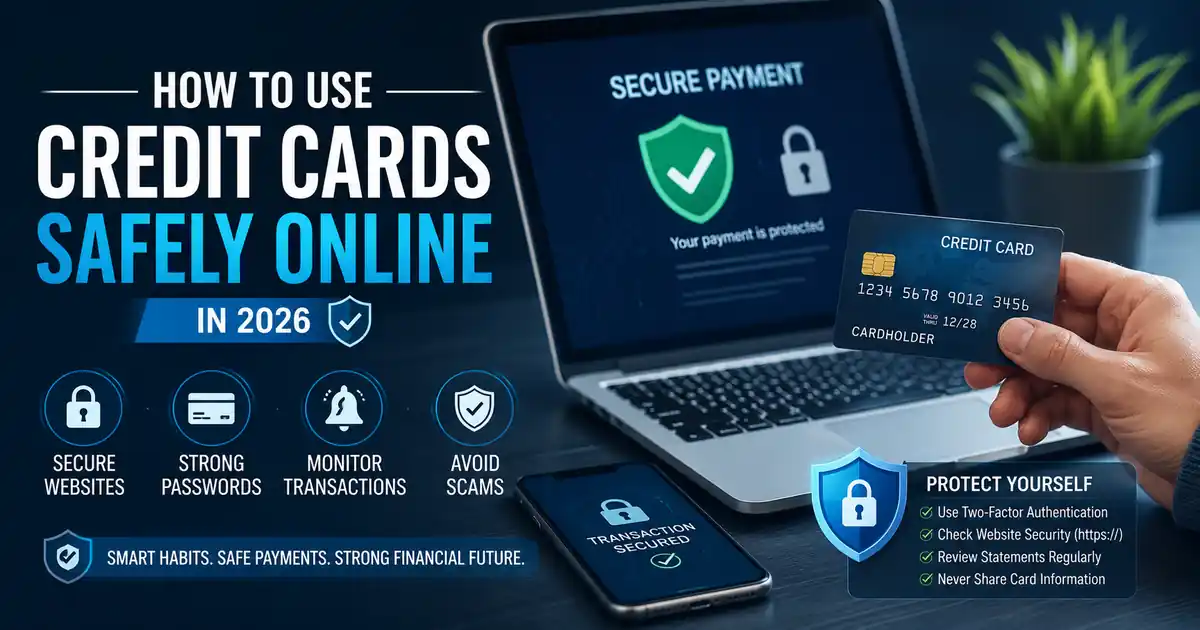
  • How to Use Credit Cards Safely Online in 2026

    How to Use Credit Cards Safely Online in 2026

    How to Use Credit Cards Safely Online in 2026


    how to use credit cards safely online

    By Subhash Rukade | Updated May 29, 2026

    Why Online Credit Card Safety Matters More Than Ever in 2026

    Millions of Americans are searching for how to use credit cards safely online because digital payments, mobile banking, and online shopping continue growing rapidly across the United States in 2026.

    Today, online credit cards are used for:

    • Shopping purchases
    • Subscription payments
    • Travel bookings
    • Investment platforms
    • Mobile banking systems

    However, while digital payments make life easier, online fraud risks are also increasing faster than ever before.

    Many Americans now face:

    • Phishing scams
    • Identity theft risks
    • Fake shopping websites
    • Fraudulent payment systems
    • Unsafe online banking activity

    Financially disciplined Americans now prioritize:

    • Secure online banking habits
    • Fraud monitoring systems
    • Two-factor authentication
    • Secure payment gateways
    • Long-term digital financial safety

    Unfortunately, many beginners still misunderstand how online financial scams actually work.

    Some consumers incorrectly believe:

    • Only large banks get targeted by hackers
    • Strong passwords alone are enough
    • Public Wi-Fi is safe for banking
    • Fraud alerts are unnecessary

    However, unsafe digital habits often create:

    • Financial losses
    • Account hacking risks
    • Unauthorized transactions
    • Credit score problems
    • Emotional financial stress

    Consumers wanting deeper understanding of smarter credit systems also continue learning through:
    Ultimate Credit Card Guide 2026: Best Cards, Rewards & Smart Usage Tips.

    The good news is Americans may still protect their finances by learning how to use credit cards safely online with stronger security habits, safer payment systems, and smarter financial awareness.

    In this beginner-friendly 2026 guide, we’ll explain the biggest online credit card risks, safe payment habits Americans use today, common financial mistakes consumers make, and the smartest strategies for protecting long-term digital financial security.

    Biggest Online Credit Card Risks Americans Face in 2026

    Understanding how to use credit cards safely online starts with learning the biggest online financial risks Americans face while using digital banking and online shopping systems.

    In 2026, online scams are becoming more advanced because hackers now target:

    • Mobile banking users
    • Online shoppers
    • Investment accounts
    • Digital payment systems
    • Credit card holders

    Financially disciplined Americans usually understand one important fact:

    Most online fraud problems begin through small digital security mistakes.

    1. Phishing Scams Continue Growing Rapidly

    One of the biggest online dangers Americans face today is phishing scams.

    Scammers often create:

    • Fake banking emails
    • Fraudulent payment alerts
    • Suspicious text messages
    • Fake customer support calls
    • Counterfeit login websites

    These scams attempt to steal:

    • Credit card information
    • Passwords
    • Banking login credentials
    • Personal financial data

    Financially disciplined consumers usually:

    • Verify website URLs carefully
    • Avoid suspicious email links
    • Ignore urgent payment scare tactics
    • Use official banking apps directly

    2. Fake Shopping Websites Create Financial Risks

    Many Americans unknowingly enter credit card information on fake eCommerce websites.

    These dangerous websites often:

    • Offer unrealistic discounts
    • Use copied brand logos
    • Appear professional visually
    • Steal payment information secretly

    Understanding how to use credit cards safely online may help Americans detect suspicious online stores before financial damage occurs.

    Financially disciplined consumers usually shop only through:

    • Trusted retailers
    • Secure payment gateways
    • HTTPS-protected websites
    • Verified shopping platforms

    3. Public Wi-Fi Creates Dangerous Banking Risks

    Many Americans continue using public Wi-Fi for:

    • Online banking
    • Credit card payments
    • Investment account access
    • Digital wallet transactions

    Unfortunately, unsecured public networks often increase:

    • Account hacking risks
    • Password theft exposure
    • Identity theft problems
    • Unauthorized financial access

    Financially disciplined Americans usually avoid public Wi-Fi while accessing financial accounts.

    4. Identity Theft Continues Hurting Consumers

    Identity theft remains one of the fastest-growing financial crimes in America.

    Hackers may use stolen information to:

    • Open fake accounts
    • Make unauthorized purchases
    • Access banking systems
    • Damage financial records

    Financially disciplined consumers now prioritize:

    • Strong password systems
    • Fraud monitoring tools
    • Two-factor authentication
    • Regular account reviews

    5. Unsafe Payment Systems Increase Fraud Risks

    Some online payment systems provide weaker security protection than others.

    Unsafe payment systems often create:

    • Higher fraud exposure
    • Data theft risks
    • Financial account vulnerability
    • Unauthorized transaction problems

    Financially disciplined Americans usually prefer:

    • Trusted payment processors
    • Secure digital wallets
    • Verified banking systems
    • Encrypted payment gateways

    Online RiskFinancial ConsequenceSafer Alternative
    Phishing scamsStolen financial informationVerify official websites carefully
    Fake shopping websitesUnauthorized transactionsShop through trusted retailers
    Public Wi-Fi bankingAccount hacking risksUse secure private networks
    Weak passwordsIdentity theft exposureUse strong password systems
    Unsafe payment systemsHigher fraud risksUse secure payment gateways

    Many Americans also continue strengthening broader financial preparedness through:
    How Americans Are Protecting Their Money During a Recession in 2026.

    Consumers planning stronger long-term financial stability also continue learning through:
    Retirement Healthcare Planning Strategies.

    Understanding these online financial dangers may help Americans build safer digital banking habits while protecting long-term financial security in 2026.

    Safe Online Credit Card Usage Habits Americans Use in 2026

    After understanding how to use credit cards safely online, the next important step is learning the safest digital banking habits financially disciplined Americans use to reduce fraud risks and protect long-term financial stability.

    In 2026, secure online payment systems have become essential because digital fraud attempts continue increasing rapidly across the United States.

    Financially disciplined consumers now focus heavily on:

    • Secure online banking habits
    • Fraud monitoring systems
    • Stronger password protection
    • Safer payment gateways
    • Long-term financial awareness

    Understanding how to use credit cards safely online may help Americans reduce financial risks while improving digital payment security.

    1. Two-Factor Authentication Improves Online Security

    Many banks now encourage consumers to activate:

    • Two-factor authentication
    • Biometric verification
    • Mobile banking alerts
    • Fraud monitoring systems

    These tools often help consumers:

    • Detect suspicious activity faster
    • Reduce account hacking risks
    • Protect financial accounts
    • Improve online banking security

    Financially disciplined Americans increasingly rely on these systems to strengthen digital financial protection in 2026.

    2. Strong Password Habits Reduce Identity Theft Risks

    Weak passwords remain one of the biggest reasons online financial accounts become compromised.

    Financial experts usually recommend:

    • Long password combinations
    • Uppercase and lowercase letters
    • Special characters
    • Unique passwords for each account

    Financially disciplined Americans usually avoid:

    • Simple passwords
    • Repeated password usage
    • Sharing banking credentials
    • Saving passwords on unsafe devices

    These habits often help consumers maintain stronger long-term financial protection.

    3. Secure Payment Gateways Protect Transactions

    Many financially disciplined Americans now prefer:

    • Verified payment processors
    • Encrypted payment systems
    • Trusted digital wallets
    • Secure banking apps

    Secure payment gateways often help consumers:

    • Reduce fraud exposure
    • Protect card information
    • Improve transaction safety
    • Maintain stronger digital security

    Understanding how to use credit cards safely online may help Americans avoid risky payment systems and reduce financial losses.

    4. Monitoring Statements Helps Detect Problems Early

    One of the safest financial habits Americans use today is reviewing account activity regularly.

    This often helps consumers:

    • Detect suspicious charges quickly
    • Track online purchases carefully
    • Improve budgeting awareness
    • Protect long-term financial stability

    Many financially disciplined borrowers now review account activity weekly instead of waiting for monthly statements.

    5. Mobile Banking Alerts Improve Financial Awareness

    Many financial institutions now provide instant alerts whenever:

    • Large purchases occur
    • International transactions appear
    • Password changes happen
    • Suspicious account activity develops

    These alerts often help Americans:

    • Respond faster to scams
    • Reduce fraud losses
    • Protect financial accounts
    • Improve digital financial awareness

    Consumers wanting deeper understanding of smarter credit systems also continue learning through:
    Ultimate Credit Card Guide 2026: Best Cards, Rewards & Smart Usage Tips.

    Many investors also continue strengthening passive income systems through:
    Top Dividend Stocks USA 2026.

    Safe Online HabitMain BenefitPotential Risk Avoided
    Two-factor authenticationStronger account securityUnauthorized access
    Strong password systemsImproved identity protectionPassword theft
    Secure payment gatewaysSafer transactionsFraud exposure
    Weekly statement reviewsBetter financial awarenessUnauthorized charges
    Mobile banking alertsFaster fraud detectionFinancial losses

    Financially successful Americans now understand safer online banking habits, stronger digital protection systems, and controlled financial behavior are all essential for maintaining long-term financial security in 2026.

    Real-World Example and Common Online Banking Mistakes Americans Make

    Even after understanding how to use credit cards safely online, many Americans still expose themselves to digital financial risks because unsafe online habits continue creating serious long-term financial problems.

    Credit cards can become powerful financial tools when managed responsibly online.

    However, weak digital security habits often create:

    • Financial fraud risks
    • Unauthorized transactions
    • Identity theft exposure
    • Long-term financial stress

    Real-World Example: Jennifer From Texas

    Jennifer, a 34-year-old marketing consultant from Texas, regularly used credit cards for online shopping, travel bookings, and subscription payments in 2026.

    At first, Jennifer believed:

    • Popular websites were always safe
    • Strong passwords alone were enough
    • Fraud alerts were unnecessary
    • Public Wi-Fi banking was harmless

    Unfortunately, Jennifer regularly:

    • Used the same password on multiple accounts
    • Clicked suspicious email links
    • Used public Wi-Fi for online banking
    • Ignored fraud monitoring alerts
    • Saved card information on unsafe websites

    Because her online banking habits became careless:

    • Suspicious transactions eventually appeared
    • Her banking account required emergency security resets
    • Financial stress increased rapidly
    • Unauthorized subscription charges accumulated

    Jennifer later realized understanding how to use credit cards safely online required stronger security discipline and smarter financial awareness.

    She eventually improved her financial safety habits by:

    • Activating two-factor authentication
    • Using secure password systems
    • Avoiding unsafe public networks
    • Reviewing statements weekly
    • Monitoring fraud alerts regularly

    As her security habits improved, her financial confidence and digital banking safety became much stronger.

    Weak Password Habits Create Serious Security Risks

    Many Americans continue using:

    • Simple passwords
    • Repeated passwords
    • Birthdates as passwords
    • Easy-to-guess combinations

    Unfortunately, weak password habits often create:

    • Account hacking risks
    • Identity theft exposure
    • Unauthorized transactions
    • Financial account vulnerability

    Financially disciplined Americans usually prioritize:

    • Unique password systems
    • Password managers
    • Two-factor authentication
    • Biometric security protection

    Ignoring Fraud Alerts Increases Financial Danger

    Many financial institutions now provide instant alerts whenever:

    • Large purchases occur
    • Unknown devices access accounts
    • International transactions appear
    • Password changes happen

    Unfortunately, some consumers ignore these notifications completely.

    This often increases:

    • Fraud exposure
    • Financial losses
    • Unauthorized account access
    • Identity theft risks

    Financially disciplined Americans now rely heavily on real-time banking alerts to maintain safer digital financial systems.

    Unsafe Online Shopping Habits Create Long-Term Problems

    Many Americans unknowingly expose credit card information by shopping on:

    • Fake eCommerce websites
    • Unsecured payment pages
    • Unknown international stores
    • Suspicious online advertisements

    Financially disciplined consumers usually:

    • Verify website security carefully
    • Check HTTPS protection
    • Research online retailers
    • Use trusted payment systems

    Common Online MistakeFinancial ConsequenceSmarter Alternative
    Weak passwordsAccount hacking risksStrong password systems
    Public Wi-Fi bankingIdentity theft exposureUse secure private networks
    Ignoring fraud alertsUnauthorized transactionsReal-time monitoring
    Shopping on fake websitesFinancial fraud lossesUse trusted retailers
    Saving card data everywhereHigher fraud exposureLimit stored payment data

    Consumers wanting deeper understanding of smarter credit systems also continue learning through:
    Ultimate Credit Card Guide 2026: Best Cards, Rewards & Smart Usage Tips.

    Many Americans also continue improving long-term investing discipline through:
    How to Build a Dividend Portfolio.

    Understanding how to use credit cards safely online may help Americans avoid dangerous digital banking mistakes while building stronger long-term financial protection in 2026.

    Practical Security Tips Americans Use to Protect Credit Cards Online

    After understanding how to use credit cards safely online, the next important step is learning the practical security habits financially disciplined Americans use daily to reduce fraud risks and improve long-term financial protection.

    In 2026, successful consumers improve online financial safety by focusing on:

    • Secure internet usage
    • Fraud monitoring systems
    • Safe mobile banking habits
    • Controlled online spending
    • Long-term financial awareness

    Consumers learning how to use credit cards safely online quickly realize stronger digital security habits often become the biggest difference between safer online banking and financial fraud exposure.

    1. VPN Protection Improves Online Banking Security

    Many financially disciplined Americans now use Virtual Private Networks (VPNs) while accessing financial accounts online.

    VPN systems often help consumers:

    • Encrypt internet activity
    • Reduce hacking exposure
    • Protect banking information
    • Improve online privacy

    This becomes especially important when:

    • Traveling frequently
    • Using hotel internet
    • Working remotely
    • Accessing mobile banking apps

    Financially disciplined consumers usually avoid unsecured public internet connections while managing sensitive financial information.

    2. Fraud Monitoring Helps Detect Problems Early

    Modern fraud monitoring systems can now instantly detect:

    • Suspicious transactions
    • Unknown login attempts
    • Large unexpected purchases
    • International transaction activity

    These systems often help Americans:

    • Respond faster to fraud risks
    • Protect financial accounts
    • Reduce unauthorized charges
    • Improve financial awareness

    Many financially disciplined Americans now review financial alerts daily instead of waiting for monthly statements.


    how to use credit cards safely online

    3. Secure Mobile Banking Habits Reduce Financial Risks

    Mobile banking continues growing rapidly across America in 2026.

    However, financially disciplined consumers usually follow safer habits including:

    • Downloading official banking apps only
    • Updating apps regularly
    • Using biometric login systems
    • Avoiding suspicious mobile links

    These habits often help consumers:

    • Reduce fraud exposure
    • Improve account security
    • Protect digital payment systems
    • Maintain safer online banking habits

    4. Spending Awareness Helps Reduce Fraud Exposure

    Many online fraud problems become worse because consumers stop monitoring online purchases carefully.

    Financially disciplined Americans usually:

    • Track online subscriptions
    • Review transaction history weekly
    • Limit unnecessary card usage
    • Separate spending categories clearly

    These habits often help consumers:

    • Detect suspicious charges quickly
    • Improve budgeting awareness
    • Reduce emotional spending
    • Maintain healthier financial discipline

    5. Secure Digital Wallets Improve Payment Safety

    Many Americans now use secure digital wallet systems including:

    • Apple Pay
    • Google Wallet
    • PayPal
    • Verified banking payment systems

    Secure digital wallets often help consumers:

    • Reduce direct card exposure
    • Protect payment information
    • Improve transaction encryption
    • Strengthen online payment security

    Financially disciplined borrowers understand how to use credit cards safely online is closely connected to safer digital payment systems and stronger online financial awareness.

    Many investors also continue strengthening wealth protection systems through:
    Gold Investment Strategies USA.

    Financially successful Americans now understand stronger online financial protection usually develops through secure banking habits, safer payment systems, fraud monitoring discipline, and smarter long-term financial awareness.

    These practical security strategies may help Americans reduce online fraud risks while protecting long-term financial stability in 2026.

    Future Online Banking and AI Fraud Protection Trends in 2026

    The financial industry is evolving rapidly, and many experts believe the systems connected to how to use credit cards safely online will continue changing dramatically during the next few years.

    In 2026, banks and financial technology companies are increasingly using:

    • Artificial intelligence
    • Automated fraud detection systems
    • Biometric verification tools
    • Real-time scam alerts
    • Advanced digital payment security

    Because digital banking continues expanding across America, financially disciplined consumers now prioritize both safer online payment systems and stronger fraud protection habits.

    Understanding how to use credit cards safely online is becoming even more important as AI banking systems continue influencing digital payment security and fraud prevention strategies.

    AI Fraud Detection Systems Are Becoming Smarter

    Modern banking systems can now automatically analyze:

    • Suspicious transaction behavior
    • Unknown device access
    • Unusual spending patterns
    • Foreign purchase activity
    • Potential scam attempts

    Many AI systems help Americans:

    • Detect scams faster
    • Reduce fraud exposure
    • Protect financial accounts
    • Improve digital banking safety
    • Strengthen financial awareness

    These tools are becoming extremely popular because many consumers want smarter ways to improve online financial protection while reducing fraud risks.

    Biometric Verification Improves Online Banking Security

    Many banks now use advanced security systems including:

    • Fingerprint verification
    • Facial recognition
    • Voice authentication
    • Behavior-based login monitoring

    These systems often help consumers:

    • Reduce password theft risks
    • Prevent unauthorized account access
    • Improve banking security
    • Strengthen digital financial protection

    Financially disciplined Americans increasingly rely on biometric systems for safer online banking experiences.

    Real-Time Scam Alerts Improve Financial Awareness

    Many financial institutions now provide instant alerts whenever:

    • Large purchases occur
    • Unknown devices access accounts
    • Password changes happen
    • International transactions appear
    • Suspicious financial activity develops

    These alerts often help Americans:

    • Respond quickly to scams
    • Reduce financial losses
    • Protect banking accounts
    • Maintain safer online payment habits

    Understanding how to use credit cards safely online may help Americans combine smarter digital security habits with stronger long-term financial protection.

    Future Security TrendMain BenefitPotential Risk
    AI fraud detectionFaster scam preventionTechnology dependence
    Biometric verificationStronger account securityPrivacy concerns
    Real-time scam alertsBetter fraud awarenessToo many notifications
    Digital wallet encryptionSafer transactionsMobile device dependence
    Automated monitoring systemsImproved account protectionOverreliance on automation

    Government Financial Protection Resources Continue Expanding

    Several official U.S. organizations now provide free financial education helping Americans improve online financial safety and digital banking awareness.

    The Consumer Financial Protection Bureau provides beginner-friendly online banking education:
    CFPB.gov.

    The Federal Trade Commission helps consumers stay aware of online scam and fraud risks:
    FTC Consumer Protection.

    The U.S. Securities and Exchange Commission also provides long-term investing education:
    SEC.gov.

    Technology may continue changing digital banking rapidly.

    However, financially successful Americans now understand stronger online financial protection usually develops through secure banking habits, smarter payment systems, fraud monitoring discipline, and safer long-term digital financial behavior in 2026 and beyond.

    Frequently Asked Questions About Safe Online Credit Card Usage in 2026

    How Can Americans Use Credit Cards Safely Online?

    Financial experts usually recommend:

    • Using two-factor authentication
    • Shopping only on secure websites
    • Activating fraud alerts
    • Using strong password systems
    • Reviewing account activity regularly

    Understanding how to use credit cards safely online may help Americans reduce fraud risks while improving long-term financial security.

    Is Public Wi-Fi Dangerous for Online Banking?

    Yes. Public Wi-Fi networks often increase:

    • Account hacking risks
    • Password theft exposure
    • Identity theft problems
    • Unauthorized account access

    Financially disciplined Americans usually avoid:

    • Public Wi-Fi banking
    • Public payment transactions
    • Accessing sensitive accounts on unsecured networks

    Secure private internet connections remain one of the safest online banking habits in 2026.

    Are Mobile Wallets Safer Than Direct Card Payments?

    Many secure digital wallets now provide:

    • Encrypted payment systems
    • Tokenized transactions
    • Biometric verification
    • Additional fraud protection

    Trusted mobile wallets often help Americans:

    • Reduce direct card exposure
    • Improve online payment safety
    • Protect banking information
    • Strengthen transaction security

    What Are the Biggest Online Scam Warning Signs?

    Some common online scam warning signs include:

    • Urgent payment requests
    • Suspicious banking emails
    • Fake shopping websites
    • Unrealistic discounts
    • Unknown payment links

    Financially disciplined Americans usually verify financial websites carefully before entering sensitive payment information.

    How Do Fraud Alerts Help Consumers?

    Fraud alerts help consumers:

    • Detect suspicious activity faster
    • Reduce financial losses
    • Protect online banking accounts
    • Improve financial awareness

    Many financially disciplined Americans now use real-time banking alerts as part of everyday digital financial management.

    Final Thoughts on How to Use Credit Cards Safely Online

    Understanding how to use credit cards safely online has become increasingly important because digital banking, online shopping, and mobile payment systems continue growing rapidly across America in 2026.

    When consumers ignore safe online banking habits, they often increase:

    • Fraud exposure
    • Identity theft risks
    • Unauthorized transaction problems
    • Long-term financial stress

    However, financially successful Americans now understand stronger digital financial security usually develops through:

    • Secure online banking habits
    • Fraud monitoring systems
    • Safer payment gateways
    • Controlled financial behavior
    • Long-term financial awareness

    Consumers wanting deeper understanding of smarter credit systems also continue learning through:
    Ultimate Credit Card Guide 2026: Best Cards, Rewards & Smart Usage Tips.

    Many Americans also continue improving long-term investing discipline through:
    How to Build a Dividend Portfolio.

    The biggest lesson Americans should remember is simple:

    Online financial safety improves when smarter digital habits become stronger than careless online behavior.

    Responsible online banking habits today may help Americans build stronger financial confidence, safer payment systems, and better long-term digital financial protection in 2026 and beyond.

    About the Author

    Subhash Rukade is the founder of Finance Investment, a financial education platform focused on helping Americans improve budgeting discipline, online banking safety, investing knowledge, passive income systems, and long-term financial stability.

    He specializes in:

    • Online financial security education
    • Credit card safety strategies
    • Fraud prevention awareness
    • Dividend investing
    • Long-term wealth-building education

    His mission is simple: Help Americans avoid financial scams, emotional money mistakes, and dangerous online banking habits through smarter digital financial education and disciplined financial planning.