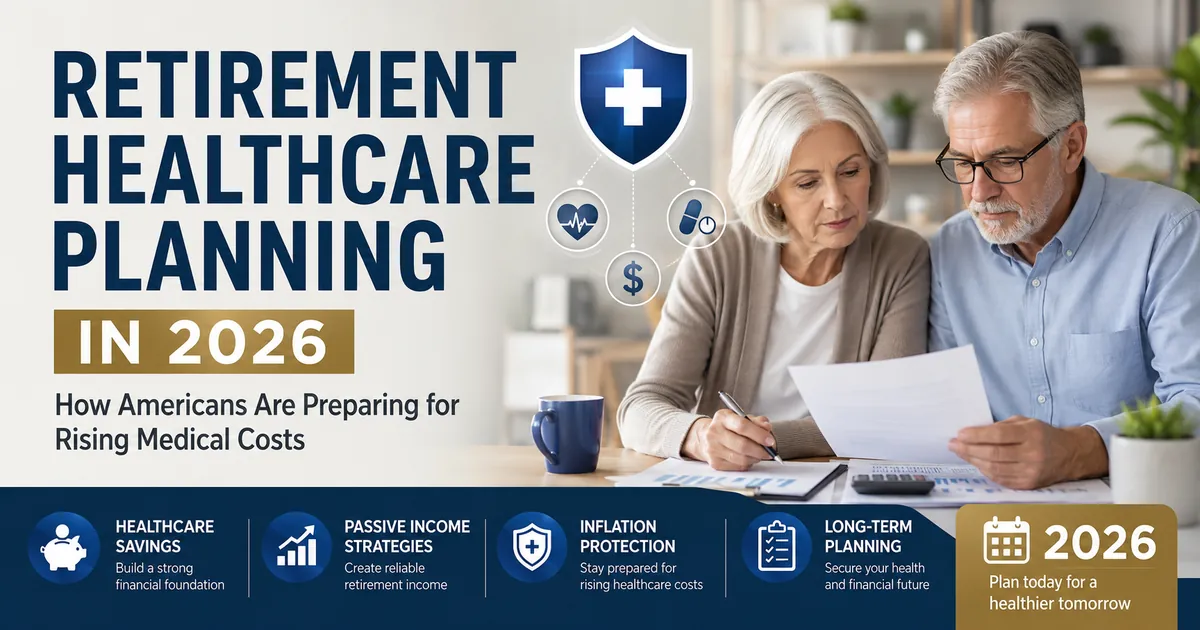

Retirement Healthcare Planning in 2026: How Americans Are Preparing for Rising Medical Costs
By Subhash Rukade | Updated May 15, 2026
Why Retirement Healthcare Planning Matters More Than Ever in 2026
In 2026, millions of Americans are becoming increasingly concerned about rising medical expenses, healthcare inflation, and long-term financial security during retirement.
This is one reason retirement healthcare planning is becoming one of the most important financial priorities for retirees across the United States.
Healthcare costs continue rising because of:
- Medical inflation
- Longer life expectancy
- Prescription drug costs
- Insurance premiums
- Long-term care expenses
Many retirees now realize healthcare expenses may become one of the largest financial challenges during retirement years.
Healthcare Costs in Retirement: How Americans Are Preparing Financially
Traditional retirement planning once focused mostly on saving money for basic living expenses.
However, financially disciplined Americans now understand strong retirement systems must also include:
- Healthcare savings
- Passive income systems
- Diversified investing
- Inflation protection
- Emergency financial planning
Many successful investors first learn the basics of long-term investing before building retirement-focused healthcare portfolios. This beginner-friendly guide explains those fundamentals clearly:
How to Invest in Stocks in 2026.
Understanding broader retirement wealth-building systems also helps investors prepare for future healthcare-related financial risks. This detailed guide explains how Americans are building stronger retirement systems in 2026:
How Americans Are Building Retirement Wealth in 2026.
Many financially successful retirees now prioritize long-term financial flexibility instead of depending heavily on one income source or one retirement strategy.
Instead, disciplined investors often focus on:
- Dividend investing
- ETF diversification
- Passive income growth
- Healthcare emergency funds
- Long-term investing discipline
Another major concern is inflation because healthcare expenses often rise faster than general living costs.
This makes retirement healthcare planning even more important for Americans preparing for long-term retirement stability in 2026.
In this detailed guide, we’ll explore how Americans are preparing for rising healthcare costs, the investment strategies retirees are using today, and the biggest mistakes investors should avoid while planning for retirement healthcare expenses.
Why Retirement Healthcare Costs Are Rising in America
In 2026, more Americans are prioritizing retirement healthcare planning because healthcare expenses continue increasing across nearly every part of the medical system.
Many retirees are realizing medical inflation may become one of the biggest long-term threats to retirement savings and financial flexibility.
Healthcare Costs in Retirement: How Americans Are Preparing Financially
Healthcare costs are rising because of several major economic and demographic trends affecting retirees across the United States.
1. Americans Are Living Longer
One major reason retirement healthcare planning is becoming increasingly important is longer life expectancy.
Many retirees now spend 20 to 30 years in retirement, which means healthcare expenses may continue growing for decades.
Longer retirement periods often increase:
- Prescription medication costs
- Doctor visits
- Hospital expenses
- Long-term care services
- Insurance premiums
Many financially disciplined retirees now focus on diversified investing strategies capable of supporting long-term financial flexibility.
2. Medical Inflation Continues Rising
Healthcare inflation often rises faster than normal consumer inflation in America.
Even moderate inflation may significantly increase retirement healthcare expenses over long periods.
Many retirees now understand healthcare inflation may reduce purchasing power faster than expected during retirement years.
This is one reason retirement healthcare planning continues becoming increasingly important for Americans in 2026.
3. Prescription Drug Costs Are Increasing
Prescription medication expenses continue creating financial pressure for retirees across the United States.
Many Americans now spend thousands of dollars annually on:
- Blood pressure medications
- Diabetes treatment
- Heart medications
- Specialized healthcare treatments
For retirees living on fixed income systems, rising prescription costs may significantly affect long-term financial stability.
4. Insurance Premiums Continue Rising
Healthcare insurance premiums remain one of the largest retirement expenses for many Americans.
Best Retirement Insurance Strategies in 2026
Retirees often face rising costs related to:
- Medicare supplemental plans
- Private insurance coverage
- Dental insurance
- Vision insurance
- Long-term care coverage
Many retirees now prioritize passive income systems capable of helping offset rising insurance-related expenses.
5. Long-Term Care Costs Are Expensive
Long-term care services continue becoming increasingly expensive throughout America.
These services may include:
- Assisted living
- Nursing care
- Home healthcare support
- Memory care services
Many retirees underestimate how strongly long-term care expenses may affect retirement savings over time.
| Healthcare Expense | Average Cost Trend |
|---|---|
| Prescription Drugs | Rising Rapidly |
| Insurance Premiums | High Increase |
| Hospital Services | Moderate to High |
| Long-Term Care | Very High |
| Dental & Vision Care | Moderate Increase |
Many financially disciplined investors now realize retirement healthcare planning requires more than simply saving money inside retirement accounts.
Instead, retirees increasingly focus on diversified investing, passive income systems, inflation protection, and long-term financial discipline to prepare for rising healthcare costs in 2026.
Biggest Healthcare Expenses Retirees Face in 2026
In 2026, rising medical expenses continue becoming one of the biggest financial concerns for retirees across America.
This is one reason retirement healthcare planning has become increasingly important for Americans preparing for long-term financial stability.
Many retirees underestimate how strongly healthcare expenses may affect retirement savings over time.
Healthcare costs often continue rising throughout retirement because of:
- Medical inflation
- Longer life expectancy
- Insurance premium increases
- Prescription drug expenses
- Long-term care services
1. Medicare Does Not Cover Everything
Many Americans believe Medicare will fully handle retirement healthcare expenses.
Medicare vs Private Insurance for Retirees in 2026
However, retirees often still pay for:
- Dental treatment
- Vision care
- Specialized medications
- Long-term healthcare services
- Out-of-pocket hospital costs
Because of these gaps, many financially disciplined retirees now prioritize retirement healthcare planning years before retirement begins.
2. Hospital Bills Continue Rising
Hospital expenses remain one of the most expensive healthcare costs facing retirees in America.
Unexpected hospital visits may create serious financial pressure because costs may include:
- Emergency care
- Surgical procedures
- Specialist consultations
- Recovery services
- Medical testing
Many retirees now maintain emergency healthcare savings to prepare for unexpected medical situations.
3. Prescription Drug Costs Affect Retirement Budgets
Prescription medication costs continue increasing rapidly across the United States.
Many retirees spend large portions of retirement income on:
- Blood pressure medication
- Diabetes treatment
- Heart medications
- Specialized therapies
For retirees living on fixed income systems, rising prescription expenses may significantly affect long-term retirement flexibility.
4. Dental and Vision Expenses Add Up Quickly
Dental and vision care remain common retirement expenses because many insurance plans provide limited coverage.
Retirees often pay separately for:
- Dental cleanings
- Root canals
- Eyeglasses
- Vision exams
- Specialized dental procedures
Many financially disciplined retirees now include dental and vision budgeting inside broader retirement healthcare planning systems.
5. Long-Term Care Services Are Extremely Expensive
Long-term care continues becoming one of the largest retirement healthcare expenses in America.
These services may include:
- Assisted living facilities
- Nursing home care
- Home healthcare support
- Memory care services
Many retirees underestimate how quickly long-term care costs may affect retirement savings and passive income systems.
6. Emergency Healthcare Costs Create Financial Pressure
Unexpected healthcare emergencies may happen without warning during retirement years.
Emergency medical expenses may include:
- Ambulance services
- Hospital admissions
- Emergency surgeries
- Specialized treatment
Many financially disciplined retirees now prioritize emergency healthcare savings and diversified passive income systems to improve long-term financial flexibility.
Many successful investors first learn strong long-term investing habits before building retirement-focused healthcare systems. This beginner-friendly guide explains those fundamentals clearly:
How to Invest in Stocks in 2026.
Many retirees also continue learning broader retirement wealth-building strategies here:
How Americans Are Building Retirement Wealth in 2026.
As healthcare expenses continue rising across America, retirement healthcare planning is becoming increasingly important for retirees preparing for long-term financial security and peace of mind.
Best Investment Strategies for Retirement Healthcare Planning
Many financially disciplined Americans now use diversified investing strategies to strengthen retirement healthcare planning and prepare for rising medical expenses during retirement years.
Emergency Funds for Retirees: How Much Is Enough in 2026?
In 2026, retirees increasingly understand strong healthcare planning requires both healthcare savings and passive income systems capable of supporting long-term financial flexibility.
Many successful retirees now prioritize investments capable of supporting:
- Passive income generation
- Inflation protection
- Long-term wealth growth
- Retirement stability
- Emergency healthcare flexibility

1. Dividend Investing Supports Passive Healthcare Income
Dividend investing remains one of the most popular retirement income strategies for Americans preparing for future healthcare expenses.
How Americans Are Using Dividend Stocks to Pay Medical Bills
Many financially stable companies continue paying recurring dividends that may help retirees create passive income systems during retirement years.
Dividend investing may help retirees:
- Generate recurring income
- Reduce dependence on savings accounts
- Improve retirement flexibility
- Support healthcare budgeting
Many retirement-focused investors continue building stronger dividend income systems using this guide:
How to Build a Dividend Portfolio.
Many investors also continue researching stronger dividend-focused retirement investments here:
Top Dividend Stocks USA 2026.
2. ETFs Simplify Healthcare Retirement Investing
ETFs remain extremely popular because they simplify diversification and reduce the complexity of retirement investing.
Many retirees use ETFs to gain exposure to:
- Healthcare companies
- Dividend-paying corporations
- Broad stock market indexes
- Bond markets
- Real estate sectors
Diversified ETFs may help retirees reduce emotional investing stress during uncertain market conditions.
3. REIT Investments Add Diversification
Many financially disciplined retirees use REIT investments to improve diversification and passive income generation.
Healthcare-related REITs may provide exposure to:
- Medical office buildings
- Senior housing facilities
- Healthcare infrastructure
- Hospital properties
Many retirees combine REIT exposure with dividend investing and ETFs for broader retirement healthcare planning diversification.
4. Bond Investing Improves Retirement Stability
Many retirees include bond investments inside healthcare-focused retirement portfolios to help reduce volatility and improve financial stability.
Bond income systems may help retirees:
- Reduce market risk
- Improve portfolio balance
- Create more predictable income
- Support healthcare emergency reserves
Although bond returns may fluctuate, many financially disciplined retirees still consider them important for retirement healthcare planning strategies.
5. Passive Income Systems Improve Financial Flexibility
Many successful retirees now prioritize building multiple passive income systems instead of depending heavily on one income source.
How Americans Are Using Dividend Stocks to Pay Medical Bills
Passive income investing may help retirees:
Best Passive Income Strategies to Cover Retirement Healthcare Costs
- Handle rising medical expenses
- Reduce financial stress
- Increase retirement flexibility
- Support long-term financial stability
Many investors also continue studying broader retirement wealth-building systems focused on passive income and long-term diversification:
How Americans Are Building Retirement Wealth in 2026.
Recommended Retirement Investing Book
Many retirement-focused investors learning about retirement healthcare planning continue studying long-term wealth-building and passive income strategies from this respected investing book:
How Americans Build Healthcare Emergency Funds for Retirement
In 2026, many financially disciplined retirees are prioritizing healthcare emergency savings because unexpected medical expenses may quickly affect retirement stability.
Emergency Funds for Retirees: How Much Is Enough in 2026?
This is one reason retirement healthcare planning now includes dedicated healthcare emergency funds alongside traditional retirement investing strategies.
Many retirees realize emergency healthcare expenses may happen without warning because of:
- Hospital visits
- Prescription costs
- Unexpected surgeries
- Specialized treatments
- Long-term healthcare needs
1. Emergency Savings Improve Retirement Flexibility
Healthcare emergency funds may help retirees reduce financial stress during difficult medical situations.
Many financially successful retirees maintain separate emergency healthcare savings instead of depending entirely on:
- Credit cards
- High-interest loans
- Retirement account withdrawals
Dedicated healthcare savings may improve retirement flexibility while helping retirees avoid emotional financial decisions during emergencies.
2. Many Americans Use High-Yield Savings Accounts
Some retirees keep healthcare emergency funds inside high-yield savings accounts because these accounts may provide:
- Liquidity
- Quick access to cash
- Lower investment risk
- Emergency financial protection
Although savings accounts alone may not fully offset inflation over long periods, many retirees still consider emergency cash reserves extremely important.
3. HSA Accounts Continue Growing in Popularity
Health Savings Accounts (HSAs) remain increasingly popular among Americans preparing for future healthcare expenses.
Best Health Savings Accounts (HSA) for Retirement Planning
Many investors use HSAs because they may offer:
- Tax advantages
- Healthcare savings growth
- Long-term retirement flexibility
- Medical expense support
Many financially disciplined retirees now include HSA accounts inside broader retirement healthcare planning systems.
4. Passive Income Helps Support Emergency Healthcare Costs
Many retirees combine emergency savings with passive income investing strategies capable of generating recurring income during retirement years.
Best Passive Income Strategies to Cover Retirement Healthcare Costs
Some popular retirement income systems include:
- Dividend investing
- Dividend ETFs
- Bond income
- REIT investments
Many retirement-focused investors continue building stronger passive income systems using this guide:
How to Build a Dividend Portfolio.
5. Healthcare Budgeting Is Becoming More Important
Many retirees now create monthly healthcare budgets to improve long-term financial visibility.
Healthcare budgeting may help retirees:
- Track prescription costs
- Prepare for insurance increases
- Reduce unnecessary expenses
- Improve emergency preparedness
This disciplined approach may help retirees remain financially stable during uncertain healthcare and economic conditions.
6. Diversification Reduces Financial Stress
Many financially successful retirees understand retirement healthcare planning is rarely built through one savings account or one investment strategy.
Instead, they often combine:
- Emergency savings
- Passive income systems
- Dividend investing
- ETF diversification
- Long-term healthcare planning
This diversified strategy may help retirees improve retirement confidence while preparing for rising healthcare expenses in 2026 and beyond.
Real-World Retirement Healthcare Planning Example
Understanding how Americans approach retirement healthcare planning becomes easier when you look at realistic retirement examples used by financially disciplined retirees today.
Many successful retirees are not depending entirely on Social Security or basic healthcare coverage.
Instead, they focus on diversified financial systems capable of supporting rising medical expenses, passive income needs, and long-term retirement flexibility.
Meet Robert and Susan From Arizona
Robert and Susan are a retired couple from Arizona who spent years preparing financially for rising healthcare costs during retirement.
Several years before retirement, they realized healthcare expenses could become one of their largest long-term financial challenges.
After researching retirement healthcare planning strategies, they gradually built a diversified retirement system focused on:
- Dividend investing
- ETF diversification
- Healthcare emergency savings
- Bond income
- Passive income systems
How They Structured Their Retirement Income System
Instead of depending heavily on one retirement account or one income source, Robert and Susan diversified their financial strategy over time.
They continued investing consistently while preparing specifically for future healthcare-related expenses.
| Income Source | Monthly Contribution |
|---|---|
| Dividend ETFs | $780 |
| Dividend Stocks | $520 |
| Bond Income | $340 |
| Healthcare Emergency Savings | $450 |
| Social Security | $2,200 |
| REIT Investments | $300 |
How Diversification Improved Their Retirement Stability
As Robert and Susan diversified their retirement portfolio, they became less dependent on one income source and more financially flexible during uncertain healthcare situations.
This helped them:
- Reduce financial stress
- Improve retirement confidence
- Prepare for inflation
- Handle healthcare emergencies more comfortably
This is one reason retirement healthcare planning continues becoming increasingly important for Americans in 2026.
How Passive Income Reduced Financial Pressure
Because Robert and Susan built multiple passive income systems, they became less emotionally affected by temporary market volatility and rising healthcare expenses.
How Americans Are Using Dividend Stocks to Pay Medical Bills
Their passive income strategy helped support:
- Prescription costs
- Insurance premiums
- Unexpected medical expenses
- Long-term retirement budgeting
Many financially disciplined retirees now prioritize passive income systems capable of improving long-term healthcare flexibility during retirement years.
What Robert and Susan Learned About Retirement Healthcare Planning
After years of financial preparation, they realized successful retirement healthcare planning is rarely built through emotional investing or risky short-term financial decisions.
Instead, financially successful retirees often focus on:
- Diversification
- Long-term investing discipline
- Passive income growth
- Emergency healthcare savings
- Financial patience
Their experience reflects a growing trend across America as retirees increasingly build diversified retirement systems capable of supporting healthcare expenses, inflation protection, and long-term financial stability.
Inflation and Retirement Healthcare Costs
In 2026, inflation continues creating major financial pressure for retirees across the United States.
This is one reason retirement healthcare planning has become increasingly important for Americans preparing for long-term medical expenses and financial stability.
Many retirees now realize healthcare inflation often rises faster than general living expenses, which may significantly reduce retirement purchasing power over time.
1. Healthcare Inflation Is Rising Faster Than Normal Inflation
Medical expenses often increase faster than ordinary consumer prices because of:
- Prescription drug costs
- Hospital services
- Insurance premiums
- Long-term care expenses
- Healthcare technology costs
Even moderate healthcare inflation may create substantial long-term financial pressure during retirement years.
Best Passive Income Strategies to Cover Retirement Healthcare Costs
Many financially disciplined retirees now prioritize diversified investing systems capable of helping offset inflation risk.
2. Prescription Drug Prices Continue Increasing
Prescription medication costs continue becoming more expensive across America.
Many retirees now spend significant portions of retirement income on:
- Heart medications
- Diabetes treatment
- Blood pressure medication
- Specialized healthcare treatments
For retirees living on fixed income systems, rising prescription expenses may strongly affect long-term retirement flexibility.
3. Insurance Premiums Reduce Retirement Purchasing Power
Healthcare insurance premiums continue increasing for many retirees in 2026.
Best Retirement Insurance Strategies in 2026
Retirees often face growing expenses related to:
- Medicare supplemental coverage
- Private healthcare insurance
- Dental coverage
- Vision insurance
- Long-term care protection
These rising expenses may gradually reduce purchasing power during retirement years.
4. Inflation Can Hurt Emergency Healthcare Savings
Many retirees keep emergency healthcare savings inside traditional savings accounts.
Healthcare Budgeting Tips for Early Retirees
However, inflation may slowly reduce the real purchasing power of cash over long periods.
This is one reason many financially disciplined retirees now combine:
- Emergency savings
- Dividend investing
- ETF diversification
- Passive income systems
- Defensive investments
5. Gold Diversification Helps Some Retirees Manage Inflation Risk
Some retirees include gold investments inside diversified retirement portfolios because gold has historically been viewed as a defensive asset during uncertain economic periods.
Many retirement-focused investors continue studying defensive diversification strategies here:
Gold Investment Strategies USA.
Although gold prices may fluctuate, some investors believe diversification may help improve long-term retirement stability during inflationary periods.
6. Passive Income Systems May Improve Inflation Flexibility
Many financially disciplined retirees now focus on passive income systems capable of generating recurring income during retirement years.
How Americans Are Using Dividend Stocks to Pay Medical Bills
Passive income strategies may help retirees:
- Handle rising healthcare costs
- Reduce financial stress
- Improve retirement flexibility
- Strengthen long-term financial stability
This is one reason retirement healthcare planning increasingly includes dividend investing, ETFs, REITs, and diversified passive income systems in 2026.
Many financially successful retirees now understand inflation protection is no longer optional because rising healthcare costs may significantly affect retirement savings and long-term financial confidence.
Biggest Retirement Healthcare Planning Mistakes Americans Make
Many Americans preparing for retirement accidentally weaken their retirement healthcare planning because of emotional financial decisions, poor preparation, and unrealistic expectations about future healthcare expenses.
Healthcare Budgeting Tips for Early Retirees
Avoiding common retirement healthcare mistakes may significantly improve long-term financial stability and retirement flexibility.
1. Ignoring Future Healthcare Costs
One of the biggest retirement planning mistakes is underestimating future medical expenses.
Some retirees assume Medicare or basic insurance coverage will fully handle all retirement healthcare needs.
However, many retirees still face:
- Prescription costs
- Hospital expenses
- Dental treatment
- Vision care
- Long-term healthcare services
Many financially disciplined retirees now prioritize healthcare emergency savings and diversified passive income systems because healthcare costs may continue rising for decades.
2. Depending Only on Social Security
Some retirees depend almost entirely on Social Security benefits for retirement income and healthcare expenses.
Although Social Security may provide important financial support, many retirees realize it may not fully cover:
- Medical inflation
- Insurance premiums
- Unexpected healthcare emergencies
- Long-term care services
This is one reason retirement healthcare planning now focuses heavily on diversification and passive income generation.
3. No Emergency Healthcare Fund
Many retirees fail to maintain dedicated emergency healthcare savings.
How Inflation Is Increasing Retirement Medical Expenses in 2026
Unexpected medical situations may create serious financial stress without:
- Cash reserves
- Emergency savings
- Passive income systems
- Portfolio diversification
Many financially successful retirees now prioritize healthcare emergency funds capable of supporting unexpected medical costs during retirement years.
4. Emotional Investing During Market Volatility
Fear and panic continue causing poor retirement investing decisions across America.
Some retirees sell long-term investments during temporary market declines because of short-term financial headlines and economic uncertainty.
Experienced investors often understand:
- Markets move in cycles
- Volatility is normal
- Long-term investing requires patience
Many financially disciplined retirees now prioritize diversified passive income systems instead of reacting emotionally during uncertain periods.
5. Ignoring Inflation Risks
Inflation continues reducing retirement purchasing power across America, especially regarding healthcare expenses.
How Inflation Is Increasing Retirement Medical Expenses in 2026
Some retirees keep excessive amounts of money inside low-interest savings accounts that may struggle to offset rising healthcare inflation over long periods.
Many financially disciplined retirees now combine:
- Dividend investing
- ETF diversification
- Defensive investments
- Passive income systems
- Long-term healthcare savings
What Financial Experts Recommend
The U.S. Securities and Exchange Commission encourages investors to focus on diversification, realistic expectations, and long-term financial planning:
SEC Investor Education.
Many retirement-focused investors also continue using educational planning resources from:
U.S. Securities and Exchange Commission.
Many financially successful retirees believe consistency, diversification, emergency healthcare preparation, and disciplined investing usually outperform emotional financial decisions over time.
Practical Retirement Healthcare Planning Tips for Americans
In 2026, financially disciplined retirees are focusing more seriously on practical retirement healthcare planning strategies capable of supporting long-term financial flexibility and rising medical expenses.
Strong retirement healthcare systems are rarely built through emotional investing or short-term financial decisions.
Instead, successful retirees often prioritize consistent financial habits, diversification, and passive income investing.
1. Create a Dedicated Healthcare Budget
Many retirees now maintain separate healthcare budgets to improve financial visibility during retirement years.
Healthcare budgeting may help retirees:
- Track medical expenses
- Prepare for insurance increases
- Reduce unnecessary spending
- Improve emergency preparedness
Many financially successful retirees review healthcare spending regularly instead of waiting for financial emergencies.
2. Diversify Retirement Income Sources
Many retirees now understand diversification may reduce long-term financial stress during uncertain economic conditions.
Instead of depending heavily on one income source, financially disciplined retirees often combine:
- Dividend investing
- Dividend ETFs
- Bond income
- REIT investments
- Emergency savings
This diversified approach may help retirees improve long-term retirement flexibility while preparing for future healthcare expenses.
3. Build Passive Income Systems Early
Many Americans now begin building passive income systems years before retirement.
Passive income investing may help retirees:
- Reduce financial pressure
- Improve retirement confidence
- Support healthcare expenses
- Strengthen long-term financial stability
Many retirement-focused investors continue building stronger dividend income systems using this guide:
How to Build a Dividend Portfolio.
4. Maintain Long-Term Investing Discipline
Many financially successful retirees avoid emotional investing behavior during temporary market declines.
Experienced investors often understand:
- Markets move in cycles
- Volatility is normal
- Patience matters
- Long-term investing requires discipline
This disciplined mindset may help retirees remain focused on long-term healthcare and retirement goals instead of reacting emotionally to short-term financial headlines.
5. Review Healthcare Plans Regularly
Healthcare costs and insurance options continue changing rapidly across America.
Many retirees now review:
- Insurance coverage
- Healthcare budgets
- Prescription expenses
- Emergency healthcare savings
- Passive income systems
Regular financial reviews may help retirees adjust retirement healthcare planning strategies before small problems become major financial challenges.
Popular Platform for Retirement Planning
Many retirement-focused investors use professional investing platforms offering retirement accounts, passive income investing tools, and long-term financial planning resources:
Vanguard Retirement Planning
.
6. Focus on Long-Term Financial Flexibility
Many financially disciplined retirees now prioritize flexibility instead of depending entirely on one retirement strategy or one investment category.
Long-Term Care Planning for Retirement in America
This balanced approach may help retirees:
- Handle inflation more comfortably
- Reduce financial stress
- Prepare for healthcare emergencies
- Maintain retirement confidence
This is one reason retirement healthcare planning continues becoming increasingly important for Americans preparing for long-term retirement stability in 2026.
Future Trends in Retirement Healthcare Planning
The future of retirement healthcare planning continues evolving rapidly as technology, healthcare innovation, and passive income investing become increasingly important across the United States.
Long-Term Care Planning for Retirement in America
In 2026, many retirees are focusing more seriously on diversified healthcare planning systems capable of supporting long-term financial flexibility and rising medical expenses.
Modern retirement healthcare planning is becoming more technology-driven, automated, and data-focused than ever before.
1. AI Healthcare Planning Is Expanding
Artificial intelligence is increasingly influencing retirement healthcare planning and long-term financial management.
Modern financial platforms now use AI systems to help analyze:
- Healthcare expense projections
- Retirement budgeting
- Portfolio diversification
- Passive income opportunities
- Long-term financial risks
These tools may help retirees make more informed healthcare and retirement planning decisions while reducing emotional investing behavior.
2. Digital Retirement Tools Continue Growing
Many Americans now use digital financial tools to improve healthcare savings and retirement visibility.
Modern retirement platforms may help retirees:
- Track healthcare expenses
- Monitor investment performance
- Estimate retirement income
- Manage emergency savings
- Build passive income systems
Technology is helping many retirees improve long-term retirement organization and financial discipline.
3. Healthcare Technology Investments Are Expanding
Healthcare technology companies continue growing rapidly because America’s aging population is increasing demand for healthcare services and medical innovation.
Medicare vs Private Insurance for Retirees in 2026
Many retirees now gain exposure to healthcare sectors through:
- Healthcare ETFs
- Dividend-paying healthcare companies
- Medical REIT investments
- Healthcare-focused mutual funds
Some investors believe healthcare innovation may continue creating long-term investment opportunities throughout the retirement sector.
4. Automated Passive Income Systems Are Becoming More Popular
Many financially disciplined retirees now use automated investing systems to maintain consistent passive income growth during retirement years.
Modern platforms may automatically:
- Reinvest dividends
- Balance portfolios
- Track healthcare savings
- Monitor retirement goals
Automation may help retirees remain disciplined during uncertain market conditions and healthcare inflation periods.
5. Healthcare Inflation Planning Will Become More Important
Many financial experts believe healthcare inflation may remain one of the biggest retirement challenges over the next decade.
This is why retirement healthcare planning increasingly focuses on:
- Passive income generation
- Diversification
- Inflation protection
- Long-term investing discipline
- Healthcare emergency savings
Many financially successful retirees now understand retirement healthcare planning requires preparation for both financial and medical uncertainty.
6. Professional Retirement Research Is Easier to Access
Modern retirees now have easier access to professional retirement research and financial education resources.
Platforms like Nasdaq continue publishing retirement-focused investing insights and healthcare market research:
Nasdaq Market Research.
Many retirees also continue using professional retirement planning tools and educational resources from:
Fidelity Retirement Planning.
Popular Platform for Retirement Investing
Many retirement-focused investors use platforms offering dividend investing, ETFs, retirement accounts, and automated portfolio management:
Charles Schwab
.
As healthcare expenses continue rising, retirement healthcare planning will likely remain one of the most important financial priorities for Americans preparing for long-term retirement stability and peace of mind.
Frequently Asked Questions About Retirement Healthcare Planning
How Much Should Americans Save for Retirement Healthcare Costs?
The amount retirees should save depends on:
- Healthcare needs
- Retirement lifestyle
- Insurance coverage
- Prescription expenses
- Long-term care risks
Many financially disciplined retirees now prioritize retirement healthcare planning years before retirement because healthcare expenses may continue rising over long periods.
Many retirees also combine emergency savings, passive income investing, and diversified portfolios to improve long-term healthcare flexibility.
Does Medicare Cover All Retirement Healthcare Expenses?
No. Medicare helps many retirees, but it may not fully cover:
- Dental care
- Vision treatment
- Long-term care services
- Specialized prescriptions
- Certain medical procedures
This is one reason many Americans continue building diversified healthcare savings and passive income systems during retirement years.
What Investments Help Retirement Healthcare Planning?
Many financially disciplined retirees use diversified investments capable of supporting passive income generation and long-term financial flexibility.
Long-Term Care Planning for Retirement in America
Some popular retirement-focused investment strategies include:
- Dividend stocks
- Dividend ETFs
- Bond investments
- REIT diversification
- Healthcare-focused ETFs
Many investors continue learning about diversified passive income systems here:
How Americans Are Building Retirement Wealth in 2026.
Are Dividend Stocks Good for Retirement Healthcare Planning?
Many retirees use dividend stocks because recurring dividend income may help support:
- Prescription expenses
- Insurance premiums
- Emergency healthcare costs
- Long-term retirement budgeting
Many financially disciplined retirees continue researching stronger dividend-focused retirement strategies here:
Top Dividend Stocks USA 2026.
How Do Retirees Handle Healthcare Inflation?
Many retirees now prioritize diversified passive income systems because healthcare inflation may reduce retirement purchasing power over time.
Financially disciplined retirees often combine:
- Dividend investing
- ETF diversification
- Healthcare emergency savings
- Defensive investments
- Long-term financial planning
Some retirees also diversify retirement portfolios using defensive investment strategies during uncertain economic periods:
Gold Investment Strategies USA.
Why Is Retirement Healthcare Planning So Important in 2026?
Healthcare costs continue rising rapidly across America because of:
- Medical inflation
- Longer life expectancy
- Insurance cost increases
- Prescription price growth
- Healthcare technology expenses
Many financially successful retirees now understand retirement healthcare planning is no longer optional because healthcare expenses may become one of the largest long-term retirement costs.
Emergency Funds for Retirees: How Much Is Enough in 2026?
This is why more Americans are preparing through diversified investing, passive income systems, and long-term financial discipline in 2026.
Final Thoughts on Retirement Healthcare Planning in 2026
In 2026, millions of Americans are realizing healthcare expenses may become one of the biggest long-term financial challenges during retirement years.
Best Retirement Insurance Strategies in 2026
This is why retirement healthcare planning has become one of the most important parts of modern retirement preparation across the United States.
Financially disciplined retirees now understand retirement success is no longer based only on basic savings accounts or traditional retirement systems.
Healthcare Costs in Retirement: How Americans Are Preparing Financially
Instead, successful retirees often focus on:
- Passive income systems
- Healthcare emergency savings
- Dividend investing
- ETF diversification
- Long-term financial discipline
Many retirees now prioritize flexibility because healthcare inflation, prescription costs, insurance premiums, and long-term care expenses may continue increasing over time.
This is one reason diversified passive income systems are becoming increasingly important for retirement healthcare planning in 2026.
Many financially successful retirees combine:
- Dividend stocks
- Dividend ETFs
- Bond income
- REIT investments
- Healthcare emergency funds
These diversified retirement systems may help retirees improve financial confidence while preparing for future healthcare uncertainty.
Many retirement-focused investors continue building stronger passive income systems using this guide:
How to Build a Dividend Portfolio.
Many investors also continue learning broader long-term retirement strategies here:
How Americans Are Building Retirement Wealth in 2026.
The most important step is remaining disciplined, diversified, and focused on long-term financial goals instead of reacting emotionally to short-term market headlines or economic uncertainty.
Over time, disciplined retirement healthcare planning may help Americans create stronger retirement confidence, better financial flexibility, and greater peace of mind during retirement years.
Join Our Retirement Planning Community
Want more retirement investing guides, healthcare planning strategies, passive income ideas, and 2026 financial insights?
Subscribe to our newsletter and receive beginner-friendly retirement strategies designed specifically for long-term U.S. investors preparing for financial freedom and healthcare stability.
Leave a Reply