Tag: Money Management

  • How Much Should You Invest in SIP Every Month? A Complete 2026 Guide

    How Much Should You Invest in SIP Every Month? A Complete 2026 Guide

    How Much Should You Invest in SIP Every Month? A Complete 2026 Guide

    <!-- FOCUS KEYWORD --> how much should you invest in sip every month


    By Subhash Rukade | Updated June 2, 2026

    How Much Should You Invest in SIP Every Month?

    One of the most common questions new investors ask is:
    How much should you invest in SIP every month?

    The answer is not the same for everyone.

    Your ideal SIP amount depends on your income, financial goals, lifestyle, risk tolerance, and investment timeline.

    Some investors begin with $100 per month, while others comfortably invest $1,000 or more every month.

    The good news is that successful SIP investing is not about starting with a large amount. Instead, it is about building a habit of consistent monthly investing.

    Many investors delay investing because they believe they need thousands of dollars to get started.

    However, history shows that regular investing combined with time and compounding often matters more than the initial investment amount.

    If you want a complete roadmap for monthly investing and long-term wealth creation, start with:


    SIP Investing Guide 2026: How Monthly Investing Builds Long-Term Wealth

    The biggest mistake investors make is focusing only on how much they should invest instead of focusing on how consistently they invest.

    Even modest monthly contributions can grow into substantial wealth when invested for decades.

    • Consistency beats perfection.
    • Time beats market timing.
    • Compounding rewards patience.
    • Investing habits matter more than starting size.

    Before increasing your SIP amount, it is also important to improve overall financial management.

    Investors looking to optimize spending and rewards may find value in:


    Best Credit Cards 2026: Rewards, Cashback & Smart Usage Guide

    Throughout this guide, you’ll learn how to calculate the right SIP amount, avoid common mistakes, select suitable investments, and build a long-term investing strategy that aligns with your financial goals.

    How to Decide Your Monthly SIP Amount in 2026

    After understanding the basics, the next question is:
    How much should you invest in SIP every month?

    The answer depends on your personal financial situation.

    There is no universal SIP amount that works for everyone.

    A recent college graduate earning $50,000 per year will likely invest differently than a professional earning $150,000 annually.

    The goal is not to invest the largest possible amount.

    The goal is to invest an amount that you can comfortably maintain for years without disrupting your financial stability.

    Start With Your Monthly Income

    One of the easiest ways to determine how much should you invest in SIP every month is to evaluate your monthly income.

    Many financial planners recommend saving and investing a percentage of income rather than focusing on a fixed dollar amount.

    For example:

    • 10% of income = Conservative starting point
    • 15% of income = Strong wealth-building approach
    • 20%+ of income = Aggressive long-term investing strategy

    Investors who receive salary increases can gradually increase their SIP contributions over time.

    The 50/30/20 Rule

    A popular budgeting framework is the 50/30/20 rule.

    • 50% for needs
    • 30% for wants
    • 20% for savings and investing

    While not perfect for everyone, this rule provides a useful starting point for determining how much should you invest in SIP every month.

    For example:

    • Monthly Income: $5,000
    • 20% Savings/Investing Allocation: $1,000
    • Potential SIP Amount: $500–$1,000

    Build an Emergency Fund First

    Before committing large amounts to investing, it is important to maintain an emergency fund.

    Many financial professionals recommend saving three to six months of essential living expenses before aggressively increasing investments.

    An emergency fund helps investors avoid selling investments during unexpected financial situations.

    This creates greater stability and allows SIP investing to continue uninterrupted.

    Annual IncomeMonthly IncomeSuggested SIP Range
    $40,000$3,300$200–$400
    $60,000$5,000$400–$800
    $80,000$6,600$600–$1,200
    $100,000$8,300$800–$1,600
    $150,000+$12,500+$1,500+

    Consider Your Risk Tolerance

    Another factor affecting how much should you invest in SIP every month is risk tolerance.

    Some investors are comfortable investing a larger portion of income because they have stable careers, emergency savings, and long investment horizons.

    Others may prefer a more conservative approach.

    Neither approach is wrong.

    The best SIP amount is one that allows you to stay invested consistently through different market environments.

    Focus on Sustainability

    Many investors start aggressively and then stop investing after a few months.

    A sustainable investing habit is often more valuable than a large but temporary investment commitment.

    When asking How Much Should You Invest in SIP Every Month?, focus on an amount you can confidently invest for years—not just weeks or months.

    The biggest takeaway from this section is simple:
    start with an amount that fits your budget today and increase contributions gradually as your income grows.

    How Different Monthly SIP Amounts Can Build Wealth Over Time

    Once investors understand the basics, the next question naturally becomes:
    How Much Should You Invest in SIP Every Month?

    The answer often depends on your financial goals.

    Some investors want to build an emergency investment portfolio. Others focus on retirement, passive income, or long-term financial freedom.

    Regardless of your goal, one thing remains true:
    consistent investing combined with compounding can create impressive results over time.

    The amount you invest matters. However, the length of time you remain invested can have an even greater impact on long-term wealth creation.

    Example 1: Investing $100 Per Month

    Many beginners believe $100 per month is too small to make a difference.

    In reality, starting small is often far better than waiting.

    A $100 monthly SIP invested consistently over decades can potentially grow into a meaningful investment portfolio.

    More importantly, it helps develop the investing habit that leads to larger contributions later.

    Example 2: Investing $500 Per Month

    A $500 monthly SIP is a common target for many middle-income investors.

    This amount can balance affordability with long-term growth potential.

    Over a 20- to 30-year investment horizon, consistent contributions combined with compounding can create substantial wealth.

    This is why many investors researching How Much Should You Invest in SIP Every Month? choose to start around this range.

    Example 3: Investing $1,000 Per Month

    Higher-income investors often allocate $1,000 or more per month toward long-term investing goals.

    The advantage is simple:

    • More capital invested
    • More compounding potential
    • Greater retirement flexibility
    • Faster wealth accumulation

    However, even larger contributions are most effective when maintained consistently over long periods.

    Monthly SIP10 Years20 Years30 Years
    $100Steady GrowthSignificant GrowthStrong Compounding
    $500Meaningful PortfolioSubstantial WealthPotential Financial Freedom
    $1,000Accelerated GrowthLarge PortfolioMajor Wealth Potential

    Why Compounding Changes Everything

    Compounding is one of the biggest reasons investors ask:
    How Much Should You Invest in SIP Every Month?

    When earnings remain invested, they begin generating additional earnings.

    Over time, this creates a snowball effect that becomes increasingly powerful.

    This is why investors who begin early often accumulate significantly more wealth than those who wait—even if their monthly contributions are similar.

    Dividend Investing Can Accelerate Growth

    Many long-term investors also incorporate dividend-producing investments into their portfolios.

    Dividend stocks and dividend ETFs can provide additional income while supporting portfolio growth.

    Investors interested in building an income-focused strategy should explore:


    How to Build a Dividend Portfolio

    Reinvesting dividends can strengthen compounding and potentially increase long-term returns.

    A Recommended Investing Resource

    One of the most respected investing books available today is:


    The Psychology of Money by Morgan Housel

    The book highlights how patience, consistency, and behavior often matter more than trying to find the perfect investment.

    The biggest lesson from this section is simple:
    the exact amount matters less than getting started. Whether you invest $100, $500, or $1,000 per month, consistent investing combined with compounding can become a powerful wealth-building strategy.

    Best Investments for Different SIP Amounts in 2026

    Once investors determine How Much Should You Invest in SIP Every Month?, the next important step is choosing where that money should be invested.

    Even a well-planned SIP amount may not produce strong results if investments are poorly selected.

    Fortunately, today’s investors have access to low-cost, diversified investment options that can support long-term wealth creation.

    For most investors, the goal should be simplicity, diversification, and consistency.

    Index Funds: A Strong Foundation for SIP Investing

    Index funds remain one of the most popular investment choices for long-term investors.

    Instead of attempting to pick individual winning stocks, index funds provide exposure to hundreds of companies through a single investment.

    Benefits include:

    • Broad diversification
    • Lower investment costs
    • Reduced stock-specific risk
    • Simple portfolio management
    • Strong long-term growth potential

    Whether you’re investing $100 or $1,000 monthly, index funds can provide a solid foundation for a SIP portfolio.

    S&P 500 ETFs for Growth-Oriented Investors

    The S&P 500 has historically been one of the most widely followed stock market benchmarks.

    Many investors who ask How Much Should You Invest in SIP Every Month? eventually allocate a portion of their portfolio to S&P 500 ETFs.

    These investments offer:

    • Exposure to leading U.S. companies
    • Long-term growth potential
    • Low management fees
    • Broad diversification

    For investors with long investment horizons, S&P 500 funds often become a core portfolio holding.


    how much should you invest in sip every month investing strategy

    Dividend Investing for Additional Income

    Some investors prefer investments that generate income in addition to capital appreciation.

    Dividend-paying stocks and dividend ETFs can provide cash distributions while still supporting long-term growth.

    Investors looking for dividend opportunities should also review:


    Top Dividend Stocks USA 2026

    Reinvesting dividends can increase compounding and potentially improve long-term results.

    Investment TypeMain BenefitBest For
    Index FundsBroad diversificationMost investors
    S&P 500 ETFsLong-term growthGrowth investors
    Dividend ETFsIncome + growthIncome-focused investors
    Dividend StocksPassive incomeExperienced investors
    Balanced FundsRisk managementConservative investors

    A Valuable Investing Resource

    Another highly recommended investing book is:


    The Simple Path to Wealth by JL Collins

    The book explains why low-cost investing, diversification, and patience remain essential ingredients for long-term success.

    The Right Investment Matters as Much as the Amount

    When evaluating How Much Should You Invest in SIP Every Month?, many investors focus exclusively on the contribution amount.

    However, investment quality plays an equally important role.

    A diversified portfolio invested consistently over decades can often outperform complicated strategies that rely on frequent trading or market predictions.

    The biggest lesson from this section is simple:
    choose quality investments, remain diversified, and stay committed to your SIP plan regardless of short-term market fluctuations.

    Real Investor Example and Common SIP Investing Mistakes to Avoid

    One of the best ways to answer the question How Much Should You Invest in SIP Every Month? is by looking at real-world investing behavior.

    Many investors spend too much time searching for the perfect monthly investment amount and not enough time focusing on consistency.

    The reality is that successful investing is often more about discipline than mathematics.

    Case Study: Two Investors, Two Different Outcomes

    Let’s compare two investors with similar incomes.

    Both earn approximately $75,000 annually and want to build wealth for retirement.

    Investor A: Consistent SIP Investor

    Sarah decides to invest $500 every month into a diversified portfolio of index funds and ETFs.

    She increases her SIP amount slightly whenever she receives a salary raise.

    More importantly, she continues investing during market corrections and economic uncertainty.

    Her focus remains on long-term wealth creation rather than short-term market movements.

    Investor B: Inconsistent Investor

    David initially plans to invest $1,000 per month.

    However, he frequently changes his investment strategy.

    Sometimes he invests heavily. Other times he stops investing entirely because of market fears.

    Although David occasionally invests more money than Sarah, his lack of consistency hurts long-term performance.

    This example demonstrates an important lesson:

    When asking How Much Should You Invest in SIP Every Month?, consistency often matters more than choosing the perfect amount.

    FactorSarahDavid
    Monthly InvestingConsistentInconsistent
    Market DisciplineStrongWeak
    Long-Term FocusHighModerate
    Investment HabitsStableVariable
    Wealth Building PotentialHigherLower

    Common Mistake #1: Investing Too Little

    Some investors start investing but never increase contributions as income grows.

    While starting small is perfectly acceptable, increasing SIP contributions over time can dramatically improve long-term results.

    A yearly increase of even 5% to 10% can make a meaningful difference over several decades.

    Common Mistake #2: Investing Too Much

    On the other hand, some investors become overly aggressive and invest amounts they cannot comfortably sustain.

    When unexpected expenses occur, they may be forced to stop investing or sell investments prematurely.

    The best SIP amount is one that remains sustainable through different life situations.

    Common Mistake #3: Stopping During Market Declines

    Market corrections are normal.

    Unfortunately, many investors panic when markets fall.

    Instead of continuing their SIP plans, they stop investing at exactly the wrong time.

    Historically, periods of market weakness have often created opportunities for long-term investors to accumulate investments at lower prices.

    Investors looking to prepare for uncertain market conditions should also review:


    Recession-Proof Investing 2026

    A Complete SIP Investing Roadmap

    If you want a step-by-step framework for building wealth through recurring investing, retirement planning, and long-term portfolio growth, continue with:


    SIP Investing Guide 2026: How Monthly Investing Builds Long-Term Wealth

    The biggest lesson from this section is simple:
    the answer to How Much Should You Invest in SIP Every Month? is not necessarily the largest amount possible. Instead, it is the amount you can invest consistently while continuing to grow contributions as your financial situation improves.

    Practical SIP Investing Tips, Diversification, and Future Trends for 2026

    After determining How Much Should You Invest in SIP Every Month?, the next step is making sure those investments are managed intelligently.

    Successful investors understand that wealth creation is not only about the amount invested. It is also about diversification, risk management, and staying invested through different market conditions.

    Fortunately, today’s investors have access to more tools and resources than ever before.

    Diversification Is Still the Best Defense Against Risk

    Diversification remains one of the most important principles in investing.

    Rather than relying on a single stock or industry, diversified investors spread money across different asset classes.

    A diversified portfolio may include:

    • Index Funds
    • S&P 500 ETFs
    • Dividend Stocks
    • International Funds
    • Bond Funds
    • Alternative Investments

    Diversification helps reduce the impact of poor performance in any one investment.

    This is particularly important for investors who plan to continue SIP investing for decades.

    Should You Include Gold in Your Portfolio?

    Many investors choose to allocate a small portion of their portfolio to gold and other alternative assets.

    Gold has historically been viewed as a store of value and a potential hedge during periods of inflation or economic uncertainty.

    Investors interested in this strategy should also explore:


    Gold Investment Strategies USA

    While gold should not replace a diversified stock portfolio, it can complement a broader investment strategy.

    StrategyPrimary Benefit
    DiversificationRisk Reduction
    Monthly SIP InvestingConsistency
    Dividend ReinvestmentCompounding Growth
    Long-Term InvestingWealth Creation
    Asset AllocationPortfolio Stability

    Technology Is Transforming Investing

    The investing world continues evolving rapidly in 2026.

    Modern investors can now benefit from:

    • AI-powered investment tools
    • Portfolio tracking applications
    • Automated recurring investing
    • Robo-advisors
    • Fractional investing platforms

    These tools make it easier to stay organized and maintain investing discipline.

    However, technology cannot replace the core habits behind successful investing:

    • Patience
    • Consistency
    • Diversification
    • Long-term thinking

    Use Trusted Financial Resources

    Investors should always verify information using reputable financial sources.

    These organizations provide educational resources, investor alerts, and guidance designed to help investors make informed financial decisions.

    A Helpful Platform for Long-Term Investors

    Many investors use established brokerage platforms such as:


    Fidelity Investments

    Fidelity offers retirement accounts, brokerage services, educational resources, and portfolio management tools suitable for both new and experienced investors.

    The Future of SIP Investing

    As investing becomes more accessible and technology continues advancing, SIP investing is expected to remain a popular wealth-building strategy.

    The biggest advantage is its simplicity.

    Whether an investor contributes $100 or $1,000 per month, the principles remain the same:

    • Invest consistently
    • Stay diversified
    • Think long term
    • Allow compounding to work

    The biggest takeaway from this section is simple:
    when deciding How Much Should You Invest in SIP Every Month?, focus on creating a sustainable investing system that can continue working for years and decades—not just months.

    Frequently Asked Questions About How Much Should You Invest in SIP Every Month?

    1. What Is the Minimum Amount I Should Invest Every Month?

    There is no universal minimum amount. Many investors start with $100 to $200 per month and gradually increase contributions as income grows. The most important factor is consistency.

    2. Is Investing 10% of Income Enough?

    For many investors, allocating 10% to 15% of income toward long-term investing is a solid starting point. Those pursuing aggressive retirement goals may choose to invest 20% or more.

    3. Should I Increase My SIP Amount Every Year?

    Yes. Increasing your SIP contribution after salary raises can significantly improve long-term wealth creation without dramatically affecting your lifestyle.

    4. Can I Reduce My SIP Amount During Financial Difficulties?

    Yes. The goal is sustainability. During challenging financial periods, reducing contributions temporarily is often better than stopping investing completely.

    5. What Is More Important: Amount or Consistency?

    Consistency is usually more important. Investors who contribute regularly over long periods often achieve better results than those who invest larger amounts inconsistently.

    Final Answer: How Much Should You Invest in SIP Every Month?

    After exploring different strategies, examples, and investing principles, the answer to How Much Should You Invest in SIP Every Month? becomes much clearer.

    There is no perfect number that works for every investor.

    Your ideal SIP amount depends on:

    • Your income
    • Your financial goals
    • Your investment timeline
    • Your risk tolerance
    • Your current financial obligations

    For many investors, starting with 10% to 20% of monthly income provides a practical foundation for long-term wealth building.

    More importantly, successful investors focus on building a habit of investing rather than obsessing over the exact amount.

    Whether you begin with:

    • $100 per month
    • $500 per month
    • $1,000 per month

    The key is remaining consistent and allowing time and compounding to work in your favor.

    Remember:

    • Start with an amount you can sustain.
    • Increase contributions as income grows.
    • Stay invested during market volatility.
    • Remain diversified.
    • Think long term.

    Investors who follow these principles often place themselves in a stronger position to achieve retirement security, financial freedom, and long-term wealth creation.

    For a complete step-by-step roadmap to monthly investing, portfolio building, and wealth creation, continue with our pillar guide:


    SIP Investing Guide 2026: How Monthly Investing Builds Long-Term Wealth

    The best SIP amount is not necessarily the largest amount possible. It is the amount you can invest consistently for years while continuing to increase contributions as your financial situation improves.

    📈 Join the Finance Investment Newsletter

    Get expert investing insights, retirement strategies, stock market updates, dividend ideas, and wealth-building tips delivered directly to your inbox.

    Thousands of investors trust Finance Investment to help them make smarter financial decisions.


    Subscribe Free →

    👨‍💼 About the Author

    Subhash Rukade

    Founder of Finance Investment and a dedicated financial content creator focused on helping investors build long-term wealth through smart investing strategies, retirement planning, and financial education.

    Subhash regularly writes about:

    • 📈 Stock Market Investing
    • 💰 Dividend Income Strategies
    • 🏦 Retirement Planning
    • 📊 Wealth Building Techniques
    • 🪙 Gold & Alternative Investments
    • 💳 Personal Finance Management
    “Small Monthly Investments Today Can Become Life-Changing Wealth Tomorrow.”

    Through detailed investing guides and research-based financial education, Subhash helps readers simplify complex financial topics and make better long-term decisions.

    ✅ Beginner-Friendly Investing Guides
    ✅ USA-Focused Financial Content
    ✅ Long-Term Wealth Building Strategies
    ✅ Practical Personal Finance Education

    🌐 Finance Investment
    Helping Investors Build Wealth One Smart Decision at a Time.

  • Best Credit Cards for Side Hustlers in 2026

    Best Credit Cards for Side Hustlers in 2026

    Best Credit Cards for Side Hustlers in 2026

    best credit cards for side hustlers


    By Subhash Rukade | Updated May 30, 2026

    Why Side Hustlers Need the Best Credit Cards in 2026

    The demand for the best credit cards for side hustlers continues growing as more Americans create additional income streams outside their primary jobs. In 2026, millions of people earn extra money through freelancing, consulting, content creation, online selling, delivery services, ride-sharing, and other side businesses.

    A successful side hustle can generate meaningful income. However, it also creates expenses that must be managed carefully to maintain profitability.

    Most side hustlers spend money regularly on:

    • Advertising campaigns
    • Business software subscriptions
    • Internet services
    • Fuel and transportation
    • Laptops and equipment
    • Marketing tools

    The best credit cards for side hustlers can help reduce these costs through cashback rewards, travel points, purchase protection, and expense tracking features.

    Many successful side hustlers use credit cards strategically because they help:

    • Earn rewards on business spending
    • Improve monthly cash flow
    • Track deductible expenses
    • Build stronger credit profiles
    • Separate business and personal purchases

    Unfortunately, many people make costly mistakes that reduce their profits.

    • Mixing personal and side hustle expenses
    • Missing payment deadlines
    • Ignoring reward opportunities
    • Carrying high-interest balances
    • Poor spending organization

    If you’re evaluating the top card options available today, also review:

    Best Credit Cards 2026: Rewards, Cashback & Smart Usage Guide
    .

    Choosing the right card can improve profitability while simplifying financial management.

    In this guide, you’ll discover the best credit cards for side hustlers, key features to compare, common mistakes to avoid, practical reward strategies, and smart financial habits that can help maximize side hustle income throughout 2026.

    What Features Matter Most When Choosing the Best Credit Cards for Side Hustlers?

    Not every credit card is designed for gig workers, freelancers, creators, or online entrepreneurs. Choosing the best credit cards for side hustlers means focusing on features that directly improve profitability, simplify financial management, and support long-term growth.

    The right card should work as a business tool rather than simply a payment method.

    In 2026, successful side hustlers typically look for cards that provide:

    • Cashback rewards
    • Expense tracking tools
    • Flexible redemption options
    • Low fees
    • Strong purchase protection

    Cashback Rewards Create Immediate Value

    Cashback remains one of the most popular benefits for side hustlers.

    Many gig workers regularly spend money on:

    • Fuel and transportation
    • Advertising campaigns
    • Internet services
    • Business software
    • Office supplies

    Earning rewards on these expenses can help reduce overall operating costs throughout the year.

    Expense Tracking Simplifies Tax Season

    The best credit cards for side hustlers often include detailed spending reports that help organize expenses automatically.

    These tools make it easier to:

    • Track deductible expenses
    • Monitor spending categories
    • Prepare tax records
    • Review business performance

    Proper organization becomes increasingly important as side hustle income grows.

    No Annual Fee Options Help New Side Hustlers

    Many beginners prefer credit cards without annual fees because they can earn rewards without adding extra costs.

    As income grows, upgrading to premium cards may provide additional benefits and reward opportunities.

    Good Side Hustle CardWeak Credit Card
    Strong cashback rewardsLimited rewards
    Expense tracking toolsMinimal reporting features
    Flexible redemption optionsRestricted rewards
    No annual fee optionsHigh fees with low value
    Purchase protectionsLimited card benefits

    Side hustlers planning for long-term financial security should also explore:

    Retirement Healthcare Planning Strategies
    .

    Entrepreneurs preparing for economic uncertainty can learn from:

    Recession-Proof Investing Strategies 2026
    .

    Understanding these features helps entrepreneurs and freelancers choose the best credit cards for side hustlers while avoiding cards that provide little long-term financial value.

    Best Types of Credit Cards for Different Side Hustles in 2026

    The best credit cards for side hustlers depend largely on how income is earned. A content creator, freelancer, online seller, and delivery driver may all have different spending patterns and financial priorities.

    Because of this, successful side hustlers choose credit cards that align with their specific business activities instead of selecting cards based only on marketing promotions.

    Credit Cards for Freelancers

    Freelancers often spend money on software subscriptions, internet services, and professional tools.

    Many freelancers benefit from cards that offer:

    • No annual fees
    • Flexible cashback rewards
    • Expense tracking tools
    • Purchase protection benefits

    These features help independent professionals keep operating costs low while maximizing rewards.

    Credit Cards for Content Creators

    Content creators frequently invest in:

    • Camera equipment
    • Editing software
    • Advertising campaigns
    • Travel expenses

    The best credit cards for side hustlers in this category often provide bonus rewards on digital purchases and online advertising spending.

    Credit Cards for Delivery Drivers and Gig Workers

    Uber drivers, DoorDash workers, and other gig economy professionals usually spend heavily on:

    • Fuel
    • Vehicle maintenance
    • Mobile services
    • Transportation expenses

    Cards with strong gas station rewards and cashback programs often provide the highest value for these workers.

    Credit Cards for Online Sellers

    E-commerce entrepreneurs often spend money on:

    • Inventory purchases
    • Shipping costs
    • Advertising campaigns
    • Website subscriptions

    Reward structures focused on business spending categories can significantly improve profitability over time.

    Side Hustle TypeBest Credit Card Features
    FreelancersNo annual fee and cashback rewards
    Content CreatorsAdvertising and technology rewards
    Delivery DriversFuel and transportation rewards
    Online SellersBusiness spending cashback
    ConsultantsTravel rewards and expense tracking

    Side hustlers interested in growing passive income alongside their businesses should also explore:

    Top Dividend Stocks USA 2026
    .

    Choosing a card that matches your spending habits can make a major difference. The most successful entrepreneurs focus on selecting the best credit cards for side hustlers based on their actual business needs rather than promotional offers alone.

    Real-World Example and Common Credit Card Mistakes Side Hustlers Make

    Even after finding one of the best credit cards for side hustlers, many people fail to maximize rewards because of poor financial habits and weak expense management.

    A credit card can become a valuable business tool when used correctly.

    However, careless usage often leads to:

    • Reduced profits
    • High-interest debt
    • Poor cash flow
    • Financial stress
    • Lost reward opportunities

    Real-World Example: Sarah From California

    Sarah started a side hustle creating digital content while working a full-time job in California.

    As her audience grew, so did her expenses.

    She regularly paid for:

    • Video editing software
    • Advertising campaigns
    • Online business tools
    • Equipment upgrades

    Initially, Sarah used the same credit card for both personal purchases and business expenses.

    At first, it seemed convenient.

    However, she soon experienced several problems:

    • Difficulty tracking business expenses
    • Confusing monthly budgets
    • Missed reward opportunities
    • Complicated tax preparation

    After switching to one of the best credit cards for side hustlers and separating business spending, she gained better financial visibility and improved profitability.

    Within a year, Sarah was earning more rewards while spending less time organizing financial records.

    Common Credit Card Mistakes Side Hustlers Should Avoid

    Many side hustlers unknowingly make the same mistakes every year.

    The most common errors include:

    • Mixing personal and business purchases
    • Carrying balances month after month
    • Ignoring cashback opportunities
    • Missing payment due dates
    • Failing to review monthly statements

    These habits can reduce profits and create unnecessary financial pressure.

    Common MistakeNegative ImpactBetter Alternative
    Mixing expensesPoor financial organizationSeparate business spending
    Carrying balancesHigh interest costsPay balances monthly
    Ignoring rewardsLost cashback valueOptimize spending categories
    Missing paymentsLate fees and credit damageUse automatic payments
    No expense trackingTax preparation difficultiesReview statements regularly

    Side hustlers comparing more card options should also review:

    Best Credit Cards 2026: Rewards, Cashback & Smart Usage Guide
    .

    Entrepreneurs focused on building long-term passive income can also learn from:

    How to Build a Dividend Portfolio
    .

    Avoiding these common mistakes can help side hustlers maximize rewards, improve cash flow, and get significantly more value from the best credit cards for side hustlers in 2026.

    Smart Strategies to Maximize Credit Card Rewards for Side Hustlers in 2026

    Choosing one of the best credit cards for side hustlers is only the first step. The real financial advantage comes from using that card strategically to increase rewards, improve cash flow, and reduce operating expenses.

    Successful side hustlers treat credit cards as business tools rather than borrowing tools.

    They focus on maximizing value while avoiding unnecessary debt.

    Use the Right Card for the Right Purchase

    Different credit cards often reward different spending categories.

    Many side hustlers spend money on:

    • Online advertising
    • Fuel and transportation
    • Software subscriptions
    • Business equipment
    • Travel expenses

    Using a card that offers bonus rewards in these categories can significantly increase annual cashback and rewards earnings.

    Track Every Business Expense

    The best credit cards for side hustlers often provide detailed spending reports and transaction summaries.

    Successful entrepreneurs use these tools to:

    • Monitor monthly spending
    • Track deductible expenses
    • Improve budgeting accuracy
    • Prepare tax records efficiently

    Better financial organization often leads to higher profitability.


    best credit cards for side hustlers

    Review Rewards Every Month

    Many side hustlers forget to redeem rewards regularly.

    Monthly reviews help ensure:

    • Rewards are not wasted
    • Cashback opportunities are maximized
    • Spending categories remain optimized
    • Financial goals stay on track

    Pay Balances in Full Whenever Possible

    Interest charges can quickly eliminate the value of rewards earned.

    Financially successful side hustlers typically focus on:

    • Paying balances on time
    • Avoiding high-interest debt
    • Maintaining healthy credit scores
    • Protecting cash flow

    Side hustlers interested in diversifying income beyond their businesses can also explore:

    Gold Investment Strategies USA
    .

    The most successful entrepreneurs understand that the best credit cards for side hustlers deliver the greatest value when combined with disciplined spending habits, smart budgeting, and consistent financial reviews.

    Future of Credit Cards for Side Hustlers in 2026 and Beyond

    The financial landscape is changing rapidly, and the best credit cards for side hustlers are evolving alongside the growing gig economy. Millions of Americans now earn income through freelancing, content creation, consulting, online selling, and app-based services.

    As side hustles become more sophisticated, credit card companies are introducing smarter financial tools designed specifically for entrepreneurs and independent workers.

    These innovations are helping side hustlers:

    • Manage expenses more efficiently
    • Track income and spending automatically
    • Improve cash flow management
    • Reduce financial mistakes
    • Maximize reward opportunities

    AI-Powered Expense Tracking Is Growing

    Artificial intelligence is becoming a major part of personal finance and business management.

    Many modern financial platforms now help users:

    • Automatically categorize purchases
    • Track business expenses
    • Identify spending trends
    • Generate financial reports
    • Spot unnecessary expenses

    For side hustlers, these tools can save time while improving financial decision-making.

    Digital Wallets and Mobile Payments Continue Expanding

    The best credit cards for side hustlers increasingly integrate with digital wallets and mobile payment systems.

    Many entrepreneurs now use:

    • Apple Pay
    • Google Wallet
    • Contactless payments
    • Virtual credit cards

    These technologies provide greater convenience while improving transaction security.

    Real-Time Analytics Help Improve Profits

    Many credit card providers now offer dashboards that provide:

    • Spending reports
    • Reward summaries
    • Cash flow insights
    • Expense breakdowns
    • Budget performance tracking

    These features help side hustlers make smarter financial decisions and improve profitability over time.

    Future Financial ToolMain Benefit
    AI Expense TrackingAutomated financial management
    Digital Wallet IntegrationFaster and safer payments
    Virtual Credit CardsImproved online security
    Real-Time AnalyticsBetter business decisions
    Fraud MonitoringReduced financial risk

    Side hustlers can improve financial knowledge through trusted resources such as:
    Consumer Financial Protection Bureau (CFPB).

    Investors can access educational resources through:
    U.S. Securities and Exchange Commission (SEC).

    Consumers can stay informed about fraud prevention through:
    Federal Trade Commission (FTC).

    Technology will continue changing how people earn and manage money. Side hustlers who combine modern financial tools with the best credit cards for side hustlers will be better positioned to grow income, improve efficiency, and build long-term financial success in 2026 and beyond.

    Frequently Asked Questions About the Best Credit Cards for Side Hustlers

    Can Side Hustlers Qualify for Business Credit Cards?

    Yes.

    Many business credit card issuers allow freelancers, gig workers, content creators, consultants, and sole proprietors to apply even if they do not operate a large company.

    Approval often depends on:

    • Personal credit score
    • Income level
    • Debt-to-income ratio
    • Overall credit history

    Many successful side hustlers use business credit cards to separate expenses and simplify bookkeeping.

    Should Side Hustlers Separate Personal and Business Expenses?

    Absolutely.

    Keeping expenses separate helps:

    • Track profitability accurately
    • Simplify tax preparation
    • Monitor business growth
    • Improve financial organization

    This is one of the most important financial habits successful entrepreneurs follow.

    Are Annual Fee Credit Cards Worth It?

    It depends on spending habits.

    Some premium cards provide:

    • Higher cashback rates
    • Travel benefits
    • Purchase protection
    • Exclusive rewards programs

    If rewards exceed the annual fee cost, a premium card may provide excellent value.

    What Rewards Work Best for Side Hustlers?

    The answer depends on spending patterns.

    Most side hustlers benefit from:

    • Cashback rewards
    • Gas rewards
    • Advertising rewards
    • Travel rewards
    • Business spending bonuses

    The best rewards program is usually the one that matches your regular business expenses.

    Can Side Hustle Income Help Credit Card Approval?

    In many situations, yes.

    Additional income from freelancing, consulting, online selling, or gig work may strengthen a credit card application when reported accurately.

    Final Thoughts on the Best Credit Cards for Side Hustlers

    Choosing the best credit cards for side hustlers can make a meaningful difference in how efficiently a side business operates. The right card can help generate rewards, improve cash flow, organize expenses, and support long-term financial growth.

    However, financial success depends on more than rewards alone.

    The most successful side hustlers focus on:

    • Smart budgeting
    • Responsible spending
    • Monthly financial reviews
    • Debt management
    • Long-term investing

    If you’re comparing today’s leading rewards cards, be sure to also review:

    Best Credit Cards 2026: Rewards, Cashback & Smart Usage Guide
    .

    Whether you’re a freelancer, content creator, consultant, online seller, or gig worker, the right credit card can become a valuable financial tool that helps maximize profits and simplify money management.

    When combined with smart financial habits, the best credit cards for side hustlers can help transform a simple side income stream into a stronger long-term wealth-building opportunity.

    About the Author

    Subhash Rukade is the founder of Finance Investment, a financial education platform dedicated to helping Americans improve personal finance, side hustle management, investing knowledge, retirement planning, and long-term wealth-building strategies.

    His mission is to make financial education practical, easy to understand, and actionable so readers can make smarter money decisions and build stronger financial futures.

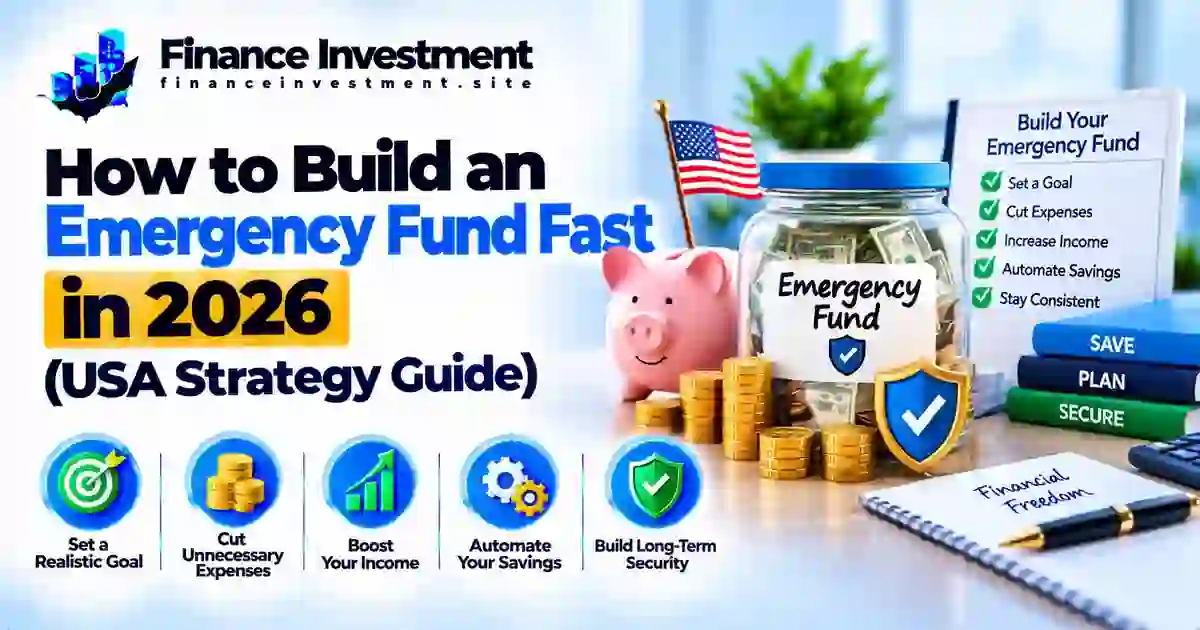
  • How Much Emergency Fund Do You Really Need in 2026? (3–6–12 Rule Explained)

    How Much Emergency Fund Do You Really Need in 2026? (3–6–12 Rule Explained)

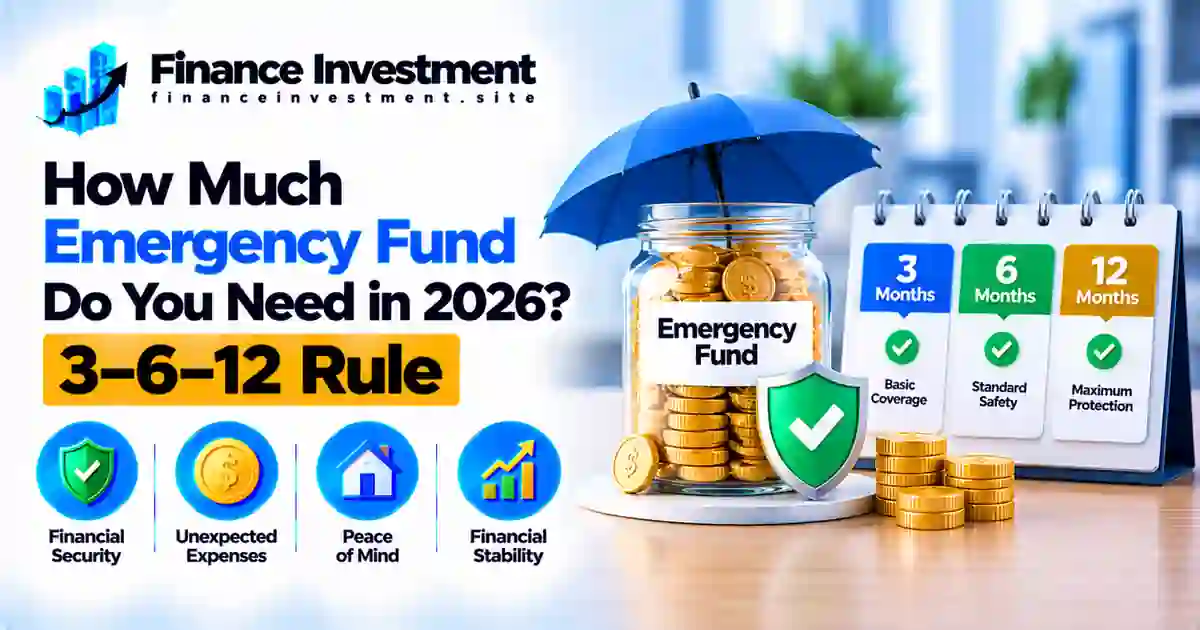
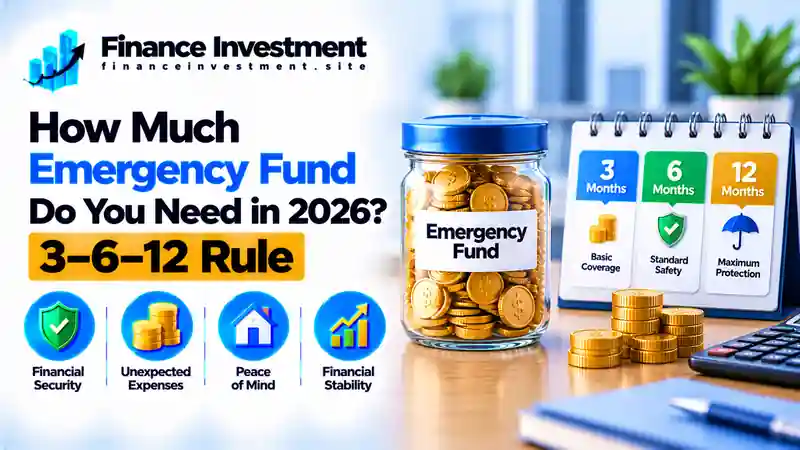
    How Much Emergency Fund Do You Need in 2026? The 3–6–12 Rule Explained

    SR
    FINANCEINVESTMENT.SITE
    By Subhash Rukade
    Personal Finance & Savings Education
    Originally Published: April 7, 2026 at 01:15
    Last Updated: October 25, 2026

    how much emergency fund do you need in 2026How much emergency fund do you need to feel financially prepared? The answer depends on more than your salary. Your essential expenses, job security, family responsibilities, insurance coverage, and ability to replace lost income all influence how much money you should keep available for an unexpected situation.

    A common starting point is three to six months of essential living expenses. Some households may be comfortable with a smaller initial target while building savings, whereas freelancers, self-employed workers, and people with unpredictable income may prefer a larger reserve.

    The good news is that you do not have to save the entire amount at once. With a clear calculation and a repeatable savings routine, you can build your fund in manageable stages. This guide explains the 3–6–12 framework, shows realistic U.S. dollar examples, and helps you choose a target that fits your circumstances.

    QUICK ANSWER

    Calculate your essential monthly expenses and multiply that amount by the number of months you want to cover. Three months can be a first milestone, six months is a common planning target, and a larger reserve may be appropriate when income is irregular or financial responsibilities are high.

    What You’ll Learn

    • How much emergency savings you may need in 2026.
    • How the 3–6–12 rule can guide your savings target.
    • Which bills to include when calculating essential expenses.
    • How to estimate your target with practical examples.
    • Where to keep emergency money accessible.
    • How to build your fund gradually without overwhelming your budget.

    Key Takeaways

    • Base your target on essential expenses rather than gross salary.
    • Three to six months of expenses is a common guideline, not a rigid rule.
    • Consider a larger reserve if you have variable income or dependants.
    • Prioritize safety and access over chasing the highest possible return.
    • Small, consistent contributions can help you build a meaningful financial buffer.

    Table of Contents

    1. What Is an Emergency Fund?

    An emergency fund is money reserved for unexpected expenses or an interruption to your income. It can help pay for a necessary car repair, an urgent home repair, an unexpected medical bill, or essential household expenses after a job loss.

    Its purpose is to give you financial breathing room. Without a cash reserve, even a relatively small surprise may force you to rely on a credit card, take out a loan, delay another important bill, or sell investments at an inconvenient time.

    An emergency fund is different from money saved for a planned vacation, a new vehicle, holiday shopping, or a future home purchase. Those goals can usually be budgeted separately. Emergency expenses are uncertain, which is why a dedicated reserve can be valuable.

    The Consumer Financial Protection Bureau’s emergency fund guide explains how savings can help people recover from unexpected financial shocks. Even a modest starting balance may provide more flexibility than having no reserve at all.

    2. Understanding the 3–6–12 Rule

    The 3–6–12 rule is a practical way to think about the number of months your emergency savings might cover. It is a planning framework rather than an official requirement, and your ideal target may fall above or below these examples.

    Savings targetPurposeMay suit
    3 monthsAn initial safety cushionPeople with stable income and manageable fixed costs
    6 monthsA stronger general reserveHouseholds with dependants or significant monthly obligations
    9–12 monthsA larger income-protection bufferFreelancers, seasonal workers, and people expecting a longer job search

    The Federal Deposit Insurance Corporation discusses the importance of having emergency savings that can help cover a major reduction in income or an unexpected home or vehicle repair. Read the FDIC guide to saving for the unexpected for more information.

    Remember that more savings is not automatically better in every situation. Your emergency reserve should fit your risks while allowing you to continue meeting other priorities, such as required debt payments and retirement contributions where appropriate.

    3. Calculate Your Essential Monthly Expenses

    Before choosing a target, work out what your household would need to spend to cover basic obligations if your income dropped or stopped. Use essential monthly expenses, not automatically your full salary or every dollar you currently spend.

    Start by reviewing recent bank statements and bills. Include expenses that would be difficult or impossible to pause during a financial emergency.

    • Housing: rent or mortgage payments and essential property costs.
    • Utilities: electricity, water, gas, and basic household services.
    • Food: groceries and essential household supplies.
    • Transportation: necessary fuel, public transport, vehicle payments, and insurance.
    • Healthcare: insurance premiums, prescriptions, and recurring essential care.
    • Debt obligations: minimum required payments on loans and credit cards.
    • Dependants: necessary childcare or other essential family support.
    • Communication: a basic phone or internet plan needed for daily life or work.

    You can generally exclude discretionary spending such as restaurant meals, entertainment, shopping, and optional subscriptions when estimating the minimum amount required to keep your household running. Be realistic, though: if a cost cannot reasonably be paused, count it.

    QUICK CALCULATION TIP

    If your essential bills total $3,200 per month, use $3,200 as the starting point. A three-month target would be $9,600, while a six-month target would be $19,200.

    4. Emergency Fund Calculation Table

    Use this table to see how your target changes with your essential monthly costs. The amounts below are illustrative examples in U.S. dollars.

    Monthly essential expenses3 months6 months12 months
    $1,500$4,500$9,000$18,000
    $2,000$6,000$12,000$24,000
    $3,000$9,000$18,000$36,000
    $4,000$12,000$24,000$48,000
    $5,000$15,000$30,000$60,000

    These figures are not recommended minimums for every reader. They simply show the calculation. Your target should reflect the amount you would genuinely need during a period of unemployment or unexpected expenses.

    5. Choose the Right Emergency Fund Target

    Consider your employment, household, and financial obligations before deciding which target makes sense.

    Three months may be a useful first goal if your income is dependable, your essential costs are manageable, and finding replacement work would likely be straightforward. It can also be a practical milestone for someone who currently has little or no savings.

    Six months may offer a stronger buffer if you have a mortgage or rent payment, children or other dependants, or a household that depends heavily on your earnings. A longer reserve may also help if you work in an industry where hiring can take several months.

    Nine to twelve months may be worth considering if you are self-employed, rely on commission income, work seasonally, or experience significant swings in monthly earnings. It may also be appropriate when a specialised role is difficult to replace or your household has substantial unavoidable costs.

    Insurance and other resources matter too. Strong coverage may reduce the size of certain unexpected bills, but deductibles, exclusions, delays, and uncovered expenses can still leave you responsible for significant costs.

    Do not assume you need twelve months simply because it sounds safest. A realistic target that lets you make progress is often more useful than an enormous number that discourages you from starting.

    6. A Realistic Household Example

    Imagine a household earns $5,500 per month after tax. Its essential expenses total $3,600, and it has $4,800 already set aside for emergencies.

    • Three-month target: $3,600 × 3 = $10,800.
    • Six-month target: $3,600 × 6 = $21,600.
    • Twelve-month target: $3,600 × 12 = $43,200.

    To reach the three-month milestone, the household needs another $6,000. If it can contribute $500 each month, it would take approximately twelve months to close that gap, assuming no withdrawals and no change in contributions.

    To reach the six-month target, it would need another $16,800 beyond its current balance. At $500 a month, that would take about thirty-four months. The household could accelerate progress by increasing contributions when income rises, directing part of a bonus to savings, or reducing an expense that is no longer necessary.

    These estimates exclude interest and assume monthly contributions remain consistent. Unexpected withdrawals, changes in essential bills, or changes in income will alter the timeline.

    7. Where Should You Keep Emergency Savings?

    Your emergency fund should be reasonably safe and accessible when you need it. For many U.S. households, a dedicated savings account at an eligible insured bank or credit union is a straightforward option. A separate account can also help reduce the temptation to spend the money on everyday purchases.

    A high-yield savings account may earn interest while keeping the balance accessible, but compare the account’s conditions rather than looking at the advertised rate alone. Review fees, minimum balance requirements, transfer limits, withdrawal arrangements, and whether the institution is properly insured.

    The FDIC deposit insurance resource explains coverage for eligible deposits at insured banks. Standard coverage is generally $250,000 per depositor, per insured bank, per ownership category, subject to the applicable rules. Not every financial product is FDIC-insured, so verify the specific account and institution.

    Stocks, cryptocurrency, and other volatile investments are usually poor places for money you may need immediately because their value can fall at the wrong time. Certificates of deposit may impose early-withdrawal penalties, so consider their terms carefully before using them for emergency money.

    For more account-selection guidance, visit our articles on high-yield savings accounts in the USA and where to store an emergency fund.

    8. How to Build Your Emergency Fund Step by Step

    You do not have to wait until you can save hundreds or thousands of dollars every month. A simple system can help you make progress while keeping everyday bills manageable.

    Step 1: Set a small first milestone

    Choose an initial target that feels achievable, such as enough to cover a common urgent repair or an important bill. This is a starting point, not your final goal. Once you reach it, decide whether to work toward one month of expenses and then three months.

    Step 2: Open a separate savings account

    Give the account a clear name, such as “Emergency Fund.” Keeping it separate from everyday spending can make it easier to track your progress and avoid dipping into the balance for planned purchases.

    Step 3: Automate a manageable contribution

    If your income is regular, consider scheduling a transfer after payday. Start with an amount that does not risk overdrafts or missed payments. If your income changes from month to month, contribute a percentage of income or transfer money when cash flow allows.

    Step 4: Look for occasional opportunities

    A tax refund, bonus, cash gift, or temporary increase in income may help you build the fund faster. You do not need to save every unexpected dollar, but putting aside a portion can make a noticeable difference.

    Step 5: Review expenses without making your budget miserable

    Look for subscriptions you no longer use, avoidable fees, or recurring expenses that no longer provide value. Do not cut essential healthcare, insurance, or other necessary costs without carefully considering the consequences.

    Step 6: Increase your target gradually

    When you reach your first milestone, move to the next. The FDIC’s guide to starting small discusses regular saving and planning as ways to make progress toward financial goals.

    For more practical ideas, read our guide to building an emergency fund faster.

    A SAVING HABIT BEATS A PERFECT PLAN

    If you can afford only $25 or $50 per payday, begin there. The amount can grow as your budget improves. Consistency matters, but your contribution should never force you to miss essential bills or pay avoidable overdraft fees.

    9. When Should You Use Your Emergency Fund?

    Use the fund for genuinely unexpected expenses or income disruptions that affect your ability to meet essential needs. Examples include an urgent vehicle repair needed to get to work, an unexpected medical expense, a necessary home repair, or essential bills during a period of unemployment.

    A planned holiday, a routine shopping trip, or a predictable annual bill generally belongs in a separate savings category. If you know an expense is coming, setting aside money for it in advance helps preserve the emergency reserve.

    It is not always possible to predict whether a cost will be urgent. Ask yourself three questions:

    • Was this expense unexpected or difficult to predict?
    • Is it necessary for my health, housing, work, safety, or essential responsibilities?
    • Would paying it from regular cash flow create a serious shortfall or force expensive borrowing?

    If the answer points to a genuine emergency, using the fund is what it is there for. Do not feel that you have failed by withdrawing money for a legitimate need. Afterward, adjust your budget and create a plan to rebuild the balance.

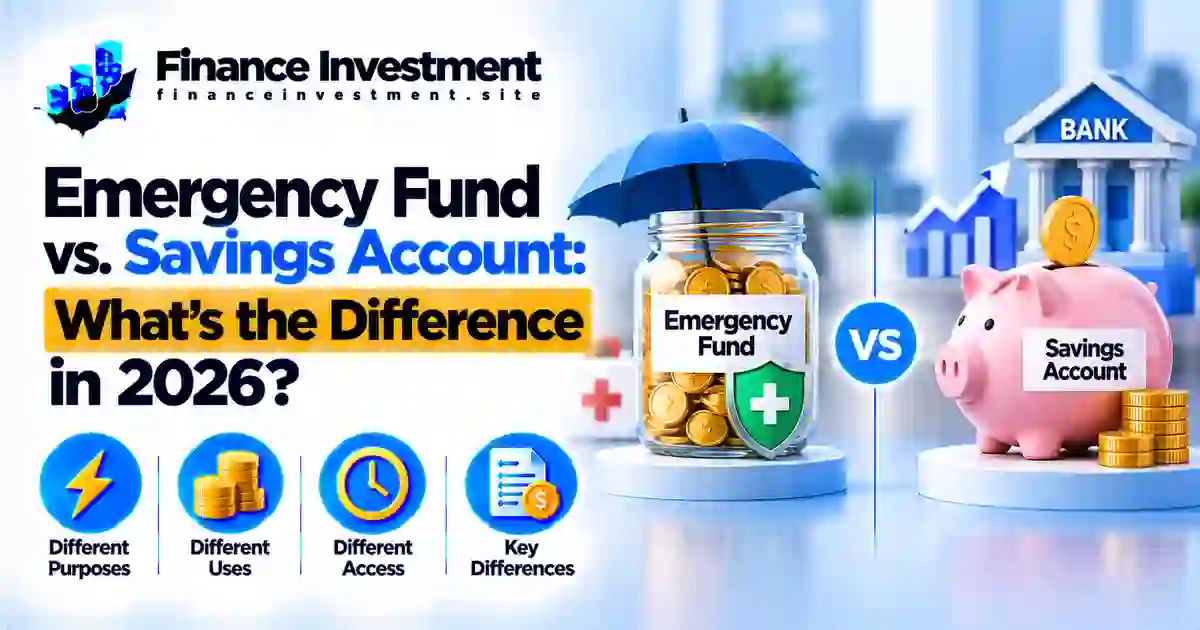
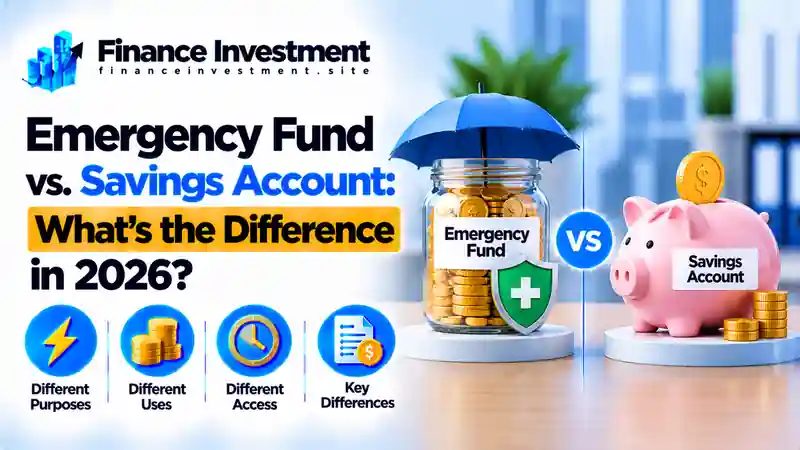
    For a related explanation of how an emergency reserve differs from money for other goals, read emergency fund vs. savings account.

    10. Common Emergency Fund Mistakes to Avoid

    Using salary instead of essential expenses. Your target should reflect what you need to cover, not automatically your gross annual income or entire paycheck.

    Waiting until you can save a large amount. Small contributions can provide a starting buffer. Waiting for the perfect month may mean never beginning.

    Keeping the entire fund in volatile investments. A market decline could reduce your balance when you need the money. Keep your short-term emergency reserve separate from long-term investments.

    Ignoring irregular essential costs. Insurance premiums, medical expenses, necessary repairs, and other unavoidable bills can affect how much you need.

    Choosing a target that does not fit your circumstances. A two-income household with stable jobs may have different needs from a freelancer supporting several dependants. Review your own risks rather than copying someone else’s savings goal.

    Forgetting to replenish withdrawals. After a genuine emergency, make rebuilding the fund part of your next budget review.

    Assuming every savings product has the same protection. Check the institution, account type, withdrawal rules, and applicable insurance coverage before depositing your emergency money.

    11. Review and Replenish Your Fund

    Your emergency fund is not a number you calculate once and never revisit. Housing costs, insurance premiums, family responsibilities, income, and job security can all change over time.

    Review the balance every few months and after major life changes, such as moving home, changing jobs, having a child, becoming self-employed, or taking on a new financial commitment. Recalculate essential monthly expenses when your bills change significantly.

    When you compare your current balance with your target, count only money genuinely available for emergencies. Avoid counting retirement savings, investments you would not want to sell during a downturn, or cash already committed to a near-term purchase.

    If your fund is complete and your financial situation improves, you can review how additional money should be allocated between other goals, such as high-interest debt repayment, retirement savings, and planned purchases. The right order depends on interest rates, employer benefits, liquidity needs, and personal circumstances.

    12. Frequently Asked Questions

    How much emergency fund do you need in 2026?

    A common starting guideline is three to six months of essential living expenses. The amount you need depends on income stability, dependants, fixed costs, insurance coverage, and how quickly you could replace lost income.

    Is a three-month emergency fund enough?

    It can be a useful first target for someone with stable income and manageable obligations. A household with one income, dependants, or uncertain employment may benefit from a larger reserve.

    Should I save six months or twelve months of expenses?

    Six months is a common planning target. Consider a larger reserve if you are self-employed, have seasonal or irregular earnings, or expect it could take longer to find another job. Choose a target that fits your actual financial risks.

    Should emergency savings be kept in a high-yield savings account?

    A high-yield savings account may be appropriate when it provides convenient access, clear account terms, and applicable deposit protection. Compare fees, minimum balances, withdrawal arrangements, and the institution’s insurance status before choosing an account.

    Should I invest my emergency fund in stocks?

    Money you may need quickly should generally be kept accessible and relatively stable. Stocks and other volatile investments can lose value, making them unreliable for immediate emergency expenses.

    What if I cannot save much every month?

    Start with a small, sustainable contribution. Review your cash flow, automate savings if it is safe to do so, and consider setting aside part of occasional extra income. Building the fund gradually is better than waiting for the perfect time.

    Should I pay off debt before building an emergency fund?

    The decision depends on your debt costs and financial situation. A starter cash reserve can help prevent a small unexpected expense from creating more debt. You can then compare the cost of high-interest debt with the value of additional savings and make a balanced plan.

    Where should I keep my emergency fund in the USA?

    Many people use a dedicated savings account at an eligible FDIC-insured bank or NCUA-insured credit union. Review access, fees, account terms, and applicable insurance coverage before deciding where to keep the money.

    13. Final Verdict: Build a Fund That Fits Your Life

    The right emergency fund is not necessarily the biggest possible balance. It is a realistic reserve that helps protect your household when income drops or an unexpected expense appears.

    Start by calculating essential monthly expenses. Use three months as a possible first milestone, six months as a common planning target, and consider a larger reserve when your income or responsibilities make financial recovery more difficult. Keep the money accessible, review your target as circumstances change, and replenish it after withdrawals.

    Most importantly, do not let a large goal stop you from taking the first step. A consistent savings habit can gradually turn a small starting balance into a meaningful financial safety net.

    Have a Finance Question?

    Contact FinanceInvestment.site for website or editorial enquiries.

    Email Us

    About the Author

    Subhash Rukade publishes educational content on personal finance, banking, savings, and investing at FinanceInvestment.site. The goal is to explain financial concepts clearly so readers can compare options and make more informed decisions.

    Disclaimer: This article is for general educational purposes only and is not individualized financial, tax, or investment advice. Account terms, deposit-insurance eligibility, and personal circumstances vary. Confirm important details with official sources and qualified professionals when appropriate.


  • Best Places to Keep Your Emergency Fund in the USA (2026 Guide)

    Best Places to Keep Your Emergency Fund in the USA (2026 Guide)

    Best Places to Keep Your Emergency Fund in the USA (2026 Guide)

    SR
    Written by Subhash Rukade
    Personal Finance Writer | Finance Investment
    Originally published April 7, 2026

    A practical guide to choosing safe, accessible emergency savings in the United States, comparing account features, and understanding the trade-offs between access, fees, and interest.

    best places to keep your emergency fund in the USABuilding an emergency fund is an important step toward financial stability. But saving the money is only half the job. You also need to decide where to keep it so that it remains available when an unexpected bill arrives.

    A sudden job loss, urgent car repair, medical expense, or essential home repair can put pressure on a household budget. If your savings are locked into a restrictive account or invested in something that has fallen in value, you may have to borrow money or sell assets at the wrong time.

    For US households, common options include high-yield savings accounts, traditional savings accounts, money market deposit accounts, certificates of deposit, and certain cash management accounts. Each has different features, fees, access rules, and potential returns. The best choice depends on when you might need the money and how much flexibility you want.

    QUICK ANSWER

    For many people, an eligible high-yield savings account at an FDIC-insured bank or an NCUA-insured credit union is a strong starting point for emergency savings. It can combine deposit protection, interest, and convenient access. Compare the actual account terms, fees, transfer times, and insurance eligibility before choosing.

    1. What You’ll Learn

    • Which account types are suitable for emergency savings.
    • How high-yield savings accounts compare with traditional savings accounts.
    • When a money market deposit account may be useful.
    • Why CDs, Treasury securities, and investments require extra care.
    • How FDIC and NCUA deposit insurance works at a high level.
    • How to evaluate fees, transfer delays, withdrawal rules, and minimum balances.
    • How to organize emergency savings without making access unnecessarily difficult.

    2. Key Takeaways

    • Emergency savings should prioritize safety and access over maximum returns.
    • A high-yield savings account can be a practical home for the main reserve.
    • Traditional savings and money market deposit accounts can also work when their terms fit your needs.
    • Standard CDs may impose early-withdrawal penalties.
    • Stocks and other volatile investments can lose value when you need cash.
    • Verify deposit insurance eligibility rather than assuming every financial product is insured.
    • Keep emergency savings separate from everyday spending money.

    3. Table of Contents

    4. What Is Emergency Fund Storage, and Why Does It Matter?

    An emergency fund is money set aside for unexpected essential expenses or a temporary loss of income. best places to keep your emergency fund in the USA It is different from money saved for a vacation, a planned purchase, or annual bills that you can reasonably anticipate.

    A common long-term guideline is to build toward three to six months of essential living expenses. The right amount depends on your household costs, income stability, dependents, insurance, and employment situation. Someone with irregular income may want a larger cushion, while someone starting from zero can begin with a smaller target.

    Where you keep this money matters because emergencies do not follow a schedule. You may need funds outside normal business hours or before an external bank transfer completes. A high advertised return is not helpful if accessing your own money becomes difficult at the wrong moment.

    For this reason, emergency savings should generally be held in an account or arrangement that keeps the balance stable, offers practical access, and does not impose unreasonable costs or restrictions.

    5. Five Features to Check Before Choosing an Account

    Safety

    For your core reserve, avoid depending on investments that can lose value. Eligible deposits at an FDIC-insured bank or an NCUA-insured credit union can receive protection within applicable limits and rules. Verify the institution and the product itself before assuming coverage applies.

    Liquidity

    Liquidity means how quickly you can turn your balance into money you can use. Check whether the account supports withdrawals, transfers, ATM access, or payment features. External transfers may take time, so understand the process before an emergency occurs.

    Fees

    Monthly maintenance charges, minimum-balance penalties, and other fees can slowly reduce your savings. Read the fee schedule and check whether a fee waiver depends on a minimum balance or recurring deposit.

    Interest rate

    A competitive annual percentage yield (APY) can help your balance grow, but deposit rates can change. Compare the rate with the account’s restrictions and fees rather than choosing by headline APY alone.

    Simple rules

    Review minimum deposits, withdrawal conditions, transfer cut-off times, and any limitations on access. Choose an account whose rules are easy to understand and suit how you expect to use your reserve.

    6. High-Yield Savings Accounts: A Strong Starting Pointbest places to keep your emergency fund in the USA

    A high-yield savings account, commonly called a HYSA, pays interest on money held in a savings deposit account. These accounts are offered by many online banks and some other financial institutions. Their rates vary and can change over time.

    Why a HYSA can be useful

    • It can earn interest while keeping money in a savings account.
    • Many accounts have no monthly maintenance fee, although you should verify this.
    • Money is generally accessible through withdrawals or transfers, subject to the account terms.
    • Eligible deposits at an FDIC-insured bank may receive deposit insurance within applicable limits.

    What to check first

    Review the APY, minimum balance requirements, fees, withdrawal process, and transfer timing. Some online savings accounts do not offer a linked checking account or ATM card. In that case, you may need to transfer money to another bank before spending it.

    That delay does not automatically make the account unsuitable. It simply means you should keep a practical amount accessible for urgent costs and understand how long transfers usually take.

    Do not assume an advertised APY will remain unchanged. Rates can move as market conditions and bank decisions change. Evaluate the account on its overall suitability, not a temporary rate alone.

    Explore our related guide: Best High-Yield Savings Accounts in the USA.

    7. Traditional Savings Accounts: Convenience Can Matter

    A traditional savings account at a bank or credit union can be a sensible option if you value convenience, branch access, or easy transfers from your existing checking account. It may also be a straightforward place to start building your first emergency reserve.

    The trade-off is that some traditional savings accounts pay less interest than competitive high-yield alternatives. However, a familiar account with convenient access and low fees may be more useful than an account that pays slightly more but makes withdrawals complicated.

    When it may be a good fit

    • You already use the institution for everyday banking.
    • You value branch access or in-person customer support.
    • The account has low fees and practical withdrawal options.
    • You want a simple setup without managing several financial institutions.

    Compare the APY, fee schedule, transfer rules, and available customer support. If you move your reserve to a new account, make sure the new account is open and functioning before moving all your savings.

    8. Money Market Deposit Accounts: Access and Conditions Vary

    A money market deposit account is a deposit product offered by a bank or credit union. Depending on the institution, it may combine interest with features such as check-writing or debit-card access. It is not the same thing as a money market mutual fund, which is an investment product.

    Potential advantages

    • It may offer a competitive interest rate.
    • Some accounts include convenient payment or withdrawal features.
    • Eligible deposits may qualify for FDIC or NCUA protection.

    Potential drawbacks

    Some accounts require a minimum balance to avoid fees or qualify for a particular rate. Others use tiered rates, so the advertised APY may not apply to your entire balance. Account features and conditions differ among providers.

    Confirm whether you are opening a deposit account or an investment fund. That distinction affects the type of protection available and how the product should be evaluated.

    A money market deposit account can be a reasonable alternative to a HYSA if its access features, fees, and terms suit your household better. There is no universal winner for every saver.

    9. Certificates of Deposit: Understand Early-Withdrawal Rules

    A certificate of deposit (CD) is a deposit product that generally pays interest over a specified term. A standard CD usually expects you to leave the money deposited until maturity. If you withdraw early, the institution may charge a penalty according to the account agreement.

    This creates a trade-off for emergency savings. You might receive a predictable rate for the CD’s term, but an unexpected expense could arrive before maturity. Depending on the terms, accessing the money early could cost you interest and potentially affect your principal.

    When a CD may be appropriate

    If your immediately accessible reserve is already adequate, you might consider a short-term CD for a portion of additional savings that you do not expect to need during the term. A no-penalty CD may offer more flexibility, but its rate and rules can differ from a standard CD.

    Before opening one, check the maturity date, early-withdrawal terms, minimum deposit, and how soon funds become available after maturity. Do not lock away your entire emergency reserve if doing so could leave you short of cash.

    10. Cash Management Accounts and Physical Cash

    Cash management accounts

    Some brokerage firms offer cash management accounts with features such as debit cards, bill payments, or ATM access. Their structure and protections vary. Review the provider’s disclosures to understand where the money is held, which institution provides any applicable protection, and how quickly you can transfer the balance.

    Do not assume every balance shown in a financial app has the same protection as a traditional bank savings deposit. Verify the specific account structure, participating institutions, and applicable coverage rules.

    Physical cash for immediate disruptions

    A modest amount of physical cash can be useful during a temporary power outage or payment-system disruption. However, cash can be lost, stolen, or damaged, and it does not earn interest.

    For most households, physical cash is better treated as a small backup rather than the main emergency fund. Store it securely and keep the bulk of your savings in a suitable account.

    11. Treasury Bills and Savings Bonds: Low Risk Does Not Always Mean Immediate Access

    US Treasury securities are backed by the US government, but they do not all work like a savings account. The timing and method of accessing money depend on the product and its terms.

    Treasury bills

    Treasury bills are short-term government securities that mature on a specified date. They may be useful for money with a known timeline, but they are not identical to an instantly accessible bank balance. If you sell before maturity, the price can differ from what you paid, and selling or transferring proceeds may take time.

    Because emergency expenses can arrive without warning, keep enough readily accessible savings outside Treasury bills to cover immediate needs. Consider bills only for a portion of your financial reserves if you understand the maturity schedule and access process.

    US savings bonds

    Savings bonds also have specific redemption rules. For example, they generally cannot be redeemed during the first year, and redeeming some bonds before a specified holding period can result in forfeiting interest. Those restrictions make them a poor fit for money you may need immediately.

    Government backing can reduce certain risks, but it does not remove liquidity restrictions. For emergency savings, the ability to access money at the right time remains essential.

    12. Where Not to Keep Your Core Emergency Reserve

    Stocks and stock-market ETFs

    Stocks and ETFs can be useful for long-term investing, but market prices can fall sharply. If an emergency happens during a downturn, you may have to sell investments at a loss. Selling and transferring proceeds can also take time.

    Cryptocurrency and other volatile assets

    Cryptocurrency prices can fluctuate substantially, and access can depend on platform operations, network conditions, and withdrawal processes. These assets are not appropriate substitutes for a stable core emergency reserve.

    Retirement accounts

    Retirement accounts are intended for long-term financial goals and may have tax rules, withdrawal restrictions, penalties, or opportunity costs. Some workplace plans allow loans or certain withdrawals, but relying on them as your emergency plan can create additional complications.

    Long-term CDs without an accessible backup

    A long-term CD may have early-withdrawal restrictions or penalties. Avoid locking away money that you may need at short notice unless you already have enough accessible savings elsewhere and fully understand the agreement.

    The main principle is straightforward: your core emergency money should not depend on a favorable stock market, a cryptocurrency price recovery, or a product that prevents timely access.

    13. Comparison Table: Which Option Fits Your Needs?

    OptionMain advantageMain considerationPossible role
    High-yield savings accountInterest and accessible savingsRates and transfer times varyMain reserve
    Traditional savings accountFamiliarity and convenienceMay pay less interestStarter or main reserve
    Money market deposit accountMay offer payment featuresMinimum balance and fees may applyMain or secondary reserve
    Standard CDTerm-based interestEarly-withdrawal penalties may applyMoney not needed immediately
    Cash management accountMay provide card and payment accessProtection and access depend on structureDepends on account terms
    Treasury billsShort-term government securityMaturity and sale timing matterOptional secondary holding
    Stocks or cryptocurrencyPotential investment growthVolatility and possible lossesNot for core emergency cash

    This table is a general comparison, not a guarantee of performance or access. Actual features depend on the provider and account agreement.

    14. FDIC and NCUA Insurance: What You Should Know

    Deposit insurance is an important part of choosing where to keep emergency savings. The FDIC generally insures eligible deposits at FDIC-insured banks. The NCUA administers share insurance for eligible deposits at federally insured credit unions.

    Standard coverage is generally up to $250,000 per depositor, per insured institution, per ownership category, subject to applicable rules. Coverage is not unlimited across every account you hold. The institution, ownership category, and type of product matter.

    Before depositing a large balance, verify the institution and review how your accounts are treated under the applicable rules. Do not assume that an investment product, brokerage balance, or money market mutual fund is insured in the same way as an eligible bank deposit.

    Official resources:

    15. How to Organize Your Emergency Fund in Practice

    You do not need a complicated structure to start. Choose a suitable, accessible account for your core reserve, then consider other products only if your savings and circumstances justify them.

    Step 1: Set your target

    Calculate essential monthly expenses and choose an initial target. A common long-term goal is three to six months of essential expenses, but you can start with a smaller milestone if you have little saved.

    Step 2: Choose your core account

    Compare eligible HYSAs and other savings deposit accounts. Check access, fees, minimum balance requirements, and deposit insurance. Make sure you understand how to withdraw the money in an urgent situation.

    Step 3: Separate emergency savings from spending money

    A dedicated savings account can make the balance easier to track and reduce accidental spending. Keep the account accessible enough that you can use it when necessary.

    Step 4: Decide whether you need a backup payment method

    A small amount of cash or a reliable checking account can help with urgent expenses if electronic payments are temporarily unavailable. Avoid keeping a large portion of your reserve in physical cash because of theft and loss risks.

    Step 5: Review as your balance grows

    When your reserve becomes larger, compare account terms again. You may decide to keep the entire fund in one suitable savings account or use another option for money that you genuinely do not need immediately. Do not sacrifice access merely to pursue a higher return.

    Example: Essential expenses of $3,000 a month

    Suppose your essential monthly expenses are $3,000. A three-month reserve would be $9,000, while a six-month reserve would be $18,000. These are illustrative targets; your own amount should reflect your actual costs and income risks.

    If you currently have $700 saved, you do not need to wait until you reach $9,000 before choosing a suitable account. Start with the money you have, establish automatic contributions, and build toward the larger target over time.

    If you have enough savings for immediate needs and are considering Treasury bills or CDs for a portion of your balance, first check the maturity date, withdrawal conditions, and transfer timing. Keep an accessible reserve outside those products so that an urgent expense does not force you to sell or withdraw at an inconvenient time.

    Common mistakes to avoid

    • Chasing APY alone: A higher rate does not compensate for unsuitable withdrawal rules or fees.
    • Assuming every account is insured: Verify the institution and the product type.
    • Locking up the whole reserve: Keep enough readily accessible money for urgent expenses.
    • Keeping everything in cash: Physical cash can be lost or stolen and earns no interest.
    • Mixing savings with investments: Volatile assets may be worth less when you need the money.
    • Ignoring transfer delays: Know how long it takes to move funds from your savings account.
    • Never reviewing the account: Recheck fees, access, rates, and your target as your situation changes.

    Account-selection checklist

    • Is the bank or credit union appropriately insured?
    • Does the specific account qualify for applicable deposit insurance?
    • What APY applies to my expected balance?
    • Are there monthly fees or minimum-balance rules?
    • How quickly can I withdraw or transfer funds?
    • Are there penalties or restrictions on early withdrawals?
    • Can I access money outside normal business hours if necessary?
    • Can I keep the reserve separate from daily spending?

    16. Frequently Asked Questions and Final Verdict

    What is the best place to keep an emergency fund in the USA?

    For many households, an eligible high-yield savings account is a strong starting point. Compare access, fees, APY, account terms, and deposit insurance eligibility before choosing.

    Is a high-yield savings account safe for emergency savings?

    An eligible deposit at an FDIC-insured bank may be protected within applicable insurance limits and rules. Verify the institution and account eligibility, and review withdrawal and transfer terms.

    Should I keep my emergency fund in checking or savings?

    A checking account may provide immediate payment access but often pays little or no interest. A dedicated savings account can separate emergency money from routine spending while earning interest. Keep enough accessible money for immediate needs and understand transfer times.

    Are money market accounts suitable for emergency funds?

    A money market deposit account may be suitable if it offers practical access, reasonable fees, and applicable deposit insurance. Confirm that it is a deposit account rather than a money market mutual fund.

    Should I put my emergency fund in a CD?

    A standard CD may charge an early-withdrawal penalty, making it less suitable for money you may need immediately. Consider one only for a portion of savings you can leave untouched, and read the terms carefully.

    Are Treasury bills a good emergency fund option?

    Treasury bills are short-term government securities, but they do not work exactly like an instantly accessible savings account. Maturity, selling, and transfer timing matter. Keep enough accessible savings for urgent expenses before considering them for additional reserves.

    How much should I keep in an emergency fund?

    A common long-term target is three to six months of essential expenses. The appropriate amount depends on income stability, dependents, job security, and household circumstances. Start with a smaller milestone if you are building your first reserve.

    Is my money automatically insured if I use a financial app?

    No. The app’s name alone does not determine insurance coverage. Verify which institution holds the money, whether the specific account qualifies for FDIC or NCUA protection, and how the applicable rules work.

    Final verdict

    The best place to keep your emergency fund is the account that protects your money appropriately, provides practical access, and avoids unnecessary fees or restrictions. For many US savers, an eligible high-yield savings account is a sensible starting point. Traditional savings accounts and money market deposit accounts may also work well when their terms fit your needs.

    Be careful with CDs, Treasury securities, and other products that may not provide immediate access. Keep volatile investments separate from your core emergency reserve. Compare actual account agreements rather than relying on advertised rates or blanket allocation rules.

    Start with a realistic savings target, verify deposit insurance, and review your account as your financial circumstances change. Emergency savings are designed to provide stability and flexibility when life becomes unpredictable.

    Have a personal finance question?

    Finance Investment shares practical educational guides to help readers make more informed saving and money-management decisions.

    Email Us

    About the Author: Subhash Rukade writes about personal finance, saving, investing, and money management for Finance Investment, aiming to make financial concepts clear and practical for readers.

    Related reading: Best High-Yield Savings Accounts in the USA · How Much Interest Can You Earn from High-Yield Savings Accounts?

    Disclaimer: This article is for educational purposes only and is not individualized financial, tax, or legal advice. Rates, fees, account terms, and deposit-insurance rules may change. Confirm current details with the relevant institution and official sources before making financial decisions.


  • How to Build an Emergency Fund Fast in 2026 (USA Strategy Guide)

    How to Build an Emergency Fund Fast in 2026 (USA Strategy Guide)

    How to Build an Emergency Fund recession Fast in 2026 (USA Strategy Guide)

    SR
    Written by Subhash Rukade
    Personal Finance Writer | Finance Investment
    Originally published May 18, 2026 · Updated October 24, 2026

    A practical USA-focused guide to setting a savings target, building your first emergency reserve, and preparing your finances for unexpected expenses or a recession.

    emergency fund recessionBuilding an emergency fund can feel difficult when rent, groceries, insurance, transportation, and other bills consume most of your paycheck. But you do not need to save thousands of dollars overnight. You need a clear target, a realistic plan, and a system that makes saving consistent.

    An emergency fund gives you money to fall back on when life does not go according to plan. A job loss, urgent medical bill, unexpected car repair, or essential home repair can put pressure on a household that has little cash available. Without savings, you may have to depend on credit cards, personal loans, or money borrowed from family.

    This guide explains how to build an emergency fund recession fast in 2026, even if you are starting with a small amount. You will learn how to calculate your target, prioritize your first savings milestone, automate contributions, choose an appropriate account, and adjust your plan during a recession or income disruption.

    QUICK ANSWER

    Start with a manageable starter reserve, such as $500 or $1,000, then work toward three to six months of essential expenses. Automate a transfer after payday, direct suitable extra income into savings, and keep the money in a safe, accessible account rather than relying on volatile investments.

    1. What You’ll Learn

    • How to calculate your emergency fund target.
    • How to build savings with a limited income.
    • How to use a practical 30–60–90 day savings plan.
    • Where to keep emergency savings in the United States.
    • How to prepare for job loss, a recession, or an unexpected bill.
    • Which common savings mistakes can slow your progress.

    2. Key Takeaways

    • Begin with a small, achievable target instead of waiting until you can save a full three months of expenses.
    • Calculate your fund using essential expenses, not your entire lifestyle budget.
    • Three to six months of essential expenses is a common long-term benchmark, not a deadline you must meet immediately.
    • Automatic transfers and extra income can make progress more consistent.
    • Emergency savings should prioritize safety and access over high returns.
    • During uncertain economic periods, protect cash flow and avoid taking unnecessary investment risks with money you may need soon.

    3. Table of Contents

    4. Why an Emergency Fund Matters in 2026

    An emergency fund is money reserved for necessary, unexpected expenses or a temporary loss of income. It is different from money you save for a vacation, a new phone, holiday shopping, or a planned purchase.

    The purpose is straightforward: when an unexpected expense arrives, you can pay for it without immediately borrowing money or selling investments at an inconvenient time.

    Examples of genuine emergencies

    • Unexpected medical or dental expenses.
    • A necessary car repair required to get to work.
    • A sudden job loss or reduction in working hours.
    • Urgent home repairs, such as a broken heating system.
    • Essential travel because of a family emergency.

    A planned annual insurance premium or holiday trip should generally have its own savings category. Keeping predictable expenses separate helps preserve your emergency reserve for events you could not reasonably plan for.

    How much protection should you aim for?

    A common guideline is to build toward three to six months of essential living expenses. Three months may be a useful starting long-term target for someone with stable income and relatively predictable costs. Six months or more may provide a larger cushion for a single-income household, variable earnings, dependents, or a less secure job.

    Your circumstances matter more than a universal number. If your income fluctuates or you work for yourself, you may need a larger reserve. If you have little saved today, focus first on creating a starter fund rather than feeling discouraged by the final target.

    5. Calculate Your Emergency Fund Target

    Start by reviewing the expenses you would still need to pay if your income dropped. Include essentials rather than every discretionary purchase.

    Essential expenseMonthly example
    Rent or mortgage$1,200
    Groceries and basic household needs$450
    Utilities and phone$200
    Transportation$300
    Insurance and essential healthcare$250
    Minimum debt payments and other essentials$100
    Total essential expenses$2,500

    Using the example above, the target would be:

    • One-month starter reserve: $2,500.
    • Three-month target: $7,500.
    • Six-month target: $15,000.

    These are illustrative amounts, not a requirement for every household. If you currently have very little saved, your first milestone could instead be $500 or $1,000. Then build toward one month of essential expenses before progressing toward the larger goal.

    6. Step-by-Step Plan to Build an Emergency Fund recession Fastemergency fund recession

    Step 1: Review your current cash flow

    Look at the last one or two months of bank transactions. Separate essential bills, flexible spending, debt payments, and irregular expenses. This gives you a more realistic view of how much you can save without missing important payments.

    Step 2: Choose a first milestone

    Set a target that feels achievable within your current budget. For one household, that may be $500; for another, $1,000 or one month of essential expenses. A smaller completed goal builds momentum and provides some protection while you work toward a larger reserve.

    Step 3: Automate savings after payday

    Schedule a recurring transfer from checking to a dedicated savings account shortly after you receive income. Choose an amount that leaves enough for essential bills. If your pay varies, use a smaller fixed transfer and add extra contributions during stronger months.

    Step 4: Find temporary spending reductions

    Review subscriptions, delivery fees, impulse purchases, unused memberships, and other flexible expenses. You do not need to cut every enjoyable activity. The aim is to identify a few reductions that free up money without making the plan impossible to maintain.

    Step 5: Direct extra income toward your target

    When appropriate, use overtime, freelance income, a temporary side job, or proceeds from selling unused items to accelerate savings. Remember to account for taxes, work-related costs, and any effect on benefits before treating extra earnings as available cash.

    Step 6: Keep the fund separate

    A dedicated account can make it easier to see your progress and reduce the temptation to spend the money. Make sure you can access the funds when needed and understand transfer times, withdrawal limits, fees, and account requirements.

    Step 7: Review the plan every month

    Check your balance, update your essential expense estimate when bills change, and adjust your automatic transfer if your income or circumstances change. Consistency matters more than setting an ambitious target you cannot sustain.

    7. A Practical 30–60–90 Day Emergency Fund Plan

    A 30–60–90 day plan should establish a savings habit and measurable milestones. It does not guarantee that everyone can save three months of expenses in 90 days. Your results will depend on income, existing obligations, and how much money is available after essentials.

    Days 1–30: Build the foundation

    • Calculate your essential monthly expenses.
    • Choose a starter target, such as $500 or $1,000, if appropriate.
    • Open or designate a suitable savings account.
    • Set up a recurring transfer you can afford.
    • Cancel or reduce one or two nonessential expenses.

    Goal: Start the habit and make measurable progress toward your first milestone.

    Days 31–60: Strengthen the routine

    • Review spending and adjust your budget.
    • Direct suitable extra earnings toward savings.
    • Increase automatic transfers only if your cash flow allows it.
    • Check whether your account has fees or access restrictions.

    Goal: Build consistency and reduce the gap between income and essential spending.

    Days 61–90: Review and plan the next milestone

    • Compare your current balance with your original target.
    • Recalculate essential expenses if anything has changed.
    • Set the next target: perhaps $1,000, one month of expenses, or another realistic amount.
    • Continue toward a three-month reserve and eventually a larger cushion if needed.

    Goal: Finish the first 90 days with a repeatable savings system and a clear next step.

    8. Where Should You Keep Your Emergency Fund?

    Your emergency savings have a different purpose from long-term investments. The priority is access to money when you need it, with minimal risk of losing the amount you have saved.

    High-yield savings account

    A high-yield savings account (HYSA) can be a suitable choice for many US households. It may pay more interest than a traditional savings account while allowing access to your balance. Rates can change, and account terms vary, so compare the APY, minimum balance, fees, transfer times, and withdrawal conditions before opening an account.

    Read our related guide: Best High-Yield Savings Accounts in the USA.

    Traditional savings account

    A traditional savings account can work if it is convenient, low-cost, and accessible. The trade-off may be a lower interest rate. Convenience and account reliability can still matter more than chasing a slightly higher rate.

    Money market deposit account

    A bank or credit union money market deposit account may provide interest and convenient access, depending on its terms. Check minimum balance rules, transaction restrictions, fees, and whether the account is covered by FDIC or NCUA insurance.

    A small amount of physical cash

    Keeping a modest amount of cash in a secure place can help with short-term disruptions such as payment network or power outages. Cash can be lost, stolen, or damaged and earns no interest, so it generally should not replace the main emergency reserve.

    What about stocks, ETFs, or gold?

    These assets can fluctuate in value and may be worth less precisely when you need to sell them. They are generally unsuitable as the primary home for money required for immediate emergencies. Keep your core emergency reserve separate from long-term investment goals.

    OptionAccess and riskPotential role
    Insured savings accountGenerally low principal risk within insurance limits; access depends on termsCore emergency fund
    Money market deposit accountTerms and access varyPossible core or secondary reserve
    Physical cashImmediate access; theft and loss riskSmall outage reserve
    Stocks, ETFs, or goldMarket prices can fall; sale and settlement take timeNot ideal for essential emergency cash

    For deposit insurance information, consult the FDIC’s official deposit insurance resources. Eligible deposits at federally insured credit unions may be covered by the NCUA. Check the institution and account type, and remember that insurance is subject to applicable rules and limits.

    9. Realistic Example: A Household Earning $4,000 per Month

    Suppose a household brings home $4,000 per month and spends $2,500 on essential expenses. That leaves a theoretical $1,500 before discretionary spending, irregular costs, and any other obligations not included in the estimate.

    Here is how the target and timeline could work if the household can genuinely save the stated amount every month:

    Monthly contribution$7,500 target$15,000 target
    $50015 months30 months
    $1,0007.5 months15 months
    $1,5005 months10 months

    These timelines assume a starting balance of zero, steady contributions, and no withdrawals. Interest is excluded, so actual results may differ. If the household can save only $300 per month, progress is still valuable: the important point is to build a plan that fits real cash flow.

    If an unexpected bill occurs, use the reserve for that genuine need and then make rebuilding it part of the next budget. An emergency fund is there to be used when necessary—not to remain untouched at all costs.

    10. Ways to Free Up More Money for Savings

    Reduce recurring costs first

    Recurring bills can be a useful starting point because a successful reduction may help month after month. Review subscriptions, phone plans, insurance options, and service packages. Compare alternatives carefully and avoid cancelling coverage that you genuinely need just to save a small amount.

    Plan groceries and everyday purchases

    Plan meals, use a shopping list, compare unit prices, and reduce food waste. Small changes across several categories can add up without requiring extreme restrictions.

    Use extra earnings deliberately

    Freelancing, occasional shifts, seasonal work, or selling unused possessions may create additional cash. Choose options that fit your time, health, responsibilities, and skills. Do not assume every side hustle produces reliable income or that gross earnings equal take-home pay.

    Protect the money you have already saved

    Avoid unnecessary fees and keep track of account requirements. If you have high-interest debt, balance debt repayment with maintaining a basic emergency reserve. The right split depends on interest rates, minimum payments, job security, and how exposed you would be to another unexpected expense.

    11. Building an Emergency Fund During a Recession

    The phrase emergency fund recession captures an important concern: what happens when a household faces both rising expenses and less secure income? During an economic slowdown, a reserve can help cover essentials while you search for work, reduce hours, or adjust to a temporary drop in earnings.

    You cannot predict exactly when a recession will happen or how it will affect your household. Instead, prepare for the risks you can control.

    • Prioritize essential bills: Know which costs must be paid to maintain housing, food, utilities, transportation, insurance, and minimum debt obligations.
    • Review income risk: If your industry or work arrangement is less predictable, consider building toward a larger reserve over time.
    • Avoid relying on credit as your emergency plan: Credit may be unavailable, expensive, or difficult to repay during a job disruption.
    • Keep the reserve accessible: Avoid locking all emergency money into products that impose withdrawal restrictions or market risk.
    • Review benefits and support: Understand eligibility requirements for relevant employer benefits or government assistance before you need them.
    • Pause optional goals if necessary: During a period of genuine financial pressure, it may be sensible to temporarily reduce discretionary spending or slow other savings goals.

    If your job is stable and you have a working reserve, continue building it at a sustainable pace. If you are facing an immediate income loss, focus first on cash flow, essential bills, available support, and protecting your housing and basic needs.

    12. Common Emergency Fund Mistakes to Avoid

    Setting a target that is too ambitious

    A large target can be motivating, but it can also make saving feel impossible. Break it into milestones and celebrate progress without treating a missed monthly target as failure.

    Keeping the money in a volatile investment

    The purpose of emergency savings is reliability. A stock fund, ETF, or commodity can fall in value, so avoid depending on market performance for money you may need at short notice.

    Confusing planned expenses with emergencies

    Car registration, annual insurance premiums, holidays, and predictable maintenance should usually have separate sinking funds. This reduces the chance of repeatedly draining your emergency reserve.

    Ignoring account terms

    A high advertised APY does not tell the whole story. Check minimum balances, fees, withdrawal rules, transfer delays, and deposit insurance status before choosing an account.

    Saving without tracking progress

    Check your balance at least monthly. If progress stalls, look for a specific cause—such as an underestimated bill or an unrealistic contribution—then adjust the plan rather than abandoning it.

    13. How to Track and Rebuild Your Emergency Fund

    Use a simple monthly record with four numbers: opening balance, contributions, emergency withdrawals, and closing balance. This helps you understand whether your savings habit is working and whether your target still reflects your circumstances.

    After using the fund, do not feel that you have failed. The money served its purpose. Once the immediate problem is under control, restart automatic contributions at an amount your budget can support.

    Review your target when you move, have a child, change jobs, take on new debt, or experience a significant change in essential expenses. A target that made sense last year may no longer be enough.

    14. A Simple Emergency Fund Checklist

    • Calculate my essential monthly expenses.
    • Choose a starter savings milestone.
    • Identify an appropriate, accessible savings account.
    • Confirm account fees, terms, and deposit insurance status.
    • Set up an automatic contribution after payday.
    • Review recurring spending and identify realistic reductions.
    • Decide how to allocate suitable extra income.
    • Review progress monthly and adjust when circumstances change.
    • Keep long-term investments separate from emergency cash.

    BOTTOM LINE

    You do not need to complete a six-month emergency fund in 90 days to make meaningful progress. Start with the amount you can realistically save, automate it, and build toward a reserve that matches your expenses and income risks. A consistent plan is more useful than an aggressive target you cannot maintain.

    15. Frequently Asked Questions

    1. How fast can I build an emergency fund?

    It depends on your starting balance, income, essential expenses, and monthly contribution. A small starter fund may take weeks or months, while a reserve covering three to six months of expenses can take considerably longer. Calculate your own timeline using your realistic monthly savings amount.

    2. How much emergency fund should I have in the USA?

    A common long-term guideline is three to six months of essential living expenses. Households with variable income, dependents, or greater job uncertainty may prefer a larger reserve. If you are starting from zero, begin with a smaller milestone and build gradually.

    3. Where should I keep my emergency fund?

    Many people use an accessible savings account, including a high-yield savings account. Compare the account’s APY, fees, access rules, and eligibility for FDIC or NCUA deposit insurance. Keep the main reserve separate from volatile investments.

    4. Should I invest my emergency fund in stocks or gold?

    Generally, your core emergency reserve should not depend on stocks, ETFs, or gold because their prices can fall. Keep money needed for emergencies in an appropriately safe and accessible account, and use a separate strategy for long-term investments.

    5. What is the fastest practical way to build an emergency fund?

    Set a clear target, automate a sustainable transfer, reduce selected flexible expenses, and direct suitable extra earnings toward savings. Review your progress regularly. The fastest sustainable plan is one that you can continue without missing essential bills or relying on new debt.

    6. Should I save or pay off credit card debt first?

    The right balance depends on your interest rate, minimum payments, income stability, and current savings. A small emergency reserve can help prevent new borrowing when an unexpected bill arrives, while high-interest debt may need aggressive repayment. Make sure essential bills and minimum payments remain covered.

    7. Is a 90-day emergency fund plan realistic?

    A 90-day plan is useful for starting a savings habit and reaching an initial milestone. It will not be realistic for everyone to accumulate three to six months of expenses in that period. Set a target based on your available cash flow and adjust it as needed.

    16. Final Thoughts: Make Your Financial Safety Net Stronger

    Learning how to build an emergency fund fast is not about finding a shortcut or chasing the highest possible return. It is about making a realistic plan, protecting your cash flow, and steadily creating a financial cushion that can help when circumstances change.

    Start by calculating essential expenses and choosing a first milestone. Set up automatic savings, review spending, and use suitable extra income to make progress faster. Keep your core reserve accessible, understand the account’s protections and terms, and rebuild the balance after a genuine emergency.

    Preparing for a recession does not require predicting the economy. It requires knowing your expenses, understanding your income risks, and having money available for essential needs. Start with the amount you can manage today, then build from there.

    Have a personal finance question?

    Finance Investment shares practical educational guides to help readers make more informed saving and money-management decisions.

    Email Us

    About the Author

    Subhash Rukade writes about personal finance, saving, investing, and money management for Finance Investment. His goal is to make financial concepts easier to understand and help readers explore practical ways to strengthen their financial habits.

    Related reading:
    Best High-Yield Savings Accounts in the USA ·
    How Much Interest Can You Earn from High-Yield Savings Accounts?

    Disclaimer: This article is for educational purposes only and is not individualized financial, tax, or legal advice. Account rates, eligibility, insurance coverage, and terms may change. Verify details with the relevant financial institution and official sources before making financial decisions.