How to Freeze or Restrict a Compromised Bank Account
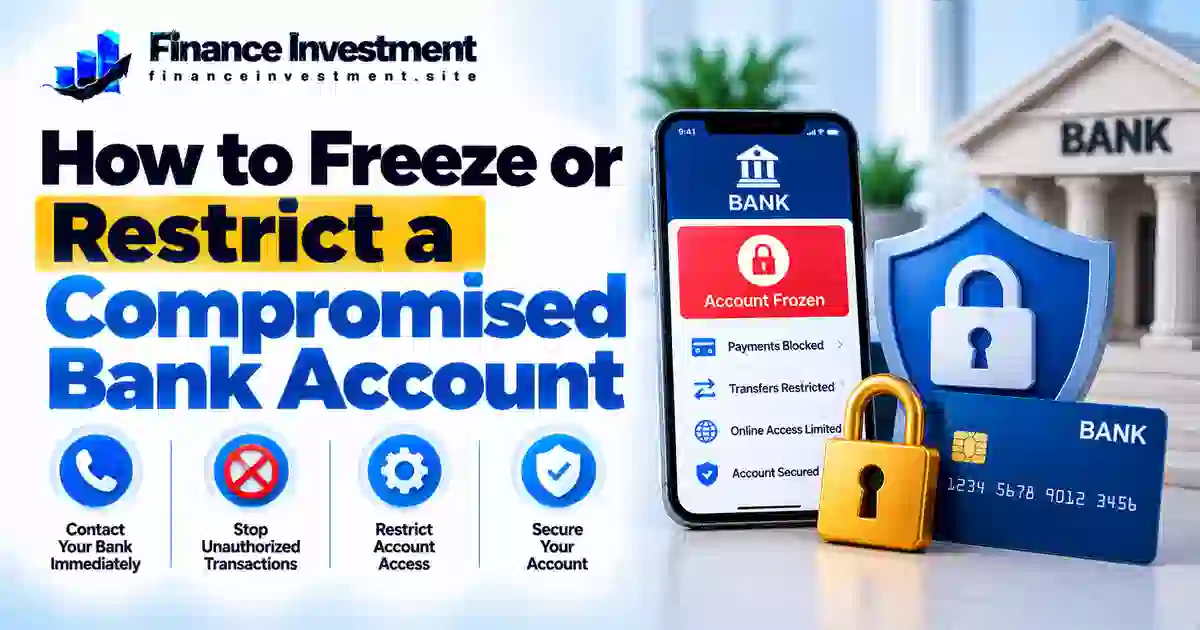
Noticing an unfamiliar withdrawal, a suspicious transfer, or a banking alert you don’t recognize can be alarming. If you suspect fraud, don’t wait to see what happens next. Learning how to freeze a compromised bank account starts with contacting your bank through its official app, verified website, or the phone number on your card or statement. Ask the fraud department to secure the account and explain which restrictions are available.
Depending on your bank and the situation, you may be able to lock your debit card, block certain transactions, restrict account access, or secure online banking. These actions are not interchangeable. Ask exactly what will be blocked, how to dispute unauthorized transactions, and how you’ll pay essential bills or access legitimate funds while the issue is investigated.
One important distinction: a credit freeze helps prevent new credit accounts from being opened using your information. It does not directly freeze an existing checking or savings account. For broader prevention advice, read our bank security and fraud prevention guide.
What You’ll Learn
- How to contact your bank and request suitable account restrictions.
- When to lock a debit card or secure online banking access.
- How to report unauthorized transactions and protect access to essential funds.
- Practical steps to reduce the risk of further fraud.
How Do You Freeze a Compromised Bank Account?
Contact your bank’s official fraud department as soon as you suspect unauthorized access or suspicious transactions. Explain what happened and ask which restrictions can help protect your account. Depending on the situation, the bank may be able to block certain transactions, restrict account access, secure online banking, or lock and replace a compromised debit card. Confirm how these actions could affect scheduled payments and access to legitimate funds.
Key Takeaways
- Report the problem promptly: Don’t wait for additional suspicious transactions before contacting your bank.
- Verify the contact channel: Use the number on your card or statement, or contact the bank through its official app or website.
- Secure your login: If your credentials may be exposed, change your password from a trusted device and enable multifactor authentication where available.
- Dispute unauthorized activity: Ask about reporting procedures, applicable deadlines, and required documentation.
- Keep evidence: Save transaction details, bank messages, complaint numbers, and the date you reported the issue.
Important: A debit card lock is not necessarily a full account freeze. Ask the bank exactly which transactions and services will be restricted, and how you can access legitimate funds during the investigation.
At a Glance: How to Protect a Compromised Bank Account
The right response depends on what may have been exposed. A compromised debit card, stolen online banking credentials, and a full account takeover can require different security measures. Contact your bank’s official fraud department promptly and ask which actions fit your situation.
| Your Situation | Action to Consider | Main Purpose |
|---|---|---|
| Lost or stolen debit card | Lock the card if available and report it to the bank | Help prevent further card use |
| Unrecognized withdrawals or transfers | Report and dispute each unauthorized transaction promptly | Start the bank’s review and preserve your report details |
| Stolen login credentials | Contact the bank and secure your login from a trusted device | Reduce the risk of further unauthorized access |
| Possible account takeover | Ask about account restrictions, transfer controls, and whether a new account is advisable | Help protect remaining funds and future transactions |
Act promptly, report suspicious transactions, and ask the bank exactly which services it can restrict. A card lock may not stop ACH transfers, checks, or other account activity. Keep your case number, confirm dispute deadlines, and ask how to access legitimate funds while the bank investigates.
What Does It Mean When a Bank Account Is Compromised?
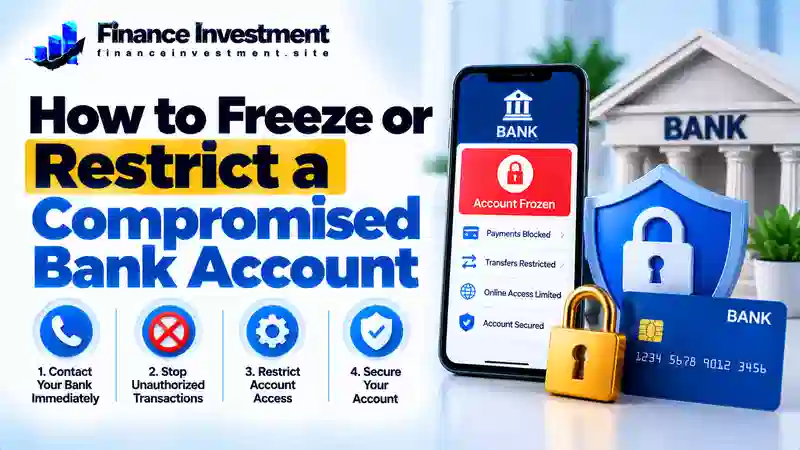
A bank account is compromised when someone gains unauthorized access to your account, card details, or online banking credentials. Warning signs can include unfamiliar withdrawals, transfers you did not make, unexpected password-reset alerts, changed account contact details, or notifications about new payees you never added. One warning sign does not always prove fraud, but it deserves prompt attention.
If you suspect unauthorized access, contact your bank’s official fraud department immediately. Depending on the situation, the bank may offer a debit card lock or replacement, online banking restrictions, transaction controls, or other account security measures. A card lock alone may not stop transfers, checks, or other activity linked to the account.
What Should You Do First?
- Call the bank using the number on your card or statement, or use its verified official app or website.
- Report suspicious activity, dispute unauthorized transactions, and ask which restrictions are available.
- From a trusted device, change exposed banking credentials and secure the email account used for banking.
- Save transaction details, alerts, complaint records, and your bank’s case number.
Security reminder: Never disclose your password, PIN, or one-time passcode to someone who contacts you unexpectedly. A caller ID or message can be spoofed. End the conversation and contact your bank through a verified channel instead.
How Do Bank Account Freezes and Restrictions Work?
When you report suspected fraud, your bank reviews the risk and explains which security measures are available. Depending on the situation, it may lock or replace your debit card, secure online banking, block certain transactions, or apply a broader account restriction. These actions are different: locking a card may not stop ACH transfers, checks, or other activity connected to your account.
What Happens After You Contact the Bank?
- Report suspected fraud: Explain what happened and identify transactions you did not authorize.
- Request suitable restrictions: Ask whether the bank can secure your card, online access, transfers, or the account itself.
- Check the consequences: Confirm whether deposits, automatic payments, checks, transfers, or access to legitimate funds could be affected.
- Document the report: Save the case number, ask about dispute deadlines, and find out how the bank will update you.
- Follow the bank’s instructions: Complete any identity checks or security steps needed to protect the account.
Important: Banks differ in the restrictions they offer and how they apply them. Before ending the call, ask exactly what is blocked, what remains active, and how you can safely access your money while the issue is investigated.
Benefits and Drawbacks of Restricting a Compromised Bank Account
Restricting a compromised bank account can help reduce certain types of unauthorized activity while the bank investigates. However, no single restriction stops every possible transaction, and stronger controls may temporarily disrupt everyday banking.
Potential Benefits
- May limit certain unauthorized card or account activity.
- Can help secure exposed cards or online banking credentials.
- Allows the bank to review reported suspicious activity.
Potential Drawbacks
- Legitimate payments, transfers, or deposits may be affected, depending on the restriction.
- Access to funds or banking services may be temporarily limited.
- Identity verification or additional steps may be required before normal access resumes.
Practical tip: Ask the bank which restrictions are appropriate, what activity will remain possible, and how you can access legitimate funds and pay essential bills. If fraud is ongoing, prioritize securing the account rather than delaying action to avoid inconvenience.
Account Freeze vs. Debit Card Lock vs. Credit Freeze
These three security measures protect different things. A bank account restriction addresses certain account activity, a debit card lock targets card use, and a credit freeze helps prevent most new creditors from accessing your credit report to open new credit. The right choice depends on what information or access may have been compromised.
| Security Measure | What It Does | When to Consider It |
|---|---|---|
| Bank account restriction | May block specified transactions or limit account activity, depending on the bank and restriction. | Suspected account takeover or unauthorized transfers |
| Debit card lock | Temporarily blocks certain card transactions; exact coverage varies by issuer. | Lost or stolen card or exposed card details |
| Credit freeze | Restricts access to your credit report for most new-credit applications; it does not freeze your bank account. | Identity theft or risk of fraudulent new credit accounts |
Which should you choose? If you see unauthorized withdrawals or transfers, contact your bank’s fraud department first and ask about account-level restrictions. If your card may be exposed, report it and ask whether to lock or replace it. If your identity details could be used to open fraudulent credit accounts, consider a credit freeze with each of the three major U.S. credit bureaus. These measures can work together, but none replaces reporting suspected bank fraud promptly.
Costs, Risks, and Expert Tips for Restricting a Bank Account
A fraud-related account restriction may not involve a separate fee, but charges can vary by bank and service. Ask whether replacing a debit card, expedited delivery, returned payments, or other services could cost extra. Also confirm how a restriction might affect your access to funds, scheduled payments, and everyday banking.
Risks to Consider
- Automatic bill payments, checks, or scheduled transfers may be delayed or declined.
- Some account services or access to funds may be temporarily restricted.
- A debit card lock may not stop ACH transfers, checks, or other account activity.
Expert Tips to Protect Your Money
- Contact the bank through a verified channel and save your case number.
- Report unauthorized transactions promptly and ask about applicable dispute deadlines.
- Review recent activity and secure any exposed email, banking, or payment accounts.
Expert tip: If you suspect ongoing fraud, contact the bank immediately rather than delaying action over possible fees or inconvenience. Then ask how to handle essential bills, deposits, and legitimate withdrawals while the bank investigates.
Common Mistakes to Avoid When Your Bank Account Is Compromised
When suspicious activity appears, avoid these mistakes that could delay your response or leave other risks unaddressed:
- Delaying your report: Contact the bank as soon as you notice an unfamiliar transaction or possible account takeover.
- Assuming a card lock protects everything: Ask whether transfers, checks, online banking, or other account activity need separate controls.
- Missing dispute deadlines: Report unauthorized transactions promptly and follow the bank’s formal dispute process.
- Trusting unexpected callers: Never share passwords, PINs, or one-time passcodes with someone who contacts you unexpectedly.
Illustrative Example: Responding to an Unauthorized Transfer
Imagine Alex spots a $250 transfer he does not recognize. He calls his bank using a verified number, reports the transaction, and asks whether his account or online access should be restricted. He follows the bank’s security instructions, submits a formal dispute, saves the case number, and checks for additional suspicious activity. The bank investigates the transfer, but the final outcome and timing depend on the facts and applicable rules. Prompt reporting helps Alex document the problem and take appropriate protective steps.
Key lesson: Report suspicious activity promptly, request suitable restrictions, and keep records. A bank restriction may reduce certain risks, but it does not guarantee that every transaction will be blocked or that disputed money will automatically be refunded.
Who Should Take Extra Precautions to Protect a Bank Account?
Anyone can experience bank fraud. Extra precautions are especially useful if your banking credentials may have been exposed, your card is missing, or you notice activity you did not authorize. Pay attention if you:
- Lost a debit card or entered banking details on a suspicious website.
- Received unexpected login alerts, password-reset messages, or notices about new payees.
- Used the same password on another service that may have been breached.
- Depend on the account for rent, utility bills, retirement income, or benefit payments that could be disrupted by restrictions.
Your next step: If you suspect unauthorized access, contact your bank through an official channel and ask which restrictions are appropriate. Review recent transactions, secure exposed credentials, and confirm how to access legitimate funds and manage essential payments during the investigation.
Frequently Asked Questions
1. Can I freeze my bank account if I suspect fraud?
Yes, you can ask your bank to restrict account activity, but the available options vary. Contact its official fraud department, explain what happened, and ask which measures can help secure your account.
2. Will freezing my account stop all unauthorized transactions?
Not necessarily. The result depends on the restrictions applied and the transaction type. Ask whether checks, ACH transfers, recurring payments, or other activity may still be processed.
3. Does locking my debit card freeze my bank account?
No. A debit card lock generally blocks certain card transactions, depending on the issuer. It may not stop ACH transfers, checks, or other account activity. Report suspected account takeover separately.
4. Can I still receive direct deposits into a restricted account?
Possibly, but it depends on the restriction. Ask your bank whether paychecks, Social Security benefits, other deposits, and automatic withdrawals will continue before changing payment arrangements.
5. Will my bank refund money stolen through fraud?
A refund is not automatic. The outcome depends on the transaction, the facts, applicable legal protections, and the bank’s investigation. Report the transaction promptly and follow the formal dispute process.
6. Does a credit freeze protect my checking account?
No. A credit freeze generally restricts access to your credit report for most new-credit applications. It does not directly protect an existing checking or savings account from unauthorized transactions.
7. Should I change my online banking password?
If your password may be exposed, change it from a trusted device and use a unique password. Secure your linked email account and enable multifactor authentication where available. Contact the bank if you cannot access your account safely.
8. What should I do after reporting the fraud?
Keep your case number and transaction records, ask about dispute deadlines, monitor account activity, and follow the bank’s security instructions. Confirm which restrictions remain active and how to access legitimate funds.
Final Verdict: Act Quickly to Protect a Compromised Bank Account
If you suspect your bank account has been compromised, contact your bank’s official fraud department without delay. Report unauthorized transactions, ask which account restrictions are available, and secure any exposed banking credentials. A debit card lock alone may not address unauthorized transfers or broader online banking access.
Keep your case number and transaction records, follow the bank’s dispute process, and confirm how to access legitimate funds while the issue is investigated. If your personal information could also be used to open fraudulent credit accounts, consider a credit freeze as an additional protective measure.
Bottom line: Report suspected fraud promptly, request restrictions that match the risk, and monitor your account while following the bank’s instructions.
For more prevention strategies, read our bank security and fraud prevention guide.
Have a Money Question? Keep Exploring.
Building safer banking habits starts with reliable information. Explore our guides to learn how to recognize fraud risks, protect your account, and respond to suspicious activity.
Have a question or suggestion? Contact the FinanceInvestment team by email.