Debit Card Skimming: How It Works and How to Avoid It
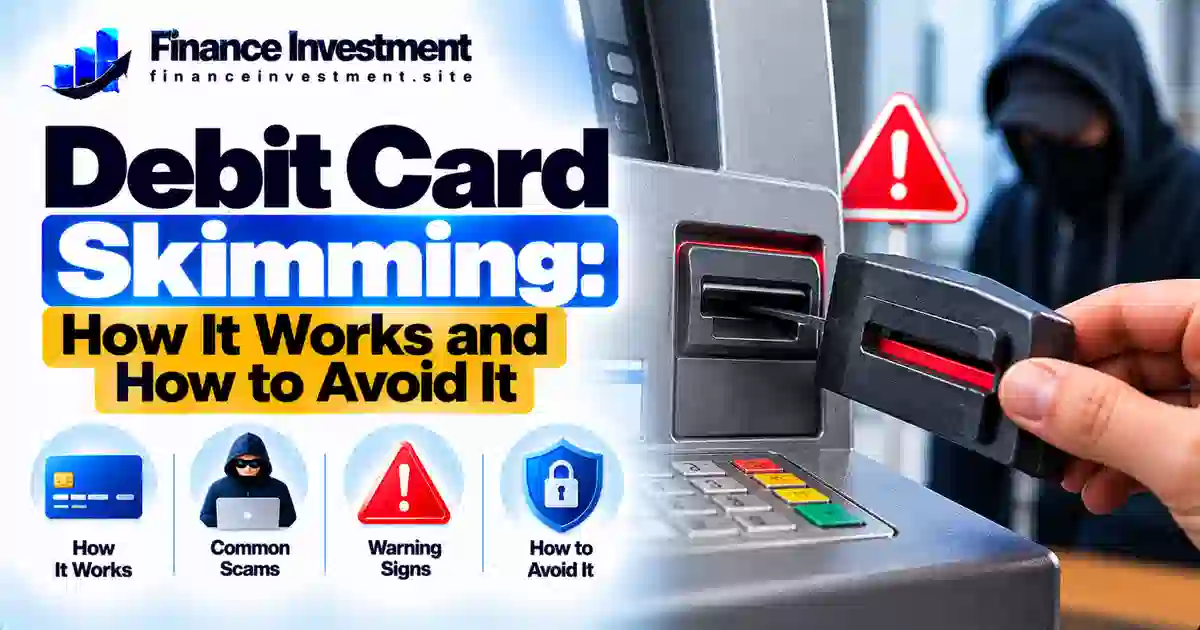
Debit Card Skimming: How a Quick Stop Can Put Your Money at Risk
Debit card skimming happens when criminals use a concealed or altered card reader to capture information from a card’s magnetic stripe. They may also use a hidden camera or another method to capture your PIN. Stolen details can then be used in attempts to make unauthorized transactions or create counterfeit cards.
ATMs and gas station payment terminals are common places to watch carefully. A skimmer may blend in with the machine, so a quick look at the card slot and keypad is worth your time. Still, you do not need to avoid debit cards altogether. A few sensible habits can help lower your risk.
This guide covers warning signs, safer payment habits, and what to do if a transaction looks unfamiliar. For more ways to protect your finances, visit our Bank Security and Fraud Prevention Guide.
What You’ll Learn
- How card skimmers collect payment-card information.
- Warning signs to check at ATMs and gas pumps.
- Ways to protect your card details and PIN.
- What to do when you spot an unfamiliar transaction.
- How to contact your bank and report suspected fraud.
Quick Answer: How Can You Avoid Debit Card Skimming?
Before using an ATM or gas pump, look for a card slot or keypad that appears loose, damaged, or different from the rest of the machine. Cover the keypad while entering your PIN, choose well-maintained machines in visible locations, and enable transaction alerts if your bank offers them. If you spot an unfamiliar transaction, contact your bank immediately. Use its official app or phone number to lock the card if that option is available and ask how to dispute the charge.
Key Takeaways
- Check for unusual or loose parts around the card reader and keypad.
- Shield your PIN from nearby people and possible hidden cameras.
- Use contactless or other trusted payment methods when practical.
- Turn on available transaction alerts and review account activity regularly.
- Treat unfamiliar withdrawals or purchases as a reason to act promptly.
- Report suspected debit card fraud to your bank as soon as possible.
Bottom line: Not every skimmer is easy to spot, and no precaution guarantees complete protection. Combining careful machine checks, PIN protection, transaction monitoring, and a quick response can help reduce risk.
Debit Card Skimming at a Glance
Debit card skimming occurs when criminals use a concealed or tampered reader to capture card information, often from the magnetic stripe. They may use a separate hidden camera or another method to capture your PIN. These quick facts explain the main risks and the steps that can help protect your account.
| Quick Fact | What It Means |
|---|---|
| Main risk | Captured card details may be used in attempts to make unauthorized transactions or create counterfeit cards. |
| Risk reduction | Check for tampering, shield your PIN, and use trusted payment options when practical. |
| First response | Contact your bank promptly if you suspect skimming or notice an unfamiliar transaction. Ask whether your card should be locked or replaced. |
Quick takeaway: A card reader can look normal even when it has been tampered with. Shield your PIN, monitor account activity, and report suspicious transactions quickly.
Debit Card Skimming: A Beginner’s Guide 
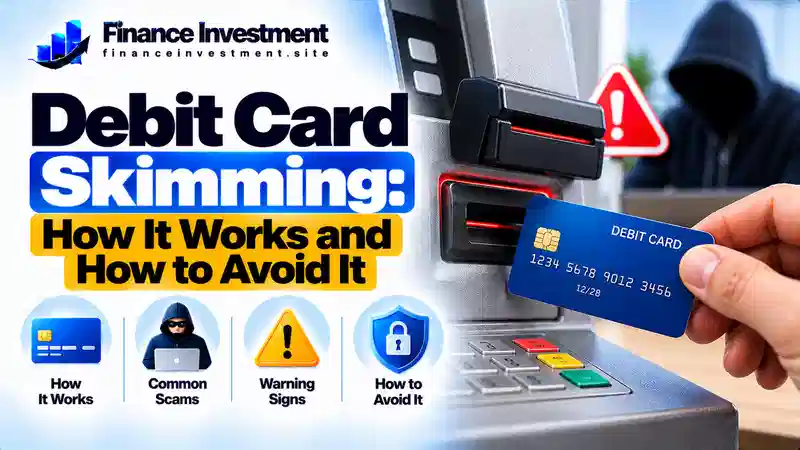
Debit card skimming can happen even when you take care with your money. A tampered payment terminal may look ordinary, so knowing how these devices work can help you make safer choices when paying.
What Is a Card Skimmer?
A card skimmer is a device designed to capture information from a payment card, often when the card is inserted or swiped. Criminals may attach one to an ATM, gas pump, or another payment terminal. A separate hidden camera or a false keypad may be used to capture your PIN. Contactless payments do not require you to insert or swipe the card, so they avoid that particular skimming method, but they are not completely free from payment fraud risks.
How Is Skimming Different From Card Cloning?
Skimming is the method used to collect card data. Card cloning means creating a counterfeit card using copied information. Captured data may also be misused in other ways, depending on what was collected and the payment system involved.
How Can You Reduce the Risk?
Before using a terminal, look for loose parts, unusual attachments, or signs of damage. Cover the keypad while entering your PIN, choose well-maintained machines, and check your transactions regularly. If a reader looks suspicious, use another payment method and notify the business or machine operator.
For more ways to protect your finances, read our guide on how to protect your bank account. If you notice an unfamiliar transaction, contact your bank promptly. No single precaution prevents every form of payment fraud.
How Debit Card Skimming Works
Debit card skimming generally involves a tampered payment terminal and the unauthorized collection of card information. The exact method can vary, but these three stages explain the basic idea.
A Payment Reader Is Tampered With
A criminal may attach or conceal a device around a card reader to collect information when a card is inserted or swiped.
Information May Be Captured
A skimmer may capture magnetic-stripe data. A separate hidden camera or false keypad may be used to capture the PIN.
Stolen Data May Be Misused
Depending on what was captured, criminals may attempt unauthorized transactions or create a counterfeit magnetic-stripe card.
How Might You Notice a Problem?
An unfamiliar withdrawal, an unexpected purchase, or a bank alert you cannot explain may signal a problem. These signs do not prove that skimming occurred, but you should investigate them promptly.
What to do: If you suspect your card details were exposed, contact your bank through its official app or phone number. Ask whether to lock or replace the card and how to report or dispute any unauthorized transaction.
Debit Card Skimming Prevention: Benefits and Drawbacks
Simple precautions can reduce your exposure to card skimming, but each has limits. Combining a few habits is more practical than relying on one method alone.
Benefits
- Checking the reader may help you notice visible tampering before using a machine.
- Covering the keypad helps keep your PIN out of view.
- Transaction alerts and regular account checks can help you notice suspicious activity sooner.
Drawbacks
- A skimmer may be hidden well enough to escape a visual check.
- Alerts may be delayed, unavailable, or fail to flag every transaction.
- No single precaution can guarantee that your card details will stay safe.
Practical takeaway: Inspect the reader, shield your PIN, enable available transaction alerts, and review your account regularly. If you notice an unfamiliar transaction, contact your bank promptly instead of relying on alerts alone.
Compare Debit Card Skimming Prevention Methods
Different precautions help at different stages of a payment. This comparison shows what each method can do, where its limits are, and when it may be useful.
| Method | Main Benefit | Limitation | When to Use It |
|---|---|---|---|
| Inspect the card reader | May help you notice visible damage or tampering | A well-hidden skimmer may not be visible | Before using an ATM or gas pump |
| Shield your PIN | Makes it harder for nearby people or cameras to see your entry | Does not stop a device from collecting card data | Whenever you enter your PIN |
| Use contactless payment | Avoids inserting or swiping the card for that payment | Does not eliminate other payment fraud risks | When a trusted contactless option is available |
| Enable transaction alerts | May help you notice activity sooner | Availability and alert timing vary by bank | For ongoing account monitoring |
| Review account activity | Helps you identify transactions you do not recognize | Requires regular attention | During routine account checks and after a suspicious alert |
Quick takeaway: Use several precautions together. Check the reader, shield your PIN, choose trusted payment options, and review account activity regularly. If a terminal looks altered, do not use it; notify the business or machine operator.
Debit Card Skimming: Costs, Risks and Expert Tips
Debit card skimming may lead to unauthorized withdrawals or purchases, time spent disputing charges, and temporary difficulty accessing your money. You might also need a replacement card and have to update recurring payments. Reimbursement is not automatic; the outcome depends on the circumstances, applicable protections, and the bank’s investigation. Reporting the problem promptly can help protect your account and document your claim.
What to Do if You Suspect Skimming
- Contact your bank immediately. Use its official app, website, or the phone number printed on your card.
- Secure your card and account. Ask whether to lock or cancel the card, request a replacement, and review any other protective steps.
- Report unauthorized transactions. Explain which charges you do not recognize, ask how to dispute them, and confirm applicable reporting deadlines.
- Save the details. Keep transaction records, bank alerts, case numbers, and copies of relevant messages.
- Follow up with the bank. Ask about the investigation, required documents, and whether temporary credit or other protections may apply.
Practical Tips for Everyday Use
Choose well-maintained ATMs in visible locations, inspect the reader without forcing or dismantling any part, and cover the keypad while entering your PIN. Review transactions regularly. If a terminal looks altered, use another payment method and notify the operator. For more help, read our guide on how to report bank fraud in the USA.
Important: Locking a card does not automatically reverse a transaction that has already occurred. Report suspected fraud promptly, ask your bank which protections and deadlines apply, and keep a record of your contact with the bank.
Common Debit Card Skimming Mistakes to Avoid
Small oversights can make it harder to notice or respond to card fraud. Keep these common mistakes in mind when using your debit card.
- Using a suspicious reader: If the card slot looks loose, damaged, or unusual, choose another terminal and notify the operator.
- Leaving your PIN exposed: Cover the keypad while entering your PIN, even if nobody appears to be nearby.
- Relying only on alerts: Notifications may be delayed or may not flag every transaction, so review your account regularly.
- Putting off a report: Contact your bank promptly about unfamiliar charges and ask which reporting deadlines apply.
A Realistic Example
Imagine Sarah pays for gas with her debit card. A few days later, she spots a purchase she does not recognize. She cannot know from the transaction alone whether skimming occurred, but she contacts her bank using its official app, reports the charge, and asks whether to lock or replace her card. She saves the transaction details and follows the bank’s instructions for disputing the charge.
The lesson: You do not need to identify the exact cause before reporting a suspicious transaction. Contact your bank quickly, keep relevant records, and follow its instructions. Prompt reporting can help protect your account, but it does not guarantee reimbursement.
Who Should Take Extra Care With Debit Card Skimming?
Debit card skimming can affect anyone who uses a payment card. However, a few everyday habits make it especially important to stay alert:
- Frequently using ATMs or paying at gas station pumps.
- Using a debit card for groceries, bills, and other essential expenses.
- Using unfamiliar or poorly maintained payment terminals.
- Rarely checking bank statements or reviewing transaction alerts.
Practical tip: Check the card reader for signs of tampering, cover the keypad when entering your PIN, and review your account activity regularly. If a transaction looks unfamiliar, contact your bank promptly through an official channel.
Frequently Asked Questions About Debit Card Skimming
1. What Is Debit Card Skimming?
Debit card skimming is a type of payment fraud in which a criminal uses a concealed or tampered device to capture card data, often from a magnetic stripe. A separate camera or other method may be used to capture the PIN.
2. Where Does Debit Card Skimming Usually Happen?
Skimming devices may be placed on ATMs, gas station pumps, and other payment terminals. Use machines that appear well maintained, and avoid a terminal if its card reader or keypad looks unusual or altered.
3. How Can I Tell If an ATM Has a Skimmer?
Look for loose, misaligned, damaged, or unusual parts around the card slot and keypad. These signs do not confirm that a skimmer is present, and some devices are difficult to notice. If anything seems suspicious, use another ATM and notify the bank or operator.
4. Do Contactless Payments Prevent Debit Card Skimming?
Contactless payments can reduce exposure to skimmers that require a card to be inserted or swiped. However, they cannot prevent every type of payment fraud. Continue protecting your card details and checking your account activity.
5. Can Debit Card Skimming Affect My Checking Account?
Yes. If stolen card data is misused, unauthorized purchases or withdrawals may affect the checking account linked to your debit card. Contact your bank promptly if you notice a transaction you did not authorize.
6. What Should I Do If I Suspect Debit Card Skimming?
Contact your bank through its official app, website, or phone number. Report any unauthorized transactions, ask whether your card should be locked or replaced, and follow the bank’s instructions for disputing charges. Keep records of your report and any follow-up.
7. Will My Bank Refund Money Lost to Debit Card Skimming?
A refund is not guaranteed in every case. Your rights and potential reimbursement depend on the circumstances, applicable law, and how quickly you report the unauthorized activity. Notify your bank immediately and ask about its investigation and dispute process.
8. How Can I Protect My PIN From Being Stolen?
Cover the keypad with your free hand while entering your PIN. Never share your PIN, avoid terminals that appear tampered with, and review your account regularly for transactions you do not recognize.
Final Verdict: How to Avoid Debit Card Skimming
Debit card skimming can expose your card information and put your money at risk. While no precaution can guarantee complete protection, checking payment terminals, shielding your PIN, and reviewing bank transactions regularly can help you spot potential problems sooner. Contactless payments may also reduce exposure to skimmers that require a card to be inserted or swiped.
If you notice an unfamiliar transaction, contact your bank promptly through an official channel. Report the activity, ask whether your card should be locked or replaced, and follow the bank’s dispute instructions.
Your next step: Read our bank security and fraud prevention guide for more practical ways to protect your financial accounts.
Have a Money Question? Keep Exploring.
Small steps can make a difference in protecting your money. Explore our banking guides for practical tips on recognizing fraud, securing your accounts, and responding to suspicious transactions.
Have a Question or Feedback?
Contact FinanceInvestment by email with your question or feedback.