Tag: financial security

  • How to Report Bank Fraud in the USA (2026 Guide)

    How to Report Bank Fraud in the USA (2026 Guide)

    How to Report Bank Fraud in the USA

    SR
    FinanceInvestment
    Subhash Rukade
    Founder, FinanceInvestment
    Published
    October 16, 2026
    Last Updated
    October 16, 2026
    Reading Time
    About 10 minutes

    How to Report Bank Fraud in the USAhow to report bank fraud in the USA

    Knowing how to report bank fraud in the USA matters when you spot a transfer you did not make, discover unfamiliar withdrawals, or realize someone has impersonated your bank. Start by contacting your bank through its official app, verified website, or the number printed on your card. Ask the bank to secure your account and explain how to dispute the suspicious activity.

    Your bank may be the first call, but it is not always the only one. Depending on the incident, you may also report a scam to the Federal Trade Commission (FTC), submit an online-crime complaint to the FBI’s Internet Crime Complaint Center (IC3), or contact local law enforcement. Save transaction records, messages, emails, dates, and complaint numbers. These details can help you explain the incident and follow up.

    What You’ll Learn

    • How to report suspected bank fraud step by step.
    • When to contact your bank, the FTC, the IC3, or law enforcement.
    • Which records to keep and why reporting deadlines matter.
    • How to secure your account and help prevent further losses.

    For practical prevention steps, read our Bank Security and Fraud Prevention Guide.

    Quick Answer: How Do You Report Bank Fraud?

    If you suspect bank fraud, contact your bank immediately using its official app, verified website, or the number on your card. Report the suspicious activity, ask the bank to secure your account, and find out how to submit a formal transaction dispute. Depending on what happened, you may also need to report the scam to a government agency or local law enforcement.

    Key Takeaways

    • Contact your bank promptly and request a fraud case or reference number.
    • Ask whether your card, online banking access, or affected account needs to be blocked or secured.
    • Change compromised passwords from a trusted device and enable two-factor authentication.
    • Keep transaction records, screenshots, messages, dates, and copies of your bank complaint.
    • Report suspected scams through the FTC’s ReportFraud website or internet crime through the FBI’s IC3, when appropriate.
    • Report unauthorized electronic transfers quickly because legal protections and deadlines depend on the transaction and circumstances.

    Bottom line: Notify your bank, follow its dispute process, and keep written records. An FTC or IC3 complaint does not replace notifying your bank, and reporting fraud does not guarantee reimbursement.

    Bank Fraud at a Glance: Where Should You Report It?

    Start with your bank. If you see a transaction you did not authorize or suspect someone has accessed your account, contact your bank promptly. Ask it to secure your account and explain how to file a formal dispute. Additional reports may be appropriate depending on the type of fraud.

    Reporting channelWhen to consider itWhat it does
    Your bankUnrecognized transfers, withdrawals, or account changesHelps secure the account and starts the bank’s dispute process
    Federal Trade Commission (FTC)Scams, deceptive practices, or fraud attemptsCollects reports and provides consumer guidance
    FBI Internet Crime Complaint Center (IC3)Suspected internet-enabled crimeAccepts information about suspected online crime
    IdentityTheft.govSomeone misuses your personal informationProvides identity-theft reporting and recovery steps

    Before you report: Gather transaction dates, amounts, relevant messages, account statements, and your bank’s case number. Never include your password, PIN, or one-time verification code in a complaint. If money is missing, do not delay contacting your bank while preparing other reports.

    Where and How to Report Bank Fraud in the USAhow to report bank fraud in the USA

    If you notice an unfamiliar withdrawal, a transfer you did not authorize, or signs that someone has accessed your account, act promptly. Start with your bank, then consider other reporting channels based on what happened.

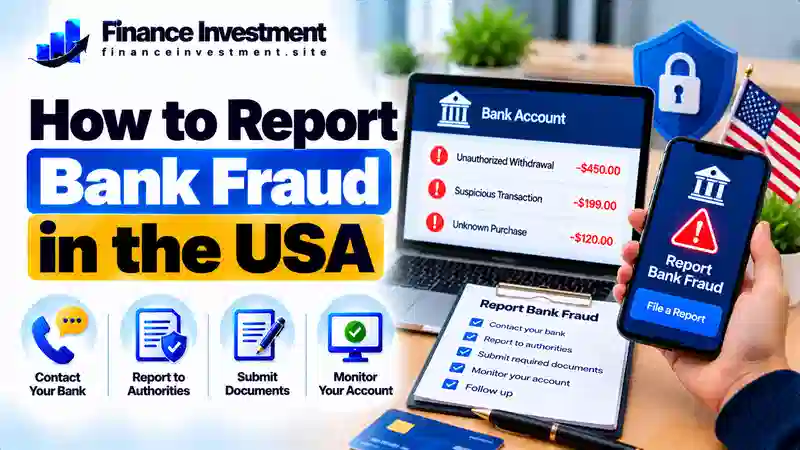
    1. Notify Your Bank and Open a Fraud Case

    Contact your bank through its official app, verified website, or the phone number on your card or statement. Identify the suspicious transaction and ask the bank to secure your account, block compromised access where appropriate, and explain how to file a formal dispute. Request a case number and ask whether a transfer recall is possible. A recall is not guaranteed.

    2. Choose the Right Reporting Agency

    For scams and deceptive practices, submit a report through the Federal Trade Commission (FTC). For suspected internet-enabled crime, such as online scams or phishing-related financial losses, use the FBI’s Internet Crime Complaint Center (IC3). These reports provide information to authorities; they do not replace a bank dispute or guarantee that money will be recovered.

    3. Contact Local Law Enforcement When Appropriate

    Consider contacting your local police department if you suspect theft, identity misuse, or another crime, or if your bank requests a police report. Call 911 for an immediate emergency, not for routine account disputes.

    4. Save Evidence and Follow Up

    Keep statements, transaction dates and amounts, relevant messages, screenshots, and complaint numbers. Follow your bank’s instructions for submitting supporting documents and keep copies of anything you send. For unauthorized electronic fund transfers, notify your bank as soon as possible: certain federal rules use specific reporting deadlines, and the applicable protections depend on the facts and transaction type.

    Scam warning: A legitimate bank representative should not ask you to move money to a stranger’s “safe account” or reveal your password or one-time verification code. End suspicious calls and contact your bank using a verified number.

    How to Report Bank Fraud Step by Step

    You do not need to know exactly how the fraud happened before reporting it. Start with the suspicious activity you noticed, then follow these steps.

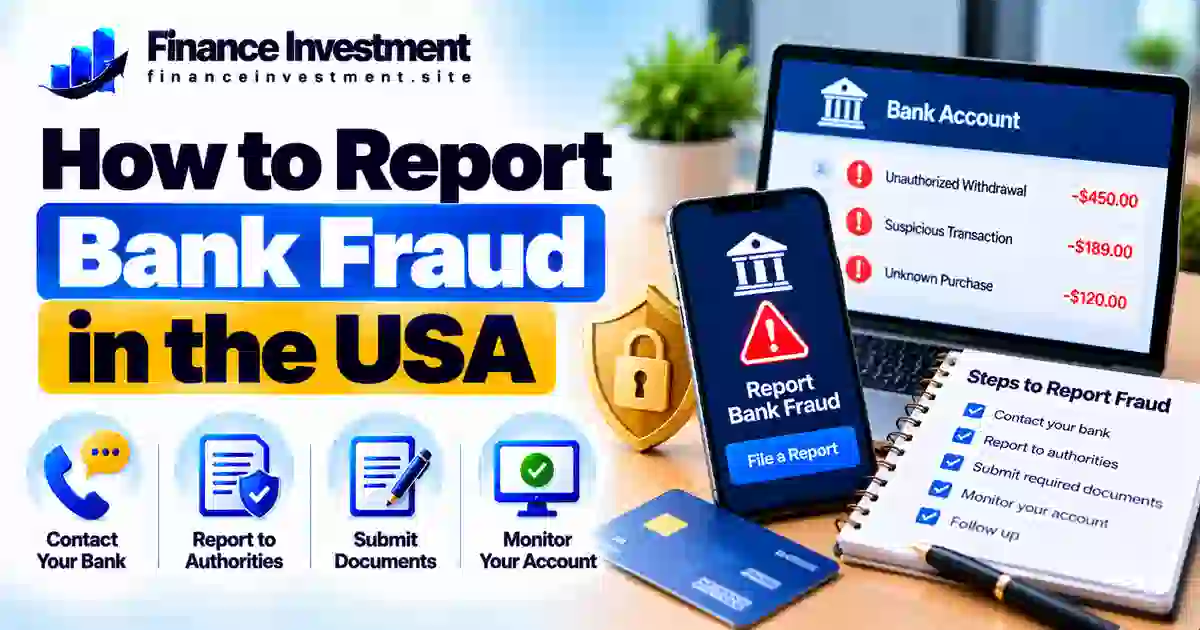
    Step 1: Contact Your Bank Through an Official Channel

    Call the verified number on your card or statement, or use the bank’s official app or website. Identify the suspicious transaction and ask the bank to open a fraud case. Request a case number for your records.

    Step 2: Secure Your Account

    Ask whether your card should be locked or replaced and whether online banking access needs to be secured. Change compromised passwords from a trusted device and enable two-factor authentication. Never share verification codes with an unexpected caller.

    Step 3: File a Formal Transaction Dispute

    Tell the bank which transaction you did not authorize and follow its dispute instructions. Include the date, amount, and any relevant details. Keep a copy of your submission. Do not assume that a general fraud report automatically completes the dispute process.

    Step 4: Preserve the Evidence

    Save statements, screenshots, suspicious messages, emails, transaction details, and complaint numbers. Record when you contacted the bank and the instructions you received.

    Step 5: Make Other Reports if Needed

    Report scams through the FTC or suspected internet-related crime through the FBI’s IC3, where appropriate. These reports do not replace your bank’s dispute process.

    Keep in mind: Report unauthorized electronic transfers promptly. Legal deadlines and protections depend on the type of transaction and circumstances. Ask your bank how to submit a dispute and keep written records of every follow-up.

    Benefits and Drawbacks of Reporting Bank Fraud Quickly

    Reporting suspicious activity promptly gives your bank a chance to respond sooner. It may not solve everything immediately, but waiting can make account protection and dispute resolution harder.

    Benefits

    • Gives the bank an earlier opportunity to secure your account.
    • Helps you start the formal transaction-dispute process.
    • Creates a record of when you reported the issue.
    • May help limit further unauthorized activity.

    Possible Drawbacks

    • You may need a replacement card or new login credentials.
    • Some transactions may remain under review during the investigation.
    • You may need to provide documents and follow up.
    • A report does not guarantee reimbursement.

    Expert tip: Do not delay contacting your bank while collecting paperwork. For certain unauthorized electronic fund transfers, Regulation E sets liability rules that depend on the circumstances and timing of your notice. Review the CFPB’s Regulation E liability rules and ask your bank which procedures apply.

    Bank vs. FTC vs. FBI IC3 vs. Police: What’s the Difference?

    Different reporting channels serve different purposes. If money has left your account without your permission, contact your bank first. You may also need to report the scam or suspected crime elsewhere.

    Reporting channelWhen to use itMain purpose
    Your bank or credit unionUnauthorized transfers, withdrawals, or suspicious account accessSecure the account and handle the transaction-dispute process
    Federal Trade Commission (FTC)Consumer scams and deceptive practicesCollect fraud reports and support consumer-protection efforts
    FBI Internet Crime Complaint Center (IC3)Suspected internet-enabled fraud or cybercrimeCollect online crime complaints for analysis and potential investigative action
    Local police or sheriffSuspected theft, identity misuse, or another possible crimeDocument the incident and determine appropriate local action

    Which should you contact first? For an unauthorized bank transaction, notify your bank promptly and ask how to file a formal dispute. Depending on the circumstances, submit an additional report to the FTC, IC3, or local law enforcement. None of these reports guarantees reimbursement.

    Costs, Risks, Deadlines, and Expert Tips

    Reporting fraud through a government complaint website is generally free. You may still face indirect costs, such as replacing a card, updating automatic payments, or spending time collecting records. Be wary of anyone demanding an upfront payment to recover stolen money or promising a guaranteed refund.

    Why Reporting Deadlines Matter

    For certain unauthorized electronic fund transfers from consumer accounts, federal Regulation E rules make prompt notice important. If a lost or stolen access device is involved, reporting it within two business days after learning of the loss or theft can affect your potential liability. You should also report an unauthorized electronic transfer shown on a periodic statement within 60 days after the bank sends that statement. Delaying notice may affect liability for certain later transfers. The precise rules depend on the circumstances, and Regulation E does not cover every type of bank fraud or payment.

    Warning: Checks, wire transfers, credit-card transactions, and payments you were tricked into making may follow different rules. Contact your bank promptly and ask which protections and dispute procedures apply to your situation.

    Practical Tips to Protect Yourself

    • Request a fraud case number and keep notes of every conversation.
    • Change compromised passwords from a trusted device and secure your email account.
    • Review recent transactions and automatic payments for unfamiliar activity.
    • Never share your PIN, password, or one-time code with an unexpected caller.

    Read the CFPB’s Regulation E liability rules for the details that may apply to certain unauthorized electronic transfers.

    Common Mistakes When Reporting Bank Fraud

    When you discover suspicious bank activity, avoid these common mistakes:

    • Delaying notification: Contact your bank as soon as possible. Some consumer protections depend on reporting deadlines.
    • Using an unverified phone number: Contact the bank through its official app, website, or the number on your card or statement.
    • Skipping the formal dispute: Ask how to dispute each unauthorized transaction and whether written notice or a specific form is required.
    • Deleting evidence: Save relevant messages, screenshots, transaction details, and the bank’s case number.
    • Trusting recovery scammers: Be cautious of anyone demanding an upfront fee or promising guaranteed recovery.

    A Realistic Example of Reporting Bank Fraud

    Imagine Sarah notices a $240 electronic transfer from her checking account that she did not authorize. She contacts her bank through its official app, reports the transaction, and asks how to secure her account. She records the case number and follows the bank’s instructions to submit a formal dispute.

    Sarah also saves relevant transaction details and suspicious messages, changes any compromised passwords, and checks for other unfamiliar activity. If the incident involved an online scam, she may also file a report with the Federal Trade Commission or, when appropriate, the FBI’s Internet Crime Complaint Center. These reports do not replace notifying her bank, and reimbursement is not guaranteed.

    Key takeaway: Report suspicious activity promptly, follow the bank’s dispute process, keep records, and never share passwords, PINs, or one-time verification codes with callers or strangers.

    Who Should Take Extra Care When Reporting Bank Fraud?

    Bank fraud can affect anyone. However, some people may need additional help securing their accounts, recognizing scams, or completing a fraud report.

    • Seniors and retirees: Be cautious of unexpected calls claiming to come from a bank, government agency, or fraud department. Verify the caller independently.
    • Families and joint-account holders: Review shared account activity and notify the bank if a transaction appears unauthorized.
    • Students and first-time account holders: Verify suspicious emails and texts before clicking links or sharing account information.
    • Online banking users: If login details may be compromised, contact the bank and secure affected accounts, email, and devices.
    • Identity theft victims: If personal information has been misused, use IdentityTheft.gov for official identity-theft reporting and recovery guidance.

    Important safety tip: Never move money to an unfamiliar “safe account” because of an unexpected call or message. Do not disclose your password, PIN, or one-time verification code to someone who contacts you unexpectedly. Contact your bank using a verified channel instead.

    Frequently Asked Questions About Reporting Bank Fraud

    1. How do I report bank fraud in the USA?

    Contact your bank through its official app, website, or verified phone number. Report suspicious activity, ask how to secure your account, and file a formal dispute for unauthorized transactions. You may also report scams to the FTC or suspected internet crime to the FBI’s IC3.

    2. Can I report bank fraud online?

    Yes. Many banks accept fraud reports online or through their mobile apps. You can also report scams at ReportFraud.ftc.gov or suspected internet-enabled crime at IC3.gov. These reports do not replace contacting your bank.

    3. Should I contact my bank before reporting fraud to the FTC?

    Usually, contact your bank promptly first, especially when money or account access is at risk. An FTC report can help document a scam, but it does not replace notifying your bank or disputing an unauthorized transaction.

    4. Can I get my money back after bank fraud?

    You may qualify for reimbursement, depending on the transaction type, applicable law, circumstances, and investigation. Report the issue quickly and follow the bank’s dispute process. A refund is not guaranteed, and some scam-related payments may have different protections.

    5. How long do I have to report an unauthorized bank transaction?

    The deadline depends on the payment and circumstances. For certain electronic fund transfers covered by Regulation E, reporting a lost or stolen access device within two business days after learning of the loss or theft can affect liability. Reporting an unauthorized transfer within 60 days after the bank sends the statement showing it can also be important. Contact your bank immediately; other payment types may follow different rules.

    6. Do I need a police report for bank fraud?

    Not always. Your bank may request supporting documents, and a police report may be appropriate for suspected crimes such as forged checks or identity theft. Ask your bank what documentation it requires and keep a copy of any report you file.

    7. What evidence should I keep when reporting bank fraud?

    Save transaction dates and amounts, account statements, relevant emails or texts, screenshots, complaint numbers, and correspondence with your bank. Store the records securely. Never include passwords, PINs, or one-time verification codes in ordinary complaint messages.

    8. What should I do if my bank does not resolve my fraud complaint?

    Ask the bank for its written decision and complaint escalation process. Depending on the issue, you can submit a complaint to the Consumer Financial Protection Bureau. Keep copies of all records and note any applicable deadlines.

    Final Verdict: Report Bank Fraud Without Delay

    Knowing how to report bank fraud in the USA helps you respond when suspicious transactions or account activity appear. Contact your bank through a verified channel, secure affected accounts, and formally dispute unauthorized transactions. Save relevant records and consider reporting scams to the appropriate government agency when necessary.

    Act promptly because reporting deadlines and legal protections vary by transaction type. Although a report does not guarantee reimbursement, keeping clear records and following the correct process can help support your case.

    Take the next step: Learn how to reduce future risks with our Bank Security and Fraud Prevention Guide, which covers practical ways to recognize scams and protect your bank account.

    Have a Money Question? Keep Exploring.

    Want to learn more about protecting your money? Explore our practical banking security guides or contact FinanceInvestment with a question or suggestion.
    Contact FinanceInvestment

    Questions or suggestions are welcome by email.

    Email FinanceInvestment

    Continue Your Research

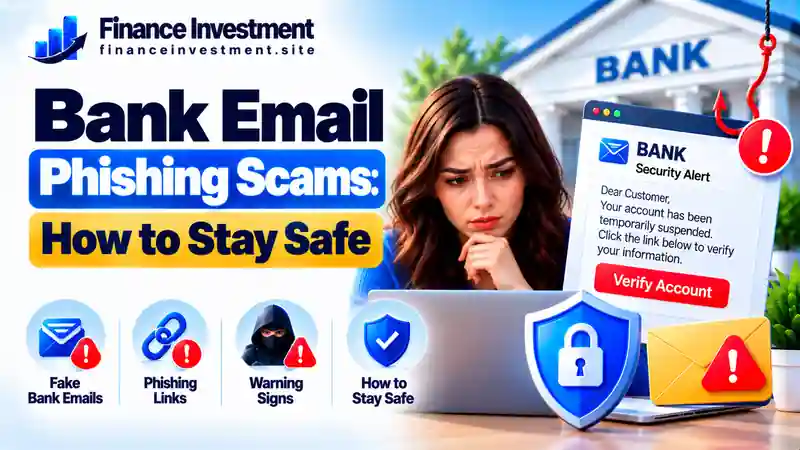
  • Bank Email Phishing Scams: How to Stay Safe in 2026

    Bank Email Phishing Scams: How to Stay Safe in 2026

    Bank Email Phishing Scams: How to Stay Safe

    SR
    Subhash Rukade
    Founder, FinanceInvestment
    Banking Safety · Phishing Awareness · Personal Finance
    Updated: October 13, 2026
    Reading time: About 12 minutes

    Bank Email Phishing Scams: How to Recognize the Warning Signsbank email phishing scams

    An email claiming to be from your bank can look convincing. It might warn you about unusual account activity, ask you to verify a payment, or threaten to suspend your account unless you act immediately. These bank email phishing scams are designed to make you worry and click before you stop to check the message. A fake link may lead to a website that steals your banking password, personal information, or one-time security code.

    You can reduce the risk by recognizing common warning signs and verifying unexpected requests through your bank’s official app, website, or phone number. Avoid using contact details or links supplied in a suspicious email. For more practical safeguards, read our bank security and fraud prevention guide.

    What You’ll Learn

    • How phishing emails work and which warning signs to look for.
    • How to distinguish suspicious messages from legitimate bank emails.
    • What to do if you click a link or share sensitive information.
    • How to report phishing attempts and improve your account security.

    Quick Answer: How Can You Avoid Bank Email Phishing Scams?

    To avoid bank email phishing scams, treat unexpected banking emails with caution. Don’t click suspicious links, open unexpected attachments, or provide passwords, PINs, or one-time verification codes in response to an email. Instead, open your bank’s official app, type its known website address yourself, or call the number printed on your bank card. Urgent threats and requests to verify account details are reasons to pause and check independently.

    Key Takeaways

    • Inspect the sender’s full email address, but remember that sender details can be spoofed.
    • Verify account alerts independently instead of using links in unexpected emails.
    • Never email your password, PIN, or one-time verification code to someone claiming to represent your bank.
    • Use a unique banking password and enable multifactor authentication when available.
    • If you clicked a suspicious link or shared information, contact your bank promptly through a trusted channel and ask how to secure your account.

    Remember: You don’t have to reply to a suspicious email to resolve an account issue. Verify the claim directly with your bank, then report the message through an appropriate channel.

    Bank Email Phishing Scams at a Glance

    Bank email phishing scams use messages that appear to come from financial institutions to trick people into revealing sensitive information or visiting fraudulent websites. These common warning signs can help you decide when to stop and verify a message before taking action.

    Warning SignWhy It MattersSafer Response
    Urgent account warningMay pressure you to act without checkingCheck your account through the official app or website
    Unexpected sign-in linkCould lead to a fake login pageEnter your bank’s known website address yourself
    Request for a password or security codeCould be an attempt to gain account accessDo not disclose credentials in response to the email
    Unexpected attachmentMay contain harmful files or linksDo not open it until you verify the message independently

    QUICK TAKE

    A bank logo, familiar display name, or professional-looking design does not prove an email is genuine. Verify unexpected requests through a trusted channel, avoid suspicious links, and contact your bank promptly if you may have exposed your information.

    A Beginner’s Guide to Bank Email Phishing Scamsbank email phishing scams

    Bank email phishing scams involve fraudulent messages designed to look as though they came from a bank or another trusted financial institution. An email might warn you about an unfamiliar transaction, claim your account will be restricted, or ask you to confirm a payment. The goal is to persuade you to reveal private information, visit a fake website, or open unsafe content.

    What Information Are Scammers After?

    Depending on the scam, criminals may try to obtain your online banking username and password, debit or credit card details, personal information, or one-time verification code. They may use stolen details to attempt unauthorized transactions, access accounts, or support identity fraud. Some phishing emails also direct recipients to fake sign-in pages or contain dangerous attachments.

    How Should You Handle a Suspicious Email?

    Avoid clicking its links, opening unexpected attachments, or replying with sensitive information. Instead, check the claim through your bank’s official app, a website address you already know, or the trusted phone number on your bank card. If the message appears fraudulent, follow your bank’s reporting instructions and use your email provider’s phishing-report option.

    Beginner tip: A familiar bank logo or display name does not prove an email is genuine. When you are unsure, do not use the message to contact your bank; verify the issue independently.

    How Bank Email Phishing Scams Work

    Bank email phishing scams typically follow a pattern: imitate a trusted institution, create pressure, and encourage the recipient to reveal information or visit a fraudulent website. Recognizing these steps can help you stop before taking an action that puts your account at risk.

    Four Common Steps in a Phishing Attempt

    1. A message appears legitimate. The sender may copy a bank’s logo, colors, or writing style. The displayed sender name alone does not prove who sent it.
    2. The email creates urgency. It may warn about an unfamiliar transaction, a locked account, or a payment that supposedly needs immediate attention.
    3. You are prompted to act. A link may lead to a fake login page, or an unexpected attachment may contain malicious content.
    4. Your information may be targeted. If you enter your password, card details, or verification code on a fraudulent page, criminals may attempt to access your account or misuse your information.

    Safety reminder: Do not rely on an email’s appearance to decide whether it is genuine. Verify unexpected requests through your bank’s official app, a website address you already know, or a trusted phone number.

    Some phishing emails include your name or other accurate details, so personalization is not proof of legitimacy. If you only opened a suspicious email, that alone does not necessarily mean your account is compromised. If you clicked a link, downloaded a file, or shared information, take appropriate precautions and contact your bank if banking details may be exposed.

    Bank Email Alerts: Benefits and Drawbacks

    Genuine bank email alerts can help you monitor account activity, receive service updates, and notice certain changes. However, alerts may be delayed or filtered, and scammers can imitate bank notifications to trick you into clicking fraudulent links.

    Benefits of Bank Email Alerts

    • Keep you informed about selected transactions and account changes.
    • Help you notice unfamiliar activity so you can investigate promptly.
    • Provide convenient access to important service and security notifications.

    Drawbacks to Keep in Mind

    • Fraudulent emails may copy the appearance of legitimate bank alerts.
    • Messages can arrive late, land in spam, or go unnoticed.
    • Following a fake link may expose your login details or other sensitive information.

    Practical tip: Set up alerts through your bank’s official app or website. Treat unexpected email links cautiously, and verify account warnings independently instead of signing in through the message.

    Legitimate Bank Emails vs. Phishing Emails

    Phishing emails can closely imitate genuine bank messages, making them difficult to identify at first glance. Instead of judging an email by its logo or appearance, examine the request and verify unexpected account warnings independently.

    What to CheckPossible Legitimate SignPotential Warning Sign
    Message purposeAn expected alert or routine account updateUnexpected threats or pressure to act immediately
    Links and websitesA link consistent with a verified bank serviceA look-alike domain or unfamiliar sign-in page
    Sensitive informationInstructions to review activity through secure banking channelsRequests to email passwords, PINs, or one-time codes
    Sender detailsConsistent with communications you have independently verifiedMisspelled domains or misleading sender information

    Important: No single clue can confirm that an email is genuine. Sender information can be spoofed, and some legitimate bank messages contain links. When in doubt, avoid the email’s links and open your bank’s official app, use a website address you already know, or call a trusted number on your bank card.

    Risks, Costs, and Expert Safety Tips

    Falling for bank email phishing scams can expose your banking password, card details, or personal information. Depending on what was shared, criminals may attempt unauthorized transactions or identity fraud. You may also spend time securing accounts, replacing cards, and disputing transactions. Financial losses and reimbursement outcomes vary, so report suspected fraud promptly and ask your bank which protections and deadlines apply.

    Practical Ways to Protect Your Account

    • Verify unexpected requests: Use your bank’s official app, a website address you already know, or a trusted phone number—not contact details supplied in a suspicious email.
    • Strengthen account security: Use a unique password and enable multifactor authentication when available.
    • Review account activity: Check transactions regularly and set up relevant alerts through your bank’s official settings.
    • Respond quickly to exposure: Contact your bank if you shared credentials or financial details. Change compromised passwords through a trusted device, and ask whether your card or account access should be blocked or replaced.

    If you notice an unauthorized transaction: Contact your bank immediately through a trusted channel, report the transaction, and ask about dispute procedures and deadlines. In the United States, you can also report suspected scams through the FTC’s ReportFraud website. Reporting a scam does not replace contacting your bank about your account or money.

    Common Mistakes to Avoid With Bank Email Phishing Scams

    A convincing message can catch anyone off guard. These mistakes can increase your risk:

    • Trusting a bank logo or familiar sender name without verifying the message.
    • Following an unexpected sign-in link or opening an unverified attachment.
    • Sharing passwords, PINs, card details, or one-time verification codes in response to an email.
    • Ignoring unusual transactions or delaying action after sharing sensitive information.

    Realistic Example: A Fake Bank Security Alert

    Imagine receiving an email claiming that your bank has detected suspicious activity and will restrict your account unless you verify a transaction. The message looks professional and includes a sign-in link. You click it and enter your banking password on a fake website.

    The safer choice is to open your bank’s official app or use its known website to check the claim. If you already entered your password, contact your bank promptly and change the compromised password using a trusted device. If you shared a verification code or notice an unfamiliar transaction, tell the bank that too.

    Remember: Pause and verify unexpected requests independently. Simply receiving or opening a suspicious email does not automatically mean your account has been compromised, but clicking links or sharing information may require further action.

    Who Should Be Extra Careful About Bank Email Phishing Scams?

    Anyone with a bank account can be targeted by phishing emails. Extra caution is helpful if you:

    • Are new to online banking or unfamiliar with common phishing warning signs.
    • Rely on email for account alerts, payment notifications, or security updates.
    • Manage family finances, business banking, or several financial accounts.
    • Have received suspicious messages or believe your personal or banking information may have been exposed.

    Practical takeaway: You do not need advanced technical skills to protect yourself. Pause before following unexpected requests, verify them through your bank’s official app or a trusted phone number, and contact your bank promptly if you suspect your account details have been compromised.

    Final Verdict: Stay Alert and Protect Your Bank Account

    Bank email phishing scams can appear convincing, but you can reduce the risk by slowing down and checking unexpected requests. Do not rely on a bank logo, display name, or professional-looking message as proof of authenticity. Instead, verify account alerts through your bank’s official app, a website address you already know, or a trusted phone number.

    If you share your banking credentials or notice an unauthorized transaction, contact your bank immediately. Follow its instructions to secure your account, review recent activity, and report any suspicious transactions.

    Bottom line: Stop, verify, and then act. Checking an unexpected email independently is a simple habit that can help protect your finances and personal information.

    Have a Money Question? Keep Exploring.

    Staying safe online starts with knowing what to check before you act. Keep learning about banking scams, account security, and practical ways to protect your financial information.

    Have a question?

    Send your general questions or feedback about FinanceInvestment’s financial education content by email.

    Email FinanceInvestment

    Continue Your Research

  • Warning Signs of Dangerous Credit Card Debt in 2026

    Warning Signs of Dangerous Credit Card Debt in 2026

    Warning Signs of Dangerous Credit Card Debt in 2026

    warning signs of dangerous credit card debt


    By Subhash Rukade | Updated May 28, 2026

    Why Dangerous Credit Card Debt Is Rising in 2026

    Millions of Americans are searching for warning signs of dangerous credit card debt because rising APR rates, online financial risks, and growing living costs are creating serious financial pressure across the United States in 2026.

    Today, many consumers continue struggling with:

    • High-interest credit card balances
    • Growing monthly repayment pressure
    • Online fraud risks
    • Financial stress and overspending

    Because borrowing costs remain elevated, financially disciplined Americans now focus heavily on safer credit card usage habits and smarter debt management strategies.

    Unfortunately, many beginners still misunderstand how dangerous debt develops over time.

    Some Americans incorrectly believe:

    • Minimum payments are financially safe
    • Rewards programs always outweigh APR costs
    • Online scams only target careless consumers
    • Debt problems disappear automatically with higher income

    However, poor financial habits often create:

    • Long-term debt accumulation
    • Credit score instability
    • Higher financial stress
    • Reduced investment flexibility

    Financially disciplined Americans usually prioritize:

    • Controlled spending habits
    • Automatic repayment systems
    • Lower utilization ratios
    • Secure online banking practices
    • Long-term budgeting discipline

    Consumers wanting deeper understanding of smarter borrowing systems also continue learning through:
    Ultimate Credit Card Guide 2026: Best Cards, Rewards & Smart Usage Tips.

    The good news is Americans may still avoid dangerous debt cycles once they understand the early warning signs of financial problems and the safer habits disciplined borrowers use to protect long-term financial stability.

    In this beginner-friendly 2026 guide, we’ll explain the biggest warning signs of dangerous credit card debt, safe credit card usage strategies, common financial mistakes consumers make, and the smarter financial habits Americans use to reduce risk and improve financial security.

    Early Warning Signs of Dangerous Credit Card Debt in 2026

    Understanding warning signs of dangerous credit card debt starts with learning how financial problems slowly develop before becoming serious long-term debt crises.

    In 2026, many Americans continue facing financial pressure because rising APR rates and online spending habits are making debt accumulation faster and more dangerous.

    Financially disciplined borrowers usually understand one important fact:

    Dangerous debt rarely appears suddenly.

    Instead, it often grows slowly through unhealthy borrowing habits and poor financial discipline.

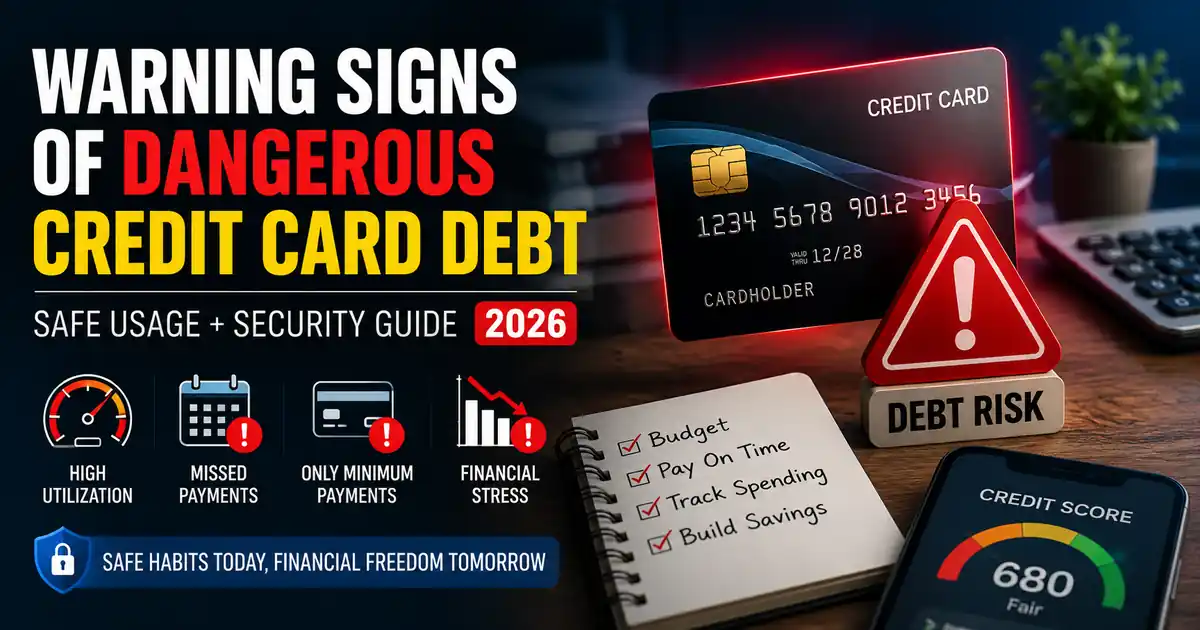
    1. Making Only Minimum Payments Is a Major Warning Sign

    One of the biggest warning signs of dangerous credit card debt is relying only on minimum monthly payments.

    Unfortunately, minimum payment systems often:

    • Extend repayment timelines dramatically
    • Increase long-term APR costs
    • Create larger revolving balances
    • Reduce financial flexibility

    Many Americans underestimate how quickly interest compounds when balances remain unpaid for long periods.

    Financially disciplined consumers usually prioritize:

    • Extra monthly payments
    • Aggressive repayment planning
    • Automatic payment systems
    • Controlled spending habits

    2. Rising Utilization Ratios Create Financial Risk

    High utilization ratios continue hurting millions of American credit profiles every year.

    Financial experts usually recommend:

    • Below 30% utilization
    • Single-digit utilization when possible
    • Smaller revolving balances
    • Controlled borrowing behavior

    When consumers regularly use most of their available credit limits, it often signals:

    • Financial instability
    • Overspending pressure
    • Emergency borrowing dependence
    • Higher repayment risk

    Understanding warning signs of dangerous credit card debt may help Americans detect financial problems before debt becomes unmanageable.

    3. Emotional Spending Weakens Financial Stability

    Many Americans accumulate dangerous debt because emotional spending habits overpower budgeting discipline.

    Emotional borrowing commonly develops during:

    • Holiday shopping seasons
    • Stressful financial periods
    • Online shopping sales
    • Lifestyle pressure
    • Impulse purchases

    Unfortunately, emotional spending often creates:

    • Higher revolving balances
    • Long-term APR pressure
    • Lower emergency savings
    • Growing financial stress

    4. Missing Payments Creates Long-Term Financial Damage

    Late payments remain one of the clearest warning signs of dangerous credit card debt.

    Missed payments often create:

    • Penalty APR activation
    • Higher interest costs
    • Credit score instability
    • Reduced borrowing flexibility

    Financially disciplined Americans usually use:

    • Automatic payment systems
    • Weekly budget reviews
    • Debt tracking tools
    • Emergency savings protection

    5. Borrowing for Essentials Signals Growing Financial Pressure

    When consumers start using credit cards regularly for:

    • Groceries
    • Utilities
    • Gas expenses
    • Medical bills
    • Monthly rent support

    It often signals dangerous financial pressure developing behind the scenes.

    Financially disciplined Americans usually focus heavily on improving:

    • Cash flow management
    • Emergency savings
    • Budgeting discipline
    • Long-term financial planning

    Warning SignFinancial ConsequenceSmarter Financial Habit
    Minimum payments onlyLong-term debt accumulationAggressive repayment planning
    High utilization ratiosCredit instabilityMaintain below 30% utilization
    Emotional spendingGrowing revolving balancesBudget-focused spending
    Late paymentsPenalty APR activationAutomatic payment systems
    Borrowing for essentialsFinancial instabilityEmergency savings discipline

    Many Americans also continue strengthening broader financial preparedness through:
    How Americans Are Protecting Their Money During a Recession in 2026.

    Consumers planning stronger long-term financial stability also continue learning through:
    Retirement Healthcare Planning Strategies.

    Understanding the early warning signs of dangerous debt may help Americans protect financial stability before long-term borrowing problems become more severe in 2026.

    Safe Credit Card Usage and Security Habits Americans Use in 2026

    After understanding warning signs of dangerous credit card debt, the next important step is learning how financially disciplined Americans protect themselves from both dangerous debt and online financial risks.

    In 2026, secure credit card usage has become just as important as budgeting discipline because online scams and digital fraud attempts continue increasing across America.

    Financially disciplined consumers now focus heavily on:

    • Secure online banking habits
    • Controlled borrowing behavior
    • Fraud prevention systems
    • Automatic financial monitoring
    • Long-term budgeting discipline

    Understanding warning signs of dangerous credit card debt may help Americans reduce financial risks while improving long-term financial security.

    1. Secure Online Shopping Habits Reduce Financial Risk

    Many Americans now use credit cards heavily for online purchases.

    However, unsafe shopping habits often create:

    • Fraudulent charges
    • Identity theft risks
    • Financial account exposure
    • Unauthorized transactions

    Financially disciplined consumers usually:

    • Shop only on secure websites
    • Check HTTPS security protection
    • Avoid suspicious online stores
    • Monitor account activity regularly

    These habits help Americans maintain safer digital financial systems in 2026.

    2. Two-Factor Authentication Improves Credit Card Security

    Many banks now encourage consumers to activate:

    • Two-factor authentication
    • Biometric verification
    • Mobile banking alerts
    • Fraud monitoring systems

    These tools often help consumers:

    • Detect suspicious activity quickly
    • Reduce account hacking risks
    • Protect online financial access
    • Improve account security

    Financially disciplined Americans increasingly rely on these systems to strengthen digital banking protection.

    3. Monitoring Statements Helps Detect Problems Early

    One of the safest financial habits Americans use in 2026 is reviewing credit card statements regularly.

    This often helps consumers:

    • Identify suspicious transactions
    • Track emotional spending
    • Monitor utilization ratios
    • Improve budgeting awareness
    • Detect financial problems faster

    Many financially disciplined borrowers now review account activity weekly instead of waiting for monthly statements.

    4. Avoiding Public Wi-Fi Protects Financial Information

    Using unsecured public Wi-Fi networks for online banking may increase:

    • Account hacking risks
    • Password theft exposure
    • Identity theft problems
    • Unauthorized financial access

    Financially disciplined Americans usually avoid:

    • Public Wi-Fi banking
    • Unknown financial apps
    • Suspicious email links
    • Fake banking websites

    Safe digital habits now play a major role in protecting long-term financial stability.

    5. Fraud Alerts Improve Financial Awareness

    Many financial institutions now provide instant fraud alerts whenever:

    • Large purchases occur
    • International transactions appear
    • Suspicious login attempts happen
    • Account activity changes suddenly

    These alerts often help Americans:

    • Respond faster to scams
    • Protect financial accounts
    • Reduce fraud losses
    • Improve financial awareness

    Consumers wanting deeper understanding of smarter credit systems also continue learning through:
    Ultimate Credit Card Guide 2026: Best Cards, Rewards & Smart Usage Tips.

    Many investors also continue strengthening passive income systems through:
    Top Dividend Stocks USA 2026.

    Safe Usage HabitMain BenefitPotential Risk Avoided
    Two-factor authenticationStronger account securityUnauthorized access
    Weekly statement reviewsBetter financial awarenessFraudulent charges
    Secure online shoppingSafer transactionsIdentity theft
    Avoiding public Wi-FiImproved data protectionAccount hacking
    Fraud alertsFaster scam detectionFinancial losses

    Financially successful Americans now understand safer credit card habits, stronger online security systems, and controlled borrowing behavior are all essential for maintaining long-term financial stability in 2026.

    Real-World Example and Common Financial Mistakes Americans Make

    Even after understanding warning signs of dangerous credit card debt, many Americans still struggle financially because emotional spending habits and unsafe online behavior continue creating serious long-term financial problems.

    Credit cards may become powerful financial tools when managed responsibly.

    However, unhealthy borrowing behavior and poor security habits often create:

    • Higher revolving balances
    • Long-term APR pressure
    • Fraud-related financial losses
    • Growing emotional financial stress

    Real-World Example: Michael From California

    Michael, a 37-year-old technology consultant from California, wanted to improve his financial stability before expanding his investment portfolio in 2026.

    At first, Michael underestimated how quickly dangerous debt and online financial risks could grow together.

    He believed:

    • Rewards programs outweighed APR risks
    • Minimum payments were financially safe
    • Public Wi-Fi banking was harmless
    • Online scams only targeted inexperienced consumers

    Unfortunately, Michael regularly:

    • Used multiple credit cards emotionally
    • Ignored utilization ratios
    • Overspent during online shopping sales
    • Used unsecured public Wi-Fi for banking
    • Opened suspicious email links

    Because his financial discipline became inconsistent:

    • APR charges increased rapidly
    • Debt balances continued growing
    • Financial stress worsened
    • Suspicious transactions eventually appeared

    Michael later realized understanding warning signs of dangerous credit card debt required both smarter borrowing discipline and stronger financial security habits.

    He eventually improved his financial habits by:

    • Using automatic payment systems
    • Reducing emotional online shopping
    • Activating fraud alerts
    • Tracking utilization weekly
    • Avoiding unsafe banking behavior

    As his repayment consistency improved, his financial stress gradually decreased and his long-term financial stability strengthened.

    Ignoring APR Costs Creates Long-Term Financial Pressure

    Many Americans focus heavily on rewards programs while ignoring APR structures.

    Unfortunately, high APR systems often:

    • Increase long-term debt accumulation
    • Reduce repayment flexibility
    • Create financial instability
    • Slow long-term investment growth

    Financially disciplined borrowers usually compare:

    • APR structures
    • Utilization ratios
    • Repayment flexibility
    • Total borrowing costs

    Unsafe Online Banking Habits Increase Financial Risk

    Many Americans unknowingly expose financial accounts through unsafe online behavior.

    Common risky habits include:

    • Using public Wi-Fi banking
    • Opening suspicious email links
    • Using weak passwords
    • Ignoring fraud alerts
    • Shopping on unsecured websites

    Financially disciplined Americans usually prioritize:

    • Secure online banking systems
    • Two-factor authentication
    • Weekly statement reviews
    • Fraud monitoring alerts

    Lifestyle Inflation Weakens Financial Stability

    As incomes increase, many Americans also increase spending aggressively.

    Lifestyle inflation often includes:

    • Luxury shopping habits
    • Frequent travel spending
    • Expensive subscriptions
    • Impulse online purchases
    • Overspending during sales events

    Unfortunately, rising lifestyle costs often weaken:

    • Emergency savings growth
    • Debt repayment flexibility
    • Long-term budgeting discipline
    • Financial stability

    Common Financial MistakeFinancial ConsequenceSmarter Alternative
    Ignoring APR structuresGrowing debt pressureTrack borrowing costs carefully
    Using public Wi-Fi bankingHigher fraud riskSecure private connections
    Emotional spendingHigher revolving balancesBudget-focused spending
    Weak password habitsAccount hacking exposureTwo-factor authentication
    High utilization ratiosCredit instabilityMaintain below 30% utilization

    Consumers wanting deeper understanding of smarter credit systems also continue learning through:
    Ultimate Credit Card Guide 2026: Best Cards, Rewards & Smart Usage Tips.

    Many Americans also continue improving long-term investing discipline through:
    How to Build a Dividend Portfolio.

    Understanding warning signs of dangerous credit card debt may help Americans avoid dangerous financial mistakes while building healthier long-term financial stability in 2026.

    Practical Financial Discipline Strategies Americans Use to Stay Safe From Debt

    After understanding warning signs of dangerous credit card debt, the next important step is learning how financially disciplined Americans protect themselves from both dangerous borrowing habits and long-term financial instability.

    In 2026, successful consumers improve financial security by focusing on:

    • Controlled spending behavior
    • Lower utilization ratios
    • Emergency savings systems
    • Secure online banking habits
    • Long-term budgeting discipline

    Consumers learning warning signs of dangerous credit card debt quickly realize safer financial habits often become the biggest difference between long-term stability and growing financial pressure.

    1. Spending Awareness Helps Americans Reduce Financial Risk

    One of the biggest reasons dangerous debt develops is uncontrolled emotional spending.

    Financially disciplined Americans usually separate:

    • Essential expenses
    • Emergency purchases
    • Luxury spending
    • Impulse shopping behavior

    This helps consumers:

    • Reduce revolving balances
    • Avoid unnecessary APR charges
    • Protect monthly cash flow
    • Improve repayment consistency

    Many financially disciplined borrowers now use weekly budget reviews to maintain stronger financial awareness and detect overspending quickly.

    2. Lower Utilization Ratios Improve Financial Stability

    High utilization ratios continue hurting millions of American credit profiles every year.

    Financial experts usually recommend:

    • Below 30% utilization
    • Single-digit utilization when possible
    • Smaller revolving balances
    • Controlled borrowing behavior

    Lower utilization often helps consumers:

    • Improve credit stability
    • Strengthen lender confidence
    • Reduce borrowing pressure
    • Maintain healthier financial flexibility

    Many financially disciplined Americans now make multiple monthly payments instead of waiting for statement deadlines.


    warning signs of dangerous credit card debt

    3. Emergency Savings Help Americans Avoid Financial Panic

    Many Americans continue accumulating dangerous debt because unexpected emergencies force additional borrowing.

    Financially disciplined consumers usually prioritize:

    • Emergency savings accounts
    • Monthly cash reserves
    • Controlled lifestyle inflation
    • Smarter budgeting discipline

    Even smaller emergency funds may help consumers:

    • Avoid panic borrowing
    • Reduce emotional financial stress
    • Protect repayment consistency
    • Improve long-term financial flexibility

    4. Fraud Protection Habits Improve Financial Security

    Safe credit card usage has become extremely important in 2026 because online scams and digital fraud risks continue increasing rapidly.

    Financially disciplined Americans now prioritize:

    • Two-factor authentication
    • Fraud alerts
    • Weekly statement reviews
    • Strong password systems
    • Secure banking apps

    These habits often help consumers:

    • Reduce fraud exposure
    • Protect financial accounts
    • Detect suspicious activity faster
    • Maintain stronger digital security

    Financially disciplined borrowers understand warning signs of dangerous credit card debt are closely connected to safer financial behavior and smarter online security habits.

    Many investors also continue strengthening wealth protection systems through:
    Gold Investment Strategies USA.

    Financially successful Americans now understand stronger financial stability usually develops through controlled spending habits, smarter repayment systems, secure online banking behavior, and long-term budgeting discipline.

    These practical financial strategies may help Americans reduce debt risks while building healthier long-term financial stability in 2026.

    Future Credit Card Security Trends and AI Banking Systems in 2026

    The financial industry is evolving rapidly, and many experts believe the systems connected to warning signs of dangerous credit card debt will continue changing dramatically during the next few years.

    In 2026, banks and financial technology companies are increasingly using:

    • Artificial intelligence
    • Automated fraud detection systems
    • Real-time scam alerts
    • Biometric verification tools
    • Advanced debt monitoring systems

    Because digital banking continues expanding across America, financially disciplined consumers now prioritize both smarter debt management and stronger online financial protection.

    Understanding warning signs of dangerous credit card debt is becoming even more important as AI banking systems continue influencing repayment strategies, fraud prevention, and borrowing behavior.

    AI Fraud Detection Systems Are Becoming More Advanced

    Modern banking apps can now automatically analyze:

    • Suspicious spending behavior
    • Unusual login activity
    • Large financial transactions
    • Foreign purchase attempts
    • Potential scam-related activity

    Many AI systems help Americans:

    • Detect scams faster
    • Reduce fraud exposure
    • Protect financial accounts
    • Improve financial awareness
    • Maintain safer online banking habits

    These tools are becoming extremely popular because many consumers want smarter ways to reduce financial risks while improving long-term financial security.

    Real-Time Scam Alerts Improve Financial Protection

    Some financial institutions now provide instant notifications whenever:

    • Suspicious purchases appear
    • Unknown devices access accounts
    • Large transactions occur suddenly
    • Password changes happen
    • Potential fraud activity develops

    This helps consumers:

    • Respond faster to scams
    • Protect financial accounts
    • Reduce fraud losses
    • Improve digital financial awareness

    Financially disciplined Americans increasingly rely on automated scam alerts to maintain stronger financial protection and safer banking behavior.

    Biometric Verification Is Improving Account Security

    Many banks now use advanced security systems including:

    • Fingerprint verification
    • Facial recognition
    • Voice authentication
    • Behavior-based login analysis

    These systems often help consumers:

    • Reduce password theft risks
    • Prevent unauthorized access
    • Improve account security
    • Strengthen digital banking protection

    Understanding warning signs of dangerous credit card debt may help Americans combine smarter repayment discipline with stronger financial security habits.

    Future Security TrendMain BenefitPotential Risk
    AI fraud detectionFaster scam preventionTechnology dependence
    Real-time scam alertsImproved financial awarenessToo many notifications
    Biometric verificationStronger account protectionPrivacy concerns
    Automated monitoring systemsBetter financial trackingNeeds regular monitoring
    Personalized risk analysisSmarter financial protectionOverreliance on automation

    Government Financial Protection Resources Continue Expanding

    Several official U.S. organizations now provide free financial education helping Americans improve digital banking safety and long-term financial planning.

    The Consumer Financial Protection Bureau provides beginner-friendly financial protection education:
    CFPB.gov.

    The Federal Trade Commission helps consumers stay aware of scam and fraud risks:
    FTC Consumer Protection.

    The U.S. Securities and Exchange Commission also provides long-term investing education:
    SEC.gov.

    Technology may continue changing borrowing systems rapidly.

    However, financially successful Americans now understand smarter repayment discipline, safer online banking habits, and stronger budgeting systems will always remain the most important factors for protecting long-term financial stability in 2026 and beyond.

    Frequently Asked Questions About Dangerous Credit Card Debt in 2026

    What Are the Biggest Warning Signs of Dangerous Credit Card Debt?

    Some of the biggest warning signs of dangerous credit card debt include:

    • Making only minimum payments
    • High utilization ratios
    • Late payments
    • Borrowing for everyday essentials
    • Emotional spending habits

    Financially disciplined Americans usually monitor these warning signs carefully before debt problems become more severe.

    Understanding warning signs of dangerous credit card debt may help consumers improve long-term financial stability while reducing borrowing pressure.

    How Can Americans Protect Credit Cards Online?

    Safe credit card usage has become extremely important in 2026 because online scams and digital fraud risks continue increasing rapidly.

    Financial experts usually recommend:

    • Using two-factor authentication
    • Avoiding public Wi-Fi banking
    • Reviewing account statements weekly
    • Using strong passwords
    • Activating fraud alerts

    These habits often help consumers:

    • Reduce fraud exposure
    • Protect online banking accounts
    • Improve financial awareness
    • Maintain safer digital financial systems

    What Utilization Ratio Is Considered Risky?

    Most financial experts recommend keeping utilization:

    • Below 30%
    • Single-digit when possible
    • Far below maximum credit limits

    High utilization ratios often signal:

    • Overspending pressure
    • Growing financial instability
    • Higher repayment risk
    • Potential long-term debt accumulation

    Financially disciplined Americans usually focus heavily on maintaining healthier utilization levels.

    Are Fraud Alerts Important in 2026?

    Yes. Fraud alerts are becoming one of the most important digital banking protections available today.

    Modern fraud alerts may help consumers:

    • Detect suspicious activity faster
    • Respond quickly to scams
    • Reduce unauthorized transactions
    • Protect long-term financial security

    Many financially disciplined Americans now use real-time alerts as part of everyday financial management.

    How Can Americans Improve Financial Discipline?

    Financial discipline usually improves through:

    • Controlled spending behavior
    • Automatic repayment systems
    • Weekly budgeting reviews
    • Emergency savings planning
    • Long-term financial goal setting

    Understanding warning signs of dangerous credit card debt may help consumers build healthier financial habits while improving long-term stability.

    Final Thoughts on Warning Signs of Dangerous Credit Card Debt

    Understanding warning signs of dangerous credit card debt has become increasingly important because millions of Americans now face rising APR pressure, growing online fraud risks, and increasing financial stress in 2026.

    When consumers ignore early debt warning signs, they often create:

    • Long-term repayment pressure
    • Higher APR costs
    • Reduced financial flexibility
    • Growing emotional financial stress

    However, financially successful Americans now understand stronger financial stability usually develops through:

    • Smarter repayment discipline
    • Controlled spending behavior
    • Secure online banking habits
    • Lower utilization ratios
    • Long-term budgeting consistency

    Consumers wanting deeper understanding of smarter credit systems also continue learning through:
    Ultimate Credit Card Guide 2026: Best Cards, Rewards & Smart Usage Tips.

    Many Americans also continue improving long-term investing discipline through:
    How to Build a Dividend Portfolio.

    The biggest lesson Americans should remember is simple:

    Dangerous credit card debt usually develops slowly when emotional borrowing habits become stronger than financial discipline and safe banking behavior.

    Responsible repayment habits today may help Americans build stronger confidence, healthier borrowing stability, and better long-term financial freedom in 2026 and beyond.

    About the Author

    Subhash Rukade is the founder of Finance Investment, a financial education platform focused on helping Americans improve budgeting discipline, credit score management, investing knowledge, passive income systems, and long-term financial stability.

    He specializes in:

    • Credit card safety education
    • Debt reduction strategies
    • Online financial protection
    • Dividend investing
    • Long-term wealth-building education

    His mission is simple: Help Americans avoid emotional money mistakes, dangerous debt cycles, and online financial scams through disciplined financial planning and smarter digital banking habits.

  • Emergency Fund 2026: How Much Americans Should Save (Step-by-Step Plan)

    Emergency Fund 2026: How Much Americans Should Save (Step-by-Step Plan)

    Emergency Fund 2026: How Much Americans Should Save?

    SR
    Subhash Rukade
    Founder, FinanceInvestment
    Published: April 2, 2026
    Updated: October 2, 2026
    Reading Time: 10–12 min

    Emergency Fund 2026: Why Your Savings Cushion MattersEmergency Fund 2026

    An emergency fund gives you breathing room when an unexpected bill arrives. A car repair, medical expense, home problem, or sudden loss of income can put pressure on your budget fast. Having cash set aside can help you handle these surprises without immediately relying on a credit card or personal loan.

    So, how much emergency fund should you save in 2026? There is no universal dollar amount. Your target should reflect your monthly essential expenses, income stability, household size, debt payments, and how easily you could replace lost income. The Consumer Financial Protection Bureau (CFPB) also recommends starting with an amount that fits your situation and building from there.

    What You’ll Learn

    • How to estimate a realistic emergency savings target.
    • How much emergency fund USA households may need based on their expenses.
    • How to build an emergency savings plan 2026 step by step.
    • Where to keep emergency savings so the money stays accessible.
    • How to avoid common mistakes when building your cash reserve.

    If you are also building a broader financial safety net, our recession-proof investing guide can help you think about emergency savings alongside your longer-term financial plan.

    Quick Answer: How Much Emergency Fund Should You Save?

    A useful starting point is to save enough to cover several months of essential living expenses. Three to six months is a commonly used planning range, but it is not a requirement for every household. Your target should reflect your income stability, essential expenses, family responsibilities, debt obligations, and access to other resources.

    Key Takeaways

    • Start with a realistic amount and increase it over time.
    • Base your target on essential monthly expenses rather than lifestyle spending.
    • Consider a larger cash cushion if your income is irregular or difficult to replace.
    • Keep emergency savings separate from money used for everyday purchases.
    • Automatic transfers can make regular saving easier to maintain.
    • Recalculate your target after major changes in income, housing, family, or debt.

    Bottom line: The right emergency fund is personal. Instead of chasing a fixed dollar amount, focus on building a cash reserve that can cover your essential needs during an unexpected financial setback.

    At a Glance: Emergency Fund 2026 Quick Facts

    Quick FactSummary
    Common benchmarkAbout 3–6 months of essential living expenses
    Best forUnexpected expenses and temporary income disruptions
    Starting pointA manageable amount saved consistently
    Basic formulaEssential monthly expenses × target months
    Where to keep itA safe, accessible savings account or similar cash reserve

    Best For

    An emergency fund is designed for necessary expenses that are unexpected and difficult to postpone. The right target varies by household, so your savings goal should reflect your monthly essentials, income reliability, family situation, and financial obligations.

    QUICK TAKE: You do not need to reach a large target immediately. Start with an amount you can maintain, then increase your reserve as your financial situation allows.

    Complete Beginner Guide to Building an Emergency FundEmergency Fund 2026

    Building an emergency fund starts with one simple goal: keeping enough cash available for necessary expenses when an unexpected financial problem occurs. You do not have to save the entire target at once. A steady plan can get you there over time.

    1. Add Up Your Essential Monthly Expenses

    List the costs you would still need to pay if your income temporarily dropped. Include housing, utilities, groceries, insurance, transportation, minimum debt payments, and essential medical expenses. Leave out subscriptions, entertainment, and other spending you could pause.

    2. Set a Realistic Savings Target

    Multiply your essential monthly expenses by the number of months you want your savings to cover. For example, $3,000 in essential monthly expenses multiplied by six months equals an $18,000 target. An emergency fund calculator can use the same basic approach. Your actual target may be higher or lower.

    3. Break the Goal Into Smaller Milestones

    A large number can feel intimidating. Start with a smaller milestone, then work toward one month of essential expenses before building a larger reserve. Automatic transfers after payday can make saving more consistent.

    4. Keep Emergency Savings Separate

    Choose an account that keeps the money accessible and separate from everyday spending. The purpose is not to maximize investment returns. It is to have dependable cash available when a genuine emergency happens.

    Beginner tip: Do not delay saving because you cannot reach a three- or six-month target immediately. Consistent contributions can gradually turn a small starting balance into a meaningful financial cushion.

    How an Emergency Fund Works

    An emergency fund is a dedicated cash reserve for unexpected expenses or a temporary loss of income. The basic idea is simple: you build the reserve during normal months, use it when a genuine financial emergency occurs, and then replenish it afterward.

    Build the Reserve

    Set aside a specific amount from each paycheck or each month until you reach your chosen target. An automatic transfer can make the habit easier to maintain without requiring a new decision every payday.

    Use It When the Expense Is Unexpected

    Appropriate uses may include an urgent car repair, necessary medical expense, essential home repair, or a period without income. Planned purchases, vacations, and routine bills generally belong in separate savings categories.

    Rebuild What You Use

    After an emergency withdrawal, return to regular contributions and rebuild the balance. If your income, household expenses, or financial responsibilities have changed, review the target before rebuilding.

    EXPERT TIP: Using your emergency fund for a genuine need is exactly what the money is there for. The important step is to replenish the reserve once the situation is under control.

    Emergency Fund Benefits & Drawbacks

    An emergency fund can make an unexpected expense easier to handle, but building and maintaining one also involves trade-offs. The right balance depends on how much cash you need for protection and how much you want to direct toward other financial goals.

    Pros

    • Helps cover unexpected essential expenses.
    • Can reduce the need to rely on credit cards or loans.
    • Provides a cash cushion during a temporary income interruption.
    • May help you avoid selling long-term investments during an emergency.
    • Creates a dedicated reserve for genuine financial surprises.

    Cons

    • A larger target can take considerable time to build.
    • Cash may have lower long-term growth potential than investments.
    • Easy access can make the money tempting to spend on non-emergencies.
    • Inflation can gradually reduce the purchasing power of cash.
    • Your target may need to change when income or expenses change.

    QUICK TAKE: An emergency fund is designed for access and financial stability, not maximum investment growth. Keep enough cash to handle realistic emergencies while continuing to work toward your other financial goals.

    Emergency Fund Options: Where Should You Keep Your Savings?

    An emergency fund should be easy to access when you need it, while remaining separate from money used for everyday purchases. For many savers, deposit accounts can offer a practical combination of accessibility and cash preservation. Before opening an account, check its current rate, fees, withdrawal terms, and applicable deposit insurance.

    Account TypeAccessInterest PotentialPossible Role
    High-yield savings accountGenerally easyOften competitive, but variablePrimary emergency reserve
    Traditional savings accountGenerally easyUsually lower, varies by bankAccessible emergency cash
    Money market deposit accountGenerally easyVariableEmergency savings or larger cash reserve
    Checking accountVery easyOften low or noneImmediate-access portion of a reserve

    QUICK TAKE: A savings or money market deposit account may fit an emergency fund when accessibility and cash preservation are priorities. For U.S. bank deposits, verify whether the institution and account are covered by FDIC deposit insurance and review the applicable coverage limits.

    Emergency Fund Costs, Risks & Expert Tips

    The main cost of an emergency fund is often the trade-off between keeping money readily available and using those dollars for other goals. Your account may also have fees or conditions that affect the amount you actually earn.

    Costs and Risks to Watch

    • Account fees: Monthly fees or avoidable charges can reduce your savings balance.
    • Low interest: Some savings accounts may offer limited interest compared with other available deposit accounts.
    • Inflation: Rising prices can reduce the purchasing power of cash over time.
    • Too little savings: A small reserve may not cover a major repair, medical expense, or extended income interruption.
    • Too much cash: Holding substantially more than your reasonable emergency target can reduce the money available for other financial priorities.

    Expert Tips

    • Check the account’s current APY, fees, minimum-balance rules, and access conditions.
    • Review your emergency target after a major change in income, housing, family responsibilities, or debt.
    • Keep emergency savings separate from everyday spending to reduce accidental withdrawals.
    • Prioritize accessibility and safety over chasing the highest possible return.

    Important: Emergency savings are meant to be available when needed. Avoid placing money you may need soon in investments whose value can fluctuate significantly.

    Common Emergency Fund Mistakes + Real-Life Example

    A good emergency fund plan is not only about saving money. It is also about setting a realistic target and knowing when the reserve should be used. Avoiding a few common mistakes can make your emergency savings plan 2026 more practical and easier to maintain.

    Common Mistakes to Avoid

    • Waiting to save a large amount: Small, consistent contributions can help you make progress even when your budget is tight.
    • Using lifestyle spending: Base the target mainly on essential expenses rather than every category in your normal budget.
    • Mixing emergency and everyday money: A separate account can make it easier to see how much is actually reserved for emergencies.
    • Ignoring major life changes: Review the target when your income, housing costs, family responsibilities, or debt payments change.
    • Taking unnecessary market risk: Money that may be needed during an emergency should generally remain in an accessible cash or deposit account rather than being exposed to significant market fluctuations.

    Real-Life Example

    Consider a household with $3,500 in essential monthly expenses. For illustration, they decide that six months of essential expenses would be a useful savings goal, which equals $21,000. They do not try to save that amount immediately. Instead, they start with $500 and automate a $300 monthly transfer. Later, an unexpected car repair requires a withdrawal. After the expense is paid, they resume regular contributions and temporarily increase them to rebuild the balance.

    QUICK TAKE: Your emergency-fund target should fit your circumstances. The example above is only an illustration of how a household might set, use, and rebuild a cash reserve.

    Who Should Build an Emergency Fund?

    An emergency fund can provide useful financial flexibility when an unexpected expense or temporary income loss occurs. However, the amount a household needs depends on its essential expenses, income stability, available resources, and financial responsibilities.

    You May Want a Larger Cash Reserve If You:

    • Depend heavily on one household income.
    • Have variable, seasonal, commission-based, or self-employed income.
    • Support children, aging parents, or other dependents.
    • Have substantial monthly housing, transportation, or debt obligations.
    • Own a home or vehicle with potentially costly essential repairs.
    • Would need considerable time to find replacement income after a job loss.

    Keep it personal: There is no single emergency-fund amount that fits every household. Use your essential expenses and financial circumstances to set a target, then review it when those circumstances change.

    Frequently Asked Questions About Emergency Fund 2026

    1. How much emergency fund should I have in 2026?

    A common planning range is three to six months of essential living expenses. However, the right amount depends on your income stability, household responsibilities, monthly costs, debt obligations, and available financial resources.

    2. How much emergency fund do I need in the USA?

    Start by adding your essential monthly expenses, such as housing, utilities, groceries, insurance, transportation, and minimum debt payments. Then multiply that total by the number of months you want your reserve to cover.

    3. What is an emergency savings plan?

    An emergency savings plan is a simple strategy for building cash for unexpected expenses or temporary income disruptions. It can include a savings target, regular contributions, and a plan for rebuilding the balance after a withdrawal.

    4. How does an emergency fund calculator work?

    A basic emergency fund calculator multiplies essential monthly expenses by your selected number of coverage months. For example, $3,000 in essential monthly expenses multiplied by six months gives a $18,000 savings target.

    5. Where should I keep my emergency savings?

    Many households use an accessible savings account or money market deposit account. Before choosing one, review its current APY, fees, access rules, minimum-balance requirements, and applicable FDIC or NCUA insurance coverage.

    6. Should I invest my emergency fund?

    Money that may be needed for an emergency is generally better kept in an accessible cash or deposit account rather than an investment that can lose value when you need to make a withdrawal.

    7. What if I cannot save three to six months of expenses?

    Start with an amount that fits your current budget and build gradually. Even small automatic contributions can help create a financial cushion. You can increase the target as your income or savings capacity changes.

    8. When should I update my emergency fund target?

    Review your target after major changes in income, housing costs, debt payments, household size, employment, or essential monthly expenses. A yearly review can also help keep the target current.

    Final Verdict: Building Your Emergency Fund in 2026

    The right Emergency Fund 2026 target is based on your own financial situation, not a universal dollar amount. Start by identifying your essential monthly expenses, then consider income stability, household responsibilities, debt payments, and how quickly you could replace lost income.

    Three to six months of essential expenses is a commonly used planning range, but it is only a starting point. You can build toward your target gradually through regular contributions and adjust the amount when your circumstances change.

    Bottom line: Build a cash reserve that matches your needs, keep it accessible, and review it after major financial changes. The goal is to have enough available to handle a genuine financial setback without putting unnecessary pressure on your regular budget.

    Have a Money Question? Keep Exploring.

    Your emergency fund is one part of a larger financial plan. Keep exploring practical guides on saving, investing, retirement, and everyday money decisions with FinanceInvestment.

    Have a personal finance question?

    Email FinanceInvestment

    Continue Your Research