High-Yield Savings Account USA 2026: How It Works, Rates, Benefits & Smart Saving Strategies
SR
Subhash Rukade
Founder, FinanceInvestment
Published: Apr 2, 2026Updated: Sep 27, 2026Reading Time: 10–12 min
High-Yield Savings Accounts in the USA: What You Need to Know in 2026
 A high-yield savings account can be a useful place to keep cash you may need in the near term while earning interest on your balance. Unlike money invested in stocks or other market-based assets, a savings account is a bank deposit account, so the key factors to review are the APY, fees, access rules and deposit insurance.
For U.S. savers in 2026, choosing an account is about more than finding a headline rate. You also need to understand how APY works, whether the bank is FDIC-insured, how easily you can move your money, and whether the account matches your savings goal.
What You’ll Learn
- How high-yield savings accounts work and how APY affects your earnings
- What to check before opening an account, including fees and minimum balance rules
- How FDIC deposit insurance applies to eligible bank deposits
- How HYSAs compare with traditional savings accounts, CDs, money market accounts and Treasury bills
- When a HYSA may make sense for emergency savings and other short-term goals
Quick Answer
A high-yield savings account is a savings deposit account that typically offers a higher APY than many traditional savings accounts. It can be useful for cash that needs to remain relatively accessible while earning interest. The APY is generally variable, so the rate can change over time.
Key Takeaways
- Compare APY rather than looking only at the advertised interest rate.
- Check FDIC insurance and understand the applicable coverage limits.
- Review monthly fees, minimum balances and transfer or withdrawal rules.
- HYSA rates can change, so today’s APY is not necessarily tomorrow’s APY.
- HYSAs can be useful for emergency funds and other short-term savings goals.
What Is a High-Yield Savings Account in 2026?
A high-yield savings account (HYSA) is a savings deposit account that generally offers a higher annual percentage yield (APY) than many traditional savings accounts. You deposit money with the bank, and the bank pays interest according to the account terms.
The basic idea is straightforward: your cash stays in a savings account while earning interest. This can make a HYSA useful for emergency savings, planned expenses and other short-term goals where keeping the money accessible matters.
How a High-Yield Savings Account Works
- You deposit money into the savings account.
- The bank applies the account’s stated interest rate to the balance according to its terms.
- Interest is compounded and credited according to the account’s stated schedule.
- Once credited, the interest can remain in the account and contribute to future earnings.
Why APY Matters
When comparing savings accounts, APY is usually the more useful figure to compare because it expresses the annualized yield under the account’s stated assumptions and reflects the effect of compounding. Banks are required to disclose APY and other important deposit-account terms under Regulation DD. 1
One Important Point: The APY Can Change
Many high-yield savings accounts use variable interest rates. A variable-rate account is one where the interest rate may change after the account is opened. That means the APY available today is not necessarily the APY you will receive in the future. Always check the current rate and account disclosures before opening or moving money. 2
Quick Take: A HYSA is designed to help your cash earn interest while remaining in a savings account. The key numbers and terms to understand are the APY, interest-rate structure, compounding and crediting frequency, fees, balance requirements and access rules.
High-Yield Savings Account: At a Glance
Before opening a high-yield savings account, look beyond the advertised APY. The account’s fees, balance requirements, rate structure, access options and deposit-insurance status can all affect how useful it is for your savings goal.
| Feature | What to Check | Why It Matters |
|---|
| APY | Annual percentage yield | Helps compare potential annual earnings |
| Rate Structure | Whether the rate is variable | Your APY can change after the account is opened |
| FDIC Insurance | Whether the bank is FDIC-insured | Eligible deposits are insured subject to applicable limits and ownership rules |
| Fees | Monthly and other account charges | Fees can reduce your net earnings |
| Minimum Balance | Deposit or balance requirements | Some accounts attach fees or conditions to balances |
| Access | Transfers, withdrawals and account access | Important when the account holds emergency or short-term cash |
How to Choose a High-Yield Savings Account in 2026
 Choosing a high-yield savings account is about more than finding the highest advertised APY. The account should fit your savings goal, provide the access you need and have terms that are easy to understand.
Before opening an account, compare these important features. They can affect both your actual earnings and how convenient the account is to use.
1. Compare the APY
APY is one of the most useful numbers for comparing savings accounts because it expresses the annualized yield under the account’s stated terms. Remember that many savings account rates are variable and can change over time.
2. Check the Fees
Review monthly maintenance fees and other charges listed in the account disclosures. An account with a higher APY may not provide the expected benefit if fees significantly reduce your earnings.
3. Check Minimum Balance Requirements
Some accounts may require a minimum opening deposit or ongoing balance. Check whether falling below a stated balance could result in a fee or affect the account’s terms.
4. Review Access to Your Money
Check how deposits, withdrawals and transfers work. Look at linked-bank options, ACH transfers, processing times and any account-specific limits or conditions that could affect access to your cash.
5. Verify FDIC Insurance
If the account is offered by a bank, verify that the bank is FDIC-insured and understand the applicable coverage rules and limits. Do not assume that every financial app or cash-management product is itself an FDIC-insured bank deposit.
6. Consider Account Features
Automatic transfers, savings goals, account alerts, linked accounts and a useful mobile app can make saving easier. These features may be valuable when the account is part of a regular savings routine.
QUICK TAKE: Compare the complete account rather than focusing only on APY. A practical checklist is simple: APY, fees, minimum balance, access, FDIC insurance and account features.
High-Yield Savings Account Options to Compare in 2026
The original version of this guide highlighted several well-known U.S. savings accounts. These accounts can still serve as useful comparison points, but APYs and account terms can change. Always verify the current offer directly with the bank before opening an account.
Rather than choosing an account based on a single headline rate, compare APY, fees, minimum-balance rules, access options, deposit insurance and digital banking features.
| Account | What to Compare | Potential Fit |
|---|
| Ally Bank Savings Account | Current APY, fees, savings tools, transfer options and account access | Savers who value digital banking and savings organization |
| Marcus by Goldman Sachs | Current APY, fees, minimum balance, transfers and access terms | Savers looking for a straightforward online savings account |
| Discover Online Savings | Current APY, account fees, transfer options and banking features | Savers comparing established online banking options |
| Capital One 360 Performance Savings | Current APY, fees, balance requirements and digital or branch access | Savers who value a combination of digital and broader banking access |
| American Express High Yield Savings | Current APY, fees, minimum balance, transfer options and account access | Savers who prefer an established online savings provider |
Before You Open an Account
- Check the current APY and whether it is variable.
- Review monthly fees and other account charges.
- Confirm minimum opening or ongoing balance requirements.
- Understand how deposits, transfers and withdrawals work.
- Verify FDIC insurance and applicable coverage rules.
- Review the bank’s current account disclosures before applying.
QUICK TAKE: These five accounts are comparison starting points, not a permanent ranking. Savings rates and terms change, so check the current offer before moving your money. For estimating how much your savings could earn at a given APY, see our HYSA Interest & Earnings Guide.
Comparison of High-Yield Savings Accounts in the USA (2026)
Comparing a high-yield savings account is about more than finding the highest advertised APY. Rates can change, and account terms can differ. A better comparison looks at the interest rate, fees, minimum balance requirements, access to funds, FDIC insurance, and the digital features that matter to you.
The accounts below were included in the original version of this guide and remain useful examples to compare. Instead of treating one account as a permanent winner, use the table to see which features deserve a closer look before opening an account.
| Account | APY | Fees | Minimum Balance | What to Compare |
|---|
| Ally Bank | Check current variable APY | Check current terms | Check current terms | Savings tools, transfers and account features |
| Marcus | Check current variable APY | Check current terms | Check current terms | Rate, access and transfer options |
| Discover | Check current variable APY | Check current terms | Check current terms | Account access, fees and online experience |
| Capital One 360 | Check current variable APY | Check current terms | Check current terms | Banking access, transfers and account options |
| American Express | Check current variable APY | Check current terms | Check current terms | Rate, access and savings features |
What This Comparison Tells You
- APY matters, but it can change. A high advertised rate today may not remain the same later.
- Fees can reduce your return. Always review the account’s current fee schedule.
- Minimum balance rules matter. Check whether the advertised terms require you to maintain a specific balance.
- Access is important. If the account is part of your emergency fund, look at transfer options and how quickly you can move money when needed.
- Features can differ. Savings tools, mobile banking, automatic transfers and other features may matter depending on how you manage your money.
QUICK TAKE: There is no permanent “best” high-yield savings account for every saver. Compare the current APY, fees, balance requirements, access options and account features before making a decision. Because savings rates and terms can change, review the bank’s current disclosures before opening an account.
Real-World Example: How a High-Yield Savings Account Can Grow Your Savings
Seeing the numbers can make the value of a higher savings rate much easier to understand. The example below is hypothetical and is designed to show how APY can affect interest earnings. It does not represent the current rate offered by any specific bank.
👤 Meet Sarah
Sarah is a California professional with $10,000 in savings. She wants to keep the money available for emergencies while earning interest instead of leaving the balance in an account with a lower rate.
Before moving the money, Sarah compares the APY, fees, minimum balance requirements, access options and other terms of several savings accounts.
📉 Phase 1: Lower-Rate Savings Account
For this illustration, assume Sarah’s existing savings account earns 0.50% APY. If the balance stays at $10,000 and that APY remains unchanged for one year, the approximate interest would be about $50.
Illustration: A $10,000 balance at 0.50% APY would produce roughly $50 of interest over one year, assuming the balance and APY remain unchanged.
📈 Phase 2: Hypothetical High-Yield Savings Account
Now assume Sarah finds a hypothetical high-yield savings account offering 4.00% APY. Again, this is an example rate only. Savings APYs can change, so today’s rate should not be treated as a guaranteed future rate.
If Sarah keeps the same $10,000 balance for one year and the 4.00% APY remains unchanged, the approximate interest would be about $400.
Illustration: A $10,000 balance at 4.00% APY would produce roughly $400 of interest over one year, assuming the balance and APY remain unchanged.
📊 One-Year Illustration
| Example | Illustrative APY | Starting Balance | Approx. Interest |
|---|
| Lower-Rate Savings | 0.50% | $10,000 | ~$50 |
| Hypothetical HYSA | 4.00% | $10,000 | ~$400 |
💡 What Changed for Sarah?
- Sarah started with the same $10,000 balance in both examples.
- The higher hypothetical APY produced more interest under the stated assumptions.
- The difference comes from the rate earned on the cash, not from taking additional investment-market risk.
- Sarah still needs to compare fees, FDIC insurance, minimum balance rules and access before opening an account.
🔄 Why the Actual Result Can Be Different
The example assumes that Sarah keeps exactly $10,000 in the account and that the APY remains unchanged for the entire year. Real savings balances often move up and down, and many savings accounts have variable rates.
That means Sarah’s actual interest could be higher or lower than the illustration. The bank’s current disclosures and account terms are the right place to check how the rate can change, how interest is compounded and when it is credited. Regulation DD requires deposit-account disclosures covering items such as APY, interest rates, minimum-balance requirements and fees. 2
🚀 The Bigger Lesson
The main lesson is simple: the APY on a large cash balance can make a meaningful difference in interest earned. But a higher APY should not be the only factor you consider.
A practical comparison should also include fees, minimum balance requirements, FDIC insurance status, transfer options and how easily you can access the money when you need it.
QUICK TAKE: Sarah’s example shows the potential effect of a higher APY without treating any particular rate as permanent. Use current bank disclosures and your actual balance when estimating how much a high-yield savings account could earn.
Future Trends in High-Yield Savings Accounts: What to Watch in 2026 and Beyond
High-yield savings accounts are changing along with the broader banking industry. Digital account management, automated savings tools, changing interest rates and new financial technology are all shaping how consumers manage cash.
But not every trend will affect every saver in the same way. Instead of assuming that a new feature or technology will automatically produce better returns, it makes sense to focus on the changes that could affect your APY, access, fees and overall banking experience.
💻 1. Digital Banking Will Remain a Major Part of Saving
Online and mobile banking have made it easier to open accounts, move money and monitor savings without visiting a branch. This trend is likely to remain important as banks continue improving their digital services.
- Online account opening can make it easier to compare different banks.
- Mobile apps can provide faster access to balances and account activity.
- Electronic transfers can make recurring savings easier to manage.
- Digital alerts can help consumers monitor deposits, withdrawals and account changes.
However, digital access is not automatically better for everyone. Some savers may prefer a bank that also provides branches, cash services or other in-person support.
WHAT TO WATCH: Compare digital features with the way you actually manage money. A convenient app does not replace the need to review rates, fees and account terms.
🤖 2. AI and Automation May Expand
Artificial intelligence and automated financial tools are becoming more common across consumer finance. In savings products, these tools may help users organize goals, analyze spending patterns or automate transfers.
Possible uses include:
- Automated savings transfers
- Savings-goal tracking
- Budgeting insights
- Personalized account notifications
These features can improve convenience, but consumers should still review how automated tools work. Pay attention to privacy settings, transfer controls and the information used to generate recommendations.
📈 3. Savings APYs Will Continue to Change
One of the most important things to understand about many high-yield savings accounts is that the APY can change. A rate advertised when you open an account should not automatically be treated as a permanent rate.
Regulation DD requires disclosures for variable-rate deposit accounts explaining that the interest rate and APY may change and describing how the rate is determined. 2
That means savers should pay attention to both the current APY and the account’s rate terms. Economic conditions, banking competition and individual bank decisions can affect deposit rates over time.
SMART HABIT: Do not choose a savings account based only on today’s APY. Understand that the rate may change and review the bank’s current disclosures when comparing accounts.
🔐 4. Clearer Account Disclosures Will Remain Important
Consumers need clear information when comparing savings accounts. Federal Truth in Savings rules are designed to help consumers comparison-shop for deposit accounts and require disclosures covering items such as APY, interest rates, minimum-balance requirements and fees. 3
For a saver, this means the account disclosure is more useful than a promotional headline alone. Before opening an account, check the actual terms for fees, balance requirements, rate conditions and other important restrictions.
🏦 5. Deposit Insurance Will Continue to Matter
For Americans using a high-yield savings account for cash savings, deposit insurance remains an important part of the comparison.
At an FDIC-insured bank, the standard FDIC insurance limit is $250,000 per depositor, per insured bank, for each account ownership category. The coverage rules also aggregate deposits within the same ownership category at the same bank. 4
This is why consumers should verify that the institution holding their deposit is actually FDIC-insured and understand how their balances fit within the applicable coverage limits.
🔗 6. Savings and Investing Platforms May Become More Connected
Financial platforms increasingly allow consumers to view savings, checking and investment accounts in one place. Transfers between accounts may also become easier as financial services become more integrated.
That convenience can be useful, but savings and investments still serve different purposes:
- High-yield savings: generally suited to cash needs, emergency funds and shorter-term goals.
- Investments: generally intended for longer-term goals and can fluctuate in value.
Keeping those purposes clear can help prevent a cash reserve from being exposed to investment-market fluctuations simply because the accounts are available on the same platform.
📊 High-Yield Savings Trends to Watch
| Trend | Potential Effect | What Savers Should Check |
|---|
| Digital banking | More online account-management options | Transfers, access and mobile features |
| AI & automation | More automated savings and budgeting tools | Privacy, controls and accuracy |
| Changing APYs | Interest earnings can change | Current APY and rate terms |
| Account disclosures | Better information for account comparisons | Fees, APY and minimum balances |
| Financial integration | Savings and investments may appear on connected platforms | Liquidity, purpose and investment risk |
🧭 What This Means for Savers in 2026
The future of high-yield savings is likely to involve more digital tools and continued changes in deposit rates. But the basic comparison process remains straightforward.
Look at the current APY. Review fees and minimum-balance rules. Confirm FDIC insurance. Understand how you can access your money. Then consider whether the account fits the purpose of your savings.
Technology can make saving easier, but it does not remove the need to read the account terms.
QUICK TAKE: The biggest trends to watch are digital banking, automation, changing APYs, clearer account disclosures and greater financial-platform integration. None of these trends guarantees a higher return. Your actual results still depend on the account’s terms, rate, balance and how you use the account.
Frequently Asked Questions About High-Yield Savings Accounts in the USA (2026)
If you are comparing a high-yield savings account for emergency savings, short-term goals, or extra cash, a few questions usually come up first. Here are straightforward answers based on the account features and rules that matter most.
❓ 1. Are High-Yield Savings Accounts Safe?
A high-yield savings account is a deposit account, not a stock-market investment. If the account is held at an FDIC-insured bank, eligible deposits are generally protected up to the applicable FDIC insurance limit.
The standard FDIC coverage limit is $250,000 per depositor, per insured bank, for each ownership category. Coverage can depend on how the account is owned and how much you have deposited at the same bank.
Before opening an account, verify that the institution is actually FDIC-insured and review the applicable coverage rules.
QUICK ANSWER: An FDIC-insured HYSA can provide federal deposit insurance for eligible deposits within applicable limits. FDIC insurance is different from protection against inflation or changes in purchasing power.
❓ 2. How Much Interest Can I Earn From a HYSA in 2026?
There is no single APY that applies to every high-yield savings account. Savings rates can change, especially when the account has a variable rate.
Your potential interest depends on several factors:
- APY: The annual percentage yield offered by the account.
- Balance: A larger qualifying balance can generally produce more interest at the same APY.
- Time: Keeping money in the account longer can increase total interest earned.
- Rate changes: A variable APY can move higher or lower after you open the account.
For example, a hypothetical $10,000 balance at a 4.00% APY would produce approximately $400 over one year if the balance and APY remained unchanged. That is an illustration, not a current-rate promise.
❓ 3. Is a High-Yield Savings Account Better Than a Regular Savings Account?
It depends on the account terms and what you need from your bank. A high-yield savings account may offer a higher APY than a particular traditional savings account, but rates and features vary by institution.
When comparing the two, look at:
- Current APY
- Monthly or other account fees
- Minimum balance requirements
- Transfer and withdrawal access
- FDIC insurance status
The better fit depends on whether your priority is earning interest, having branch access, simplifying banking, or keeping a particular account relationship.
❓ 4. Can I Withdraw Money From a High-Yield Savings Account Anytime?
Access depends on the bank and the specific account terms. Many savings accounts allow customers to transfer or withdraw money, but the exact process, transfer timing, available methods and applicable restrictions can differ.
Federal rules and individual bank policies can also affect how transactions are handled. Always check the current account agreement instead of assuming that every HYSA has identical withdrawal rules.
BEGINNER TIP: If the account will hold your emergency fund, check how quickly you can transfer money to your checking account before opening it.
❓ 5. Do High-Yield Savings Accounts Require a Minimum Balance?
Not necessarily. Minimum-balance requirements vary by account.
Some accounts may allow you to open or maintain the account without a minimum balance, while others may attach specific requirements to interest earnings or fees.
Before opening an account, check the current disclosure for:
- Opening deposit requirements
- Minimum balance requirements
- APY eligibility conditions
- Monthly maintenance fees
❓ 6. Should I Keep All My Money in a High-Yield Savings Account?
Usually, a savings account should serve a specific purpose rather than being treated as the only place for all of your money.
A HYSA can be useful for:
- Emergency savings
- Near-term expenses
- Short-term financial goals
- Cash that you want to keep relatively accessible
Money intended for long-term goals may have a different role in your overall financial plan. Investments such as stocks and bonds can offer growth potential but also carry market risk and can lose value.
The right balance depends on your goals, time horizon, liquidity needs and tolerance for investment risk.
❓ 7. Can a High-Yield Savings Account Lose Value?
A typical bank savings account does not fluctuate in value like a stock or ETF whose market price changes throughout the trading day. However, that does not mean there are no financial considerations.
Your effective financial outcome can be affected by:
- Changes in the account’s APY
- Account fees
- Inflation and purchasing power
- Balances that exceed applicable deposit-insurance coverage
For an FDIC-insured bank, eligible deposits receive federal deposit insurance within the applicable coverage limits. That protection is different from an investment guarantee.
❓ 8. How Often Should I Check My HYSA?
You do not need to monitor a savings account every day. However, it is sensible to review the account periodically, especially when rates across the banking market are changing.
When reviewing your account, check the current APY, fees, balance requirements and any changes to the account terms. If the account no longer fits your needs, you can compare alternatives.
❓ 9. Is a HYSA Good for an Emergency Fund?
A high-yield savings account can be a practical place for an emergency fund because the money can remain in a bank deposit account while earning interest.
The most important considerations are liquidity, deposit insurance, fees and account access. Your emergency fund should be available when an unexpected expense occurs, so avoid choosing an account solely because it advertises a higher APY.
❓ 10. What Should I Check Before Opening a High-Yield Savings Account?
Use this simple checklist before transferring your money:
| Check | Why It Matters |
|---|
| APY | Shows the account’s annualized yield under its stated terms. |
| Rate type | Helps you understand whether the rate can change. |
| Fees | Fees can reduce your net interest earnings. |
| Minimum balance | Some accounts have balance-related requirements. |
| FDIC insurance | Confirms whether eligible deposits receive applicable federal deposit insurance. |
| Access | Important when you need the money quickly. |
QUICK TAKE: A high-yield savings account can be useful for cash you want to keep relatively accessible while earning interest. But there is no single APY or account structure that fits everyone. Compare the current rate, fees, access rules, minimum balances and deposit-insurance coverage before opening an account.
Conclusion: Choosing a High-Yield Savings Account in the USA for 2026
A high-yield savings account can be a useful place for cash you want to keep relatively accessible while earning interest. But choosing an account should involve more than searching for the highest advertised APY.
Throughout this guide, we looked at the factors that matter most: APY, rate changes, fees, minimum-balance requirements, access to your money, FDIC insurance and account features.
💡 What to Remember
- Compare the current APY: A higher APY can increase interest earnings, but a variable rate can change after you open the account.
- Review the fees: Monthly or other account fees can reduce the amount of interest you keep.
- Check balance requirements: Make sure the account’s opening and minimum-balance rules fit your situation.
- Verify FDIC insurance: Confirm that the bank is FDIC-insured and understand the applicable coverage limits.
- Consider access: Check transfer options, timing and any account-specific restrictions before using the account for emergency savings.
- Match the account to the goal: Emergency funds, short-term savings and long-term investments can require different features.
📊 A Simple Way to Evaluate Your Account
If you already have money in a traditional savings account, start by checking its current APY. Then compare that rate with other available savings accounts.
But do not stop at the advertised rate. Read the account disclosure and check the fees, balance requirements, access options and deposit-insurance status.
You can also use a savings-interest calculation to see how different APYs could affect your potential earnings. Remember that an illustration based on today’s APY does not guarantee future interest because variable savings rates can change.
🏦 Keep the Purpose of Your Money in Mind
A HYSA can make sense for money that needs to remain relatively liquid. That may include an emergency fund, a near-term purchase or cash you are setting aside for a specific goal.
Money intended for long-term growth has a different job. Investments such as stocks and ETFs can fluctuate in value, so they should not automatically be treated as substitutes for an emergency cash reserve.
The right approach depends on your financial goals, time horizon, liquidity needs and tolerance for investment risk.
QUICK TAKE: There is no permanently “best” high-yield savings account for every saver. Compare the current APY, fees, balance requirements, access, FDIC insurance and features, then choose an account that fits the purpose of your cash.
📌 Final Thought
The value of a high-yield savings account is not simply the interest rate shown on the screen. It is the combination of the rate, account terms, accessibility and protection that determines whether the account works well for your particular savings goal.
Take a few minutes to review the current terms before opening or moving money into an account. And revisit your choice when your financial needs change or when the account’s rate or terms change.
For more practical guidance, continue exploring our FinanceInvestment savings and investing guides.
Common Mistakes to Avoid When Choosing a High-Yield Savings Account in 2026
A high-yield savings account can be useful for earning interest on cash, but the wrong account can create unnecessary costs or inconvenience. The biggest mistake is often focusing on one advertised number instead of looking at the entire account.
Here are the mistakes worth avoiding when comparing high-yield savings accounts in the USA.
❌ 1. Choosing an Account Based Only on APY
A higher APY can increase your potential interest earnings, but a savings rate can change. The account may also have fees, balance requirements or access rules that matter to you.
Better approach: Compare the current APY together with fees, minimum-balance requirements, access options, FDIC insurance and other account terms.
REMEMBER: A rate shown today should not automatically be treated as a permanent rate. Check the bank’s current disclosures before opening the account.
❌ 2. Ignoring the Fee Schedule
An account can have a competitive APY and still charge fees under certain circumstances. Do not rely only on a “no monthly fee” headline.
Depending on the account, review possible charges related to services, transfers, special transactions or other account activities.
Better approach: Read the current fee schedule and identify which charges could apply to the way you plan to use the account.
❌ 3. Assuming Every HYSA Has the Same Requirements
High-yield savings accounts can have different opening requirements, minimum balances, transfer options and access methods.
Even two accounts with similar APYs may work very differently for your situation.
Better approach: Read the individual account disclosure instead of assuming that one bank’s rules apply to another.
❌ 4. Forgetting to Verify FDIC Insurance
Deposit insurance is an important consideration when a savings account is being used to hold cash. Do not assume that every financial platform or savings product provides the same type of protection.
For a bank covered by the FDIC, eligible deposits are generally insured up to the applicable limits. The standard coverage amount is $250,000 per depositor, per insured bank, for each ownership category.
Better approach: Verify that the bank holding your deposit is FDIC-insured and understand how the coverage rules apply to your accounts.
❌ 5. Keeping More Cash Than Your Goals Require
A HYSA can be useful for emergency savings and near-term goals, but that does not mean every dollar should remain in a savings account indefinitely.
Money intended for longer-term goals may have a different role in your financial plan. Investments can provide growth potential but also fluctuate in value and can lose money.
Better approach: Give your money a purpose. Keep an appropriate cash reserve for liquidity needs and evaluate other options for money with a longer time horizon.
❌ 6. Not Automating Savings
Even a competitive savings account cannot help you build a larger balance if you rarely add money to it. Manual transfers can also make consistent saving easier to postpone.
Better approach: If your bank supports automatic transfers, consider scheduling recurring contributions that fit your income, expenses and budget.
❌ 7. Never Reviewing the Account After Opening It
Opening a HYSA is not necessarily the end of the comparison process. Variable APYs can change, fees or terms can change, and your own financial needs can change.
Better approach: Review your account periodically. Check the current APY, fees, balance requirements and access options, particularly when the savings-rate environment changes or your financial goals change.
📋 Quick HYSA Mistake Checklist
| Mistake | Why It Can Matter | Better Approach |
|---|
| Only comparing APY | Rates can change and other terms affect the account’s usefulness. | Compare APY, fees, access and requirements. |
| Ignoring fees | Applicable fees can reduce your earnings. | Read the current fee schedule. |
| Assuming identical rules | Banks can have different account conditions. | Check each account’s disclosure. |
| Ignoring FDIC insurance | Deposit protection depends on the institution and coverage rules. | Verify FDIC coverage and applicable limits. |
| Holding unnecessary cash | Long-term money may have a different purpose. | Match cash levels to your goals. |
| Not automating savings | Irregular contributions can slow savings progress. | Use automatic transfers when appropriate. |
| Never reviewing the account | Rates, terms and personal needs can change. | Review the account periodically. |
⚠️ A Simple Rule for Beginners
Before opening a high-yield savings account, ask five simple questions: What is the current APY? What fees can apply? Are there minimum-balance requirements? Is the bank FDIC-insured? How easily can I access my money?
If the answers fit your needs, the account may be worth considering. If they do not, compare other options.
QUICK TAKE: The biggest HYSA mistake is focusing on one number instead of the whole account. Compare the current APY, fees, balance requirements, FDIC insurance and access together. Then review the account again when the terms or your financial needs change.
Practical Strategies to Make the Most of a High-Yield Savings Account in 2026
Opening a high-yield savings account is only the beginning. The way you organize your cash, automate contributions and review the account can make the savings strategy easier to manage over time.
The goal is not to chase every rate change. Instead, build a simple system that keeps your cash accessible, aligned with your goals and earning the interest available under the account’s current terms.
💰 1. Set a Savings Target That Fits Your Situation
Start with the amount of cash you actually need. An emergency reserve is different for every household because expenses, income stability, debt and financial responsibilities vary.
Instead of automatically following a fixed savings number, estimate your essential monthly expenses and consider how much accessible cash would make sense for your circumstances.
Practical move: Set a target amount, write down what the money is for, and review the target when your income or major expenses change.
🔄 2. Automate Contributions When Your Budget Allows
Automatic transfers can make saving more consistent because the process happens without requiring a manual decision every month.
- Choose an amount that fits comfortably within your budget.
- Schedule transfers around your regular income cycle.
- Increase contributions when your financial situation allows.
There is no universal amount that everyone should automate. Consistency matters more than following someone else’s savings number.
🗂️ 3. Organize Cash by Financial Goal
If your bank provides separate savings accounts, buckets or goal-based tools, you can use them to organize money for different purposes.
| Goal | Possible Use | Main Consideration |
|---|
| Emergency reserve | Unexpected expenses | Liquidity and access |
| Short-term goal | Travel, purchase or planned expense | Target date and amount needed |
| Known future expense | Insurance, taxes or other planned costs | Timing of the expense |
You do not need multiple accounts if one account is easier to manage. Organization should simplify your finances, not make them more complicated.
📈 4. Review the APY Without Chasing Every Rate
Many high-yield savings accounts have variable APYs. That means the rate can change after you open the account.
It makes sense to notice meaningful changes, but moving money every time another bank advertises a slightly different rate may not be worthwhile.
Practical move: When considering a different account, compare the potential interest difference with transfer convenience, fees, access and any requirements attached to the new account.
SMART CHECK: Look at the complete account, not just the headline APY. A small rate difference may not justify changing accounts if the other terms are less convenient for you.
🧮 5. Calculate the Dollar Difference Before Moving Your Money
Percentage differences can sound larger than they actually are. Convert the rate difference into dollars before deciding whether a change is worthwhile.
For example, if a $10,000 balance earns 3.50% instead of 4.00% for one year, the simple difference is approximately $50, assuming both rates remain unchanged and the balance stays at $10,000.
Actual interest can differ because APYs, balances and account activity can change. Still, this calculation gives you a practical way to judge whether a rate difference is meaningful for your balance.
🏦 6. Keep Accessible Cash Separate From Long-Term Investments
Cash savings and investments have different purposes. Money needed for an emergency or a near-term expense generally needs greater accessibility than money intended for a long-term investment goal.
Stocks, ETFs and other investments can fluctuate in value. Keeping an appropriate cash reserve can reduce the need to sell investments unexpectedly when a short-term expense appears.
Practical move: Decide which money needs to remain accessible before deciding how much additional cash to put toward longer-term investments.
🔍 7. Review Your Account When Something Important Changes
You do not need to monitor your HYSA every day. A review makes more sense when there is a meaningful change in your circumstances or the account itself.
- Your income changes substantially.
- Your monthly essential expenses change.
- You are preparing for a large purchase.
- The account’s APY or fees change.
- The bank changes important account terms.
- Your emergency-fund target changes.
This approach is more practical than following an arbitrary review schedule.
📋 A Simple HYSA Strategy for 2026
| Action | Why It Helps | When to Review |
|---|
| Set a cash target | Keeps savings connected to a specific purpose. | When income or expenses change. |
| Automate contributions | Makes regular saving easier. | When your budget changes. |
| Organize by goal | Makes different cash needs easier to track. | When your goals change. |
| Compare APY and terms | Helps you understand the full value of an account. | When rates or terms materially change. |
| Calculate rate differences | Shows the potential dollar impact. | Before moving a large balance. |
| Separate cash from investments | Helps match money with its time horizon. | When financial goals change. |
⚖️ 8. Understand the Rules That Apply to Your Account
Before relying on a savings account for an important financial goal, read the account disclosure and understand how the APY, fees, balance requirements and access rules work.
Federal consumer-finance rules require covered deposit accounts to provide disclosures that help consumers compare important account terms. Your bank’s current disclosure remains the best source for the specific rules that apply to your account.
QUICK TAKE: A strong HYSA strategy does not require constant rate-chasing. Set a realistic cash target, automate contributions when appropriate, organize savings around your goals, compare the full account terms and review the account when something meaningful changes.
Frequently Asked Questions About Using a High-Yield Savings Account
How often should I review my high-yield savings account?
You do not need to check it every day. Review the account when the APY, fees or account terms change, or when your income, expenses or savings goals change.
Should I move my money whenever another bank offers a higher APY?
Not necessarily. Compare the potential interest difference with fees, transfer convenience, access options and other account requirements before moving your money.
Is it useful to automate deposits into a HYSA?
Yes, automatic transfers can make regular saving easier when the amount fits comfortably within your budget. The right contribution amount depends on your income, expenses and financial goals.
Should I use separate savings accounts for different goals?
It can help with organization, especially when you have several savings goals. However, it is optional. One account may be simpler if multiple accounts make your finances harder to manage.
How much should I keep in a high-yield savings account?
There is no single amount that fits everyone. Consider your essential expenses, income stability, upcoming expenses and how much accessible cash you may need.
Should long-term money stay in a HYSA?
It depends on your goals and time horizon. A HYSA can be useful for cash that needs to remain accessible, while long-term investments may serve a different purpose and can fluctuate in value.
High-Yield Savings Account 2026: A Simple Action Plan for Savers
After comparing APYs, fees, account access and deposit insurance, the next step is turning that information into a simple decision process.
You do not need to predict future interest rates or constantly search for a new account. A practical approach is to identify the purpose of your cash, compare the accounts that fit that purpose, and review the choice when important circumstances change.
🎯 Step 1: Decide What the Money Is For
Start with the purpose of the cash. Money for an emergency reserve may need easy access, while money for a planned purchase may have a specific target date.
Knowing the purpose helps you decide how much liquidity you need and which account features matter most.
FIRST QUESTION: Before comparing banks, ask: “When might I need this money, and how quickly would I need access to it?”
🔎 Step 2: Compare the Complete Account, Not Just the APY
Once you know what the money is for, compare the features that could affect your actual experience.
| What to Check | Why It Matters |
|---|
| Current APY | Helps estimate potential interest under the account’s current terms. |
| Rate structure | Shows whether the rate can change. |
| Fees | Applicable charges can reduce your earnings. |
| Minimum balance | Requirements may affect how you use the account. |
| Access | Important when the money may be needed quickly. |
| FDIC insurance | Confirms whether eligible deposits receive applicable federal deposit insurance. |
🧮 Step 3: Translate APY Differences Into Dollars
A rate difference is easier to evaluate when you convert it into an estimated dollar amount.
For example, suppose you have $20,000 and are comparing hypothetical APYs of 3.50% and 4.00%. If both rates remained unchanged for one year and the balance stayed at $20,000, the simple difference would be approximately $100 in annual interest.
This is only an illustration. Actual earnings can differ because APYs and account balances can change.
The calculation can help you decide whether a rate difference is meaningful enough to justify changing accounts after considering the other terms.
🛡️ Step 4: Confirm Where Your Deposit Is Held
Do not assume that a financial app or savings platform itself is the bank. Check which institution actually holds the deposit and whether that bank is FDIC-insured.
For an FDIC-insured bank, the standard deposit-insurance limit is $250,000 per depositor, per insured bank, for each ownership category. Deposits in the same ownership category at the same bank are generally combined when determining coverage. 1
If you keep larger balances, review the FDIC’s coverage rules carefully rather than assuming that simply opening multiple accounts at the same bank creates additional coverage.
📄 Step 5: Read the Current Account Disclosure
Promotional pages are useful for comparing accounts, but the account disclosure and agreement provide the details that apply to the product.
Look for the current APY, interest rate, minimum-balance requirements, fees and other conditions. For variable-rate accounts, federal disclosure rules address the possibility that the rate may change. 2
This step is especially important before transferring a large amount of money.
🔄 Step 6: Decide Whether Switching Accounts Is Worth It
You do not have to switch accounts simply because another bank advertises a higher APY.
Before moving your money, consider:
- How much additional interest you could potentially earn
- Whether the new account has different fees or requirements
- How convenient transfers and access will be
- Whether the new bank is FDIC-insured
- Whether the new account fits your financial goal better
If the practical benefit is small, keeping an account that already works well may be reasonable.
📅 Step 7: Review Your Decision When Something Changes
A HYSA does not need constant monitoring. Instead, review it when there is a meaningful change in your situation or the account.
- The APY changes significantly.
- The bank changes fees or important account terms.
- Your savings balance increases substantially.
- Your emergency-fund needs change.
- You have a major upcoming expense.
✅ 2026 HYSA Decision Checklist
☐ I know what this money is for.
☐ I checked the current APY and rate structure.
☐ I reviewed the fee schedule.
☐ I checked minimum-balance requirements.
☐ I verified the bank’s FDIC insurance status.
☐ I understand how I can access and transfer the money.
☐ I read the current account disclosure before moving a large balance.
QUICK TAKE: Choosing a HYSA does not have to be complicated. Define the purpose of your cash, compare the complete account terms, verify deposit insurance, calculate the real dollar impact of rate differences and review your choice when something important changes.
Have a Money Question? Keep Exploring.
Managing your savings starts with understanding your options. Keep learning, compare the details that matter to you, and make financial decisions based on your own goals and circumstances.
Have a Money Question?
Have a question about savings, investing, or personal finance? You can contact FinanceInvestment by email. Continue Your Research
Final reminder: Savings rates and account terms can change. Check the financial institution’s current disclosures before opening an account or moving your money.


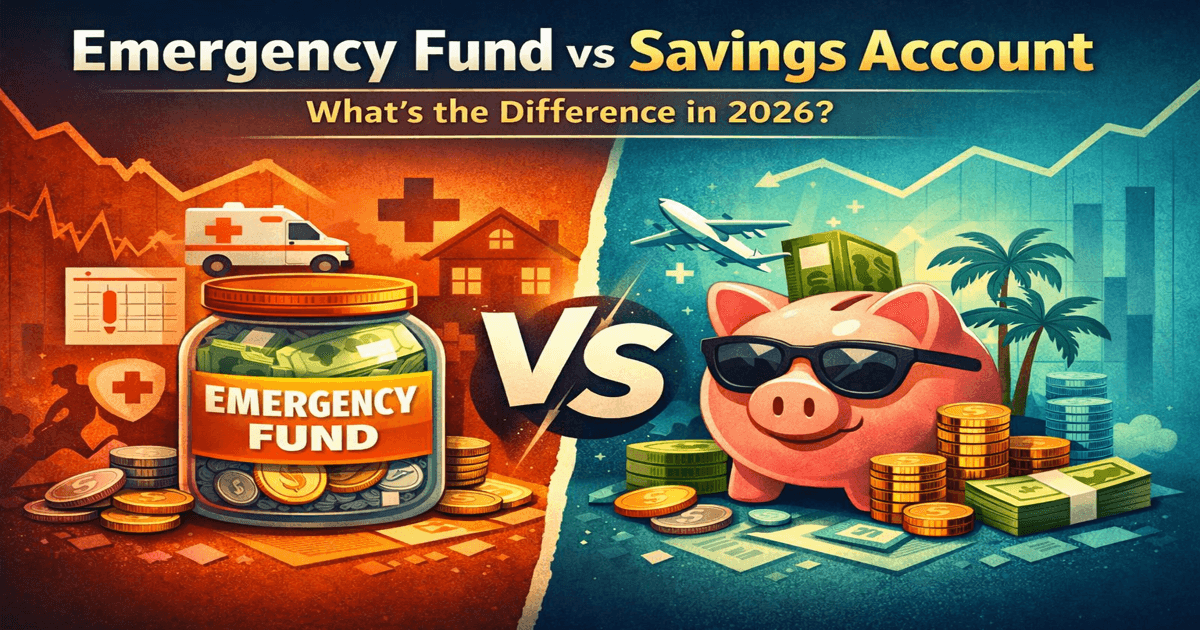







 Choosing a high-yield savings account is about more than finding the highest advertised APY. The account should fit your savings goal, provide the access you need and have terms that are easy to understand.