Tag: Emergency Fund

  • Retirement Cash Reserve Guide: Best 2026 Strategy for Smart Retirement Planning

    Retirement Cash Reserve Guide: Best 2026 Strategy for Smart Retirement Planning


    Retirement Cash Reserve Guide: Best 2026 Strategy for Smart Retirement Planning

    Published: June 28, 2026 |
    Author: Subhash Rukade

    Retirement Cash Reserve Guide

    Retirement Cash Reserve Guide helps retirees decide how much cash they should safely keep in 2026 without sacrificing long-term investment growth. Holding too little cash may force you to sell investments during a market downturn, while holding too much can reduce returns and allow inflation to slowly erode your purchasing power. Finding the right balance is essential for a secure retirement.

    Every retiree has different financial needs. Monthly living expenses, healthcare costs, pension income, Social Security benefits, investment portfolio size, and personal risk tolerance all influence the amount of cash you should maintain. Rather than following a one-size-fits-all rule, your cash reserve should match your retirement lifestyle and financial goals.

    Before deciding how much cash to keep, read our

    Complete Retirement Planning Guide
    .
    It explains retirement income planning, investment allocation, withdrawal strategies, tax planning, and long-term wealth preservation for American retirees.

    Throughout this guide, you’ll learn how much emergency cash retirees should keep, where to store retirement cash safely, how cash fits into a diversified retirement portfolio, and practical strategies to balance liquidity, investment growth, and financial security throughout 2026 and beyond.

    Why Maintaining a Cash Reserve Matters in Retirement

    A well-planned Retirement Cash Reserve Guide is about more than simply keeping money in a savings account. It provides financial flexibility when unexpected expenses arise and helps retirees avoid selling long-term investments during temporary market declines. Having the right amount of cash available can reduce financial stress while supporting a stable retirement income.

    During retirement, your portfolio may experience periods of market volatility. If you rely entirely on investments for monthly income, a sudden market downturn could force you to sell assets at lower prices. A dedicated cash reserve allows you to cover living expenses while giving your investments time to recover.

    Major Benefits of Keeping a Retirement Cash Reserve

    • Provides immediate access to money during emergencies.
    • Helps avoid selling stocks or mutual funds during market downturns.
    • Supports consistent monthly retirement income.
    • Reduces financial stress during periods of market volatility.
    • Creates flexibility for unexpected healthcare or home repair expenses.

    How Much Is Too Much Cash?

    While cash offers security, holding an excessive amount may slow long-term portfolio growth. Inflation gradually reduces purchasing power, meaning money kept in low-interest accounts loses value over time. Instead of storing several years of expenses in cash, many retirees maintain a balanced reserve while investing the remaining assets for future growth and income.

    The ideal amount depends on your retirement lifestyle, guaranteed income sources such as Social Security or pensions, healthcare needs, and personal comfort with investment risk. Every retiree’s situation is different, so your cash reserve should reflect your own financial goals rather than a universal rule.

    Following a disciplined Retirement Cash Reserve Guide allows retirees to balance safety with growth. Maintaining an appropriate emergency fund while keeping the rest of the portfolio invested can improve long-term financial security and help retirees navigate changing market conditions throughout 2026 and beyond.

    How Much Cash Should Retirees Keep in 2026?

    The ideal Retirement Cash Reserve Guide depends on your monthly expenses, guaranteed income sources, health, and comfort with market risk. Instead of keeping all your retirement savings in cash, financial planners generally recommend maintaining enough liquid funds to cover essential living expenses while allowing the rest of your portfolio to continue growing through diversified investments.

    Retirees with stable pension income or higher Social Security benefits may need a smaller cash reserve. However, retirees who rely mainly on investment withdrawals often benefit from holding a larger emergency fund to avoid selling stocks during market downturns.

    Suggested Retirement Cash Reserve

    Retirement SituationRecommended Cash Reserve
    Pension + Social Security6–12 months of living expenses
    Investment Income Only12–24 months of living expenses
    Early Retirement18–24 months of living expenses

    Use Dividend Income to Reduce Cash Needs

    Dividend-paying investments can generate regular cash flow without requiring you to sell portfolio assets. This income may help cover everyday expenses while allowing your long-term investments to continue growing.

    Learn how to build a dependable income portfolio by reading our

    How to Build a Dividend Portfolio
    .

    You can also explore our

    Top Dividend Stocks USA 2026

    guide to discover high-quality dividend companies that may strengthen your retirement income strategy.

    A balanced Retirement Cash Reserve Guide combines adequate emergency savings with long-term investments. Keeping too much money in cash may reduce portfolio growth, while keeping too little can force unnecessary investment sales during market declines. Reviewing your cash reserve every year helps ensure it continues supporting your retirement goals throughout 2026 and beyond.

    How to Build a Smart Retirement Cash Reserve in 2026

    A practical Retirement Cash Reserve Guide is about keeping enough money available for everyday expenses without allowing too much of your portfolio to sit idle. Cash provides flexibility, but long-term wealth is usually built through diversified investments. The goal is to create a balance that supports both financial security and portfolio growth throughout retirement.

    1. Separate Emergency Cash from Investment Assets

    Many retirees make the mistake of combining emergency savings with long-term investments. Instead, keep your emergency cash in a high-quality savings account or money market fund while allowing the rest of your retirement portfolio to remain invested. This approach provides quick access to money during unexpected expenses without disrupting your investment strategy.

    2. Match Cash Reserves to Your Income Sources

    If your retirement income comes from Social Security, pensions, or annuities, you may need a smaller cash reserve. Retirees who depend mainly on investment withdrawals often benefit from keeping additional cash available to avoid selling investments during periods of market volatility.

    3. Review Your Cash Reserve Every Year

    Healthcare costs, inflation, and lifestyle changes can affect the amount of cash you need. Reviewing your emergency reserve annually helps ensure it continues supporting your retirement plan while preventing unnecessary cash accumulation that could reduce long-term investment returns.

    For a complete retirement income strategy, explore our

    Complete Retirement Planning Guide
    .
    It explains retirement investing, withdrawal planning, tax strategies, Social Security, and wealth preservation for American retirees.

    4. Use Technology to Improve Retirement Planning

    Modern financial planning tools powered by artificial intelligence can estimate future cash needs, monitor portfolio performance, and evaluate different retirement income scenarios. These tools help retirees make informed decisions while adjusting their financial plans over time.

    Learn how technology is changing investing in our

    AI Investing Guide 2026
    .

    Following a disciplined Retirement Cash Reserve Guide allows retirees to maintain liquidity for unexpected expenses while keeping the majority of their assets invested for future growth. A balanced cash reserve can reduce financial stress and improve long-term retirement security throughout 2026 and beyond.

    Real-Life Example: How a Retirement Cash Reserve Protects Your Savings

    Following a Retirement Cash Reserve Guide becomes much easier when you see how it works in a real retirement situation. Keeping the right amount of cash available can help retirees pay daily expenses, handle emergencies, and avoid selling investments during temporary market.

    Case Study

    Linda, a 69-year-old retiree, receives Social Security benefits and earns dividend income from her investment portfolio. She originally kept nearly three years of living expenses in a checking account because she wanted complete financial security. While she always had cash available, inflation gradually reduced the purchasing power of those savings and limited the growth of her overall retirement portfolio.

    After reviewing her financial plan, Linda followed a smarter Retirement Cash Reserve Guide. She reduced her cash reserve to approximately 12 months of essential living expenses and invested the remaining funds in a diversified portfolio of dividend stocks, bond funds, and broad-market index funds. This strategy maintained financial flexibility while increasing her long-term growth potential and retirement income.

    When unexpected home repairs occurred, Linda paid the expenses directly from her cash reserve instead of selling investments during a temporary market decline. Her portfolio remained invested and recovered as market conditions improved.

    Simple Retirement Cash Calculator

    Use this formula to estimate your recommended retirement cash reserve:

    Recommended Cash Reserve = Monthly Essential Expenses × Number of Months You Want to Cover

    Review this calculation every year to adjust for inflation, healthcare costs, and changes in your retirement income.

    Generate Additional Retirement Income

    Dividend-paying investments can reduce your dependence on cash savings while creating consistent income throughout retirement. Learn how to build an income-focused portfolio in our

    How to Build a Dividend Portfolio
    .

    You can also explore our

    Top Dividend Stocks USA 2026

    guide to discover dividend-paying companies that may strengthen your long-term retirement income strategy.

    This example shows that a well-planned Retirement Cash Reserve Guide is not about keeping the maximum amount of cash. It is about maintaining enough liquidity for peace of mind while allowing the rest of your retirement portfolio to continue growing throughout 2026 and beyond.

    Common Cash Management Mistakes and Future Retirement Trends

    Following a Retirement Cash Reserve Guide requires regular reviews because your financial needs change throughout retirement. Many retirees either keep too much money in cash or too little, creating unnecessary financial challenges. Understanding these common mistakes can help protect your retirement savings while improving long-term financial stability.

    1. Keeping Too Much Money in Cash

    While cash provides security and peace of mind, holding several years of living expenses in low-interest accounts can significantly reduce long-term portfolio growth. Inflation slowly decreases purchasing power, making excessive cash holdings costly over a long retirement. A balanced cash reserve allows your remaining investments to continue generating income and capital appreciation.

    2. Ignoring Inflation

    Healthcare, housing, insurance, and everyday living costs generally rise over time. If your retirement plan never adjusts your emergency cash reserve, it may eventually become insufficient. Reviewing your cash allocation annually helps ensure your emergency fund continues supporting your lifestyle as expenses increase.

    3. Not Rebuilding Cash After Emergencies

    Unexpected medical bills, home repairs, or family emergencies may reduce your emergency reserve. After using part of your cash savings, make rebuilding the reserve a priority so you’re prepared for future unexpected expenses without disrupting your investment portfolio.

    Future Trends in Retirement Cash Planning

    Artificial intelligence and digital retirement planning platforms are helping retirees estimate future cash needs, monitor portfolio withdrawals, and prepare for inflation. These tools allow investors to make smarter financial decisions while maintaining an appropriate balance between cash reserves and long-term investments.

    Learn how technology is reshaping investing in our

    AI Investing Guide 2026
    .

    Consistent investing before retirement remains one of the best ways to build long-term financial security. Our

    SIP Investing Guide 2026

    explains how disciplined investing can strengthen your retirement savings over time.

    To prepare your portfolio for uncertain economic conditions, read our

    Recession-Proof Investing 2026
    .
    You can also explore our

    Best Credit Cards 2026

    guide for practical ways to improve everyday money management and preserve more retirement income.

    Reviewing your Retirement Cash Reserve Guide every year, adjusting your emergency fund for inflation, and maintaining a diversified investment portfolio can help reduce financial stress, improve retirement flexibility, and provide greater confidence throughout 2026 and beyond.

    Frequently Asked Questions (FAQ)

    1. How much cash should retirees keep in 2026?

    The ideal amount depends on your retirement income, monthly expenses, and risk tolerance. Many financial planners recommend keeping between 6 and 24 months of essential living expenses in cash, depending on whether you rely on guaranteed income or investment withdrawals.

    2. Where should retirees keep their emergency cash?

    Emergency cash is generally best kept in high-yield savings accounts, money market accounts, or short-term Treasury investments. These options provide liquidity while helping your money earn modest returns with relatively low risk.

    3. Is keeping too much cash a mistake?

    Yes. Excessive cash holdings can reduce long-term investment growth because inflation gradually decreases purchasing power. A balanced retirement plan combines adequate emergency cash with diversified investments for future growth.

    4. Should retirees invest all of their extra cash?

    Not necessarily. Before investing additional cash, make sure you maintain a sufficient emergency reserve for unexpected expenses. Once that reserve is established, excess cash may be invested according to your retirement goals and risk tolerance.

    5. How often should I review my retirement cash reserve?

    Review your cash reserve at least once each year or after major life events such as retirement, healthcare changes, or significant market movements. Annual reviews help ensure your emergency fund continues meeting your financial needs.


    Conclusion

    A well-planned Retirement Cash Reserve Guide is not about holding the largest possible amount of cash. It is about maintaining enough liquidity to cover emergencies and short-term expenses while allowing the rest of your retirement portfolio to remain invested for long-term growth. Finding this balance can reduce financial stress and improve retirement security.

    Review your emergency fund regularly, adjust it for inflation, and align your cash reserve with your retirement income sources and lifestyle. Combining a healthy cash reserve with diversified investments creates greater financial flexibility throughout retirement.

    For a complete retirement planning roadmap, explore our

    Complete Retirement Planning Guide
    .
    It covers retirement investing, withdrawal strategies, tax planning, Social Security, and long-term wealth preservation to help American retirees build lasting financial confidence.

    For additional trusted retirement guidance, visit
    Official IRS Retirement Planning Resources,
    SEC Investor Education Center, and
    Vanguard Retirement Investing Resources.
    These resources provide reliable information to help retirees make informed financial decisions.

    Following a disciplined Retirement Cash Reserve Guide today can help you manage market uncertainty, handle unexpected expenses with confidence, and enjoy greater financial peace of mind throughout 2026 and beyond.

    📩 Get Weekly Retirement Planning Tips

    Subscribe to receive free retirement planning guides, investing strategies, tax-saving ideas, portfolio management tips, and practical personal finance advice designed for American retirees.


    Subscribe Free

    Weekly Updates • No Spam • Unsubscribe Anytime


    About the Author

    Subhash Rukade is the founder of FinanceInvestment.site. He writes practical, research-based guides on retirement planning, investing, dividend income, tax strategies, and personal finance. His mission is to help American investors and retirees build long-term wealth through clear, reliable, and easy-to-understand financial advice.

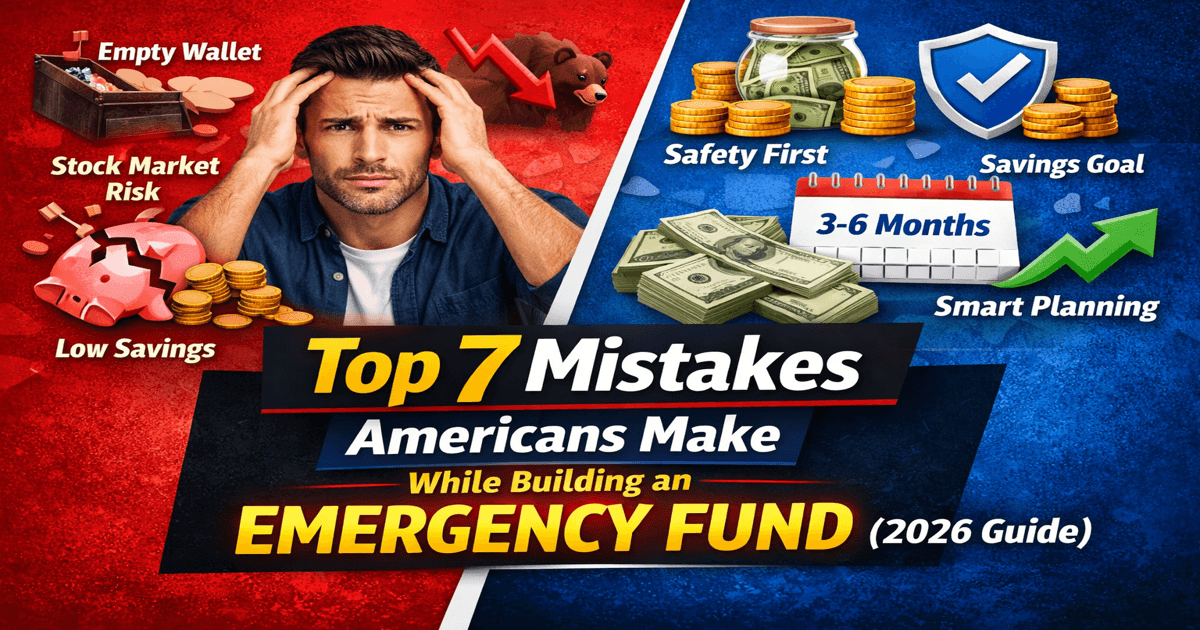
  • Top 7 Mistakes Americans Make While Building an Emergency Fund (2026 Guide)

    Top 7 Mistakes Americans Make While Building an Emergency Fund (2026 Guide)


    Top 7 Mistakes Americans Make While Building an Emergency Fund (2026 Guide)

    top emergency fund mistakes USA 2026

    Emergency fund mistakes USA 2026</strong is a growing concern as more Americans try to secure their finances in uncertain times. While building an emergency fund is one of the smartest financial decisions, doing it the wrong way can create serious problems.

    In 2026, rising inflation, job uncertainty, and unexpected expenses have made emergency funds more important than ever. However, many people still follow outdated or incorrect strategies.

    Some save too little, some invest their emergency fund in risky assets, and others keep their money in low-interest accounts. These mistakes can reduce the effectiveness of your emergency fund and leave you financially vulnerable.

    An emergency fund is meant to protect you, not create additional risk. That is why understanding common mistakes is just as important as building the fund itself.

    If you want to understand how much emergency fund you should build before avoiding these mistakes, check this detailed guide on

    how much emergency fund Americans should save in 2026
    to create a strong financial base.

    In this guide, we will break down the top 7 mistakes Americans make while building an emergency fund and provide practical strategies to avoid them.

    By the end of this article, you will know exactly what not to do and how to build a safer, smarter emergency fund in 2026.

    Advertisement


    What is an Emergency Fund and Why Mistakes Can Cost You in 2026?

    To fully understand emergency fund mistakes USA 2026, you must first understand what an emergency fund is and why building it correctly is critical for your financial security.

    What is an Emergency Fund?

    An emergency fund is a dedicated amount of money set aside to cover unexpected expenses. These may include job loss, medical emergencies, car repairs, or urgent home maintenance.

    Unlike regular savings, an emergency fund is not meant for planned spending. It is strictly reserved for financial emergencies.

    Why Emergency Funds Are More Important in 2026

    In 2026, financial uncertainty in the USA is higher than ever. Rising inflation, fluctuating job markets, and unexpected economic changes make it essential to have a strong financial safety net.

    Without an emergency fund, many people rely on credit cards or loans during emergencies. This can lead to high-interest debt and long-term financial stress.

    An emergency fund helps you avoid debt and maintain financial stability during difficult situations.

    Where Most People Go Wrong

    While the concept of an emergency fund is simple, many Americans make mistakes while building or managing it.

    These mistakes can reduce the effectiveness of your fund and increase financial risk.

    • Keeping money in the wrong type of account
    • Using emergency funds for non-essential expenses
    • Not saving enough for real emergencies

    These errors may seem small, but they can have serious consequences when you actually need the money.

    The Real Cost of Mistakes

    Making mistakes with your emergency fund can lead to:

    • Financial stress during emergencies
    • Dependence on high-interest debt
    • Loss of financial confidence

    This is why it is important not just to build an emergency fund, but to build it correctly.

    Where Should You Keep Your Emergency Fund?

    Your emergency fund should always be stored in a safe and liquid account. It should not be exposed to market risks.

    High-yield savings accounts are one of the best options because they provide safety, liquidity, and better interest rates.

    You can explore top options here:

    high-yield savings accounts in the USA
    .

    Emergency Fund vs Investment

    One of the biggest mistakes is treating an emergency fund like an investment.

    Investments such as stocks, crypto, or even gold can fluctuate in value. This makes them unsuitable for emergency funds.

    Emergency funds are about protection, not growth.

    Why Understanding Mistakes is Important

    Knowing the common mistakes can help you avoid them and build a stronger financial foundation.

    It allows you to make smarter decisions and ensure your emergency fund serves its true purpose.

    Key Takeaway

    An emergency fund is your financial safety net, but only if built correctly. Avoiding common mistakes is essential to protect your money and your future.

    In the next section, we will explore the top 7 mistakes Americans make while building an emergency fund and how to avoid them.

    Advertisement

    Top 7 Emergency Fund Mistakes Americans Make in 2026 (And How to Avoid Them)

    Understanding emergency fund mistakes USA 2026 is essential if you want to build a strong financial safety net. Many Americans make simple but costly mistakes that reduce the effectiveness of their emergency funds.

    Let’s break down the top 7 mistakes and how you can avoid them.

    1. Saving Too Little

    One of the most common mistakes is underestimating how much money you actually need. Many people save only one or two months of expenses, which is not enough during serious emergencies.

    Fix: Follow the 3–6–12 rule and aim for at least 3 to 6 months of expenses.

    2. Investing Emergency Funds

    Trying to grow your emergency fund through stocks or cryptocurrency is risky. Market fluctuations can reduce your savings when you need them the most.

    Fix: Keep your emergency fund in safe and liquid accounts.

    3. Keeping Money in Low-Interest Accounts

    Traditional savings accounts often offer very low interest rates. This reduces the value of your money over time due to inflation.

    Fix: Use high-yield savings accounts for better returns.

    4. Mixing Emergency Fund with Regular Savings

    Combining your emergency fund with your regular savings account can lead to accidental spending.

    Fix: Always keep a separate account dedicated to emergencies.

    5. Not Having a Clear Target

    Many people start saving without a specific goal. This leads to inconsistency and incomplete funds.

    Fix: Set a clear target based on your monthly expenses.

    If you want to calculate your exact target, check this guide on

    how much emergency fund Americans should save in 2026
    .

    6. Not Updating the Fund Over Time

    Your expenses change over time, but many people fail to update their emergency fund accordingly.

    Fix: Review and adjust your fund every 6–12 months.

    7. Ignoring Inflation

    Inflation reduces the purchasing power of your savings. Keeping money idle without earning interest can be harmful in the long run.

    Fix: Choose accounts that offer competitive interest rates.

    Why These Mistakes Are Dangerous

    These mistakes may seem small, but they can have serious financial consequences:

    • Insufficient funds during emergencies
    • Increased reliance on debt
    • Loss of financial stability

    How to Avoid These Mistakes

    The best way to avoid these mistakes is to follow a structured approach:

    • Set a clear savings goal
    • Use the right type of account
    • Keep your fund separate
    • Review your plan regularly

    Key Takeaway

    Avoiding these common mistakes can significantly improve your financial security. By building your emergency fund correctly, you ensure that it serves its purpose when you need it the most.

    In the next section, we will compare wrong vs right strategies in a simple table to help you make better decisions.

    Advertisement

    Emergency Fund Mistakes vs Smart Strategies (2026 Comparison Table)

    To better understand emergency fund mistakes USA 2026, it is helpful to compare common mistakes with the correct strategies. This makes it easier to avoid errors and build a strong financial foundation.

    Comparison Table: Wrong vs Right Approach

    MistakeRiskSmart Strategy
    Saving too littleInsufficient funds during emergenciesFollow 3–6–12 rule
    Investing emergency fundsLoss of money due to market volatilityKeep funds in safe accounts
    Using low-interest accountsMoney loses value due to inflationUse high-yield savings accounts
    Mixing with regular savingsAccidental spendingKeep separate emergency account
    No clear savings targetInconsistent savingSet a defined goal
    Not updating fundOutdated savings amountReview every 6–12 months
    Ignoring inflationReduced purchasing powerChoose interest-earning accounts

    What This Table Shows

    The comparison clearly shows that most mistakes are caused by lack of planning and wrong financial habits. By replacing these mistakes with smart strategies, you can significantly improve your financial security.

    For example, saving too little may seem harmless at first, but it can leave you vulnerable during emergencies. Similarly, investing your emergency fund may look attractive, but it introduces unnecessary risk.

    Why Strategy Matters More Than Amount

    Many people focus only on how much they save, but how they manage their emergency fund is equally important.

    A well-managed emergency fund provides:

    • Financial stability
    • Peace of mind
    • Protection against unexpected events

    Where Should You Keep Your Emergency Fund?

    Choosing the right place to store your emergency fund is critical.

    You can explore the best options here:

    high-yield savings accounts in the USA
    for safe and high-return savings.

    What About Investments?

    Investments like gold or ETFs are useful for long-term growth but not suitable for emergency funds.

    If you want to explore these options, check this guide on

    gold ETF vs physical gold
    .

    External Authority Insight

    According to the Federal Deposit Insurance Corporation (FDIC), insured savings accounts are one of the safest places to store your money.


    FDIC Deposit Insurance Overview

    Key Takeaway

    The right strategy can make a huge difference in your financial security. By avoiding common mistakes and following proven methods, you can build an emergency fund that truly protects you.

    In the next section, we will look at a real-life example to understand how these mistakes impact financial outcomes.

    Real Example: Emergency Fund Mistakes vs Smart Strategy (USA Scenario 2026)

    To clearly understand emergency fund mistakes USA 2026, let’s look at a real-life example. This will help you see how small mistakes can create big financial problems — and how smart strategies can fix them.

    emergency fund mistakes example USA 2026

    Example: Monthly Income $4,500

    Let’s assume John lives in the USA and earns $4,500 per month. His essential monthly expenses are $3,000.

    • Monthly income → $4,500
    • Monthly expenses → $3,000
    • Potential savings → $1,500

    Scenario 1: Wrong Approach

    John makes several common mistakes:

    • Saves only $4,000 (less than 2 months of expenses)
    • Invests part of his emergency fund in stocks
    • Keeps the rest in a low-interest account

    When John faces a job loss, his investments drop in value, and his savings are not enough to cover expenses.

    As a result:

    • He runs out of money quickly
    • He relies on credit cards
    • He accumulates high-interest debt

    Scenario 2: Smart Strategy

    Now let’s see how John could have managed his emergency fund correctly.

    • Saves 6 months of expenses → $18,000
    • Keeps funds in a high-yield savings account
    • Keeps emergency fund separate from regular savings

    In this case, even after losing his job, John can comfortably cover his expenses for several months without stress.

    Key Difference

    The difference between the two scenarios is not just the amount of money — it is the strategy.

    • Wrong approach → Financial stress and debt
    • Smart strategy → Stability and peace of mind

    How You Can Apply This

    You can avoid these mistakes by:

    • Setting a clear savings goal
    • Using safe and liquid accounts
    • Keeping your emergency fund separate

    If you want to calculate your ideal emergency fund, check this guide on

    how much emergency fund Americans should save in 2026
    .

    Key Insight

    This example shows that mistakes in managing your emergency fund can have serious consequences. However, with the right strategy, you can avoid financial stress and stay prepared for any situation.

    In the next section, we will explore smart tips to help you avoid these mistakes and build your emergency fund effectively.

    Smart Tips to Avoid Emergency Fund Mistakes and Build It Faster (2026 Guide)

    After understanding the most common emergency fund mistakes USA 2026, the next step is to apply smart strategies that help you build and manage your emergency fund effectively.

    1. Automate Your Savings

    Set up automatic transfers from your checking account to your emergency fund. This ensures consistency and removes the need for manual effort.

    2. Use High-Yield Savings Accounts

    Instead of keeping your money in low-interest accounts, choose options that offer better returns while maintaining safety.

    Explore top options here:

    high-yield savings accounts in the USA
    .

    3. Set a Clear Target

    Define your emergency fund goal based on your monthly expenses. This gives you a clear direction and helps you stay motivated.

    4. Build Multiple Income Streams

    Increasing your income can help you reach your savings goal faster.

    Check ideas here:

    passive income ideas in the USA
    .

    5. Keep Emergency Fund Separate

    Always maintain a separate account for your emergency fund. This prevents accidental spending and ensures discipline.

    6. Avoid Risky Investments

    Your emergency fund should not be exposed to market risks. Investments are for long-term growth, not short-term protection.

    Learn more here:

    gold investment strategies in the USA
    .

    7. Review and Update Regularly

    Your expenses and lifestyle may change over time. Review your emergency fund every 6–12 months and update it accordingly.

    Recommended Resources

    To improve your financial habits, these books are highly recommended:


    The Psychology of Money by Morgan Housel


    I Will Teach You to Be Rich by Ramit Sethi


    Your Money or Your Life by Vicki Robin

    External Insight

    According to financial experts, building an emergency fund is the first step toward financial independence and stability.


    SEC Investing Basics Guide

    Key Takeaway

    Building your emergency fund the right way is all about discipline, planning, and smart decisions. By applying these tips, you can avoid common mistakes and create a strong financial safety net in 2026.

    In the final section, we will answer common questions and provide a clear conclusion with actionable steps.

    Frequently Asked Questions (FAQ)

    1. What are the biggest emergency fund mistakes in 2026?

    The most common mistakes include saving too little, investing emergency funds, mixing them with regular savings, and not updating the fund over time.

    2. How much emergency fund should I have?

    Most experts recommend saving 3 to 6 months of living expenses. However, depending on your financial situation, you may need up to 12 months of savings.

    3. Should I invest my emergency fund?

    No, emergency funds should always be kept in safe and liquid accounts, not in risky investments.

    4. Where should I keep my emergency fund?

    The best place is a high-yield savings account because it offers safety, liquidity, and interest earnings.

    5. How can I avoid emergency fund mistakes?

    You can avoid mistakes by setting a clear goal, keeping funds separate, using the right accounts, and reviewing your plan regularly.


    Conclusion

    Understanding emergency fund mistakes USA 2026 is essential if you want to build a strong financial safety net.

    Many Americans make simple errors that can lead to financial stress, debt, and instability. However, by avoiding these mistakes and following smart strategies, you can protect your money and your future.

    The key is to focus on safety, liquidity, and discipline. Your emergency fund is not an investment tool — it is your financial protection.

    If you want to build your emergency fund correctly, check this detailed guide on

    how much emergency fund Americans should save in 2026
    and take control of your finances today.

    Start Building Your Emergency Fund Today 🚀

    👉 Want more smart finance tips?

    Subscribe to our newsletter and get expert strategies on saving, investing, and wealth-building delivered directly to your inbox.

    About the Author

    Subhash Rukade is a finance content creator focused on helping readers understand saving, investing, and financial planning. His mission is to simplify complex financial concepts and guide USA investors toward smarter financial decisions.

  • How Much Emergency Fund Do You Really Need in 2026? (3–6–12 Rule Explained)

    How Much Emergency Fund Do You Really Need in 2026? (3–6–12 Rule Explained)


    How Much Emergency Fund Do You Really Need in 2026? (3–6–12 Rule Explained)

    how much emergency fund do you need in 2026 USA

    How much emergency fund do you need in 2026 is one of the most important financial questions for Americans today. With rising inflation, job uncertainty, and unexpected expenses becoming more common, having the right amount of savings is no longer optional — it is essential.

    Many people either save too little or overestimate their needs. Both approaches can be risky. Saving too little can leave you financially vulnerable during emergencies, while saving too much in low-return accounts can limit your wealth growth.

    This is where the 3–6–12 rule comes in. It is a simple yet powerful guideline that helps you determine exactly how much emergency fund you should maintain based on your lifestyle and income stability.

    In 2026, financial planning is no longer about guesswork. It is about using smart strategies to balance safety and growth.

    If you want a complete breakdown of emergency fund planning, check this detailed guide on

    how much emergency fund Americans should save in 2026
    to build a strong financial foundation.

    In this guide, we will explain the 3–6–12 rule in detail, help you calculate your ideal emergency fund, and show you how to build it step by step.

    By the end of this article, you will have a clear answer to how much emergency fund you really need in 2026 and how to achieve it efficiently.

    Advertisement


    What is an Emergency Fund and Why It Matters in 2026?

    Before deciding how much emergency fund you need in 2026, it is important to understand what an emergency fund actually is and why it plays a critical role in your financial security.

    What is an Emergency Fund?

    An emergency fund is a dedicated amount of money set aside to cover unexpected expenses. These expenses can include job loss, medical emergencies, car repairs, or urgent home maintenance.

    Unlike regular savings, this fund is strictly reserved for emergencies. It is not meant for planned expenses like vacations, shopping, or investments.

    Why Emergency Funds Are More Important in 2026

    In 2026, financial uncertainty in the USA has increased due to inflation, economic shifts, and changing job markets. Many Americans face unpredictable income and rising living costs.

    Without an emergency fund, unexpected expenses can lead to debt. Credit cards and loans may solve short-term problems but create long-term financial stress.

    An emergency fund acts as a financial safety net. It helps you handle unexpected situations without disrupting your financial stability.

    Key Features of an Emergency Fund

    • Safety: Your money should not be exposed to risk
    • Liquidity: Funds should be easily accessible
    • Purpose: Used only for emergencies

    Where Should You Keep Your Emergency Fund?

    Choosing the right place to store your emergency fund is just as important as building it. Your money should remain safe while earning some interest.

    High-yield savings accounts are one of the best options because they offer better returns compared to traditional accounts.

    You can explore top options here:

    high-yield savings accounts in the USA
    to maximize your savings.

    Emergency Fund vs Regular Savings

    Many people confuse an emergency fund with regular savings. However, both serve different purposes.

    • Emergency Fund: Used only for unexpected situations
    • Regular Savings: Used for planned financial goals

    Keeping them separate helps you stay disciplined and ensures that your emergency fund is always available when needed.

    Why You Should Start Now

    The sooner you start building your emergency fund, the better prepared you will be for unexpected situations. Even small contributions can grow into a strong financial cushion over time.

    Key Takeaway

    An emergency fund is your first line of financial defense. It protects you from uncertainty and helps you maintain stability during difficult times.

    In the next section, we will explain the 3–6–12 rule in detail to help you calculate exactly how much emergency fund you need in 2026.

    Advertisement

    The 3–6–12 Rule Explained: How Much Emergency Fund Do You Need in 2026?

    To answer how much emergency fund you need in 2026, financial experts recommend following the 3–6–12 rule. This rule helps you decide the right amount of savings based on your income stability, job security, and lifestyle.

    Instead of guessing, this method gives you a clear and practical framework.

    What is the 3–6–12 Rule?

    The 3–6–12 rule suggests saving a certain number of months’ worth of living expenses:

    • 3 months → Basic safety
    • 6 months → Standard financial security
    • 12 months → Maximum protection

    Your ideal emergency fund depends on your personal financial situation.

    3-Month Emergency Fund (Minimum Level)

    A 3-month emergency fund is the starting point. It provides basic protection against short-term financial disruptions.

    This level is suitable if:

    • You have a stable job
    • You have multiple income sources
    • Your expenses are low and predictable

    However, this level may not be enough during long-term unemployment or major emergencies.

    6-Month Emergency Fund (Recommended Level)

    A 6-month emergency fund is considered the standard for most Americans in 2026. It offers a strong balance between safety and financial flexibility.

    This level is ideal if:

    • You rely on a single income
    • You have family responsibilities
    • Your job stability is moderate

    This is the most commonly recommended target for financial security.

    12-Month Emergency Fund (Maximum Security)

    A 12-month emergency fund provides the highest level of financial protection. It is ideal for people with uncertain income or higher financial risks.

    This level is suitable if:

    • You are self-employed or a freelancer
    • Your income is unstable
    • You work in a high-risk industry

    While this level offers maximum security, it may take longer to build.

    How to Choose the Right Level

    Choosing the right level depends on your situation:

    • Stable job → 3 to 6 months
    • Moderate risk → 6 months
    • High risk → 9 to 12 months

    You should also consider your monthly expenses, lifestyle, and financial obligations.

    If you want a complete breakdown, check this guide on

    how much emergency fund Americans should save in 2026
    to align your savings plan.

    Why the 3–6–12 Rule Works

    This rule works because it balances risk and practicality. It ensures that you are prepared for both short-term and long-term financial disruptions.

    It also helps you avoid two common mistakes:

    • Saving too little (financial risk)
    • Saving too much in low-return accounts (lost opportunities)

    2026 Financial Reality

    In 2026, economic conditions make it even more important to follow this rule. Inflation and job uncertainty mean that having a larger emergency fund is often safer.

    Many experts now recommend aiming closer to the 6-month or even 12-month range.

    Key Takeaway

    The 3–6–12 rule is a simple yet powerful way to determine how much emergency fund you need. It provides clarity and helps you build a strong financial safety net.

    In the next section, we will show you how to calculate your exact emergency fund amount step by step.

    Advertisement

    How to Calculate Your Emergency Fund in 2026 (Step-by-Step Guide)

    Now that you understand the 3–6–12 rule, the next step is to calculate how much emergency fund you need in 2026 based on your personal expenses.

    Step 1: Calculate Your Monthly Expenses

    Start by listing your essential monthly expenses. These include:

    • Rent or mortgage
    • Food and groceries
    • Utilities
    • Insurance
    • Transportation

    For example, if your monthly expenses are $3,000, this becomes your base number.

    Step 2: Apply the 3–6–12 Rule

    Multiply your monthly expenses based on your risk level:

    • 3 months → $3,000 × 3 = $9,000
    • 6 months → $3,000 × 6 = $18,000
    • 12 months → $3,000 × 12 = $36,000

    This gives you a clear target for your emergency fund.

    Quick Calculation Table

    Monthly Expenses3 Months Fund6 Months Fund12 Months Fund
    $2,000$6,000$12,000$24,000
    $3,000$9,000$18,000$36,000
    $4,000$12,000$24,000$48,000
    $5,000$15,000$30,000$60,000

    Step 3: Choose the Right Level

    Use this table to decide your target based on your financial situation:

    • Stable job → 3 to 6 months
    • Moderate risk → 6 months
    • High risk → 9 to 12 months

    Where Should You Keep This Money?

    Your emergency fund should be stored in a safe and liquid account.

    Explore the best options here:

    high-yield savings accounts in the USA
    .

    What About Investments?

    Emergency funds should not be invested in risky assets like stocks or gold. These are better suited for long-term growth.

    If you want to understand investment options, check this guide on

    gold ETF vs physical gold
    .

    External Authority Insight

    According to the Federal Deposit Insurance Corporation (FDIC), insured savings accounts are one of the safest places to keep your money.


    FDIC Deposit Insurance Overview

    Key Takeaway

    Calculating your emergency fund is simple when you follow a structured approach. By understanding your expenses and applying the 3–6–12 rule, you can determine the exact amount you need.

    In the next section, we will look at a real-life example to make this calculation even clearer.

    Real Example: How Much Emergency Fund Do You Need in 2026? (USA Scenario)

    To better understand how much emergency fund you need in 2026, let’s look at a real-life example. This will help you apply the 3–6–12 rule in a practical way.

    emergency fund calculation example USA 2026

    Example: Monthly Income $5,000

    Let’s assume Emily lives in the USA and earns $5,000 per month. Her essential monthly expenses are $3,500.

    • Monthly income → $5,000
    • Monthly expenses → $3,500
    • Potential savings → $1,500

    Step 1: Apply the 3–6–12 Rule

    Emily calculates her emergency fund based on her expenses:

    • 3 months → $3,500 × 3 = $10,500
    • 6 months → $3,500 × 6 = $21,000
    • 12 months → $3,500 × 12 = $42,000

    Step 2: Choose the Right Level

    Since Emily has a stable job but supports her family, she decides to aim for a 6-month emergency fund.

    This gives her a target of $21,000.

    Step 3: Monthly Saving Plan

    If Emily saves $1,500 per month:

    • 3 months → $4,500 saved
    • 6 months → $9,000 saved
    • 12 months → $18,000 saved
    • 14 months → $21,000 (goal achieved)

    This shows that building a strong emergency fund takes time and consistency.

    How to Speed Up the Process

    Emily can reach her goal faster by:

    • Reducing unnecessary expenses
    • Increasing her income through side hustles
    • Using high-yield savings accounts

    Where Should She Keep Her Fund?

    To ensure safety and returns, Emily stores her emergency fund in a high-yield savings account. This allows her money to grow while remaining accessible.

    If you want to plan your fund correctly, check this guide on

    how much emergency fund Americans should save in 2026
    .

    Key Insight

    This example shows that the right emergency fund amount depends on your expenses, lifestyle, and financial responsibilities.

    By following the 3–6–12 rule and staying consistent, you can build a strong financial safety net in 2026.

    In the next section, we will explore common mistakes and smart tips to optimize your emergency fund strategy.

    Common Mistakes to Avoid and Smart Tips to Build Your Emergency Fund Faster

    While calculating how much emergency fund you need in 2026, many people make mistakes that slow down their progress or put their finances at risk. Avoiding these mistakes and following smart strategies can help you build your fund faster and more effectively.

    Common Mistakes to Avoid

    1. Saving Too Little

    Many people underestimate their expenses and save less than required. This can leave you financially vulnerable during emergencies.

    2. Investing Emergency Funds

    Emergency funds should not be invested in stocks, crypto, or volatile assets. Market fluctuations can reduce your savings when you need them the most.

    3. Keeping Money in Low-Interest Accounts

    Traditional savings accounts offer very low returns, which reduces the growth of your money over time.

    4. Not Separating Emergency Fund

    Mixing your emergency fund with regular savings can lead to unnecessary spending.

    5. Ignoring Inflation

    In 2026, inflation can reduce the value of your savings. This is why choosing the right storage option is important.

    Smart Tips to Build Your Emergency Fund

    1. Start Small and Stay Consistent

    Even small monthly contributions can grow into a strong emergency fund over time.

    2. Use High-Yield Savings Accounts

    Keep your emergency fund in accounts that offer better returns while maintaining safety.

    Explore options here:

    high-yield savings accounts in the USA
    .

    3. Automate Your Savings

    Set up automatic transfers to ensure consistent saving every month.

    4. Increase Your Income

    Additional income sources can significantly speed up your savings journey.

    Check ideas here:

    passive income ideas in the USA
    .

    5. Keep Investments Separate

    Use investments for long-term growth, not for emergency funds.

    Learn more here:

    gold investment strategies in the USA
    .

    Recommended Resources

    To improve your financial habits and mindset, these books can help:


    The Psychology of Money by Morgan Housel


    I Will Teach You to Be Rich by Ramit Sethi


    Your Money or Your Life by Vicki Robin

    Key Takeaway

    Building the right emergency fund requires discipline, planning, and smart decisions. By avoiding common mistakes and applying these strategies, you can secure your financial future in 2026.

    In the final section, we will answer common questions and give you a clear conclusion to take action.

    Frequently Asked Questions (FAQ)

    1. How much emergency fund do I really need in 2026?

    Most financial experts recommend saving 3 to 6 months of living expenses. However, depending on your job stability and financial situation, you may need up to 12 months of savings.

    2. Is a 3-month emergency fund enough?

    A 3-month fund provides basic protection, but it may not be enough during long-term unemployment or major emergencies.

    3. Should I save 6 or 12 months?

    If your income is stable, 6 months is sufficient. If your income is unpredictable or you are self-employed, 12 months is a safer option.

    4. Where should I keep my emergency fund?

    The best place is a high-yield savings account because it offers safety, liquidity, and interest earnings.

    5. Can I invest my emergency fund?

    No, emergency funds should remain in safe and easily accessible accounts, not in risky investments.


    Conclusion

    So, how much emergency fund do you need in 2026 depends on your lifestyle, income stability, and financial responsibilities.

    The 3–6–12 rule provides a clear and practical way to determine your ideal savings. While 3 months offers basic protection, 6 months is the standard recommendation, and 12 months provides maximum security.

    The key is to start early, stay consistent, and build your fund step by step. Even small contributions can create a strong financial safety net over time.

    If you want a detailed breakdown and personalized guidance, check this complete guide on

    how much emergency fund Americans should save in 2026
    and take control of your financial future.

    Secure Your Financial Future Today 🚀

    👉 Want more smart finance strategies?

    Subscribe to our newsletter and get expert tips on saving, investing, and wealth-building delivered directly to your inbox.

    About the Author

    Subhash Rukade is a finance content creator focused on helping readers understand saving, investing, and financial planning. His mission is to simplify complex financial concepts and guide USA investors toward smarter financial decisions.