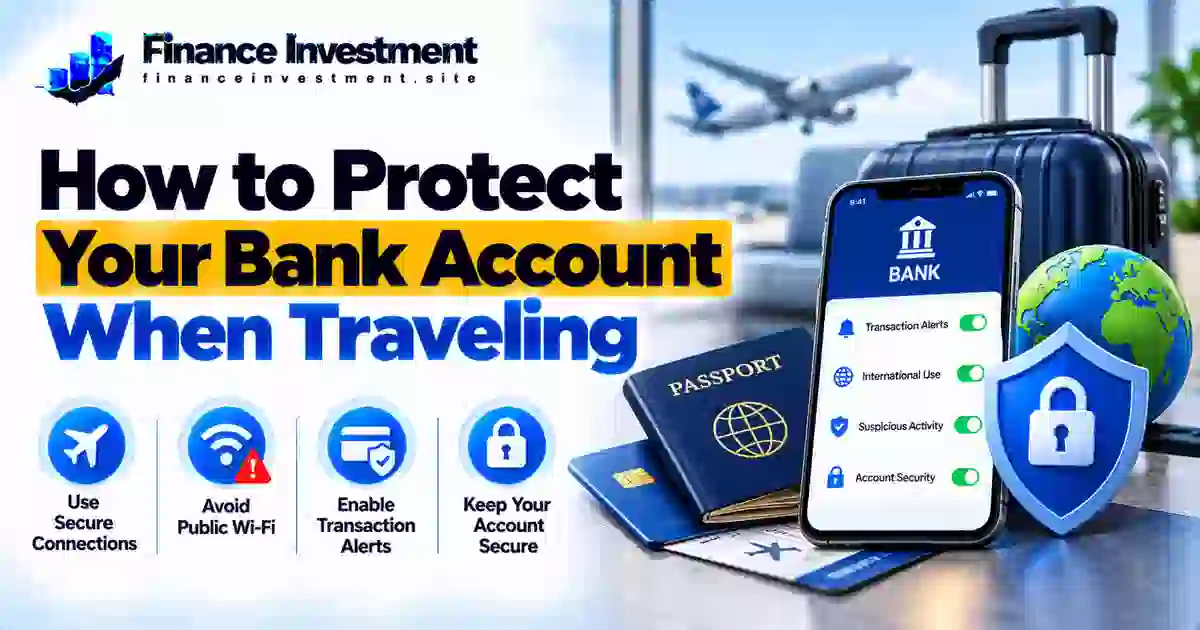
How to Protect Your Bank Account When Traveling
How to Protect Your Bank Account When Traveling
A lost debit card, an unfamiliar ATM, or a suspicious transaction can quickly disrupt a vacation. The risk can be more stressful when you are far from home and need money for transport, meals, or accommodation. Learning how to protect your bank account when traveling helps you prepare for these situations before they happen.
Start before departure by checking your bank’s contact details, enabling transaction alerts, reviewing your card controls, and confirming how to report a lost card. Use a strong, unique banking password and secure your phone with a screen lock. During your trip, choose ATMs carefully, shield your PIN, and avoid signing in to your bank account on shared devices or unsecured public Wi-Fi.
It is also wise to carry a separate backup payment method and know how to freeze or lock a card if necessary. For additional protection against unauthorized access and scams, read our bank security and fraud prevention guide.
What You’ll Learn
- What to check with your bank before leaving home.
- How to protect your debit card, banking app, and login details while traveling.
- How to choose safer ATMs and manage payments away from home.
- What to do if your card or phone is lost, stolen, or compromised.
- How to spot suspicious activity and contact your bank promptly.
Quick Answer: Protect Your Bank Account While Traveling
Before departure, enable transaction alerts, save your bank’s official fraud-reporting number, secure your phone and banking app, and arrange a backup payment method. While traveling, use ATMs in well-lit, reputable locations, shield your PIN, avoid banking on shared devices, and review transactions regularly. If your card is lost or stolen, contact your bank immediately and lock or cancel the card using an official app or phone number. If your phone is missing, secure your banking access and contact your mobile provider when necessary.
Key Takeaways
- Prepare before leaving: Check card settings, bank contact details, and any travel-related restrictions.
- Secure account access: Use a unique password, enable multifactor authentication where available, and lock your phone.
- Reduce financial exposure: Carry only the cards you need and keep a separate backup payment method.
- Report problems promptly: Contact your bank about suspicious transactions or missing cards. Reporting deadlines and legal protections can depend on the transaction and account type.
Travel Banking Safety at a Glance
Protecting your bank account while traveling starts with a few practical steps. Prepare your accounts before departure, use safer payment habits on the road, and know how to report a problem quickly.
| Safety Check | What to Do | When |
|---|---|---|
| Transaction alerts | Enable notifications for card purchases and account activity where available. | Before departure |
| Bank contact details | Save the official number for reporting fraud or a missing card. | Before departure |
| ATM safety | Choose reputable locations and shield your PIN. | During travel |
| Secure account access | Use a unique password, lock your phone, and enable multifactor authentication where available. | Before and during travel |
| Backup payment | Keep a separate payment option in a different secure place. | Before departure |
Enable transaction alerts, protect your banking login, save your bank’s official contact details, and carry a backup payment method. If you spot an unfamiliar transaction, contact your bank promptly using its official app, website, or verified phone number.
How to Protect Your Bank Account Before You Travel
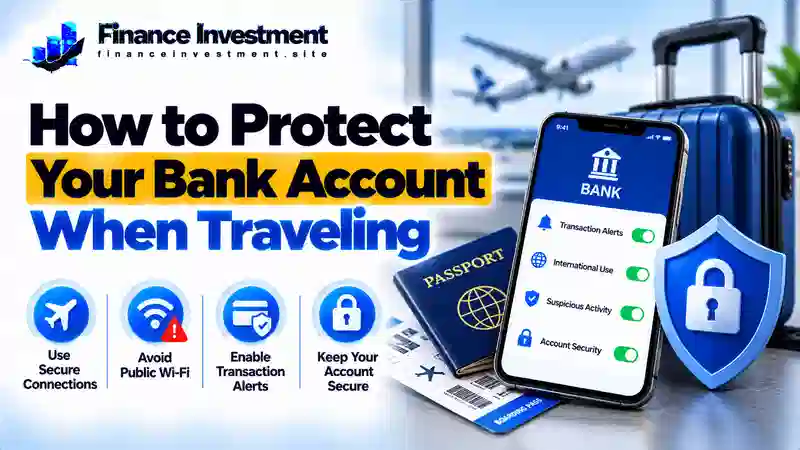
Preparing your bank accounts before departure can help you avoid payment disruptions and respond faster to suspicious activity. Complete these checks several days before your trip, particularly if you are traveling abroad.
1. Review Your Bank and Card Settings
Check foreign transaction fees, ATM withdrawal limits, daily spending limits, and card-locking options. Ask your bank whether it recommends a travel notification; requirements and fraud-monitoring practices vary. Save the official number for reporting a lost card or unauthorized transaction.
2. Secure Your Phone and Banking Login
Use a unique banking password, enable multifactor authentication where available, update your banking app, and set a strong screen lock. Confirm that your recovery email and phone number are current. Never share one-time verification codes with anyone who contacts you unexpectedly.
3. Prepare a Backup Payment Plan
Enable transaction alerts and review recent activity for unfamiliar charges. Carry a backup payment card separately from your main wallet, and store your bank’s contact details somewhere accessible without your phone. This can help if your primary card or device is lost.
For more preparation advice, read our mobile banking security tips for beginners.
How Travel-Related Banking Risks Work
When you travel, your banking activity may look different from your normal routine. A purchase in another state or country, a cash withdrawal from an unfamiliar ATM, or a login from a new location may trigger your bank’s security checks. A declined transaction or verification request does not automatically mean fraud; it may simply be a precaution.
Common Risks to Watch For
- Card theft and skimming: Stolen cards or compromised ATMs and payment terminals may expose card details or PINs.
- Digital scams: Fake Wi-Fi hotspots, phishing messages, and fraudulent banking websites may trick you into revealing login details.
- Lost devices: An unattended or stolen phone can create additional risk if banking apps or verification methods are not adequately secured.
Transaction alerts and secure login habits help you notice unusual activity sooner, but they cannot prevent every fraud attempt. Before withdrawing cash, review our guide on how to avoid debit card skimming.
Benefits and Drawbacks of Travel Banking Safety Measures
Simple precautions can make banking safer while you travel, but no single measure eliminates every risk. Understanding their benefits and limitations helps you choose a practical combination.
Benefits
- Transaction alerts can help you notice unfamiliar activity sooner.
- A separately stored backup card can help if your primary card is lost or declined.
- Strong passwords and multifactor authentication can make unauthorized access harder.
Drawbacks
- Extra identity checks may delay access when you are away from home.
- Foreign ATM withdrawals and currency conversion may involve fees.
- Alerts and security tools cannot prevent every scam or guarantee that fraud will be detected immediately.
Combine transaction alerts, secure device access, careful ATM use, and a separate backup payment method. Keep the steps manageable so you can follow them throughout your trip.
Compare Payment and Account Access Options While Traveling
Each payment method has different advantages and limitations. Combining a primary card with a separately stored backup can help you keep paying if one option is lost, declined, or temporarily blocked.
| Option | Main Advantage | Main Limitation | Useful For |
|---|---|---|---|
| Credit card | Purchases generally do not directly withdraw money from your checking balance. | Foreign transaction fees, acceptance limits, or disputed charges. | Hotels, transport, and everyday purchases. |
| Debit card | Provides access to available checking funds and ATM withdrawals. | Unauthorized transactions may reduce the funds available in your account while a dispute is handled. | Selected purchases and cash withdrawals. |
| Mobile wallet | Convenient contactless payments without presenting the physical card. | Requires a compatible, secured device and a participating merchant. | Supported contactless purchases. |
| Backup card | Offers another way to pay if your primary card is unavailable. | May also be declined, blocked, or lost. | Unexpected payment problems. |
Carry two payment options and keep them in separate secure places. Before an international trip, check card acceptance, foreign transaction fees, ATM charges, and your issuer’s instructions for reporting a missing card. Never assume every card has identical fraud protections.
Costs, Risks, and Practical Tips for Safer Travel Banking
Travel banking may involve ATM operator fees, foreign transaction fees, currency-conversion markups, and replacement-card costs. These charges vary by bank, card, ATM, and destination. Review your account terms before departure so you can compare the available options.
How to Reduce Fees and Security Risks
- Check ATM fees: Choose a reputable ATM and read the displayed fee before confirming a withdrawal. Cancel if the charge seems unreasonable.
- Review currency conversion: When offered a choice abroad, compare the exchange rate and fees. Paying in local currency can help you avoid a merchant’s conversion markup, but your card issuer may still charge its own fees.
- Use secure connections: Prefer mobile data or a trusted secure network for banking. Avoid shared devices and unexpected login links.
- Keep an emergency backup: Store a second payment card separately and save your bank’s official contact details.
If an ATM or payment terminal appears tampered with, do not use it. For an unfamiliar transaction, open your bank’s official app or contact the number on your card instead of following links or phone numbers in unexpected messages.
Common Travel Banking Mistakes to Avoid
Small oversights can create unnecessary banking problems while you are away from home. Avoid these common mistakes:
- Keeping all payment cards together in one wallet.
- Ignoring unfamiliar transactions, even when the amount seems small.
- Using an ATM or payment terminal that appears damaged or tampered with.
- Sharing one-time verification codes or following unexpected messages claiming to be from your bank.
- Saving your only copy of emergency banking details on the phone you carry every day.
Example: A Lost Debit Card Abroad
Imagine a traveler discovers that their debit card is missing after lunch. They use a backup payment method, contact the bank through its official app or verified phone number, and request that the missing card be locked or canceled. They then review recent transactions and report any unauthorized activity. Because the bank’s contact details were stored separately, they can still reach the bank if their phone is unavailable.
The takeaway: keep backup payment options separate, store emergency contact details securely, and report a missing card or suspicious transaction promptly.
Who Needs Which Travel Banking Safeguards?
The right precautions depend on where you are going, how long you will be away, and how you usually access your money.
- Families: Carry a separate backup payment method and keep the bank’s emergency contact details accessible to the responsible adults.
- International travelers: Check foreign transaction fees, ATM limits, card acceptance, and the procedure for reporting a missing card from abroad.
- Retirees and occasional travelers: Enable transaction alerts, secure banking access, and keep emergency contact details in a safe place separate from your phone.
- Frequent travelers: Review account activity, card controls, and notification settings regularly, especially before longer trips.
Choose safeguards that fit your trip and that you can follow consistently. A simple plan with secure account access, backup payments, and clear emergency steps is easier to maintain when travel plans change.
Frequently Asked Questions
1. Should I tell my bank before traveling?
Check your bank’s policy. Some banks accept travel notifications, while others use automated fraud monitoring. Review your card settings and save the official contact number before departure.
2. Is it safe to use my banking app while traveling?
Using your bank’s official app on an updated, secured device is generally a sensible option. Use a trusted connection, avoid shared devices and suspicious links, and enable multifactor authentication where available.
3. Should I use a debit or credit card abroad?
Choose based on acceptance, fees, spending needs, and the protections available on your card. Credit card purchases generally do not directly withdraw money from your checking account, while debit card transactions use funds linked to your bank account.
4. How can I avoid ATM fraud while traveling?
Choose ATMs in reputable, well-lit locations, inspect the card reader for anything unusual, shield your PIN, and avoid machines that appear damaged or tampered with.
5. What should I do if my debit card is lost abroad?
Contact your bank immediately using its official app or verified phone number. Lock or cancel the card if possible, check recent transactions, and report any unauthorized activity promptly.
6. Is public Wi-Fi safe for online banking?
Avoid accessing financial accounts over unsecured public Wi-Fi when possible. Prefer mobile data or a trusted secure network. A VPN can add protection in some situations, but it does not make every connection or website safe.
7. How can I monitor my bank account during a trip?
Enable transaction alerts and review account activity through your bank’s official app or website. Investigate unfamiliar transactions promptly and contact your bank through a verified channel.
8. Should I carry a backup payment method?
Yes. Keep a second card or another reliable payment option separate from your main wallet. Confirm that it is active and likely to be accepted at your destination before departure.
Final Verdict: Protect Your Bank Account Before You Travel
Knowing how to protect your bank account when traveling comes down to preparation and consistent habits. Before leaving, enable transaction alerts, secure your banking app, save your bank’s official contact details, and keep a backup payment method separate from your main wallet.
During your trip, use reputable ATMs, shield your PIN, and review account activity. If your card goes missing or a transaction looks suspicious, contact your bank promptly through an official channel.
For more ways to reduce banking risks, read our bank security and fraud prevention guide.
Prepare before departure, keep payment options separate, and know how to contact your bank. These simple steps can help you respond faster when travel banking problems arise.
Have a Money Question? Keep Exploring.
Protecting your money starts with informed decisions. Keep learning how to secure your bank account, recognize fraud, and prepare for unexpected banking problems while traveling.
Have a banking or money question?
Email FinanceInvestment with your question or topic suggestion.