Author: subhashr325

  • Bank Email Phishing Scams: How to Stay Safe in 2026

    Bank Email Phishing Scams: How to Stay Safe in 2026

    Bank Email Phishing Scams: How to Stay Safe

    SR
    Subhash Rukade
    Founder, FinanceInvestment
    Banking Safety · Phishing Awareness · Personal Finance
    Updated: October 13, 2026
    Reading time: About 12 minutes

    Bank Email Phishing Scams: How to Recognize the Warning Signsbank email phishing scams

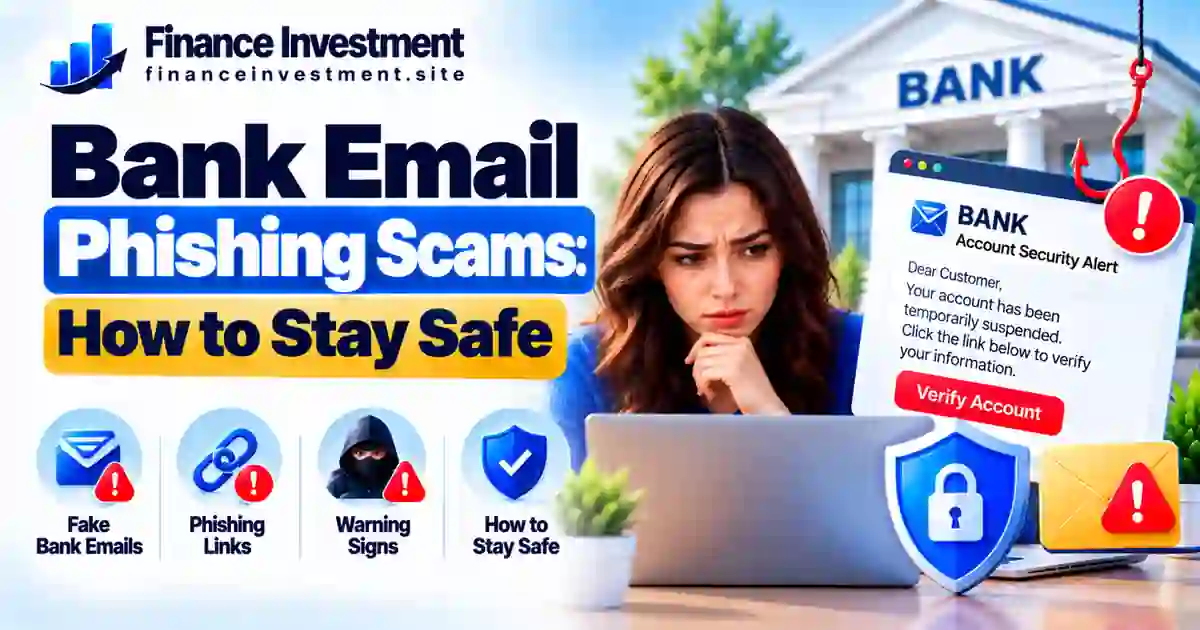
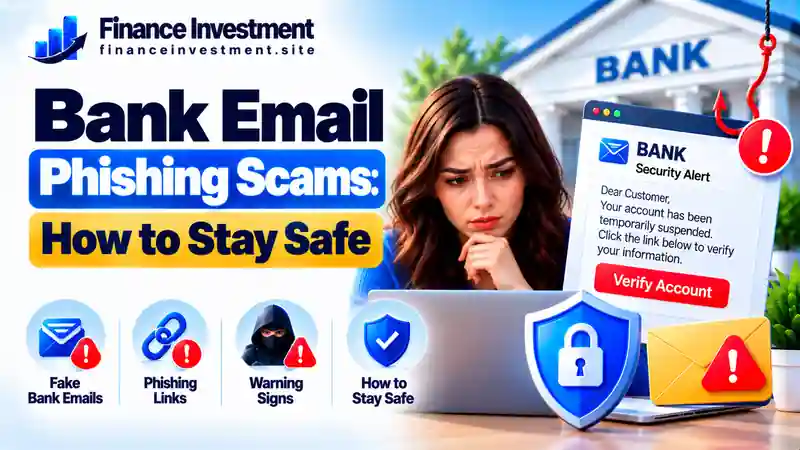
    An email claiming to be from your bank can look convincing. It might warn you about unusual account activity, ask you to verify a payment, or threaten to suspend your account unless you act immediately. These bank email phishing scams are designed to make you worry and click before you stop to check the message. A fake link may lead to a website that steals your banking password, personal information, or one-time security code.

    You can reduce the risk by recognizing common warning signs and verifying unexpected requests through your bank’s official app, website, or phone number. Avoid using contact details or links supplied in a suspicious email. For more practical safeguards, read our bank security and fraud prevention guide.

    What You’ll Learn

    • How phishing emails work and which warning signs to look for.
    • How to distinguish suspicious messages from legitimate bank emails.
    • What to do if you click a link or share sensitive information.
    • How to report phishing attempts and improve your account security.

    Quick Answer: How Can You Avoid Bank Email Phishing Scams?

    To avoid bank email phishing scams, treat unexpected banking emails with caution. Don’t click suspicious links, open unexpected attachments, or provide passwords, PINs, or one-time verification codes in response to an email. Instead, open your bank’s official app, type its known website address yourself, or call the number printed on your bank card. Urgent threats and requests to verify account details are reasons to pause and check independently.

    Key Takeaways

    • Inspect the sender’s full email address, but remember that sender details can be spoofed.
    • Verify account alerts independently instead of using links in unexpected emails.
    • Never email your password, PIN, or one-time verification code to someone claiming to represent your bank.
    • Use a unique banking password and enable multifactor authentication when available.
    • If you clicked a suspicious link or shared information, contact your bank promptly through a trusted channel and ask how to secure your account.

    Remember: You don’t have to reply to a suspicious email to resolve an account issue. Verify the claim directly with your bank, then report the message through an appropriate channel.

    Bank Email Phishing Scams at a Glance

    Bank email phishing scams use messages that appear to come from financial institutions to trick people into revealing sensitive information or visiting fraudulent websites. These common warning signs can help you decide when to stop and verify a message before taking action.

    Warning SignWhy It MattersSafer Response
    Urgent account warningMay pressure you to act without checkingCheck your account through the official app or website
    Unexpected sign-in linkCould lead to a fake login pageEnter your bank’s known website address yourself
    Request for a password or security codeCould be an attempt to gain account accessDo not disclose credentials in response to the email
    Unexpected attachmentMay contain harmful files or linksDo not open it until you verify the message independently

    QUICK TAKE

    A bank logo, familiar display name, or professional-looking design does not prove an email is genuine. Verify unexpected requests through a trusted channel, avoid suspicious links, and contact your bank promptly if you may have exposed your information.

    A Beginner’s Guide to Bank Email Phishing Scamsbank email phishing scams

    Bank email phishing scams involve fraudulent messages designed to look as though they came from a bank or another trusted financial institution. An email might warn you about an unfamiliar transaction, claim your account will be restricted, or ask you to confirm a payment. The goal is to persuade you to reveal private information, visit a fake website, or open unsafe content.

    What Information Are Scammers After?

    Depending on the scam, criminals may try to obtain your online banking username and password, debit or credit card details, personal information, or one-time verification code. They may use stolen details to attempt unauthorized transactions, access accounts, or support identity fraud. Some phishing emails also direct recipients to fake sign-in pages or contain dangerous attachments.

    How Should You Handle a Suspicious Email?

    Avoid clicking its links, opening unexpected attachments, or replying with sensitive information. Instead, check the claim through your bank’s official app, a website address you already know, or the trusted phone number on your bank card. If the message appears fraudulent, follow your bank’s reporting instructions and use your email provider’s phishing-report option.

    Beginner tip: A familiar bank logo or display name does not prove an email is genuine. When you are unsure, do not use the message to contact your bank; verify the issue independently.

    How Bank Email Phishing Scams Work

    Bank email phishing scams typically follow a pattern: imitate a trusted institution, create pressure, and encourage the recipient to reveal information or visit a fraudulent website. Recognizing these steps can help you stop before taking an action that puts your account at risk.

    Four Common Steps in a Phishing Attempt

    1. A message appears legitimate. The sender may copy a bank’s logo, colors, or writing style. The displayed sender name alone does not prove who sent it.
    2. The email creates urgency. It may warn about an unfamiliar transaction, a locked account, or a payment that supposedly needs immediate attention.
    3. You are prompted to act. A link may lead to a fake login page, or an unexpected attachment may contain malicious content.
    4. Your information may be targeted. If you enter your password, card details, or verification code on a fraudulent page, criminals may attempt to access your account or misuse your information.

    Safety reminder: Do not rely on an email’s appearance to decide whether it is genuine. Verify unexpected requests through your bank’s official app, a website address you already know, or a trusted phone number.

    Some phishing emails include your name or other accurate details, so personalization is not proof of legitimacy. If you only opened a suspicious email, that alone does not necessarily mean your account is compromised. If you clicked a link, downloaded a file, or shared information, take appropriate precautions and contact your bank if banking details may be exposed.

    Bank Email Alerts: Benefits and Drawbacks

    Genuine bank email alerts can help you monitor account activity, receive service updates, and notice certain changes. However, alerts may be delayed or filtered, and scammers can imitate bank notifications to trick you into clicking fraudulent links.

    Benefits of Bank Email Alerts

    • Keep you informed about selected transactions and account changes.
    • Help you notice unfamiliar activity so you can investigate promptly.
    • Provide convenient access to important service and security notifications.

    Drawbacks to Keep in Mind

    • Fraudulent emails may copy the appearance of legitimate bank alerts.
    • Messages can arrive late, land in spam, or go unnoticed.
    • Following a fake link may expose your login details or other sensitive information.

    Practical tip: Set up alerts through your bank’s official app or website. Treat unexpected email links cautiously, and verify account warnings independently instead of signing in through the message.

    Legitimate Bank Emails vs. Phishing Emails

    Phishing emails can closely imitate genuine bank messages, making them difficult to identify at first glance. Instead of judging an email by its logo or appearance, examine the request and verify unexpected account warnings independently.

    What to CheckPossible Legitimate SignPotential Warning Sign
    Message purposeAn expected alert or routine account updateUnexpected threats or pressure to act immediately
    Links and websitesA link consistent with a verified bank serviceA look-alike domain or unfamiliar sign-in page
    Sensitive informationInstructions to review activity through secure banking channelsRequests to email passwords, PINs, or one-time codes
    Sender detailsConsistent with communications you have independently verifiedMisspelled domains or misleading sender information

    Important: No single clue can confirm that an email is genuine. Sender information can be spoofed, and some legitimate bank messages contain links. When in doubt, avoid the email’s links and open your bank’s official app, use a website address you already know, or call a trusted number on your bank card.

    Risks, Costs, and Expert Safety Tips

    Falling for bank email phishing scams can expose your banking password, card details, or personal information. Depending on what was shared, criminals may attempt unauthorized transactions or identity fraud. You may also spend time securing accounts, replacing cards, and disputing transactions. Financial losses and reimbursement outcomes vary, so report suspected fraud promptly and ask your bank which protections and deadlines apply.

    Practical Ways to Protect Your Account

    • Verify unexpected requests: Use your bank’s official app, a website address you already know, or a trusted phone number—not contact details supplied in a suspicious email.
    • Strengthen account security: Use a unique password and enable multifactor authentication when available.
    • Review account activity: Check transactions regularly and set up relevant alerts through your bank’s official settings.
    • Respond quickly to exposure: Contact your bank if you shared credentials or financial details. Change compromised passwords through a trusted device, and ask whether your card or account access should be blocked or replaced.

    If you notice an unauthorized transaction: Contact your bank immediately through a trusted channel, report the transaction, and ask about dispute procedures and deadlines. In the United States, you can also report suspected scams through the FTC’s ReportFraud website. Reporting a scam does not replace contacting your bank about your account or money.

    Common Mistakes to Avoid With Bank Email Phishing Scams

    A convincing message can catch anyone off guard. These mistakes can increase your risk:

    • Trusting a bank logo or familiar sender name without verifying the message.
    • Following an unexpected sign-in link or opening an unverified attachment.
    • Sharing passwords, PINs, card details, or one-time verification codes in response to an email.
    • Ignoring unusual transactions or delaying action after sharing sensitive information.

    Realistic Example: A Fake Bank Security Alert

    Imagine receiving an email claiming that your bank has detected suspicious activity and will restrict your account unless you verify a transaction. The message looks professional and includes a sign-in link. You click it and enter your banking password on a fake website.

    The safer choice is to open your bank’s official app or use its known website to check the claim. If you already entered your password, contact your bank promptly and change the compromised password using a trusted device. If you shared a verification code or notice an unfamiliar transaction, tell the bank that too.

    Remember: Pause and verify unexpected requests independently. Simply receiving or opening a suspicious email does not automatically mean your account has been compromised, but clicking links or sharing information may require further action.

    Who Should Be Extra Careful About Bank Email Phishing Scams?

    Anyone with a bank account can be targeted by phishing emails. Extra caution is helpful if you:

    • Are new to online banking or unfamiliar with common phishing warning signs.
    • Rely on email for account alerts, payment notifications, or security updates.
    • Manage family finances, business banking, or several financial accounts.
    • Have received suspicious messages or believe your personal or banking information may have been exposed.

    Practical takeaway: You do not need advanced technical skills to protect yourself. Pause before following unexpected requests, verify them through your bank’s official app or a trusted phone number, and contact your bank promptly if you suspect your account details have been compromised.

    Final Verdict: Stay Alert and Protect Your Bank Account

    Bank email phishing scams can appear convincing, but you can reduce the risk by slowing down and checking unexpected requests. Do not rely on a bank logo, display name, or professional-looking message as proof of authenticity. Instead, verify account alerts through your bank’s official app, a website address you already know, or a trusted phone number.

    If you share your banking credentials or notice an unauthorized transaction, contact your bank immediately. Follow its instructions to secure your account, review recent activity, and report any suspicious transactions.

    Bottom line: Stop, verify, and then act. Checking an unexpected email independently is a simple habit that can help protect your finances and personal information.

    Have a Money Question? Keep Exploring.

    Staying safe online starts with knowing what to check before you act. Keep learning about banking scams, account security, and practical ways to protect your financial information.

    Have a question?

    Send your general questions or feedback about FinanceInvestment’s financial education content by email.

    Email FinanceInvestment

    Continue Your Research

  • Fake Bank Phone Calls: 8 Warning Signs to Know

    Fake Bank Phone Calls: 8 Warning Signs to Know

    Fake Bank Phone Calls: How to Spot a Scammer

    SR
    Subhash Rukade
    Founder, FinanceInvestment
    Banking Safety · Fraud Awareness · Personal Finance
    Updated: October 13, 2026
    Reading time: About 10 minutes

    Fake Bank Phone Calls: How to Recognize a Scammerfake bank phone calls

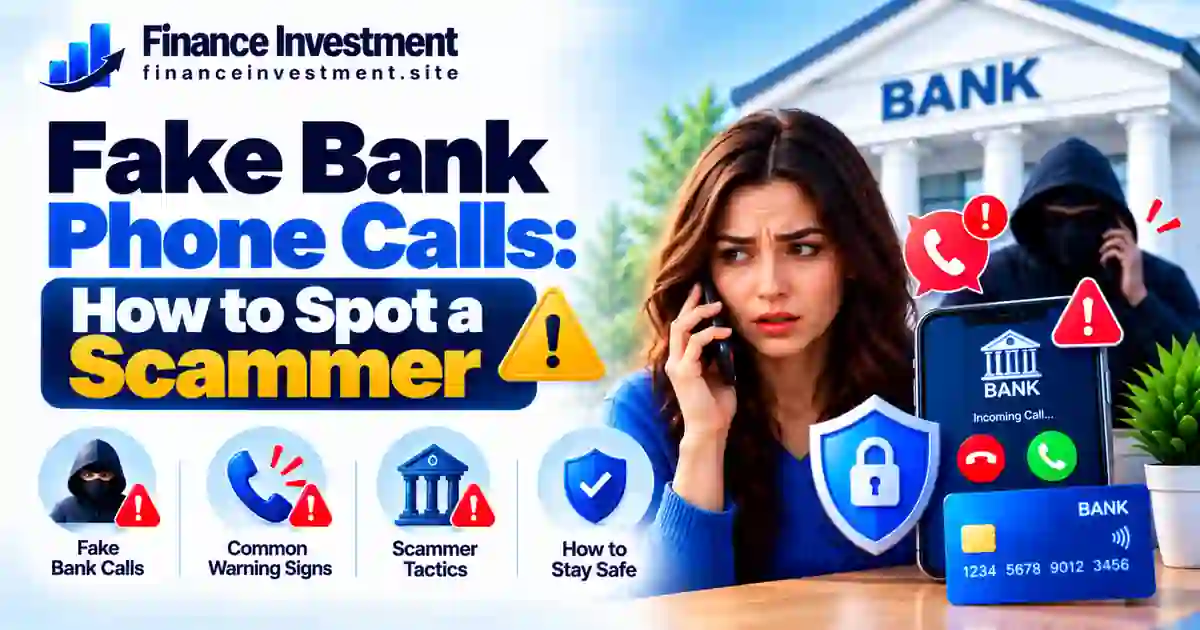
    Your phone rings, and the caller claims to be from your bank’s fraud department. They mention a suspicious purchase or warn that your account could be frozen. It sounds serious, but fake bank phone calls are often designed to frighten you into acting before you can check whether the story is real.

    Some scammers imitate bank employees, use caller ID spoofing to display a familiar number, or know a few details about you. The real warning sign is often what they ask you to do. Requests for your password, one-time verification code, remote access to your device, or an urgent money transfer deserve immediate caution.

    You do not need to prove anything to an unexpected caller. Hang up and contact your bank using its official app or the number printed on your debit card. For broader protection, explore our bank security and fraud prevention guide.

    What You’ll Learn

    • How scammers impersonate bank employees and fraud specialists.
    • Why a familiar caller ID does not prove a call is genuine.
    • Which requests for passcodes, passwords, device access, or money are warning signs.
    • How to verify a suspicious call and report suspected bank impersonation.
    • What to do if you have already shared sensitive information or sent money.

    Fake Bank Phone Calls: Quick Answer

    How do you spot a fake bank call? Watch for pressure to act immediately, requests for passwords or one-time codes, demands to install remote-access software, or instructions to transfer money to a supposedly safe account. Caller ID can be spoofed, so a familiar number does not prove the call is genuine.

    Key Takeaways

    • Never disclose your password or one-time verification code to an unexpected caller.
    • Do not move money because a caller says your account is in danger.
    • Hang up and call your bank using its official app or the number on your card.
    • Never install software or grant device access at a caller’s request.
    • Review transactions and account alerts if you suspect fraud.
    • If you shared details or sent money, contact your bank immediately.

    The Bottom Line

    You do not need to settle an account issue during an unexpected call. Hang up, verify the situation independently, and contact your bank through a trusted channel before taking action.

    Table of Contents

    Fake Bank Phone Calls at a Glance

    Main warning signPressure to reveal codes, grant access, or move money
    Safest responseEnd the call and contact your bank independently
    Who should know this?Anyone receiving an unexpected banking call

    Quick Safety Checklist

    Caller’s requestWhat you should do
    Claims your account is in dangerCheck through your bank’s official app
    Requests a password or verification codeDo not share it with the caller
    Tells you to transfer money urgentlyStop and verify through a trusted channel
    Asks to control your phone or computerRefuse access and end the call
    Quick takeaway: Caller ID can be spoofed. Never rely on the displayed number alone to decide whether a call is genuine.

    A Beginner’s Guide to Fake Bank Phone Callsfake bank phone calls

    A scam call may begin with a believable warning: a payment you do not recognize, an account that supposedly needs protection, or an alert about suspicious activity. The caller may claim to work for your bank and sound calm, professional, and helpful. The aim is to win your trust before you have time to check the story.

    Why a Call Can Seem Genuine

    Scammers can manipulate caller ID so a familiar bank number appears on your screen. They may also know your name or other basic details. These clues can look convincing, but they do not confirm who is speaking. Even a caller who knows about a real transaction could be an impostor.

    Warning Signs to Watch For

    • Pressure to act immediately or keep the call secret.
    • Requests for your password or one-time verification code.
    • Instructions to move money to a so-called “safe” account.
    • Requests to install software or grant remote access to your device.
    • Attempts to stop you from hanging up and contacting your bank independently.
    Remember: You can end an unexpected call without resolving anything on the spot. Open your bank’s official app or call the number printed on your debit card to check whether there is a genuine issue.

    You can find more practical safeguards in our guide to protecting your bank account.

    How a Fake Bank Phone Call Works

    Fake bank phone calls often follow a predictable pattern. Scammers create fear, appear trustworthy, and then pressure you into sharing information or moving money.

    They create fear

    The caller claims your account has suspicious activity or your card has been used without permission.

    They imitate your bank

    A familiar-looking caller ID, professional tone, or personal details may make the caller seem genuine.

    They demand action

    They may ask for a verification code, password, remote device access, or a transfer to a supposed safe account.

    They stop you checking

    They may insist you act immediately or discourage you from hanging up and contacting the bank yourself.

    How to protect yourself: Hang up and contact your bank through its official app or the number on your card. Never share passwords or verification codes, grant remote access, or transfer money because an unexpected caller tells you to. If you have already shared information or sent money, contact your bank immediately.

    Benefits and Drawbacks of Legitimate Bank Calls

    Legitimate bank calls can help you identify suspicious activity or resolve account problems. However, scammers can imitate bank representatives, so an unexpected call should never be trusted based on caller ID or a convincing voice alone.

    Potential Benefits

    • Alerts you to transactions that may need attention.
    • Helps address card or account issues.
    • Can prompt a quicker response to suspected fraud.

    Potential Risks

    • Scammers can spoof a bank’s phone number.
    • A caller may use personal details to appear genuine.
    • Pressure to act quickly can lead to unsafe decisions.
    Practical safety tip: If a bank calls unexpectedly, end the call and verify the issue through your bank’s official app or the number printed on your debit card. Never disclose your password or one-time verification code to an unexpected caller, or transfer money just because the caller instructs you to.

    Real Bank Call vs. Scam Call: Key Differences

    A real bank may contact you about suspicious activity, but scammers can imitate bank employees and spoof phone numbers. No single sign proves whether a call is genuine. Pay attention to the caller’s requests, and verify unexpected calls independently.

    What to CheckSafer Banking PracticeScam Warning Sign
    UrgencyVerify the issue before taking action.Threatens immediate loss to stop you thinking clearly.
    Passwords and codesKeep passwords and one-time codes private; verify requests through official channels.Asks you to disclose a password or one-time verification code.
    Money transfersContact the bank yourself before moving money.Tells you to transfer funds to a supposedly “safe” account.
    Caller IDConfirm identity using a trusted contact method.Uses a familiar-looking number as proof of identity.
    Device accessUse your bank’s official support channels.Pressures you to install software or grant remote access.
    The safest response: End the unexpected call and contact your bank through its official app or the number printed on your card. Do not use a callback number supplied by the caller. If you suspect fraud, check your account and notify your bank promptly.

    Costs, Risks and Expert Safety Tips

    Falling for fake bank phone calls can expose your money, personal information, and financial accounts to fraud. You may face unauthorized transactions, time-consuming disputes, or account access problems. Recovery is not guaranteed, so acting quickly after a suspicious call is important.

    Main Risks of Bank Phone Scams

    • Financial loss: You may be tricked into sending money or giving a scammer access to your account.
    • Identity theft: Stolen personal details may be used in further fraud attempts.
    • Device security: Remote-access software could expose private information.
    • Recovery difficulties: Reporting fraud, disputing transactions, and securing accounts can take time.

    Practical Safety Tips

    • End unexpected calls and contact your bank through its official app or the number on your card.
    • Never disclose your password or one-time verification code to an unexpected caller.
    • Turn on account alerts and review transactions regularly.
    • If you shared sensitive details, notify your bank immediately and follow its account-security instructions.
    • If you sent money, contact your bank or payment provider immediately and ask whether the transaction can be stopped or recalled.

    For more prevention steps, read our guide on how to protect your bank account.

    Common Mistakes and a Realistic Example

    Scammers use fear and urgency to push people into making mistakes. Avoid these common traps when you receive an unexpected bank call:

    • Assuming a familiar caller ID proves the caller works for your bank.
    • Sharing passwords or one-time verification codes with an unexpected caller.
    • Moving money to a so-called “safe” account without independently verifying the request.
    • Installing software or granting remote access because a caller asks you to.
    • Delaying contact with your bank after sharing information or sending money.

    Example: A Fake Fraud Alert

    Imagine a customer in the United States receives a call from a number that appears to belong to their bank. The caller claims a suspicious purchase has occurred and insists the customer must transfer money to a “safe” account immediately.

    Instead of following the instructions, the customer hangs up and contacts the bank through its official app or the number printed on their debit card. The bank can help the customer check the account and determine whether any protective action is needed.

    Key lesson: Never let an unexpected caller direct your financial decisions. End the call, verify the situation independently, and notify your bank promptly if you suspect fraud.

    Who Should Be Extra Careful About Fake Bank Calls?

    Anyone can receive a fake bank call. Extra caution is especially important when an unexpected caller creates pressure, asks for sensitive information, or requests a money transfer. Pay particular attention if you:

    • Are an older adult or help manage someone else’s finances.
    • Are new to online banking or unfamiliar with common phone scams.
    • Receive an unexpected warning about suspicious transactions or account closure.
    • Feel pressured to reveal verification codes, personal details, or banking information.
    • Help a parent, student, or relative who may benefit from clear fraud-prevention guidance.
    Practical safety rule: Never share a password or one-time verification code with an unexpected caller, and never transfer money just because the caller instructs you to. Hang up and verify the situation through your bank’s official app or the number printed on your debit card.

    Frequently Asked Questions About Fake Bank Phone Calls

    1. How can I tell if a bank phone call is fake?

    Warning signs include pressure to act immediately, requests for passwords or one-time codes, demands to transfer money, or requests for remote device access. Hang up and verify independently.

    2. Can scammers fake my bank’s phone number?

    Yes. Caller ID spoofing can make a call appear to come from your bank. The displayed number alone does not confirm the caller’s identity.

    3. Should I share a one-time verification code with a caller?

    Do not disclose a one-time code to an unexpected caller. Contact your bank through an official channel if you are unsure why a code was sent.

    4. Should I hang up on a suspicious bank call?

    Yes. End the call and contact your bank through its official app or the number printed on your card.

    5. What if I already shared my banking information?

    Contact your bank immediately, explain what you shared, and follow its security instructions. Change compromised passwords and review recent transactions.

    6. What if I transferred money to a scammer?

    Contact your bank or payment provider immediately. Ask whether the transfer can be stopped or recalled, and report the suspected fraud.

    7. Where can I report a fake bank call in the United States?

    Report suspected scams to the Federal Trade Commission (FTC). Notify your bank promptly if your account or money may be at risk.

    8. Can I trust a caller who knows my name or transactions?

    No. Personal details do not prove the caller is genuine. Verify account alerts through your bank’s official app or a trusted phone number.

    Final Verdict: How to Stay Safe From Fake Bank Phone Calls

    Fake bank phone calls can sound convincing, especially when the caller claims there is an urgent problem with your account. However, a familiar phone number, professional tone, or knowledge of your personal details does not prove the caller represents your bank.

    If a call feels suspicious, end it and verify the situation through your bank’s official app or the number printed on your debit card. Never disclose passwords or one-time verification codes to an unexpected caller, grant remote access, or transfer money based on pressure from the caller.

    The bottom line: Pause before acting, verify independently, and contact your bank immediately if you suspect fraud. For additional prevention strategies, read our bank security and fraud prevention guide.

    Have a Money Question? Keep Exploring.

    Making informed financial decisions starts with reliable information. If a caller claims your bank account is at risk, pause and verify the request through an official banking channel before taking action.

    Contact FinanceInvestment

    Have a question or suggestion about our personal finance guides? Email our team.

    Email FinanceInvestment

    Continue Your Research

  • How to Recognize Bank Impersonation Scams (2026)

    How to Recognize Bank Impersonation Scams (2026)

    How to Recognize Bank Impersonation Scams

    SR
    Subhash Rukade
    Founder, FinanceInvestment
    Personal Finance • Banking Safety • Consumer Education
    Updated: October 13, 2026
    Estimated reading time: 12 minutes

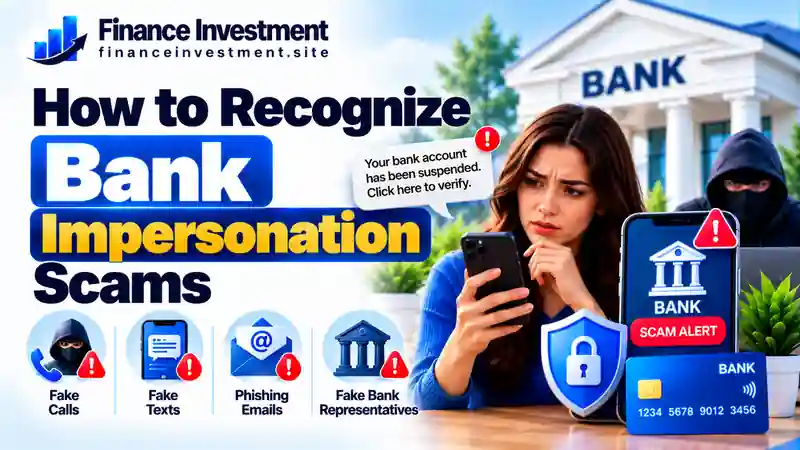
    How to Recognize Bank Impersonation Scams Before You Respondhow to recognize bank impersonation scams

    Learning how to recognize bank impersonation scams starts with one simple habit: pause before you respond. A message claiming your account is locked, a call about suspicious transactions, or an alert asking you to verify your identity may look genuine. Scammers can copy bank logos, imitate phone numbers, and use convincing language to make their requests seem legitimate.

    The biggest warning sign is often pressure to act immediately. A caller may ask for your password, one-time verification code, or a transfer to a supposedly safe account. Never trust caller ID, a familiar logo, or someone’s knowledge of your personal details as proof of identity. End the conversation and contact your bank using the number on your card or the official app you open yourself.

    For broader protection, explore our bank security and fraud prevention guide.

    What You’ll Learn

    • Warning signs of fake bank calls, texts, and emails.
    • How to verify whether a bank communication is genuine.
    • Common mistakes that expose your money or personal information.
    • What to do if you shared a code, clicked a suspicious link, or sent money.

    How Can You Recognize a Bank Impersonation Scam?

    Recognize bank impersonation scams by watching for urgent messages, suspicious links, unexpected calls, and requests for passwords or verification codes. Scammers may pretend to be bank employees and claim your account is at risk.

    Quick Answer: Never share your banking password or one-time passcode with an unexpected caller. Contact your bank through its official app or the number printed on your card.

    Key Takeaways

    • Be cautious of urgent warnings and threats.
    • Caller ID and bank logos can be faked.
    • Avoid clicking links in unexpected bank messages.
    • Verify suspicious requests directly with your bank.
    • If you shared information or sent money, contact your bank immediately.

    Table of Contents

    Bank Impersonation Scams: Quick Facts

    Bank impersonation scams occur when criminals pretend to represent a real bank or credit union to steal money, account credentials, or personal information. These quick facts explain the warning signs and the safest response.

    What to CheckWhat You Should Know
    Common methodsFake phone calls, text messages, emails, and websites.
    Warning signsUrgent threats, suspicious links, or requests for confidential codes.
    Information at riskPasswords, one-time passcodes, banking details, and money.
    Safest responseStop responding and verify the request through an official bank channel.
    If you are targetedContact your bank promptly, secure affected accounts, and report suspected fraud.
    QUICK TAKE: A familiar caller ID, bank logo, or message sender name does not prove a communication is genuine. Never share your password or one-time passcode in response to an unexpected request. Contact your bank using the number on your card or its official app.

    Bank Impersonation Scams: A Complete Beginner Guidehow to recognize bank impersonation scams

    Bank impersonation scams happen when criminals pretend to represent a real bank or credit union to steal money, account credentials, or personal information. They may pose as fraud investigators, security specialists, or customer service employees. Anyone with a financial account can be targeted, so recognizing common tactics is an important part of protecting your money.

    1. Fake Bank Text Messages

    You might receive a text claiming that your debit card was used, your account is locked, or suspicious activity needs immediate attention. A link may lead to a fake website designed to capture your login details. Do not click unexpected links; open your bank’s official app or contact the bank using a trusted number.

    2. Fraudulent Bank Phone Calls

    A caller may claim to work in the bank’s fraud department and ask you to verify a transaction. Caller ID can be spoofed, so a familiar number is not proof of identity. Never share your password or one-time passcode with an unexpected caller. Hang up and contact the bank independently.

    3. Fake Emails and Banking Websites

    Scammers can copy bank logos, colors, and email formatting to make messages look authentic. They may direct you to a fake sign-in page. Avoid logging in through unexpected email links. Open the bank’s website yourself and check the address carefully.

    4. Requests to Transfer Money

    A scammer may tell you to move your savings to a “safe account” or make a payment to stop alleged fraud. Treat unexpected transfer instructions as a serious warning sign. Do not send money until you have independently verified the situation with your bank.

    5. What to Do If You Suspect a Scam

    Stop responding and contact your bank immediately if you shared information, approved a payment, or transferred money. Ask whether the bank can block transactions or secure your account. Change compromised passwords, enable multifactor authentication, and review recent activity. Follow the FTC’s guidance on what to do after a scam. You can also read our guide on how to protect your bank account.

    Remember: Stop, verify, and contact your bank through a channel you choose yourself. If money was transferred, report it immediately; recovery is not guaranteed, but a prompt report may help limit further losses.

    How Bank Impersonation Scams Work

    Bank impersonation scams often follow a pattern: create fear, appear trustworthy, and pressure the victim to act quickly. Criminals may use text messages, phone calls, emails, or fake websites to make a fraudulent request seem legitimate.

    Step 1: Create an Urgent Problem

    You receive an alert about a suspicious purchase, a locked account, or an alleged security breach. The message may warn that your money is at risk unless you respond immediately. Verify the alert independently rather than following its instructions.

    Step 2: Pretend to Be Your Bank

    The scammer may imitate a bank employee, spoof caller ID, or copy the bank’s logo. They might even know some personal details. None of these proves the contact is genuine.

    Step 3: Ask for Information or Money

    The scammer may request your password, one-time verification code, remote access to your device, or a transfer to a supposedly safe account. Treat unexpected requests like these as serious warning signs.

    Step 4: Demand More or Disappear

    After receiving your information or money, the scammer may disappear or invent another emergency to demand more. Stop responding and contact your bank using its official app or the number on your card.

    Safety Tip: Never rely on caller ID or a message logo alone. Verify suspicious contact independently and read our guide to common types of bank fraud to learn about other tactics criminals use.

    Benefits of Recognizing Bank Impersonation Scams

    Understanding bank impersonation scams helps you recognize suspicious requests before sharing information or sending money. Awareness cannot stop every attempt, but it can help you respond more carefully when an unexpected bank call, text, or email arrives.

    Key Benefits

    • Protect your information: Spotting suspicious requests can help safeguard your login details and financial information.
    • Respond sooner: Recognizing warning signs can help you report suspicious activity promptly.
    • Avoid rushed decisions: You can pause and verify a request instead of reacting to threats or pressure.
    • Build confidence: You can handle unexpected banking alerts more calmly and carefully.

    Important Limitations

    Scammers constantly change their tactics. Messages can look professional, caller IDs can be spoofed, and even cautious people can be deceived. Fraud alerts and security tools can help, but they cannot guarantee complete protection. Verify unexpected requests independently and review account activity regularly.

    Key Takeaway: Awareness is helpful, but it is not a guarantee. Combine careful verification with strong, unique passwords, multifactor authentication, and prompt contact with your bank when something seems suspicious.

    Legitimate Bank Contact vs. an Impersonation Scam

    Banks may contact customers about unusual transactions or account security. Scammers can imitate these alerts, so a message’s appearance alone cannot establish whether it is genuine. Check the request carefully and verify it through a trusted channel before taking action.

    Warning SignSafer Response
    Pressure to act immediatelyPause and verify the alert independently.
    Familiar caller ID or bank logoDo not treat either as proof; both can be imitated.
    Request for a password or one-time codeNever disclose these in response to an unexpected call or message.
    Instruction to move money to a “safe account”Do not transfer funds; contact your bank independently.
    Unexpected login linkAvoid the link and open your bank’s official app or website yourself.

    How to Verify a Bank Message

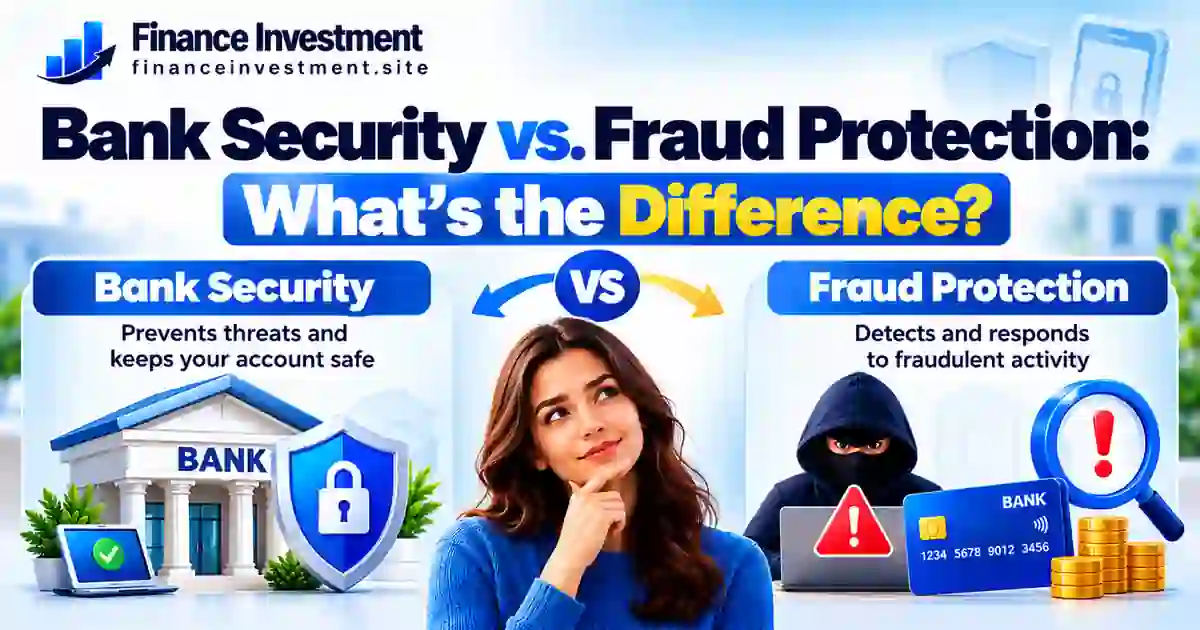
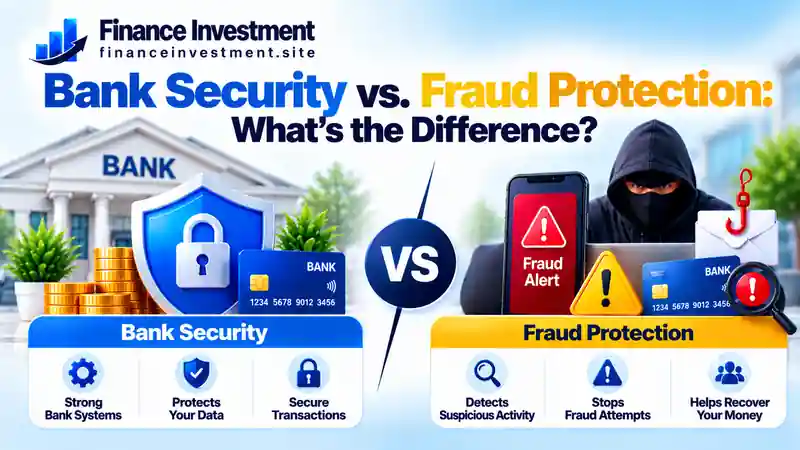
    End the unexpected call and use the number on your bank card or the official app to ask whether the alert is genuine. Review recent transactions and report anything unfamiliar. Do not call numbers or click links supplied in a suspicious message to verify that same message. For more guidance, read our bank security vs. fraud protection guide.

    Remember: A legitimate alert may require attention, but you can pause and confirm it through a trusted channel before sharing information or moving money.

    Warning Signs of Bank Impersonation Scams

    Bank impersonation scams can look convincing, so pay attention to suspicious behavior rather than appearance alone. A warning sign does not automatically prove fraud, but unexpected requests should always be verified independently.

    Red Flags to Watch For

    • Urgent threats: Someone pressures you to act immediately to avoid an alleged account freeze or financial loss.
    • Requests for confidential codes: An unexpected caller asks you to reveal your password or one-time passcode.
    • Suspicious links: A text or email directs you to an unfamiliar website to sign in or verify account details.
    • Safe-account claims: Someone instructs you to transfer money to supposedly protect your savings.
    • Unusual payment instructions: You are pressured to send money through a wire transfer, payment app, gift card, or cryptocurrency.

    What Is at Risk?

    Sharing sensitive information can expose your account credentials, personal details, and money. Criminals may attempt unauthorized transactions or identity theft. A familiar caller ID, convincing voice, or bank logo does not prove that the person contacting you is genuine.

    Practical Tips to Stay Safer

    Pause before responding, open your bank’s official app yourself, and call the number on your card to verify suspicious contact. Use unique passwords and multifactor authentication, enable transaction alerts, and review account activity regularly. Never give an unexpected caller remote access to your device. If you suspect fraud, contact your bank immediately to secure your account and report unauthorized transactions. For more guidance, read our guide to spotting checking account fraud.

    Safety Reminder: Do not rely on a single warning sign or a caller’s claims. Verify unexpected requests through a trusted channel before sharing information or moving money.

    Common Mistakes That Make Bank Impersonation Scams Easier

    Scammers exploit fear, trust, and rushed decisions. Avoiding these common mistakes can help protect your bank account and personal information.

    • Trusting caller ID: Scammers can spoof phone numbers to make calls appear genuine.
    • Clicking unexpected links: Fake banking websites may capture your login details.
    • Sharing verification codes: Criminals may use a one-time code to access an account or authorize an action.
    • Transferring money under pressure: Instructions to move funds to a “safe account” are a major warning sign.
    • Delaying a report: Waiting can give criminals more time to misuse your information or money.

    Example: A Fake Bank Fraud Alert

    Imagine you receive a text claiming that a $900 purchase triggered a security alert. A person posing as a bank employee then calls and says your savings are at risk. They ask for a one-time passcode and tell you to transfer your money to a “protected” account. This is a hypothetical example of how impersonation scams may unfold.

    The safer response: Do not share the code or transfer money. End the call and contact your bank through its official app or the number printed on your card. If you already shared information or sent funds, notify the bank immediately, secure your account, and ask what steps may help limit further losses.

    Remember: Urgent warnings can sound convincing, but you do not need to follow an unexpected caller’s instructions. Verify the situation independently and read our guide to what bank fraud is and how it works.

    Who Is Most at Risk of Bank Impersonation Scams?

    Anyone with a bank account, debit card, or online banking access can be targeted. Scammers use convincing messages, fear, and urgency rather than targeting only one age group. A person’s experience with technology or money does not guarantee protection.

    Situations That May Increase Risk

    • Unexpected security alerts: Anyone may react quickly to claims of suspicious transactions or account suspension.
    • Busy or distracted moments: People may overlook warning signs when handling an urgent message while multitasking.
    • Limited familiarity with online banking: Customers who are unsure how to verify messages may find fake alerts harder to assess.
    • Financial pressure: Threats involving lost savings or frozen accounts can make people feel they must act immediately.
    • Targeted impersonation attempts: Older adults and other groups may receive scams tailored to their circumstances, but no group is immune.

    Steps Every Banking Customer Can Take

    Use unique passwords, enable multifactor authentication, turn on transaction alerts, and review account activity regularly. Never disclose a one-time passcode to an unexpected caller or transfer money simply because someone claims it will protect your account. Verify suspicious contact through your bank’s official app or the number printed on your card.

    Key Takeaway: Anyone can encounter a convincing scam. Pause, verify unexpected requests independently, and report suspected fraud to your bank promptly.

    Frequently Asked Questions About Bank Impersonation Scams

    1. What is a bank impersonation scam?

    A bank impersonation scam occurs when someone pretends to represent a real bank or credit union to steal money, account credentials, or personal information through fake calls, texts, emails, or websites.

    2. How can I tell if a bank call is fake?

    Be cautious of pressure, unusual payment instructions, or requests for confidential information. Caller ID can be spoofed, so end the call and contact your bank using its official app or the number on your card.

    3. Can my bank ask me for a one-time passcode?

    Banks use different verification methods, but never reveal a one-time passcode to an unexpected caller or message. If a request seems suspicious, contact your bank independently before proceeding.

    4. What should I do after clicking a suspicious link?

    Close the page and do not enter any information. If you entered your banking credentials, contact your bank promptly, change your password through its official app or website, and review recent transactions. If you downloaded a file, check your device for security risks.

    5. What if I already transferred money to a scammer?

    Contact your bank or payment provider immediately and ask whether the transaction can be stopped, recalled, or disputed. Recovery is not guaranteed, but reporting quickly may help limit further losses.

    6. Can scammers fake a bank phone number?

    Yes. Caller ID spoofing can make a call appear to come from a legitimate bank number. Never rely on the displayed number alone to confirm the caller’s identity.

    7. How do I report a bank impersonation scam in the US?

    Notify your bank and report the incident through the FTC’s official fraud reporting website. If your personal information was misused, visit IdentityTheft.gov for recovery guidance.

    8. How can I prevent bank impersonation scams?

    Use unique passwords, enable multifactor authentication, avoid links in unexpected messages, monitor account activity, and verify suspicious requests through trusted bank channels.

    Final Verdict: Stay Alert to Bank Impersonation Scams

    Knowing how to recognize bank impersonation scams helps you make safer decisions when unexpected calls, texts, or emails arrive. Scammers may imitate bank employees, copy official logos, and spoof phone numbers to make fraudulent requests appear genuine. Never treat a familiar caller ID or convincing message as proof of identity.

    If something seems suspicious, stop responding and verify the request through your bank’s official app or the number printed on your card. Never disclose your password or one-time passcode to an unexpected caller, and do not transfer money to a supposed safe account because someone pressures you.

    If you suspect fraud, contact your bank immediately, secure affected accounts, and report the incident. For more practical guidance, read our bank security and fraud prevention guide.

    Bottom Line: Pause, verify independently, and use trusted banking channels. Acting carefully can help reduce the risk of financial loss.

    Have a Money Question? Keep Exploring.

    Have a question about banking safety, fraud prevention, or protecting your savings? Contact FinanceInvestment or explore our practical financial guides.

    Contact FinanceInvestment

    Email Us

    Tap the button to open your email app.

    Continue Your Research

    Stay alert, verify unexpected requests through trusted channels, and contact your bank promptly if you suspect fraud.