Tag: Health Insurance USA

  • Health Insurance Mistakes Americans Should Avoid (2026): Complete Guide to Smarter Coverage Decisions

    Health Insurance Mistakes Americans Should Avoid (2026): Complete Guide to Smarter Coverage Decisions


    Health Insurance Mistakes Americans Should Avoid (2026): Complete Guide to Smarter Coverage Decisions

    Published: July 4, 2026 |
    Author: Subhash Rukade
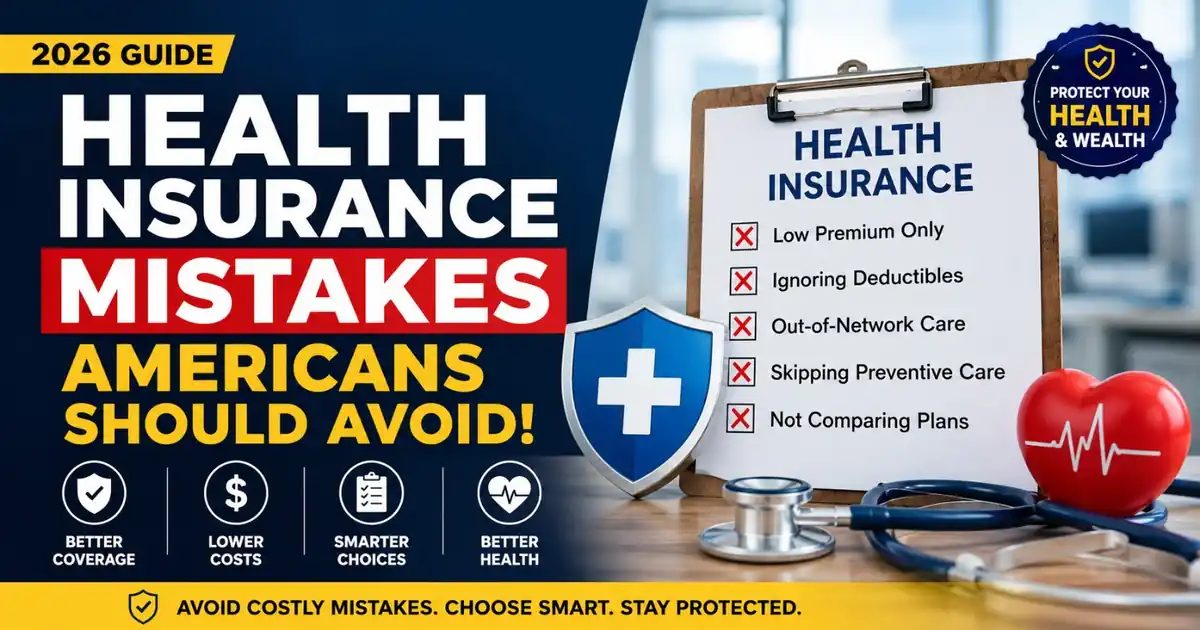
    health insurance mistakes    Avoid the biggest health insurance mistakes Americans make in 2026 and choose smarter, more affordable coverage.

    Health insurance mistakes can quietly cost Americans hundreds or even thousands of dollars every year. Many people choose a policy simply because it has the lowest monthly premium, while others renew the same plan year after year without checking whether better options are available. These decisions often lead to higher medical bills, limited provider networks, expensive prescription costs, and unnecessary financial stress when unexpected healthcare needs arise.

    Health insurance should protect both your physical health and your financial future. Before enrolling in any plan, it’s important to compare deductibles, copayments, coinsurance, annual out-of-pocket maximums, provider networks, prescription drug coverage, and preventive care benefits. Spending a little extra time comparing plans today can help you avoid expensive surprises later.

    If you’re new to health insurance, start with our comprehensive

    Insurance for Beginners USA 2026: Complete Guide to Choosing the Right Coverage
    .
    This pillar guide explains insurance terminology, premiums, deductibles, provider networks, claims, and policy comparisons in simple language, making it easier to choose the right health insurance plan with confidence.

    In this complete guide, you’ll discover the most common health insurance mistakes, learn practical strategies to avoid them, compare health insurance plans effectively, estimate your real healthcare costs, and understand which coverage options provide the best value for individuals, families, self-employed professionals, and retirees.

    We’ll also cover a detailed comparison table, a healthcare cost calculator, a real-life case study, trusted government resources, financial planning recommendations, and expert tips that can help you make smarter insurance decisions throughout 2026.

    By the end of this guide, you’ll know exactly how to avoid costly health insurance mistakes, reduce medical expenses, and confidently choose health insurance that protects both your health and your long-term financial goals.

    7 Common Health Insurance Mistakes That Cost Americans Thousands

    Many health insurance mistakes happen because people focus only on monthly premiums and ignore the total cost of healthcare. A policy that appears inexpensive today may become very costly if you require emergency treatment, prescription medications, or ongoing medical care. Understanding these common mistakes can help you choose better coverage while protecting your long-term financial health.

    1. Choosing the Cheapest Health Insurance Plan

    One of the biggest health insurance mistakes is selecting the lowest-premium plan without reviewing deductibles, copayments, coinsurance, and annual out-of-pocket costs. Although lower premiums reduce monthly expenses, they often result in much higher healthcare costs when medical treatment is needed.

    2. Ignoring the Provider Network

    Before enrolling, always verify that your preferred doctors, hospitals, specialists, and pharmacies participate in the insurance company’s provider network. Receiving out-of-network care can significantly increase medical expenses and reduce insurance benefits.

    3. Not Understanding Deductibles

    Many Americans don’t fully understand how deductibles work. Choosing a policy without reviewing the deductible amount is one of the most expensive health insurance mistakes. If you require regular medical care, a lower deductible may save more money despite having a slightly higher monthly premium.

    4. Overlooking Prescription Drug Coverage

    Every insurance company has its own prescription drug formulary. If your medications aren’t covered or fall into higher pricing tiers, pharmacy costs can increase dramatically throughout the year.

    5. Automatically Renewing Last Year’s Plan

    Health insurance plans change every year. Premiums, provider networks, deductibles, prescription coverage, and additional benefits may all be different. Comparing new plans during Open Enrollment helps ensure you’re still receiving the best value.

    6. Skipping Preventive Healthcare

    Many health insurance plans include annual wellness visits, vaccinations, screenings, and preventive care at little or no additional cost. Failing to use these benefits is another common health insurance mistake that can lead to more serious and expensive health problems later.

    7. Not Comparing Multiple Insurance Plans

    Never purchase the first plan you find. Comparing several Marketplace and employer-sponsored options allows you to evaluate total healthcare costs, provider networks, prescription benefits, and overall coverage quality before making a decision.

    Healthcare planning works best when combined with smart financial planning. Learn how to build long-term wealth with our

    Retirement Planning Guide

    and discover how technology is transforming personal finance in our

    AI Investing Guide 2026
    .

    For official Marketplace enrollment information and consumer guidance, visit
    Healthcare.gov.
    Additional insurance education is available from the
    National Association of Insurance Commissioners (NAIC).

    Recognizing these common health insurance mistakes before enrolling can save thousands of dollars over time while helping you choose coverage that provides stronger financial protection and better access to quality healthcare throughout 2026.

    How to Compare Health Insurance Plans and Avoid Costly Mistakes

    Avoiding health insurance mistakes starts with comparing health insurance plans carefully rather than choosing the first policy that appears affordable. The best plan isn’t always the one with the lowest monthly premium—it’s the one that provides the right balance of cost, coverage, and financial protection based on your healthcare needs.

    1. Compare Total Annual Healthcare Costs

    One of the biggest health insurance mistakes is looking only at the monthly premium. Instead, calculate your expected yearly healthcare expenses by including premiums, deductibles, copayments, coinsurance, prescription costs, and your annual out-of-pocket maximum. This gives a more accurate picture of the policy’s real cost.

    2. Review Deductibles and Out-of-Pocket Maximums

    A low monthly premium often comes with a higher deductible. If you visit doctors frequently, take prescription medications, or expect medical treatment during the year, paying a slightly higher premium with a lower deductible may reduce your overall healthcare expenses.

    3. Check the Provider Network Carefully

    Before purchasing any policy, confirm that your preferred primary care physician, specialists, hospitals, urgent care centers, and nearby pharmacies are included in the provider network. Receiving treatment outside the network is one of the most expensive health insurance mistakes Americans make.

    4. Review Prescription Drug Benefits

    Prescription coverage varies between insurance companies. Compare each insurer’s formulary and verify that your medications are covered before making your final decision. This simple step can save hundreds of dollars every year.

    5. Compare Extra Benefits

    • Annual wellness exams
    • Preventive healthcare services
    • Telehealth appointments
    • Mental health coverage
    • Vision and dental benefits
    • Wellness rewards and fitness programs

    These additional benefits can significantly increase the overall value of your health insurance plan while reducing future healthcare expenses.

    Building strong financial habits goes beyond health insurance. Learn how consistent investing builds long-term wealth in our

    SIP Investing Guide 2026
    .
    You can also explore passive income opportunities with our

    Top Dividend Stocks USA 2026
    .

    For official Marketplace plan comparisons and enrollment information, visit

    Healthcare.gov
    .
    Consumer insurance education is also available through the

    National Association of Insurance Commissioners (NAIC)
    .

    Taking time to compare policies carefully helps you avoid common health insurance mistakes, reduce unnecessary medical expenses, and choose a health insurance plan that offers better protection for both your health and your financial future.

    Health Insurance Mistakes Comparison: Smart Choices vs Costly Decisions

    Many Americans make expensive healthcare decisions simply because they don’t fully understand their insurance coverage. Avoiding health insurance mistakes isn’t just about choosing the cheapest plan—it’s about selecting coverage that fits your healthcare needs, financial goals, and future medical expenses. Comparing plans carefully before enrollment can save thousands of dollars over time.

    Health Insurance Comparison Table

    Common MistakePossible ResultBetter Choice
    Choosing the Lowest Premium OnlyHigher deductibles and medical billsCompare total yearly healthcare costs
    Ignoring Provider NetworksHigher out-of-network expensesVerify doctors and hospitals before enrolling
    Skipping Prescription Coverage ReviewUnexpected medication costsReview the plan’s drug formulary
    Ignoring Out-of-Pocket MaximumUnexpected financial burdenCompare annual spending limits
    Automatically Renewing the Same PlanMiss better coverage opportunitiesCompare new Marketplace plans every year

    Simple Healthcare Cost Calculator

    Estimate Your Annual Healthcare Cost

    Annual Premiums + Deductible + Estimated Copays + Coinsurance = Estimated Total Healthcare Cost

    Example

    Annual Premium = $3,600

    Deductible = $2,000

    Copays = $500

    Coinsurance = $900

    Estimated Total Annual Cost = $7,000

    Looking beyond the monthly premium helps you compare plans more accurately and avoid expensive health insurance mistakes.

    Real-Life Case Study

    Emily, a 38-year-old self-employed graphic designer from Texas, selected the cheapest Marketplace health plan because it had the lowest monthly premium. Unfortunately, she didn’t compare the deductible or provider network. After needing outpatient surgery, she discovered her preferred hospital was out of network and her deductible was much higher than expected. Her total medical expenses exceeded $8,000 for the year.

    The following year, Emily carefully compared deductibles, provider networks, prescription coverage, and out-of-pocket maximums before enrolling. Although her monthly premium increased slightly, her total healthcare costs were significantly lower because she chose coverage that better matched her medical needs.

    If you’re still learning health insurance basics, continue reading our

    Insurance for Beginners USA 2026: Complete Guide to Choosing the Right Coverage
    .
    It explains deductibles, copayments, provider networks, claims, and insurance terminology in simple language.

    For official health insurance information, visit
    Healthcare.gov
    and the
    Centers for Medicare & Medicaid Services (CMS)
    to compare Marketplace plans, consumer protections, and enrollment options.

    Avoiding common health insurance mistakes starts with comparing the total cost of coverage—not just the monthly premium. A smarter comparison today can protect both your health and your finances throughout 2026.

    Health Insurance Mistakes Different Americans Should Avoid

    Not everyone has the same healthcare needs, which means one insurance plan cannot work for everyone. One of the most common health insurance mistakes is choosing coverage based on someone else’s recommendation instead of your own medical needs, budget, and lifestyle. Selecting the right policy requires understanding how your health, income, and future healthcare expenses affect your insurance choice.

    Families Should Focus on Complete Coverage

    Families often require pediatric care, maternity benefits, preventive services, emergency coverage, and prescription drug benefits. Choosing the cheapest policy without reviewing these benefits is one of the most expensive health insurance mistakes. A plan with slightly higher monthly premiums may provide significantly lower total healthcare costs for families throughout the year.

    Young Adults Shouldn’t Ignore Insurance

    Many healthy young adults believe they don’t need health insurance. Unfortunately, accidents and unexpected illnesses can happen at any time. Comparing deductibles, provider networks, and annual out-of-pocket maximums before enrolling helps avoid large medical bills and provides valuable financial protection.

    Self-Employed Americans Need Careful Planning

    Freelancers, consultants, and business owners should compare multiple Marketplace plans before enrolling. Ignoring premium tax credits or Health Savings Account (HSA) opportunities is another common health insurance mistake that can increase yearly healthcare expenses.

    Retirees and Pre-Retirees

    As healthcare needs increase with age, retirees should prioritize specialist access, prescription drug coverage, preventive care, and lower annual out-of-pocket limits instead of focusing only on monthly premiums.

    Recommended Resources

    • Healthcare.gov Plan Finder — Compare Marketplace plans and estimate available premium tax credits.
    • Fidelity Health Savings Account (HSA) — A tax-advantaged savings account for qualified healthcare expenses.
    • The Bogleheads’ Guide to Investing — A trusted personal finance book covering long-term investing and wealth building.

    Recommended Insurance Providers

    • Blue Cross Blue Shield — Nationwide health insurance plans with extensive provider networks.
    • Kaiser Permanente — Integrated healthcare and insurance plans available in participating states.
    • Fidelity HSA — Flexible Health Savings Account solution for eligible High-Deductible Health Plans.

    Good health insurance works alongside strong financial planning. Continue building long-term wealth with our

    Retirement Planning Guide
    ,
    discover smarter investing ideas in our

    AI Investing Guide 2026
    ,
    and learn disciplined investing through our

    SIP Investing Guide 2026
    .

    For official consumer information about Marketplace enrollment and health insurance regulations, visit
    Healthcare.gov.
    Additional consumer education and insurance guidance are available from the
    National Association of Insurance Commissioners (NAIC).

    Avoiding these health insurance mistakes helps you choose coverage that matches your healthcare needs, protects your finances, and provides greater peace of mind throughout 2026.

    Common Health Insurance Mistakes to Avoid and Future Healthcare Trends in 2026

    Even after comparing health insurance plans carefully, many Americans still make costly decisions that increase their medical expenses. Understanding these common health insurance mistakes can help you choose better coverage, reduce unexpected healthcare costs, and protect your financial future. Spending a little extra time reviewing your policy each year can save thousands of dollars over the long term.

    1. Choosing a Plan Based Only on Monthly Premiums

    One of the biggest mistakes is selecting the lowest premium without considering deductibles, copayments, coinsurance, and the annual out-of-pocket maximum. A cheaper premium may result in much higher healthcare expenses when you actually need medical treatment.

    2. Ignoring the Provider Network

    Many policyholders assume their preferred doctors and hospitals are covered. Always verify that your healthcare providers are part of the plan’s network before enrolling. Receiving out-of-network care can significantly increase your medical bills.

    3. Not Reviewing Prescription Drug Coverage

    Prescription medications can represent a major portion of healthcare costs. Before choosing a plan, review the insurer’s drug formulary to confirm your medications are covered at affordable copayment levels.

    4. Automatically Renewing the Same Plan Every Year

    Health insurance plans, premiums, provider networks, and benefits often change annually. Comparing Marketplace plans during each Open Enrollment Period helps ensure you’re still receiving the best value for your healthcare needs.

    Future Trends in Health Insurance

    The health insurance industry continues to evolve with digital innovation. More insurers now offer virtual healthcare services, AI-powered claims processing, personalized wellness programs, wearable health technology integration, online policy management, and expanded telehealth coverage. These advancements are improving convenience while helping consumers better manage healthcare expenses.

    Protecting your health also supports your long-term financial success. Learn how to prepare your investments for uncertain markets in our

    Recession-Proof Investing 2026
    ,
    and improve your everyday finances with our

    Best Credit Cards 2026
    .
    Building both financial security and healthcare protection creates a stronger long-term plan.

    Trusted Government Resources

    Before enrolling in any health insurance plan, compare coverage using
    Healthcare.gov,
    review consumer information from the
    Centers for Medicare & Medicaid Services (CMS),
    and explore Health Savings Account rules through the
    Internal Revenue Service (IRS).
    These trusted government resources help consumers make informed healthcare decisions.

    Avoiding common health insurance mistakes, reviewing your coverage every year, and staying informed about new healthcare trends can help you reduce medical expenses while ensuring you and your family receive the protection you need throughout 2026 and beyond.

    Frequently Asked Questions (FAQs)

    1. What are the biggest health insurance mistakes Americans make?

    The biggest health insurance mistakes include choosing a plan based only on the lowest premium, ignoring deductibles, not checking provider networks, overlooking prescription drug coverage, and failing to compare plans during Open Enrollment.

    2. How can I avoid paying too much for health insurance?

    Compare multiple plans, estimate your total annual healthcare costs, review deductibles and out-of-pocket maximums, stay within your provider network, and take advantage of preventive care services.

    3. Should I compare health insurance plans every year?

    Yes. Insurance companies frequently change premiums, deductibles, provider networks, prescription drug formularies, and additional benefits. Comparing plans annually helps you find better coverage and lower costs.

    4. Does the cheapest health insurance plan save the most money?

    Not always. A low monthly premium may come with higher deductibles, higher coinsurance, and greater out-of-pocket expenses. Compare the total yearly cost before making your decision.

    5. Where can I compare health insurance plans safely?

    You can compare Marketplace plans through
    Healthcare.gov,
    review Medicare information on
    CMS.gov,
    and learn about consumer insurance protections through the
    National Association of Insurance Commissioners (NAIC).

    Conclusion

    Avoiding health insurance mistakes is one of the smartest financial decisions Americans can make in 2026. The right health insurance policy does much more than cover medical expenses—it protects your savings, reduces financial stress, and gives you peace of mind during unexpected health emergencies. Instead of choosing a plan based only on the lowest monthly premium, compare deductibles, provider networks, prescription drug coverage, annual out-of-pocket maximums, and preventive care benefits to find the best overall value.

    Review your health insurance every Open Enrollment period, estimate your total annual healthcare costs, and always compare multiple plans before making a decision. These simple habits can help you avoid expensive medical bills while ensuring you receive quality healthcare for yourself and your family.

    If you’re still learning the basics of health insurance, continue with our complete

    Insurance for Beginners USA 2026: Complete Guide to Choosing the Right Coverage
    .
    You can also strengthen your financial future with our

    Retirement Planning Guide

    and improve your everyday finances using our

    Best Credit Cards 2026
    .
    Building smart financial habits today will help you enjoy greater financial security for years to come.

    📩 Get Weekly Insurance & Personal Finance Tips

    Subscribe for free and receive expert health insurance advice, retirement planning guides, investing strategies, and money-saving tips delivered every week.


    Subscribe Free

    ✔ Free Weekly Updates   |   ✔ No Spam   |   ✔ Unsubscribe Anytime

    SR

    Subhash Rukade

    Founder • FinanceInvestment.site

    Subhash Rukade publishes research-backed articles on health insurance, investing, retirement planning, passive income, and personal finance. His goal is to simplify complex financial topics into practical, easy-to-follow guides that help Americans make smarter money decisions with confidence.


    Insurance


    Investing


    Retirement


    USA Finance
  • How to Choose Health Insurance Plan (2026): Complete Guide to Finding the Best Coverage

    How to Choose Health Insurance Plan (2026): Complete Guide to Finding the Best Coverage


    How to Choose Health Insurance Plan (2026): Complete Guide to Finding the Best Coverage

    Published: July 3, 2026

    Author: Subhash Rukadehow to choose health insurance plan


    How to choose health insurance plan is one of the most important financial decisions Americans will make in 2026. The right policy protects your health, reduces unexpected medical expenses, and gives your family peace of mind. However, with dozens of insurance companies, different plan types, changing Marketplace rules, and varying healthcare costs, choosing the best plan can quickly become overwhelming.

    Whether you’re buying insurance for the first time, changing employers, becoming self-employed, planning retirement, or simply looking for better coverage, understanding how health insurance works will help you avoid expensive mistakes.

    Before comparing premiums, deductibles, provider networks, and prescription benefits, we recommend reading our complete

    Insurance for Beginners USA 2026: Complete Guide to Choosing the Right Coverage
    .
    It explains the basic insurance concepts that every American should understand before selecting any insurance policy.

    Throughout this guide, you’ll learn how to compare health insurance plans, estimate your yearly healthcare costs, understand deductibles and out-of-pocket limits, evaluate provider networks, and identify the best plan for your personal healthcare needs and financial goals.

    We’ll also include a simple comparison table, healthcare cost calculator, real-life case study, practical money-saving strategies, trusted government resources, and expert recommendations to help you confidently choose the best health insurance coverage in 2026.

    By the end of this guide, you’ll understand exactly how to choose health insurance plan based on your budget, medical needs, family situation, and long-term financial plans instead of simply selecting the lowest monthly premium.

    Why Choosing the Right Health Insurance Plan Matters in 2026

    Learning how to choose health insurance plan starts with understanding that the cheapest monthly premium isn’t always the best value. A good health insurance plan protects your finances while giving you access to quality healthcare when you need it most. The wrong choice could leave you paying thousands of dollars in unexpected medical bills.

    Healthcare costs in the United States continue to rise each year. Even a short emergency room visit, outpatient surgery, or hospital stay can become expensive without adequate insurance coverage. That’s why comparing plans carefully before enrollment is one of the smartest financial decisions you can make.

    Know Your Healthcare Needs First

    Before comparing insurance companies, think about how often you and your family use healthcare services. Ask yourself these questions:

    • How many doctor visits do you expect this year?
    • Do you take prescription medications regularly?
    • Do you have any chronic medical conditions?
    • Will you need maternity coverage or pediatric care?
    • Do you prefer specific hospitals or specialists?
    • Will you likely need surgery or ongoing treatment?

    Your answers will help determine whether a low-premium, high-deductible plan or a higher-premium plan with better coverage makes more financial sense.

    Understand the Main Types of Health Insurance Plans

    • HMO (Health Maintenance Organization): Lower premiums and lower costs, but requires using in-network providers and referrals for specialists.
    • PPO (Preferred Provider Organization): Greater flexibility to visit specialists and out-of-network providers, usually with higher premiums.
    • EPO (Exclusive Provider Organization): Combines lower costs with network restrictions but generally doesn’t require referrals.
    • HDHP (High Deductible Health Plan): Lower monthly premiums with higher deductibles and eligibility for a Health Savings Account (HSA).

    Marketplace vs Employer Coverage

    Most Americans receive health insurance through an employer, while others purchase ACA Marketplace plans or private insurance. If you’re self-employed, retired before Medicare eligibility, or changing jobs, comparing Marketplace plans becomes especially important.

    To build a stronger long-term financial strategy alongside healthcare planning, read our

    Retirement Planning Guide
    .
    If you’re investing for future medical expenses, our

    AI Investing Guide 2026

    shows how technology is transforming personal finance and wealth management.

    For official enrollment information and Marketplace eligibility, visit

    Healthcare.gov
    ,
    the U.S. government’s official health insurance Marketplace. You can also review consumer education from the

    National Association of Insurance Commissioners (NAIC)

    before comparing policies.

    Understanding your healthcare needs and knowing the differences between plan types are the first major steps in learning how to choose health insurance plan. In the next section, we’ll compare premiums, deductibles, provider networks, prescription coverage, and the most important factors that influence your total healthcare costs.

    How to Compare Health Insurance Plans Like a Smart Consumer

    Once you understand the basics, the next step in learning how to choose health insurance plan is comparing plans beyond the monthly premium. Many Americans focus only on the lowest monthly payment, but the total yearly cost of healthcare depends on several important factors working together.

    1. Compare Monthly Premiums

    Your premium is the amount you pay every month to keep your insurance active. Lower premiums may seem attractive, but they often come with higher deductibles and greater out-of-pocket costs. If you expect regular doctor visits or ongoing treatment, paying a slightly higher premium may save money over the entire year.

    2. Understand Deductibles and Out-of-Pocket Costs

    Before selecting any policy, review the annual deductible, copayments, coinsurance, and maximum out-of-pocket limit. A plan with a low deductible may reduce your medical bills if you expect frequent healthcare services, while a high-deductible plan may work well for healthy individuals with minimal medical expenses.

    3. Check the Provider Network

    Always verify that your preferred doctors, hospitals, specialists, pharmacies, and nearby medical facilities participate in the insurance company’s provider network. Using out-of-network providers can significantly increase healthcare expenses.

    4. Review Prescription Drug Coverage

    If you or your family take prescription medications, compare each insurer’s drug formulary. Different plans classify medications into different pricing tiers, which can greatly affect your annual healthcare costs.

    5. Compare Extra Benefits

    • Telehealth services
    • Mental health coverage
    • Preventive care benefits
    • Maternity and newborn care
    • Vision and dental options
    • Wellness and fitness rewards

    These additional benefits can provide substantial value depending on your family’s healthcare needs.

    Estimate Your Total Annual Healthcare Cost

    Instead of comparing only premiums, use this simple formula:

    Total Estimated Annual Cost
    Monthly Premium × 12 + Expected Deductible + Copays + Coinsurance

    This calculation provides a much clearer picture of what you’ll actually spend during the year than looking at premiums alone.

    While choosing the right health insurance plan protects your health, building long-term wealth is equally important. Learn systematic investing with our

    SIP Investing Guide 2026

    and discover quality dividend investments in our

    Top Dividend Stocks USA 2026
    .

    For official information about Marketplace plans, subsidies, and enrollment periods, visit

    Healthcare.gov
    .
    You can also review consumer insurance education through the

    National Association of Insurance Commissioners (NAIC)
    .

    By comparing total yearly costs instead of monthly premiums alone, you’ll better understand how to choose health insurance plan that matches your medical needs and financial goals. In the next section, we’ll use a side-by-side comparison table, a simple healthcare cost calculator, and a real-life case study to make choosing the right plan even easier.

    Compare Plans, Estimate Costs, and Learn from a Real-Life Example

    The easiest way to understand how to choose health insurance plan is by comparing plans side by side. Looking beyond the monthly premium helps you identify the policy that offers the best overall value based on your healthcare needs and financial situation.

    Health Insurance Plan Comparison

    FeatureBronze PlanSilver PlanGold Plan
    Monthly PremiumLowModerateHigh
    Annual DeductibleHighModerateLow
    Out-of-Pocket CostsHigherModerateLower
    Best ForHealthy IndividualsFamiliesFrequent Healthcare Users

    Healthcare Cost Calculator

    Estimated Annual Healthcare Cost

    (Monthly Premium × 12) + Deductible + Estimated Copays + Estimated Coinsurance

    Example:

    Monthly Premium = $420

    Annual Premium = $5,040

    Deductible = $2,000

    Estimated Copays & Coinsurance = $1,350

    Total Estimated Healthcare Cost = $8,390

    Real-Life Case Study

    Sarah, a 38-year-old self-employed graphic designer from Florida, compared three Marketplace plans during the 2026 Open Enrollment period. Initially, she wanted the lowest monthly premium. However, after calculating her expected doctor visits, prescription medications, and specialist appointments, she discovered the Bronze plan would actually cost more over the entire year because of its higher deductible and out-of-pocket expenses.

    She ultimately selected a Silver plan with a slightly higher monthly premium but significantly lower annual healthcare costs. By carefully evaluating the total cost instead of focusing only on premiums, Sarah saved nearly $2,700 during the year while receiving better access to specialists and prescription drug coverage.

    If you’re still learning insurance basics, continue with our complete

    Insurance for Beginners USA 2026 Guide
    ,
    which explains premiums, deductibles, provider networks, and insurance terminology in simple language before you purchase a policy.

    For official Marketplace plan comparisons and subsidy eligibility, visit

    Healthcare.gov
    .
    You can also review consumer insurance guidance from the

    National Association of Insurance Commissioners (NAIC)
    .

    This example shows that learning how to choose health insurance plan is about evaluating total healthcare costs, provider quality, and long-term financial protection—not simply selecting the lowest monthly premium. A thoughtful comparison today can save thousands of dollars while providing better healthcare coverage throughout 2026.

    Choosing the Right Health Insurance Plan for Your Lifestyle

    Learning how to choose health insurance plan becomes much easier when you match your insurance policy to your lifestyle, healthcare needs, and financial goals. Every American has different medical expenses, family responsibilities, and income levels, so the best health insurance plan for one person may not be the right choice for another.

    For Families

    Families usually benefit from plans that provide lower deductibles, comprehensive pediatric care, maternity coverage, preventive services, and access to a broad provider network. Even if monthly premiums are slightly higher, lower out-of-pocket expenses can result in significant savings during the year.

    For Self-Employed Professionals

    Freelancers, consultants, and business owners should carefully compare ACA Marketplace plans, premium tax credits, and Health Savings Account (HSA) eligibility. A High-Deductible Health Plan paired with an HSA may provide valuable tax advantages while reducing monthly insurance costs.

    For Young Adults

    Healthy young adults who rarely visit doctors often choose lower-premium plans with higher deductibles. However, it’s still important to have sufficient emergency coverage for unexpected illnesses, accidents, or hospitalizations.

    For Retirees and Pre-Retirees

    Individuals approaching retirement generally require broader provider networks, prescription drug coverage, specialist access, and lower annual out-of-pocket costs. Selecting comprehensive coverage can help protect retirement savings from unexpected healthcare expenses.

    Questions to Ask Before Enrolling

    • Can I comfortably afford the deductible?
    • Are my preferred doctors and hospitals included?
    • Are my prescription medications covered?
    • Does this plan fit my yearly healthcare budget?
    • Will this policy still meet my needs next year?

    Protect Both Your Health and Your Wealth

    Health insurance should be part of a larger financial strategy. Emergency savings, retirement investing, and diversified investments help reduce financial stress during unexpected medical situations while supporting long-term wealth creation.

    Continue building your financial future with our

    SIP Investing Guide 2026
    .
    Income-focused investors can also explore our

    Top Dividend Stocks USA 2026

    for ideas on generating long-term passive income alongside a solid financial protection plan.

    Recommended Financial Products

    • Fidelity Health Savings Account (HSA) — Tax-advantaged healthcare savings for eligible individuals.
    • Blue Cross Blue Shield Marketplace Plans — Comprehensive nationwide health insurance options.
    • Kaiser Permanente Health Plans — Integrated healthcare and insurance services in participating regions.

    For official information about Marketplace eligibility, subsidies, and plan comparisons, visit

    Healthcare.gov
    .
    Additional consumer education is available through the

    Centers for Medicare & Medicaid Services (CMS)
    .

    Choosing the right policy isn’t simply about paying the lowest premium. Understanding how to choose health insurance plan based on your healthcare needs, budget, and future goals helps you make a confident decision that protects both your health and your financial well-being throughout 2026.

    Common Health Insurance Mistakes, Money-Saving Strategies, and Future Trends

    Even after researching how to choose health insurance plan, many Americans still make expensive mistakes during Open Enrollment. Selecting the wrong policy can lead to higher medical bills, limited provider access, and unnecessary financial stress. Understanding these common errors will help you choose coverage that protects both your health and your long-term financial future.

    Common Mistakes to Avoid

    • Choosing the lowest monthly premium only. Low premiums often come with higher deductibles and larger out-of-pocket costs.
    • Ignoring provider networks. Always confirm that your preferred doctors, specialists, hospitals, and pharmacies are included.
    • Not reviewing prescription drug coverage. Check the insurer’s formulary before enrolling.
    • Overlooking annual out-of-pocket maximums. This number determines your maximum financial responsibility for covered in-network healthcare services.
    • Skipping preventive care benefits. Most ACA-compliant plans cover annual wellness visits, vaccinations, and preventive screenings at little or no additional cost.
    • Automatically renewing last year’s policy. Compare plans every Open Enrollment because premiums, benefits, and provider networks frequently change.

    Money-Saving Tips

    • Estimate your expected healthcare expenses before selecting a plan.
    • Use in-network healthcare providers whenever possible.
    • Take advantage of preventive care services included in your policy.
    • If eligible, contribute to a Health Savings Account (HSA) for valuable tax advantages.
    • Review Marketplace premium tax credits that may reduce your monthly insurance costs.
    • Compare at least three plans before making your final decision.

    Future Trends in Health Insurance (2026 and Beyond)

    Health insurance continues to evolve through AI-powered claims processing, virtual healthcare, wearable health monitoring devices, digital insurance ID cards, and personalized wellness programs. Many insurers now reward healthy lifestyles with premium discounts, preventive care incentives, and expanded telehealth services. Understanding these innovations will help you make smarter insurance decisions in the coming years.

    Build a Complete Financial Protection Strategy

    Health insurance is only one part of a secure financial future. Emergency savings, retirement investing, diversified portfolios, and responsible credit management all work together to protect your finances from unexpected medical expenses.

    Prepare your investments for uncertain markets with our

    Recession-Proof Investing Guide 2026
    .
    You can also maximize everyday savings with our

    Best Credit Cards 2026
    ,
    which explains cashback, travel rewards, and financial management strategies.

    Trusted Government Resources

    For official health insurance information, Marketplace enrollment, and consumer protection resources, visit

    Healthcare.gov
    ,
    the

    Centers for Medicare & Medicaid Services (CMS)
    ,
    the

    IRS Health Savings Account Guide
    ,
    and the

    National Association of Insurance Commissioners (NAIC)
    .
    These trusted sources provide accurate and up-to-date information about health insurance coverage, tax benefits, and consumer rights.

    By avoiding these common mistakes and following these proven strategies, you’ll fully understand how to choose health insurance plan that delivers the right balance of affordability, comprehensive healthcare coverage, and long-term financial protection for you and your family throughout 2026.

    Expert Tips, Trusted Resources, and Frequently Asked Questions

    By now, you should have a clear understanding of how to choose health insurance plan based on your healthcare needs, budget, and long-term financial goals. Before making your final decision, it’s helpful to review a few expert recommendations, consult trusted government resources, and answer the most common questions Americans ask when shopping for health insurance.

    Expert Tips Before You Enroll

    • Compare at least three health insurance plans before making a final decision.
    • Calculate your total annual healthcare costs instead of focusing only on monthly premiums.
    • Confirm your doctors, hospitals, and pharmacies are included in the provider network.
    • Review prescription drug coverage carefully if you take regular medications.
    • Check your deductible, coinsurance, and annual out-of-pocket maximum before enrolling.
    • Review your policy every Open Enrollment because benefits and premiums change each year.

    Trusted Government Resources

    Recommended Financial Resources

    • Healthcare.gov Plan Finder — Compare available Marketplace plans.
    • Fidelity Health Savings Account (HSA) — Tax-advantaged healthcare savings for eligible individuals.
    • The Bogleheads’ Guide to Investing — A practical book for long-term investing and financial planning.

    Frequently Asked Questions

    1. What is the first step when choosing a health insurance plan?

    Start by estimating your expected healthcare needs, including doctor visits, prescriptions, specialist care, and potential medical procedures. This helps you compare plans more accurately.

    2. Is the cheapest health insurance plan always the best?

    No. A lower monthly premium may come with higher deductibles and greater out-of-pocket expenses. Always compare total yearly healthcare costs.

    3. Should I choose an HMO or PPO?

    HMOs generally offer lower costs but require in-network providers. PPOs provide greater flexibility and specialist access but usually have higher premiums.

    4. Can I change my health insurance plan during the year?

    Generally, you can change plans only during Open Enrollment unless you qualify for a Special Enrollment Period because of life events such as marriage, childbirth, or losing employer coverage.

    5. How do I know if I’ve chosen the right plan?

    If your policy fits your budget, covers your preferred doctors, includes your medications, and provides appropriate financial protection, you’ve likely selected the right health insurance plan.

    Understanding how to choose health insurance plan gives you the confidence to compare policies wisely, reduce healthcare expenses, and protect your financial future. In the final section, we’ll summarize the key takeaways, revisit our pillar guide, include a professional email subscribe CTA, and finish with a premium colorful author box.

    Conclusion

    Choosing the right health insurance policy is one of the smartest financial decisions you can make. By understanding how to choose health insurance plan, comparing total healthcare costs instead of just monthly premiums, reviewing provider networks, prescription coverage, deductibles, and annual out-of-pocket limits, you’ll be better prepared to protect both your health and your finances throughout 2026.

    If you’re still learning the basics of insurance, don’t miss our comprehensive

    Insurance for Beginners USA 2026: Complete Guide to Choosing the Right Coverage
    .
    You can also improve your long-term financial security with our

    Retirement Planning Guide

    and maximize everyday savings using our

    Best Credit Cards 2026
    .

    📩 Join Our Free Money & Insurance Newsletter

    Receive weekly health insurance updates, retirement planning strategies, investing tips, and personal finance guides designed for smarter financial decisions.


    Subscribe Free

    ✔ Weekly Financial Tips   |   ✔ 100% Free   |   ✔ Unsubscribe Anytime

    SR

    Subhash Rukade

    Founder • FinanceInvestment.site

    Subhash Rukade publishes research-based articles on insurance, retirement planning, investing, wealth building, and personal finance. His mission is to simplify complex financial topics into practical, easy-to-follow guides that help readers make smarter financial decisions with confidence.

    Insurance Expert

    Retirement Planning

    Investing

    Personal Finance

    USA Financial Guides

  • Health Insurance Deductible vs Out-of-Pocket Maximum (2026): Complete Guide to Lower Healthcare Costs

    Health Insurance Deductible vs Out-of-Pocket Maximum (2026): Complete Guide to Lower Healthcare Costs


    Health Insurance Deductible vs Out-of-Pocket Maximum (2026): Complete Guide to Understanding Healthcare Costs

    Published: July 3, 2026 |
    Author: Subhash Rukade

    health insurance deductible vs out of pocket maximum


    Health insurance deductible vs out of pocket maximum is one of the most confusing topics for Americans shopping for health insurance in 2026. Many people assume these terms mean the same thing, but they represent two very different parts of your healthcare costs. Understanding how they work can help you choose a better insurance plan, avoid unexpected medical bills, and protect your long-term financial health.

    A deductible is the amount you generally pay for covered healthcare services before your insurance company begins sharing costs. An out-of-pocket maximum is the highest amount you’ll pay for covered medical expenses during a policy year. Once you reach that limit, your insurance company typically pays 100% of covered in-network healthcare costs for the rest of the year.

    If you’re new to insurance terminology, begin with our

    Insurance for Beginners USA 2026: Complete Guide to Choosing the Right Coverage
    .
    This pillar guide explains premiums, deductibles, copayments, coinsurance, provider networks, and insurance claims in simple language, making it easier to compare health insurance plans with confidence.

    Choosing the right health insurance isn’t only about monthly premiums. You should compare deductibles, out-of-pocket maximums, prescription drug coverage, provider networks, and preventive care benefits. Understanding these details today can save thousands of dollars during unexpected illnesses, surgeries, or medical emergencies.

    Throughout this guide, you’ll learn the difference between deductibles and out-of-pocket maximums, review practical examples, compare plan types, calculate healthcare costs, avoid expensive mistakes, and confidently choose the right health insurance plan for your financial situation in 2026.

    For official consumer information about Marketplace health insurance plans, visit
    Healthcare.gov,
    which provides plan comparisons, enrollment information, and eligibility details.

    Understanding health insurance deductible vs out of pocket maximum helps Americans compare health insurance plans more confidently.

    What Is a Health Insurance Deductible?

    Understanding health insurance deductible vs out of pocket maximum begins with learning what a deductible actually is. A health insurance deductible is the amount you pay each year for covered healthcare services before your insurance company starts sharing the cost. Until you meet your deductible, you are generally responsible for paying eligible medical expenses yourself, although many preventive services are covered without requiring you to meet the deductible first.

    For example, imagine your health insurance plan has a $2,000 annual deductible. If you require surgery costing $8,000, you’ll typically pay the first $2,000 yourself. After you’ve met the deductible, your insurance company begins paying its share according to your plan’s coinsurance rules. This is why understanding deductibles is essential when comparing health insurance policies.

    Why Deductibles Matter

    A deductible directly affects both your monthly premium and your total healthcare expenses. Plans with lower monthly premiums often have higher deductibles, while plans with lower deductibles usually come with higher monthly premiums. Choosing the right balance depends on your expected medical needs, budget, and financial goals.

    Factors That Influence Your Deductible

    • Monthly insurance premium
    • Expected doctor visits
    • Prescription medication costs
    • Specialist appointments
    • Emergency healthcare needs
    • Hospitalization and surgery risks

    Example: Comparing Two Health Plans

    Suppose Plan A has a monthly premium of $320 with a deductible of $5,000. Plan B costs $480 per month but has only a $1,500 deductible. If you rarely visit doctors, Plan A could save money. However, if you expect regular medical care, Plan B may reduce your total annual healthcare expenses despite the higher premium.

    Learning the difference between a deductible and an out-of-pocket maximum is an important part of building a complete financial strategy. Medical expenses can quickly affect emergency savings, retirement accounts, and long-term investments if you aren’t properly prepared.

    To strengthen your overall financial future, read our

    Complete Retirement Planning Guide
    ,
    which explains how insurance, emergency funds, and retirement investing work together to provide long-term financial security.

    Before enrolling, always compare health insurance deductible vs out of pocket maximum instead of focusing only on monthly premiums.

    For official information about deductibles, Marketplace coverage, and preventive care requirements, visit the
    Centers for Medicare & Medicaid Services (CMS).
    Understanding these basics will make it much easier to compare health insurance deductible vs out of pocket maximum when selecting a health insurance plan in 2026.

    What Is an Out-of-Pocket Maximum and How Is It Different?

    Understanding health insurance deductible vs out of pocket maximum becomes much easier once you know what an out-of-pocket maximum actually means. An out-of-pocket maximum is the highest amount you’ll pay for covered in-network healthcare services during a policy year. After reaching this limit, your health insurance company generally pays 100% of covered in-network medical expenses for the remainder of the year.

    Unlike your deductible, the out-of-pocket maximum includes most deductibles, copayments, and coinsurance for covered services. However, monthly insurance premiums, out-of-network care, and services that aren’t covered by your policy usually do not count toward this limit.

    How an Out-of-Pocket Maximum Works

    Suppose your health insurance plan includes:

    • Annual Deductible: $2,000
    • Coinsurance: 20%
    • Out-of-Pocket Maximum: $7,500

    You first pay your $2,000 deductible. After that, your insurer begins sharing costs according to the coinsurance percentage. Once your total eligible healthcare spending reaches $7,500, your insurance company pays 100% of covered in-network medical expenses for the rest of the plan year.

    Deductible vs Out-of-Pocket Maximum

    FeatureDeductibleOut-of-Pocket Maximum
    PurposeAmount you pay before insurance shares costsMaximum amount you’ll pay during the policy year
    Reached First?YesUsually after deductible and coinsurance
    Includes Copays & CoinsuranceNoYes
    Insurance Pays 100% AfterwardsNoYes (Covered In-Network Services)

    Why This Difference Matters

    Many Americans compare only monthly premiums when buying health insurance. However, understanding health insurance deductible vs out of pocket maximum provides a much clearer picture of your potential financial responsibility during a medical emergency. A plan with a slightly higher premium but a lower out-of-pocket maximum could save thousands of dollars if you experience a serious illness or hospitalization.

    Medical expenses should always be considered alongside your long-term financial goals. Building emergency savings and investing consistently can reduce the financial impact of unexpected healthcare costs.

    Discover how technology is improving financial decision-making in our

    AI Investing Guide 2026
    .
    For official information about annual out-of-pocket limits and Marketplace coverage, visit the
    Healthcare.gov
    website.

    Understanding the relationship between deductibles and out-of-pocket maximums allows you to compare health insurance plans more effectively, avoid unexpected expenses, and choose coverage that best fits your healthcare needs and financial situation throughout 2026.

    Knowing the difference between health insurance deductible vs out of pocket maximum can reduce unexpected medical expenses.

    How to Compare Health Insurance Deductibles and Out-of-Pocket Maximums

    Choosing the right health insurance plan requires more than comparing monthly premiums. Understanding health insurance deductible vs out of pocket maximum helps you estimate your true healthcare costs throughout the year. A plan with a lower premium may appear cheaper initially, but a higher deductible and out-of-pocket maximum could result in significantly higher expenses if you need medical care.

    Step 1: Estimate Your Annual Healthcare Needs

    Start by evaluating how often you visit doctors, whether you take prescription medications, and if you expect surgeries, specialist appointments, maternity care, or ongoing treatments. Families with children or individuals managing chronic conditions often benefit from plans with lower deductibles and lower out-of-pocket maximums.

    Step 2: Compare Total Annual Healthcare Costs

    Instead of focusing only on monthly premiums, calculate your total estimated healthcare expenses by including annual premiums, deductibles, copayments, coinsurance, and expected medical costs. This gives you a much more accurate comparison between health insurance plans.

    Healthcare Cost Calculator

    Estimated Annual Healthcare Cost = (Monthly Premium × 12) + Expected Deductible + Estimated Copays + Estimated Coinsurance

    Example:

    Monthly Premium = $450

    Annual Premium = $5,400

    Deductible = $2,000

    Estimated Copays & Coinsurance = $1,600

    Total Estimated Annual Healthcare Cost = $9,000

    Step 3: Review Your Financial Goals

    Health insurance should support your overall financial strategy. If you maintain an emergency fund and stable income, you may comfortably choose a higher deductible with lower monthly premiums. However, if unexpected medical bills would significantly affect your finances, selecting a plan with a lower deductible and lower out-of-pocket maximum may provide greater financial protection.

    Every Marketplace shopper should review health insurance deductible vs out of pocket maximum before selecting coverage.

    Strengthen your long-term financial planning with our

    Complete Retirement Planning Guide
    .
    You can also learn how modern technology helps improve investing decisions in our

    AI Investing Guide 2026
    .

    For official guidance on Marketplace plans, annual cost-sharing limits, and preventive healthcare benefits, visit the
    Healthcare.gov
    website or review consumer resources from the
    National Association of Insurance Commissioners (NAIC).

    By carefully comparing health insurance deductible vs out of pocket maximum, you can choose a policy that balances affordable premiums with strong financial protection. A well-informed decision today can reduce unexpected healthcare expenses and provide greater peace of mind throughout 2026.

    How to Choose the Right Health Insurance Plan Based on Your Deductible and Out-of-Pocket Maximum

    Understanding health insurance deductible vs out of pocket maximum is only the first step. The next step is choosing a health insurance plan that matches your medical needs, financial goals, and lifestyle. A plan with the lowest premium isn’t always the cheapest option over an entire year.

    Healthy Individuals Who Rarely Visit the Doctor

    If you’re generally healthy and only need preventive care or an occasional doctor visit, a high-deductible health plan (HDHP) may be a good choice. These plans usually have lower monthly premiums, helping you save money while still protecting you against major medical emergencies. Pairing an HDHP with a Health Savings Account (HSA) can also provide valuable tax benefits.

    People with Regular Medical Expenses

    If you have a chronic condition, regularly take prescription medications, or visit specialists several times each year, a plan with a lower deductible and lower out-of-pocket maximum may save you more money. Although monthly premiums are often higher, your total healthcare costs throughout the year may actually be lower.

    Families with Children

    Families should carefully compare family deductibles, individual deductibles, pediatric coverage, maternity benefits, emergency care, and annual out-of-pocket maximums. Children often require regular doctor visits, vaccinations, and unexpected medical care, making comprehensive coverage an important investment.

    Self-Employed Professionals and Freelancers

    Freelancers and business owners should compare Marketplace plans carefully while estimating their yearly healthcare expenses. If you’re generally healthy, an HSA-qualified High-Deductible Health Plan can reduce monthly premiums and provide tax advantages that improve long-term financial planning.

    A lower premium doesn’t always mean better value when comparing health insurance deductible vs out of pocket maximum.

    Quick Checklist Before You Enroll

    • Compare monthly premiums and total yearly healthcare costs.
    • Review both the deductible and annual out-of-pocket maximum.
    • Confirm your doctors and hospitals are in-network.
    • Compare prescription drug coverage.
    • Review preventive care, specialist visits, and emergency services.
    • Estimate your expected medical expenses before choosing a plan.

    If you’re still learning health insurance basics, continue with our complete

    Insurance for Beginners USA 2026 Guide
    ,
    which explains every important insurance term in simple language before you compare health plans.

    Long-term financial planning is equally important. Learn how consistent investing builds wealth in our

    Retirement Planning Guide
    ,
    and discover smart investing strategies in our

    AI Investing Guide 2026
    .

    For official information about Marketplace plans, deductibles, and annual out-of-pocket limits, visit
    Healthcare.gov.
    Consumer education is also available from the
    National Association of Insurance Commissioners (NAIC).

    Choosing the right balance between your deductible and out-of-pocket maximum can reduce healthcare costs, improve financial security, and ensure you’re protected when unexpected medical expenses arise. A thoughtful comparison today can save thousands of dollars over the life of your health insurance policy.

    Common Mistakes, Money-Saving Tips, and Future Health Insurance Trends

    Many Americans understand the basics of health insurance but still make expensive mistakes when comparing health insurance deductible vs out of pocket maximum. Choosing the wrong plan can lead to higher medical bills, unexpected expenses, and unnecessary financial stress. By understanding these common mistakes and following smart strategies, you can select a health insurance plan that provides both excellent coverage and long-term value.

    Common Mistakes to Avoid

    • Comparing only monthly premiums. A lower premium often comes with a much higher deductible and out-of-pocket maximum.
    • Ignoring annual healthcare expenses. Always calculate your total yearly costs instead of looking only at monthly payments.
    • Choosing the wrong provider network. Verify that your preferred doctors, hospitals, and specialists participate in the plan.
    • Not reviewing prescription drug coverage. Check the insurer’s formulary before enrolling.
    • Skipping preventive care. Most ACA-compliant plans include preventive services at little or no additional cost.
    • Keeping the same policy every year. Compare plans during every Open Enrollment period because premiums and benefits change annually.

    Money-Saving Strategies

    • Estimate your expected healthcare usage before selecting a deductible.
    • Use in-network healthcare providers whenever possible.
    • Take advantage of preventive screenings and annual wellness visits.
    • If eligible, contribute to a Health Savings Account (HSA) to receive valuable tax benefits.
    • Review Marketplace premium tax credits that may lower your monthly insurance costs.

    Future Trends in Health Insurance

    Health insurance continues to evolve in 2026 with AI-powered claims processing, expanded telehealth services, wearable health technology, digital insurance cards, and personalized wellness programs. Insurance companies are also introducing incentives for healthy lifestyles, including premium discounts, fitness rewards, and preventive care programs that help reduce long-term healthcare costs.

    Financial planning becomes easier once you understand health insurance deductible vs out of pocket maximum.

    Build a Strong Financial Foundation

    Health insurance works best when combined with emergency savings, retirement planning, and diversified investments. A strong financial plan helps protect your family from unexpected medical expenses while supporting long-term wealth creation.

    Prepare for uncertain economic conditions by reading our

    Recession-Proof Investing Guide 2026
    .
    You can also improve everyday cash flow with our

    Best Credit Cards 2026

    guide, which explains how to maximize rewards, cashback opportunities, and financial flexibility.

    For official consumer guidance about Marketplace plans and annual healthcare cost limits, visit
    Centers for Medicare & Medicaid Services (CMS)
    or review insurance education resources from the
    National Association of Insurance Commissioners (NAIC).

    Understanding health insurance deductible vs out of pocket maximum allows you to compare health plans with confidence, reduce unnecessary healthcare expenses, and choose coverage that offers the right balance of affordability, comprehensive protection, and long-term financial security throughout 2026.

    Expert Tips, Trusted Resources, and Frequently Asked Questions

    Understanding health insurance deductible vs out of pocket maximum helps you become a smarter health insurance shopper. Instead of selecting a policy based only on the monthly premium, compare deductibles, coinsurance, provider networks, prescription drug coverage, and annual out-of-pocket limits. A few extra minutes of research can save thousands of dollars if you experience an unexpected illness or medical emergency.

    Expert Tips Before Choosing a Health Insurance Plan

    • Compare at least three health insurance plans before enrolling.
    • Calculate your total yearly healthcare costs—not just your monthly premium.
    • If you rarely visit doctors, a higher deductible with lower premiums may reduce annual expenses.
    • If you expect regular medical treatment, consider plans with lower deductibles and lower out-of-pocket maximums.
    • Always verify that your preferred doctors, specialists, hospitals, and pharmacies are included in the provider network.
    • Review your health insurance coverage every Open Enrollment period because benefits and premiums change each year.

    Trusted External Resources

    Recommended Financial Resources

    • Healthcare.gov Marketplace Plan Finder — Compare available health insurance plans.
    • Fidelity Health Savings Account (HSA) — A popular option for eligible individuals seeking tax-advantaged healthcare savings.
    • The Total Money Makeover by Dave Ramsey — A practical personal finance book for budgeting, debt reduction, and long-term financial planning.

    Frequently Asked Questions

    1. Does my deductible count toward my out-of-pocket maximum?

    Yes. In most ACA-compliant health insurance plans, the deductible counts toward your annual out-of-pocket maximum along with eligible copayments and coinsurance.

    2. Which is more important: deductible or out-of-pocket maximum?

    Both are important. Your deductible determines when cost-sharing begins, while your out-of-pocket maximum limits the total amount you’ll pay for covered in-network healthcare services during the year.

    3. Should healthy individuals choose higher deductibles?

    Healthy individuals who rarely need medical care often choose higher deductibles because they usually come with lower monthly premiums. However, always make sure you can comfortably afford the deductible if an emergency occurs.

    4. What expenses do not count toward the out-of-pocket maximum?

    Monthly premiums, out-of-network care, and services not covered by your insurance policy generally do not count toward the annual out-of-pocket maximum.

    5. How can I choose the right health insurance plan in 2026?

    Compare deductibles, out-of-pocket maximums, provider networks, prescription coverage, monthly premiums, and your expected healthcare needs before making your decision.

    By understanding health insurance deductible vs out of pocket maximum, you’ll be able to compare insurance plans with confidence, reduce unnecessary healthcare expenses, and protect your financial future. In the final section, we’ll summarize the key takeaways, revisit our pillar guide, provide a professional email subscribe CTA, and finish with a premium colorful author box.

    Choosing the right plan starts with comparing health insurance deductible vs out of pocket maximum carefully.

    Conclusion

    Choosing the right health insurance plan isn’t just about finding the lowest monthly premium. Understanding health insurance deductible vs out of pocket maximum helps you estimate your real healthcare costs, compare insurance plans more effectively, and avoid unexpected medical expenses. By evaluating deductibles, out-of-pocket limits, provider networks, and total yearly costs, you can confidently select coverage that protects both your health and your finances in 2026.

    If you’re building a complete insurance strategy, don’t miss our

    Insurance for Beginners USA 2026: Complete Guide to Choosing the Right Coverage
    .
    You can also strengthen your financial future with our

    Retirement Planning Guide

    and improve everyday savings using our

    Best Credit Cards 2026
    .

    📩 Stay Ahead with Weekly Insurance & Money Tips

    Get expert health insurance insights, retirement strategies, investing tips, and personal finance updates delivered straight to your inbox.


    Subscribe Free

    ✔ Weekly Updates   |   ✔ No Spam   |   ✔ Unsubscribe Anytime

    SR

    👨‍💼 Subhash Rukade

    Founder • FinanceInvestment.site

    Subhash Rukade publishes practical, research-backed guides on health insurance, retirement planning, investing, and personal finance. His goal is to simplify complex financial topics so readers can confidently make smarter money decisions.

    Health Insurance

    Retirement Planning

    Investing

    Personal Finance

  • Affordable Health Insurance Options USA 2026: Complete Guide to Low-Cost Coverage

    Affordable Health Insurance Options USA 2026: Complete Guide to Low-Cost Coverage


    Affordable Health Insurance Options USA 2026: Complete Guide to Low-Cost Coverage

    Published: July 2, 2026 |
    Author: Subhash Rukade

    affordable health insurance USA

    Affordable health insurance USA has become one of the biggest financial priorities for individuals, families, freelancers, retirees, and small business owners in 2026. With healthcare costs continuing to rise, choosing the right insurance plan is no longer just about finding the lowest monthly premium. It’s about balancing affordability, quality medical care, and long-term financial protection.

    Fortunately, Americans have more options than ever before. ACA Marketplace plans, employer-sponsored coverage, Medicaid, Health Savings Account (HSA) qualified plans, and private insurers all offer different levels of protection depending on your healthcare needs and income. Understanding these choices can help you reduce medical expenses while maintaining access to trusted doctors, hospitals, and prescription medications.

    If you’re new to insurance, start with our

    Insurance for Beginners USA 2026: Complete Guide to Choosing the Right Coverage
    .
    This pillar guide explains premiums, deductibles, copays, provider networks, claims, and insurance terminology, making it easier to choose the right policy with confidence.

    Health insurance should also be viewed as an important part of your overall financial plan. Unexpected medical bills can quickly reduce emergency savings, delay retirement goals, and create unnecessary debt. By selecting affordable coverage today, you protect both your health and your long-term financial future.

    Throughout this guide, you’ll learn how to compare affordable health insurance providers, estimate annual healthcare costs, understand Marketplace subsidies, avoid common mistakes, and confidently choose the affordable health insurance USA plan that best fits your budget and lifestyle in 2026.

    Understanding Affordable Health Insurance Options in the USA

    Finding affordable health insurance USA starts with understanding the different types of coverage available. Every individual and family has unique healthcare needs, income levels, and financial goals, so there isn’t a single plan that’s right for everyone. Comparing available options helps you balance monthly premiums, deductibles, provider networks, and overall healthcare costs while ensuring you receive quality medical care.

    1. ACA Marketplace Health Insurance

    The Affordable Care Act (ACA) Marketplace remains one of the most popular sources of affordable health insurance USA. Depending on your household income, you may qualify for premium tax credits that significantly reduce monthly premiums. Marketplace plans also include essential health benefits such as preventive care, emergency services, maternity care, hospitalization, prescription drugs, pediatric services, and mental health treatment.

    2. Employer-Sponsored Health Insurance

    If your employer offers health insurance, it is often one of the most affordable choices because employers usually pay part of the monthly premium. These plans typically provide comprehensive coverage with access to broad provider networks and lower out-of-pocket costs than many private plans.

    3. Private Health Insurance Plans

    Private insurance companies offer flexible coverage options outside the ACA Marketplace. These plans may provide larger provider networks, additional customization, and faster specialist access. Although premiums can sometimes be higher, they may offer better value depending on your healthcare needs.

    4. Medicaid and CHIP

    Individuals and families with qualifying incomes may be eligible for Medicaid or the Children’s Health Insurance Program (CHIP). These government-sponsored programs provide comprehensive healthcare coverage at little or no monthly cost for eligible Americans.

    5. High-Deductible Health Plans (HDHPs) with HSAs

    Healthy individuals looking to reduce monthly premiums often choose High-Deductible Health Plans paired with Health Savings Accounts (HSAs). HSAs allow tax-advantaged contributions that can be used for qualified medical expenses while helping build long-term healthcare savings.

    Choosing the Right Option

    When comparing affordable health insurance USA, don’t focus only on the monthly premium. Evaluate annual deductibles, copayments, prescription drug coverage, provider networks, preventive care benefits, and your expected medical expenses. Choosing the right plan today can help reduce healthcare costs while providing reliable financial protection throughout 2026.

    Comparing the Best Affordable Health Insurance Plans in the USA

    Choosing the right affordable health insurance USA plan means comparing more than monthly premiums. The best value comes from balancing premium costs, deductibles, copayments, provider networks, prescription drug coverage, preventive care, and annual out-of-pocket limits. Spending a little more each month may significantly reduce your overall healthcare expenses during the year.

    Many leading health insurance companies offer affordable plans through the ACA Marketplace and private exchanges. These plans include preventive care, emergency coverage, virtual doctor visits, prescription drug benefits, and access to nationwide provider networks. Comparing these features carefully helps you select coverage that fits both your healthcare needs and your financial goals.

    Comparison Table: Affordable Health Insurance Plan Types

    Plan TypeMonthly PremiumProvider FlexibilityBest For
    HMOLowLimited NetworkBudget-Conscious Individuals & Families
    PPOHigherExcellentMaximum Provider Choice
    EPOModerateGoodBalanced Cost & Coverage
    HDHP + HSALowest PremiumModerateHealthy Individuals Seeking Tax Savings

    Important Factors to Compare

    When evaluating affordable health insurance USA, compare annual deductibles, copays, coinsurance, prescription drug formularies, telehealth benefits, wellness programs, and provider networks. Families with children or individuals managing chronic conditions often benefit from lower deductibles, while healthier individuals may save money with higher-deductible plans paired with an HSA.

    Health insurance should also fit into your broader financial strategy. Unexpected medical expenses can reduce retirement savings, emergency funds, and long-term investments if you aren’t adequately protected.

    Learn how to strengthen your financial future with our

    Complete Retirement Planning Guide
    .
    It explains how emergency savings, retirement investing, budgeting, and proper insurance coverage work together to build long-term financial security.

    Choosing the right affordable health insurance USA plan isn’t simply about paying the lowest premium. The goal is to find dependable coverage that protects your health, minimizes unexpected medical expenses, and supports your financial goals throughout 2026 and beyond.

    How to Choose Affordable Health Insurance USA Without Overpaying

    Selecting the right affordable health insurance USA plan requires looking beyond the monthly premium. The goal is to find comprehensive coverage that protects your health while keeping your total annual medical expenses manageable. Comparing deductibles, copayments, provider networks, and prescription benefits can help you make a smarter financial decision.

    Step 1: Estimate Your Healthcare Needs

    Start by reviewing how often you visit doctors, whether you take prescription medications, and if you expect surgeries, maternity care, or specialist visits during the year. Families with children or individuals managing chronic conditions often benefit from plans with lower deductibles, while healthy individuals may save money with higher-deductible plans.

    Step 2: Compare Total Annual Healthcare Costs

    Instead of focusing only on monthly premiums, calculate the complete yearly cost of each plan. Include deductibles, copayments, coinsurance, prescription expenses, and annual out-of-pocket maximums. This approach provides a much clearer picture of which policy truly offers the best value.

    Affordable Health Insurance Cost Calculator

    Estimated Annual Healthcare Cost = (Monthly Premium × 12) + Annual Deductible + Estimated Out-of-Pocket Medical Expenses

    Example:

    Monthly Premium = $480

    Annual Premium = $5,760

    Annual Deductible = $2,200

    Estimated Medical Expenses = $1,100

    Total Estimated Annual Healthcare Cost = $9,060

    Step 3: Build Healthcare Into Your Financial Plan

    Affordable insurance works best when combined with emergency savings, retirement investing, and smart budgeting. Planning ahead helps protect your finances from unexpected medical bills while supporting long-term wealth building.

    Discover how technology is transforming personal finance in our

    AI Investing Guide 2026
    .
    You can also strengthen your long-term financial security with our

    Complete Retirement Planning Guide
    .

    Choosing affordable health insurance USA isn’t about finding the cheapest plan—it’s about selecting coverage that delivers the best balance of affordability, quality healthcare, and financial protection. A careful comparison today can help reduce healthcare expenses while giving you confidence that you’re prepared for whatever the future brings.

    Real-Life Case Study: Saving Money with Affordable Health Insurance

    Finding the right affordable health insurance USA plan becomes much easier when you look at how real families make their decisions. While every household has different healthcare needs, comparing total annual costs instead of monthly premiums alone can lead to significant long-term savings.

    Case Study: The Johnson Family

    The Johnson family from Texas consists of two working parents and two school-aged children. During the 2026 Open Enrollment period, they wanted to reduce healthcare expenses without sacrificing quality coverage. Initially, they planned to purchase the cheapest Marketplace plan because the monthly premium fit their budget.

    After comparing several options, they discovered that the lowest-cost Bronze plan carried a high deductible, limited provider network, and expensive prescription drug costs. Since one child required regular asthma treatment and both children attended annual pediatric checkups, the family realized those extra expenses would quickly outweigh the monthly savings.

    Instead, they selected a Silver ACA Marketplace PPO plan with a slightly higher monthly premium. Although they paid approximately $125 more each month, the lower deductible, expanded provider network, and reduced prescription costs helped them save nearly $3,100 over the entire year.


    Key Lessons from This Example

    • Compare total yearly healthcare costs instead of only monthly premiums.
    • Review deductibles, copayments, and annual out-of-pocket limits.
    • Confirm that your preferred doctors and hospitals participate in the provider network.
    • Check prescription drug coverage before selecting a policy.
    • Take advantage of preventive care services that are included in most ACA-compliant plans.

    Health insurance should always be combined with a broader financial strategy. Emergency savings and long-term investing can help protect your finances from unexpected medical expenses while supporting future wealth creation.

    If you’re still learning how insurance works, read our

    Insurance for Beginners USA 2026: Complete Guide to Choosing the Right Coverage
    .
    It explains premiums, deductibles, provider networks, claims, and essential insurance concepts every American should understand.

    You can also strengthen your financial future with our

    SIP Investing Guide 2026

    and discover reliable passive income opportunities in our

    Top Dividend Stocks USA 2026
    .

    This example demonstrates that choosing affordable health insurance USA is not about selecting the lowest premium. It’s about finding the right balance between affordability, comprehensive coverage, and long-term financial protection so you and your family can enjoy greater peace of mind throughout 2026.

    Common Mistakes to Avoid and Future Trends in Affordable Health Insurance

    Even after comparing affordable health insurance USA plans, many Americans make costly mistakes that increase healthcare expenses. Understanding these common pitfalls can help you choose better coverage, reduce unexpected medical bills, and protect your long-term financial health.

    Common Mistakes to Avoid

    • Choosing the lowest premium without comparing total costs. A cheaper monthly premium often comes with higher deductibles and larger out-of-pocket expenses.
    • Ignoring provider networks. Always confirm that your preferred doctors, specialists, hospitals, and pharmacies participate in the plan.
    • Not checking prescription drug coverage. Review the insurer’s formulary to make sure your medications are covered.
    • Missing available premium tax credits. Many Americans qualify for ACA Marketplace subsidies that significantly reduce monthly premiums.
    • Skipping preventive healthcare. Annual physical exams, vaccinations, and preventive screenings are often covered at no additional cost.
    • Failing to review coverage each year. Healthcare needs, premiums, and provider networks change regularly, making annual plan comparisons essential.

    Ways to Save Even More on Health Insurance

    • Compare multiple Marketplace and private insurance plans before enrolling.
    • Take advantage of Health Savings Accounts (HSAs) if you’re eligible.
    • Use in-network doctors and hospitals whenever possible.
    • Schedule preventive care visits to avoid expensive future treatments.
    • Review your policy during every Open Enrollment period.

    Future Trends in Affordable Health Insurance

    The future of affordable health insurance USA continues to evolve through digital healthcare, AI-powered claims processing, virtual doctor appointments, wearable health technology, and personalized wellness programs. Many insurance companies now reward healthy lifestyles with premium discounts, wellness incentives, and expanded telehealth services, making quality healthcare more accessible while helping consumers reduce long-term medical expenses.

    Strengthen Your Overall Financial Plan

    Affordable health insurance works best when combined with emergency savings, retirement planning, and diversified investments. A strong financial foundation helps protect your family from unexpected healthcare expenses while supporting long-term wealth creation.

    Prepare your portfolio for economic uncertainty by reading our

    Recession-Proof Investing Guide 2026
    .
    You can also improve your everyday finances with our

    Best Credit Cards 2026

    guide to maximize rewards, cashback opportunities, and monthly savings.

    By avoiding these common mistakes, comparing plans carefully, and staying informed about healthcare trends, you can confidently choose the affordable health insurance USA plan that offers the best balance of affordability, comprehensive coverage, and financial protection for yourself and your family throughout 2026.

    Expert Tips, Trusted Resources, and Frequently Asked Questions

    Finding affordable health insurance USA becomes much easier when you rely on trusted information instead of advertisements alone. Comparing plans carefully, reviewing provider networks, understanding deductibles, and estimating total annual healthcare costs will help you make a confident decision while keeping your medical expenses under control.

    Trusted Resources for Health Insurance

    • Healthcare.gov – Compare ACA Marketplace plans, estimate premium tax credits, and enroll in qualified health insurance coverage.
    • Centers for Medicare & Medicaid Services (CMS) – Official information about Medicare, Medicaid, CHIP, and federal healthcare programs.
    • Internal Revenue Service (IRS) – Learn about Health Savings Accounts (HSAs), premium tax credits, and healthcare-related tax benefits.
    • National Association of Insurance Commissioners (NAIC) – Consumer guides, insurance education, and complaint resources.
    • Kaiser Family Foundation (KFF) – Independent healthcare research, insurance market analysis, and policy updates.

    Expert Tips to Lower Healthcare Costs

    • Compare multiple health insurance plans before enrolling.
    • Estimate your total yearly healthcare costs—not just monthly premiums.
    • Use in-network doctors and hospitals whenever possible.
    • Review your health insurance policy every year during Open Enrollment.
    • Take advantage of preventive care services that are often covered at no additional cost.

    Frequently Asked Questions

    1. What is the most affordable health insurance option in the USA?

    For many Americans, ACA Marketplace plans with premium tax credits offer the most affordable health insurance. Medicaid may also provide low-cost coverage for eligible individuals and families.

    2. Can I reduce my monthly health insurance premium?

    Yes. Comparing Marketplace plans, qualifying for premium subsidies, choosing an HSA-qualified plan, and selecting the right deductible can help reduce monthly premiums.

    3. Is a higher deductible always better?

    Not necessarily. Higher deductibles usually lower monthly premiums, but they can increase your out-of-pocket expenses if you require frequent medical care.

    4. How often should I compare health insurance plans?

    Review your coverage every year during Open Enrollment or after major life events such as marriage, childbirth, relocation, or changes in household income.

    5. How do I choose the best affordable health insurance USA plan?

    Compare premiums, deductibles, provider networks, prescription coverage, preventive care benefits, and total annual healthcare costs before making your final decision.

    Using trusted resources, comparing plans carefully, and understanding your healthcare needs will help you confidently choose the affordable health insurance USA plan that provides reliable medical coverage while protecting your long-term financial well-being. In the final section, we’ll summarize everything you’ve learned, recommend additional resources, include a professional email subscribe CTA, and finish with a colorful premium author box.
    Healthcare.gov
    Centers for Medicare & Medicaid Services (CMS)
    IRS Health Savings Account Guide

    Conclusion

    Choosing affordable health insurance USA doesn’t mean sacrificing quality healthcare. By comparing premiums, deductibles, provider networks, prescription coverage, and total annual medical costs, you can find a plan that protects both your health and your finances. Whether you’re an individual, a growing family, a freelancer, or a retiree, selecting the right coverage today can prevent unexpected medical expenses tomorrow.

    If you’re building a complete insurance strategy, be sure to read our

    Insurance for Beginners USA 2026: Complete Guide to Choosing the Right Coverage
    .
    It explains the fundamentals of health, life, auto, home, renters, and other insurance policies, helping you make smarter financial decisions with confidence.


    📩 Stay Updated with Smart Money & Insurance Tips

    Join thousands of readers receiving weekly insurance advice, retirement planning strategies, investing insights, and personal finance tips directly in their inbox.


    Subscribe Free

    ✔ Weekly Updates   |   ✔ No Spam   |   ✔ Unsubscribe Anytime

    Recommended Resources

    • Healthcare.gov Marketplace Plan Finder
    • NAIC Consumer Guide to Health Insurance
    • IRS Health Savings Account (HSA) Information

    Recommended Products & Services

    • Health Insurance Quote Comparison Tool
    • Health Savings Account (HSA) Provider
    • Medical Expense & Budget Tracking App

    👨‍💼 About the Author

    Subhash Rukade is the founder of FinanceInvestment.site and writes practical, research-based content on insurance, retirement planning, investing, and personal finance. His mission is to help Americans make informed financial decisions through easy-to-understand, actionable guidance.

    Expertise: Health Insurance • Personal Finance • Retirement Planning • Investing • Wealth Building

  • Best Health Insurance for Self-Employed Americans (2026): Complete Guide to Affordable Coverage

    Best Health Insurance for Self-Employed Americans (2026): Complete Guide to Affordable Coverage


    Best Health Insurance for Self-Employed Americans (2026): Complete Guide to Choosing Affordable Coverage

    Published: July 2, 2026 |
    Author: Subhash Rukade

    best health insurance for self employed

    Best health insurance for self employed Americans is essential for protecting both your health and your business finances. Unlike traditional employees who often receive employer-sponsored benefits, freelancers, consultants, gig workers, and small business owners must choose their own health insurance coverage. Selecting the right plan in 2026 can help reduce medical expenses, provide financial security, and give you peace of mind.

    Self-employed individuals have several options, including Affordable Care Act (ACA) Marketplace plans, private insurance, Health Savings Account (HSA)-qualified plans, short-term health insurance, and professional association group plans. Comparing premiums, deductibles, provider networks, prescription coverage, and annual out-of-pocket costs is the key to finding coverage that fits your healthcare needs and your budget.

    If you’re new to insurance, begin with our

    Insurance for Beginners USA 2026: Complete Guide to Choosing the Right Coverage
    .
    This comprehensive pillar guide explains insurance basics, policy terms, deductibles, premiums, claims, and different insurance types so you can confidently choose the right protection.

    Health insurance should also be viewed as part of your overall financial strategy. Medical emergencies can quickly impact retirement savings, emergency funds, and investment portfolios. Combining quality health coverage with disciplined financial planning helps self-employed professionals build long-term financial stability.

    Throughout this guide, you’ll discover how to compare insurance providers, estimate healthcare costs, understand tax deductions, evaluate Marketplace plans, avoid expensive mistakes, and confidently choose the best health insurance for self employed professionals in 2026.

    Health Insurance Options for Self-Employed Americans

    Choosing the best health insurance for self employed professionals begins with understanding the different coverage options available. Unlike traditional employees, self-employed individuals are responsible for selecting a plan that balances monthly premiums, deductibles, provider networks, and overall healthcare costs. Whether you’re a freelancer, independent contractor, consultant, or small business owner, comparing plans carefully can help you secure quality healthcare without straining your finances.

    1. ACA Marketplace Health Insurance

    Marketplace plans offered through the Affordable Care Act (ACA) remain one of the most popular choices for self-employed Americans. Depending on your annual income, you may qualify for premium tax credits that significantly reduce monthly insurance costs. ACA plans also cover essential health benefits, including preventive care, hospitalization, emergency services, maternity care, prescription drugs, and mental health treatment.

    2. Private Health Insurance Plans

    Private insurers offer flexible coverage options outside the Marketplace. These plans often provide broader provider networks, additional customization, and faster access to specialists. However, premiums may be higher if you don’t qualify for Marketplace subsidies.

    3. Health Savings Account (HSA) Plans

    High-Deductible Health Plans (HDHPs) paired with Health Savings Accounts allow self-employed professionals to save money tax-free for qualified medical expenses. Contributions, investment growth, and qualified withdrawals receive favorable tax treatment, making HSAs an attractive long-term financial tool.

    4. COBRA Coverage

    If you’ve recently left a traditional job, COBRA allows you to continue your previous employer-sponsored health insurance for a limited period. While this option maintains existing coverage, premiums are generally much higher because you’re responsible for the full cost.

    5. Short-Term Health Insurance

    Short-term policies provide temporary coverage for individuals between jobs or waiting for Marketplace enrollment. Although premiums are usually lower, these plans often exclude pre-existing conditions and offer fewer benefits than ACA-compliant coverage.

    How to Choose the Right Option

    When comparing the best health insurance for self employed, evaluate your expected healthcare usage, prescription medications, preferred doctors, annual income, and tax situation. A plan with a slightly higher premium may save thousands of dollars if it offers lower deductibles, broader provider networks, and better prescription benefits.

    Investing time to compare coverage today can protect both your health and your business finances throughout 2026. The right insurance policy provides peace of mind, allowing you to focus on growing your business while staying financially prepared for unexpected medical expenses.

    Comparing the Best Health Insurance Providers for Self-Employed Americans

    Finding the best health insurance for self employed professionals requires comparing insurance companies based on coverage, affordability, provider networks, prescription benefits, and customer service. Instead of choosing the lowest monthly premium, evaluate the overall value each insurer offers throughout the year. A slightly higher premium may save you thousands of dollars in medical expenses if it provides lower deductibles and better coverage.

    Choosing the best health insurance for self employed plan today can reduce long-term healthcare expenses while protecting your family’s financial future.

    Most self-employed Americans purchase coverage through the Health Insurance Marketplace or directly from private insurance companies. Leading insurers offer plans with preventive care, virtual doctor visits, specialist access, mental health services, prescription drug coverage, and nationwide provider networks.

    The best health insurance for self employed professionals should balance affordable premiums, flexible coverage, and access to a large network of healthcare providers.

    Comparison Table: Popular Health Insurance Options for Self-Employed Americans

    Plan TypeMonthly PremiumProvider FlexibilityBest For
    HMOLowerLimited NetworkBudget-Conscious Individuals
    PPOHigherExcellent FlexibilityFrequent Doctor Visits
    EPOModerateGood NetworkBalanced Coverage
    HDHP + HSALower PremiumModerateHealthy Individuals & Tax Savings

    Factors to Compare Before Enrolling

    When comparing the best health insurance for self employed, review annual deductibles, out-of-pocket maximums, specialist access, prescription drug formularies, telehealth services, wellness programs, and provider networks. If you visit doctors regularly or manage a chronic medical condition, paying a slightly higher monthly premium may significantly reduce your annual healthcare expenses.

    Your health insurance decision should also support your long-term financial goals. Unexpected medical expenses can affect retirement savings, emergency funds, and investment portfolios if you aren’t properly protected.

    Comparing the best health insurance for self employed individuals every year helps you find better benefits and lower overall healthcare costs.

    Build a stronger financial future by reading our

    Complete Retirement Planning Guide
    .
    It explains how emergency savings, retirement investing, and proper insurance coverage work together to improve long-term financial security.

    Choosing the best health insurance for self employed isn’t simply about paying the lowest premium. It’s about selecting a plan that provides reliable healthcare, financial protection, and flexibility so you can focus on growing your business while protecting yourself and your family throughout 2026.

    How to Choose the Best Health Insurance Plan for Self-Employed Professionals

    Selecting the best health insurance for self employed professionals requires balancing affordable monthly premiums with comprehensive medical coverage. Since you’re responsible for your own healthcare expenses, choosing the right policy can protect both your personal finances and your business income. Taking time to compare plans before enrolling can save thousands of dollars over the course of a year.

    Step 1: Evaluate Your Healthcare Needs

    Start by reviewing your medical history and expected healthcare usage. Consider how often you visit doctors, whether you take prescription medications, need specialist care, or have planned medical procedures. Self-employed individuals with ongoing medical conditions may benefit from plans offering lower deductibles and broader provider networks.

    Step 2: Compare Total Annual Costs

    Many people focus only on monthly premiums, but total healthcare costs also include deductibles, copayments, coinsurance, and annual out-of-pocket maximums. Comparing overall yearly expenses provides a much clearer picture of which plan offers the best value.

    Health Insurance Cost Calculator

    Estimated Annual Healthcare Cost = (Monthly Premium × 12) + Annual Deductible + Expected Out-of-Pocket Medical Expenses

    Example:

    Monthly Premium = $620

    Annual Premium = $7,440

    Annual Deductible = $2,000

    Estimated Medical Expenses = $1,200

    Total Estimated Annual Healthcare Cost = $10,640

    Step 3: Consider Long-Term Financial Goals

    Healthcare planning should support your overall financial future. Maintaining emergency savings, investing consistently, and preparing for retirement help self-employed professionals stay financially secure even when unexpected medical expenses occur.

    Discover how technology is changing personal finance in our

    AI Investing Guide 2026
    .
    You should also strengthen your long-term financial strategy by reading our

    Complete Retirement Planning Guide
    .

    Choosing the best health insurance for self employed isn’t simply about finding the lowest premium. It’s about selecting comprehensive coverage that protects your health, your income, and your business while supporting your long-term financial goals. Careful planning today can reduce future healthcare costs and provide greater peace of mind throughout 2026 and beyond.

    Real-Life Case Study: Choosing the Best Health Insurance as a Self-Employed Professional

    Finding the best health insurance for self employed professionals becomes much easier when you understand how real business owners compare plans. Every freelancer, consultant, and entrepreneur has different healthcare needs, but following a structured decision-making process can help lower medical costs while ensuring access to quality healthcare.

    Case Study: Sarah’s Freelance Marketing Business

    Sarah is a 38-year-old freelance digital marketing consultant from Florida. After leaving her full-time job, she lost her employer-sponsored health insurance and needed coverage for herself and her young daughter. Initially, she planned to purchase the lowest-cost Marketplace plan to keep monthly expenses low.

    Before enrolling, review deductibles, copayments, and prescription coverage to choose the best health insurance for self employed workers.

    After comparing several policies, Sarah realized that the least expensive plan included a high deductible, limited specialist network, and higher prescription drug costs. Because her daughter required regular allergy treatments and pediatric visits, those additional expenses would have significantly increased her annual healthcare costs.

    Instead, Sarah selected a Silver ACA Marketplace PPO plan with a slightly higher monthly premium. Although she paid approximately $110 more each month, the lower deductible, expanded provider network, and better prescription coverage reduced her family’s annual medical expenses by nearly $2,900.


    Lessons for Self-Employed Americans

    • Compare total annual healthcare costs instead of monthly premiums alone.
    • Review deductibles, copayments, and annual out-of-pocket limits.
    • Confirm that your preferred doctors and specialists participate in the provider network.
    • Check prescription drug coverage before enrolling.
    • Take advantage of premium tax credits if you qualify through the ACA Marketplace.

    Health insurance is only one part of a successful financial strategy. Building retirement savings, investing regularly, and maintaining emergency funds help protect your business and personal finances from unexpected challenges.

    Many freelancers compare Marketplace policies before selecting the best health insurance for self employed option that matches their budget.

    For a complete understanding of insurance basics, read our

    Insurance for Beginners USA 2026

    pillar guide.

    You can also strengthen your long-term financial future with our

    SIP Investing Guide 2026

    and discover reliable passive income opportunities in our

    Top Dividend Stocks USA 2026

    guide.

    This case study demonstrates that choosing the best health insurance for self employed isn’t about finding the cheapest policy—it’s about selecting comprehensive coverage that protects your health, supports your business, and provides long-term financial security for you and your family.

    Common Mistakes, Tax Benefits, and Future Trends for Self-Employed Health Insurance

    Even after comparing the best health insurance for self employed, many freelancers and business owners make costly mistakes that increase healthcare expenses. Understanding these common errors—and knowing how to avoid them—can help you maximize your coverage while minimizing unnecessary costs.

    Common Mistakes to Avoid

    • Choosing the cheapest plan without comparing total costs. A lower monthly premium may result in much higher deductibles and out-of-pocket expenses.
    • Ignoring provider networks. Always verify that your preferred doctors, hospitals, and specialists participate in the plan before enrolling.
    • Overlooking prescription drug coverage. Check that your regular medications are included in the insurer’s formulary.
    • Missing ACA premium tax credits. Many self-employed Americans qualify for Marketplace subsidies that significantly reduce monthly premiums.
    • Not reviewing coverage every year. Your healthcare needs and business income may change, making annual policy comparisons essential.
    • Skipping preventive care. Annual wellness visits and preventive screenings are often covered at no additional cost and may help prevent expensive medical conditions later.

    Tax Benefits for Self-Employed Individuals

    One major advantage of being self-employed is the potential tax deduction for qualified health insurance premiums. If you meet IRS eligibility requirements, you may deduct premiums paid for yourself, your spouse, and eligible dependents, helping reduce your taxable income.

    The best health insurance for self employed Americans often includes preventive care, virtual doctor visits, and financial protection against unexpected medical bills.

    Health Savings Accounts (HSAs) also provide valuable tax advantages when paired with eligible High-Deductible Health Plans (HDHPs). Contributions may be tax-deductible, investment earnings grow tax-free, and qualified medical withdrawals are generally tax-free.

    Future Trends in 2026

    Health insurance continues to evolve with AI-powered claims processing, virtual healthcare, wearable health technology, digital insurance cards, and personalized wellness programs. Many insurers now reward healthy lifestyles with premium discounts, preventive care incentives, and expanded telehealth services that make healthcare more convenient for self-employed professionals.

    Many freelancers compare Marketplace policies before selecting the best health insurance for self employed option that matches their budget.

    Strengthen Your Financial Security

    Health insurance should be one part of a complete financial strategy. Maintaining emergency savings, investing consistently, and preparing for economic uncertainty helps protect both your personal finances and your business.

    Prepare for uncertain markets by reading our

    Recession-Proof Investing Guide 2026
    .
    You can also improve cash flow with our

    Best Credit Cards 2026

    guide.

    Avoiding these common mistakes and taking advantage of available tax benefits will help you confidently choose the best health insurance for self employed. A well-planned insurance strategy protects your health, supports your business, and strengthens your long-term financial future.

    Expert Tips, Trusted Resources, and Frequently Asked Questions

    Choosing the best health insurance for self employed becomes much easier when you rely on trusted information and compare plans carefully. Instead of selecting the first policy you find, review benefits, provider networks, deductibles,

    If your income changes, review the best health insurance for self employed plans during every Open Enrollment period to maximize available savings.

    prescription coverage, and total annual healthcare costs. Taking a little extra time during enrollment can save you thousands of dollars over the long term.

    Trusted Health Insurance Resources

    • Healthcare.gov – Compare ACA Marketplace plans, estimate premium tax credits, and enroll in qualified health insurance.
    • IRS.gov – Learn about the Self-Employed Health Insurance Deduction and Health Savings Account (HSA) tax benefits.
    • Centers for Medicare & Medicaid Services (CMS) – Official information about Medicare, Medicaid, and federal healthcare programs.
    • National Association of Insurance Commissioners (NAIC) – Consumer insurance guides, complaint resources, and insurance education.
    • Kaiser Family Foundation (KFF) – Independent healthcare research and insurance market analysis.

    Expert Tips for Self-Employed Professionals

    • Compare at least three health insurance providers before enrolling.
    • Estimate your total yearly healthcare expenses—not just monthly premiums.
    • Choose an HSA-qualified plan if you’re healthy and want additional tax advantages.
    • Review your policy every year because premiums and provider networks change regularly.
    • Keep emergency savings to cover deductibles and unexpected medical expenses.

    Frequently Asked Questions

    1. Can self-employed individuals buy ACA Marketplace insurance?

    Yes. Most self-employed Americans can purchase coverage through Healthcare.gov or their state Marketplace and may qualify for premium tax credits based on household income.

    2. Is health insurance tax deductible for self-employed people?

    In many cases, yes. Qualified self-employed individuals may deduct eligible health insurance premiums under IRS rules, reducing taxable income.

    3. Should freelancers choose an HSA plan?

    If you’re generally healthy and want additional tax savings, an HSA-qualified High-Deductible Health Plan may be an excellent option.

    4. What is the biggest mistake self-employed people make?

    Many focus only on monthly premiums instead of comparing deductibles, provider networks, prescription coverage, and total annual healthcare costs.

    5. How often should I compare health insurance plans?

    Review your coverage every year during Open Enrollment or whenever you experience a qualifying life event such as marriage, childbirth, or significant income changes.

    Using reliable information, comparing plans carefully, and understanding available tax benefits will help you confidently choose the best health insurance for self employed. In the final section, we’ll summarize the key takeaways, provide additional resources, include a professional email subscribe CTA, and finish with a colorful premium author box.

    Healthcare.gov
    IRS Health Insurance Information
    Centers for Medicare & Medicaid Services

    Conclusion

    Choosing the best health insurance for self employed is one of the smartest investments you can make for your health, business, and financial future. Whether you’re a freelancer, consultant, entrepreneur, or small business owner, the right health insurance plan protects you from unexpected medical expenses while providing access to quality healthcare. Comparing premiums, deductibles, provider networks, and total annual costs will help you select coverage that delivers the best long-term value.

    Understanding premiums, deductibles, and provider networks makes it easier to select the best health insurance for self employed policy with confidence.

    If you’re building a complete insurance strategy, don’t miss our

    Insurance for Beginners USA 2026: Complete Guide to Choosing the Right Coverage
    .
    It explains how health, life, auto, home, and other insurance policies work together to protect your financial future.


    📩 Get Weekly Insurance & Money Tips

    Join thousands of readers receiving practical health insurance advice, investing strategies, retirement planning tips, and personal finance updates every week.


    Subscribe Free

    ✔ Weekly Updates   |   ✔ No Spam   |   ✔ Unsubscribe Anytime

    Recommended Resources

    • Healthcare.gov Marketplace Plan Comparison Tool
    • IRS Self-Employed Health Insurance Deduction Guide
    • NAIC Consumer Guide to Health Insurance

    Recommended Products & Services

    • Online Health Insurance Quote Comparison Tool
    • Health Savings Account (HSA) Provider
    • Medical Expense & Budget Tracking App

    👨‍💼 About the Author

    Subhash Rukade is the founder of FinanceInvestment.site and writes practical guides on insurance, retirement planning, investing, and personal finance. His mission is to help American readers make smarter financial decisions through clear, research-based, and easy-to-understand content.

    Expertise: Health Insurance • Personal Finance • Retirement Planning • Investing • Wealth Building

  • Best Health Insurance Plans for Families USA (2026): Complete Guide to Affordable Family Coverage

    Best Health Insurance Plans for Families USA (2026): Complete Guide to Affordable Family Coverage


    Best Health Insurance Plans for Families USA (2026): Complete Guide to Affordable Family Coverage

    Published: July 02, 2026 |
    Author: Subhash Rukade

    best health insurance plans for families USA

    Best health insurance plans for families USA can protect your loved ones from unexpected medical expenses while giving you access to quality healthcare without overwhelming financial stress. Choosing the right family health insurance plan in 2026 is more important than ever because healthcare costs continue to rise, making proper coverage an essential part of every household’s financial plan.

    Whether you’re purchasing insurance through your employer, the Health Insurance Marketplace, or directly from a private insurer, comparing premiums, deductibles, provider networks, prescription drug coverage, and out-of-pocket costs helps you find a plan that fits both your family’s healthcare needs and your monthly budget.

    If you’re new to buying insurance, begin with our

    Insurance for Beginners USA 2026: Complete Guide to Choosing the Right Coverage
    .
    This pillar guide explains insurance basics, premiums, deductibles, claims, and the different types of insurance every American family should understand before purchasing coverage.

    Health insurance is also an important part of long-term financial planning. Medical emergencies can quickly impact retirement savings, emergency funds, and investment goals. That’s why many financial advisors recommend combining quality health insurance with a comprehensive financial strategy that includes budgeting, emergency savings, and retirement planning.

    Throughout this guide, you’ll learn how to compare family health insurance plans, understand different coverage options, estimate healthcare costs, avoid common mistakes, and choose one of the best health insurance plans for families USA based on your family’s unique healthcare needs in 2026.

    Understanding Family Health Insurance Plans in the USA

    Choosing one of the best health insurance plans for families USA starts with understanding how different health plans work. Every family has unique healthcare needs, so selecting the right policy requires more than comparing monthly premiums. You should also evaluate provider networks, deductibles, copayments, prescription drug coverage, preventive care, and annual out-of-pocket limits.

    Family health insurance is designed to protect every eligible member of your household under one policy. Most plans cover doctor visits, specialist care, emergency services, hospitalization, maternity care, pediatric services, preventive screenings, mental health treatment, and prescription medications. However, benefits and costs vary significantly between insurers and plan types.

    The best health insurance plans for families USA combine affordable premiums with comprehensive medical coverage.

    Common Types of Family Health Insurance Plans

    HMO (Health Maintenance Organization)

    HMO plans generally offer lower monthly premiums and predictable healthcare costs. They require members to use in-network healthcare providers and obtain referrals before visiting specialists. These plans work well for families looking for affordable healthcare with coordinated medical services.

    PPO (Preferred Provider Organization)

    PPO plans provide greater flexibility by allowing members to visit both in-network and out-of-network providers without requiring referrals. Although premiums are usually higher, many families appreciate the broader choice of doctors and hospitals.

    EPO (Exclusive Provider Organization)

    EPO plans combine features of HMOs and PPOs. Members typically do not need specialist referrals but must stay within the provider network except during medical emergencies. These plans often balance affordability with flexibility.

    Before enrolling, compare the best health insurance plans for families USA based on deductibles and provider networks.

    POS (Point of Service)

    POS plans allow members to choose a primary care physician while providing limited out-of-network coverage. Families who want coordinated care along with occasional specialist flexibility may find POS plans attractive.

    Choosing the Right Plan for Your Family

    When comparing the best health insurance plans for families USA, consider your family’s medical history, preferred doctors, expected healthcare usage, prescription medications, and monthly budget. Families with young children or ongoing medical conditions may benefit from broader provider networks and lower deductibles, while healthy families may reduce monthly premiums by selecting higher deductibles.

    Taking time to compare plan features today can help reduce healthcare costs and provide greater financial security for your family throughout 2026 and beyond.

    Comparing the Best Health Insurance Plans for Families USA

    Finding the best health insurance plans for families USA requires comparing more than just monthly premiums. Families should evaluate provider networks, annual deductibles, prescription drug benefits, pediatric care, maternity coverage, telehealth services, and maximum out-of-pocket expenses before selecting a policy. A plan with a slightly higher premium may provide significantly better long-term value if it reduces healthcare costs throughout the year.

    Many of the largest health insurance providers offer comprehensive family coverage with access to nationwide healthcare networks, wellness programs, preventive services, and digital health tools. Comparing these benefits helps families choose coverage that fits both their healthcare needs and their financial goals.

    Comparison Table: Popular Family Health Insurance Options

    Plan FeatureHMOPPOEPOPOS
    Monthly PremiumLowerHigherModerateModerate
    Primary Care Physician RequiredYesNoNoYes
    Specialist ReferralUsually RequiredNot RequiredNot RequiredUsually Required
    Out-of-Network CoverageNoYesEmergency OnlyLimited
    Best ForBudget-Conscious FamiliesMaximum FlexibilityBalanced CoverageCoordinated Family Care

    Factors to Compare Before Enrolling

    When reviewing the best health insurance plans for families USA, compare annual deductibles, coinsurance percentages, prescription drug formularies, pediatric specialists, maternity benefits, mental health services, and preventive care coverage. Families expecting frequent doctor visits often benefit from lower deductibles, while healthier households may reduce monthly premiums by selecting higher deductibles.

    Health insurance should also complement your long-term financial plan. Medical expenses can quickly affect retirement savings and investment goals, making financial preparation just as important as selecting the right insurance policy.

    For long-term financial planning, read our

    Complete Retirement Planning Guide
    .
    It explains how emergency savings, retirement investing, and proper insurance coverage work together to protect your family’s financial future.

    Choosing one of the best health insurance plans for families USA isn’t simply about finding the lowest premium. It’s about balancing affordability, healthcare access, provider quality, and financial protection so your family receives dependable medical care while keeping long-term healthcare costs under control.

    How to Choose the Best Health Insurance Plan for Your Family

    Selecting one of the best health insurance plans for families USA involves more than comparing premiums. The right plan should provide comprehensive medical coverage while fitting comfortably within your household budget. By carefully evaluating healthcare needs, expected medical expenses, and provider networks, families can avoid unexpected costs and receive quality care throughout the year.

    Step 1: Estimate Your Family’s Healthcare Needs

    Begin by reviewing your family’s medical history. Consider how often family members visit doctors, whether anyone has a chronic medical condition, ongoing prescriptions, planned surgeries, maternity needs, or children who require pediatric specialists. This information helps determine whether a lower deductible or broader provider network is worth the additional monthly premium.

    Step 2: Compare Total Annual Healthcare Costs

    Don’t focus only on the monthly premium. Calculate the total potential annual cost by including deductibles, copayments, coinsurance, prescription costs, and the annual out-of-pocket maximum. Sometimes a plan with a higher premium actually costs less over an entire year if your family requires frequent medical care.

    Simple Family Health Insurance Cost Calculator

    Estimated Annual Healthcare Cost = (Monthly Premium × 12) + Expected Deductible + Estimated Out-of-Pocket Medical Expenses

    Example:
    Monthly Premium = $850
    Annual Premium = $10,200
    Estimated Deductible = $2,500
    Estimated Medical Expenses = $1,300

    Total Estimated Annual Healthcare Cost = $14,000

    Step 3: Consider Long-Term Financial Planning

    Healthcare costs can significantly affect long-term financial goals. Many families combine quality health insurance with retirement savings, emergency funds, and diversified investments to reduce financial risk throughout every stage of life.

    Many experts recommend reviewing the best health insurance plans for families USA every Open Enrollment period.

    Learn how technology is improving personal finance by reading our

    AI Investing Guide 2026
    .
    You can also strengthen your long-term financial security with our

    Complete Retirement Planning Guide
    .

    Choosing the best health insurance plans for families USA requires balancing affordability, medical access, and financial protection. Taking time to compare total costs—not just premiums—helps ensure your family receives quality healthcare while protecting your household budget in 2026 and beyond.

    Real-Life Family Case Study: Choosing the Right Health Insurance Plan

    Finding the best health insurance plans for families USA becomes much easier when you see how real families compare coverage and make informed decisions. Every household has different healthcare needs, but following a structured approach can help reduce medical expenses while ensuring access to quality healthcare.

    Case Study: The Williams Family

    The Williams family from North Carolina consists of two working parents and two young children. They were comparing three family health insurance plans during the 2026 enrollment period. Initially, they planned to select the cheapest monthly premium to reduce household expenses.

    After reviewing the policy details more carefully, they discovered that the lowest-premium plan had a much higher deductible, limited specialist network, and higher prescription drug costs. Because one child required regular asthma treatment and specialist visits, those additional expenses would have made the cheaper plan more expensive over the entire year.

    The best health insurance plans for families USA often include preventive care and prescription drug benefits.

    Instead, the family selected a PPO plan with a moderate premium, lower deductible, broader provider network, and better prescription coverage. Although they paid approximately $140 more per month, they saved nearly $3,400 in annual medical expenses through lower deductibles, reduced specialist fees, and lower prescription costs.


    Lessons Every Family Can Learn

    • Compare total annual healthcare costs—not just monthly premiums.
    • Review provider networks before selecting a plan.
    • Estimate prescription drug expenses for every family member.
    • Check pediatric and specialist coverage.
    • Understand deductibles, coinsurance, and annual out-of-pocket limits.

    Protecting your family’s finances goes beyond choosing health insurance. Building emergency savings and investing consistently can help you manage future healthcare expenses with greater confidence.

    Choosing the best health insurance plans for families USA can reduce long-term healthcare costs.

    Learn more by reading our

    Insurance for Beginners USA 2026

    pillar guide for a complete understanding of insurance basics.

    You can also strengthen your family’s long-term financial future with our

    SIP Investing Guide 2026

    and discover reliable dividend opportunities in our

    Top Dividend Stocks USA 2026

    guide.

    This example shows that selecting one of the best health insurance plans for families USA isn’t about finding the cheapest option—it’s about choosing the plan that delivers the best overall value, comprehensive coverage, and long-term financial protection for your family’s unique healthcare needs.

    Common Mistakes Families Make When Choosing Health Insurance and Future Trends

    Even after researching the best health insurance plans for families USA, many families make costly mistakes that lead to higher medical bills and inadequate coverage. Understanding these common errors can help you choose a policy that provides long-term financial protection while meeting your family’s healthcare needs.

    Common Mistakes to Avoid

    • Choosing the cheapest premium only. A low monthly premium may come with a high deductible and greater out-of-pocket expenses.
    • Ignoring the provider network. Always verify that your preferred doctors, specialists, and hospitals are included before enrolling.
    • Overlooking prescription drug coverage. Check whether your family’s medications are included in the insurer’s formulary.
    • Not reviewing annual out-of-pocket limits. This determines the maximum amount you’ll pay during a policy year.
    • Skipping preventive care benefits. Many family health plans cover annual checkups, vaccinations, and screenings at little or no additional cost.
    • Failing to review coverage every year. Family healthcare needs often change because of marriage, childbirth, job changes, or chronic medical conditions.

    Future Trends in Family Health Insurance

    The healthcare industry continues to evolve in 2026. Insurance companies now offer expanded telehealth services, digital ID cards, AI-powered claims processing, personalized wellness programs, wearable health device integration, and virtual consultations. These innovations improve convenience while helping families manage healthcare more efficiently.

    Families should compare the best health insurance plans for families USA instead of focusing only on monthly premiums.

    Many insurers are also rewarding healthy lifestyles through wellness incentives, preventive care programs, and lower premiums for participating members. Families who actively manage their health may benefit from additional savings and improved healthcare outcomes.

    Strengthen Your Overall Financial Protection

    Health insurance should be part of a complete financial strategy. Emergency savings, diversified investments, and responsible budgeting help families prepare for unexpected medical expenses while protecting long-term wealth.

    Learn how to build a stronger financial foundation by reading our

    Recession-Proof Investing Guide 2026
    .
    You can also reduce everyday expenses with our

    Best Credit Cards 2026

    guide to maximize rewards and improve cash flow.

    Avoiding these common mistakes and staying informed about new healthcare trends will help you confidently choose one of the best health insurance plans for families USA. A well-informed decision today can provide better medical care, lower long-term healthcare costs, and greater financial security for your entire family.

    Trusted Resources, Expert Tips, and Frequently Asked Questions

    Selecting one of the best health insurance plans for families USA is easier when you rely on trusted information instead of advertisements or marketing claims. Government agencies and independent organizations provide valuable resources that help families compare plans, understand benefits, and make informed healthcare decisions.

    Trusted Health Insurance Resources

    • Healthcare.gov – Compare Marketplace health insurance plans, estimate subsidies, and enroll during the Open Enrollment Period.
    • Centers for Medicare & Medicaid Services (CMS) – Learn about Medicare, Medicaid, CHIP, and federal healthcare programs.
    • National Association of Insurance Commissioners (NAIC) – Access consumer guides, insurance education, and complaint information.
    • Kaiser Family Foundation (KFF) – Independent research and analysis on U.S. healthcare and insurance trends.

    Expert Tips for Choosing Family Health Insurance

    • Compare at least three health insurance plans before enrolling.
    • Calculate your total annual healthcare costs instead of focusing only on monthly premiums.
    • Confirm that your preferred doctors, hospitals, and pediatric specialists are included in the provider network.
    • Review prescription drug coverage every year because formularies can change.
    • Take advantage of preventive care benefits to reduce future healthcare expenses.

    Frequently Asked Questions

    1. Which plan is best for a family with young children?

    Families with children often benefit from plans that provide broad pediatric networks, preventive care, vaccinations, and lower out-of-pocket costs.

    2. Is PPO better than HMO?

    PPO plans offer greater flexibility when choosing doctors, while HMO plans usually have lower monthly premiums. The right choice depends on your family’s healthcare needs and budget.

    3. Can I change my family health insurance plan?

    Yes. Most families can change plans during the annual Open Enrollment Period or after qualifying life events such as marriage, childbirth, or losing employer-sponsored coverage.

    4. How can I reduce family healthcare costs?

    Choose in-network providers, use preventive care services, compare prescription drug prices, and select a plan that matches your expected medical usage.

    5. How often should I review my health insurance?

    Review your coverage every year before Open Enrollment to ensure your current plan still provides the best value and meets your family’s changing healthcare needs.

    Using reliable resources and following these best practices will help you confidently choose one of the best health insurance plans for families USA. In the final section, we’ll summarize everything you’ve learned, provide additional recommended resources, include a professional email subscribe CTA, and finish with a premium author box.
    Healthcare.gov
    IRS

    Centers for Medicare & Medicaid Services (CMS)NAIC

    KFF Health Policy

    IRS

    Conclusion

    Choosing the best health insurance plans for families USA is one of the smartest financial decisions you can make in 2026. The right plan protects your family’s health, reduces unexpected medical expenses, and provides peace of mind during life’s uncertainties. Instead of focusing only on the lowest premium, compare deductibles, provider networks, prescription coverage, preventive care, and total annual healthcare costs to find the best overall value.

    Our guide to the best health insurance plans for families USA helps you make an informed decision in 2026.

    If you’re building your overall insurance strategy, don’t miss our

    Insurance for Beginners USA 2026: Complete Guide to Choosing the Right Coverage
    .
    It explains how different insurance policies work together to protect your family’s financial future.


    📩 Join Our Free Finance Newsletter

    Get weekly health insurance tips, retirement planning strategies, investing guides, and money-saving ideas delivered straight to your inbox.


    Subscribe Free

    👨‍💼 About the Author

    Subhash Rukade is the founder of FinanceInvestment.site, where he publishes practical guides on insurance, investing, retirement planning, dividend investing, and personal finance. His goal is to help American families make smarter financial decisions with simple, research-based advice.