Tag: credit monitoring

  • AI Credit Score Tools: Best 2026 Guide to Credit Improvement

    AI Credit Score Tools: Best 2026 Guide to Credit Improvement


    AI-Powered Credit Score Improvement Tools: Best 2026 Guide

    Author. Subhash Rukade

    Published: June 13, 2026
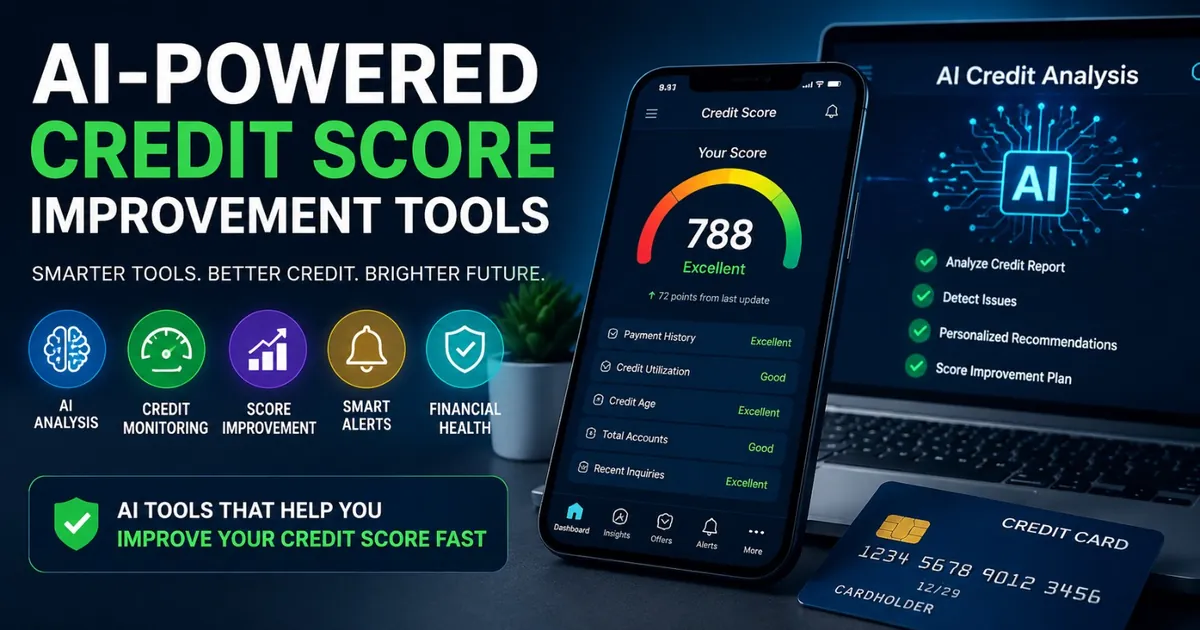
    AI Credit Score Tools

    AI-Powered Credit Score Improvement Tools: Why They Matter in 2026

    Your credit score affects more than just loan approvals. It influences mortgage rates, car financing costs, credit card offers, insurance premiums, and sometimes even employment opportunities.

    AI Credit Score Tools are helping Americans improve credit health, track credit reports, and make smarter financial decisions in 2026.

    In 2026, maintaining a strong credit score has become more important than ever for Americans who want financial flexibility and long-term wealth-building opportunities.

    Traditionally, improving a credit score required manually tracking payments, reviewing credit reports, monitoring debt balances, and understanding complex credit-scoring rules.

    Today, artificial intelligence is making that process significantly easier.

    AI-Powered Credit Score Improvement Tools are transforming the way consumers manage their financial health. These intelligent platforms analyze spending habits, monitor credit activity, identify risks, and provide personalized recommendations designed to help users improve their scores faster.

    Instead of guessing what actions might increase a credit score, consumers can now receive data-driven insights tailored specifically to their financial situation.

    For example, AI tools can notify users when credit utilization becomes too high, recommend the best time to pay down balances, identify errors on credit reports, and even predict how certain financial decisions may affect future scores.

    These capabilities help consumers make smarter financial choices while avoiding costly mistakes.

    Many of the same technologies improving credit management are also transforming investing and wealth-building strategies. Readers interested in the broader impact of artificial intelligence on personal finance should explore our
    AI Investing & Personal Finance Guide 2026.

    One reason AI Credit Score Tools have gained popularity is their ability to simplify complex financial information. Instead of reviewing hundreds of data points manually, users receive clear recommendations that are easy to understand and act upon.

    As competition among lenders continues increasing, maintaining a strong credit profile can unlock lower borrowing costs and create more opportunities to build wealth.

    In this guide, you’ll discover how AI-Powered Credit Score Improvement Tools work, the technologies behind them, practical strategies for improving your score, common mistakes to avoid, and future trends shaping credit management in America.

    How AI Credit Score Tools Work

    Modern AI-Powered Credit Score Improvement Tools do much more than simply display a credit score. These platforms continuously analyze financial data and provide personalized recommendations that help consumers make smarter decisions.

    Instead of manually reviewing credit reports and financial statements, users can rely on artificial intelligence to identify opportunities for Credit Score Improvement.

    The goal is simple: help consumers build stronger credit profiles while reducing financial mistakes.

    Credit Monitoring in Real Time

    One of the most valuable features of AI Credit Score Tools is real-time credit monitoring.

    AI systems continuously track changes across credit reports. If a new account appears, a hard inquiry is added, or a balance changes significantly, users receive immediate alerts.

    This helps consumers identify potential issues before they negatively affect their credit scores.

    Early detection is especially important when dealing with identity theft or reporting errors.

    Spending Pattern Analysis

    Artificial intelligence can analyze spending behavior and identify patterns that may impact credit health.

    For example, AI tools can detect when credit card balances are increasing too quickly or when spending habits may cause credit utilization ratios to rise above recommended levels.

    Since credit utilization plays a major role in most scoring models, these insights can be extremely valuable.

    Debt Tracking and Optimization

    Many consumers struggle to decide which debts should be paid first.

    AI-powered systems evaluate balances, interest rates, payment histories, and credit utilization levels to suggest the most effective repayment strategies.

    Some tools even estimate how specific debt payments may influence future credit scores.

    Smart Payment Reminders

    Payment history remains one of the most important factors in credit scoring.

    Missing even a single payment can significantly impact a score.

    AI systems help reduce this risk by sending personalized reminders before due dates and identifying accounts that may require immediate attention.

    These automated alerts help consumers maintain positive payment histories and avoid costly penalties.

    Personalized Recommendations

    Unlike traditional financial apps, AI Credit Score Tools provide recommendations tailored to individual financial situations.

    The system may suggest reducing utilization on a specific card, disputing a reporting error, paying down a balance before a statement closing date, or avoiding unnecessary credit applications.

    Because these recommendations are based on personal financial data, they are often far more effective than generic advice.

    Consumers interested in broader AI-driven financial strategies should also explore our
    AI Personal Finance Guide 2026.

    By combining credit monitoring, spending analysis, debt management, and personalized coaching, AI-Powered Credit Score Improvement Tools are helping Americans take greater control of their financial future.

    AI Technologies Behind Credit Score Improvement

    The success of modern AI-Powered Credit Score Improvement Tools comes from advanced technologies that analyze financial behavior, identify risks, and provide highly personalized recommendations.

    Unlike traditional credit monitoring services that mainly report information, AI actively helps consumers make better financial decisions.

    These technologies work together to support faster and smarter Credit Score Improvement.

    Machine Learning Learns Your Financial Habits

    Machine learning is the foundation of most AI Credit Score Tools.

    The technology studies spending patterns, payment history, credit utilization, account balances, and borrowing behavior.

    Over time, the system learns how users manage credit and identifies behaviors that may positively or negatively affect future scores.

    Because machine learning continuously updates itself, recommendations become more accurate as additional financial data becomes available.

    Predictive Analytics Forecasts Future Scores

    One of the most powerful features of AI is predictive analytics.

    Instead of only showing current credit scores, AI systems estimate how future actions may influence credit performance.

    For example, an AI platform might predict how paying off a credit card balance, reducing utilization, or avoiding new credit inquiries could impact a score over the next several months.

    This forward-looking approach helps consumers make more informed financial decisions.

    Behavioral Analysis Identifies Hidden Risks

    AI also uses behavioral analysis to evaluate financial habits.

    The system can identify recurring behaviors that may hurt credit health, such as consistently carrying high balances or making payments close to due dates.

    By recognizing these patterns early, AI tools can recommend corrective actions before significant damage occurs.

    Personalized Financial Recommendations

    Every consumer has a unique financial situation.

    This is why AI-Powered Credit Score Improvement Tools generate personalized recommendations rather than offering generic advice.

    The system evaluates individual credit profiles and suggests actions based on each user’s specific goals and challenges.

    These tailored recommendations often produce better results than one-size-fits-all financial guidance.

    Credit Risk Assessment

    AI systems continuously assess credit risk by analyzing multiple factors simultaneously.

    This helps consumers understand which financial behaviors are helping their scores and which actions may increase risk.

    The result is a clearer path toward long-term financial stability.

    Traditional Credit Monitoring vs AI Credit Score Tools

    FeatureTraditional MonitoringAI Credit Score Tools
    Credit TrackingBasic UpdatesReal-Time Monitoring
    RecommendationsGeneric AdvicePersonalized Guidance
    Future Score ForecastsNoYes
    Risk DetectionLimitedAdvanced Analysis
    AutomationLowHigh

    Consumers seeking better borrowing opportunities should also review our
    Best Credit Cards 2026
    guide to find products that support responsible credit building.

    These advanced technologies explain why AI Credit Score Tools are becoming an essential part of modern personal finance management.

    Real-World Example of AI Improving a Credit Score

    To understand how AI-Powered Credit Score Improvement Tools work in practice, let’s look at a realistic example.

    Meet Sarah, a 32-year-old marketing professional from Texas. She had a credit score of 645 and wanted to improve it before applying for a mortgage.

    Like many Americans, Sarah paid her bills regularly but struggled with high credit card balances and inconsistent budgeting habits.

    Although she knew her credit score needed improvement, she wasn’t sure which actions would have the greatest impact.

    AI Credit Score Improvement Example

    Step 1: Connecting Financial Accounts

    Sarah connected her credit cards, bank accounts, and credit monitoring service to an AI-powered credit management platform.

    Within minutes, the system analyzed payment history, utilization ratios, account age, debt balances, and recent credit activity.

    The AI identified several opportunities for immediate Credit Score Improvement.

    Step 2: Reducing Credit Utilization

    The platform discovered that Sarah was using nearly 75% of her available credit limits.

    Because credit utilization is a major factor in most credit scoring models, the AI recommended paying down specific balances first.

    Instead of spreading payments across multiple cards, the system identified the accounts that would provide the greatest score improvement.

    Step 3: Optimizing Payment Timing

    Many consumers don’t realize that when they make payments can matter almost as much as how much they pay.

    The AI suggested making payments before statement closing dates rather than waiting until due dates.

    This helped lower reported balances and improved utilization ratios appearing on credit reports.

    Step 4: Ongoing Monitoring and Alerts

    One of the biggest benefits of AI Credit Score Tools is continuous monitoring.

    Whenever Sarah’s balances increased or unusual activity appeared on her accounts, the system sent alerts and updated recommendations.

    This allowed her to maintain progress and avoid setbacks.

    Many of the same technologies helping consumers improve credit scores are also transforming investing and financial planning. Readers interested in these broader innovations should revisit our
    AI Investing & Personal Finance Guide 2026.

    After approximately twelve months of following AI recommendations, Sarah’s credit score increased from 645 to over 740.

    This improvement helped her qualify for more favorable mortgage terms and potentially save thousands of dollars over the life of her loan.

    For additional insights on building better financial habits, consider reading
    The Psychology of Money by Morgan Housel.
    The book provides valuable lessons about behavior, decision-making, and long-term financial success.

    Sarah’s experience demonstrates how AI-Powered Credit Score Improvement Tools can help consumers make smarter financial decisions and achieve meaningful results over time.

    Common Mistakes When Using AI Credit Score Tools

    While AI-Powered Credit Score Improvement Tools can provide valuable guidance, success still depends on how consumers use the information. Artificial intelligence can identify opportunities for improvement, but it cannot make financial decisions on your behalf.

    Many people expect immediate results after installing an AI credit app. However, improving a credit score usually requires consistency, patience, and responsible financial behavior.

    Understanding common mistakes can help consumers get the most value from modern AI Credit Score Tools.

    Ignoring AI Recommendations

    One of the most common mistakes is simply ignoring the recommendations generated by the platform.

    AI systems analyze financial data and identify actions that may improve credit health. If users fail to act on these recommendations, the benefits of the technology become limited.

    The best results occur when consumers actively follow personalized guidance.

    Maintaining High Credit Utilization

    Credit utilization remains one of the most important factors affecting credit scores.

    Many consumers continue carrying high balances even after AI tools identify utilization problems.

    A credit utilization ratio above 30% may negatively impact scores, while lower utilization levels generally support stronger credit profiles.

    Reducing balances remains one of the fastest paths to meaningful Credit Score Improvement.

    Missing Payments

    Even with automated reminders and alerts, some consumers still miss payment deadlines.

    Payment history plays a major role in most credit scoring models.

    A single late payment can remain on a credit report for years and may significantly reduce a score.

    Using automatic payments and AI reminders can help avoid this costly mistake.

    Applying for Too Much Credit

    Some consumers mistakenly believe opening multiple credit accounts will improve their scores quickly.

    In reality, excessive credit applications can generate multiple hard inquiries and increase perceived borrowing risk.

    AI-powered platforms often warn users when new applications could negatively affect credit health.

    Expecting Instant Results

    Perhaps the biggest mistake is expecting overnight success.

    Even the best AI-Powered Credit Score Improvement Tools cannot instantly repair years of poor financial habits.

    Building strong credit requires time, discipline, and consistent positive behavior.

    Consumers focused on protecting their finances during uncertain economic conditions should also explore our
    Recession-Proof Investing 2026
    guide.

    For additional consumer education, trusted resources such as the
    Consumer Financial Protection Bureau (CFPB)
    and the
    Federal Trade Commission (FTC)
    offer valuable information about credit management and financial protection.

    The most successful users combine AI-powered insights with responsible financial habits, creating a stronger foundation for long-term credit health and financial stability.

    Practical Tips to Improve Your Credit Score Faster

    While AI-Powered Credit Score Improvement Tools can provide valuable insights, the best results come from combining technology with smart financial habits. Consumers who consistently follow proven credit-building strategies often see the greatest long-term improvements.

    The good news is that many of these actions are simple to implement and can have a meaningful impact on credit health over time.

    Keep Credit Utilization Low

    One of the fastest ways to improve a credit score is reducing credit utilization.

    Credit utilization measures how much available credit you are currently using.

    Most financial experts recommend keeping utilization below 30%, while lower levels may provide even stronger benefits.

    Modern AI Credit Score Tools continuously monitor utilization ratios and notify users when balances become too high.

    Make Every Payment on Time

    Payment history remains one of the most important factors in credit scoring.

    Even a single missed payment can negatively affect a score.

    AI-powered financial apps help users stay organized by providing payment reminders, due-date alerts, and automated notifications.

    Consistent on-time payments create a strong credit foundation.

    Monitor Your Credit Reports

    Errors on credit reports can sometimes reduce scores unnecessarily.

    Consumers should review credit reports regularly and dispute inaccurate information when necessary.

    Many AI-Powered Credit Score Improvement Tools automatically monitor reports and notify users when significant changes occur.

    Early detection can prevent small issues from becoming larger problems.

    Use AI Alerts and Automation

    One of the biggest advantages of AI technology is automation.

    AI systems can track balances, monitor spending patterns, detect unusual activity, and provide personalized recommendations.

    These automated insights help consumers stay proactive rather than reactive.

    Build Positive Credit History

    Credit improvement is not only about avoiding mistakes.

    Building a long history of responsible credit use is equally important.

    Maintaining older accounts, managing balances responsibly, and making consistent payments can strengthen credit profiles over time.

    Manual Credit Improvement vs AI Credit Improvement

    FeatureManual ApproachAI Credit Score Tools
    Credit MonitoringPeriodic ReviewsReal-Time Alerts
    Debt AnalysisManual CalculationsAutomated Insights
    Payment TrackingSelf-MonitoringSmart Reminders
    RecommendationsGeneric AdvicePersonalized Guidance
    EfficiencyTime-ConsumingHighly Efficient

    Investors interested in strengthening their overall financial future should also explore our
    Top Dividend Stocks USA 2026
    guide for long-term wealth-building ideas.

    Another excellent personal finance resource is
    The Simple Path to Wealth by JL Collins.
    The book offers practical lessons on investing, financial independence, and long-term money management.

    When combined with responsible financial habits, AI-Powered Credit Score Improvement Tools can help consumers make smarter decisions and achieve stronger credit profiles over time.

    Future of AI Credit Score Improvement

    The future of AI-Powered Credit Score Improvement Tools looks incredibly promising. As artificial intelligence continues evolving, consumers will gain access to smarter financial insights, faster recommendations, and more personalized credit-building strategies.

    Instead of simply monitoring credit reports, future AI platforms will act like digital financial coaches that help users make better decisions every day.

    Predictive Credit Coaching

    One of the biggest trends expected in the coming years is predictive credit coaching.

    AI systems will not only analyze current credit data but also forecast future score changes based on financial behavior.

    Consumers will receive personalized guidance before problems occur, helping them avoid actions that may negatively impact their credit profiles.

    AI Financial Assistants

    Many experts believe AI assistants will become a standard part of personal finance management.

    These assistants may automatically track spending, monitor debt levels, recommend payment strategies, and help consumers improve financial habits.

    This level of automation could make credit management easier than ever before.

    Open Banking and Personalized Credit Strategies

    As open banking expands across the financial industry, AI tools will gain access to richer financial data.

    This will allow platforms to generate highly personalized recommendations tailored to each consumer’s goals, income, debt profile, and spending patterns.

    The result will be more effective and accurate credit improvement strategies.

    Frequently Asked Questions

    1. Do AI Credit Score Tools really work?

    Yes. Many AI-powered platforms help consumers identify opportunities to improve payment history, lower utilization, and manage debt more effectively.

    2. Can AI increase my credit score instantly?

    No. Credit improvement takes time. AI provides guidance, but long-term results depend on consistent financial habits.

    3. Are AI Credit Score Tools safe?

    Most reputable platforms use strong encryption and security measures to protect financial data.

    4. What is the biggest benefit of AI-powered credit monitoring?

    The biggest advantage is personalized recommendations based on individual financial behavior.

    5. Can AI help detect errors on credit reports?

    Yes. Many tools monitor credit reports and alert users when unusual changes or potential errors appear.

    6. Who should use AI-Powered Credit Score Improvement Tools?

    Anyone looking to improve credit health, qualify for better loan terms, or strengthen their overall financial profile can benefit.

    Conclusion

    Strong credit remains one of the most valuable financial assets Americans can build. Better credit scores often lead to lower borrowing costs, improved financial opportunities, and greater long-term wealth-building potential.

    By combining technology, automation, and personalized insights, AI-Powered Credit Score Improvement Tools are helping consumers make smarter financial decisions and improve credit health more efficiently than ever before.

    To learn more about how artificial intelligence is transforming investing, wealth building, and personal finance, revisit our
    AI Investing & Personal Finance Guide 2026.

    Investors focused on long-term financial growth should also explore our
    How to Build a Dividend Portfolio
    guide.

    📩 Join Our Free Finance Newsletter

    Get AI finance insights, credit-building strategies, investing tips, and wealth-building ideas delivered directly to your inbox.

    Subscribe today and take control of your financial future!

    📘 Recommended Reading:

    I Will Teach You To Be Rich by Ramit Sethi


    About the Author

    Subhash Rukade writes about AI, investing, credit management, and personal finance to help readers make smarter money decisions and build long-term wealth.

    🚀 Thank you for reading. Build stronger credit, make smarter financial decisions, and create a brighter financial future!
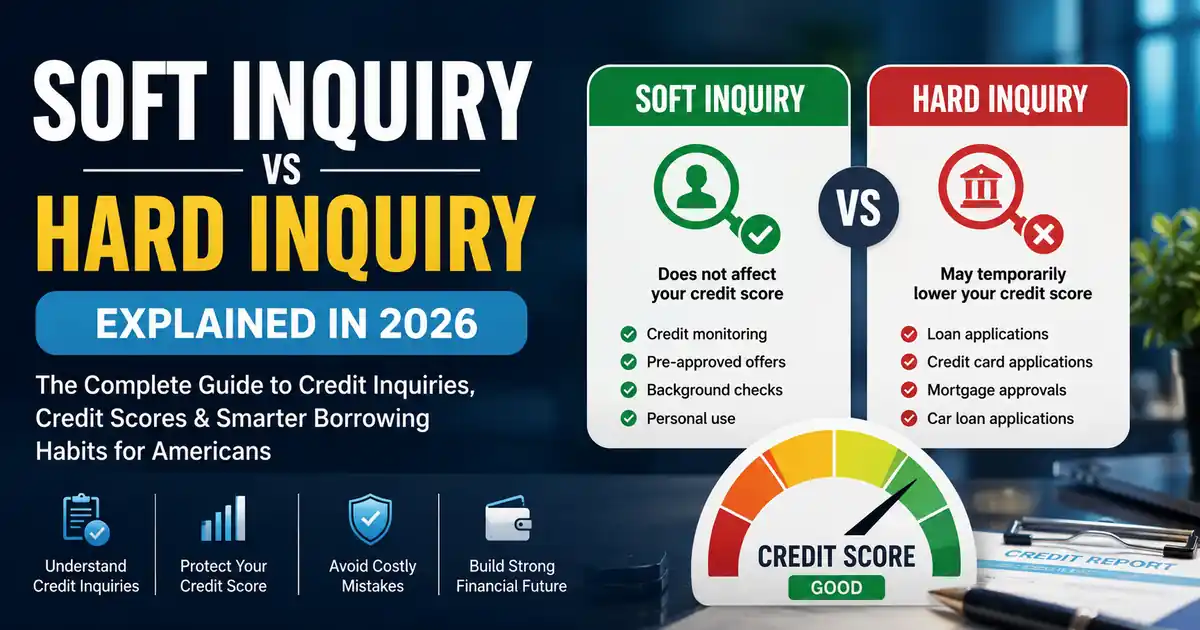
  • Soft Inquiry vs Hard Inquiry Explained in 2026

    Soft Inquiry vs Hard Inquiry Explained in 2026

    Soft Inquiry vs Hard Inquiry Explained in 2026

    soft inquiry vs hard inquiry explained


    By Subhash Rukade | Updated May 27, 2026

    Why Credit Inquiries Matter More in 2026

    Millions of Americans are searching for soft inquiry vs hard inquiry explained because credit checks now play a bigger role in borrowing decisions, loan approvals, and financial planning in 2026.

    Today, lenders carefully analyze credit reports before approving:

    • Mortgage applications
    • Credit cards
    • Auto loans
    • Business financing
    • Personal loans

    Because borrowing costs remain high across America, financially disciplined consumers now focus heavily on understanding how credit inquiries actually affect credit scores.

    However, many beginners still misunderstand the difference between soft inquiries and hard inquiries.

    Some Americans incorrectly believe:

    • All credit checks hurt scores
    • Pre-approvals damage credit heavily
    • Monitoring scores lowers credit health
    • Hard inquiries stay forever

    Unfortunately, these myths often create:

    • Unnecessary financial stress
    • Poor borrowing decisions
    • Lower score confidence
    • Fear of credit monitoring

    Financially disciplined Americans usually prioritize:

    • Smarter loan shopping
    • Responsible borrowing habits
    • Credit monitoring awareness
    • Long-term financial discipline

    Consumers wanting deeper understanding of smarter credit card systems also continue learning through:
    Ultimate Credit Card Guide 2026: Best Cards, Rewards & Smart Usage Tips.

    The good news is Americans may still protect and improve credit scores once they understand how soft inquiries and hard inquiries actually work.

    In this beginner-friendly 2026 guide, we’ll explain the difference between soft inquiries and hard inquiries, how credit checks affect borrowing decisions, common inquiry mistakes consumers make, and the smarter financial habits disciplined borrowers use to maintain stronger long-term credit health.

    How Credit Inquiries Actually Work in 2026

    Understanding soft inquiry vs hard inquiry explained starts with learning how modern credit inquiry systems actually work in America.

    In 2026, lenders and financial institutions carefully review credit reports before approving:

    • Credit cards
    • Mortgage loans
    • Car financing
    • Business loans
    • Personal credit lines

    Unfortunately, many Americans still misunderstand how credit inquiries influence credit score systems.

    This confusion often creates unnecessary financial fear and poor borrowing decisions.

    What Is a Soft Inquiry?

    A soft inquiry usually happens when credit information is reviewed for educational or pre-approval purposes without a formal lending decision.

    Soft inquiries commonly happen during:

    • Personal credit score checks
    • Background screening
    • Pre-approved credit offers
    • Credit monitoring services
    • Employer verification checks

    Most soft inquiries usually do not reduce credit scores.

    Financially disciplined Americans often monitor scores regularly because stronger awareness helps identify:

    • Fraud risks
    • Utilization problems
    • Credit report errors
    • Suspicious account activity

    What Is a Hard Inquiry?

    A hard inquiry usually occurs when lenders review credit reports during formal borrowing applications.

    Hard inquiries commonly happen during:

    • Credit card applications
    • Mortgage applications
    • Car loan approvals
    • Personal loan requests
    • Business financing reviews

    Hard inquiries may temporarily reduce credit scores because lenders view multiple borrowing requests as higher financial risk.

    However, financially disciplined Americans understand occasional hard inquiries are usually normal during responsible financial planning.

    Credit Bureaus Track Inquiry Activity Carefully

    Major U.S. credit bureaus monitor inquiry activity to evaluate:

    • Borrowing behavior
    • Financial stability
    • Repayment discipline
    • Lending risk levels

    Too many hard inquiries within short periods may signal:

    • Financial stress
    • Aggressive borrowing
    • Debt accumulation risks
    • Unstable financial management

    Soft InquiryHard InquiryMain Difference
    Personal credit checksLoan applicationsFormal lending review
    Usually no score impactMay lower scores temporarilyRisk evaluation difference
    Pre-approval systemsFinal application reviewBorrowing commitment level
    Background screeningMortgage applicationsLender involvement
    Credit monitoring activityNew credit requestsFinancial risk analysis

    Many Americans also continue strengthening broader financial preparedness through:
    How Americans Are Protecting Their Money During a Recession in 2026.

    Consumers planning stronger long-term financial stability also continue learning through:
    Retirement Healthcare Planning Strategies.

    Understanding how soft inquiries and hard inquiries actually work may help Americans avoid financial myths while maintaining healthier long-term borrowing discipline in 2026.

    Major Differences Between Soft Inquiries and Hard Inquiries in 2026

    Even in 2026, many Americans still confuse soft inquiries and hard inquiries because both involve credit report activity.

    However, understanding soft inquiry vs hard inquiry explained may help consumers protect credit scores while making smarter borrowing decisions.

    Financially disciplined Americans usually understand one important fact:

    Not every credit check damages credit scores.

    Soft Inquiries Usually Do Not Hurt Credit Scores

    Soft inquiries are generally considered low-risk financial reviews because they usually happen without formal borrowing commitments.

    Soft inquiries commonly occur during:

    • Personal credit score monitoring
    • Pre-approved offers
    • Employer background checks
    • Insurance quote reviews
    • Credit monitoring services

    Most soft inquiries usually:

    • Do not reduce credit scores
    • Remain invisible to lenders
    • Improve financial awareness
    • Help identify fraud risks

    Financially disciplined Americans often monitor scores regularly because stronger awareness helps maintain healthier long-term financial stability.

    Hard Inquiries May Temporarily Lower Credit Scores

    Hard inquiries happen when lenders review credit reports during formal borrowing applications.

    Hard inquiries usually occur during:

    • Mortgage applications
    • Credit card approvals
    • Car financing requests
    • Personal loan applications
    • Business financing reviews

    Hard inquiries may temporarily lower credit scores because lenders interpret multiple borrowing requests as possible financial risk.

    However, financially disciplined borrowers understand occasional hard inquiries are usually normal during responsible financial planning.

    Loan Shopping Windows Help Protect Credit Scores

    Many Americans worry shopping for mortgages or auto loans may destroy credit scores.

    Fortunately, modern scoring systems often group similar loan inquiries within short periods into:

    • Single mortgage shopping events
    • Single auto loan shopping periods
    • Lower risk lending evaluations

    This helps financially disciplined borrowers compare loan offers responsibly without causing unnecessary score damage.

    Too Many Hard Inquiries May Signal Financial Stress

    Multiple hard inquiries within short periods may sometimes indicate:

    • Aggressive borrowing behavior
    • Financial instability
    • Debt accumulation risks
    • Poor repayment planning

    Financially disciplined Americans usually avoid:

    • Unnecessary loan applications
    • Emotional borrowing decisions
    • Frequent credit card approvals
    • Risky financial behavior

    Many investors also continue strengthening passive income systems through:
    Top Dividend Stocks USA 2026.

    Financial ActivityInquiry TypeCredit Score Impact
    Checking personal scoreSoft inquiryUsually no impact
    Pre-approved credit offerSoft inquiryUsually no impact
    Mortgage applicationHard inquiryTemporary score reduction
    Auto loan applicationHard inquiryPossible short-term impact
    Credit monitoring serviceSoft inquiryUsually no impact

    Financially successful Americans now understand stronger credit scores are usually protected through smarter borrowing habits, responsible loan shopping, and better financial awareness — not fear of every credit inquiry.

    Real-World Example and Common Credit Inquiry Mistakes

    Even after understanding soft inquiry vs hard inquiry explained, many Americans still make financial mistakes because they misunderstand how credit inquiries affect long-term borrowing health.

    Credit inquiries themselves are not automatically dangerous.

    However, poor borrowing habits often create:

    • Lower credit score stability
    • Higher interest costs
    • Loan approval concerns
    • Financial stress

    Real-World Example: Daniel From Texas

    Daniel, a 34-year-old small business owner from Texas, wanted to improve his financial profile before applying for a mortgage in 2026.

    At first, Daniel misunderstood how hard inquiries worked.

    He believed:

    • Applying for multiple credit cards was harmless
    • Every lender offered the best rates automatically
    • Loan shopping had no score impact
    • Credit monitoring damaged scores

    Because his financial discipline became inconsistent:

    • Multiple hard inquiries appeared quickly
    • His credit score temporarily dropped
    • Lenders viewed borrowing activity cautiously
    • Mortgage preparation became stressful

    Daniel later realized smarter borrowing habits mattered far more than chasing unnecessary approvals.

    He eventually improved his financial behavior by:

    • Reducing unnecessary applications
    • Using pre-approval systems carefully
    • Monitoring scores regularly
    • Applying only for essential financing

    As his borrowing discipline improved, his credit score gradually stabilized again.

    Too Many Hard Inquiries May Signal Financial Risk

    Many Americans apply for multiple credit cards or loans emotionally during financial stress or promotional offers.

    Unfortunately, excessive hard inquiries may sometimes signal:

    • Debt accumulation risks
    • Financial instability
    • Aggressive borrowing behavior
    • Poor repayment planning

    Financially disciplined Americans usually prioritize:

    • Smarter loan comparisons
    • Planned borrowing systems
    • Controlled credit applications
    • Long-term financial stability

    Ignoring Credit Monitoring Creates Problems

    Some Americans avoid checking credit reports because they incorrectly fear soft inquiries will damage scores.

    However, avoiding credit monitoring may create:

    • Undetected fraud risks
    • Missed reporting errors
    • Identity theft exposure
    • Delayed financial awareness

    Financially disciplined consumers usually review reports regularly to maintain healthier long-term borrowing stability.

    Common Inquiry MistakeFinancial ConsequenceSmarter Alternative
    Too many loan applicationsMultiple hard inquiriesPlanned loan shopping
    Emotional borrowingDebt accumulation risksBudget discipline
    Avoiding credit monitoringFraud exposureRegular score reviews
    Frequent card applicationsTemporary score reductionSelective borrowing
    Ignoring inquiry historyLender risk concernsFinancial awareness

    Consumers wanting deeper understanding of smarter credit systems also continue learning through:
    Ultimate Credit Card Guide 2026: Best Cards, Rewards & Smart Usage Tips.

    Many Americans also continue improving long-term investing discipline through:
    How to Build a Dividend Portfolio.

    Understanding how inquiry mistakes develop remains extremely important because financially disciplined habits may help Americans maintain stronger credit stability while avoiding unnecessary borrowing risks in 2026.

    Practical Strategies Americans Use to Protect Credit Scores in 2026

    After understanding soft inquiry vs hard inquiry explained, the next important step is learning how financially disciplined Americans protect credit scores while maintaining healthier borrowing habits.

    In 2026, many consumers successfully maintain stronger credit stability by focusing on:

    • Smarter loan shopping
    • Controlled borrowing behavior
    • Lower utilization ratios
    • Budget-focused repayment systems
    • Long-term financial discipline

    1. Smart Loan Shopping Helps Reduce Hard Inquiry Risks

    Financially disciplined Americans usually avoid applying for multiple loans randomly.

    Instead, they:

    • Research lenders carefully
    • Use pre-approval tools first
    • Compare rates strategically
    • Apply only when necessary

    This helps consumers:

    • Reduce unnecessary hard inquiries
    • Protect score stability
    • Improve lender confidence
    • Maintain healthier borrowing behavior

    Responsible loan shopping remains one of the smartest long-term financial habits in modern America.

    2. Lower Utilization Ratios Improve Financial Stability

    Many financially disciplined Americans now prioritize:

    • Below 30% utilization
    • Single-digit utilization when possible
    • Smaller revolving balances
    • Consistent repayment systems

    Lower utilization often signals:

    • Better financial discipline
    • Lower lending risk
    • Healthier repayment behavior
    • Long-term financial stability

    Many successful borrowers now make multiple monthly payments instead of waiting for statement deadlines.


    soft inquiry vs hard inquiry explained credit strategies

    3. Budget Planning Helps Americans Avoid Risky Borrowing

    Many consumers struggle financially because emotional spending habits lead to unnecessary borrowing decisions.

    Financially disciplined Americans usually divide income into:

    • Essential expenses
    • Debt repayment
    • Emergency savings
    • Investment contributions
    • Lifestyle spending

    This helps consumers:

    • Reduce financial stress
    • Prevent emotional borrowing
    • Improve repayment consistency
    • Maintain healthier credit stability

    Many investors also continue strengthening wealth protection systems through:
    Gold Investment Strategies USA.

    Financially successful Americans now understand stronger credit stability usually develops through smarter borrowing systems, lower utilization habits, and responsible long-term financial planning.

    These practical financial strategies may help Americans protect credit scores while avoiding unnecessary hard inquiry risks in 2026.

    Future Credit Monitoring Trends and AI Banking Systems in 2026

    The financial industry is evolving rapidly, and many experts believe the systems connected to soft inquiry vs hard inquiry explained will continue changing dramatically during the next few years.

    In 2026, banks and financial technology companies are increasingly using:

    • Artificial intelligence
    • Real-time inquiry monitoring
    • Personalized lending analysis
    • Virtual banking systems
    • Advanced fraud prevention tools

    Because financial awareness continues growing across America, financially disciplined consumers now prioritize both credit score optimization and long-term financial security.

    AI Credit Monitoring Is Becoming More Advanced

    Modern banking apps can now automatically analyze:

    • Borrowing behavior
    • Inquiry activity
    • Repayment consistency
    • Utilization patterns
    • Financial risk signals

    Many AI systems help Americans:

    • Track hard inquiries instantly
    • Monitor suspicious account activity
    • Reduce emotional borrowing
    • Improve financial awareness
    • Protect long-term score stability

    These tools are becoming extremely popular because many consumers want smarter ways to protect credit scores while avoiding dangerous borrowing habits.

    Real-Time Inquiry Alerts Improve Financial Awareness

    Some financial institutions now provide instant alerts whenever:

    • Hard inquiries appear
    • New accounts open
    • Loan applications occur
    • Suspicious borrowing activity develops

    This helps consumers:

    • Detect fraud faster
    • Improve account security
    • Monitor borrowing activity
    • Protect financial stability

    Financially disciplined Americans increasingly rely on real-time monitoring systems to avoid unexpected financial problems.

    Virtual Banking Systems Continue Expanding

    Virtual banking systems and digital lending platforms continue growing rapidly across America in 2026.

    Modern digital systems now offer:

    • Pre-approval tools
    • AI lending analysis
    • Automated budgeting systems
    • Digital fraud protection
    • Virtual card management

    These tools help consumers maintain stronger financial discipline while reducing unnecessary borrowing risks.

    Future Credit TrendMain BenefitPotential Risk
    AI credit monitoringSmarter inquiry trackingTechnology dependence
    Real-time inquiry alertsFaster fraud detectionToo many notifications
    Personalized lending analysisBetter borrowing decisionsOverspending temptation
    Virtual banking systemsImproved convenienceCybersecurity concerns
    Automated budgeting toolsHealthier financial disciplineUser overreliance

    Government Financial Education Resources Continue Expanding

    Several official U.S. organizations now provide free financial education helping Americans better understand borrowing systems and long-term financial planning.

    The Consumer Financial Protection Bureau provides beginner-friendly financial education:
    CFPB.gov.

    The Federal Trade Commission helps consumers stay aware of fraud and scam risks:
    FTC Consumer Protection.

    The U.S. Securities and Exchange Commission also provides long-term investing education:
    SEC.gov.

    Technology may continue changing borrowing systems rapidly.

    However, financially successful Americans now understand smarter loan management, controlled borrowing behavior, and responsible financial discipline will always remain the most important factors for maintaining stronger long-term credit stability in 2026 and beyond.

    Frequently Asked Questions About Soft Inquiry vs Hard Inquiry in 2026

    Do Soft Inquiries Hurt Credit Scores?

    No. Most soft inquiries usually do not reduce credit scores because they are commonly used for educational reviews, pre-approval systems, and personal monitoring.

    Soft inquiries often happen during:

    • Checking personal credit scores
    • Pre-approved credit offers
    • Background verification
    • Credit monitoring services

    Financially disciplined Americans often review credit reports regularly because stronger awareness helps maintain healthier financial stability.

    How Long Do Hard Inquiries Stay on Credit Reports?

    Hard inquiries may remain visible on credit reports for up to two years.

    However, their score impact usually becomes smaller over time.

    Financially disciplined borrowers usually focus on:

    • Responsible loan applications
    • Controlled borrowing behavior
    • Long-term repayment consistency
    • Lower utilization ratios

    Healthy financial habits often matter far more than occasional hard inquiries.

    How Many Hard Inquiries Are Considered Safe?

    There is no exact universal number.

    However, multiple hard inquiries within short periods may sometimes signal:

    • Aggressive borrowing behavior
    • Financial instability
    • Debt accumulation risks
    • Poor repayment planning

    Financially disciplined Americans usually apply only for essential credit products instead of chasing unnecessary approvals.

    Do Pre-Approval Offers Hurt Credit Scores?

    Most pre-approval systems usually use soft inquiries instead of hard inquiries.

    This means pre-approval checks often:

    • Do not lower credit scores
    • Improve financial awareness
    • Help compare loan options
    • Support smarter borrowing decisions

    However, final loan applications usually trigger hard inquiries during official lender reviews.

    How Fast Can Credit Scores Recover After Hard Inquiries?

    Credit recovery speed depends on:

    • Repayment consistency
    • Utilization management
    • Long-term borrowing discipline
    • Overall financial stability

    Many Americans gradually improve score stability through:

    • Controlled borrowing systems
    • Lower revolving balances
    • Automatic payment setups
    • Responsible financial planning

    Final Thoughts on Soft Inquiry vs Hard Inquiry Explained

    Understanding soft inquiry vs hard inquiry explained has become increasingly important because millions of Americans now depend on stronger credit profiles for mortgages, loans, investing opportunities, and long-term financial flexibility.

    When consumers misunderstand how credit inquiries work, they often create:

    • Unnecessary financial stress
    • Poor borrowing decisions
    • Lower score confidence
    • Long-term financial instability

    However, financially successful Americans now understand stronger credit stability usually develops through:

    • Smarter borrowing systems
    • Controlled loan applications
    • Responsible repayment habits
    • Lower utilization ratios
    • Long-term financial discipline

    Consumers wanting deeper understanding of smarter credit card systems also continue learning through:
    Ultimate Credit Card Guide 2026: Best Cards, Rewards & Smart Usage Tips.

    Many Americans also continue improving long-term investing discipline through:
    How to Build a Dividend Portfolio.

    The biggest lesson Americans should remember is simple:

    Smarter borrowing discipline and financial awareness usually protect credit scores far better than avoiding every credit inquiry out of fear.

    Responsible financial habits today may help Americans build stronger confidence, lower stress, and healthier long-term financial stability in 2026 and beyond.

    About the Author

    Subhash Rukade is the founder of Finance Investment, a financial education platform focused on helping Americans improve budgeting discipline, credit score management, investing knowledge, passive income systems, and long-term financial stability.

    He specializes in:

    • Credit score improvement strategies
    • Smart credit card management
    • Budget planning
    • Dividend investing
    • Long-term wealth-building education

    His mission is simple: Help Americans avoid emotional money mistakes and build smarter long-term financial freedom through disciplined financial planning and responsible borrowing habits.

  • Credit Score Myths Americans Still Believe in 2026

    Credit Score Myths Americans Still Believe in 2026

    Credit Score Myths Americans Still Believe in 2026

    credit score myths americans still believe


    By Subhash Rukade | Updated May 27, 2026

    Why Credit Score Myths Are Dangerous in 2026

    Millions of Americans are searching for credit score myths Americans still believe because misinformation about credit scores continues creating financial mistakes across the country in 2026.

    Today, credit scores influence:

    • Mortgage approvals
    • Car loan interest rates
    • Apartment applications
    • Insurance premiums
    • Business financing opportunities

    Because borrowing costs remain high in 2026, financially disciplined Americans now focus heavily on understanding how credit scores actually work instead of relying on outdated financial myths.

    However, many beginners still believe inaccurate credit advice shared online or through social media.

    Some Americans incorrectly believe:

    • Checking credit scores hurts scores
    • Closing credit cards always helps
    • Income automatically improves scores
    • Carrying balances boosts credit health

    Unfortunately, these myths often create:

    • Lower credit scores
    • Higher borrowing costs
    • Loan approval problems
    • Long-term financial stress

    Financially disciplined Americans usually prioritize:

    • Lower utilization ratios
    • Automatic payment systems
    • Responsible borrowing habits
    • Long-term financial discipline

    Consumers wanting deeper understanding of smarter credit card systems also continue learning through:
    Ultimate Credit Card Guide 2026: Best Cards, Rewards & Smart Usage Tips.

    The good news is Americans may still improve financial health significantly once they understand the difference between credit score myths and real financial facts.

    In this beginner-friendly 2026 guide, we’ll explain how credit scores actually work, the biggest myths Americans still believe, common borrowing mistakes consumers make, and the smarter financial habits disciplined borrowers use to build stronger long-term credit health.

    How Credit Scores Actually Work in 2026

    Understanding credit score myths Americans still believe starts with learning how modern credit scoring systems actually work in America.

    In 2026, credit scores remain one of the most important financial measurements influencing:

    • Mortgage approvals
    • Credit card eligibility
    • Car financing rates
    • Personal loan approvals
    • Long-term borrowing costs

    Unfortunately, many Americans still rely on outdated myths instead of understanding the real financial factors that influence credit scores.

    Payment History Remains the Most Important Factor

    One of the biggest financial facts Americans should understand is payment history continues playing the largest role in modern credit score systems.

    Financially disciplined borrowers usually:

    • Pay bills on time
    • Use automatic payments
    • Avoid missed due dates
    • Maintain repayment consistency

    Late payments may quickly create:

    • Lower credit scores
    • Higher interest rates
    • Loan approval risks
    • Financial instability concerns

    Credit Utilization Strongly Affects Credit Scores

    Many Americans incorrectly believe carrying large balances helps improve credit scores.

    In reality, high utilization ratios often signal financial risk to lenders.

    Financial experts usually recommend:

    • Below 30% utilization
    • Single-digit utilization when possible
    • Smaller revolving balances
    • Responsible spending habits

    For example:

    • Total limit = $10,000
    • Balance = $900

    Results in:

    9% utilization ratio

    Lower utilization often helps Americans improve credit score stability faster.

    Credit Age and Hard Inquiries Also Matter

    Credit scoring systems also evaluate:

    • Average account age
    • New credit applications
    • Hard inquiry frequency
    • Long-term repayment history

    Financially disciplined Americans usually avoid:

    • Applying for unnecessary accounts
    • Closing older accounts carelessly
    • Frequent borrowing activity
    • Emotional credit decisions

    Credit MythReal Financial FactPotential Financial Impact
    Checking scores hurts creditSoft checks usually do not hurt scoresBetter financial awareness
    Carrying balances improves scoresHigh utilization may hurt scoresHigher borrowing costs
    Closing cards always helpsMay increase utilization ratiosLower score stability
    Income affects scores directlyScores focus on repayment behaviorBorrowing discipline matters more
    Debit cards build creditDebit activity usually is not reportedLimited credit history growth

    Many Americans also continue strengthening broader financial preparedness through:
    How Americans Are Protecting Their Money During a Recession in 2026.

    Consumers planning stronger long-term financial stability also continue learning through:
    Retirement Healthcare Planning Strategies.

    Understanding how credit scores actually work may help Americans avoid dangerous financial myths while building healthier long-term borrowing habits in 2026.

    Most Common Credit Score Myths Americans Still Believe in 2026

    Even in 2026, millions of consumers still believe dangerous financial myths about credit scores.

    Unfortunately, many of these misunderstandings continue hurting long-term financial stability because Americans make borrowing decisions based on inaccurate information.

    Understanding credit score myths Americans still believe may help consumers avoid expensive financial mistakes while building stronger credit health safely.

    Myth #1 — Checking Your Credit Score Hurts Your Credit

    One of the most common myths Americans still believe is checking personal credit scores automatically lowers scores.

    In reality, most personal credit checks are considered:

    • Soft inquiries
    • Educational credit reviews
    • Non-lending evaluations

    Soft inquiries usually do not damage credit scores.

    Financially disciplined Americans often monitor scores regularly because stronger awareness helps identify:

    • Fraud risks
    • Utilization problems
    • Payment issues
    • Credit report errors

    Myth #2 — Carrying Credit Card Balances Improves Scores

    Some Americans still incorrectly believe carrying revolving balances every month helps “build credit faster.”

    However, high revolving balances often:

    • Increase utilization ratios
    • Raise interest costs
    • Reduce financial flexibility
    • Lower score stability

    Financially disciplined consumers usually:

    • Pay balances early
    • Maintain lower utilization
    • Avoid unnecessary interest charges
    • Reduce emotional spending

    Myth #3 — Income Automatically Improves Credit Scores

    Many Americans believe higher salaries automatically create stronger credit scores.

    In reality, credit scoring systems mainly evaluate:

    • Repayment consistency
    • Utilization behavior
    • Account history
    • Borrowing discipline

    High income alone does not guarantee:

    • Strong repayment habits
    • Healthy utilization
    • Financial discipline
    • Responsible borrowing behavior

    Many financially successful Americans still struggle with poor credit scores because spending habits remain uncontrolled.

    Myth #4 — Closing Credit Cards Always Helps Scores

    Another dangerous myth Americans still believe is closing unused cards automatically improves financial health.

    Unfortunately, closing accounts may sometimes:

    • Reduce available credit limits
    • Increase utilization ratios
    • Shorten average account age
    • Reduce score stability

    Financially disciplined Americans usually keep older accounts open responsibly while avoiding unnecessary annual fees and risky spending habits.

    Myth #5 — Debit Cards Build Credit Scores

    Many beginners assume debit card activity automatically improves credit history.

    However, traditional debit card transactions usually are not reported to major credit bureaus.

    This means debit card usage alone may not help consumers:

    • Build repayment history
    • Improve utilization behavior
    • Strengthen borrowing history
    • Increase score stability

    Many investors also continue strengthening passive income systems through:
    Top Dividend Stocks USA 2026.

    Credit Score MythRealitySmarter Financial Habit
    Checking scores hurts creditSoft inquiries usually are safeRegular monitoring
    Carrying balances builds creditHigh utilization may hurt scoresLower revolving balances
    Income guarantees strong scoresBehavior matters moreResponsible repayment habits
    Closing cards improves scoresMay increase utilization ratiosResponsible account maintenance
    Debit cards build creditMost debit activity is not reportedResponsible credit usage

    Financially successful Americans now understand stronger credit scores are usually built through financial discipline, lower utilization ratios, and smarter repayment systems — not outdated financial myths.

    Real-World Example and Common Credit Score Mistakes

    Even after understanding credit score myths Americans still believe, many consumers still struggle with poor borrowing habits and dangerous financial misunderstandings.

    Credit cards may become powerful financial tools when used responsibly.

    However, financial myths often create:

    • Lower credit scores
    • Higher interest costs
    • Loan approval problems
    • Long-term financial stress

    Real-World Example: Jennifer From New York

    Jennifer, a 32-year-old marketing professional from New York, wanted to improve her financial stability before applying for a mortgage in 2026.

    At first, Jennifer followed several common credit myths she found online.

    She incorrectly believed:

    • Closing unused cards would improve scores
    • Carrying balances helped build credit
    • Checking scores too often caused damage
    • Higher income guaranteed stronger credit health

    Because her financial decisions became based on misinformation:

    • Her utilization ratio increased
    • Interest costs grew rapidly
    • Credit score stability weakened
    • Mortgage preparation became difficult

    Jennifer later realized stronger credit scores required smarter financial discipline instead of relying on outdated myths.

    She eventually improved her credit habits by:

    • Reducing utilization below 10%
    • Using automatic payments
    • Monitoring balances weekly
    • Keeping older accounts open responsibly

    As her repayment consistency improved, her credit score gradually recovered over time.

    Emotional Borrowing Creates Long-Term Problems

    Many Americans still make borrowing decisions emotionally instead of strategically.

    Unfortunately, emotional financial behavior often creates:

    • Overspending problems
    • Higher revolving balances
    • Late payment risks
    • Long-term debt accumulation

    Financially disciplined Americans usually prioritize:

    • Budget-focused repayment systems
    • Controlled spending habits
    • Lower utilization ratios
    • Long-term financial planning

    Ignoring Utilization Ratios Is a Major Financial Mistake

    Some consumers focus only on payment history while ignoring utilization percentages completely.

    However, high utilization may quickly:

    • Reduce score stability
    • Increase lender risk concerns
    • Raise borrowing costs
    • Limit financial flexibility

    Financially disciplined borrowers usually maintain:

    • Below 30% utilization
    • Single-digit utilization when possible
    • Smaller revolving balances
    • Consistent repayment systems

    Common Credit MistakeFinancial ConsequenceSmarter Alternative
    Closing old accountsHigher utilization ratiosResponsible account maintenance
    Carrying large balancesHigher interest costsFast repayment habits
    Emotional overspendingDebt accumulationBudget discipline
    Ignoring utilizationLower score stabilityBelow 10% utilization
    Missing due datesPayment history damageAutomatic payments

    Consumers wanting deeper understanding of smarter credit systems also continue learning through:
    Ultimate Credit Card Guide 2026: Best Cards, Rewards & Smart Usage Tips.

    Many Americans also continue improving long-term investing discipline through:
    How to Build a Dividend Portfolio.

    Understanding how credit score myths create financial mistakes remains extremely important because financially disciplined habits may help Americans build stronger long-term financial stability in 2026.

    Practical Credit Improvement Strategies Americans Use in 2026

    After understanding credit score myths Americans still believe, the next important step is learning how financially disciplined Americans improve credit health safely and consistently.

    In 2026, many consumers successfully strengthen credit scores by focusing on:

    • Lower utilization ratios
    • Smarter budgeting systems
    • Consistent repayment habits
    • Debt reduction strategies
    • Long-term financial discipline

    1. Lower Utilization Ratios Improve Credit Stability Faster

    Credit utilization remains one of the fastest-moving factors influencing modern credit scores.

    Financially disciplined Americans usually prioritize:

    • Below 30% utilization
    • Single-digit utilization when possible
    • Smaller revolving balances
    • Controlled spending habits

    Lower utilization often signals:

    • Stronger financial discipline
    • Lower lender risk
    • Healthier repayment systems
    • Better borrowing stability

    Many successful borrowers now monitor balances weekly instead of waiting for monthly statements.

    2. Budget Planning Helps Americans Avoid Financial Myths

    Many consumers continue struggling financially because emotional spending habits overpower logical financial planning.

    Financially disciplined borrowers usually divide income into:

    • Essential bills
    • Debt repayment
    • Emergency savings
    • Investment contributions
    • Lifestyle spending

    This helps Americans:

    • Reduce overspending risks
    • Protect repayment consistency
    • Improve financial awareness
    • Maintain stronger credit health

    Budget-focused repayment systems often become one of the strongest long-term credit improvement strategies.


    credit score myths americans still believe financial habits

    3. Debt Reduction Helps Long-Term Credit Recovery

    Reducing revolving debt remains one of the smartest financial strategies Americans use to improve long-term borrowing stability.

    Financially disciplined consumers often focus on:

    • Paying high-interest balances first
    • Avoiding emotional purchases
    • Maintaining repayment consistency
    • Reducing unnecessary borrowing

    Lower debt levels often improve:

    • Financial flexibility
    • Credit score stability
    • Borrowing confidence
    • Long-term financial security

    Many investors also continue strengthening wealth protection systems through:
    Gold Investment Strategies USA.

    Financially successful Americans now understand stronger credit scores usually develop through smarter budgeting systems, lower utilization habits, and responsible long-term borrowing discipline.

    These practical financial strategies may help Americans avoid dangerous credit myths while improving long-term financial stability safely in 2026.

    Future Credit Score Trends and AI Banking Systems in 2026

    The financial industry is evolving rapidly, and many experts believe the systems connected to credit score myths Americans still believe will continue changing dramatically during the next few years.

    In 2026, banks and financial technology companies are increasingly using:

    • Artificial intelligence
    • Real-time credit monitoring
    • Personalized utilization analysis
    • Virtual credit card systems
    • Advanced fraud prevention tools

    Because financial awareness continues growing across America, financially disciplined consumers now prioritize both credit score optimization and long-term financial security.

    AI Credit Monitoring Is Becoming More Advanced

    Modern banking apps can now automatically analyze repayment behavior, utilization patterns, and borrowing habits in real time.

    Many AI systems help Americans:

    • Track utilization percentages
    • Monitor score movement
    • Reduce emotional spending
    • Identify risky financial behavior
    • Improve repayment planning

    These tools are becoming extremely popular because many consumers want smarter ways to improve credit scores safely while avoiding dangerous financial myths.

    Personalized Credit Analysis Is Expanding Rapidly

    Some financial companies now customize score improvement recommendations based on individual repayment behavior and spending activity.

    For example:

    • Balance reduction alerts
    • Utilization threshold warnings
    • Payment reminder notifications
    • Credit limit recommendations

    This helps consumers maintain healthier borrowing discipline and stronger long-term credit stability.

    Virtual Credit Card Systems Improve Financial Security

    Virtual credit cards are becoming increasingly popular because online fraud risks continue growing in 2026.

    Virtual cards generate temporary payment numbers helping consumers:

    • Protect financial information
    • Reduce fraud exposure
    • Improve online payment security
    • Manage subscriptions safely

    Future Credit TrendMain BenefitPotential Risk
    AI credit monitoringSmarter score trackingTechnology dependence
    Personalized score analysisBetter credit optimizationOverspending temptation
    Virtual credit cardsImproved online securityUser confusion
    Fraud prevention systemsFaster scam detectionAlert overload
    Real-time utilization alertsHealthier borrowing disciplineToo many notifications

    Government Financial Education Resources Continue Expanding

    Several official U.S. organizations now provide free financial education helping Americans better understand credit score systems and long-term financial planning.

    The Consumer Financial Protection Bureau provides beginner-friendly financial education:
    CFPB.gov.

    The Federal Trade Commission helps consumers stay aware of fraud and scam risks:
    FTC Consumer Protection.

    The U.S. Securities and Exchange Commission also provides long-term investing education:
    SEC.gov.

    Technology may continue changing credit score systems rapidly.

    However, financially successful Americans now understand strong budgeting discipline, lower utilization ratios, and responsible repayment habits will always remain the most important factors for building stronger long-term financial stability in 2026 and beyond.

    Frequently Asked Questions About Credit Score Myths in 2026

    Does Checking Your Credit Score Hurt Your Credit?

    No. Most personal credit checks are considered soft inquiries and usually do not reduce credit scores.

    Financially disciplined Americans often monitor scores regularly because stronger awareness helps identify:

    • Fraud risks
    • Credit report errors
    • Utilization problems
    • Payment history issues

    However, multiple hard inquiries from lenders within short periods may temporarily affect score stability.

    Do Debit Cards Build Credit Scores?

    Traditional debit card activity usually is not reported to major credit bureaus.

    This means debit card usage alone may not help consumers:

    • Build repayment history
    • Improve utilization behavior
    • Strengthen borrowing history
    • Increase score stability

    Responsible credit card management usually plays a larger role in modern credit scoring systems.

    Does Higher Income Automatically Improve Credit Scores?

    No. Credit scoring systems mainly evaluate:

    • Repayment consistency
    • Utilization percentages
    • Borrowing behavior
    • Long-term account history

    Many high-income Americans still struggle with poor credit scores because financial discipline remains inconsistent.

    Is Carrying Credit Card Balances Helpful?

    Many Americans still believe carrying balances improves credit health.

    In reality, high revolving balances often:

    • Increase utilization ratios
    • Raise interest costs
    • Reduce borrowing flexibility
    • Lower score stability

    Financially disciplined borrowers usually maintain lower balances and faster repayment systems.

    How Fast Can Americans Improve Credit Scores?

    Credit improvement speed depends on:

    • Repayment consistency
    • Utilization reduction
    • Debt management habits
    • Long-term financial discipline

    Many Americans gradually improve scores by maintaining:

    • Automatic payment systems
    • Below 30% utilization
    • Controlled spending habits
    • Responsible borrowing systems

    Final Thoughts on Credit Score Myths Americans Still Believe

    Understanding credit score myths Americans still believe has become increasingly important because millions of Americans now depend on stronger credit profiles for mortgages, loans, investing opportunities, and long-term financial flexibility.

    When consumers rely on financial myths instead of real credit education, they often create:

    • Lower credit scores
    • Higher borrowing costs
    • Debt accumulation
    • Long-term financial stress

    However, financially successful Americans now understand stronger credit scores usually develop through:

    • Lower utilization ratios
    • Automatic repayment systems
    • Responsible borrowing habits
    • Long-term financial discipline
    • Consistent budgeting systems

    Consumers wanting deeper understanding of smarter credit card systems also continue learning through:
    Ultimate Credit Card Guide 2026: Best Cards, Rewards & Smart Usage Tips.

    Many Americans also continue improving long-term investing discipline through:
    How to Build a Dividend Portfolio.

    The biggest lesson Americans should remember is simple:

    Facts and financial discipline usually build stronger credit scores faster than emotional borrowing decisions or outdated credit myths.

    Responsible financial habits today may help Americans build stronger confidence, lower stress, and healthier long-term financial stability in 2026 and beyond.

    About the Author

    Subhash Rukade is the founder of Finance Investment, a financial education platform focused on helping Americans improve budgeting discipline, credit score management, investing knowledge, passive income systems, and long-term financial stability.

    He specializes in:

    • Credit score improvement strategies
    • Smart credit card management
    • Budget planning
    • Dividend investing
    • Long-term wealth-building education

    His mission is simple: Help Americans avoid emotional money mistakes and build smarter long-term financial freedom through disciplined financial planning and responsible borrowing habits.

  • How to Improve Credit Score Fast in 2026

    How to Improve Credit Score Fast in 2026

    How to Improve Credit Score Fast in 2026

    how to improve credit score fast in 2026


    By Subhash Rukade | Updated May 27, 2026

    Why Credit Scores Matter More Than Ever in 2026

    Millions of Americans are searching for how to improve credit score fast in 2026 because stronger credit scores now influence almost every major financial decision in modern America.

    Today, credit scores affect:

    • Mortgage approvals
    • Car loan interest rates
    • Apartment applications
    • Insurance premiums
    • Business financing opportunities

    Because borrowing costs remain high in 2026, financially disciplined consumers now focus heavily on improving credit scores faster and protecting long-term financial stability.

    However, many beginners still misunderstand how credit score systems actually work.

    Some Americans incorrectly believe:

    • Higher income automatically improves scores
    • Closing cards boosts credit health
    • Only late payments matter
    • Credit scores recover instantly

    Unfortunately, poor financial habits often create:

    • Lower credit scores
    • Higher interest costs
    • Loan rejection risks
    • Financial stress

    Financially disciplined Americans usually prioritize:

    • Lower utilization ratios
    • Automatic repayment systems
    • Responsible borrowing habits
    • Long-term financial discipline

    Consumers wanting deeper understanding of smarter credit card systems also continue learning through:
    Ultimate Credit Card Guide 2026: Best Cards, Rewards & Smart Usage Tips.

    The good news is Americans may still improve credit scores faster by using smarter repayment systems, healthier utilization strategies, and stronger financial discipline.

    In this beginner-friendly 2026 guide, we’ll explain how credit scores actually work, the smartest strategies Americans use to improve scores quickly, common mistakes consumers make, and the safer financial habits disciplined borrowers use to build stronger long-term financial health.

    How Credit Scores Actually Work in 2026

    Understanding how to improve credit score fast in 2026 starts with learning how modern credit scoring systems actually work in America.

    In 2026, lenders and financial institutions carefully analyze credit profiles before approving:

    • Mortgage loans
    • Credit cards
    • Auto financing
    • Business loans
    • Personal credit lines

    Unfortunately, many Americans still focus only on income levels instead of understanding the real financial behaviors that influence credit scores.

    Financially disciplined borrowers usually understand one important fact:

    Credit scores mainly reward responsible borrowing habits and long-term repayment discipline.

    Payment History Remains the Most Important Factor

    One of the biggest factors affecting modern credit scores is payment history.

    Financially disciplined Americans usually prioritize:

    • On-time monthly payments
    • Automatic repayment systems
    • Consistent financial discipline
    • Lower late-payment risks

    Late payments may quickly create:

    • Lower credit scores
    • Higher interest rates
    • Loan approval problems
    • Financial instability concerns

    Many successful borrowers now use automatic payments because repayment consistency helps protect long-term financial health.

    Credit Utilization Strongly Influences Credit Scores

    Credit utilization measures how much revolving credit Americans use compared to available limits.

    For example:

    • Total credit limit = $10,000
    • Current balance = $1,000

    This creates:

    10% utilization ratio

    Financial experts usually recommend:

    • Below 30% utilization
    • Single-digit utilization when possible
    • Smaller revolving balances
    • Controlled borrowing behavior

    Lower utilization often signals:

    • Healthier financial discipline
    • Lower lender risk
    • Stronger repayment behavior
    • Better financial stability

    Credit Age and Hard Inquiries Also Matter

    Modern scoring systems also evaluate:

    • Average account age
    • Hard inquiry frequency
    • New account activity
    • Long-term borrowing behavior

    Financially disciplined Americans usually avoid:

    • Unnecessary credit applications
    • Frequent hard inquiries
    • Closing older accounts carelessly
    • Emotional borrowing decisions

    Responsible account management often helps consumers maintain stronger long-term credit stability.

    Credit FactorFinancial ImpactSmarter Financial Habit
    Late paymentsLower score stabilityAutomatic repayment systems
    High utilization ratiosHigher lender risk concernsBelow 30% utilization
    Frequent hard inquiriesTemporary score reductionControlled borrowing behavior
    Short credit historyLimited borrowing trustResponsible long-term account use
    Maxed-out credit cardsFinancial instability signalsControlled spending habits

    Many Americans also continue strengthening broader financial preparedness through:
    How Americans Are Protecting Their Money During a Recession in 2026.

    Consumers planning stronger long-term financial stability also continue learning through:
    Retirement Healthcare Planning Strategies.

    Understanding how credit scores actually work may help Americans improve financial awareness while building stronger long-term credit stability in 2026.

    Smart Strategies Americans Use to Improve Credit Scores Fast in 2026

    After understanding how to improve credit score fast in 2026, the next important step is learning which financial habits disciplined Americans use to strengthen credit scores safely and consistently.

    In 2026, successful borrowers no longer depend only on minimum payments or temporary financial tricks.

    Instead, they prioritize:

    • Lower credit utilization
    • Automatic payment systems
    • Faster repayment habits
    • Responsible borrowing discipline
    • Long-term financial consistency

    1. Lower Credit Utilization Helps Scores Improve Faster

    Credit utilization remains one of the biggest factors influencing modern credit scores.

    Financially disciplined Americans usually maintain:

    • Below 30% utilization
    • Single-digit balances
    • Smaller revolving debt
    • Controlled spending habits

    For example:

    • Total credit limit = $10,000
    • Total balance = $800

    Results in:

    8% credit utilization

    Lower utilization often signals:

    • Stronger financial control
    • Lower lender risk
    • Healthier repayment discipline
    • Better borrowing stability

    2. Automatic Payments Reduce Credit Score Risks

    Late payments continue damaging millions of American credit scores every year.

    Many financially disciplined consumers now use automatic payment systems helping them:

    • Avoid forgotten due dates
    • Reduce financial stress
    • Protect repayment consistency
    • Maintain healthier scores

    Some borrowers combine:

    • Automatic minimum payments
    • Manual extra balance payments
    • Weekly account monitoring

    This often creates stronger repayment discipline and healthier long-term credit management.

    3. Credit Limit Increases May Improve Scores Faster

    Responsible credit limit increases may help consumers improve utilization percentages without increasing spending activity.

    For example:

    • Old limit = $4,000
    • New limit = $8,000
    • Same balance = $1,000

    Utilization drops significantly after higher limits are approved.

    However, financially disciplined Americans avoid treating higher limits as permission for unnecessary spending.

    Many investors also continue strengthening passive income systems through:
    Top Dividend Stocks USA 2026.

    Credit Score StrategyMain BenefitPotential Challenge
    Below 10% utilizationHigher score potentialRequires discipline
    Automatic paymentsProtects payment historyNeeds account monitoring
    Credit limit increasesBetter utilization ratioOverspending temptation
    Weekly balance trackingImproves awarenessRequires consistency
    Fast repayment systemsReduces debt pressureNeeds budgeting discipline

    Financially successful Americans now understand stronger credit scores only become sustainable when combined with controlled spending habits, smarter repayment systems, and responsible long-term financial discipline.

    Real-World Example and Common Credit Score Mistakes

    Even after understanding how to improve credit score fast in 2026, many Americans still struggle with unhealthy financial habits and poor borrowing discipline.

    Credit cards may become powerful financial tools when used responsibly.

    However, poor credit habits often create:

    • Lower credit scores
    • Higher interest costs
    • Loan approval problems
    • Long-term financial stress

    Real-World Example: Michael From California

    Michael, a 35-year-old software consultant from California, wanted to improve his credit score quickly before applying for a business loan in 2026.

    At first, Michael believed simply making minimum payments would protect his credit health.

    Unfortunately, he regularly:

    • Maxed out rewards credit cards
    • Ignored utilization ratios
    • Missed occasional due dates
    • Spent emotionally during online sales

    Because his financial discipline became inconsistent:

    • His credit score dropped
    • Interest rates increased
    • Loan approval chances weakened
    • Financial stress grew rapidly

    Michael later realized improving credit scores required stronger budgeting systems and healthier repayment discipline.

    He eventually improved his financial habits by:

    • Reducing utilization below 10%
    • Using automatic payments
    • Tracking balances weekly
    • Avoiding emotional spending

    As his repayment consistency improved, his credit score gradually recovered over time.

    Maxing Out Credit Cards Is One of the Biggest Credit Score Mistakes

    Many beginners incorrectly believe maxing out cards temporarily will not affect long-term credit health.

    Unfortunately, high utilization often signals financial risk to lenders and scoring systems.

    This may create:

    • Lower credit scores
    • Reduced loan eligibility
    • Higher borrowing costs
    • Financial instability concerns

    Financially disciplined Americans usually prioritize:

    • Lower utilization ratios
    • Responsible repayment systems
    • Smarter budgeting habits
    • Controlled borrowing discipline

    Closing Old Credit Accounts May Hurt Scores

    Some Americans mistakenly close older accounts believing fewer cards automatically improve financial health.

    However, closing older accounts may:

    • Reduce available credit limits
    • Increase utilization ratios
    • Shorten credit history age
    • Lower score stability

    Financially disciplined borrowers usually maintain older accounts responsibly while avoiding unnecessary annual fees and risky spending behavior.

    Common Credit Score MistakeFinancial ConsequenceSmarter Alternative
    Maxing out credit cardsLower credit scoresBelow 10% utilization
    Missing due datesPayment history damageAutomatic payments
    Closing old accountsHigher utilization ratiosResponsible account maintenance
    Emotional overspendingDebt accumulationBudget discipline
    Ignoring balancesFinancial instabilityWeekly account monitoring

    Consumers wanting deeper understanding of smarter credit systems also continue learning through:
    Ultimate Credit Card Guide 2026: Best Cards, Rewards & Smart Usage Tips.

    Many Americans also continue improving long-term investing discipline through:
    How to Build a Dividend Portfolio.

    Understanding how credit score mistakes develop remains extremely important because financially disciplined habits may help Americans improve credit scores faster while avoiding dangerous long-term debt problems in 2026.

    Practical Credit Recovery Strategies Americans Use in 2026

    After understanding how to improve credit score fast in 2026, the next important step is learning how financially disciplined Americans rebuild stronger financial health after past credit mistakes.

    In 2026, many consumers successfully improve credit scores faster by focusing on:

    • Lower utilization ratios
    • Smarter budgeting systems
    • Consistent repayment habits
    • Debt reduction strategies
    • Long-term financial discipline

    1. Lower Utilization Ratios Help Credit Scores Recover Faster

    Credit utilization remains one of the fastest-moving credit score factors.

    Many financially disciplined Americans now prioritize:

    • Single-digit utilization
    • Smaller revolving balances
    • Multiple monthly payments
    • Controlled spending behavior

    Reducing utilization often helps consumers:

    • Improve lender confidence
    • Increase score stability
    • Reduce financial stress
    • Strengthen borrowing flexibility

    Many successful borrowers now monitor balances weekly instead of waiting for monthly statements.

    2. Budget Planning Creates Stronger Financial Discipline

    Many Americans struggle improving credit scores because emotional spending habits continue damaging repayment systems.

    Financially disciplined consumers usually divide income into:

    • Essential bills
    • Debt repayment
    • Emergency savings
    • Investment contributions
    • Lifestyle spending

    This helps consumers:

    • Avoid overspending risks
    • Protect repayment consistency
    • Reduce missed payments
    • Improve long-term financial stability

    Budget-focused repayment systems often become one of the strongest long-term credit recovery strategies.


    how to improve credit score fast in 2026 strategies

    3. Debt Reduction Helps Long-Term Credit Recovery

    Reducing revolving debt remains one of the smartest strategies Americans use to improve credit scores safely.

    Financially disciplined borrowers often focus on:

    • Paying high-interest balances first
    • Avoiding unnecessary borrowing
    • Reducing emotional purchases
    • Maintaining repayment consistency

    Lower debt levels often improve both financial confidence and credit score stability over time.

    Many investors also continue strengthening wealth protection systems through:
    Gold Investment Strategies USA.

    Financially successful Americans now understand stronger credit recovery usually develops through smarter budgeting systems, lower utilization habits, and responsible long-term financial discipline.

    These practical credit recovery strategies may help Americans improve credit scores faster while protecting long-term financial stability in 2026.

    Future Credit Score Trends and AI Banking Systems in 2026

    The financial industry is evolving rapidly, and many experts believe the systems connected to how to improve credit score fast in 2026 will continue changing dramatically during the next few years.

    In 2026, banks and financial technology companies are increasingly using:

    • Artificial intelligence
    • Real-time credit monitoring
    • Personalized utilization analysis
    • Virtual credit card systems
    • Advanced fraud prevention tools

    Because financial awareness continues growing across America, financially disciplined consumers now prioritize both credit score optimization and long-term financial security.

    AI Credit Monitoring Is Becoming More Advanced

    Modern banking apps can now automatically analyze repayment behavior, utilization patterns, and borrowing habits.

    Many AI systems help Americans:

    • Track utilization percentages
    • Monitor score movement
    • Reduce emotional spending
    • Identify risky financial behavior
    • Improve repayment planning

    These tools are becoming extremely popular because many consumers want smarter ways to improve credit scores safely while avoiding long-term debt problems.

    Personalized Credit Analysis Is Expanding Rapidly

    Some financial companies now customize score improvement recommendations based on individual borrowing behavior and payment history.

    For example:

    • Balance reduction alerts
    • Utilization threshold warnings
    • Payment reminder notifications
    • Credit limit recommendations

    This helps consumers maintain healthier financial discipline and stronger credit score stability long term.

    Virtual Credit Card Systems Improve Financial Security

    Virtual credit cards are becoming increasingly popular because online fraud risks continue growing in 2026.

    Virtual cards generate temporary payment numbers helping consumers:

    • Protect financial information
    • Reduce fraud exposure
    • Improve online payment security
    • Manage subscriptions safely

    Future Credit TrendMain BenefitPotential Risk
    AI credit monitoringSmarter score trackingTechnology dependence
    Personalized score analysisBetter credit optimizationOverspending temptation
    Virtual credit cardsImproved online securityUser confusion
    Fraud prevention systemsFaster scam detectionAlert overload
    Real-time utilization alertsHealthier borrowing disciplineToo many notifications

    Government Financial Education Resources Continue Expanding

    Several official U.S. organizations now provide free financial education helping Americans better understand credit score systems and long-term financial planning.

    The Consumer Financial Protection Bureau provides beginner-friendly financial education:
    CFPB.gov.

    The Federal Trade Commission helps consumers stay aware of fraud and scam risks:
    FTC Consumer Protection.

    The U.S. Securities and Exchange Commission also provides long-term investing education:
    SEC.gov.

    Technology may continue changing credit score systems rapidly.

    However, financially successful Americans now understand strong budgeting discipline, lower utilization ratios, and responsible repayment habits will always remain the most important factors for improving credit scores safely in 2026 and beyond.

    Frequently Asked Questions About Improving Credit Scores in 2026

    How Fast Can Americans Improve Credit Scores?

    The speed of credit score improvement depends on several financial factors including:

    • Current utilization ratios
    • Payment history consistency
    • Debt levels
    • Length of credit history

    Many financially disciplined Americans may see noticeable score improvements within several months after:

    • Reducing utilization balances
    • Making on-time payments
    • Avoiding new debt problems
    • Maintaining responsible borrowing habits

    However, long-term consistency usually produces the strongest financial results.

    Does Credit Utilization Matter More Than Payment History?

    Both factors remain extremely important in modern credit scoring systems.

    However, payment history usually carries the highest overall influence because lenders strongly value repayment consistency.

    Financially disciplined Americans often prioritize:

    • On-time payments
    • Lower utilization ratios
    • Controlled spending behavior
    • Smarter budgeting systems

    This often creates stronger long-term credit stability.

    Can Old Debt Hurt Credit Scores Forever?

    No. Negative financial information usually becomes less influential over time when consumers maintain healthier financial habits.

    Many Americans gradually improve scores by:

    • Paying balances consistently
    • Reducing revolving debt
    • Avoiding missed payments
    • Building stronger repayment history

    Responsible long-term borrowing discipline often becomes the strongest recovery strategy.

    Is Autopay Useful for Improving Credit Scores?

    Automatic payment systems help many Americans reduce missed payment risks significantly.

    Autopay systems may help consumers:

    • Protect payment history
    • Reduce financial stress
    • Improve repayment consistency
    • Maintain healthier scores

    However, consumers should still monitor balances carefully to avoid overdraft problems or excessive spending habits.

    What Credit Score Is Considered Excellent in 2026?

    While scoring systems may vary slightly, many lenders consider higher credit scores signs of lower financial risk.

    Financially disciplined Americans usually focus on:

    • Long-term score stability
    • Lower utilization ratios
    • Consistent repayment history
    • Responsible borrowing behavior

    Strong financial habits often matter more than chasing temporary score increases alone.

    Final Thoughts on How to Improve Credit Score Fast in 2026

    Understanding how to improve credit score fast in 2026 has become increasingly important because millions of Americans now depend on stronger credit profiles for mortgages, business financing, personal loans, and long-term financial flexibility.

    When used responsibly, smarter credit management systems may help consumers:

    • Improve credit scores faster
    • Reduce borrowing costs
    • Increase financial confidence
    • Strengthen long-term financial stability

    However, financially successful Americans now understand stronger credit scores rarely develop through:

    • Emotional spending habits
    • Missed payments
    • High utilization balances
    • Poor budgeting systems

    Instead, healthier long-term credit systems usually develop through:

    • Lower utilization ratios
    • Automatic repayment systems
    • Budget discipline
    • Responsible borrowing habits
    • Long-term financial consistency

    Consumers wanting deeper understanding of smarter credit card systems also continue learning through:
    Ultimate Credit Card Guide 2026: Best Cards, Rewards & Smart Usage Tips.

    Many Americans also continue improving long-term investing discipline through:
    How to Build a Dividend Portfolio.

    The biggest lesson Americans should remember is simple:

    Strong credit scores are usually built through repayment discipline, smarter budgeting systems, and responsible long-term financial habits.

    Responsible financial decisions today may help Americans build stronger financial confidence, lower stress, and better long-term financial flexibility in 2026 and beyond.

  • Best Credit Utilization Strategy for Higher Credit Scores in 2026

    Best Credit Utilization Strategy for Higher Credit Scores in 2026

    Best Credit Utilization Strategy for Higher Credit Scores in 2026

    best credit utilization strategy for higher credit scores


    By Subhash Rukade | Updated May 26, 2026

    Why Credit Utilization Matters More Than Ever in 2026

    Millions of Americans are searching for the best credit utilization strategy for higher credit scores because credit score optimization has become one of the most important financial goals in 2026.

    Today, credit scores influence:

    • Mortgage approvals
    • Car loan interest rates
    • Apartment applications
    • Insurance pricing
    • Personal loan eligibility

    Because inflation and borrowing costs remain high across America, financially disciplined consumers now focus heavily on smarter credit utilization strategies and responsible credit card management.

    However, many beginners still misunderstand how credit utilization actually impacts credit scores.

    Some Americans incorrectly believe:

    • High balances improve credit history
    • Minimum payments are enough
    • Maxed-out cards are harmless
    • Closing cards always improves scores

    Unfortunately, poor utilization habits often create:

    • Lower credit scores
    • Higher borrowing costs
    • Loan denials
    • Financial stress

    Financially disciplined Americans usually prioritize:

    • Low utilization ratios
    • Fast repayment systems
    • Controlled spending habits
    • Long-term credit stability

    Consumers wanting deeper understanding of smarter credit card systems also continue learning through:
    Ultimate Credit Card Guide 2026: Best Cards, Rewards & Smart Usage Tips.

    The good news is improving credit utilization habits may help Americans:

    • Increase credit scores faster
    • Reduce financial stress
    • Improve loan approval chances
    • Build stronger long-term financial flexibility

    In this beginner-friendly 2026 guide, we’ll explain how credit utilization actually works, the smartest utilization strategies Americans use, common credit score mistakes consumers make, and the safer financial habits disciplined borrowers use to maintain stronger credit scores long term.

    How Credit Utilization Actually Works in 2026

    Understanding the best credit utilization strategy for higher credit scores starts with learning how credit utilization directly impacts modern credit scoring systems in America.

    In 2026, credit utilization remains one of the most important factors affecting:

    • FICO Scores
    • Loan approvals
    • Mortgage rates
    • Credit card eligibility
    • Financial flexibility

    Financial experts estimate credit utilization may influence nearly 30% of a consumer’s credit score calculation.

    What Is Credit Utilization?

    Credit utilization measures how much revolving credit Americans use compared to their total available credit limits.

    The formula is simple:

    Current Credit Balance ÷ Total Credit Limit × 100

    For example:

    • Total credit limit = $10,000
    • Total balance = $2,000

    Credit utilization ratio:

    20% utilization

    Lower utilization usually signals stronger financial discipline to lenders and credit scoring systems.

    The 30% Rule Still Matters in 2026

    Many Americans now understand maintaining utilization below 30% remains extremely important for healthier credit scores.

    However, financially disciplined borrowers often target:

    • 10% utilization
    • Single-digit balances
    • Fast repayment systems

    This may help consumers:

    • Improve credit scores faster
    • Reduce lender risk perception
    • Increase approval chances
    • Build stronger borrowing history

    High Utilization Can Hurt Credit Scores Quickly

    Many beginners accidentally damage credit scores because they use large portions of available credit limits.

    High utilization often creates:

    • Lower credit scores
    • Higher borrowing costs
    • Reduced approval chances
    • Financial instability

    Financially disciplined Americans usually avoid:

    • Maxed-out cards
    • Large revolving balances
    • Late payments
    • Emotional spending habits

    Utilization LevelCredit Score ImpactLender Perception
    0% utilizationNeutral to slightly positiveVery low risk
    1%–10% utilizationExcellent impactHighly responsible
    11%–30% utilizationGood impactAcceptable borrower
    31%–50% utilizationNegative impactModerate risk
    Above 50%Strong negative impactHigher financial risk

    Many Americans also continue strengthening broader financial preparedness through:
    How Americans Are Protecting Their Money During a Recession in 2026.

    Consumers planning stronger long-term financial stability also continue learning through:
    Retirement Healthcare Planning Strategies.

    Understanding how credit utilization actually works may help Americans improve credit scores faster while building safer long-term borrowing habits in 2026.

    Best Credit Utilization Strategies Americans Use for Higher Credit Scores in 2026

    After understanding the best credit utilization strategy for higher credit scores, the next important step is learning which utilization habits financially disciplined Americans use to maintain stronger credit scores long term.

    In 2026, successful borrowers no longer focus only on paying minimum balances.

    Instead, they prioritize:

    • Lower utilization ratios
    • Faster repayment systems
    • Responsible borrowing habits
    • Credit score optimization
    • Long-term financial discipline

    1. Keeping Utilization Below 10% Produces Stronger Results

    Many financial experts now believe maintaining utilization below 10% may help Americans achieve stronger credit score improvements compared to simply staying below 30%.

    For example:

    • $10,000 credit limit
    • $500 balance

    Results in:

    5% credit utilization

    Lower utilization ratios usually signal:

    • Stronger financial control
    • Lower lender risk
    • Healthier repayment habits
    • Improved borrowing discipline

    Financially disciplined Americans usually avoid allowing balances to remain high before statement closing dates.

    2. Multiple Payments Throughout the Month Help Reduce Utilization

    Many Americans now use multiple payment strategies instead of waiting for monthly due dates.

    This helps consumers:

    • Reduce reported balances faster
    • Maintain lower utilization ratios
    • Improve credit score stability
    • Avoid interest accumulation

    Some disciplined borrowers make:

    • Weekly payments
    • Biweekly payments
    • Mid-cycle balance reductions

    This strategy may help Americans maintain stronger utilization percentages consistently throughout the year.

    3. Credit Limit Increases May Improve Utilization Ratios

    Requesting responsible credit limit increases may also improve credit utilization ratios without increasing spending activity.

    For example:

    • Old limit = $5,000
    • New limit = $10,000
    • Same balance = $1,000

    Utilization drops significantly after higher credit limits are approved.

    However, financially disciplined Americans avoid treating higher limits as permission for unnecessary spending.

    Many investors also continue strengthening passive income systems through:
    Top Dividend Stocks USA 2026.

    Utilization StrategyMain BenefitPotential Risk
    Below 10% utilizationHigher score potentialRequires discipline
    Multiple monthly paymentsLower reported balancesMore account monitoring
    Credit limit increasesBetter utilization ratioOverspending temptation
    Statement timing optimizationCleaner utilization reportingRequires planning
    Automatic paymentsAvoids missed paymentsBank balance management

    Financially successful Americans now understand lower utilization ratios only create long-term benefits when combined with controlled spending habits, smarter budgeting systems, and responsible financial discipline.

    Real-World Example and Common Credit Utilization Mistakes

    Even after understanding the best credit utilization strategy for higher credit scores, many Americans still struggle with poor credit habits and unhealthy borrowing behavior.

    Credit cards may become powerful financial tools when used responsibly.

    However, poor utilization management often creates:

    • Lower credit scores
    • Higher borrowing costs
    • Loan rejection risks
    • Financial stress

    Real-World Example: Daniel From Texas

    Daniel, a 32-year-old software employee from Texas, wanted to improve his credit score quickly before applying for a mortgage in 2026.

    At first, Daniel believed making minimum payments was enough for maintaining healthy credit.

    Unfortunately, he regularly:

    • Used over 70% of available limits
    • Carried balances monthly
    • Ignored statement closing dates
    • Maxed out rewards cards

    Because his utilization ratios remained high:

    • His credit score dropped
    • Loan approval odds weakened
    • Interest rates increased
    • Financial stress grew rapidly

    Daniel later learned the importance of maintaining lower utilization ratios and started using smarter repayment systems.

    Within several months, he improved his utilization habits by:

    • Making multiple monthly payments
    • Reducing balances below 10%
    • Avoiding emotional spending
    • Tracking statement dates carefully

    As his utilization ratios improved, his credit score gradually increased as well.

    Maxing Out Credit Cards Is One of the Biggest Utilization Mistakes

    Many beginners incorrectly believe maxing out credit cards temporarily will not affect long-term credit health.

    Unfortunately, high utilization often signals financial risk to lenders and scoring systems.

    This may create:

    • Lower credit scores
    • Reduced approval chances
    • Higher loan costs
    • Financial instability

    Closing Old Credit Cards May Hurt Utilization Ratios

    Some Americans mistakenly close older cards thinking fewer accounts automatically improve credit health.

    However, closing accounts may reduce total available credit limits and increase utilization percentages.

    Financially disciplined Americans usually:

    • Maintain older accounts responsibly
    • Keep balances low
    • Avoid unnecessary closures
    • Protect long-term credit history

    Common Utilization MistakeFinancial ConsequenceSmarter Alternative
    Maxing out cardsLower credit scoresBelow 10% utilization
    Late paymentsScore damageAutomatic payments
    Carrying balances monthlyAPR debt accumulationFull monthly repayment
    Closing old accountsHigher utilization ratiosResponsible account maintenance
    Ignoring statement datesHigher reported balancesEarly repayment systems

    Consumers wanting deeper understanding of smarter credit systems also continue learning through:
    Ultimate Credit Card Guide 2026: Best Cards, Rewards & Smart Usage Tips.

    Many Americans also continue improving long-term investing discipline through:
    How to Build a Dividend Portfolio.

    Understanding how utilization mistakes develop remains extremely important because financially disciplined habits may help Americans improve credit scores faster while avoiding dangerous long-term debt problems in 2026.

    Smart Credit Score Improvement Strategies Americans Should Follow in 2026

    After understanding the best credit utilization strategy for higher credit scores, the next important step is learning how financially disciplined Americans improve credit scores safely without creating unnecessary debt problems.

    In 2026, successful borrowers no longer focus only on making minimum payments.

    Instead, they prioritize:

    • Budget-focused repayment systems
    • Lower utilization ratios
    • Automatic payment discipline
    • Responsible borrowing habits
    • Long-term financial stability

    1. Budget-Focused Repayment Improves Utilization Faster

    Financially disciplined Americans now create repayment budgets before using credit cards heavily.

    This helps consumers:

    • Reduce balances faster
    • Avoid interest accumulation
    • Protect emergency savings
    • Improve credit score stability

    Many successful borrowers divide monthly budgets into:

    • Essential spending
    • Debt repayment
    • Emergency savings
    • Investment contributions
    • Lifestyle expenses

    Because strong budgeting habits support lower utilization ratios, financially disciplined Americans often improve credit scores faster than emotional spenders.

    2. Automatic Payments Help Protect Credit Scores

    Late payments remain one of the biggest reasons Americans lose credit score points in 2026.

    Many borrowers now use automatic payment systems helping them:

    • Avoid missed payments
    • Maintain healthier utilization
    • Reduce financial stress
    • Protect long-term credit history

    Financially disciplined consumers usually combine:

    • Automatic minimum payments
    • Manual extra payments
    • Early repayment strategies

    This often creates stronger financial consistency and healthier credit utilization habits long term.


    best credit utilization strategy for higher credit scores tips

    3. Tracking Utilization Ratios Improves Financial Awareness

    Many Americans now use budgeting apps and credit monitoring tools to monitor:

    • Credit utilization percentages
    • Monthly balances
    • Statement closing dates
    • Credit score movement
    • Debt repayment progress

    Tracking systems help consumers identify risky financial behavior before utilization problems become dangerous.

    Many investors also continue strengthening wealth protection systems through:
    Gold Investment Strategies USA.

    Financially successful Americans now understand stronger credit scores only become sustainable when combined with smarter budgeting systems, lower utilization habits, and responsible borrowing discipline.

    These practical utilization strategies may help Americans improve credit scores faster while protecting long-term financial stability in 2026.

    Future Credit Score Trends and AI Banking Systems in 2026

    The financial industry is evolving rapidly, and many experts believe the systems connected to the best credit utilization strategy for higher credit scores will continue changing dramatically during the next few years.

    In 2026, banks and financial technology companies are increasingly using:

    • Artificial intelligence
    • Real-time credit monitoring
    • Personalized utilization analysis
    • Virtual credit card systems
    • Fraud prevention technology

    Because financial awareness continues growing across America, financially disciplined consumers now prioritize both credit score optimization and long-term financial security.

    AI Credit Monitoring Is Becoming More Advanced

    Modern banking apps can now automatically analyze borrowing behavior and utilization patterns.

    Many AI systems help Americans:

    • Track utilization percentages
    • Monitor credit score movement
    • Identify risky spending habits
    • Reduce emotional purchases
    • Improve repayment efficiency

    These tools are becoming extremely popular because many consumers want smarter ways to improve credit scores safely while avoiding debt problems.

    Personalized Credit Analysis Is Expanding Rapidly

    Some financial companies now customize utilization recommendations based on individual spending behavior and borrowing patterns.

    For example:

    • Balance reduction alerts
    • Utilization threshold warnings
    • Credit limit recommendations
    • Statement timing reminders

    This helps consumers maintain healthier credit utilization ratios and stronger financial discipline long term.

    Virtual Credit Card Systems Improve Financial Security

    Virtual credit cards are becoming increasingly popular because online fraud risks continue growing in 2026.

    Virtual cards generate temporary payment numbers helping consumers:

    • Protect financial information
    • Reduce fraud exposure
    • Improve online payment security
    • Manage subscriptions safely

    Future Credit TrendMain BenefitPotential Risk
    AI credit monitoringSmarter utilization trackingTechnology dependence
    Personalized credit analysisBetter score optimizationOverspending temptation
    Virtual credit cardsImproved online securityUser confusion
    Fraud prevention systemsFaster scam detectionAlert overload
    Real-time utilization alertsHealthier borrowing habitsToo many notifications

    Government Financial Education Resources Continue Expanding

    Several official U.S. organizations now provide free financial education helping Americans better understand credit utilization systems and long-term financial planning.

    The Consumer Financial Protection Bureau provides beginner-friendly financial education:
    CFPB.gov.

    The Federal Trade Commission helps consumers stay aware of fraud and scam risks:
    FTC Consumer Protection.

    The U.S. Securities and Exchange Commission also provides long-term investing education:
    SEC.gov.

    Technology may continue changing credit score systems rapidly.

    However, financially successful Americans now understand strong budgeting discipline, lower utilization ratios, and responsible repayment habits will always remain the most important factors for improving credit scores safely in 2026 and beyond.

    Frequently Asked Questions About Credit Utilization in 2026

    What Credit Utilization Percentage Is Best?

    Most financial experts recommend keeping utilization below 30%.

    However, many financially disciplined Americans target:

    • 1%–10% utilization
    • Small monthly balances
    • Fast repayment systems

    Lower utilization ratios often improve:

    • Credit scores
    • Loan eligibility
    • Financial flexibility
    • Lender confidence

    Does Credit Utilization Reset Every Month?

    Yes. Credit utilization usually updates when lenders report balances to credit bureaus every billing cycle.

    This means Americans may improve utilization ratios relatively quickly by:

    • Reducing balances early
    • Making multiple payments
    • Avoiding large revolving debt
    • Managing statement dates carefully

    Because utilization updates frequently, financially disciplined habits may produce faster score improvements over time.

    Can High Utilization Hurt Credit Scores Quickly?

    Yes. High utilization may reduce credit scores rapidly because lenders often interpret maxed-out credit cards as signs of financial risk.

    High utilization frequently creates:

    • Lower credit scores
    • Reduced loan approval chances
    • Higher borrowing costs
    • Financial instability concerns

    Financially disciplined Americans usually avoid allowing balances to exceed safe utilization percentages.

    Should Americans Keep Unused Credit Cards Open?

    In many situations, maintaining older accounts responsibly may help utilization ratios and long-term credit history.

    However, consumers should still:

    • Monitor inactive accounts
    • Avoid unnecessary annual fees
    • Protect account security
    • Use cards responsibly

    Closing older accounts may sometimes reduce available credit limits and increase utilization percentages.

    Is 0% Credit Utilization Good?

    Extremely low utilization often looks healthy to lenders.

    However, some financial experts believe small activity levels may demonstrate responsible borrowing behavior more effectively than completely inactive accounts.

    Many disciplined borrowers maintain:

    • Small balances
    • Fast repayment systems
    • Consistent account activity

    This may help build stronger long-term borrowing history.

    Final Thoughts on the Best Credit Utilization Strategy for Higher Credit Scores

    Understanding the best credit utilization strategy for higher credit scores has become increasingly important because millions of Americans now depend on stronger credit profiles for loans, mortgages, financial flexibility, and long-term stability.

    When used responsibly, smarter utilization strategies may help consumers:

    • Increase credit scores faster
    • Reduce borrowing costs
    • Improve financial confidence
    • Strengthen long-term financial stability

    However, financially successful Americans now understand higher credit scores rarely develop through:

    • Maxed-out credit cards
    • Late payments
    • APR debt accumulation
    • Emotional spending habits

    Instead, stronger long-term credit health usually develops through:

    • Lower utilization ratios
    • Controlled borrowing habits
    • Budget discipline
    • Automatic repayment systems
    • Long-term financial consistency

    Consumers wanting deeper understanding of smarter credit card systems also continue learning through:
    Ultimate Credit Card Guide 2026: Best Cards, Rewards & Smart Usage Tips.

    Many Americans also continue improving long-term investing discipline through:
    How to Build a Dividend Portfolio.

    The biggest lesson Americans should remember is simple:

    Strong credit scores are usually built through financial discipline, lower utilization habits, and responsible long-term borrowing systems.

    Responsible credit habits today may help Americans build stronger financial confidence, lower stress, and better long-term financial flexibility in 2026 and beyond.

    About the Author

    Subhash Rukade is the founder of Finance Investment, a financial education platform focused on helping Americans improve budgeting discipline, investing knowledge, passive income systems, and long-term financial stability.

    He specializes in:

    • Credit score strategy
    • Credit utilization optimization
    • Budget planning
    • Dividend investing
    • Wealth-building education

    His mission is simple: Help Americans avoid emotional money mistakes and build smarter long-term financial freedom through disciplined financial planning.