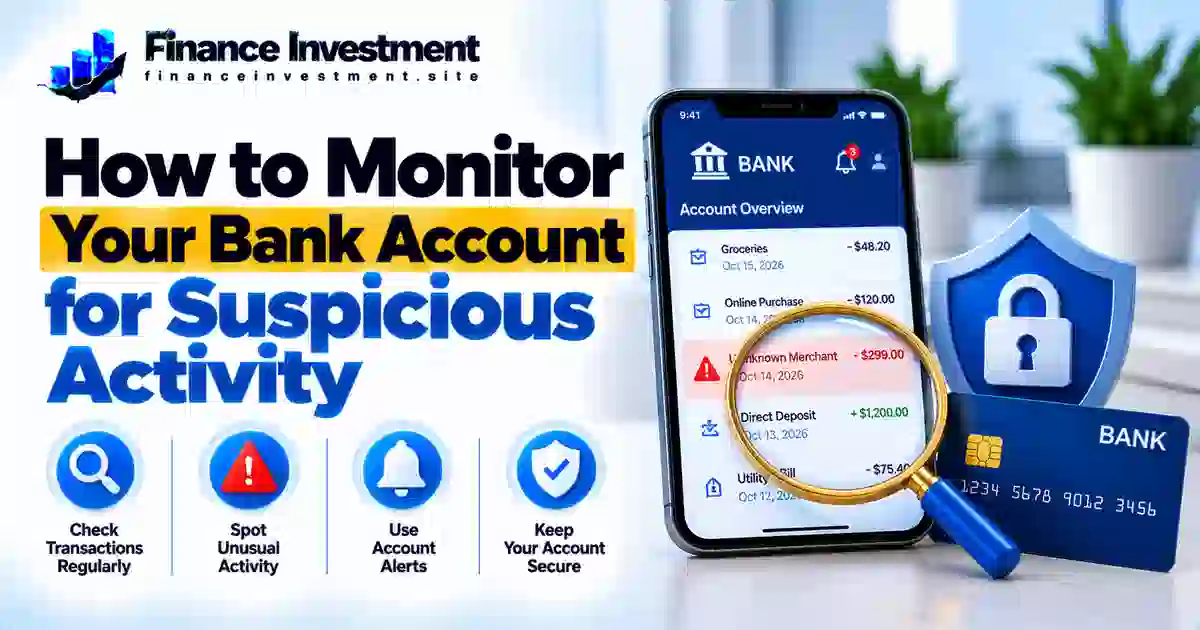
How to Monitor Your Bank Account for Suspicious Activity
Updated: October 20, 2026
Reading time: About 12 minutes
How to Monitor Your Bank Account for Suspicious Activity
Knowing how to monitor your bank account for suspicious activity can help you catch warning signs early and respond before a problem grows. An unfamiliar charge, an unexpected withdrawal, or a transfer you don’t recognize deserves a closer look—even when the amount is small.
You don’t need to check your account all day. Instead, build a simple routine: review recent transactions, enable useful bank account alerts, and look for changes you didn’t make. Watch for unfamiliar merchants, small test charges, new payees, unexpected fees, or withdrawals you can’t explain. If a transaction looks suspicious, contact your bank promptly through its official app, the number on your bank card, or the number on your statement. Don’t rely on contact details in an unexpected text or email.
Regular monitoring is one part of a stronger financial safety plan. For more ways to protect your money, read our bank security and fraud prevention guide.
What You’ll Learn
- How to review transactions and identify unusual account activity.
- Which bank account alerts can help you spot activity sooner.
- How often to check your account and which warning signs matter.
- What steps to take if you find a transaction you didn’t authorize.
- Everyday habits that help protect your account without making money management stressful.
A useful habit: Review your transactions regularly and switch on alerts that fit your account. The aim is to notice unusual activity early—not to worry about every ordinary purchase.
Quick Answer: How Can You Spot Suspicious Bank Activity?
To monitor your bank account for suspicious activity, review transactions regularly, enable account alerts, and investigate payments you don’t recognize. Check debit card purchases, ATM withdrawals, electronic transfers, automatic payments, and new payees. Don’t ignore a small unfamiliar charge; it could be a test transaction before a larger attempt at fraud.
Key Takeaways
- Check transactions: Compare account activity with purchases, transfers, and payments you actually made.
- Enable alerts: Turn on available notifications for card purchases, withdrawals, transfers, and account changes.
- Notice small warning signs: Watch for unfamiliar merchants, unexpected payment recipients, or low-value charges you can’t explain.
- Contact your bank promptly: Use its official app, your card, or a verified statement number to report suspected unauthorized activity.
- Keep sign-in details private: Never share your password or one-time verification code with an unexpected caller or texter.
One important detail: An unfamiliar transaction isn’t always fraud. Some merchants appear under a different billing name, and pending payments can change before they settle. Check the transaction details and ask your bank to investigate if you still don’t recognize it.
Bank Account Monitoring at a Glance
Monitoring your bank account doesn’t have to take much time. A consistent routine can help you recognize unfamiliar transactions, notice unexpected account changes, and report possible fraud promptly. Use this table as a practical starting point, then adjust your checks and alerts to fit how you bank.
| What to Check | Warning Signs | What to Do |
|---|---|---|
| Transactions | Unfamiliar purchases, withdrawals, or fees | Check the details and report unauthorized activity |
| Alerts | Unexpected transfers or account changes | Enable available notifications that suit your needs |
| Payees and payments | Recipients you didn’t add or payments you don’t recognize | Contact your bank promptly if a payment may be unauthorized |
| Login and profile | Unknown sign-ins or changes you didn’t make | Secure your login and contact the bank |
QUICK TAKE: Combine regular transaction reviews with alerts for activity that matters to you. If you spot a payment you didn’t authorize, contact your bank through its official app or a verified phone number. Alerts can help you notice activity sooner, but they don’t replace checking your account.
How to Monitor Your Bank Account: A Beginner’s Guide
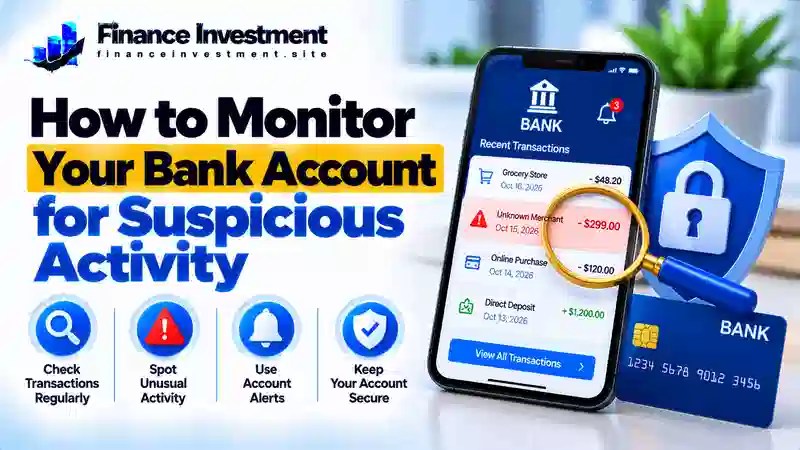
You don’t need special software or financial expertise to monitor your bank account. Your bank’s website or mobile app is usually enough. Start with a few simple habits: review transactions, enable useful alerts, and know how to respond if something doesn’t look right.
1. Review Recent Transactions
Check purchases, ATM withdrawals, deposits, automatic payments, and transfers. Look for unfamiliar amounts, duplicate charges, or payments you don’t remember making. Some legitimate businesses use billing names that differ from their store names, so check the details before deciding a charge is fraudulent.
2. Enable Useful Bank Account Alerts
Turn on available notifications for card purchases, withdrawals, transfers, low balances, and account-profile changes. Choose thresholds that suit your spending and review the options your bank provides. Alerts can help you notice activity sooner, but they may not cover every transaction.
3. Check and Report Suspicious Activity
If a charge looks unfamiliar, check its merchant details and whether it’s still pending. If you still don’t recognize it, contact your bank promptly using its official app or a verified phone number. Ask whether you should lock your card, change your online banking password, or dispute the transaction.
4. Follow a Consistent Routine
Set aside a regular time to review account activity, and check alerts when they arrive. Keep your contact details current so you can receive important notifications. A steady routine helps you notice changes without checking your account constantly.
How Bank Account Monitoring Works
Bank account monitoring combines your own transaction reviews with the security tools your bank offers. Banks may use automated systems to flag transactions that appear unusual, while account alerts can notify you about activity you choose to track. These safeguards can help you spot possible fraud, but no system catches every suspicious transaction.
The Monitoring Process
1. Account activity occurs: A card purchase, withdrawal, transfer, or profile change is recorded.
2. The bank assesses activity: Its systems may check transactions against fraud-detection rules and other security signals.
3. A notification may follow: Depending on your settings and the bank’s security checks, you might receive an alert or a request to verify activity.
4. You review and respond: Check the details and contact your bank promptly if you don’t recognize the transaction.
Your own checks remain important. A legitimate purchase can look unusual, and an unauthorized transaction may not trigger a notification. If you receive an unexpected call or message asking for your password or one-time verification code, don’t share it. Contact your bank through its official app or a verified phone number to confirm whether the request is genuine.
Benefits and Drawbacks of Bank Account Monitoring
Monitoring your bank account helps you understand where your money goes and notice activity that may need attention. Still, alerts and regular reviews have limits. Knowing both sides helps you create a routine that’s useful without becoming overwhelming.
Benefits
- Helps you identify unfamiliar transactions and report possible fraud sooner.
- Makes it easier to track spending, recurring payments, and account balances.
- Relevant alerts can draw attention to selected purchases, withdrawals, or transfers.
- Regular reviews may reveal duplicate charges, unexpected fees, or payments you forgot about.
Drawbacks
- Some notifications may arrive late, and not every transaction triggers an alert.
- Legitimate purchases can look unfamiliar because of billing names or pending charges.
- Too many notifications can become distracting or easy to ignore.
- Manual reviews take time, and monitoring alone cannot guarantee that fraud will be prevented.
The bottom line: Use alerts as an early warning tool, not as a substitute for reviewing your account. A manageable checking routine, combined with prompt action when something seems wrong, offers a practical balance between awareness and convenience.
Compare Bank Account Monitoring Methods and Alerts
The most practical way to monitor your bank account is to combine your own transaction reviews with the notification and security tools your bank offers. Each method can help in a different way, but none guarantees that every suspicious transaction will be detected.
| Method | Best For | Main Limitation |
|---|---|---|
| Manual transaction reviews | Finding unfamiliar charges, fees, and transfers | Requires consistent attention |
| Text and app alerts | Noticing selected purchases, withdrawals, or balance changes | Coverage depends on bank settings and available alerts |
| Email notifications | Receiving account notices and selected transaction or security updates | Messages may be delayed or imitated by scammers |
| Bank fraud monitoring | Flagging transactions that appear unusual to the bank’s systems | May miss unauthorized activity or flag legitimate transactions |
Which Monitoring Method Should You Choose?
Start with the alerts available in your bank’s official app, then review your transactions regularly. Consider notifications for card purchases, withdrawals, transfers, and account changes that matter to you. If you receive an unexpected message about suspicious activity, don’t click its link or share a verification code. Open your bank’s official app independently or call a verified number to check whether the message is genuine.
Costs, Risks, and Practical Tips for Bank Account Monitoring
Many banks provide transaction history, mobile banking, and basic alerts through their websites or apps. However, available features and possible fees depend on your bank and account type. Before paying for a monitoring service, check what your bank already offers and read the service’s pricing and privacy terms.
Costs and Risks to Consider
- Potential fees: Some accounts or third-party services may charge for optional features. Confirm the cost before enrolling.
- Privacy concerns: Be cautious about apps or websites that request banking credentials or broad access to financial data. Use trusted providers and review permissions carefully.
- Missed alerts: Notifications may be delayed or may not cover every transaction, so keep reviewing your account yourself.
Practical Tips to Protect Your Account
- Use a strong, unique password and enable multifactor authentication when available.
- Keep your banking app, browser, and phone software updated.
- Enable useful alerts for transactions and account changes.
- Never disclose passwords or one-time verification codes in response to unexpected calls or messages.
- Report suspected unauthorized transactions promptly and follow your bank’s instructions to secure the account.
Practical tip: Keep your bank’s official contact number handy. If you receive an unexpected fraud alert, open the bank’s app independently or call a verified number instead of clicking a message link.
Common Bank Account Monitoring Mistakes
Even careful account holders can miss warning signs if they rely only on their account balance or assume bank alerts will catch everything. Avoid these common mistakes when reviewing your transactions:
- Ignoring small charges: Investigate unfamiliar low-value transactions instead of dismissing them automatically.
- Depending only on alerts: Notifications may not cover every transaction, so review your account directly.
- Forgetting recurring payments: Check subscriptions and automatic bills for unexpected charges or changes.
- Delaying a report: Contact your bank promptly if you suspect an unauthorized transaction.
- Trusting unexpected messages: Avoid suspicious links and never share passwords or one-time verification codes with unexpected callers or texters.
Example: A Small Charge Raises a Question
Imagine you spot a $2.49 card charge from a merchant you don’t recognize. First, check the transaction details and consider whether the merchant might use a different billing name. If you still don’t recognize the purchase, contact your bank through its official app or a verified phone number. Report the charge and ask whether you should lock or replace the card. Follow the bank’s guidance while it investigates.
The takeaway: an unfamiliar charge isn’t automatically fraud, but it deserves attention. Verify what you can, report suspected unauthorized activity promptly, and keep a record of your communication with the bank.
Who Should Take Extra Precautions When Monitoring a Bank Account?
Everyone should review bank account activity, but certain situations may call for additional safeguards. Take extra care if you:
- Make frequent digital payments: Review transfers and card purchases regularly so unfamiliar activity is easier to notice.
- Share household finances: Agree on who is authorized to use the account and confirm unexpected payments with the other account holder.
- Help an older adult manage money: Use the bank’s approved access arrangements and never exchange passwords or one-time verification codes.
- Lose a card or disclose information to a suspicious contact: Contact your bank promptly, explain what happened, and ask how to secure the account.
- Notice repeated unfamiliar transactions: Report them and ask the bank whether a card replacement, access change, or additional protection is appropriate.
Remember: Choose precautions that fit your situation. Use official banking tools, keep account access limited to authorized people, and report suspected unauthorized activity promptly.
Frequently Asked Questions About Bank Account Monitoring
1. How often should I check my bank account?
Review transactions regularly, several times a week if practical, and more often if your account has frequent activity. Check alerts when they arrive, too. A consistent routine helps you notice unfamiliar activity without checking constantly.
2. What are common signs of suspicious bank activity?
Warning signs include unfamiliar purchases, unexpected withdrawals, transfers you didn’t make, new payees, and account changes you don’t recognize. Small charges can also deserve attention.
3. Are bank account alerts free?
Many banks offer basic alerts, but features and fees vary by bank and account. Check your bank’s current terms before enrolling in optional services.
4. Can banks detect every fraudulent transaction?
No. Banks use security systems to flag potentially suspicious activity, but some unauthorized transactions may go undetected. Regularly reviewing your own transactions remains important.
5. What should I do if I see an unauthorized transaction?
Contact your bank promptly through its official app or a verified phone number. Report the transaction, ask how to secure your account, and follow the bank’s instructions for disputing the charge.
6. Should I click a link in a bank fraud alert?
Avoid clicking unexpected links. Open your bank’s official app independently or call a verified number to confirm whether the alert is genuine.
7. Can a small transaction indicate fraud?
Yes. A fraudster may test payment details with a small charge. However, an unfamiliar transaction can also have a legitimate explanation, so check its details before drawing conclusions.
8. Do I need a paid service to monitor my bank account?
Not necessarily. Your bank’s transaction history, available alerts, and regular reviews may be enough for everyday monitoring. Compare costs and privacy terms before using an outside service.
Final Verdict: Make Bank Account Monitoring a Habit
Learning how to monitor your bank account for suspicious activity doesn’t require expensive tools or constant checking. Build a simple routine: review transactions, enable useful alerts, and investigate payments you don’t recognize. If you suspect an unauthorized transaction, contact your bank promptly through an official channel and follow its guidance to protect your account.
Remember, alerts can help you notice activity, but they don’t guarantee that every problem will be caught. Regular reviews, secure account access, and prompt reporting work together to help you stay aware of your money.
Your next step: Open your bank’s official app, review recent transactions, and enable the security alerts that fit your needs.
For more ways to protect your finances, read our bank security and fraud prevention guide.
Have a Money Question? Keep Exploring.
Have a question about banking, account security, or managing your money? Explore the guides below, or email FinanceInvestment with a topic you’d like us to cover.
Contact FinanceInvestment
Leave a Reply