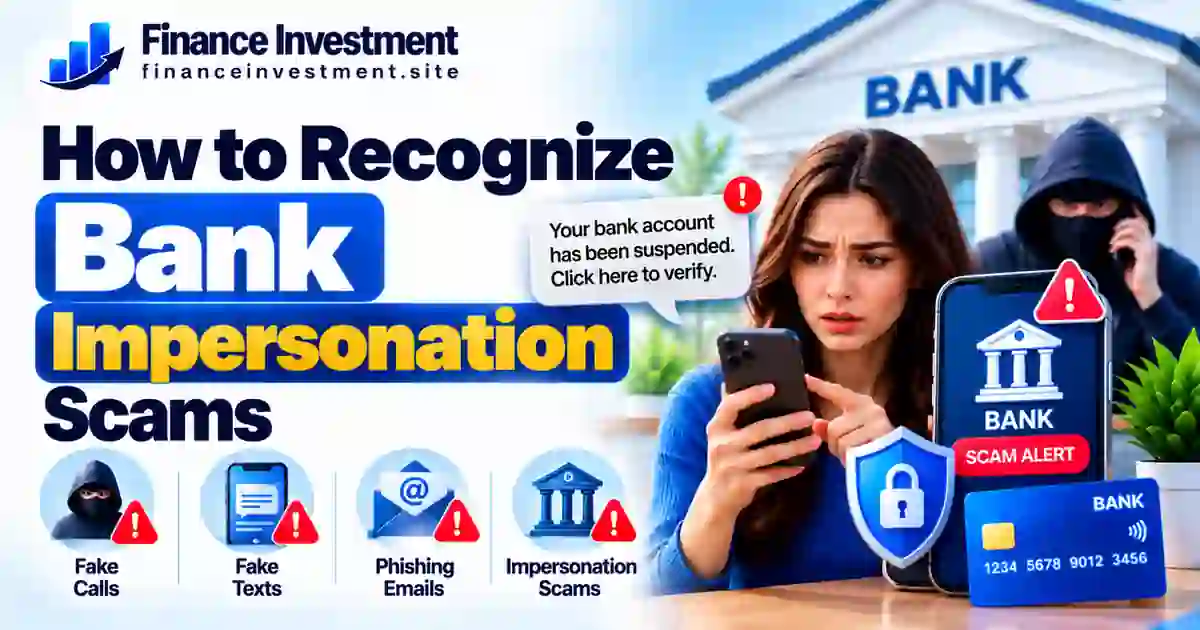
How to Recognize Bank Impersonation Scams
How to Recognize Bank Impersonation Scams Before You Respond
Learning how to recognize bank impersonation scams starts with one simple habit: pause before you respond. A message claiming your account is locked, a call about suspicious transactions, or an alert asking you to verify your identity may look genuine. Scammers can copy bank logos, imitate phone numbers, and use convincing language to make their requests seem legitimate.
The biggest warning sign is often pressure to act immediately. A caller may ask for your password, one-time verification code, or a transfer to a supposedly safe account. Never trust caller ID, a familiar logo, or someone’s knowledge of your personal details as proof of identity. End the conversation and contact your bank using the number on your card or the official app you open yourself.
For broader protection, explore our bank security and fraud prevention guide.
What You’ll Learn
- Warning signs of fake bank calls, texts, and emails.
- How to verify whether a bank communication is genuine.
- Common mistakes that expose your money or personal information.
- What to do if you shared a code, clicked a suspicious link, or sent money.
How Can You Recognize a Bank Impersonation Scam?
Recognize bank impersonation scams by watching for urgent messages, suspicious links, unexpected calls, and requests for passwords or verification codes. Scammers may pretend to be bank employees and claim your account is at risk.
Key Takeaways
- Be cautious of urgent warnings and threats.
- Caller ID and bank logos can be faked.
- Avoid clicking links in unexpected bank messages.
- Verify suspicious requests directly with your bank.
- If you shared information or sent money, contact your bank immediately.
Table of Contents
Bank Impersonation Scams: Quick Facts
Bank impersonation scams occur when criminals pretend to represent a real bank or credit union to steal money, account credentials, or personal information. These quick facts explain the warning signs and the safest response.
| What to Check | What You Should Know |
|---|---|
| Common methods | Fake phone calls, text messages, emails, and websites. |
| Warning signs | Urgent threats, suspicious links, or requests for confidential codes. |
| Information at risk | Passwords, one-time passcodes, banking details, and money. |
| Safest response | Stop responding and verify the request through an official bank channel. |
| If you are targeted | Contact your bank promptly, secure affected accounts, and report suspected fraud. |
Bank Impersonation Scams: A Complete Beginner Guide
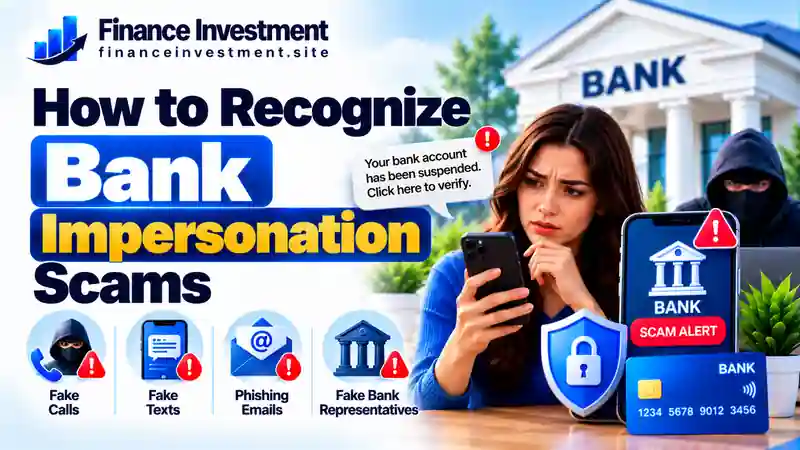
Bank impersonation scams happen when criminals pretend to represent a real bank or credit union to steal money, account credentials, or personal information. They may pose as fraud investigators, security specialists, or customer service employees. Anyone with a financial account can be targeted, so recognizing common tactics is an important part of protecting your money.
1. Fake Bank Text Messages
You might receive a text claiming that your debit card was used, your account is locked, or suspicious activity needs immediate attention. A link may lead to a fake website designed to capture your login details. Do not click unexpected links; open your bank’s official app or contact the bank using a trusted number.
2. Fraudulent Bank Phone Calls
A caller may claim to work in the bank’s fraud department and ask you to verify a transaction. Caller ID can be spoofed, so a familiar number is not proof of identity. Never share your password or one-time passcode with an unexpected caller. Hang up and contact the bank independently.
3. Fake Emails and Banking Websites
Scammers can copy bank logos, colors, and email formatting to make messages look authentic. They may direct you to a fake sign-in page. Avoid logging in through unexpected email links. Open the bank’s website yourself and check the address carefully.
4. Requests to Transfer Money
A scammer may tell you to move your savings to a “safe account” or make a payment to stop alleged fraud. Treat unexpected transfer instructions as a serious warning sign. Do not send money until you have independently verified the situation with your bank.
5. What to Do If You Suspect a Scam
Stop responding and contact your bank immediately if you shared information, approved a payment, or transferred money. Ask whether the bank can block transactions or secure your account. Change compromised passwords, enable multifactor authentication, and review recent activity. Follow the FTC’s guidance on what to do after a scam. You can also read our guide on how to protect your bank account.
How Bank Impersonation Scams Work
Bank impersonation scams often follow a pattern: create fear, appear trustworthy, and pressure the victim to act quickly. Criminals may use text messages, phone calls, emails, or fake websites to make a fraudulent request seem legitimate.
Step 1: Create an Urgent Problem
You receive an alert about a suspicious purchase, a locked account, or an alleged security breach. The message may warn that your money is at risk unless you respond immediately. Verify the alert independently rather than following its instructions.
Step 2: Pretend to Be Your Bank
The scammer may imitate a bank employee, spoof caller ID, or copy the bank’s logo. They might even know some personal details. None of these proves the contact is genuine.
Step 3: Ask for Information or Money
The scammer may request your password, one-time verification code, remote access to your device, or a transfer to a supposedly safe account. Treat unexpected requests like these as serious warning signs.
Step 4: Demand More or Disappear
After receiving your information or money, the scammer may disappear or invent another emergency to demand more. Stop responding and contact your bank using its official app or the number on your card.
Benefits of Recognizing Bank Impersonation Scams
Understanding bank impersonation scams helps you recognize suspicious requests before sharing information or sending money. Awareness cannot stop every attempt, but it can help you respond more carefully when an unexpected bank call, text, or email arrives.
Key Benefits
- Protect your information: Spotting suspicious requests can help safeguard your login details and financial information.
- Respond sooner: Recognizing warning signs can help you report suspicious activity promptly.
- Avoid rushed decisions: You can pause and verify a request instead of reacting to threats or pressure.
- Build confidence: You can handle unexpected banking alerts more calmly and carefully.
Important Limitations
Scammers constantly change their tactics. Messages can look professional, caller IDs can be spoofed, and even cautious people can be deceived. Fraud alerts and security tools can help, but they cannot guarantee complete protection. Verify unexpected requests independently and review account activity regularly.
Legitimate Bank Contact vs. an Impersonation Scam
Banks may contact customers about unusual transactions or account security. Scammers can imitate these alerts, so a message’s appearance alone cannot establish whether it is genuine. Check the request carefully and verify it through a trusted channel before taking action.
| Warning Sign | Safer Response |
|---|---|
| Pressure to act immediately | Pause and verify the alert independently. |
| Familiar caller ID or bank logo | Do not treat either as proof; both can be imitated. |
| Request for a password or one-time code | Never disclose these in response to an unexpected call or message. |
| Instruction to move money to a “safe account” | Do not transfer funds; contact your bank independently. |
| Unexpected login link | Avoid the link and open your bank’s official app or website yourself. |
How to Verify a Bank Message
End the unexpected call and use the number on your bank card or the official app to ask whether the alert is genuine. Review recent transactions and report anything unfamiliar. Do not call numbers or click links supplied in a suspicious message to verify that same message. For more guidance, read our bank security vs. fraud protection guide.
Warning Signs of Bank Impersonation Scams
Bank impersonation scams can look convincing, so pay attention to suspicious behavior rather than appearance alone. A warning sign does not automatically prove fraud, but unexpected requests should always be verified independently.
Red Flags to Watch For
- Urgent threats: Someone pressures you to act immediately to avoid an alleged account freeze or financial loss.
- Requests for confidential codes: An unexpected caller asks you to reveal your password or one-time passcode.
- Suspicious links: A text or email directs you to an unfamiliar website to sign in or verify account details.
- Safe-account claims: Someone instructs you to transfer money to supposedly protect your savings.
- Unusual payment instructions: You are pressured to send money through a wire transfer, payment app, gift card, or cryptocurrency.
What Is at Risk?
Sharing sensitive information can expose your account credentials, personal details, and money. Criminals may attempt unauthorized transactions or identity theft. A familiar caller ID, convincing voice, or bank logo does not prove that the person contacting you is genuine.
Practical Tips to Stay Safer
Pause before responding, open your bank’s official app yourself, and call the number on your card to verify suspicious contact. Use unique passwords and multifactor authentication, enable transaction alerts, and review account activity regularly. Never give an unexpected caller remote access to your device. If you suspect fraud, contact your bank immediately to secure your account and report unauthorized transactions. For more guidance, read our guide to spotting checking account fraud.
Common Mistakes That Make Bank Impersonation Scams Easier
Scammers exploit fear, trust, and rushed decisions. Avoiding these common mistakes can help protect your bank account and personal information.
- Trusting caller ID: Scammers can spoof phone numbers to make calls appear genuine.
- Clicking unexpected links: Fake banking websites may capture your login details.
- Sharing verification codes: Criminals may use a one-time code to access an account or authorize an action.
- Transferring money under pressure: Instructions to move funds to a “safe account” are a major warning sign.
- Delaying a report: Waiting can give criminals more time to misuse your information or money.
Example: A Fake Bank Fraud Alert
Imagine you receive a text claiming that a $900 purchase triggered a security alert. A person posing as a bank employee then calls and says your savings are at risk. They ask for a one-time passcode and tell you to transfer your money to a “protected” account. This is a hypothetical example of how impersonation scams may unfold.
The safer response: Do not share the code or transfer money. End the call and contact your bank through its official app or the number printed on your card. If you already shared information or sent funds, notify the bank immediately, secure your account, and ask what steps may help limit further losses.
Who Is Most at Risk of Bank Impersonation Scams?
Anyone with a bank account, debit card, or online banking access can be targeted. Scammers use convincing messages, fear, and urgency rather than targeting only one age group. A person’s experience with technology or money does not guarantee protection.
Situations That May Increase Risk
- Unexpected security alerts: Anyone may react quickly to claims of suspicious transactions or account suspension.
- Busy or distracted moments: People may overlook warning signs when handling an urgent message while multitasking.
- Limited familiarity with online banking: Customers who are unsure how to verify messages may find fake alerts harder to assess.
- Financial pressure: Threats involving lost savings or frozen accounts can make people feel they must act immediately.
- Targeted impersonation attempts: Older adults and other groups may receive scams tailored to their circumstances, but no group is immune.
Steps Every Banking Customer Can Take
Use unique passwords, enable multifactor authentication, turn on transaction alerts, and review account activity regularly. Never disclose a one-time passcode to an unexpected caller or transfer money simply because someone claims it will protect your account. Verify suspicious contact through your bank’s official app or the number printed on your card.
Frequently Asked Questions About Bank Impersonation Scams
1. What is a bank impersonation scam?
A bank impersonation scam occurs when someone pretends to represent a real bank or credit union to steal money, account credentials, or personal information through fake calls, texts, emails, or websites.
2. How can I tell if a bank call is fake?
Be cautious of pressure, unusual payment instructions, or requests for confidential information. Caller ID can be spoofed, so end the call and contact your bank using its official app or the number on your card.
3. Can my bank ask me for a one-time passcode?
Banks use different verification methods, but never reveal a one-time passcode to an unexpected caller or message. If a request seems suspicious, contact your bank independently before proceeding.
4. What should I do after clicking a suspicious link?
Close the page and do not enter any information. If you entered your banking credentials, contact your bank promptly, change your password through its official app or website, and review recent transactions. If you downloaded a file, check your device for security risks.
5. What if I already transferred money to a scammer?
Contact your bank or payment provider immediately and ask whether the transaction can be stopped, recalled, or disputed. Recovery is not guaranteed, but reporting quickly may help limit further losses.
6. Can scammers fake a bank phone number?
Yes. Caller ID spoofing can make a call appear to come from a legitimate bank number. Never rely on the displayed number alone to confirm the caller’s identity.
7. How do I report a bank impersonation scam in the US?
Notify your bank and report the incident through the FTC’s official fraud reporting website. If your personal information was misused, visit IdentityTheft.gov for recovery guidance.
8. How can I prevent bank impersonation scams?
Use unique passwords, enable multifactor authentication, avoid links in unexpected messages, monitor account activity, and verify suspicious requests through trusted bank channels.
Final Verdict: Stay Alert to Bank Impersonation Scams
Knowing how to recognize bank impersonation scams helps you make safer decisions when unexpected calls, texts, or emails arrive. Scammers may imitate bank employees, copy official logos, and spoof phone numbers to make fraudulent requests appear genuine. Never treat a familiar caller ID or convincing message as proof of identity.
If something seems suspicious, stop responding and verify the request through your bank’s official app or the number printed on your card. Never disclose your password or one-time passcode to an unexpected caller, and do not transfer money to a supposed safe account because someone pressures you.
If you suspect fraud, contact your bank immediately, secure affected accounts, and report the incident. For more practical guidance, read our bank security and fraud prevention guide.
Have a Money Question? Keep Exploring.
Have a question about banking safety, fraud prevention, or protecting your savings? Contact FinanceInvestment or explore our practical financial guides.
Continue Your Research
Stay alert, verify unexpected requests through trusted channels, and contact your bank promptly if you suspect fraud.
Leave a Reply