Tag: USA Retirement 2026

  • Retirement Cash Reserve Guide: Best 2026 Strategy for Smart Retirement Planning

    Retirement Cash Reserve Guide: Best 2026 Strategy for Smart Retirement Planning


    Retirement Cash Reserve Guide: Best 2026 Strategy for Smart Retirement Planning

    Published: June 28, 2026 |
    Author: Subhash Rukade

    Retirement Cash Reserve Guide

    Retirement Cash Reserve Guide helps retirees decide how much cash they should safely keep in 2026 without sacrificing long-term investment growth. Holding too little cash may force you to sell investments during a market downturn, while holding too much can reduce returns and allow inflation to slowly erode your purchasing power. Finding the right balance is essential for a secure retirement.

    Every retiree has different financial needs. Monthly living expenses, healthcare costs, pension income, Social Security benefits, investment portfolio size, and personal risk tolerance all influence the amount of cash you should maintain. Rather than following a one-size-fits-all rule, your cash reserve should match your retirement lifestyle and financial goals.

    Before deciding how much cash to keep, read our

    Complete Retirement Planning Guide
    .
    It explains retirement income planning, investment allocation, withdrawal strategies, tax planning, and long-term wealth preservation for American retirees.

    Throughout this guide, you’ll learn how much emergency cash retirees should keep, where to store retirement cash safely, how cash fits into a diversified retirement portfolio, and practical strategies to balance liquidity, investment growth, and financial security throughout 2026 and beyond.

    Why Maintaining a Cash Reserve Matters in Retirement

    A well-planned Retirement Cash Reserve Guide is about more than simply keeping money in a savings account. It provides financial flexibility when unexpected expenses arise and helps retirees avoid selling long-term investments during temporary market declines. Having the right amount of cash available can reduce financial stress while supporting a stable retirement income.

    During retirement, your portfolio may experience periods of market volatility. If you rely entirely on investments for monthly income, a sudden market downturn could force you to sell assets at lower prices. A dedicated cash reserve allows you to cover living expenses while giving your investments time to recover.

    Major Benefits of Keeping a Retirement Cash Reserve

    • Provides immediate access to money during emergencies.
    • Helps avoid selling stocks or mutual funds during market downturns.
    • Supports consistent monthly retirement income.
    • Reduces financial stress during periods of market volatility.
    • Creates flexibility for unexpected healthcare or home repair expenses.

    How Much Is Too Much Cash?

    While cash offers security, holding an excessive amount may slow long-term portfolio growth. Inflation gradually reduces purchasing power, meaning money kept in low-interest accounts loses value over time. Instead of storing several years of expenses in cash, many retirees maintain a balanced reserve while investing the remaining assets for future growth and income.

    The ideal amount depends on your retirement lifestyle, guaranteed income sources such as Social Security or pensions, healthcare needs, and personal comfort with investment risk. Every retiree’s situation is different, so your cash reserve should reflect your own financial goals rather than a universal rule.

    Following a disciplined Retirement Cash Reserve Guide allows retirees to balance safety with growth. Maintaining an appropriate emergency fund while keeping the rest of the portfolio invested can improve long-term financial security and help retirees navigate changing market conditions throughout 2026 and beyond.

    How Much Cash Should Retirees Keep in 2026?

    The ideal Retirement Cash Reserve Guide depends on your monthly expenses, guaranteed income sources, health, and comfort with market risk. Instead of keeping all your retirement savings in cash, financial planners generally recommend maintaining enough liquid funds to cover essential living expenses while allowing the rest of your portfolio to continue growing through diversified investments.

    Retirees with stable pension income or higher Social Security benefits may need a smaller cash reserve. However, retirees who rely mainly on investment withdrawals often benefit from holding a larger emergency fund to avoid selling stocks during market downturns.

    Suggested Retirement Cash Reserve

    Retirement SituationRecommended Cash Reserve
    Pension + Social Security6–12 months of living expenses
    Investment Income Only12–24 months of living expenses
    Early Retirement18–24 months of living expenses

    Use Dividend Income to Reduce Cash Needs

    Dividend-paying investments can generate regular cash flow without requiring you to sell portfolio assets. This income may help cover everyday expenses while allowing your long-term investments to continue growing.

    Learn how to build a dependable income portfolio by reading our

    How to Build a Dividend Portfolio
    .

    You can also explore our

    Top Dividend Stocks USA 2026

    guide to discover high-quality dividend companies that may strengthen your retirement income strategy.

    A balanced Retirement Cash Reserve Guide combines adequate emergency savings with long-term investments. Keeping too much money in cash may reduce portfolio growth, while keeping too little can force unnecessary investment sales during market declines. Reviewing your cash reserve every year helps ensure it continues supporting your retirement goals throughout 2026 and beyond.

    How to Build a Smart Retirement Cash Reserve in 2026

    A practical Retirement Cash Reserve Guide is about keeping enough money available for everyday expenses without allowing too much of your portfolio to sit idle. Cash provides flexibility, but long-term wealth is usually built through diversified investments. The goal is to create a balance that supports both financial security and portfolio growth throughout retirement.

    1. Separate Emergency Cash from Investment Assets

    Many retirees make the mistake of combining emergency savings with long-term investments. Instead, keep your emergency cash in a high-quality savings account or money market fund while allowing the rest of your retirement portfolio to remain invested. This approach provides quick access to money during unexpected expenses without disrupting your investment strategy.

    2. Match Cash Reserves to Your Income Sources

    If your retirement income comes from Social Security, pensions, or annuities, you may need a smaller cash reserve. Retirees who depend mainly on investment withdrawals often benefit from keeping additional cash available to avoid selling investments during periods of market volatility.

    3. Review Your Cash Reserve Every Year

    Healthcare costs, inflation, and lifestyle changes can affect the amount of cash you need. Reviewing your emergency reserve annually helps ensure it continues supporting your retirement plan while preventing unnecessary cash accumulation that could reduce long-term investment returns.

    For a complete retirement income strategy, explore our

    Complete Retirement Planning Guide
    .
    It explains retirement investing, withdrawal planning, tax strategies, Social Security, and wealth preservation for American retirees.

    4. Use Technology to Improve Retirement Planning

    Modern financial planning tools powered by artificial intelligence can estimate future cash needs, monitor portfolio performance, and evaluate different retirement income scenarios. These tools help retirees make informed decisions while adjusting their financial plans over time.

    Learn how technology is changing investing in our

    AI Investing Guide 2026
    .

    Following a disciplined Retirement Cash Reserve Guide allows retirees to maintain liquidity for unexpected expenses while keeping the majority of their assets invested for future growth. A balanced cash reserve can reduce financial stress and improve long-term retirement security throughout 2026 and beyond.

    Real-Life Example: How a Retirement Cash Reserve Protects Your Savings

    Following a Retirement Cash Reserve Guide becomes much easier when you see how it works in a real retirement situation. Keeping the right amount of cash available can help retirees pay daily expenses, handle emergencies, and avoid selling investments during temporary market.

    Case Study

    Linda, a 69-year-old retiree, receives Social Security benefits and earns dividend income from her investment portfolio. She originally kept nearly three years of living expenses in a checking account because she wanted complete financial security. While she always had cash available, inflation gradually reduced the purchasing power of those savings and limited the growth of her overall retirement portfolio.

    After reviewing her financial plan, Linda followed a smarter Retirement Cash Reserve Guide. She reduced her cash reserve to approximately 12 months of essential living expenses and invested the remaining funds in a diversified portfolio of dividend stocks, bond funds, and broad-market index funds. This strategy maintained financial flexibility while increasing her long-term growth potential and retirement income.

    When unexpected home repairs occurred, Linda paid the expenses directly from her cash reserve instead of selling investments during a temporary market decline. Her portfolio remained invested and recovered as market conditions improved.

    Simple Retirement Cash Calculator

    Use this formula to estimate your recommended retirement cash reserve:

    Recommended Cash Reserve = Monthly Essential Expenses × Number of Months You Want to Cover

    Review this calculation every year to adjust for inflation, healthcare costs, and changes in your retirement income.

    Generate Additional Retirement Income

    Dividend-paying investments can reduce your dependence on cash savings while creating consistent income throughout retirement. Learn how to build an income-focused portfolio in our

    How to Build a Dividend Portfolio
    .

    You can also explore our

    Top Dividend Stocks USA 2026

    guide to discover dividend-paying companies that may strengthen your long-term retirement income strategy.

    This example shows that a well-planned Retirement Cash Reserve Guide is not about keeping the maximum amount of cash. It is about maintaining enough liquidity for peace of mind while allowing the rest of your retirement portfolio to continue growing throughout 2026 and beyond.

    Common Cash Management Mistakes and Future Retirement Trends

    Following a Retirement Cash Reserve Guide requires regular reviews because your financial needs change throughout retirement. Many retirees either keep too much money in cash or too little, creating unnecessary financial challenges. Understanding these common mistakes can help protect your retirement savings while improving long-term financial stability.

    1. Keeping Too Much Money in Cash

    While cash provides security and peace of mind, holding several years of living expenses in low-interest accounts can significantly reduce long-term portfolio growth. Inflation slowly decreases purchasing power, making excessive cash holdings costly over a long retirement. A balanced cash reserve allows your remaining investments to continue generating income and capital appreciation.

    2. Ignoring Inflation

    Healthcare, housing, insurance, and everyday living costs generally rise over time. If your retirement plan never adjusts your emergency cash reserve, it may eventually become insufficient. Reviewing your cash allocation annually helps ensure your emergency fund continues supporting your lifestyle as expenses increase.

    3. Not Rebuilding Cash After Emergencies

    Unexpected medical bills, home repairs, or family emergencies may reduce your emergency reserve. After using part of your cash savings, make rebuilding the reserve a priority so you’re prepared for future unexpected expenses without disrupting your investment portfolio.

    Future Trends in Retirement Cash Planning

    Artificial intelligence and digital retirement planning platforms are helping retirees estimate future cash needs, monitor portfolio withdrawals, and prepare for inflation. These tools allow investors to make smarter financial decisions while maintaining an appropriate balance between cash reserves and long-term investments.

    Learn how technology is reshaping investing in our

    AI Investing Guide 2026
    .

    Consistent investing before retirement remains one of the best ways to build long-term financial security. Our

    SIP Investing Guide 2026

    explains how disciplined investing can strengthen your retirement savings over time.

    To prepare your portfolio for uncertain economic conditions, read our

    Recession-Proof Investing 2026
    .
    You can also explore our

    Best Credit Cards 2026

    guide for practical ways to improve everyday money management and preserve more retirement income.

    Reviewing your Retirement Cash Reserve Guide every year, adjusting your emergency fund for inflation, and maintaining a diversified investment portfolio can help reduce financial stress, improve retirement flexibility, and provide greater confidence throughout 2026 and beyond.

    Frequently Asked Questions (FAQ)

    1. How much cash should retirees keep in 2026?

    The ideal amount depends on your retirement income, monthly expenses, and risk tolerance. Many financial planners recommend keeping between 6 and 24 months of essential living expenses in cash, depending on whether you rely on guaranteed income or investment withdrawals.

    2. Where should retirees keep their emergency cash?

    Emergency cash is generally best kept in high-yield savings accounts, money market accounts, or short-term Treasury investments. These options provide liquidity while helping your money earn modest returns with relatively low risk.

    3. Is keeping too much cash a mistake?

    Yes. Excessive cash holdings can reduce long-term investment growth because inflation gradually decreases purchasing power. A balanced retirement plan combines adequate emergency cash with diversified investments for future growth.

    4. Should retirees invest all of their extra cash?

    Not necessarily. Before investing additional cash, make sure you maintain a sufficient emergency reserve for unexpected expenses. Once that reserve is established, excess cash may be invested according to your retirement goals and risk tolerance.

    5. How often should I review my retirement cash reserve?

    Review your cash reserve at least once each year or after major life events such as retirement, healthcare changes, or significant market movements. Annual reviews help ensure your emergency fund continues meeting your financial needs.


    Conclusion

    A well-planned Retirement Cash Reserve Guide is not about holding the largest possible amount of cash. It is about maintaining enough liquidity to cover emergencies and short-term expenses while allowing the rest of your retirement portfolio to remain invested for long-term growth. Finding this balance can reduce financial stress and improve retirement security.

    Review your emergency fund regularly, adjust it for inflation, and align your cash reserve with your retirement income sources and lifestyle. Combining a healthy cash reserve with diversified investments creates greater financial flexibility throughout retirement.

    For a complete retirement planning roadmap, explore our

    Complete Retirement Planning Guide
    .
    It covers retirement investing, withdrawal strategies, tax planning, Social Security, and long-term wealth preservation to help American retirees build lasting financial confidence.

    For additional trusted retirement guidance, visit
    Official IRS Retirement Planning Resources,
    SEC Investor Education Center, and
    Vanguard Retirement Investing Resources.
    These resources provide reliable information to help retirees make informed financial decisions.

    Following a disciplined Retirement Cash Reserve Guide today can help you manage market uncertainty, handle unexpected expenses with confidence, and enjoy greater financial peace of mind throughout 2026 and beyond.

    📩 Get Weekly Retirement Planning Tips

    Subscribe to receive free retirement planning guides, investing strategies, tax-saving ideas, portfolio management tips, and practical personal finance advice designed for American retirees.


    Subscribe Free

    Weekly Updates • No Spam • Unsubscribe Anytime


    About the Author

    Subhash Rukade is the founder of FinanceInvestment.site. He writes practical, research-based guides on retirement planning, investing, dividend income, tax strategies, and personal finance. His mission is to help American investors and retirees build long-term wealth through clear, reliable, and easy-to-understand financial advice.
  • Retirement Stock vs Bond Strategy: Best 2026 Guide for Smarter Retirement Investing

    Retirement Stock vs Bond Strategy: Best 2026 Guide for Smarter Retirement Investing


    Retirement Stock vs Bond Strategy: Best 2026 Guide for Smarter Retirement Investing

    Published: June 28, 2026 |
    Author: Subhash Rukade

    Retirement Stock vs Bond Strategy


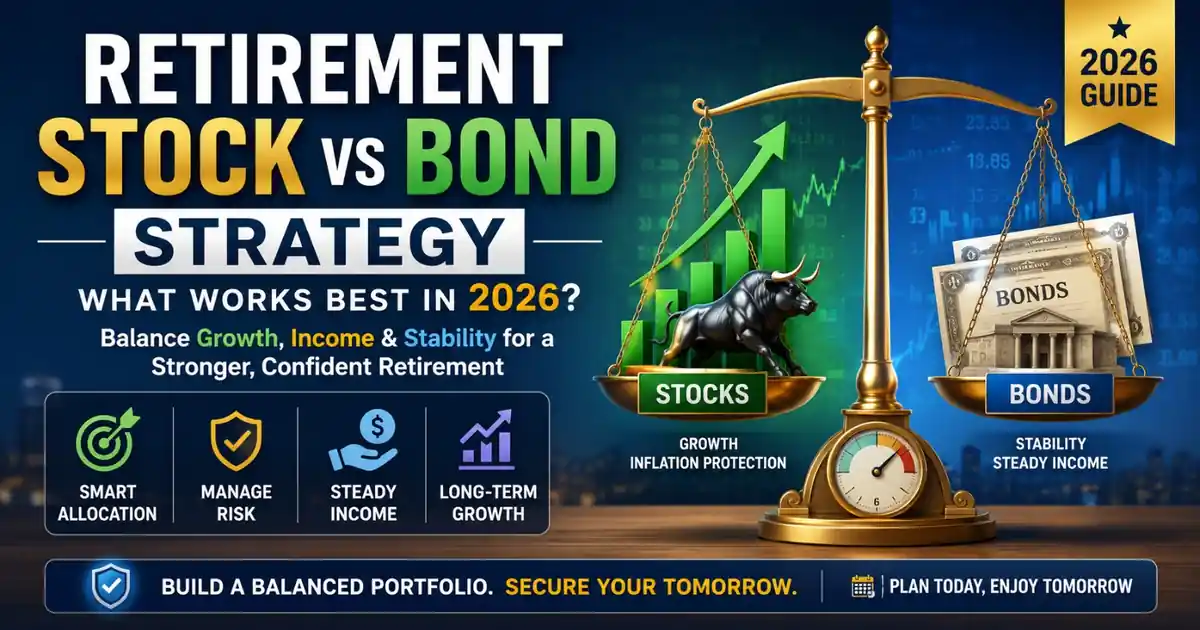
    Retirement Stock vs Bond Strategy is one of the most important decisions every retiree will make. Choosing the right balance between stocks and bonds can determine how long your retirement savings last, how much income your portfolio generates, and how well you handle market volatility. While stocks offer long-term growth potential, bonds provide stability and predictable income. Finding the right combination is the key to building lasting financial confidence.

    There is no single portfolio that works for everyone. Your ideal investment mix depends on your retirement age, income needs, risk tolerance, healthcare expenses, and long-term financial goals. Some retirees prefer higher stock exposure to keep pace with inflation, while others value the stability that bonds provide during uncertain markets.

    Before deciding on your investment allocation, read our
    Complete Retirement Planning Guide.
    It explains retirement investing, withdrawal strategies, tax planning, Social Security, and long-term wealth preservation to help American retirees make smarter financial decisions.

    In this guide, you’ll discover how a Retirement Stock vs Bond Strategy works, compare the advantages of stocks and bonds, learn how portfolio allocation changes with age, and build a retirement investment plan designed to provide growth, income, and financial security throughout 2026 and beyond.

    Understanding Stocks and Bonds in Retirement

    A successful Retirement Stock vs Bond Strategy starts with understanding the role each investment plays in your retirement portfolio. Stocks and bonds serve different purposes, and combining them wisely can help retirees balance long-term growth with reliable income. The right mix depends on your financial goals, risk tolerance, and the number of years you expect your retirement savings to support you.

    Stocks represent ownership in publicly traded companies. Over long periods, they have historically provided higher returns than most other asset classes. However, stock prices can fluctuate significantly during market downturns. Because of this volatility, retirees should carefully decide how much stock exposure fits their retirement plan.

    Why Bonds Matter During Retirement

    Bonds are generally considered more stable than stocks. When you purchase a bond, you are lending money to a government or corporation in exchange for regular interest payments and the return of your principal at maturity. Bonds help reduce overall portfolio volatility and can provide predictable income for retirees.

    Stocks vs Bonds Comparison

    InvestmentMain BenefitPrimary Risk
    StocksLong-term growth and inflation protectionHigher market volatility
    BondsStable income and lower portfolio riskLower long-term growth potential

    Finding the Right Balance

    Most retirees benefit from owning both stocks and bonds instead of choosing only one. Stocks help your portfolio continue growing throughout retirement, while bonds provide stability during market downturns. The ideal allocation depends on your retirement age, expected expenses, and overall financial situation.

    Building a thoughtful Retirement Stock vs Bond Strategy allows you to generate income, manage investment risk, and protect your retirement savings. Reviewing your allocation every year ensures your portfolio continues to match your retirement goals throughout 2026 and beyond.

    Choosing the Best Retirement Stock vs Bond Strategy for 2026

    Building the right Retirement Stock vs Bond Strategy is about balancing growth with financial security. While stocks can increase the value of your retirement portfolio over time, bonds help reduce market volatility and generate more predictable income. Most successful retirement portfolios include both asset classes because they complement each other during different market conditions.

    Your ideal investment mix depends on several factors, including your retirement age, expected living expenses, health, other income sources, and personal comfort with market fluctuations. Instead of trying to predict the market, focus on maintaining an allocation that supports your long-term retirement goals.

    Suggested Portfolio Allocation

    Retirement StageStocksBonds
    Early Retirement (60–69)55–65%35–45%
    Mid Retirement (70–79)45–55%45–55%
    Later Retirement (80+)30–45%55–70%

    Use Dividend Stocks for Reliable Income

    Dividend-paying companies can provide regular income while still offering long-term growth potential. For many retirees, dividend investments reduce the need to sell shares during market downturns and create a steady cash flow throughout retirement.

    Learn how to create a reliable dividend income portfolio by reading our

    How to Build a Dividend Portfolio
    .

    You can also explore our

    Top Dividend Stocks USA 2026

    guide to discover quality dividend-paying companies that may strengthen your retirement income strategy.

    A well-balanced Retirement Stock vs Bond Strategy does not eliminate investment risk, but it can help reduce large portfolio swings while providing opportunities for long-term growth. Reviewing your portfolio annually and adjusting allocations as your retirement needs change will help keep your investment plan on track throughout 2026 and beyond.

    Building a Balanced Retirement Portfolio with Stocks and Bonds

    A successful Retirement Stock vs Bond Strategy is built around diversification instead of relying entirely on one investment type. Stocks help your portfolio grow and protect purchasing power against inflation, while bonds provide stability and a more predictable source of income. Combining both allows retirees to stay invested during changing market conditions without taking unnecessary risks.

    1. Match Your Portfolio to Your Retirement Goals

    Your investment allocation should reflect your retirement lifestyle and income needs. Retirees who expect to rely heavily on portfolio withdrawals may prefer a higher bond allocation, while those with pensions or other guaranteed income may comfortably maintain a larger percentage in stocks for long-term growth.

    2. Diversify Within Each Asset Class

    Owning only a few individual stocks or bonds increases investment risk. Instead, consider broad-market index funds, exchange-traded funds (ETFs), high-quality bonds, and dividend-paying companies. A diversified portfolio can reduce volatility while providing exposure to different sectors of the economy.

    3. Rebalance Your Portfolio Regularly

    Market movements can gradually change your original investment allocation. If stocks perform exceptionally well, they may become a much larger percentage of your portfolio than intended. Reviewing and rebalancing your investments once each year helps maintain your target risk level and keeps your retirement strategy aligned with your financial goals.

    For a complete retirement investing roadmap, read our

    Complete Retirement Planning Guide
    .
    It covers retirement investing, tax planning, withdrawal strategies, Social Security planning, and long-term wealth preservation for American retirees.

    4. Use Technology to Improve Investment Decisions

    Modern portfolio management tools can analyze diversification, estimate future retirement income, and evaluate different investment scenarios. These insights help retirees make more informed decisions while adjusting their portfolios as market conditions change.

    Discover how technology is transforming investing in our

    AI Investing Guide 2026
    .

    A disciplined Retirement Stock vs Bond Strategy combines growth, stability, and flexibility. Reviewing your portfolio every year and making gradual adjustments can help preserve retirement savings, reduce unnecessary risk, and improve long-term financial confidence throughout 2026 and beyond.

    Real-Life Example: Finding the Right Retirement Stock vs Bond Strategy

    Choosing the right Retirement Stock vs Bond Strategy becomes much easier when you apply it to a real retirement situation. Every retiree has different income needs and risk tolerance, but balancing stocks and bonds can help reduce market stress while supporting long-term financial security.


    Case Study

    John, a 67-year-old retiree, has a retirement portfolio worth $1 million. Initially, nearly 90% of his investments were in stocks because he wanted maximum growth. During a major market correction, his portfolio value dropped sharply, forcing him to delay several financial goals and increasing concerns about future withdrawals.

    After reviewing his retirement plan, John adopted a balanced Retirement Stock vs Bond Strategy. He reallocated his investments to approximately 60% stocks and 40% bonds. The bond allocation generated steady interest income while reducing overall portfolio volatility. His stock investments continued providing long-term growth, and dividend income covered part of his annual living expenses without requiring large asset sales.

    Simple Portfolio Allocation Calculator

    Use this formula to estimate your current investment allocation:

    Stock Allocation (%) = (Total Value of Stocks ÷ Total Portfolio Value) × 100

    Bond Allocation (%) = (Total Value of Bonds ÷ Total Portfolio Value) × 100

    Review these percentages annually to ensure your portfolio continues matching your retirement goals, income needs, and risk tolerance.

    Strengthen Retirement Income

    Reliable dividend income can reduce the need to sell investments during market downturns. Learn how to build a dependable income portfolio by reading our

    How to Build a Dividend Portfolio
    .

    You can also explore our

    Top Dividend Stocks USA 2026

    guide to discover quality dividend-paying companies that may complement your retirement investment strategy.

    This example shows that a carefully planned Retirement Stock vs Bond Strategy can reduce investment risk, improve retirement income stability, and help preserve long-term wealth throughout 2026 and beyond.

    Common Portfolio Mistakes and Future Retirement Investing Trends

    A well-designed Retirement Stock vs Bond Strategy should continue evolving throughout retirement. Many retirees unknowingly reduce their long-term returns or increase investment risk by making avoidable portfolio mistakes. Reviewing your investment strategy regularly and understanding new retirement investing trends can help protect your savings and improve financial confidence.

    1. Becoming Too Conservative Too Early

    Many retirees move almost all of their money into bonds or cash immediately after retirement. While this reduces market volatility, it may also limit long-term growth and make it harder for your portfolio to keep pace with inflation. Maintaining some stock exposure often helps preserve purchasing power over a retirement that could last 20 to 30 years.

    2. Ignoring Portfolio Rebalancing

    As markets change, your original stock and bond allocation can drift away from your target. For example, a strong stock market may leave your portfolio carrying much more risk than intended. Reviewing and rebalancing your investments annually helps maintain the right balance between growth and stability.

    3. Forgetting About Inflation

    Inflation steadily reduces purchasing power over time. A retirement portfolio invested only in fixed-income assets may struggle to support rising healthcare, housing, and daily living expenses. Including growth-oriented investments can help offset this long-term risk.

    Future Trends in Retirement Investing

    Artificial intelligence and digital portfolio management tools are changing how retirees monitor investments. Modern technology can analyze asset allocation, estimate retirement income, and identify opportunities to improve diversification while managing investment risk.

    Learn how technology is reshaping investing in our

    AI Investing Guide 2026
    .

    Long-term investing habits remain equally important. Our

    SIP Investing Guide 2026

    explains how disciplined investing can build retirement wealth over time.

    To prepare your portfolio for uncertain economic conditions, explore our

    Recession-Proof Investing 2026
    .
    You can also review our

    Best Credit Cards 2026

    guide for practical ways to improve everyday financial management and strengthen your overall retirement plan.

    Reviewing your Retirement Stock vs Bond Strategy every year, maintaining proper diversification, and making gradual portfolio adjustments can help reduce investment risk, improve long-term returns, and provide greater financial security throughout retirement in 2026 and beyond.

    Frequently Asked Questions (FAQ)

    1. Should retirees invest only in bonds?

    No. While bonds provide stability and regular income, relying only on bonds may reduce long-term portfolio growth. A balanced Retirement Stock vs Bond Strategy usually includes both stocks and bonds to support growth while managing investment risk.

    2. What is a good stock-to-bond ratio after retirement?

    The ideal ratio depends on your age, retirement income needs, health, and risk tolerance. Many retirees choose a balanced allocation that provides growth through stocks while using bonds to reduce portfolio volatility and generate stable income.

    3. How often should I rebalance my retirement portfolio?

    Review your retirement portfolio at least once each year or after major market movements. Regular rebalancing helps maintain your target asset allocation and keeps your investments aligned with your retirement goals.

    4. Are dividend stocks better than bonds?

    Dividend stocks and bonds serve different purposes. Dividend stocks offer income with growth potential, while bonds provide stability and predictable interest payments. Many retirees benefit from owning both as part of a diversified portfolio.

    5. Can AI help improve retirement investing?

    AI-powered investment tools can analyze portfolio diversification, monitor risk, and estimate future retirement income. They are useful planning tools but should complement your own financial decisions and professional advice.


    Conclusion

    Building the right Retirement Stock vs Bond Strategy is about creating a portfolio that balances growth, income, and stability. Instead of choosing stocks or bonds alone, most retirees benefit from combining both investments in a diversified portfolio that reflects their retirement goals, income needs, and personal risk tolerance.

    Reviewing your portfolio every year, maintaining proper diversification, and adjusting your investment allocation as your financial situation changes can help preserve retirement savings while improving long-term financial confidence.

    For a complete retirement investing roadmap, explore our

    Complete Retirement Planning Guide
    .
    It covers retirement investing, withdrawal planning, tax strategies, Social Security, and wealth preservation to help American retirees build lasting financial security.

    You can also learn more from trusted resources such as
    Official IRS Retirement Planning Resources,
    SEC Investor Education Center, and
    Vanguard Retirement Investing Resources.
    These resources provide reliable guidance to support informed retirement decisions.

    A disciplined Retirement Stock vs Bond Strategy can help you navigate changing markets, generate dependable retirement income, and enjoy greater financial peace of mind throughout 2026 and beyond.

    📩 Get Weekly Retirement Investing Tips

    Subscribe to receive free retirement planning guides, investing strategies, portfolio allocation tips, tax-saving ideas, and practical personal finance insights for American retirees.


    Subscribe Free

    Weekly Updates • No Spam • Unsubscribe Anytime


    About the Author

    Subhash Rukade is the founder of FinanceInvestment.site. He specializes in retirement planning, dividend investing, portfolio management, tax strategies, and personal finance. His goal is to help American investors make smarter financial decisions through practical, research-based, and easy-to-understand investment guides.

  • Age-Based Retirement Portfolio: Ultimate 2026 Guide to Build Long-Term Wealth

    Age-Based Retirement Portfolio: Ultimate 2026 Guide to Build Long-Term Wealth


    Age-Based Retirement Portfolio: Ultimate 2026 Guide to Build Long-Term Wealth

    Published: June 27, 2026 |
    Author: Subhash Rukade

    Age-Based Retirement Portfolio

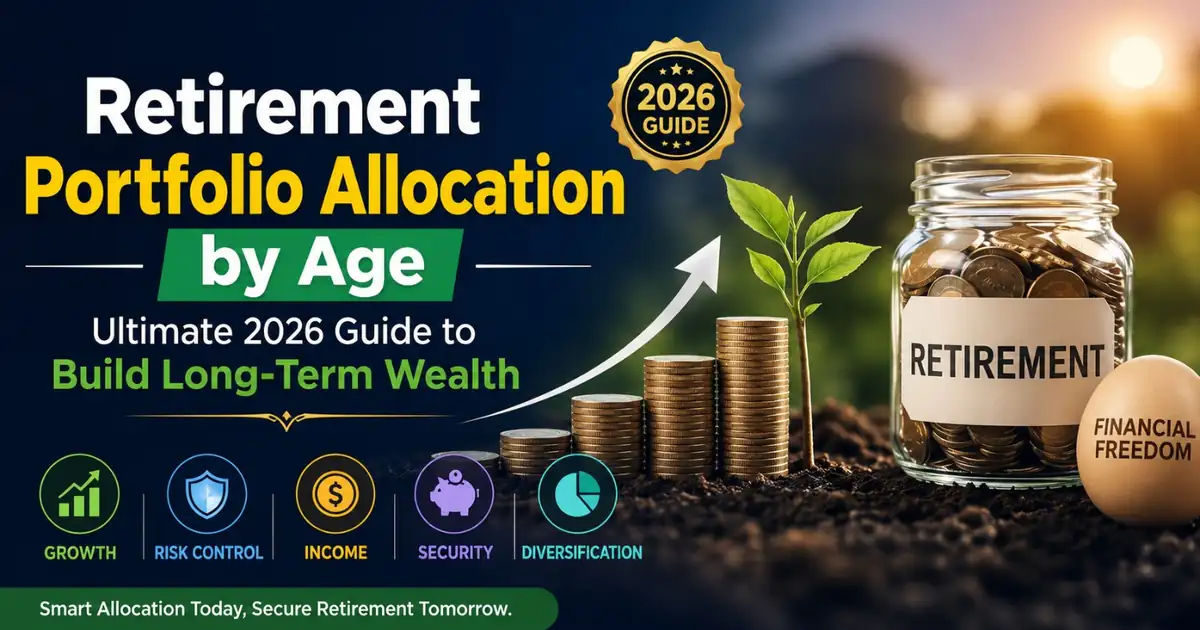
    Age-Based Retirement Portfolio planning is one of the smartest ways to build wealth while managing investment risk throughout retirement. Your ideal portfolio should change as you move through different stages of life because your financial goals, investment timeline, and ability to handle market volatility evolve over time. A portfolio designed for someone in their 30s is very different from one created for a retiree in their late 60s.

    Many investors focus on selecting individual stocks or mutual funds, but long-term success depends even more on maintaining the right balance between growth, income, and capital preservation. Adjusting your portfolio as you age helps reduce unnecessary risk while giving your investments enough opportunity to continue growing.

    Before creating your retirement portfolio, read our
    Complete Retirement Planning Guide.
    It explains retirement investing, tax planning, withdrawal strategies, Social Security planning, and long-term wealth preservation for American retirees.

    In this guide, you’ll learn how to build an Age-Based Retirement Portfolio, discover recommended asset allocations for different age groups, avoid common investing mistakes, and create a retirement investment strategy designed to provide financial confidence throughout 2026 and beyond.

    Why Your Retirement Portfolio Should Change With Age

    A successful Age-Based Retirement Portfolio is not something you build once and forget. Your investment strategy should evolve as your career, income, retirement timeline, and financial goals change. Younger investors generally have more time to recover from market declines, while retirees often focus on protecting wealth and generating reliable income.

    Many investors make the mistake of using the same portfolio allocation for decades. As retirement approaches, gradually adjusting your investments can help reduce risk without giving up long-term growth potential. The goal is to maintain a balance between capital appreciation, income generation, and financial stability.

    Risk Tolerance Changes Over Time

    Investors in their 20s and 30s usually have a longer investment horizon, making it easier to tolerate short-term market volatility. Because they have many years before retirement, they often allocate a larger portion of their portfolio to stocks for long-term growth. As retirement gets closer, increasing exposure to bonds, cash, and income-producing investments helps reduce portfolio fluctuations.

    Main Asset Classes in a Retirement Portfolio

    Asset ClassPrimary Purpose
    StocksLong-term growth and wealth creation
    BondsPortfolio stability and regular income
    Cash & Money Market FundsLiquidity and emergency spending needs
    Dividend InvestmentsConsistent retirement income with growth potential
    REITsDiversification and real estate income exposure

    A diversified Age-Based Retirement Portfolio spreads investments across different asset classes instead of depending on one type of investment. This approach helps reduce overall risk while supporting steady long-term returns.

    Reviewing your portfolio every year allows you to adjust allocations as your financial situation changes. Regular rebalancing helps maintain your target investment mix and keeps your retirement strategy aligned with your long-term goals throughout 2026 and beyond.

    Best Age-Based Retirement Portfolio Allocation for Every Stage of Life

    A well-designed Age-Based Retirement Portfolio changes as you move through different stages of life. Investors with decades before retirement can generally take more investment risk, while those approaching retirement often benefit from a greater emphasis on income and capital preservation. The goal is to balance growth with stability so your portfolio continues supporting your financial needs throughout retirement.

    Recommended Portfolio Allocation by Age

    Age GroupStocksBondsCash & Other Assets
    20–3980–90%10–15%0–10%
    40–4970–80%15–25%5–10%
    50–5960–70%25–35%5–10%
    60+45–60%30–45%10–15%

    Generate Retirement Income Through Dividend Investing

    As retirement approaches, many investors increase their allocation to dividend-paying stocks and dividend-focused ETFs. These investments can provide regular income while still offering long-term growth potential, helping reduce the need to sell assets during market downturns.

    Learn how to build a reliable income portfolio by reading our

    How to Build a Dividend Portfolio
    .

    You can also explore our

    Top Dividend Stocks USA 2026

    guide for quality dividend investments that may strengthen long-term retirement income.

    Review and Rebalance Every Year

    An Age-Based Retirement Portfolio should be reviewed at least once each year. Market performance can change your asset allocation over time, making your portfolio either more aggressive or more conservative than originally planned. Annual rebalancing helps maintain your target allocation, manage investment risk, and keep your retirement plan aligned with your long-term financial goals throughout 2026 and beyond.

    How to Build a Diversified Age-Based Retirement Portfolio

    A successful Age-Based Retirement Portfolio is built on diversification rather than chasing the highest-performing investment. Spreading your money across different asset classes helps reduce overall portfolio risk while creating opportunities for long-term growth and dependable retirement income. As you age, diversification becomes even more important because protecting accumulated wealth is just as valuable as growing it.

    1. Build Your Portfolio Around Index Funds and ETFs

    Low-cost index funds and exchange-traded funds (ETFs) provide exposure to hundreds of companies through a single investment. They reduce company-specific risk, keep investment costs low, and have historically supported long-term wealth creation for retirement investors.

    2. Add Dividend Stocks for Consistent Income

    Dividend-paying companies can generate regular cash flow while still providing long-term growth potential. Many retirees use dividend income to cover everyday expenses without selling investments during periods of market volatility.

    3. Increase Bond Allocation as Retirement Nears

    As your retirement date approaches, gradually increasing bond exposure can reduce portfolio volatility and provide more predictable income. High-quality government and investment-grade corporate bonds often help stabilize retirement portfolios during uncertain markets.

    4. Maintain Cash for Financial Flexibility

    Keeping one to two years of living expenses in cash or money market funds allows retirees to avoid selling long-term investments during market declines. This strategy provides flexibility while supporting a disciplined investment plan.

    For a complete retirement investing roadmap, read our

    Complete Retirement Planning Guide
    .
    It covers retirement investing, withdrawal strategies, tax planning, Social Security, and long-term wealth preservation for American retirees.For official retirement account rules, visit
    Official IRS Retirement Planning Resources.

    Technology is also changing portfolio management. Learn how artificial intelligence helps investors analyze diversification, monitor investment risk, and improve long-term planning in our

    AI Investing Guide 2026
    .

    Reviewing your Age-Based Retirement Portfolio every year and making gradual adjustments as your financial goals change can improve long-term returns, reduce unnecessary investment risk, and provide greater financial confidence throughout retirement in 2026 and beyond.

    Real-Life Example: Building an Age-Based Retirement Portfolio

    An Age-Based Retirement Portfolio becomes much easier to understand when you apply it to a real retirement plan. The right portfolio is not about finding the perfect investment. Instead, it focuses on balancing growth, income, and stability according to your age and retirement goals.


    Case Study

    David is a 59-year-old investor planning to retire within the next six years. His retirement savings total approximately $900,000, spread across a 401(k), Roth IRA, taxable brokerage account, and dividend investments. For years, nearly 85% of his portfolio remained invested in growth stocks, exposing him to significant market volatility.

    After reviewing his retirement goals, David adopted an Age-Based Retirement Portfolio. He adjusted his investments to approximately 65% stocks, 25% bonds, and 10% cash and dividend-focused investments. This allocation reduced portfolio risk while continuing to support long-term growth and dependable retirement income.

    When the stock market experienced a temporary decline, David covered his living expenses using dividend income and cash reserves instead of selling investments at lower prices. His diversified portfolio recovered more steadily while helping preserve his retirement savings.You can learn more about diversified investing at the
    SEC Investor Education Center.

    Simple Portfolio Allocation Calculator

    Use this formula to estimate your current asset allocation:

    Asset Allocation (%) = (Value of One Asset Class ÷ Total Portfolio Value) × 100

    Review these percentages at least once each year to ensure your portfolio remains aligned with your retirement timeline and investment objectives.

    Strengthen Retirement Income

    Dividend investing can reduce dependence on portfolio withdrawals while generating consistent cash flow. Learn how to create a long-term income portfolio in our

    How to Build a Dividend Portfolio
    .

    You can also explore our

    Top Dividend Stocks USA 2026

    guide for dividend-paying companies that may strengthen your retirement investment strategy.

    This example shows that a carefully managed Age-Based Retirement Portfolio can reduce investment risk, improve long-term returns, and provide greater financial confidence throughout retirement in 2026 and beyond.

    Common Portfolio Allocation Mistakes and Future Investment Trends

    Managing an Age-Based Retirement Portfolio requires regular attention throughout retirement. Even experienced investors make mistakes that reduce long-term returns or expose their retirement savings to unnecessary risk. Understanding these common errors and following modern investing trends can help you build a stronger retirement portfolio for 2026 and beyond.

    1. Keeping the Same Portfolio for Decades

    One of the biggest mistakes is never adjusting your asset allocation as you get older. A portfolio that worked well in your 30s may carry too much risk during retirement. Gradually increasing investments in bonds, cash, and income-producing assets can improve portfolio stability while still allowing your investments to grow.

    2. Ignoring Annual Rebalancing

    Strong stock market performance can change your investment allocation over time. If stocks grow much faster than bonds, your portfolio may become riskier than intended. Reviewing and rebalancing your investments at least once a year helps maintain your target allocation and supports long-term financial discipline.

    3. Holding Too Much Cash

    Cash provides stability, but holding excessive cash for many years can reduce purchasing power because of inflation. A balanced mix of growth investments, dividend-paying assets, bonds, and cash usually provides better long-term retirement results.

    Future Trends in Retirement Investing

    Artificial intelligence and digital portfolio management tools are helping investors monitor diversification, estimate retirement income, and identify opportunities to improve long-term investment performance. These technologies make retirement planning more personalized than ever before.

    Learn how technology is transforming investing in our

    AI Investing Guide 2026
    .

    Building retirement wealth begins long before retirement. Our

    SIP Investing Guide 2026

    explains how consistent investing can strengthen long-term financial security.

    To prepare your investments for uncertain markets, explore our

    Recession-Proof Investing 2026
    .
    You can also review our

    Best Credit Cards 2026

    guide to improve everyday financial management and strengthen your overall retirement plan.

    Reviewing your Age-Based Retirement Portfolio every year, adjusting allocations as your retirement timeline changes, and maintaining proper diversification can help reduce investment risk, improve long-term returns, and provide greater financial confidence throughout retirement.

    Frequently Asked Questions (FAQ)

    1. What is an Age-Based Retirement Portfolio?

    An Age-Based Retirement Portfolio adjusts your investment mix as you get older. Younger investors generally focus more on growth, while retirees gradually increase investments in bonds, cash, and income-producing assets to reduce risk.

    2. How often should I rebalance my retirement portfolio?

    Most financial professionals recommend reviewing and rebalancing your retirement portfolio at least once a year or whenever your investment allocation changes significantly because of market performance.

    3. Are dividend stocks good for retirement?

    Yes. Dividend-paying stocks can provide consistent income while still offering long-term growth potential. They are commonly used to supplement retirement income and reduce the need to sell investments during market downturns.

    4. Should my portfolio become more conservative as I age?

    In many cases, yes. As retirement approaches, increasing exposure to bonds, cash, and other lower-volatility investments may help preserve capital while maintaining a stable income stream.

    5. Can AI help manage a retirement portfolio?

    Modern AI-powered investment tools can analyze diversification, monitor investment risk, and suggest portfolio adjustments. They are useful planning tools but should complement—not replace—your own financial decisions or professional advice.Explore additional retirement investing tools from
    Vanguard Retirement Investing Resources.


    Conclusion

    Building an Age-Based Retirement Portfolio is one of the most effective ways to balance growth, income, and risk throughout every stage of retirement. Adjusting your portfolio as your financial goals change can help protect your savings while giving your investments the opportunity to continue growing over the long term.

    Rather than chasing short-term market performance, focus on maintaining proper diversification, reviewing your portfolio annually, and making gradual adjustments that match your retirement timeline and risk tolerance. Consistent investing and disciplined portfolio management often produce stronger long-term results than frequent trading.

    For a complete retirement investing roadmap, explore our

    Complete Retirement Planning Guide
    .
    It covers retirement investing, tax planning, withdrawal strategies, Social Security planning, and wealth preservation to help American retirees build lasting financial security.

    With a disciplined investment approach and regular portfolio reviews, your Age-Based Retirement Portfolio can help you navigate market changes, reduce unnecessary risk, and enjoy greater financial confidence throughout retirement in 2026 and beyond.

    📩 Get Free Retirement Investing Tips

    Join our free newsletter for weekly retirement planning guides, portfolio allocation strategies, investing insights, and practical personal finance tips designed for American investors and retirees.


    Subscribe Free

    Weekly Updates • No Spam • Unsubscribe Anytime


    About the Author

    Subhash Rukade is the founder of FinanceInvestment.site. He publishes practical, research-based guides on retirement planning, investing, dividend income, tax strategies, and personal finance, helping American investors make confident financial decisions with clear and easy-to-understand advice.

  • Retirement Withdrawal Tax Strategy: Ultimate 2026 Guide to Reduce Retirement Taxes

    Retirement Withdrawal Tax Strategy: Ultimate 2026 Guide to Reduce Retirement Taxes


    Retirement Withdrawal Tax Strategy: Ultimate 2026 Guide to Reduce Retirement Taxes

    Published: June 27, 2026 |
    Author: Subhash Rukade

    Retirement Withdrawal Tax Strategy

    Retirement Withdrawal Tax Strategy can make a significant difference in how much retirement income you keep after taxes. Many Americans spend decades building wealth through 401(k) plans, IRAs, pensions, and investment accounts, but the order in which they withdraw that money is just as important as how they invested it. A smart withdrawal plan can lower lifetime taxes, protect retirement savings, and provide more predictable income throughout retirement.

    Every retirement account follows different tax rules. Traditional IRAs and 401(k)s generally create taxable income when withdrawals begin, while qualified Roth IRA withdrawals are usually tax-free. Coordinating these accounts carefully helps retirees avoid higher tax brackets, reduce unnecessary Medicare costs, and preserve more of their retirement savings.

    Before creating your withdrawal plan, read our
    Complete Retirement Planning Guide.
    It explains retirement investing, tax planning, Social Security strategies, retirement withdrawals, and long-term wealth preservation for American retirees.

    In this guide, you’ll learn practical Retirement Withdrawal Tax Strategy techniques, understand how different retirement accounts are taxed, discover ways to reduce lifetime taxes, and build a withdrawal plan that helps your retirement income last throughout 2026 and beyond.

    Understanding How Retirement Withdrawal Tax Strategy Works

    A successful Retirement Withdrawal Tax Strategy begins with understanding how different retirement accounts are taxed. Many retirees focus on growing their savings during their working years, but the way you withdraw money after retirement can have an even bigger impact on your long-term financial security. Taking withdrawals in the wrong order may increase taxes, while a well-planned strategy can help preserve more of your retirement income.

    Most American retirees receive income from several sources, including Traditional IRAs, Roth IRAs, 401(k) plans, pensions, taxable brokerage accounts, dividend investments, and Social Security benefits. Since each account follows different tax rules, knowing how they work together is essential for reducing taxes.

    How Major Retirement Accounts Are Taxed

    Retirement AccountTax Treatment
    Traditional IRAWithdrawals are generally taxed as ordinary income.
    401(k)Most withdrawals are taxable during retirement.
    Roth IRAQualified withdrawals are generally tax-free.
    Taxable Brokerage AccountCapital gains and qualified dividends may receive favorable tax treatment.
    Social Security BenefitsA portion may become taxable depending on your combined retirement income.

    Why Withdrawal Order Is Important

    Many retirees withdraw money only from their Traditional IRA or 401(k). While this seems simple, it can increase taxable income, move you into a higher tax bracket, and increase the taxable portion of your Social Security benefits. A balanced withdrawal strategy gives you greater flexibility and better control over annual taxes.

    Understanding Retirement Withdrawal Tax Strategy before retirement helps you create a more tax-efficient income plan, preserve investment growth, and make your retirement savings last longer throughout 2026 and beyond.

    Best Retirement Withdrawal Tax Strategy to Reduce Taxes in 2026

    A well-planned Retirement Withdrawal Tax Strategy helps retirees lower lifetime taxes instead of focusing only on this year’s tax bill. The goal is to withdraw money from different retirement accounts in a way that keeps taxable income under control while preserving long-term investment growth. Even small changes in your withdrawal order can save thousands of dollars over the course of retirement.

    Compare Common Withdrawal Strategies

    Withdrawal StrategyPotential Benefit
    Taxable Brokerage Account FirstAllows retirement accounts to continue growing while helping manage taxable income.
    Traditional IRA / 401(k)Withdraw enough each year to remain within your target tax bracket.
    Roth IRA LastPreserves tax-free income for later retirement years and future flexibility.

    Use Tax Diversification

    Keeping retirement savings across taxable, tax-deferred, and tax-free accounts provides greater flexibility. During years when your taxable income is already high, Roth IRA withdrawals may help reduce additional tax exposure. In lower-income years, withdrawing more from Traditional IRAs can sometimes be beneficial.

    Plan for Required Minimum Distributions (RMDs)

    Waiting until Required Minimum Distributions begin may increase future taxes. Gradual withdrawals or partial Roth conversions before RMDs start can reduce future taxable income and help smooth retirement cash flow.

    Building reliable dividend income can also reduce pressure on retirement account withdrawals. Learn how in our

    How to Build a Dividend Portfolio
    .

    You can also explore our

    Top Dividend Stocks USA 2026

    guide for dividend-paying companies that may complement your retirement income strategy.

    Following a disciplined Retirement Withdrawal Tax Strategy allows you to control taxable income, improve retirement cash flow, and preserve more of your hard-earned savings throughout 2026 and beyond.

    How to Plan Retirement Withdrawals for Lower Lifetime Taxes

    Creating a smart Retirement Withdrawal Tax Strategy is not just about deciding which account to use first. It also involves managing tax brackets, Medicare premiums, investment gains, and future Required Minimum Distributions (RMDs). Looking at your complete financial picture instead of one tax year helps you keep more of your retirement income over the long term.For official retirement tax information, visit
    Official IRS Retirement Tax Guidelines.

    1. Stay Within Your Target Tax Bracket

    Rather than taking large withdrawals in a single year, spread your retirement income over several years whenever possible. This strategy may help you remain in a lower federal tax bracket while reducing taxes on Social Security benefits and investment income.

    2. Watch Medicare IRMAA Limits

    Higher retirement income can increase Medicare Part B and Part D premiums through the Income-Related Monthly Adjustment Amount (IRMAA). Planning annual withdrawals carefully may help many retirees avoid unnecessary healthcare costs while maintaining steady retirement cash flow.

    3. Coordinate Capital Gains and Retirement Withdrawals

    Selling investments during retirement requires careful planning. Combining capital gains with large IRA or 401(k) withdrawals may increase your total taxable income. Coordinating investment sales and retirement withdrawals each year can improve overall tax efficiency.

    For a complete retirement income strategy, read our

    Complete Retirement Planning Guide
    .
    It explains retirement investing, tax planning, Social Security strategies, withdrawal planning, and long-term wealth preservation for American retirees.

    4. Use Technology to Improve Retirement Planning

    Modern financial planning software and artificial intelligence tools can estimate future tax brackets, compare withdrawal scenarios, and forecast retirement income over many years. These insights make it easier to adjust your strategy before expensive tax mistakes occur.

    Learn how technology is changing retirement investing in our

    AI Investing Guide 2026
    .

    Reviewing your Retirement Withdrawal Tax Strategy every year helps reduce lifetime taxes, improve retirement cash flow, and preserve more of your retirement savings. Small adjustments made today can create meaningful financial benefits throughout retirement in 2026 and beyond.

    Real-Life Example: Using a Retirement Withdrawal Tax Strategy to Save Thousands

    Understanding a Retirement Withdrawal Tax Strategy becomes much easier when you apply it to a real retirement situation. A carefully planned withdrawal strategy can reduce annual taxes, lower Medicare-related costs, and help retirement savings last much longer than random withdrawals from a single account.Learn more about investing at the
    SEC Investor Education Center.

    Case Study

    Susan, a 67-year-old retiree, receives income from a Traditional IRA, Roth IRA, Social Security benefits, and a taxable brokerage account. During her first year of retirement, she withdrew almost all of her living expenses from her Traditional IRA. Although this covered her expenses, it pushed her into a higher tax bracket and increased the taxable portion of her Social Security benefits.

    After working with a retirement income plan, Susan adopted a smarter Retirement Withdrawal Tax Strategy. She combined smaller Traditional IRA withdrawals with qualified Roth IRA withdrawals and dividend income from her investment portfolio. As a result, her taxable income declined, Medicare premium increases were avoided, and more of her retirement savings remained invested for future growth.

    Simple Retirement Withdrawal Calculator

    Use this basic formula to estimate your annual after-tax retirement income:

    After-Tax Retirement Income = Total Annual Withdrawals − Estimated Federal & State Taxes

    Review this calculation each year before making large withdrawals. Small adjustments can help keep your taxable income within your desired tax bracket.

    Build Additional Retirement Income

    Reliable dividend income may reduce the amount you need to withdraw from retirement accounts. Learn how to create a long-term income portfolio in our

    How to Build a Dividend Portfolio
    .

    You can also explore our

    Top Dividend Stocks USA 2026

    guide for dividend-paying companies that may strengthen your retirement income strategy.

    This example shows that a well-designed Retirement Withdrawal Tax Strategy is not about avoiding taxes completely. It is about making smarter withdrawal decisions that reduce lifetime taxes, improve cash flow, and preserve more retirement wealth throughout 2026 and beyond.

    Common Retirement Withdrawal Mistakes and Future Planning Trends

    A successful Retirement Withdrawal Tax Strategy requires regular planning throughout retirement. Many retirees unintentionally pay higher taxes because they withdraw money without considering tax brackets, Required Minimum Distributions (RMDs), Medicare premiums, or future retirement income needs. Avoiding these common mistakes can help preserve more of your retirement savings.

    1. Taking Large Withdrawals in One Year

    Large withdrawals from a Traditional IRA or 401(k) can push you into a higher federal tax bracket, increase the taxable portion of Social Security benefits, and raise Medicare Part B and Part D premiums. Spreading withdrawals over multiple years often results in lower lifetime taxes.

    2. Waiting Too Long to Plan for RMDs

    Many retirees ignore Required Minimum Distributions until they become mandatory. Planning withdrawals earlier or considering gradual Roth conversions may reduce future tax liabilities and create greater flexibility later in retirement.

    3. Ignoring Inflation and Market Risk

    A retirement income plan should continue to evolve. Inflation, changing investment returns, and healthcare costs may require adjustments to your withdrawal strategy each year. Reviewing your plan annually helps maintain long-term financial stability.

    Future Trends in Retirement Planning

    Artificial intelligence and advanced retirement planning software are making it easier to estimate future taxes, compare withdrawal scenarios, and forecast retirement income. These tools help retirees make more informed financial decisions while reducing costly tax mistakes.

    Learn how technology is transforming investing in our

    AI Investing Guide 2026
    .

    Building wealth before retirement remains equally important. Our

    SIP Investing Guide 2026

    explains how consistent investing can strengthen long-term retirement savings.

    To prepare for uncertain economic conditions, explore our

    Recession-Proof Investing 2026
    .
    You can also read our

    Best Credit Cards 2026

    guide for practical ways to manage everyday expenses and improve overall financial health.

    Reviewing your Retirement Withdrawal Tax Strategy every year, staying informed about tax law changes, and adjusting withdrawals as your financial situation evolves can help reduce lifetime taxes, improve retirement cash flow, and protect your savings throughout 2026 and beyond.

    Frequently Asked Questions (FAQ)

    1. What is the best Retirement Withdrawal Tax Strategy?

    The best Retirement Withdrawal Tax Strategy depends on your income sources, tax bracket, retirement goals, and account types. Many retirees benefit from combining withdrawals from taxable, tax-deferred, and tax-free accounts instead of relying on a single retirement account.

    2. Should I withdraw from my Traditional IRA or Roth IRA first?

    There is no universal answer. Many retirement plans use a combination of taxable accounts, Traditional IRAs, and Roth IRAs to manage annual taxes and preserve long-term wealth. The ideal withdrawal order depends on your personal financial situation.

    3. Can a Retirement Withdrawal Tax Strategy reduce Medicare premiums?

    Yes. Carefully managing annual taxable income may help some retirees avoid higher Medicare Part B and Part D premiums caused by Income-Related Monthly Adjustment Amount (IRMAA) rules.

    4. How often should I review my retirement withdrawal plan?

    Review your withdrawal strategy at least once every year or after significant financial changes. Annual reviews help adjust for tax law updates, Required Minimum Distributions (RMDs), investment performance, and retirement income needs.

    5. Why is tax diversification important during retirement?

    Holding money in taxable, tax-deferred, and tax-free accounts provides greater flexibility when planning retirement withdrawals. This approach can help lower lifetime taxes while creating a more stable retirement income.


    Conclusion

    A well-designed Retirement Withdrawal Tax Strategy helps retirees keep more of their hard-earned savings while creating a reliable income throughout retirement. The order of your withdrawals can influence federal taxes, state taxes, Medicare premiums, and the long-term growth of your investment portfolio.

    Instead of making withdrawals only when cash is needed, build a long-term plan that coordinates Traditional IRAs, Roth IRAs, 401(k)s, taxable investment accounts, dividend income, and Social Security benefits. Even small adjustments made over several years can significantly improve your financial security.

    For a complete retirement roadmap, explore our

    Complete Retirement Planning Guide
    .
    It covers retirement investing, withdrawal planning, tax strategies, Social Security, and long-term wealth preservation for American retirees.Explore additional retirement tools from
    Fidelity Retirement Planning Resources.

    Review your withdrawal plan every year, stay informed about changing tax rules, and adjust your strategy as your retirement goals evolve. A disciplined approach today can help reduce lifetime taxes and provide greater financial confidence throughout 2026 and beyond.

    📩 Get Free Retirement Planning Tips

    Join our free newsletter for weekly retirement planning guides, investing strategies, tax-saving ideas, and practical personal finance tips designed for American retirees and investors.


    Subscribe Free

    Weekly Updates • No Spam • Unsubscribe Anytime


    About the Author

    Subhash Rukade is the founder of FinanceInvestment.site, where he publishes practical, research-based guides on retirement planning, investing, dividend income, tax strategies, and personal finance. His goal is to help American investors make informed financial decisions with clear, easy-to-understand advice.