Digital Banks vs Credit Unions: Which Is Better in 2026?
Digital Banking or a Credit Union?
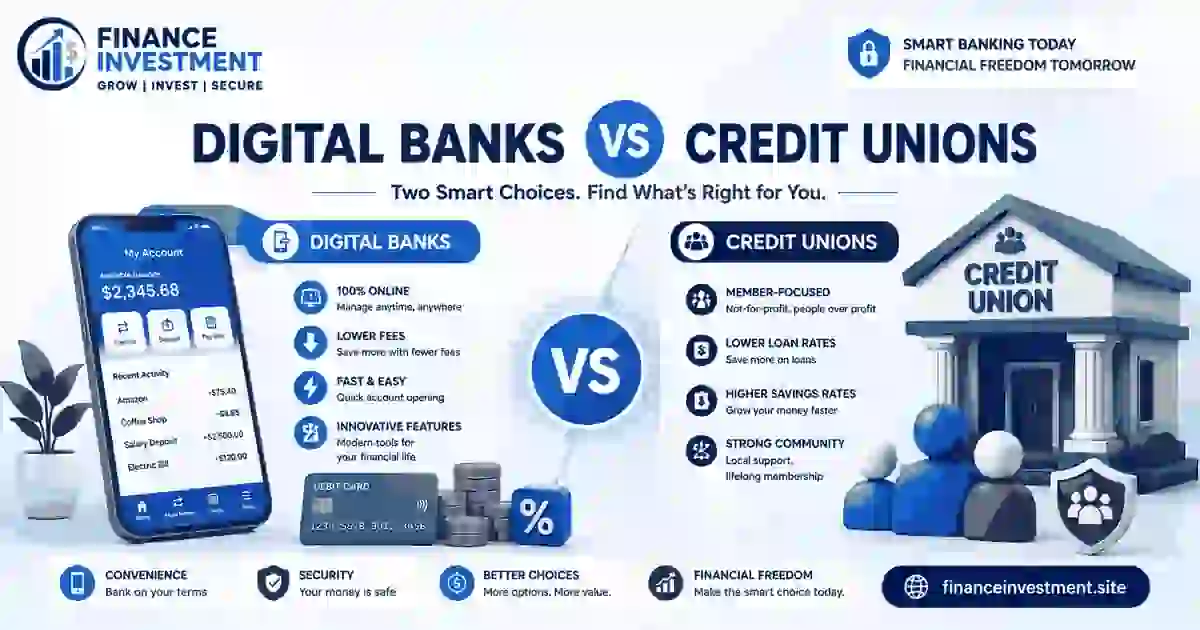 When Maya needed a new checking account, she had two very different options in front of her. One was a digital bank with a polished app and easy online access. The other was a local credit union where she could speak with someone in person. Digital Banks vs Credit Unions can look like a simple choice, but What matters is how each option fits the way you already bank.
A digital bank usually puts the app, website, and remote support at the center of the experience. A credit union is a member-owned financial institution that may offer branches, personal service, and digital tools. Credit unions typically require you to meet certain membership requirements before opening an account.
Fees, ATM availability, cash access, technology, and customer service can vary widely. Someone who rarely visits a branch may value a digital-first setup, while a person who deposits cash or prefers face-to-face help may lean toward a credit union.
For a broader look at checking choices, see our Checking Accounts USA 2026 guide.
What You’ll Learn
We’ll look at fees, account access, technology, security, member services, advantages, drawbacks, side-by-side differences, and common questions so you can see where each option fits.
Quick Answer & Key Takeaways
Quick Answer
Digital Banks vs Credit Unions is mainly a choice between a digital-first experience and a member-focused financial institution. A digital bank may appeal to people who want convenient app-based banking, while a credit union can be attractive for customers who value local service, membership benefits, and personal support.
Fees
Compare monthly charges, overdraft costs, and other account fees.
ATM Access
Look at available machines, networks, and possible surcharges.
Membership
Credit unions may require you to meet eligibility rules.
Technology
Digital banks often put their strongest tools inside the app.
Customer Service
Credit unions may offer local help, while digital banks rely more on remote support.
Best Fit
Your cash needs, travel habits, and preferred way of banking should guide the choice.
Bottom line: Don’t choose based on Look at the services you’ll actually use before deciding.
Table of Contents
Start with the quick snapshot below, then explore the details that matter most to you.
At a Glance
QUICK FACTS
Digital banks focus on remote banking, while credit unions serve members through a mix of digital tools and, in many cases, local branches.
BEST FOR
Digital Banks vs Credit Unions depends on whether you value app-based banking, local service, cash access, or member-focused support.
| Feature | Digital Bank | Credit Union |
|---|---|---|
| Fees | Often competitive | Varies |
| ATM access | Network dependent | Network or branch dependent |
| Membership | Usually no special membership | Eligibility may apply |
| Branch access | Usually limited | Often available |
| Mobile banking | Core service | Usually available |
| Cash deposits | May be limited | Often easier |
| Customer support | Remote service | Remote + possible local help |
| Security | Digital security controls | Digital + possible branch support |
This quick view sets up the details that follow. we’ll look at what opening and using each type of account actually involves.
Complete Beginner Guide
 The bigger difference appears once you begin using the account. Digital Banks vs Credit Unions starts with how you want to open and manage your account. A digital bank usually lets you complete the application online. You provide personal information, verify your identity, choose the account, and connect money from another bank or arrange direct deposit.
A credit union follows a similar account-opening process, but there’s an extra step: you generally need to qualify for membership. Eligibility can be based on factors such as where you live, work, attend school, or other requirements set by the credit union. Once you’re eligible, you can open and fund an account.
Both options can provide a debit card and direct deposit. The everyday experience is where things start to feel different. A digital bank may put transfers, card controls, mobile check deposits, alerts, and account reviews inside its app. A credit union may offer those tools while also giving you access to a branch.
ATM access deserves a closer look. Digital banks may rely on partner networks, while credit unions can have their own machines or participate in shared networks. Cash deposits can also work differently, so check the available methods before opening an account.
A Beginner Example
Carlos gets paid by direct deposit and handles most bills from his phone. He chooses a digital bank because he rarely needs cash. His neighbor, Renee, prefers a credit union because she likes visiting a local branch when she has questions. Neither account is difficult to manage; they simply fit different routines.
Before choosing, think about how you’ll deposit money, withdraw cash, contact support, and check your account. Our How Does a Checking Account Work? guide can help with the everyday basics.
Once the account is open, the next question is how money actually moves through each institution and its banking partners.
How It Works
With Digital Banks vs Credit Unions, the screen you use may look different, but many everyday transactions still pass through banks, payment networks, and other financial institutions. A debit card purchase, for example, goes through the card network before the account provider approves or declines it.
An ACH payment moves between financial institutions, while direct deposit sends money into your account through the ACH system. An ATM withdrawal adds another player: the ATM operator or network communicates with your account provider before cash is released.
App, ATM, or Branch
A digital bank customer might request a transfer from an app. A credit union member could make a similar request online or ask for help at a branch. The customer-facing step changes, while the underlying payment still has to reach the appropriate financial institution.
After the request arrives, the account provider checks details such as available funds and transaction information. An approved card purchase can appear quickly, while some ACH transactions take longer to settle. Weekends, holidays, cutoff times, and the type of payment can all affect timing.
A Monthly Example
Jordan receives a paycheck by direct deposit on the first Friday of the month. That evening, Jordan uses a debit card for dinner and later withdraws cash from an ATM. All three activities affect the same account, but each travels through a different processing path.
What you see on the screen is only one part of the transaction. Payment networks, ATM operators, and other institutions can play a role before the final amount appears in the account.
Benefits & Drawbacks
Choosing between Digital Banks vs Credit Unions The trade-offs become clearer when you match each option to real spending habits. Your preference for apps, branches, cash, and personal help can change the answer.
Pros
- Digital banks can offer convenient app-based money management.
- Some may have competitive account fees.
- Credit unions can provide local, personal service.
- Members may have access to shared ATM networks.
- Credit unions can be useful for people who prefer face-to-face help.
- Both can provide everyday checking and payment services.
Cons
- Digital banks may have little or no physical branch access.
- Credit unions can have membership requirements.
- ATM coverage differs between institutions.
- Some services depend heavily on technology.
- Fees and account terms vary from one provider to another.
- Local service may not be useful to someone who rarely visits branches.
A digital bank may suit someone who travels often and handles money from a phone. A credit union may feel more useful to someone who deposits cash, wants local assistance, or values a community-based institution.
A Different Example
Meghan works remotely and moves between cities several times a year. She likes checking her account from her phone and rarely needs cash. Her father, meanwhile, prefers visiting a nearby credit union when he has a banking question. Their choices are different because their routines are different.
The trade-offs become clearer when you match each option to real spending habits. The useful choice is the one that gives you the services you actually use without creating unnecessary hassle.
Comparison Table
If you’re comparing account types, our guide to Types of Checking Accounts Explained can provide useful background before you choose.
| Factor | Digital Bank | Credit Union | Traditional Bank | Hybrid Approach |
|---|---|---|---|---|
| Fees | Often competitive | Varies | Varies | Depends on accounts |
| Membership | Usually no special requirement | Eligibility may apply | Generally open to eligible customers | Depends on providers |
| Branch access | Usually limited | Often available | Widely available | At least one provider may offer it |
| ATM access | Network dependent | Network dependent | Usually broad | Can combine networks |
| Mobile banking | Core feature | Usually available | Usually available | Multiple apps possible |
| Cash deposits | May be limited | Often available | Usually convenient | Depends on provider |
| Customer service | Remote support | Remote + local options | Remote + branch | Varies |
| Technology | App-focused | Digital + physical | Digital + physical | Mixed |
| Security | Digital controls | Digital + member support | Digital + branch controls | Depends on providers |
| Convenience | Strong for digital users | Strong for local members | Broad access | Flexible |
| Best use | App-first banking | Personal member service | Branch + digital needs | Different needs in one setup |
| Main limitation | Limited physical service | Membership rules | Potential fees or branch dependence | Managing multiple accounts |
How to Read This Table
There is no need to find a winner in every row. Focus on the few services you use most. For example, someone who deposits cash may value branch access more than an especially polished mobile app.
Use the rows that matter most to your routine, then check those terms before opening an account. Fees, account rules, and service details deserve a closer look before you open an account.
Costs, Risks & Expert Tips
With Digital Banks vs Credit Unions, the advertised account features are only part of the picture. Check monthly maintenance fees, overdraft charges, ATM costs, minimum-balance rules, and any limits on cash deposits. Credit unions may also have membership requirements that affect eligibility.
Security matters just as much as the account’s price and features. Temporary app or service outages can also make access inconvenient when you need it.
Expert Tip
Before opening an account, check the fee schedule, ATM network, cash-deposit options, membership rules, minimum balance, and customer-service hours. Also confirm whether the institution is insured by the FDIC or, for eligible credit unions, the NCUA.
Warning
Never enter banking credentials through a link in an unexpected message. If a transaction looks unfamiliar, contact your financial institution using its official website or phone number.
Nora recently switched accounts after noticing repeated ATM charges. She checked the new institution’s fee schedule first and chose an account with a nearby cash-deposit option. That small check saved her from repeating the same problem.
Security matters just as much as the account’s price and features.
Common Mistakes + Real-Life Example
Choosing between Digital Banks vs Credit Unions can go wrong when the decision is based on a catchy feature instead of everyday needs. A low-fee account may not help much if you regularly deposit cash or need a nearby ATM.
Avoid These Mistakes
- Skipping fee details: Read the full fee schedule before opening the account.
- Ignoring ATM access: Check nearby machines and possible surcharges.
- Forgetting cash deposits: Confirm how and where cash can be added.
- Assuming features match: Compare the actual account terms, not just the institution type.
- Skipping eligibility: Verify credit union membership requirements first.
- Reusing passwords: Create a strong, unique banking password.
- Ignoring alerts: Turn on transaction and login notifications.
- Waiting on unfamiliar activity: Contact the institution promptly when something looks wrong.
A Real-Life Example
Tyler opened a credit union account after a friend recommended it. A few weeks later, he realized the nearest branch was far from his home and the ATM he normally used wasn’t part of the preferred network. He changed his routine by checking the available ATM options and keeping enough cash on hand for his occasional trips.
Tyler’s experience shows why the practical details matter more than a simple “digital” or “credit union” label. The right account should work where you live, shop, and manage your money.
Once those everyday requirements are clear, it becomes easier to decide which type of institution deserves a closer look.
Who Should Choose This?
Digital Banks vs Credit Unions is easier to judge when you start with your routine. People who handle nearly everything from a phone may prefer a digital bank. Frequent cash users, travelers who need reliable ATM access, and customers who enjoy face-to-face help may find a credit union more comfortable.
Students and younger customers may appreciate simple app-based banking, while families and retirees may value having someone available when a question cannot be solved online. Neither group has to stick to one style of banking forever.
Best Fit
- Digital bank: A good match for app-first users who rarely need branches.
- Credit union: Worth considering if local service and member-focused banking matter to you.
- Both: Useful when one account handles digital banking while another provides convenient local access.
A mixed setup can work well when your banking needs change from one situation to another. The FAQs below tackle the questions that often come up before making that decision.
Frequently Asked Questions
What is the difference between a digital bank and a credit union?
A digital bank mainly delivers banking through an app or website, while a credit union is a member-owned financial institution that may offer branches and personal service. The main differences involve access, membership, technology, fees, and how you prefer to get help.
Are digital banks cheaper than credit unions?
Not always. Some digital banks have low or no monthly fees, but individual credit unions can also offer competitive pricing. Compare the actual fee schedules, including overdrafts, ATM use, and other services.
Are credit unions safer than digital banks?
Neither is automatically safer. Security depends on the institution’s controls and your own account habits. Eligible credit unions generally have NCUA insurance, while FDIC-insured banks provide federal deposit insurance within applicable limits.
Do digital banks have ATMs?
Yes, many digital banks provide access through ATM networks. Before opening an account, check the network size, nearby machines, withdrawal limits, and whether the bank reimburses certain ATM fees.
Can I deposit cash with a digital bank?
Sometimes. Some digital banks support cash deposits through participating retailers or other networks, while others offer limited options. Check the bank’s current deposit methods and any related fees before relying on them.
Do credit unions have mobile banking?
Yes. Many credit unions offer mobile apps for checking balances, moving money, managing cards, depositing checks, and paying bills. Features vary, so compare the app before joining.
Can I belong to a credit union and use a digital bank?
Yes. You can use both if you meet the credit union’s membership requirements. This can give you access to local services through one institution and app-based banking through another.
Which is better for students and beginners?
Digital Banks vs Credit Unions depends on the student’s routine. An app-focused account may suit someone who handles everything online, while a credit union can be helpful for someone who wants local guidance.
Which option is better for frequent travelers?
The better choice depends on ATM coverage, mobile access, fees, and customer support while you’re away. Travelers should check ATM networks and fee policies before choosing an account.
There is no universal answer. Your daily banking habits, access needs, and preferred support style matter more than the label on the account.
Final Verdict
Digital Banks vs Credit Unions comes down to the way you handle money every week. A digital bank can make more sense if you prefer mobile banking, rarely visit a branch, and want simple account management from your phone. A credit union may be more practical if you value personal service, local branches, cash deposits, or member-focused support.
Before deciding, compare fees, ATM access, membership requirements, branch locations, cash-deposit options, customer service, and security features. Your travel habits matter too. Someone who moves around often may care more about convenient ATM access than someone who banks close to home.
A Practical Choice
You don’t have to force every banking need into one account. Some people keep a credit union account for local access and use a digital account for everyday online banking. Others are perfectly comfortable choosing just one.
For a wider look at checking-account choices, visit our Checking Accounts USA 2026 guide.
The goal isn’t to pick the most impressive account on paper. Pick the setup that works naturally with where you keep, spend, deposit, and access your money. The resources below can help you dig into those everyday banking details.
Ready to Take Control of Your Checking Setup?
Banking doesn’t have to feel complicated. Keep the account that fits how you actually spend, save, deposit cash, and get help when you need it.
Want more practical banking guides? Join the newsletter for new articles. If you’ve used a digital bank or credit union, share your experience in the comments. Your perspective may help another reader make a smarter choice.
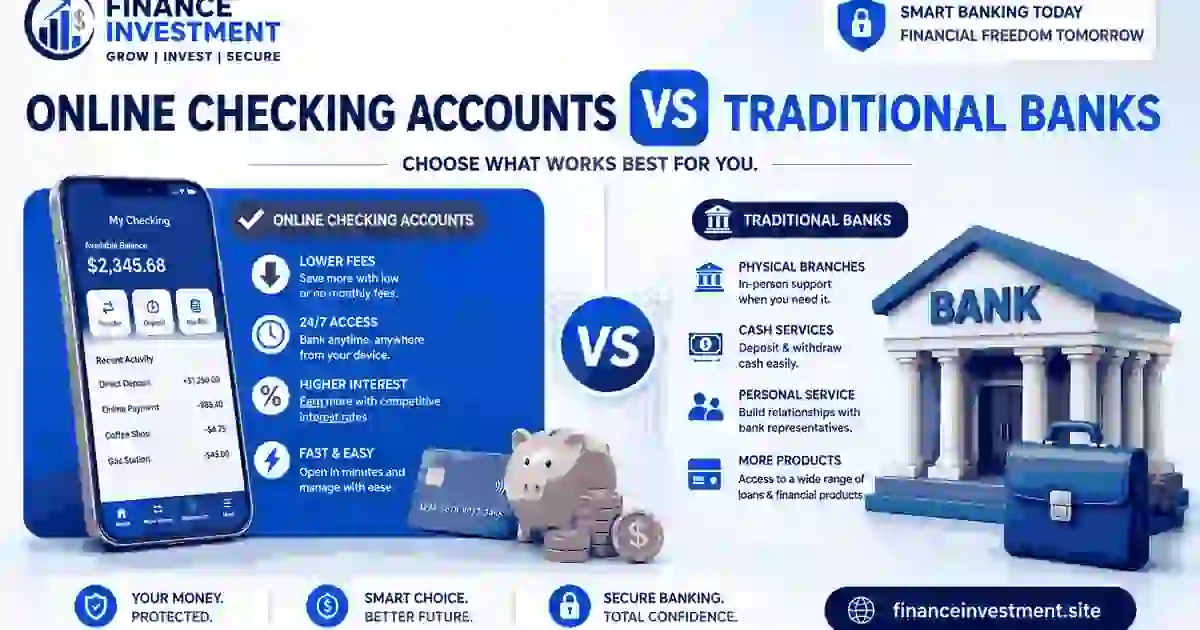
 Opening a checking account is fairly straightforward, whether you choose an online bank or a traditional bank. With Online Checking Accounts vs Traditional Banks, the biggest difference usually appears in how you open the account and how you get help afterward.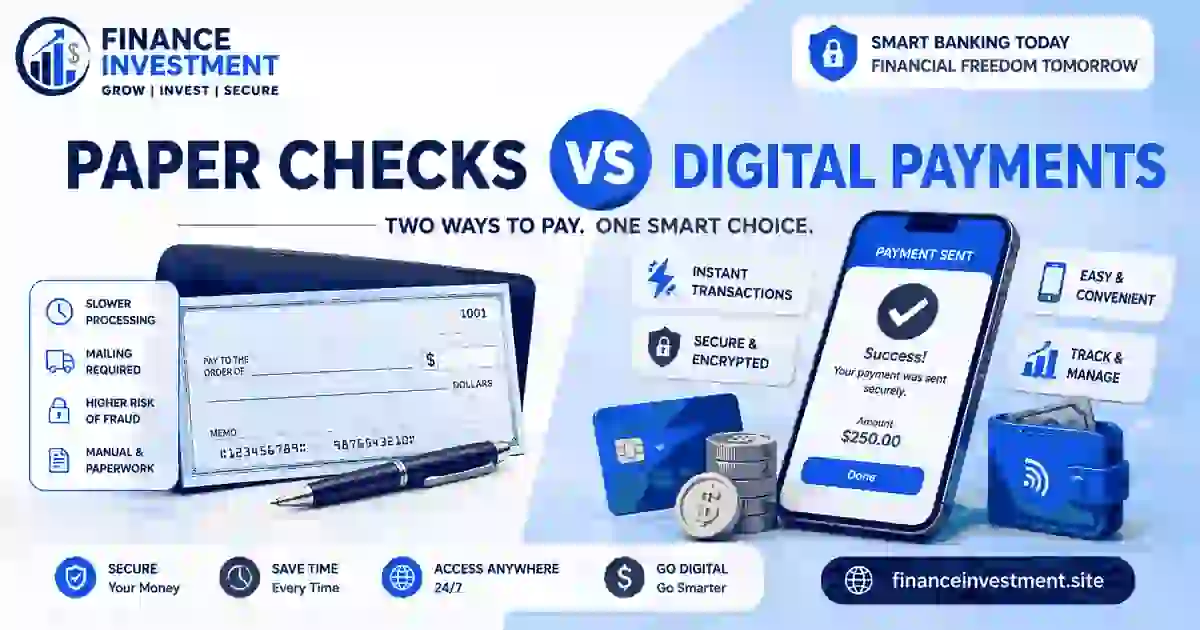
 If you have never handled a check or set up an electronic payment, the process can seem more complicated than it really is. Paper Checks vs Digital Payments starts with one basic question: how will the money move from your checking account to the person or company receiving it?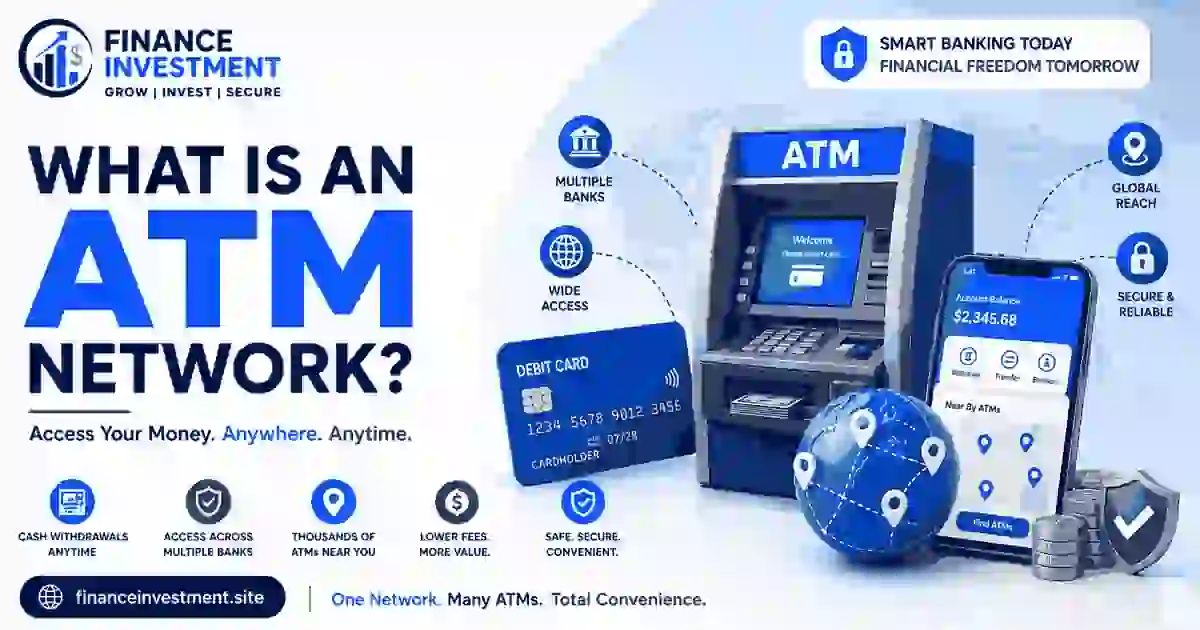
 Using an ATM looks simple, but several steps happen between inserting your card and receiving cash. The easiest way to understand What Is an ATM Network is to follow one normal withdrawal from start to finish.
 Start by finding out what your bank actually offers. Open the overdraft section in your account information or contact the bank and look for the options available to your specific checking account. Don’t assume that a service offered by one bank works the same way at another.
 Starting college is exciting, but it also comes with new financial responsibilities. Paying for textbooks, grabbing meals between classes, splitting rent with roommates, or receiving a part-time paycheck all become part of everyday life. That’s where a Student Checking Accounts Guide can make a real difference. Instead of guessing which bank account to open, you’ll understand what each feature does and why it matters for your daily routine.