Tag: S&P 500 Investing

  • S&P 500 Monthly Investing Strategy: Complete 2026 Guide for American Investors
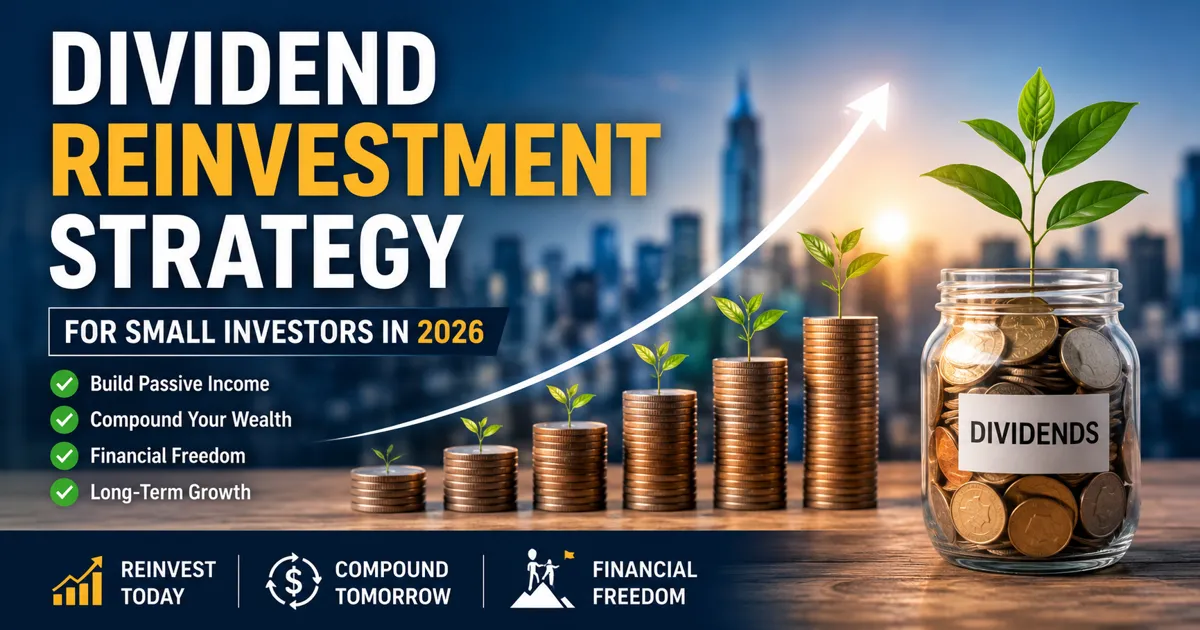
    S&P 500 Monthly Investing Strategy: Complete 2026 Guide for American Investors

    S&P 500 Monthly Investing Strategy: Complete 2026 Guide for American Investors

    s&p 500 monthly investing strategy


    By Subhash Rukade | Updated June 7, 2026

    Why the S&P 500 Monthly Investing Strategy Remains Popular in 2026

    The S&P 500 monthly investing strategy continues to be one of the most trusted wealth-building approaches for American investors in 2026.

    Whether someone is just starting their investing journey or planning for retirement, the S&P 500 remains a popular choice because it provides exposure to many of America’s largest and most successful companies.

    Instead of trying to pick individual stocks, investors can gain access to a diversified collection of businesses through a single investment.

    The S&P 500 tracks 500 large U.S. companies across sectors such as technology, healthcare, finance, consumer goods, energy, and communication services.

    Companies included in the index are often industry leaders with strong financial histories and global operations.

    This diversification helps reduce risk while providing exposure to long-term economic growth.

    One reason the S&P 500 monthly investing strategy has become so popular is its simplicity.

    Investors contribute a fixed amount each month regardless of market conditions.

    This disciplined approach helps eliminate emotional investing decisions and supports long-term wealth creation.

    Rather than worrying about daily market movements, investors focus on consistency.

    Over time, regular contributions can benefit from dollar-cost averaging and compounding.

    These two powerful concepts have helped investors build wealth across multiple market cycles.

    If you’re new to monthly investing, begin with our complete pillar guide:


    SIP Investing Guide 2026: How Monthly Investing Builds Long-Term Wealth

    Building strong financial habits can also improve investing success. Investors should review:


    Best Credit Cards 2026: Rewards, Cashback & Smart Usage Guide

    In this guide, you’ll learn how the S&P 500 monthly investing strategy works, why it has created wealth for generations of investors, common mistakes to avoid, and practical strategies that can help Americans achieve their financial goals in 2026 and beyond.

    How the S&P 500 Monthly Investing Strategy Works

    The S&P 500 monthly investing strategy is built on a simple idea: invest a fixed amount of money into an S&P 500 fund every month and stay consistent over time.

    This approach removes much of the stress associated with trying to predict market movements.

    Instead of worrying about whether the market will rise or fall next week, investors focus on steadily building their portfolios month after month.

    Many successful investors follow this strategy because consistency often matters more than perfect timing.

    Monthly Investing Creates Discipline

    One of the biggest advantages of monthly investing is discipline.

    Investors commit to contributing a specific amount on a regular schedule.

    This creates a habit of investing regardless of market conditions.

    Over time, these regular contributions can accumulate into a significant portfolio.

    The S&P 500 monthly investing strategy works especially well for people who receive regular paychecks and want to automate wealth building.

    Dollar-Cost Averaging Helps Reduce Timing Risk

    Dollar-cost averaging is one of the most important benefits of monthly investing.

    When prices decline, monthly contributions purchase more shares.

    When prices rise, contributions purchase fewer shares.

    Over time, this process helps smooth out market volatility and reduces the risk of investing a large amount at the wrong time.

    For beginners, this can make investing feel less stressful and easier to maintain.

    Consistency Often Beats Market Timing

    Many investors attempt to predict market highs and lows.

    Unfortunately, consistently timing the market is extremely difficult.

    Even experienced investors rarely get it right all the time.

    A disciplined S&P 500 monthly investing strategy helps investors stay focused on long-term goals instead of reacting to short-term headlines.

    This mindset often leads to better investing behavior and stronger long-term results.

    Monthly Investing vs Lump Sum Investing

    FeatureMonthly InvestingLump Sum Investing
    Investment TimingRegular ContributionsOne-Time Investment
    Dollar-Cost AveragingYesNo
    Emotional PressureLowerHigher
    Market Timing RiskReducedHigher
    Suitable for BeginnersExcellentModerate
    Investment DisciplineStrongDepends on Investor

    The greatest strength of the S&P 500 monthly investing strategy is that it encourages investors to remain consistent through market ups and downs. By focusing on regular investing rather than short-term predictions, investors can position themselves for long-term wealth creation while reducing emotional decision-making.

    Why the S&P 500 Has Built Wealth for Investors for Decades

    One reason the S&P 500 monthly investing strategy remains popular is its long history of helping investors build wealth over time.

    While no investment guarantees future results, the S&P 500 has consistently represented many of the strongest and most influential companies in the United States.

    As these businesses grow, innovate, and generate profits, investors benefit from the overall growth of the American economy.

    This long-term connection between business growth and investor returns is one of the biggest reasons many financial experts recommend S&P 500 investing for retirement and wealth-building goals.

    Diversification Reduces Individual Company Risk

    Investing in a single stock can be risky.

    A company may face competition, economic challenges, leadership changes, or industry disruptions.

    The S&P 500 helps reduce this risk by spreading investments across 500 large companies from multiple industries.

    Technology, healthcare, finance, consumer goods, industrial companies, and energy businesses are all represented.

    This diversification makes the S&P 500 monthly investing strategy attractive for investors seeking broad market exposure without selecting individual stocks.

    Compounding Can Transform Small Investments

    Compounding is one of the most powerful wealth-building forces available to investors.

    When investments generate returns, those returns can begin generating additional returns over time.

    The longer an investor remains invested, the greater the potential impact of compounding.

    For example, someone investing monthly for twenty or thirty years may find that a significant portion of portfolio growth comes from compounded gains rather than contributions alone.

    This is why starting early often provides a major advantage.

    Staying Invested Through Market Volatility Matters

    Every market experiences periods of uncertainty.

    There have been recessions, bear markets, inflation concerns, and economic slowdowns throughout history.

    Despite these challenges, markets have repeatedly recovered and continued growing over longer periods.

    Investors who remain disciplined during difficult periods often benefit from eventual recoveries.

    The S&P 500 monthly investing strategy encourages this discipline by focusing on regular contributions rather than short-term market predictions.

    Investors interested in creating passive income alongside long-term growth should also read:


    How to Build a Dividend Portfolio

    Long-Term Investing vs Short-Term Trading

    ApproachMain FocusPotential Benefit
    S&P 500 Monthly InvestingConsistencyLong-Term Wealth Building
    Dollar-Cost AveragingRegular ContributionsReduced Timing Risk
    Long-Term HoldingCompounding GrowthHigher Wealth Potential
    Short-Term TradingFrequent Buying & SellingHigher Risk
    Emotional InvestingMarket ReactionsInconsistent Results

    A Recommended Investing Book

    One of the most respected books for long-term investors is:


    The Psychology of Money by Morgan Housel

    The book highlights why patience, consistency, and good financial habits often matter more than trying to predict short-term market movements.

    The biggest lesson from this section is simple:
    the S&P 500 monthly investing strategy has helped investors build wealth for decades because it combines diversification, compounding, and long-term discipline. Investors who stay invested and continue contributing regularly often place themselves in a stronger position to achieve their financial goals.

    Best Ways to Start a S&P 500 Investing Plan in 2026

    A successful S&P 500 monthly investing strategy starts with choosing the right investment account and creating a plan you can follow consistently.

    Many beginners delay investing because they believe the process is complicated.

    In reality, starting a monthly S&P 500 investing plan is easier than ever thanks to modern brokerage platforms and retirement accounts.

    The key is selecting an approach that matches your financial goals and risk tolerance.

    Use a Brokerage Account for Flexibility

    A standard brokerage account gives investors flexibility to buy and sell investments whenever they choose.

    These accounts have no contribution limits and can be useful for investors building wealth outside retirement plans.

    Many brokerage platforms now allow automatic monthly investments into S&P 500 funds, making it easy to maintain consistency.


    s&p 500 monthly investing strategy portfolio

    Consider Retirement Accounts

    Many investors use retirement accounts such as Traditional IRAs and Roth IRAs to invest in S&P 500 funds.

    These accounts may provide tax advantages that support long-term wealth building.

    Because retirement investing often spans decades, the benefits of compounding can become especially powerful over time.

    Investors should review current IRS contribution limits and eligibility requirements before selecting an account type.

    S&P 500 ETFs vs S&P 500 Index Funds

    Most investors choose either an S&P 500 ETF or an S&P 500 index fund.

    Both options provide exposure to the same underlying index, but they operate slightly differently.

    ETFs trade throughout the day like stocks, while traditional index funds are typically priced once per day after the market closes.

    For long-term investors following a monthly investing strategy, either option can be effective.

    The most important factor is maintaining consistent contributions.

    Investors looking to combine growth with dividend income should also review:


    Top Dividend Stocks USA 2026

    Investment Account Options Compared

    OptionMain BenefitBest For
    Brokerage AccountMaximum FlexibilityGeneral Investing
    Traditional IRAPotential Tax BenefitsRetirement Planning
    Roth IRATax-Free Qualified WithdrawalsLong-Term Retirement Goals
    S&P 500 ETFIntraday TradingFlexible Investors
    S&P 500 Index FundSimple Automatic InvestingMonthly SIP Investors

    A Recommended Wealth-Building Book

    One of the most popular books among long-term investors is:


    The Simple Path to Wealth by JL Collins

    The book explains how low-cost investing, index funds, and disciplined investing habits can help investors achieve financial independence.

    The biggest lesson from this section is simple:
    the S&P 500 monthly investing strategy becomes much easier when investors choose the right account, automate contributions, and stay committed to long-term goals. Consistency remains one of the most important drivers of investment success.

    Real Investor Example and Common S&P 500 Investing Mistakes

    Understanding the S&P 500 monthly investing strategy is important, but successful investing depends just as much on investor behavior as it does on investment selection.

    Many people start investing with excitement.

    However, market volatility, emotional reactions, and unrealistic expectations often lead investors to make costly mistakes.

    Learning from real-world examples can help investors stay focused and avoid common pitfalls.

    A Real-World S&P 500 Investing Example

    Imagine a 28-year-old investor who decides to invest $500 every month into an S&P 500 index fund.

    The investor sets up automatic contributions and continues investing regardless of market conditions.

    Some years the market performs exceptionally well.

    Other years include corrections, recessions, and periods of uncertainty.

    Instead of stopping investments during downturns, the investor continues contributing every month.

    As markets recover, the additional shares purchased during lower-price periods can contribute significantly to long-term portfolio growth.

    This simple approach demonstrates why consistency often becomes a powerful advantage.

    Common Mistake #1: Trying to Time the Market

    One of the biggest mistakes investors make is waiting for the “perfect” time to invest.

    Unfortunately, predicting market highs and lows consistently is extremely difficult.

    Many investors miss strong market recovery periods because they remain on the sidelines waiting for better opportunities.

    The S&P 500 monthly investing strategy helps reduce this risk by encouraging regular investments regardless of market conditions.

    Common Mistake #2: Stopping Investments During Market Declines

    Market downturns often create fear.

    Some investors stop contributing when prices fall.

    However, lower prices can allow investors to purchase more shares through dollar-cost averaging.

    Historically, many long-term investors have benefited from continuing to invest during challenging market environments.

    Common Mistake #3: Emotional Investing

    Fear and greed are two powerful emotions that influence investor behavior.

    When markets rise rapidly, some investors become overly aggressive.

    When markets decline, some investors panic and sell.

    Both behaviors can damage long-term returns.

    A disciplined investing process often helps investors avoid emotional decision-making.

    Disciplined Investor vs Emotional Investor

    Investment HabitDisciplined InvestorEmotional Investor
    Monthly ContributionsConsistentIrregular
    Market CorrectionsContinues InvestingStops Investing
    Investment DecisionsStrategy-BasedEmotion-Based
    Market TimingAvoids TimingAttempts Predictions
    Long-Term FocusStrongWeak
    Wealth Building PotentialHigherOften Lower

    Investors preparing for uncertain economic conditions should also review:


    Recession-Proof Investing 2026

    For a complete monthly investing roadmap, continue with:


    SIP Investing Guide 2026: How Monthly Investing Builds Long-Term Wealth

    The biggest lesson from this section is simple:
    the S&P 500 monthly investing strategy works best when investors remain disciplined, continue investing through market volatility, and focus on long-term goals instead of short-term market movements.

    Practical Tips and Future Trends for S&P 500 Investors in 2026

    A successful S&P 500 monthly investing strategy is not just about choosing the right fund. It is also about developing habits that help investors stay consistent for years or even decades.

    The investing landscape continues evolving rapidly in 2026. Technology, automation, and artificial intelligence are changing how people manage their money.

    Investors who combine disciplined investing with modern tools often put themselves in a stronger position to achieve long-term financial goals.

    Automate Your Monthly Investments

    One of the simplest ways to improve investing consistency is automation.

    Most brokerage firms now allow investors to schedule automatic monthly contributions into S&P 500 funds.

    Automation removes the need to manually invest every month and reduces emotional decision-making.

    This strategy helps investors stay committed during both strong markets and market downturns.

    For many investors, automation becomes one of the most effective wealth-building habits.

    Maintain a Diversified Portfolio

    Although the S&P 500 already provides significant diversification, some investors choose to diversify further by including other asset classes.

    A balanced portfolio may include:

    • S&P 500 Funds
    • Dividend Investments
    • International Funds
    • Bond Funds
    • Gold Investments

    This approach may help reduce portfolio volatility while maintaining long-term growth opportunities.

    Investors interested in defensive assets should also review:


    Gold Investment Strategies USA

    Manual Investing vs Automated Investing

    FeatureManual InvestingAutomated Investing
    Contribution ProcessInvestor InitiatedAutomatic
    Emotional InfluenceHigherLower
    ConsistencyVariesVery High
    Time RequiredMoreLess
    Long-Term DisciplineDepends on InvestorStrongly Supported

    AI-Powered Investing Tools Are Growing

    Artificial intelligence is becoming increasingly important in personal finance.

    Many platforms now offer:

    • Portfolio analysis tools
    • Retirement planning calculators
    • Investment risk assessments
    • Automatic portfolio rebalancing
    • Personalized investing insights

    These tools can help investors make informed decisions while avoiding common behavioral mistakes.

    Learn From Trusted Financial Authorities

    Reliable financial information is essential for long-term success.

    These organizations provide educational resources, investor protection information, and retirement planning guidance.

    A Trusted Resource for Long-Term Investors

    Many investors use:


    Fidelity Investments

    Fidelity offers investment research, retirement planning tools, educational resources, and portfolio management support for investors of all experience levels.

    The biggest lesson from this section is simple:
    the S&P 500 monthly investing strategy becomes even more powerful when combined with automation, diversification, financial education, and a long-term mindset. Investors who remain consistent and continue learning often place themselves in a stronger position to build lasting wealth.

    Frequently Asked Questions About the S&P 500 Monthly Investing Strategy

    1. What Is a S&P 500 Monthly Investing Strategy?

    A S&P 500 monthly investing strategy involves investing a fixed amount of money into an S&P 500 fund every month. This approach helps investors benefit from dollar-cost averaging, consistency, and long-term market growth.

    2. Is the S&P 500 Suitable for Beginner Investors?

    Many beginners choose S&P 500 funds because they provide exposure to 500 large U.S. companies through a single investment. This diversification helps reduce risk compared to investing in a small number of individual stocks.

    3. How Much Should I Invest Each Month?

    The amount depends on your financial goals, income, and investment timeline. Many investors start with an amount they can comfortably contribute every month and increase contributions as income grows.

    4. Can the S&P 500 Help Build Retirement Wealth?

    Many retirement investors use S&P 500 funds because they offer long-term exposure to the U.S. economy and can benefit from compounding over several decades.

    5. Should I Stop Investing During Market Corrections?

    Many long-term investors continue investing during market downturns because lower prices allow them to purchase more shares. Consistency is often one of the most important factors in long-term investing success.

    Final Thoughts on the S&P 500 Monthly Investing Strategy

    After exploring diversification, compounding, dollar-cost averaging, automation, and investor behavior, one conclusion becomes clear:

    The S&P 500 monthly investing strategy remains one of the simplest and most effective long-term wealth-building approaches available to American investors in 2026.

    The strategy does not require predicting stock market movements.

    It does not require selecting individual stocks.

    And it does not require constant portfolio changes.

    Instead, it focuses on a few powerful principles that have helped investors build wealth for generations:

    • Invest consistently every month.
    • Stay diversified.
    • Keep costs low.
    • Avoid emotional decisions.
    • Remain invested through market cycles.
    • Allow compounding to work over time.

    These principles have helped investors navigate recessions, market crashes, inflation periods, and economic uncertainty throughout history.

    Rather than worrying about short-term market headlines, focus on creating an investment process that you can follow for years.

    Long-term investing is often less about finding the perfect investment and more about maintaining consistent habits.

    For a complete roadmap to monthly investing and long-term wealth creation, continue with:


    SIP Investing Guide 2026: How Monthly Investing Builds Long-Term Wealth

    Whether your goal is retirement planning, financial independence, passive income, or building generational wealth, the S&P 500 monthly investing strategy can provide a strong foundation for long-term success.

    The greatest advantage of this strategy is not complexity.

    It is consistency.

    And consistency remains one of the most powerful wealth-building habits available to investors today.

    📈 Join the Finance Investment Newsletter

    Get investing insights, S&P 500 strategies, retirement planning tips, market updates, and wealth-building ideas delivered directly to your inbox.

    Join thousands of investors who are building stronger financial futures through smart and disciplined investing.


    Subscribe Free →

    👨‍💼 About the Author

    Subhash Rukade

    Founder of Finance Investment and a passionate financial educator dedicated to helping investors understand long-term investing, SIP strategies, retirement planning, index funds, and wealth creation.

    • 📈 S&P 500 & Index Fund Investing
    • 💰 Long-Term Wealth Building
    • 🏦 Retirement Planning Strategies
    • 📊 Monthly Investing & SIP Guidance
    • 🪙 Portfolio Diversification
    • 📚 Personal Finance Education
    “Wealth Is Often Built Through Consistency, Not Complexity.”

    Through Finance Investment, Subhash shares practical financial education designed to help readers avoid costly investing mistakes and achieve long-term financial success.

    ✅ Beginner-Friendly Investing Guides
    ✅ USA-Focused Financial Content
    ✅ S&P 500 & SIP Investing Strategies
    ✅ Practical Wealth-Building Education

    🌐 Finance Investment
    Helping Investors Build Wealth One Smart Decision at a Time.

  • Best Index Funds for SIP Investing in 2026: Complete Guide for American Investors

    Best Index Funds for SIP Investing in 2026: Complete Guide for American Investors

    Best Index Funds for SIP Investing in 2026: Complete Guide for Americans

    best index funds for sip investing in 2026


    By Subhash Rukade | Updated June 7, 2026

    Why Index Funds Are So Popular Among Investors in 2026

    Best index funds for SIP investing in 2026 is one of the most searched investing topics among Americans who want a simple and reliable way to build long-term wealth.

    Over the last decade, index funds have become increasingly popular because they offer diversification, low fees, and a straightforward investment approach.

    Unlike actively managed funds that attempt to outperform the market, index funds are designed to track major market indexes such as the S&P 500, Nasdaq-100, or the total U.S. stock market.

    This strategy allows investors to participate in overall market growth without constantly buying and selling individual stocks.

    For SIP investors, index funds are especially attractive.

    A Systematic Investment Plan allows investors to invest a fixed amount regularly. This disciplined approach helps investors benefit from dollar-cost averaging while reducing the temptation to time the market.

    When combined with quality index funds, SIP investing can become a powerful long-term wealth-building strategy.

    One reason investors prefer index funds is cost efficiency.

    Many leading index funds have very low expense ratios, allowing investors to keep more of their returns over time.

    Even small fee differences can significantly impact portfolio growth over decades.

    If you’re new to monthly investing, start with our complete pillar guide:


    SIP Investing Guide 2026: How Monthly Investing Builds Long-Term Wealth

    Strong personal finance habits also play an important role in successful investing. Investors should also review:


    Best Credit Cards 2026: Rewards, Cashback & Smart Usage Guide

    In this guide, you’ll discover the best index funds for SIP investing in 2026, how index funds help build wealth, common mistakes investors make, practical portfolio strategies, and future trends shaping long-term investing in America.

    Best Index Funds for SIP Investing in 2026: What Smart Investors Look For

    Finding the best index funds for SIP investing in 2026 is not about chasing the fund with the highest recent return.

    Successful investors usually focus on factors that can support long-term wealth creation, such as diversification, low costs, strong index tracking, and consistency.

    Index funds have become one of the most popular investment choices in America because they offer exposure to hundreds or even thousands of companies through a single investment.

    For SIP investors, this simplicity can be a major advantage.

    Instead of trying to predict which stock will perform best next year, investors can participate in the growth of the broader market through regular monthly investments.

    Large-Cap Index Funds

    Large-cap index funds track some of the biggest companies in the United States.

    These funds often include established businesses with strong financial histories and global operations.

    Many investors use large-cap index funds as the foundation of their SIP portfolio because they provide broad exposure to the American economy.

    Total Market Index Funds

    Total market index funds expand diversification even further.

    Instead of focusing only on large companies, these funds typically include large-cap, mid-cap, and small-cap businesses.

    For investors seeking broad market exposure, total market funds are often considered among the best index funds for SIP investing in 2026.

    Growth-Oriented Index Funds

    Growth-focused index funds generally provide exposure to innovative sectors such as technology, artificial intelligence, cloud computing, and digital services.

    These funds may experience higher volatility, but many investors use them to pursue long-term growth opportunities.

    Dividend Index Funds

    Dividend-focused index funds invest in companies with a history of distributing cash dividends to shareholders.

    They can offer a combination of income potential and long-term appreciation.

    Many retirement-focused investors include dividend index funds as part of a diversified SIP strategy.

    Index Fund Categories Compared

    Index Fund TypeMain ObjectiveInvestor Profile
    Large-Cap Index FundsStable Long-Term GrowthConservative & Long-Term Investors
    Total Market Index FundsMaximum DiversificationBuy-and-Hold Investors
    Growth Index FundsHigher Growth PotentialAggressive Investors
    Dividend Index FundsIncome + GrowthRetirement-Focused Investors
    International Index FundsGlobal ExposureDiversification Seekers

    What Makes an Index Fund Suitable for SIP Investing?

    When evaluating index funds, investors should pay attention to several important factors:

    • Low expense ratios
    • Strong diversification
    • Long operating history
    • Reliable index tracking
    • High fund liquidity
    • Consistent long-term performance

    The biggest lesson from this section is simple:
    the best index funds for SIP investing in 2026 are usually those that combine diversification, low costs, and long-term consistency. Investors who focus on these qualities rather than short-term performance often place themselves in a stronger position to build wealth over time.

    How Index Funds Build Long-Term Wealth

    One reason the best index funds for SIP investing in 2026 continue attracting investors is their ability to support long-term wealth creation through consistency, diversification, and compounding.

    Many investors believe building wealth requires finding the next big stock winner.

    In reality, long-term success often comes from investing regularly in diversified funds and allowing time to do the heavy lifting.

    This is where index funds and SIP investing work exceptionally well together.

    The Power of Compounding

    Compounding occurs when investment returns begin generating additional returns over time.

    Instead of earning growth only on the money you invest, you also earn growth on previous gains.

    This process can become increasingly powerful over long periods.

    For example, an investor who contributes monthly to a diversified index fund portfolio may benefit not only from market growth but also from years of accumulated gains working together.

    The longer the investment horizon, the greater the potential impact of compounding.

    Dollar-Cost Averaging Helps Reduce Timing Risk

    Many investors worry about investing at the wrong time.

    SIP investing helps solve this problem through dollar-cost averaging.

    When markets rise, monthly contributions buy fewer fund units.

    When markets fall, the same contribution purchases more units.

    Over time, this process helps smooth out market fluctuations and reduces the pressure of trying to predict market highs and lows.

    This is one reason why the best index funds for SIP investing in 2026 are often paired with a disciplined monthly investing strategy.

    Consistency Often Beats Market Timing

    Many investors attempt to wait for the perfect opportunity before investing.

    Unfortunately, predicting market movements consistently is extremely difficult.

    Some of the strongest market recovery days occur when investor sentiment remains negative.

    Investors who stay invested often participate in these recovery periods, while investors waiting on the sidelines may miss them.

    Consistency frequently proves more valuable than trying to time every market movement.

    Investors interested in building passive income alongside index fund investing should also read:


    How to Build a Dividend Portfolio

    Consistent Investing vs Market Timing

    StrategyPrimary FocusPotential Outcome
    Monthly SIP InvestingConsistencySteady Wealth Building
    Dollar-Cost AveragingRegular ContributionsReduced Timing Risk
    Long-Term HoldingCompounding GrowthHigher Wealth Potential
    Market TimingPredicting Highs & LowsHigher Risk of Mistakes
    Emotional InvestingShort-Term ReactionsInconsistent Results

    A Recommended Investing Book

    One of the most respected books for long-term investors is:


    The Psychology of Money by Morgan Housel

    The book explains why patience, consistency, and good financial habits often matter more than attempting to predict short-term market movements.

    The biggest lesson from this section is simple:
    the best index funds for SIP investing in 2026 become even more powerful when combined with compounding, dollar-cost averaging, and long-term discipline. Investors who remain consistent through market ups and downs often place themselves in a stronger position to build wealth over time.

    Choosing the Right Index Fund for SIP Investing

    Selecting the best index funds for SIP investing in 2026 involves more than simply looking at past returns.

    Many investors make the mistake of choosing funds solely because they performed well recently.

    However, successful long-term investors typically focus on factors that can influence performance over many years rather than a few months.

    Understanding these factors can help investors build stronger portfolios and avoid unnecessary risks.

    Pay Attention to Expense Ratios

    One of the biggest advantages of index funds is their low cost.

    The expense ratio represents the annual fee charged by a fund.

    Although the difference between a low-cost fund and a higher-cost fund may seem small, fees can have a significant impact over decades.

    Lower fees allow investors to keep more of their returns and maximize the benefits of compounding.

    This is one reason why many of the best index funds for SIP investing in 2026 have extremely low expense ratios.


    best index funds for sip investing in 2026 strategy

    Fund Size and Liquidity Matter

    Large funds often provide better liquidity and operational stability.

    A fund with substantial assets under management may be better positioned to track its index efficiently and maintain lower costs.

    While fund size should not be the only factor considered, it can provide additional confidence for long-term investors.

    Understand Tracking Performance

    The purpose of an index fund is to follow a specific index as closely as possible.

    Small differences between the fund’s performance and the index are known as tracking differences.

    Investors should generally look for funds that closely mirror the performance of their target index.

    Consistent tracking is often a sign of efficient fund management.

    Diversification Remains Essential

    Diversification is one of the biggest reasons index funds have become so popular.

    Instead of relying on a few individual stocks, investors gain exposure to hundreds or even thousands of companies.

    This reduces the impact of poor performance from any single company.

    For investors seeking additional income opportunities, consider reviewing:


    Top Dividend Stocks USA 2026

    Key Factors When Comparing Index Funds

    FactorWhy It MattersInvestor Benefit
    Expense RatioLower CostsHigher Net Returns
    Fund SizeLiquidity & StabilityEasier Investing
    Tracking AccuracyMatches BenchmarkReliable Performance
    DiversificationSpreads RiskLower Single-Stock Exposure
    Long-Term HistoryPerformance ConsistencyGreater Investor Confidence

    A Recommended Wealth-Building Book

    One of the most respected books for index fund investors is:


    The Simple Path to Wealth by JL Collins

    The book explains how low-cost index funds, disciplined investing, and patience can help investors achieve long-term financial independence.

    The biggest lesson from this section is simple:
    the best index funds for SIP investing in 2026 are usually those that combine low costs, strong diversification, reliable index tracking, and long-term consistency. Investors who focus on these factors often build stronger portfolios and improve their chances of long-term success.

    Real Investor Example and Common Index Fund Investing Mistakes

    Understanding the best index funds for SIP investing in 2026 is important, but understanding investor behavior is equally important.

    Even the best investment strategy can fail if investors make emotional decisions.

    History shows that successful investors are not always those who earn the highest returns in a single year.

    Instead, successful investors are often those who remain consistent, avoid common mistakes, and stick with their plan during both good and bad market conditions.

    A Real-World SIP Investing Example

    Imagine an investor contributes $500 every month into a diversified index fund through a SIP.

    Some months the market rises.

    Other months the market falls.

    Instead of trying to predict market movements, the investor continues investing consistently.

    Over time, dollar-cost averaging helps reduce timing risk while compounding helps grow the portfolio.

    After many years, the combination of regular investing and market growth can create substantial wealth.

    This is why many financial experts recommend a disciplined approach rather than constantly changing investment strategies.

    Common Mistake #1: Ignoring Fees

    Many investors focus only on returns and forget about costs.

    Even small differences in expense ratios can have a significant impact over decades.

    The best index funds for SIP investing in 2026 often attract investors because of their low-cost structure.

    Lower fees mean more money stays invested and continues compounding.

    Common Mistake #2: Chasing Past Performance

    Investors often move money into funds that recently performed well.

    Unfortunately, past performance does not guarantee future results.

    Funds that performed exceptionally well in one period may underperform later.

    Successful investors usually focus on diversification, consistency, and long-term goals rather than recent headlines.

    Common Mistake #3: Trying to Time the Market

    One of the most common investing mistakes is attempting to predict market highs and lows.

    Very few investors consistently succeed at market timing.

    Missing just a few strong recovery days can significantly reduce long-term returns.

    This is why many investors prefer SIP investing, which removes much of the pressure associated with market timing.

    Successful Investor vs Emotional Investor

    Investment HabitSuccessful InvestorEmotional Investor
    Monthly InvestingConsistent SIP ContributionsInvests Irregularly
    Market VolatilityRemains CalmPanics Easily
    Fund SelectionFocuses on QualityChases Trends
    Investment HorizonLong-Term FocusShort-Term Thinking
    Market TimingAvoids TimingAttempts Prediction
    Wealth Building PotentialHigherOften Lower

    Investors preparing for uncertain markets should also review:


    Recession-Proof Investing 2026

    For a complete roadmap to monthly investing and long-term wealth creation, continue with:


    SIP Investing Guide 2026: How Monthly Investing Builds Long-Term Wealth

    The biggest lesson from this section is simple:
    the best index funds for SIP investing in 2026 can help build wealth, but investor behavior matters just as much. Investors who avoid emotional decisions, remain consistent, and focus on long-term goals often place themselves in a stronger position for financial success.

    Practical Tips and Future Trends for Index Fund Investors in 2026

    Choosing the best index funds for SIP investing in 2026 is only the first step toward long-term financial success.

    The next step is building a strategy that can adapt to changing market conditions while keeping your long-term goals on track.

    Fortunately, modern investors have access to more tools, research, and technology than ever before.

    By combining quality index funds with smart investing habits, investors can improve their chances of achieving financial independence and retirement success.

    Diversification Should Remain a Priority

    Even though index funds are already diversified, many investors choose to diversify further by combining different asset classes.

    A balanced portfolio may include:

    • Large-Cap Index Funds
    • Total Market Index Funds
    • Dividend Index Funds
    • Bond Funds
    • International Index Funds
    • Gold Investments

    This approach can help reduce portfolio volatility while maintaining long-term growth potential.

    Investors looking to add defensive assets should also review:


    Gold Investment Strategies USA

    ETF vs Index Fund Trends in 2026

    Both ETFs and traditional index funds continue attracting investors in 2026.

    ETFs offer flexibility because they trade throughout the day like stocks.

    Traditional index funds, however, remain popular among SIP investors because of their simplicity and automatic investment options.

    For long-term investors, both approaches can be effective when used within a disciplined investing plan.

    ETF vs Traditional Index Fund

    FeatureETFIndex Fund
    Trading StyleTrades Throughout DayEnd-of-Day Pricing
    SIP CompatibilityDepends on PlatformWidely Available
    Ease of UseModerateVery Simple
    Long-Term InvestingExcellentExcellent
    Automation OptionsLimited on Some PlatformsCommonly Available

    AI-Powered Investing Is Growing Fast

    Artificial intelligence is becoming an important part of personal finance.

    Many investment platforms now offer:

    • AI-powered portfolio analysis
    • Automated rebalancing
    • Risk assessment tools
    • Retirement planning projections
    • Personalized investing insights

    These tools help investors make more informed decisions while reducing emotional investing behavior.

    Learn From Trusted Financial Authorities

    Investors should always verify information using trusted sources.

    These organizations provide educational resources, investor alerts, and guidance that can help investors make better financial decisions.

    A Trusted Platform for Long-Term Investors

    Many investors use:


    Fidelity Investments

    Fidelity offers retirement calculators, investment research, educational resources, and portfolio planning tools that support long-term investing goals.

    The biggest lesson from this section is simple:
    the best index funds for SIP investing in 2026 become even more effective when combined with diversification, automation, financial education, and a long-term mindset. Investors who focus on these principles often build stronger portfolios and improve their chances of achieving financial freedom.

    Frequently Asked Questions About the Best Index Funds for SIP Investing in 2026

    1. What Are the Best Index Funds for SIP Investing in 2026?

    The best index funds for SIP investing in 2026 are generally funds that offer broad diversification, low expense ratios, strong liquidity, and reliable long-term performance. Many investors focus on large-cap, total market, and dividend-focused index funds.

    2. Are Index Funds Good for Beginners?

    Yes. Index funds are often considered one of the best investment options for beginners because they provide diversification, simplicity, and low costs. Investors can gain exposure to many companies through a single investment.

    3. How Much Should I Invest Monthly in an Index Fund SIP?

    The amount depends on your financial goals, income, and investment horizon. Many investors start with a manageable monthly contribution and increase it over time as their income grows.

    4. Can Index Funds Help Build Retirement Wealth?

    Many retirement investors use index funds because they offer long-term market exposure and can benefit from compounding over several decades.

    5. Is It Better to Invest Regularly or Wait for Market Corrections?

    Most long-term investors find that regular investing through a SIP strategy is more effective than attempting to predict market corrections. Consistency often reduces timing risk and helps investors stay disciplined.

    Final Thoughts on the Best Index Funds for SIP Investing in 2026

    After examining diversification, compounding, dollar-cost averaging, investor behavior, and portfolio strategy, one conclusion becomes clear:

    The best index funds for SIP investing in 2026 can provide a simple, low-cost, and highly effective path toward long-term wealth creation.

    Successful investing does not always require complex strategies.

    In many cases, investors who consistently invest in diversified index funds and remain focused on long-term goals outperform those who constantly chase trends and react to short-term market noise.

    Index funds continue to attract investors because they offer broad market exposure, lower costs, and reduced reliance on stock selection.

    When combined with a disciplined SIP strategy, they become an excellent tool for building wealth over time.

    • Invest consistently every month.
    • Focus on diversification.
    • Keep investment costs low.
    • Avoid emotional decisions.
    • Stay invested through market cycles.
    • Allow compounding to work over time.

    These principles have helped investors navigate recessions, market crashes, inflation periods, and economic uncertainty throughout history.

    Rather than worrying about short-term market movements, focus on creating a disciplined investment process that you can follow for years.

    For a complete roadmap to monthly investing and long-term wealth creation, continue with:


    SIP Investing Guide 2026: How Monthly Investing Builds Long-Term Wealth

    Whether your goal is retirement planning, financial independence, passive income, or building generational wealth, choosing the best index funds for SIP investing in 2026 can help create a strong foundation for future success.

    The greatest advantage of index fund investing is not complexity.

    It is consistency.

    And consistency remains one of the most powerful wealth-building habits available to investors today.

    📈 Join the Finance Investment Newsletter

    Get index fund investing insights, retirement planning tips, market updates, dividend strategies, and wealth-building guidance delivered directly to your inbox.

    Join thousands of investors building stronger financial futures through smarter investing decisions.


    Subscribe Free →

    👨‍💼 About the Author

    Subhash Rukade

    Founder of Finance Investment and a passionate financial educator dedicated to helping investors build wealth through SIP investing, index funds, retirement planning, dividend strategies, and long-term financial independence.

    • 📈 Index Fund Investing Strategies
    • 💰 Long-Term Wealth Building
    • 🏦 Retirement Planning Education
    • 📊 SIP Investing Guidance
    • 🪙 Diversification & Portfolio Management
    • 📚 Personal Finance Education
    “Small Monthly Investments Can Create Extraordinary Wealth Over Time.”

    Through Finance Investment, Subhash shares practical investing strategies designed to help readers avoid costly mistakes, stay focused during market volatility, and achieve long-term financial goals.

    ✅ Beginner-Friendly Investing Guides
    ✅ USA-Focused Financial Content
    ✅ Index Fund & SIP Strategies
    ✅ Practical Wealth-Building Education

    🌐 Finance Investment
    Helping Investors Build Wealth One Smart Decision at a Time.