Tag: Savings Accounts

  • How to Maximize Savings Interest in 2026: A Complete Beginner’s Guide

    How to Maximize Savings Interest in 2026: A Complete Beginner’s Guide


    ✓ Editorially Reviewed

    FinanceInvestment Editorial Team

    Our editorial team researches trusted financial sources and converts complex banking topics into practical, easy-to-follow guidance for American readers. Every article is reviewed for accuracy, readability, and real-world usefulness before publication.

    Written By
    FinanceInvestment, Subhash Rukade. 
    Updated
    July 30, 2026
    Reading Time
    12–14 Min


    How to Maximize Savings Interest: Smart Ways to Make Every Dollar Work Harder in 2026

    How to Maximize Savings InterestSaving money is a great habit, but where you keep that money can make a bigger difference than many people realize. If your savings account pays a low interest rate, your balance may grow much more slowly than it could. Learning how to maximize savings interest helps you earn more without taking on the risks that come with investing in the stock market.

    A few simple decisions—such as choosing a competitive APY, keeping your money in the right account, and letting compound interest do its job—can add hundreds or even thousands of extra dollars over time. The best part is that these strategies are easy to follow, even if you’re just getting started.

    In this guide, you’ll discover practical ways to increase your savings earnings, avoid common mistakes, and choose habits that can help your money grow steadily throughout 2026. If you’re new to high-yield savings accounts, our complete guide to

    High-Yield Savings Accounts USA

    is the perfect place to begin.

    What You’ll Learn

    • Why some savings accounts earn much more interest than others.
    • Simple strategies that can increase your annual savings earnings.
    • How APY and compound interest work together.
    • Common habits that reduce your interest income.
    • When switching to a better savings account makes financial sense.
    • Practical tips that beginners, families, and retirees can use right away.


    Quick Answer

    The easiest way to maximize savings interest is to keep your money in a high-yield savings account that offers a competitive APY, add money consistently, and avoid unnecessary withdrawals. Even a small difference in APY can lead to noticeably higher earnings over time, especially when interest compounds month after month.

    You don’t need a large balance to benefit. Building the habit of saving regularly and reviewing your account once or twice a year can make a meaningful difference without changing your daily routine.

    Key Takeaways

    • Choose a savings account with a competitive APY instead of settling for a low rate.
    • Deposit money regularly so your balance has more time to earn interest.
    • Leave your savings untouched whenever possible to benefit from compound growth.
    • Compare rates every few months because banks may change their offers.
    • Online banks often provide higher savings rates than many traditional banks.
    • Keep separate savings goals so you’re less likely to spend your emergency fund.

    Bottom Line

    Growing your savings isn’t only about putting away more money. It’s also about making sure every dollar earns as much interest as possible. A few smart choices today can help your savings grow faster throughout 2026 without taking on extra investment risk.


    At a Glance

    If your savings account isn’t earning much interest, a few small changes can make a noticeable difference. Moving your money to a competitive high-yield savings account, saving consistently, and allowing interest to compound can help your balance grow faster without adding extra risk. The goal isn’t simply to save more—it’s to make every dollar earn as much as it can.

    Quick FactDetails
    Best ForAnyone who wants to earn more from their savings with minimal risk.
    Main GoalIncrease interest earnings while keeping your money safe and accessible.
    Works Best WithHigh-yield savings accounts, automatic deposits, and compound interest.
    Risk LevelLow when using FDIC-insured banks or NCUA-insured credit unions.
    Time CommitmentOnly a few minutes each month to review rates and keep savings on track.


    Complete Beginner Guide

    How to Maximize Savings InterestLearning how to maximize savings interest isn’t about finding a secret trick. It’s about making smarter choices with the money you’re already saving.How to Maximize Savings Interest A higher interest rate may look like a small change on paper, but over months and years, it can leave you with a much larger balance.

    The first step is choosing the right savings account. Many traditional banks still offer very low interest rates, while many online banks pay several times more through high-yield savings accounts. Before opening a new account, compare the Annual Percentage Yield (APY) rather than looking only at the basic interest rate. If you’re unsure about the difference, read our guide on

    APY vs. Interest Rate Explained
    .

    Next, make saving automatic. Scheduling a transfer every payday removes the temptation to spend first and save later. Even small deposits made consistently can build momentum because every new dollar starts earning interest immediately.

    Another habit that often goes unnoticed is leaving your savings alone.How to Maximize Savings Interest Withdrawing money frequently reduces the balance that earns interest. If your emergency fund is separate from your everyday spending account, you’ll be less likely to dip into it for purchases that can wait. Organizing your money into different savings goals also helps. Our guide on

    Savings Buckets Explained

    shows one simple way to do that.

    It’s also worth checking your savings account once or twice a year. Banks regularly adjust their APYs, and a bank that offered one of the best rates last year may no longer be as competitive. Switching to a better account is often easier than people expect. If you’re considering a move, this guide on

    How to Switch Savings Accounts

    walks through the process.

    Finally, give your savings time. Interest grows gradually, and compound interest rewards patience. The longer your money stays in the account, the more opportunities it has to earn interest on both your deposits and the interest you’ve already earned. That’s how steady saving turns into meaningful financial progress.


    How It Works

    Understanding how to maximize savings interest becomes much easier once you know what happens behind the scenes. Every dollar in your savings account has the chance to earn interest. As your balance grows, the amount of interest you receive can grow as well.”How to Maximize Savings Interest” Over time, this creates a cycle where your money begins working for you instead of simply sitting in the bank.

    1. Start with a Competitive APY

    The interest your bank pays has the biggest impact on your earnings. Two accounts may look similar, but a higher APY can produce noticeably better results over several years. That’s why comparing APYs before opening an account is worth a few extra minutes. If you’re still deciding where to save, our guide on

    How to Open a High-Yield Savings Account

    can help you get started.

    2. Add Money Consistently

    Interest is calculated using the money already in your account. Every deposit increases the balance that can earn interest.”How to Maximize Savings Interest” Whether you save $25 or $500 each payday, building the habit matters more than waiting until you can save a large amount.

    3. Let Compound Interest Do the Heavy Lifting

    When interest is added to your account, future interest is calculated on that larger balance. This is known as compound interest. At first the growth feels slow, but as months and years pass, the effect becomes much more noticeable. If you’d like a deeper explanation, read our guide on

    Compound Interest Explained
    .

    4. Avoid Unnecessary Withdrawals

    Every time you take money out, the balance earning interest becomes smaller.How to Maximize Savings Interest It’s perfectly fine to use your savings for real emergencies, but using it for everyday spending can slow your progress. Keeping a separate checking account for monthly expenses makes this much easier.

    5. Review Your Account Every Year

    Banks regularly change their savings rates to match market conditions. A quick annual review can tell you whether your current account is still competitive. If another bank offers a better APY with similar features and no hidden fees, switching may help your savings grow faster without changing your saving habits.

    Expert Insight

    Many people focus only on saving more money, but they rarely check whether that money is earning its full potential. A yearly APY review takes only a few minutes and could increase your interest income without requiring larger monthly deposits.


    Benefits & Drawbacks

    ✅ Benefits

    • Your savings earn more without taking on stock market risk.
    • Higher APYs can add meaningful extra income over time.
    • Compound interest rewards patience by helping your balance grow faster.
    • Automatic deposits make saving feel effortless and build consistency.
    • Money usually stays easy to access for emergencies or planned expenses.
    • FDIC-insured banks and NCUA-insured credit unions provide strong protection within coverage limits.

    ❌ Drawbacks

    • Savings rates can rise or fall as market conditions change.
    • Interest earnings may not always keep pace with high inflation.
    • Some banks require minimum balances to unlock their best APY.
    • Moving money too often just to chase small rate changes may not be worth the effort.
    • Savings accounts are designed for stability, not for the higher long-term returns that investments may provide.

    Finding the Right Balance

    For most people, a high-yield savings account works best as a place to keep an emergency fund, short-term goals, or money you’ll need within the next few years.How to Maximize Savings Interest It offers a combination of safety, flexibility, and steady growth. Once your short-term savings are in good shape, you can explore other options for long-term wealth building while allowing your cash savings to continue earning interest in the background.


    Comparison Table

    Not every saving habit produces the same results. Some approaches help your money grow steadily, while others leave you earning very little interest. The table below compares common saving choices so you can see where the biggest opportunities are.

    StrategyInterest PotentialBest For
    Traditional Savings AccountLowEveryday banking and basic savings
    High-Yield Savings AccountHighEmergency funds and short-term financial goals
    Automatic Monthly DepositsHighAnyone building consistent saving habits
    Leaving Money UntouchedHighLonger-term savings with compound growth
    Frequent WithdrawalsLowNot recommended unless truly necessary


    Costs, Risks & Expert Tips

    One of the biggest advantages of learning how to maximize savings interest is that it usually doesn’t cost anything. Most high-yield savings accounts have no monthly maintenance fee, and opening an account often takes only a few minutes.How to Maximize Savings Interest Even so, it’s worth reading the account details before moving your money.

    Costs & Risks

    • Some banks charge fees if your balance falls below a required minimum.
    • Promotional APYs can change after a limited period, so check the ongoing rate.
    • Interest rates may decrease when overall market rates decline.
    • Keeping all of your long-term money in savings may limit your growth compared with investing for retirement.

    Expert Tip

    Instead of chasing every tiny APY increase, focus on banks with a strong reputation, no monthly fees, and competitive long-term rates.”How to Maximize Savings Interest A consistent saving habit usually has a much bigger impact than switching accounts every few weeks for a slightly higher return.

    Keep in Mind

    Review your savings account once or twice a year. If your rate has fallen well below other competitive options, it may be a good time to compare accounts. A quick review can help your savings continue earning more without changing your financial goals.


    Common Mistakes + Real-Life Example

    Many people work hard to save money but still miss out on extra interest because of a few avoidable habits.”How to Maximize Savings Interest The good news is that these mistakes are easy to fix once you know what to watch for.

    Common Mistakes

    • Leaving savings in an account that pays a very low APY for years without comparing better options.
    • Skipping automatic transfers and saving only when money is left at the end of the month.
    • Making frequent withdrawals for non-essential purchases, which reduces the balance earning interest.
    • Ignoring APY changes and assuming the bank will always offer a competitive rate.
    • Keeping emergency savings and daily spending money in the same account, making it easier to spend savings unintentionally.

    Real-Life Example

    Emily, a first-time saver from Texas, kept nearly all of her emergency fund in a traditional savings account because it was linked to her checking account. The money was safe, but the interest she earned each month was barely noticeable.

    After comparing different banks, she opened a high-yield savings account, set up an automatic transfer every payday, and stopped using her emergency fund for everyday shopping. She also checked her account once a year to make sure the APY remained competitive.

    Within the next year, Emily had not only saved more money through regular deposits, but she also earned significantly more interest than before. The biggest change wasn’t how much she earned at work—it was making better use of the money she had already saved.


    Who Should Choose This?

    The strategies in this guide aren’t just for experienced savers. They can help almost anyone who wants their money to grow a little faster while keeping it safe and easy to access.

    • Beginners who are building their first emergency fund and want to earn more interest from the start.
    • Families saving for vacations, home repairs, education costs, or other short-term financial goals.
    • Retirees looking for a secure place to keep cash while earning a competitive return.
    • Young professionals who receive regular paychecks and want automatic savings to become part of their monthly routine.
    • Anyone with money sitting in a low-interest savings account who wants better growth without taking on stock market risk.

    If your goal is to keep your savings safe while earning as much interest as reasonably possible, these habits are a practical place to start.How to Maximize Savings Interest Small improvements made today can continue benefiting your savings for years to come.


    Frequently Asked Questions

    1. What is the easiest way to maximize savings interest?

    The simplest approach is to move your money into a high-yield savings account, make regular deposits, and leave your savings untouched whenever possible.”How to Maximize Savings Interest” These three habits work together to help your balance grow steadily over time.

    2. Does a higher APY really make a difference?

    Yes. Even a small increase in APY can add up over several years, especially if you continue adding money to your account. The larger your balance and the longer you save, the more noticeable the difference becomes.

    3. How often should I compare savings account rates?

    Checking once or twice a year is usually enough for most people. If your bank’s rate falls well behind other competitive accounts, it may be worth considering a switch.

    4. Is my money safe in a high-yield savings account?

    If your account is held at an FDIC-insured bank or an NCUA-insured credit union and your balance stays within the applicable insurance limits, your deposits are protected even if the financial institution fails.

    5. Should I keep all of my money in a savings account?

    Not necessarily. A savings account is a great place for emergency funds and short-term goals.How to Maximize Savings Interest Money you won’t need for many years may be better suited to long-term investments, depending on your financial goals and comfort with risk.

    6. Can I earn interest if I only save a small amount each month?

    Absolutely. Every deposit starts earning interest. Saving consistently is often more important than the size of each individual deposit because the habit builds your balance over time.

    7. Do online banks usually pay higher interest?

    Many online banks offer more competitive APYs because they generally have lower operating costs than traditional branch-based banks. That’s one reason they’re popular with savers looking to increase interest earnings.

    8. Will savings interest rates stay the same throughout the year?

    No. Banks can adjust their rates as economic conditions and market interest rates change. Reviewing your account periodically helps ensure you’re still earning a competitive return.

    9. Can I withdraw money whenever I need it?

    In most cases, yes. High-yield savings accounts are designed to keep your money accessible, although some banks may place limits on certain types of withdrawals. Reading your account terms before opening an account is always a good idea.


    Final Verdict

    Learning how to maximize savings interest doesn’t require a large income or years of financial experience. In many cases, a few thoughtful changes—choosing a competitive high-yield savings account, saving consistently, and allowing compound interest to work over time—can make a noticeable difference.

    There’s no need to chase every small rate change or constantly move your money from one bank to another.”How to Maximize Savings Interest A reliable account with a strong APY and healthy saving habits will usually deliver better long-term results than making frequent switches.

    If you’re building an emergency fund or looking for the best place to keep short-term savings, start with a solid foundation. Our complete guide to

    High-Yield Savings Accounts USA

    explains how to compare accounts, understand APYs, and choose the right option for your financial goals.

    The earlier you start, the more time your savings has to grow. Even small steps taken today can lead to a stronger financial future tomorrow.


    Keep Building Your Financial Future

    Every smart financial habit starts with one simple step. Keep learning, compare your options, and make decisions that help your money grow over time. Small improvements today can create more financial freedom in the years ahead.
  • Savings Account Withdrawal Rules Explained: What Every U.S. Saver Should Know (2026)

    Savings Account Withdrawal Rules Explained: What Every U.S. Saver Should Know (2026)


    FI

    FinanceInvestment Editorial Team

    Our editorial team researches U.S. banking, savings accounts, and personal finance topics to create practical, accurate, and easy-to-understand guides. Every article is reviewed for clarity, factual accuracy, and relevance before publication.

    ✍ Written by Editorial Team  Shrenik Rukade

    ✔ Expert Reviewed

    ✓ Independently Fact Checked

    Updated: July, 28 , 2026

    Reading Time: 11–12 min read

    Category: Banking • Savings Accounts • Personal Finance


    Savings Account Withdrawal Rules Explained: What Every U.S. Saver Should Know (2026)

    Savings Account Withdrawal Rules ExplainedA savings account is meant to keep your money safe while helping it earn interest. But many people are surprised to learn that withdrawal rules can vary from one bank to another. Understanding Savings Account Withdrawal Rules Explained helps you know when you can access your money, whether any limits apply, and how to avoid unexpected fees.


    One of the biggest misconceptions is that every savings account still follows the old federal six-withdrawal rule. That requirement is no longer mandatory, but many banks and credit unions continue to set their own policies. Depending on where you keep your money, you may find different rules for transfers, online transactions, or excess withdrawals.

    This guide breaks everything down in plain English. You’ll learn which withdrawals may count toward your bank’s limits, when fees are more likely to apply, and how to manage your savings without running into avoidable costs.Savings Account Withdrawal Rules Explained You’ll also see why withdrawal policies often differ between traditional banks, online banks, and credit unions.

    Still comparing savings accounts? Our complete guide to
    High-Yield Savings Accounts USA
    explains how to compare interest rates, account features, withdrawal flexibility, and other factors before choosing the right account.

    In this guide, you’ll discover:

    • How savings account withdrawal rules work in 2026.
    • Why banks may still set their own withdrawal limits.
    • Which transactions usually count toward those limits.
    • Simple ways to avoid unnecessary withdrawal fees.
    • Practical tips for managing your savings more confidently.


    Quick Answer

    In simple terms, Savings Account Withdrawal Rules Explained means knowing how your bank or credit union handles withdrawals from your savings account. While the old federal six-withdrawal rule is no longer required, many financial institutions continue to follow their own policies. Depending on your account, going over those limits could lead to an excess withdrawal fee or a recommendation to switch to a different account designed for frequent transactions.

    Key Takeaways

    • ✅ Every bank and credit union can create its own withdrawal policy.
    • ✅ Some withdrawals and transfers may count toward a monthly transaction limit.
    • ✅ Exceeding your institution’s limit could result in an excess withdrawal fee.
    • ✅ Reading your account agreement helps you understand the rules before you need your money.
    • ✅ Withdrawal policies often vary between online banks, traditional banks, and credit unions.
    • ✅ Planning transfers ahead of time can help you avoid unnecessary fees and interruptions.

    Bottom Line: A few minutes spent reviewing your bank’s withdrawal policy today can save you money later. Understanding how your account works makes it easier to avoid fees, plan transfers with confidence, and choose a savings account that matches the way you manage your finances.


    Table of Contents

    Use the links below to jump straight to the section you want. Whether you’re looking for a quick answer, comparing account types, or trying to avoid withdrawal fees, each section is designed to help you find the information quickly.

    Quick Tip: If you’re new to savings accounts, start with the Complete Beginner Guide. If you’re comparing banks or trying to avoid fees, the comparison table and expert tips sections will be the most helpful.


    Savings Account Withdrawal Rules at a Glance

    If you only have a minute, here’s the key point. Savings Account Withdrawal Rules Explained isn’t about one nationwide rule that every bank must follow. Although the former federal six-withdrawal requirement is no longer mandatory, banks and credit unions can still set their own withdrawal policies based on the accounts they offer.

    That means two savings accounts with similar interest rates may work very differently when it comes to withdrawals. One institution might allow more flexible transfers, while another could charge an excess withdrawal fee after you exceed its transaction policy. Spending a few minutes reviewing the account disclosure before opening an account can help you avoid unexpected surprises later.

    Quick FactWhat It Means for You
    Best ForEmergency funds, planned expenses, and long-term savings goals.
    Withdrawal RulesEach bank or credit union sets its own policy for withdrawals and transfers.
    Possible FeesSome institutions may charge an excess withdrawal fee if you exceed their limits.
    Federal RuleThe former Regulation D six-withdrawal rule is no longer required for banks.
    Smart TipRead the account disclosure before making frequent transfers or opening a new account.

    Quick Summary

    A savings account works best when it’s used to grow your money rather than handle everyday spending. Before choosing an account, compare more than just the advertised APY. Looking at withdrawal rules, fees, and account features together will help you find an option that fits the way you manage your money.


    Complete Beginner Guide to Savings Account Withdrawal Rules

    If you’re opening your first savings account, understanding Savings Account Withdrawal Rules Explained is just as important as comparing interest rates. A savings account is designed to help your money grow safely over time, but it isn’t intended for everyday spending. That’s why banks and credit unions often establish guidelines for how withdrawals and transfers are handled.

    Many Americans still remember the old federal six-withdrawal rule under Regulation D. Although that requirement is no longer mandatory, it doesn’t automatically mean every savings account now allows unlimited withdrawals. Today, each bank or credit union can set its own withdrawal policy based on the type of account it offers and its internal banking practices.

    For instance, one online bank may allow more flexibility when transferring money between linked accounts, while another may charge an excess withdrawal fee after a certain number of eligible transactions during a monthly statement cycle.Savings Account Withdrawal Rules Explained The easiest way to understand exactly how your account works is to read the account agreement and fee schedule before opening the account.

    Another detail many new savers overlook is that not every withdrawal is treated the same way. Online transfers, mobile app transactions, automatic bill payments, ACH transfers, and telephone transfers may be handled differently from ATM withdrawals or transactions completed inside a branch. Because every financial institution sets its own rules, checking your bank’s policy is more reliable than relying on outdated information or assumptions.

    If you’re still comparing savings accounts, our guide on
    How to Open a High-Yield Savings Account
    explains the key features to review before applying, including withdrawal flexibility, minimum balance requirements, account fees, and online banking tools.

    💡 Beginner Tip

    A high APY can be attractive, but it shouldn’t be the only factor behind your decision. Compare withdrawal policies, potential fees, mobile banking features, customer support, minimum balance requirements, and overall account accessibility. In many cases,Savings Account Withdrawal Rules Explained an account with slightly more flexibility can be a better long-term choice if you expect to access your savings from time to time.

    Good banking habits begin with knowing how your account works before you need to use it. Taking a few minutes to understand the withdrawal rules now can help you avoid unnecessary fees, manage your money with greater confidence, and keep your long-term savings plan on track.


    How Savings Account Withdrawal Rules Work

    Understanding Savings Account Withdrawal Rules Explained becomes much easier once you see how these policies work in everyday banking. A savings account is designed to help you build and protect your savings rather than support frequent daily spending. For that reason, many banks and credit unions continue to place limits on certain withdrawals or transfers, even though the former federal six-withdrawal requirement is no longer mandatory.

    Today, every financial institution has the flexibility to establish its own withdrawal policy. Some banks allow unlimited transfers between linked accounts, while others place limits on certain electronic transactions during a monthly statement cycle. If you go beyond your bank’s limit, you could be charged an excess withdrawal fee, receive a notification, or, in some situations, be encouraged to switch to a checking account that better fits your transaction habits.

    It’s also important to remember that not every withdrawal is treated the same way. Online transfers, mobile banking transactions, ACH transfers, automatic bill payments, and telephone transfers may be handled differently from ATM withdrawals or transactions completed with the assistance of a bank representative.Savings Account Withdrawal Rules Explained Because every institution sets its own policies, reviewing your account disclosure and fee schedule is one of the simplest ways to avoid unexpected charges.

    If you’re comparing different savings accounts, don’t base your decision on the advertised APY alone. Learning the difference between
    APY vs. Interest Rate
    can give you a clearer picture of an account’s earning potential alongside its withdrawal flexibility. You may also find our guide on
    Online Banks vs. Traditional Banks
    helpful for understanding why withdrawal policies, fees, and account features often vary between financial institutions.

    🏛️ What Do Federal Regulators Do?

    The Federal Deposit Insurance Corporation (FDIC) protects eligible deposits at insured banks, while the Consumer Financial Protection Bureau (CFPB) offers educational resources that help consumers understand bank accounts, account disclosures, and their financial rights. Although these agencies provide oversight and consumer protection, individual banks and credit unions are still responsible for setting many of their own withdrawal policies within applicable regulations.

    ⭐ Expert Tip

    Before opening a new savings account, spend a few minutes reviewing the fee schedule and account agreement instead of focusing only on the advertised APY. An account with flexible withdrawal rules,Savings Account Withdrawal Rules Explained reasonable fees, and features that match your banking habits can often provide more long-term value than simply choosing the highest interest rate.


    Benefits & Drawbacks of Understanding Savings Account Withdrawal Rules

    Understanding Savings Account Withdrawal Rules Explained does more than help you avoid unnecessary fees. It also makes it easier to choose the right savings account, plan transfers with confidence, and build better long-term banking habits. While most savings accounts let you access your money when needed, they aren’t intended for frequent day-to-day spending. Knowing both the advantages and the trade-offs helps you decide how to use your account more effectively.

    ✅ Benefits

    • Earn higher interest than many standard checking accounts.
    • Keep emergency savings accessible when unexpected expenses come up.
    • Understanding withdrawal rules can help you avoid excess transaction fees.
    • Separate long-term savings from everyday spending for better budgeting.
    • Most savings accounts include convenient online, mobile, and automatic transfer options.
    • Eligible deposits at insured financial institutions are protected within federal insurance limits.

    ❌ Drawbacks

    • Some banks still place limits on certain withdrawals or electronic transfers.
    • Going beyond your bank’s policy may trigger excess withdrawal fees.
    • Withdrawal rules differ between financial institutions, making comparisons important.
    • If you move money frequently, a checking account may be a better everyday choice.
    • Some accounts require a minimum balance to avoid maintenance fees.
    • A higher APY doesn’t always come with the most flexible access to your money.

    💡 Key Insight

    The right savings account offers more than a competitive APY. Consider the complete package, including withdrawal flexibility, potential fees, digital banking features, customer service, and minimum balance requirements.Savings Account Withdrawal Rules Explained Choosing an account that fits the way you actually manage your money can help you avoid unnecessary costs while making your savings easier to manage over time.


    Comparison: Savings Account Withdrawal Rules Across Different Financial Institutions

    Savings account withdrawal policies aren’t the same everywhere.Savings Account Withdrawal Rules Explained That’s why it’s worth comparing more than just the advertised interest rate before opening an account. The comparison below highlights how withdrawal rules often differ between traditional banks, online banks, and credit unions. Keep in mind that individual institutions set their own policies, so reviewing the account agreement is always the best way to understand exactly how your account works.

    FeatureTraditional BankOnline BankCredit Union
    Interest Rate (APY)Usually lowerOften higherCompetitive
    Withdrawal PolicyBank-specificBank-specificCredit union-specific
    Excess Withdrawal FeesMay applyMay applyMay apply
    Online & Mobile TransfersAvailableUsually excellentAvailable
    Branch AccessLarge branch networkLimited or noneLocal branches
    Best ForCustomers who prefer in-person bankingSavers focused on earning a higher APYPeople who value community-focused service

    As you compare savings accounts, don’t let the advertised APY be the deciding factor on its own. Withdrawal flexibility, fee policies, customer support, mobile banking tools, and minimum balance requirements all play an important role in how convenient an account will be over time.

    Thinking about moving your savings to a different bank? Our guide on
    How to Switch Savings Accounts
    walks you through the process step by step. You can also read
    How High-Yield Savings Accounts Work
    to see why some financial institutions offer higher APYs while following different withdrawal policies.

    📊 Comparison Summary

    There’s no single savings account that’s right for everyone. The best choice depends on how often you expect to access your money, whether branch access matters to you,Savings Account Withdrawal Rules Explained and how much value you place on earning a higher APY. Comparing withdrawal rules alongside account features can help you avoid unnecessary fees and choose an account that fits your financial routine.


    Costs, Risks & Expert Tips

    Understanding Savings Account Withdrawal Rules Explained can help you avoid unnecessary banking expenses before they happen. Although many savings accounts don’t charge a monthly maintenance fee, some financial institutions may apply excess withdrawal fees, maintenance charges, or minimum balance penalties depending on the account’s terms. Before opening any account, take a few minutes to review the fee schedule instead of focusing only on the advertised APY.

    For many savers, the biggest risk isn’t losing money—it’s paying fees that could have been avoided. Frequent transfers, falling below the required minimum balance, or relying on a savings account for everyday transactions can reduce the benefits of earning interest. Understanding your bank’s rules and planning withdrawals in advance can help you keep more of your money working for you.

    💡 Expert Tip

    Use your savings account for emergency funds and long-term goals, while keeping a checking account for routine spending.Savings Account Withdrawal Rules Explained If you expect to move money frequently, compare withdrawal policies before opening an account. An account that matches your banking habits can often provide greater long-term value than simply choosing the highest APY.

    ⚠️ Before You Open a Savings Account

    • Review the bank’s withdrawal policy carefully.
    • Check whether excess withdrawal fees may apply.
    • Understand any minimum balance requirements.
    • Compare available transfer options and expected processing times.
    • Read the complete account disclosure before submitting your application.

    For trusted consumer information about bank accounts, fees, and your financial rights, visit the
    Consumer Financial Protection Bureau (CFPB).
    The CFPB offers educational resources that can help you better understand account disclosures and compare savings accounts with greater confidence.


    Common Mistakes to Avoid + Real-Life Example

    Even after learning about Savings Account Withdrawal Rules Explained, it’s easy to make small mistakes that lead to unnecessary fees or inconvenience. In many cases, these issues are completely avoidable. Spending a little time understanding your bank’s policies now can help you manage your savings more confidently and avoid costly surprises later.

    ❌ Common Mistakes

    • Using a savings account instead of a checking account for everyday purchases.
    • Assuming every bank follows the same withdrawal rules.
    • Skipping the account disclosure and fee schedule before opening an account.
    • Choosing an account based only on the highest advertised APY.
    • Not keeping enough money in a checking account for routine bills and daily expenses.
    • Forgetting to review updated policies after changing banks or account types.

    Real-Life Example

    Sarah, a teacher in Texas, opened a high-yield savings account after noticing its attractive APY. During one month, she transferred money several times to cover everyday expenses. Although her savings earned more interest than they would have in a traditional account, she was charged an excess withdrawal fee after exceeding her bank’s transaction policy.

    After reading through the account agreement, Sarah adjusted the way she managed her money. She kept one month’s living expenses in her checking account and used her savings account only for emergency funds and planned financial goals. With fewer transfers, she avoided additional fees while continuing to earn competitive interest on her savings.

    🇺🇸 USA Case Study

    A retired couple in Florida wanted to earn more from their cash savings before retirement. Rather than choosing the account with the highest advertised APY, they compared withdrawal policies, minimum balance requirements, customer service, and digital banking features. They also considered how often they would realistically need access to their money. That balanced approach helped them avoid unnecessary fees while still earning competitive interest on their emergency savings.

    ✅ Smart Takeaway

    A strong savings strategy isn’t about making frequent withdrawals—it’s about making thoughtful ones. Before opening any savings account, compare the interest rate, withdrawal policy, fees, digital banking features, and customer support. If you’re organizing your savings for multiple financial goals, our guide on How Many Savings Accounts Should You Have? can help you build a simple and effective savings system without adding unnecessary complexity.


    Who Should Understand Savings Account Withdrawal Rules?

    Understanding Savings Account Withdrawal Rules Explained is useful for anyone who wants to make smarter banking decisions. Whether you’re building an emergency fund, saving for a major purchase, or preparing for retirement, knowing how your financial institution handles withdrawals can help you avoid unnecessary fees and manage your money with greater confidence.

    This Guide Is Especially Helpful For:

    • First-time savers who want to understand how savings accounts work before opening one.
    • Families building an emergency fund while reducing avoidable banking fees.
    • Students and young professionals learning how to separate everyday spending from long-term savings.
    • Retirees looking for convenient access to savings without disrupting their financial plans.
    • High-yield savings account users comparing banks based on both APY and withdrawal flexibility.
    • Anyone changing banks who wants to compare account features and policies before making the switch.

    The best savings account is the one that fits the way you manage your money.Savings Account Withdrawal Rules Explained If you rarely make withdrawals, earning a higher APY may be your top priority. If you expect to transfer funds more often, an account with more flexible withdrawal policies could be the better choice. Matching your savings account to your financial habits can help you reduce unnecessary fees while keeping your money available when you need it most.


    Frequently Asked Questions

    1. Is there still a federal limit on savings account withdrawals in 2026?

    No. The former federal six-withdrawal requirement under Regulation D is no longer mandatory. However, many banks and credit unions continue to set their own withdrawal policies, so reviewing your account agreement before making frequent transfers is still important.

    2. Can I withdraw money from my savings account whenever I need it?

    In most situations, yes. Your money remains available, but your bank may limit certain types of electronic withdrawals or charge an excess withdrawal fee if you exceed its policy. The exact rules depend on your financial institution.

    3. Which withdrawals usually count toward a bank’s transaction limit?

    Depending on your bank’s policy, online transfers, mobile app transfers, ACH transfers, automatic bill payments, and telephone transfers may count toward any transaction limit. Because rules vary, always review your account disclosures for specific details.

    4. Do ATM withdrawals count toward savings account withdrawal limits?

    Many financial institutions treat ATM withdrawals differently from online or other electronic transfers. Since policies aren’t identical across banks and credit unions, it’s best to confirm how your institution classifies ATM transactions.

    5. What happens if I exceed my bank’s withdrawal limit?

    Some banks charge an excess withdrawal fee, while others may send a warning or recommend switching to a checking account if frequent transactions continue. Understanding your bank’s policy beforehand can help you avoid these situations.

    6. Are high-yield savings accounts subject to different withdrawal rules?

    Not always. High-yield savings accounts often follow withdrawal policies similar to traditional savings accounts, although each financial institution sets its own rules. Compare both the APY and the withdrawal policy before opening an account.

    7. Should I use my savings account for everyday spending?

    Generally, no. A checking account is designed for everyday transactions, while a savings account is better suited for emergency funds and long-term financial goals. Keeping those purposes separate can also help you avoid unnecessary fees.

    8. How can I avoid savings account withdrawal fees?

    Plan your transfers ahead of time, understand your bank’s withdrawal policy, keep enough money in your checking account for routine expenses, and avoid making unnecessary transfers between accounts.

    9. Where can I compare savings account features before opening an account?

    Look beyond the advertised APY by comparing withdrawal flexibility, account fees, minimum balance requirements, digital banking tools, customer service, and federal deposit insurance. Reviewing the complete picture makes it easier to choose the account that fits your financial needs.

    10. What’s the biggest takeaway from this guide?

    The most important lesson from Savings Account Withdrawal Rules Explained is that every bank or credit union can have different policies. Understanding those rules before opening an account can help you avoid unexpected fees, protect your savings, and choose an account that matches your banking habits.


    Final Verdict

    Understanding Savings Account Withdrawal Rules Explained can make a real difference in how you manage your money. Although the old federal six-withdrawal requirement is no longer in effect, many banks and credit unions continue to follow their own withdrawal policies. Taking time to understand those rules before opening an account can help you avoid unnecessary fees and choose an account that supports your financial habits.

    While earning a competitive APY is important, it shouldn’t be the only factor behind your decision. Compare withdrawal flexibility, minimum balance requirements, potential fees, digital banking tools,Savings Account Withdrawal Rules Explained and customer support before choosing a savings account. Looking at the complete picture will help you find an account that balances strong returns with convenient access to your money.

    If you’re still exploring your options, our complete
    High-Yield Savings Accounts USA Guide
    explains how to compare savings accounts, understand interest rates, evaluate online and traditional banks, and build a savings strategy that supports your long-term financial goals.

    Key Takeaway

    The best savings account isn’t simply the one with the highest APY—it’s the one that fits the way you save,Savings Account Withdrawal Rules Explained spend, and manage your money. By understanding withdrawal rules before opening an account, you’ll be better prepared to avoid unexpected fees, earn competitive returns, and keep your savings available when you need them most.


    Keep Building Your Financial Confidence

    Every smart financial decision starts with reliable information. Whether you’re growing an emergency fund, comparing savings accounts, or looking for better ways to earn interest, understanding how banking products work can help you avoid unnecessary fees and make more confident money decisions.

    Explore more beginner-friendly guides on savings, banking, investing, retirement planning, and personal finance to keep building your financial knowledge one step at a time.

  • FDIC & NCUA Insurance Explained for Savings Accounts: What Every Saver Should Know (2026)

    FDIC & NCUA Insurance Explained for Savings Accounts: What Every Saver Should Know (2026)


    FI

    FinanceInvestment.site Editorial Team

    ✍ Written by Editorial Team . Shrenik Rukade                                                        

    ✔ Reviewed

    ✓ Fact Checked                                          FinanceInvestment.site Editorial Team

    Updated: July 28, 2026

    Reading Time: 12 Minutes

    Category: Banking & Savings


    FDIC & NCUA Insurance Explained for Savings Accounts (2026 Beginner’s Guide)

    FDIC & NCUA Insurance Explained for Savings AccountsA high APY can grow your savings, but there’s another feature that’s just as valuable—knowing your money is protected if something unexpected happens. It’s easy to focus on interest rates when comparing savings accounts. Yet one question often gets overlooked: Is my money protected if the bank fails? but they often overlook one of the most valuable benefits—deposit insurance. Understanding FDIC & NCUA Insurance Explained for Savings Accounts can help you choose the right financial institution and protect your hard-earned money if something unexpected happens.

    Maybe you’re opening your first savings account. Or perhaps you’re moving cash to an online bank that offers a better rate. In both cases, understanding deposit insurance helps you make a smarter choice It can also help you avoid costly mistakes, especially if you keep large balances across multiple accounts.

    By the end of this guide, you’ll know exactly what FDIC and NCUA insurance covers, what it doesn’t cover, and how to check whether your bank or credit union is federally insured. We’ll also explain the differences between banks and credit unions in simple language, so you can make informed financial decisions.

    Looking for a savings account first? Start with our complete High-Yield Savings Accounts USA guide before comparing individual banks.
    High-Yield Savings Accounts USA,
    where you’ll learn how to combine competitive interest rates with strong deposit protection for maximum peace of mind.

    In this guide, you’ll discover:

    • How FDIC and NCUA insurance protects your savings.
    • Coverage limits and eligible account types.
    • The differences between insured banks and credit unions.
    • Common mistakes that can reduce your protection.
    • Practical tips to keep every dollar of your savings secure.


    Quick Answer

    Here’s the short answer: if your bank or credit union is federally insured, your eligible deposits are protected automatically. You don’t have to buy extra coverage or sign up for anything.

    FDIC & NCUA Insurance Explained for Savings Accounts is simple: if your bank or credit union is federally insured, your eligible deposits are protected up to the applicable insurance limit per depositor, ownership category, and institution. The FDIC covers insured banks, while the NCUA covers federally insured credit unions. This protection applies automatically, so you don’t need to purchase separate insurance.

    Key Takeaways

    • ✅ FDIC protects eligible deposits at insured banks.
    • ✅ NCUA provides similar protection for federally insured credit unions.
    • ✅ Most checking, savings, money market accounts, and CDs are eligible.
    • ✅ Insurance helps protect your money if a financial institution fails.
    • ✅ Coverage limits depend on ownership category and institution.
    • ✅ Spreading large balances correctly can increase total protection.

    Bottom Line: Think of FDIC and NCUA insurance as a built-in safety net for your savings. It won’t make your money grow faster, but it can help protect it if your financial institution runs into trouble.


    FDIC & NCUA Insurance at a Glance

    A savings account isn’t just about earning more interest. Before moving your money, it’s worth checking one thing first—whether your deposits are federally insured. However, deposit protection is just as important. Understanding FDIC & NCUA Insurance Explained for Savings Accounts helps you know where your money is protected and what happens if a financial institution closes unexpectedly. Every day, millions of Americans keep their emergency funds and everyday savings in federally insured banks and credit unions without paying anything extra for that protection.

    The Federal Deposit Insurance Corporation (FDIC) protects eligible deposits at FDIC-insured banks, while the National Credit Union Administration (NCUA) provides similar protection for federally insured credit unions. Both programs are backed by the U.S. government and are designed to maintain confidence in the banking system.

    Quick FactDetails
    Best ForAnyone with a savings, checking, money market account, or CD in the USA.
    Protected ByFDIC for banks and NCUA for federally insured credit unions.
    Eligible AccountsSavings accounts, checking accounts, money market deposit accounts, and certificates of deposit (CDs).
    CostNo additional cost to account holders.
    Main BenefitProtects eligible deposits if an insured financial institution fails.

    Why This Matters: Before opening any savings account, verify that the bank is FDIC-insured or the credit union is federally insured by the NCUA.A competitive APY is great, but safety comes first. Choosing an insured financial institution means your savings have an extra layer of protection while they continue earning interest.


    Complete Beginner Guide to FDIC & NCUA Insurance

    FDIC & NCUA Insurance Explained for Savings Accounts Opening your first savings account can feel confusing. Banks advertise attractive APYs, credit unions highlight member benefits, and financial terms aren’t always easy to understand. Deposit insurance is one feature you shouldn’t ignore.FDIC & NCUA Insurance Explained for Savings Accounts can make choosing the right place for your money much easier. These federal insurance programs are designed to protect eligible deposits if an insured bank or credit union closes. Instead of worrying about losing your savings because of a financial institution’s failure, you can focus on reaching your financial goals with greater confidence.

    Start by checking where you’re planning to keep your money. Banks and credit unions don’t operate under the same regulator, but both can offer federal deposit insurance if they’re properly insured. If your savings account is with an FDIC-insured bank, your eligible deposits are protected by the Federal Deposit Insurance Corporation. If you use a federally insured credit union, your eligible deposits are protected by the National Credit Union Administration. Both organizations provide similar protection, although they serve different types of financial institutions.

    Not every product sold through a bank qualifies for deposit insurance. That’s a common point of confusion for first-time savers. Traditional savings accounts, checking accounts, money market deposit accounts, and certificates of deposit (CDs) are generally eligible for protection. However, investments such as stocks, bonds, mutual funds, cryptocurrencies, and annuities are not covered by FDIC or NCUA deposit insurance, even if you purchase them through a bank or credit union.

    When comparing savings accounts, don’t focus only on the highest APY. Verify that the institution is federally insured and review its account features, fees, digital banking tools, and customer service. If you’re still searching for the right account, our guide on How to Open a High-Yield Savings Account walks you through the process, while Online Banks vs. Traditional Banks explains which option may better fit your needs.

    Beginner Tip: Before depositing money, look for the official FDIC Member or NCUA Federally Insured logo on the bank’s website, mobile app, or inside a branch. Spending 30 seconds checking for the official insurance logo today can save you unnecessary stress later.


    How FDIC & NCUA Insurance Works

    Here’s what happens behind the scenes after you deposit money into an insured savings account. FDIC & NCUA Insurance Explained for Savings Accounts is easier than many people think. When you deposit money into an insured bank or a federally insured credit union, your eligible deposits are automatically protected.There are no forms to complete and no extra coverage to purchase. Insurance is built into eligible accounts at participating institutions. The protection begins as soon as your money is placed in a qualifying account.

    The Federal Deposit Insurance Corporation (FDIC) protects eligible deposits held at FDIC-insured banks, while the National Credit Union Administration (NCUA) provides the same type of protection for federally insured credit unions. Although the organizations are different, their goal is the same—to help protect depositors if a financial institution fails.

    Although bank failures are uncommon, federal regulators have procedures in place so customers can regain access to their insured money as quickly as possible. In many cases, another financial institution takes over customer accounts with little or no interruption. If that doesn’t happen immediately, eligible depositors receive access to their insured funds according to federal rules. This process is designed to keep consumers from losing protected deposits and to maintain confidence in the U.S. financial system.

    Insurance generally applies to savings accounts, checking accounts, money market deposit accounts, and certificates of deposit (CDs). However, investment products such as stocks, mutual funds, bonds, exchange-traded funds (ETFs), cryptocurrencies, and life insurance products are not protected by FDIC or NCUA deposit insurance, even if they are purchased through a bank or credit union.

    Before opening a new account, confirm that the financial institution is federally insured. You can verify a bank through the FDIC website or check a credit union through the NCUA website. It only takes a minute to verify an institution before opening an account, and it’s one of the easiest ways to avoid unpleasant surprises later.

    Expert Tip: Before opening any account, spend a minute confirming that the institution is federally insured. It’s one of the simplest financial checks you can make—and one many people forget. Deposit insurance protects your eligible savings if the institution fails, but it does not protect you from investment losses or fraud involving non-deposit products.


    Benefits & Drawbacks of FDIC & NCUA Insurance

    Federal deposit insurance offers something every saver values—peace of mind. FDIC & NCUA Insurance Explained for Savings Accounts is knowing that your eligible deposits have federal protection. Whether you save for emergencies, a home purchase, college expenses, or retirement, deposit insurance adds an extra layer of confidence. Still, it’s important to understand both the benefits and the limitations so you can make informed financial decisions.

    ✅ Pros

    • Your eligible deposits are automatically protected at insured institutions.
    • No application or additional fee is required for coverage.
    • Protection applies to common deposit accounts, including savings, checking, money market deposit accounts, and CDs.
    • Makes it easier to use online banks without worrying about the safety of your savings.
    • Lets you focus on saving instead of worrying about unlikely banking problems.

    ❌ Cons

    • Investment products such as stocks, mutual funds, ETFs, and cryptocurrencies are not covered.
    • Coverage is limited under federal insurance rules and is not unlimited for every account.
    • Not every bank or credit union is federally insured, so verification is essential.
    • Deposit insurance does not protect against investment losses or poor financial decisions.
    • Large balances deserve a little planning. Understanding ownership rules can help you make the most of available insurance.

    Key Takeaway: Most people compare savings accounts by APY. Smart savers compare two things: interest rates and deposit insurance. Looking at both gives you a clearer picture before opening an account. By choosing an insured financial institution and understanding how coverage works, you can protect your eligible savings while earning interest with greater confidence.


    FDIC vs. NCUA Insurance: Side-by-Side Comparison

    Choosing between a bank and a credit union doesn’t have to be complicated. When it comes to deposit insurance, both offer strong protection for eligible deposit accounts. The real differences usually come down to account features, fees, customer service, and interest rates—not the safety of your savings FDIC & NCUA Insurance Explained for Savings Accounts, you’ll find that both programs are designed to protect eligible deposits and help consumers feel confident about where they keep their money. The biggest difference is the type of financial institution each organization insures, not the purpose of the protection.

    FeatureFDICNCUA
    ProtectsInsured BanksFederally Insured Credit Unions
    CoverageEligible Deposit AccountsEligible Deposit Accounts
    Automatic ProtectionYesYes
    Extra Fee RequiredNoNo
    Includes Savings Accounts✔ Yes✔ Yes
    Includes CDs✔ Yes✔ Yes
    Protects Stocks or Mutual Funds✘ No✘ No

    Quick Tip: Don’t choose a bank or credit union based on deposit insurance alone. Compare APYs, monthly fees, mobile banking tools, ATM access, and customer reviews before making your final decision. Your decision should come down to factors like interest rates, account features, fees, digital banking experience, and customer service rather than deposit safety alone.


    Costs, Risks & Expert Tips

    Unlike many types of insurance, you don’t pay extra for FDIC or NCUA coverage. If your account is with a federally insured institution, the protection is already built in. FDIC & NCUA Insurance Explained for Savings Accounts is that you don’t pay anything for the protection. If your bank is insured by the FDIC or your credit union is federally insured by the NCUA, eligible deposit accounts are covered automatically. There are no enrollment forms, monthly premiums, or hidden charges for account holders.

    A common mistake is assuming every product offered by a bank is federally insured. Deposit accounts generally qualify, but investment products follow different rules. Knowing that difference can help you avoid surprises later. Before opening a new account, confirm that the institution is federally insured. Also remember that deposit insurance protects eligible deposit accounts, not investments such as stocks, mutual funds, ETFs, bonds, or cryptocurrencies.

    If you’re planning to move your savings to earn a higher APY, read our guide on
    How to Switch Savings Accounts
    to make the transition smoothly while keeping your money protected.

    💡 Expert Tips

    • Always verify that your bank or credit union is federally insured before depositing money.
    • Review your account ownership if you keep large balances.
    • Keep records of your accounts and beneficiaries up to date.
    • Use the official Consumer Financial Protection Bureau (CFPB) resources to learn more about safe banking practices.


    Common Mistakes to Avoid + Real-Life Example

    Deposit insurance sounds simple, yet many savers misunderstand how it works. Most mistakes happen because people assume every account and every financial product is protected in the same way. FDIC & NCUA Insurance Explained for Savings Accounts, many people misunderstand how deposit insurance works. These mistakes can leave part of your savings unprotected or cause unnecessary stress. Fortunately, they’re easy to avoid once you know what to watch for.

    Common Mistakes

    • Assuming every financial institution is insured. Always confirm that your bank is FDIC-insured or your credit union is federally insured before opening an account.
    • Believing all financial products are covered. Deposit insurance protects eligible deposit accounts, not stocks, mutual funds, ETFs, bonds, or cryptocurrencies.
    • Ignoring ownership categories. If you have significant savings, understanding account ownership can help you maximize available insurance protection.
    • Choosing an account based only on APY. A high interest rate is attractive, but security, fees, customer service, and insurance matter just as much.

    Real-Life Example

    Sarah wanted a better return on her emergency fund, so she moved her savings from a traditional bank to an online bank offering a higher APY. Before making the transfer, she verified that the bank was FDIC-insured. That quick check gave her the same federal protection while allowing her savings to earn more interest.

    🇺🇸 USA Case Study

    After retiring, a couple in Arizona decided to keep part of their retirement income in a high-yield savings account instead of investing every dollar. They compared several FDIC-insured banks, reviewed account fees, and confirmed insurance before opening the account. Their savings stayed easily accessible, earned competitive interest, and remained federally protected.

    Key Lesson: The safest savings strategy combines a competitive APY with an FDIC-insured bank or a federally insured credit union. Taking a few minutes to verify insurance before opening an account can help protect your money and give you greater peace of mind for years to come.


    Who Should Choose an FDIC-Insured Bank or Federally Insured Credit Union?

    Understanding FDIC & NCUA Insurance Explained for Savings Accounts Almost everyone with a savings account can benefit from knowing how federal deposit insurance works. Whether you’re saving ₹ (No—use “money”, not currency symbols here since the article targets the U.S.) for next month’s expenses or building a long-term emergency fund, knowing your deposits are protected makes banking less stressful.

    This protection is especially helpful for beginners who are learning how banks and credit unions work. Knowing that eligible deposits are protected allows new savers to build healthy financial habits without worrying about the safety of their money.

    Families can also benefit because emergency funds, vacation savings, education funds, and everyday cash reserves are often kept in savings accounts. Choosing a federally insured institution helps keep those funds secure while they continue earning interest.

    For retirees, protecting savings is just as important as growing them. Many retirees prefer insured savings accounts to hold emergency cash or short-term income needed for monthly expenses. If you’re planning for retirement, our Retirement Planning Guide explains how insured savings accounts can fit into a long-term financial strategy.

    Bottom Line: If you want a safe place to keep your emergency fund, short-term savings, or retirement cash while earning interest, choosing an FDIC-insured bank or a federally insured credit union is a smart financial decision.


    Frequently Asked Questions

    1. What is FDIC insurance?

    FDIC insurance protects eligible deposit accounts held at FDIC-insured banks. If an insured bank fails, eligible deposits are protected according to federal insurance rules. This protection applies automatically, so customers don’t need to purchase separate coverage.

    2. What is NCUA insurance?

    NCUA insurance provides similar protection for eligible deposits at federally insured credit unions. It offers members the same level of confidence that their eligible savings are protected if a credit union closes.

    3. Which accounts are covered by FDIC and NCUA insurance?

    Eligible savings accounts, checking accounts, money market deposit accounts, and certificates of deposit (CDs) are generally covered. Investment products such as stocks, bonds, mutual funds, ETFs, and cryptocurrencies are not protected by deposit insurance.

    4. Do I need to apply for FDIC or NCUA insurance?

    No. Coverage is automatic when you open an eligible account at an FDIC-insured bank or a federally insured credit union. There are no separate applications or additional fees for deposit insurance.

    5. Are online banks covered by FDIC insurance?

    Yes. Many online banks are FDIC-insured. Before opening an account, verify the bank’s insurance status on its website or through the official FDIC BankFind tool to ensure your eligible deposits are protected.

    6. Does deposit insurance protect retirement savings?

    If your retirement money is held in eligible deposit accounts at an insured bank or federally insured credit union, it may qualify for deposit insurance. However, retirement investments such as mutual funds or stocks are not covered simply because they are purchased through a bank.

    7. How can I check whether my bank or credit union is insured?

    Look for the official FDIC Member or NCUA Federally Insured logo on the institution’s website, mobile app, or branch. You can also verify its status using the official FDIC and NCUA online search tools.

    8. Can I increase my deposit insurance protection?

    Yes. Coverage depends on the ownership category and the insured financial institution. Using different ownership categories or separate insured institutions may increase the amount of eligible deposits protected under federal rules.

    9. What happens if my bank or credit union fails?

    Federal regulators work to ensure customers regain access to their eligible insured deposits as quickly as possible. In many cases, another insured institution takes over customer accounts with little interruption to normal banking services.


    Final Verdict

    Understanding FDIC & NCUA Insurance Explained for Savings Accounts is an important step toward making smarter financial decisions. While earning a competitive APY can help your savings grow, protecting your money should always come first. Choosing an FDIC-insured bank or a federally insured credit union gives you confidence that your eligible deposits are protected under federal rules.

    Before opening a new account, take a few minutes to verify the institution’s insurance status, compare account features, and review any fees. A little research today can help you avoid unnecessary risks and keep your savings secure for the future.

    If you’re still deciding which account is right for you, explore our complete guide to
    High-Yield Savings Accounts USA. It explains how to compare interest rates, account features, and federal deposit protection so you can choose an account that matches your financial goals.

    Final Takeaway: The best savings account isn’t simply the one with the highest interest rate. It’s the one that combines competitive returns, low fees, excellent customer service, and the security of FDIC or NCUA insurance. With the right account, you can save confidently, protect your money, and work toward your long-term financial goals with greater peace of mind.


    Protect Your Savings and Keep Learning

    Your financial journey doesn’t end here. Subscribe to the FinanceInvestment.site newsletter for practical money tips, savings strategies, retirement planning guides, and easy-to-understand banking updates designed for U.S. readers. Every article is created to help you make smarter financial decisions with confidence.

    Looking for your next read? Explore our guides on high-yield savings accounts, APY, retirement planning, and personal finance to continue building a stronger financial future—one smart decision at a time.


    📩 Subscribe Now


    📚 Explore More Guides

  • How Much Interest Can $50,000 Earn in a High-Yield Savings Account? (2026 Guide)

    How Much Interest Can $50,000 Earn in a High-Yield Savings Account? (2026 Guide)


    Finance Investment Editorial Team

    Finance Investment Editorial Team

    Research-backed banking, investing, and retirement guides that help Americans make smarter financial decisions with confidence.

    ✍ Written by: Shrenik  Rukade. 

    ✔ Reviewed

    ✓ Fact Checked

    📅 Updated: July 27, 2026

    ⏱ 11 Min Read


    How Much Interest Can $50,000 Earn in a High-Yield Savings Account? (2026 Guide)

    A $50,000 balance has the potential to generate meaningful interest when it’s placed in a competitive high-yield savings account. Instead of leaving your money in a traditional savings account with a low return, you can put your cash to work while keeping it safe and readily available for future needs.

    <!-- Focus Keyword -->
How Much Interest Can $50,000 Earn in a High-Yield Savings AccountMany Americans focus on saving money but never compare interest rates between banks. Even a small increase in APY can add hundreds or even thousands of dollars to your annual earnings when you’re saving $50,000. That’s why choosing the right account matters just as much as building your savings balance.

    If you’re just getting started, our
    High-Yield Savings Accounts USA Guide
    explains how these accounts work and what features to compare. You can also read
    Online Banks vs. Traditional Banks
    to understand why many online banks are able to offer higher APYs than brick-and-mortar institutions.

    📘 What You’ll Learn

    • How much interest $50,000 can earn at different APYs.
    • How compound interest increases your total earnings.
    • What factors affect your yearly savings returns.
    • Simple ways to compare high-yield savings accounts.
    • Practical tips to maximize your interest while keeping your money safe.

    By the end of this guide, you’ll clearly understand How Much Interest Can $50,000 Earn in a High-Yield Savings Account, what influences your earnings, and how to choose an account that helps your savings grow more efficiently in 2026.


    💡 Quick Answer

    The amount of interest a $50,000 balance earns depends on your account’s Annual Percentage Yield (APY). For example, if your high-yield savings account pays around 4.00% APY, you could earn approximately $2,000 in interest over one year, assuming the rate remains unchanged and you don’t make additional deposits or withdrawals. Higher APYs can increase your earnings, while lower rates will reduce your annual return.

    ✅ Key Takeaways

    • A higher APY can significantly increase the interest earned on $50,000.
    • Compound interest helps your savings grow automatically over time.
    • Online banks often provide better savings rates than many traditional banks.
    • Your yearly earnings may change if interest rates rise or fall.
    • FDIC- and NCUA-insured accounts provide strong protection for eligible deposits.
    • Reviewing savings rates regularly can help you maximize your returns.

    Bottom Line: Understanding How Much Interest Can $50,000 Earn in a High-Yield Savings Account helps you choose a savings account that offers competitive returns while keeping your cash safe, accessible, and working harder throughout 2026.


    Table of Contents


    At a Glance

    If you’re wondering How Much Interest Can $50,000 Earn in a High-Yield Savings Account, the short answer is that it depends on the account’s Annual Percentage Yield (APY). High-yield savings accounts generally pay much higher interest than traditional savings accounts, allowing your money to grow without taking on stock market risk.

    For example, a competitive account offering around 4.00% APY could earn roughly $2,000 in interest over one year if the rate stays the same and you don’t make additional deposits or withdrawals. While rates can change over time, choosing a strong APY can make a noticeable difference in your yearly earnings.

    Quick FactsDetails
    Starting Balance$50,000
    Typical APY (2026)Around 3.50%–4.50%
    Estimated Annual InterestApproximately $1,750–$2,250*
    Best ForEmergency funds, home savings, retirement cash, and short-term financial goals
    Risk LevelLow when held in an eligible insured account
    LiquidityEasy access to your money when needed

    Quick Summary: A high-yield savings account lets your $50,000 earn more interest while keeping your money available for future expenses. Comparing APYs, understanding compound interest, and selecting the right account can help you maximize your earnings without taking unnecessary risks.


    Complete Beginner Guide

    If you’re new to saving, you may be asking, How Much Interest Can $50,000 Earn in a High-Yield Savings Account? The answer depends mainly on the account’s Annual Percentage Yield (APY). A higher APY means your money earns more interest without requiring you to invest in the stock market or take on additional risk.

    Unlike many traditional savings accounts that pay very low interest, high-yield savings accounts are designed to help your cash grow faster. Most are offered by online banks, which often have lower operating costs and can pass those savings to customers through more competitive rates.

    Interest is usually calculated daily and paid monthly. As your interest is added to your account, future interest is earned on both your original deposit and the interest you’ve already received. This process, known as compounding, helps your savings increase over time—even if you don’t add more money.

    Choosing the right account involves more than comparing APYs. Look for features such as no monthly maintenance fees, no minimum balance requirements, a user-friendly mobile app, and federal deposit insurance. These details can make managing your savings easier while helping you keep more of your earnings.

    If you’re opening your first account, check out our
    step-by-step guide to opening a high-yield savings account.
    Already have a savings account with a lower rate? Our guide on
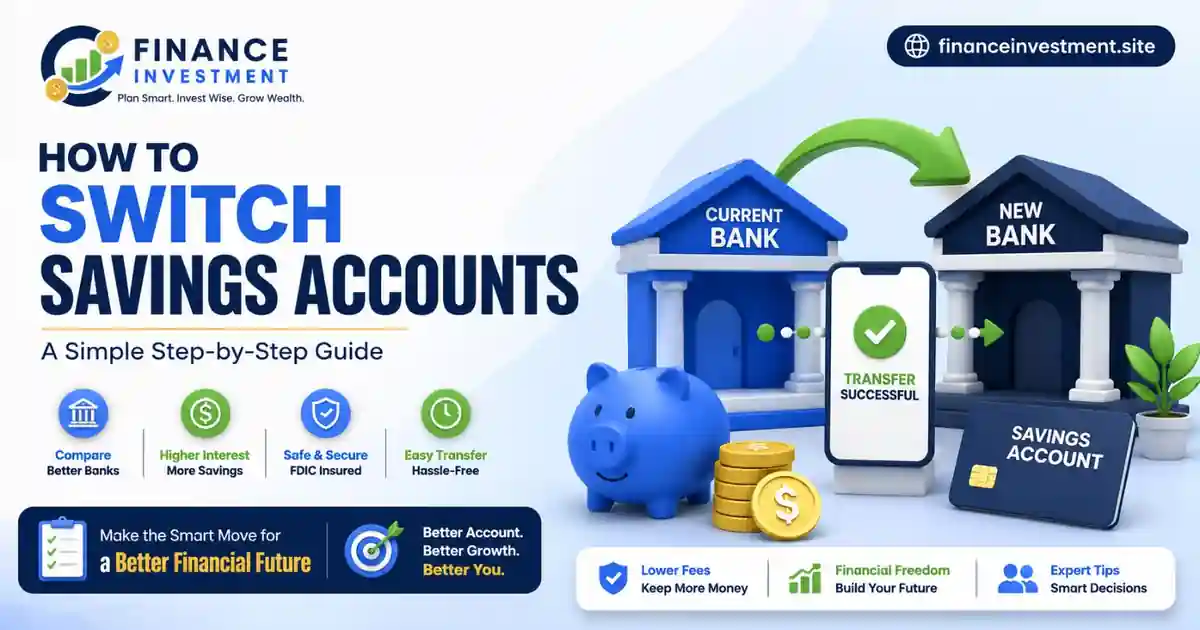
    how to switch savings accounts
    explains how to move your money with minimal hassle.

    Beginner Tip: Don’t focus only on today’s APY. Compare account fees, insurance coverage, customer service, mobile banking features, and the bank’s reputation. A slightly lower APY from a reliable institution may provide a better overall banking experience than chasing the highest advertised rate.


    How It Works

    <!-- Focus Keyword -->
How Much Interest Can $50,000 Earn in a High-Yield Savings AccountUnderstanding How Much Interest Can $50,000 Earn in a High-Yield Savings Account starts with knowing how banks calculate interest. Every high-yield savings account advertises an Annual Percentage Yield (APY), which estimates how much your savings could grow over one year, including the effect of compound interest.
    When you deposit $50,000, the bank calculates interest on your balance each day. That interest is typically added to your account at the end of every month. Once it’s credited, your next interest payment is calculated on your original deposit plus the interest you’ve already earned. This is why your savings can grow faster over time without requiring any extra effort.

    For example, if your account offers a competitive APY and the rate remains stable throughout the year, your earnings will gradually increase each month through compounding. If you continue making additional deposits, your total interest can grow even faster.

    Keep in mind that savings rates aren’t fixed forever. Banks can raise or lower APYs based on economic conditions and changes in interest rates. Reviewing your account regularly helps ensure you’re still earning a competitive return.

    Expert Insight: Before opening any savings account, confirm that it is insured by the Federal Deposit Insurance Corporation (FDIC) or, for credit unions, the National Credit Union Administration (NCUA). Eligible deposits are generally protected up to applicable insurance limits, giving you added peace of mind while your savings earn interest.


    Benefits & Drawbacks

    Before moving your money into a high-yield savings account, it’s helpful to understand both the advantages and the limitations. While these accounts are an excellent choice for many savers, they aren’t the perfect solution for every financial goal.How Much Interest Can $50,000 Earn in a High-Yield Savings Account Knowing what to expect will help you decide whether they’re the right fit for your $50,000.

    ✅ Pros

    • Earn significantly more interest than many traditional savings accounts.
    • Your money stays easily accessible for emergencies and planned expenses.
    • Compound interest helps your balance grow automatically over time.
    • Eligible deposits are protected by federal insurance at participating banks and credit unions.
    • Many online banks charge no monthly maintenance fees and offer simple digital banking tools.
    • A great place to keep an emergency fund or short-term savings without taking market risk.

    ❌ Cons

    • Interest rates can change at any time as market conditions shift.
    • Returns are usually lower than the long-term growth potential of stock investments.
    • Some banks may require a minimum opening deposit or balance.
    • Frequent withdrawals may be limited or subject to bank policies.
    • Inflation can reduce the purchasing power of your savings if interest rates fall behind rising prices.

    Key Takeaway: If your goal is to protect your money while earning more interest than a standard savings account, a high-yield savings account is a smart option. However, if you’re saving for goals that are many years away, you may also want to explore investments that have the potential to generate higher long-term returns alongside your savings strategy.


    High-Yield Savings Account vs. Other Places to Keep $50,000

    If you’re deciding where to keep $50,000, don’t look at interest rates alone. You should also consider safety, accessibility, risk, and your financial goals. A high-yield savings account works well for emergency funds, short-term savings, and money you’ll need within the next few years.
    How Much Interest Can $50,000 Earn in a High-Yield Savings Account Other options may offer higher returns, but they often come with greater risk or reduced access to your cash.

    The comparison below shows how a high-yield savings account stacks up against several common alternatives. Understanding these differences can help you choose the right home for your money based on your priorities rather than simply chasing the highest possible return.

    OptionPotential ReturnRisk LevelAccess to MoneyBest For
    High-Yield Savings AccountCompetitive APYLowHighEmergency funds and short-term savings
    Traditional Savings AccountUsually LowerLowHighBasic everyday savings
    Certificate of Deposit (CD)Often HigherLowLimited until maturityMoney you won’t need soon
    Stock Market InvestmentsPotentially HigherHighCan fluctuate dailyLong-term wealth building

    Comparison Summary: If your priority is protecting your $50,000 while still earning competitive interest and keeping your money available when you need it, a high-yield savings account offers one of the best combinations of safety, flexibility, and steady growth. For long-term investing, however, combining savings with other investment options may help you build wealth more effectively.


    Costs, Risks & Expert Tips

    A high-yield savings account is one of the safest places to keep a large cash balance, but it’s still important to understand the costs and potential risks before opening an account. Most online banks no longer charge monthly maintenance fees, although some institutions may require a minimum opening deposit or minimum balance to qualify for the highest APY. Reading the account terms before signing up can help you avoid unnecessary surprises.How Much Interest Can $50,000 Earn in a High-Yield Savings Account

    Another factor to remember is that savings rates are variable. The APY you see today isn’t guaranteed forever. Banks can increase or decrease interest rates based on changes in the economy and Federal Reserve policy. If your account’s rate falls significantly, comparing other banks may help you earn more on your savings.

    ⚠️ Important: A high APY shouldn’t be the only reason to choose a bank. Also consider customer service, mobile banking features, withdrawal policies, account fees, and whether your deposits are federally insured.

    💡 Expert Tips

    • Compare APYs every few months instead of assuming your current rate remains competitive.
    • Keep your emergency fund in a high-yield savings account and separate it from everyday spending.
    • Enable automatic transfers to grow your balance consistently without thinking about it.
    • Before opening an account, review the consumer guidance available from the
      Consumer Financial Protection Bureau (CFPB)
      to better understand your rights and account features.

    By paying attention to fees, changing interest rates, and account features, you can maximize the earnings on your savings while avoiding common banking mistakes. A few minutes of research today can make a noticeable difference in how much your $50,000 earns over time.


    Common Mistakes to Avoid + A Real-Life Example

    Many people assume that every savings account pays about the same interest, but that’s one of the biggest mistakes you can make. When you’re saving $50,000, even a small difference in APY can have a noticeable impact on your yearly earnings. Spending a few minutes comparing accounts today could put hundreds of extra dollars in your pocket over time.
    How Much Interest Can $50,000 Earn in a High-Yield Savings Account

    Common Mistakes

    • Keeping a large balance in a traditional savings account with a very low interest rate.
    • Opening an account without checking for monthly maintenance fees or minimum balance requirements.
    • Ignoring APY changes and never reviewing better offers from other banks.
    • Leaving extra cash in a checking account where it earns little or no interest.
    • Choosing a bank based only on promotional rates instead of its long-term value and customer service.

    📖 Real-Life Example

    Sarah had $50,000 sitting in a traditional savings account for several years because she never compared interest rates. After reviewing her options, she moved her money to a competitive high-yield savings account. Without changing her spending habits or taking additional investment risk, her annual interest increased substantially. She also started reviewing savings rates once or twice a year to make sure her money continued earning a competitive return.

    If you’re building a long-term financial plan, you may also find our
    Retirement Planning Guide
    and
    High-Yield Savings Account Guide
    helpful. Combining smart saving habits with regular account reviews can help your money work harder while remaining safe and accessible whenever you need it.


    Who Should Choose a High-Yield Savings Account?

    A high-yield savings account isn’t just for people with large savings. It’s a practical choice for anyone who wants to earn more interest while keeping their money safe and easy to access. If you’re wondering How Much Interest Can $50,000 Earn in a High-Yield Savings Account, you’re already thinking about making your cash work harder instead of letting it sit in a low-interest account.

    This type of account is an excellent fit for families building an emergency fund, professionals saving for a home purchase, retirees who want to protect part of their nest egg, and investors who need a safe place to hold cash before investing. It also works well for anyone saving for major expenses over the next few years.

    Best For:

    • ✔ Emergency funds and unexpected expenses
    • ✔ Home down payment savings
    • ✔ Retirement cash reserves
    • ✔ Short-term financial goals
    • ✔ Investors waiting for new investment opportunities

    If you’re also planning to build long-term wealth, consider pairing a high-yield savings account with our
    SIP Investing Guide
    to grow your investments while keeping your emergency savings secure. Using both strategies together can help you balance safety, liquidity, and long-term financial growth.


    Frequently Asked Questions

    1. How much interest can $50,000 earn in a high-yield savings account?

    The amount depends on the account’s APY. If your account earns around 4.00% APY and the rate stays the same for a full year, a $50,000 balance could earn approximately $2,000 in interest before taxes. Actual earnings may vary if interest rates change or if you make deposits or withdrawals during the year.

    2. Is the interest earned every month?

    Most banks calculate interest daily and credit it to your account monthly. Once the interest is added to your balance, it begins earning interest too, which helps your savings grow through compounding.

    3. Are high-yield savings accounts safe?

    Yes. If you open an account with an FDIC-insured bank or an NCUA-insured credit union, eligible deposits are protected up to the applicable insurance limits. This makes high-yield savings accounts one of the safest places to keep cash.

    4. Can the APY change after I open my account?

    Yes. Most high-yield savings accounts have variable interest rates. Banks may increase or decrease their APYs based on market conditions and broader economic trends, so it’s a good idea to review your rate regularly.

    5. Do I have to pay taxes on savings account interest?

    In most cases, yes. Interest earned from a savings account is generally considered taxable income in the United States. If you earn enough interest, your bank may send you a tax form for reporting purposes.

    6. Should I keep all $50,000 in one savings account?

    That depends on your financial goals. Many people keep an emergency fund in a high-yield savings account and invest additional money for long-term growth. Splitting your savings between different accounts can also make budgeting easier.

    7. Are online banks better than traditional banks?

    Many online banks offer higher APYs because they typically have lower operating costs. However, the best choice depends on the interest rate, fees, customer service, digital features, and your personal banking preferences.

    8. How often should I compare savings account rates?

    Checking rates every few months is a smart habit. If your current bank’s APY becomes less competitive, moving your money to another reputable institution could help increase your annual interest without taking additional risk.

    9. Can I withdraw money whenever I need it?

    Yes. High-yield savings accounts are designed to keep your money accessible. While some banks may have withdrawal policies or transfer limits, your savings are generally available whenever you need them.


    Final Verdict

    If you’re looking for a safe and practical way to grow your cash, understanding How Much Interest Can $50,000 Earn in a High-Yield Savings Account is an important first step. While the exact amount depends on the APY your bank offers, a competitive high-yield savings account can generate meaningful interest without exposing your money to stock market volatility.
    How Much Interest Can $50,000 Earn in a High-Yield Savings Account

    The best strategy isn’t simply choosing the highest advertised rate. Compare account fees, customer service, digital banking features, and federal deposit insurance before making your decision. Reviewing your savings account every few months can also help ensure you’re continuing to earn a competitive return as interest rates change.

    If you’d like to learn more about choosing the right account, don’t miss our
    Complete High-Yield Savings Accounts USA Guide.
    You can also compare banking options in our
    Online Banks vs. Traditional Banks
    guide to see which option best matches your financial goals.

    Bottom Line: A high-yield savings account gives your $50,000 the opportunity to earn competitive interest while remaining safe, flexible, and easy to access. For most Americans, it’s one of the smartest places to keep emergency savings and money needed within the next few years.


    Stay Ahead with Smarter Money Tips

    Building wealth doesn’t happen overnight, but making informed financial decisions today can have a lasting impact. Subscribe to the Finance Investment newsletter for practical tips on high-yield savings accounts, investing, retirement planning, credit, and personal finance—all written in simple, easy-to-understand language.
    How Much Interest Can $50,000 Earn in a High-Yield Savings Account

    Before you go, explore more of our in-depth guides to compare banks, discover better savings strategies, and learn how to grow your money with confidence in 2026. Every guide is designed to help you make smarter financial decisions, whether you’re just starting out or planning for retirement.


    📩 Explore More Finance Guides

  • How to Switch Savings Accounts in 2026: A Simple Step-by-Step Guide

    How to Switch Savings Accounts in 2026: A Simple Step-by-Step Guide


    FI

    Finance Investment Editorial Team

    Independent research, expert analysis, and practical financial guidance to help Americans make smarter banking, saving, and investing decisions with confidence.


    ✍ Written by Editorial Team , Subhash Rukade.


    ✔ Reviewed by Finance Experts


    ✓ Fact Checked


    📅 Updated for, July 25, 2026


    ⏱ 11 Min Read


    🛡 Editorial Integrity


    How to Switch Savings Accounts in 2026

    How to Switch Savings AccountsKnowing How to Switch Savings Accounts can help you earn more interest, reduce unnecessary fees, and take advantage of better banking features. Many people continue using the same savings account for years without realizing that another bank may offer a higher APY, lower costs, or a better digital experience. Making the switch doesn’t have to be difficult, and in most cases, it can be completed in just a few simple steps.

    One of the biggest concerns people have is whether they’ll lose money or face unexpected problems during the transition. The good news is that changing savings accounts is usually straightforward when you plan ahead. By opening your new account first, transferring your money carefully, and closing the old account only after everything is complete, you can avoid unnecessary stress and keep your savings secure.

    This guide explains the entire process in clear, easy-to-follow language. You’ll learn when it’s worth changing banks, how to compare savings accounts, what documents you’ll need, how to transfer your funds safely, and the common mistakes that can delay the process.

    By the end of this guide, you’ll understand how to move your savings confidently, protect your money during the transition, and choose an account that supports your financial goals both today and in the future.High-Yield Savings Accounts USA Guide


    Quick Answer

    How to Switch Savings Accounts is a simple process when you follow the right order. Start by opening your new savings account before closing the old one. Once the new account is active, transfer your money, update any automatic deposits or transfers, confirm that all transactions have cleared, and then close your previous account. Taking these steps helps you avoid missed deposits, unnecessary fees, and interruptions to your savings.

    Key Takeaways

    • ✔ Open your new savings account before closing your current one.
    • ✔ Compare APYs, fees, and account features before making the switch.
    • ✔ Move automatic transfers and direct deposits to your new account.
    • ✔ Verify that your money has arrived before requesting account closure.
    • ✔ Keep copies of account statements and confirmation emails.
    • ✔ Choose an FDIC- or NCUA-insured institution for added peace of mind.

    Bottom Line: Switching to a better savings account can increase your interest earnings and improve your overall banking experience. A little planning today can help your money work harder for years to come.


    Table of Contents

    • At a Glance
    • Complete Beginner Guide
    • How the Switching Process Works
    • Benefits & Drawbacks
    • Comparison Table
    • Costs, Risks & Expert Tips
    • Common Mistakes & Real-Life Example
    • Who Should Switch Savings Accounts?
    • Frequently Asked Questions
    • Final Verdict


    How to Switch Savings Accounts at a Glance

    Changing to a new savings account can be a smart financial move if your current account no longer meets your needs. Whether you’re looking for a higher APY, lower fees, or better online banking features, switching accounts is usually easier than most people expect. With a little planning, you can move your money safely without interrupting your savings goals.

    Before making the switch, compare several banks instead of focusing only on the highest advertised interest rate. Look at monthly fees, minimum balance requirements, customer service, mobile banking tools, transfer options, and FDIC or NCUA insurance. Choosing the right account today can save you time and money in the future.

    CategoryDetails
    Best ForAnyone looking for higher interest, lower fees, or improved banking features.
    Time RequiredUsually 30 minutes to complete the setup, plus a few business days for transfers.
    Main StepsOpen a new account, transfer your funds, update automatic transactions, and close the old account.
    Documents NeededGovernment-issued ID, Social Security number, and your existing bank account details.
    SafetyChoose an FDIC-insured bank or an NCUA-insured credit union.
    Biggest BenefitEarn more interest while enjoying better banking features and lower costs.

    Learning How to Switch Savings Accounts isn’t just about moving money. It’s about finding an account that works better for your financial goals and gives your savings a stronger opportunity to grow over time.


    Complete Beginner Guide

    If you’ve never changed banks before, don’t worry. Learning How to Switch Savings Accounts is a straightforward process when you take it one step at a time. The goal is to move your money safely while avoiding missed deposits, transfer delays, or unnecessary fees.

    Start by researching a few savings accounts that match your needs. Compare more than just the annual percentage yield (APY). Look at monthly maintenance fees, minimum balance requirements, mobile banking features, customer service, and whether the bank is insured by the FDIC or, in the case of credit unions, the NCUA. Choosing the right account now can save you from repeating the process later.

    Once you’ve selected a new bank, open your new savings account before making any changes to your existing one. During the application, you’ll typically provide your name, address, Social Security number, date of birth, and a government-issued photo ID. Many banks also ask you to link an existing checking account to fund your new savings account.

    After your new account is active, transfer your savings and update any automatic transfers or direct deposits connected to the old account. Give the transfer enough time to clear before closing your previous account. Keeping both accounts open for a few days can help prevent payment issues or missed transactions.

    Before requesting account closure, confirm that your balance has been transferred completely and that there are no pending transactions. Save copies of your final statements for your records.

    Taking a little extra time during the transition can make the entire process smoother. A carefully planned switch helps protect your savings, avoids unnecessary complications, and allows you to enjoy the benefits of a better account with confidence.Online Banks vs. Traditional Banks


    How the Switching Process Works

    How to Switch Savings AccountsUnderstanding How to Switch Savings Accounts is easier when you know the order of each step. The process is designed to protect your money while making sure you don’t miss deposits, automatic transfers, or interest payments during the transition.

    The first step is opening your new savings account. Most banks let you complete the application online in just a few minutes. Once your identity is verified and the account is approved, you’ll receive your new account details and can begin moving your savings.

    Next, transfer your money from your old savings account to the new one. Depending on your bank, this may happen through an electronic transfer, an external bank transfer, or another approved funding method. The transfer usually takes a few business days, so it’s best to avoid closing your original account immediately.

    After your funds arrive, update any automatic transfers or scheduled deposits connected to the old account. This includes transfers from your checking account and any recurring deposits you’ve already set up. Taking a few extra minutes to review these settings can help prevent missed transactions.

    Once you’ve confirmed that your balance has moved successfully and there are no pending transactions, you can request to close your previous savings account. Keep a copy of your final statement for your records in case you need it later.

    Following these steps carefully helps make the transition smooth and gives you confidence that your savings are secure while you begin earning the benefits offered by your new account.FDIC-insured bank


    Benefits & Drawbacks

    Changing to a new savings account can improve your overall banking experience, but it’s still important to weigh the advantages and possible drawbacks before making a decision. Taking a few minutes to compare your options can help you avoid unnecessary hassle and choose an account that better supports your financial goals.

    ✅ Pros

    • Move to an account with a higher APY and earn more interest on your savings.
    • Reduce or eliminate monthly maintenance fees.
    • Take advantage of better mobile banking tools and online account management.
    • Access improved customer service and modern banking features.
    • Enjoy stronger budgeting tools, automatic transfers, and account alerts.
    • Keep your money protected when using an FDIC-insured bank or NCUA-insured credit union.

    ❌ Cons

    • Transferring funds may take a few business days.
    • You’ll need to update automatic transfers linked to your old account.
    • Closing your previous account too early could interrupt scheduled deposits.
    • Some banks may require a minimum opening deposit or balance.
    • Interest rates can change over time, even after you switch.

    Learning How to Switch Savings Accounts can be worthwhile if your current bank no longer offers competitive rates or useful features. A carefully planned transition helps you avoid common problems while giving your savings the opportunity to earn more. Before making the move, compare the complete banking experience—not just the advertised APY—so your new account continues to meet your needs well into the future.Best Savings Accounts for Students


    Compare Before You Switch

    Not every savings account offers the same value. While a higher APY is important, it’s only one part of the decision. Comparing fees, account features, digital tools, and customer support can help you find an account that fits your long-term financial needs instead of focusing on a single number.

    FeatureCurrent Savings AccountNew Savings Account
    Interest Rate (APY)May be lower than current market rates.Often offers a more competitive APY.
    Monthly FeesSome accounts charge maintenance fees.Many accounts have no monthly fee.
    Minimum BalanceRequirements vary by bank.Many banks have low or no minimum balance.
    Mobile BankingBasic online features.Advanced app, alerts, and account management tools.
    Automatic TransfersMay offer limited flexibility.Easy scheduling and recurring transfers.
    Deposit ProtectionFDIC or NCUA insurance at eligible institutions.FDIC or NCUA insurance at eligible institutions.
    Best ChoiceSuitable if it still meets your needs.Better if it offers stronger value and features.

    Knowing How to Switch Savings Accounts isn’t just about transferring money from one bank to another. It’s also about choosing an account that gives you better value over time. Compare the complete banking experience, including interest earnings, fees, customer service, security, and digital tools, before making your final decision. A thoughtful comparison today can help your savings grow more efficiently while making everyday banking easier.


    Costs, Risks & Expert Tips

    Switching savings accounts is usually free, but it’s still worth checking the details before moving your money. While many banks don’t charge account closing fees, some may have minimum balance requirements, transfer limits, or conditions that affect bonus offers. Reading the account terms in advance can help you avoid surprises.

    💡 Expert Tip

    When deciding How to Switch Savings Accounts, don’t close your existing account immediately after opening a new one. Keep both accounts active until every transfer, automatic deposit, and scheduled payment has been completed successfully. This simple step can prevent delays and missed transactions.

    Another common mistake is choosing a new account based only on the highest advertised APY. A slightly lower rate may still be the better option if the bank offers excellent customer service, a reliable mobile app, no monthly fees, and flexible transfer options.

    Taking a little extra time to compare banks and plan the transition carefully can make the entire process much smoother. A well-organized switch helps protect your savings while allowing you to enjoy the long-term benefits of a better banking experience.Consumer Financial Protection Bureau (CFPB)


    Common Mistakes & a Real-Life Example

    Changing savings accounts is usually a smooth process, but small mistakes can create unnecessary delays or even cost you money. A little preparation before making the switch can help you avoid these problems and keep your savings moving without interruption.

    Common Mistakes to Avoid

    • Closing your old savings account before confirming that your money has arrived in the new account.
    • Forgetting to update automatic transfers or recurring deposits after opening the new account.
    • Choosing a bank based only on the highest APY without comparing fees, customer service, and account features.
    • Ignoring minimum balance requirements that could reduce your earnings or trigger fees.
    • Not saving copies of your final account statements after closing your previous account.
    • Rushing the process instead of checking that every transfer has been completed successfully.

    Real-Life Example

    Michael, a homeowner in Florida, noticed that his old savings account was earning very little interest. After learning How to Switch Savings Accounts, he opened a new high-yield savings account before moving any money. He transferred his balance, updated his automatic monthly savings transfer, and waited until every transaction cleared before requesting the old account to be closed.

    Because Michael followed each step carefully, the transition was completed without delays or missed deposits. He now earns more interest on the same savings balance while enjoying a better mobile banking experience and lower account costs. His experience shows that a well-planned switch can improve your finances without adding unnecessary stress.How High-Yield Savings Accounts Work


    Who Should Switch Savings Accounts?

    Switching savings accounts isn’t necessary for everyone, but it can be a smart decision if your current account no longer provides good value. If you’re earning a very low interest rate, paying monthly maintenance fees, or struggling with outdated online banking tools, it may be time to consider a better option.

    Learning How to Switch Savings Accounts is especially helpful for people building an emergency fund, saving for a home, planning for retirement, or setting aside money for future expenses. Even a modest increase in your APY can make a noticeable difference as your savings continue to grow.

    This guide is also useful for families, students, freelancers, and retirees who want a simpler banking experience with lower costs and better digital features. If your bank no longer meets your expectations for customer service or account flexibility, switching can improve both convenience and long-term savings.

    However, before making the move, compare several accounts carefully and review the complete list of features—not just the advertised interest rate. Choosing a bank that fits your financial habits and future goals will help ensure the switch is worthwhile and beneficial for years to come.


    Frequently Asked Questions

    1. Why should I switch my savings account?

    Many people switch because their current account offers a low interest rate, charges monthly fees, or lacks useful features. Moving to a better account can help your savings earn more while improving your overall banking experience.

    2. How long does it take to switch savings accounts?

    Opening a new account usually takes only a few minutes. After that, transferring your money and updating automatic transactions may take a few business days, depending on the banks involved.

    3. Will I lose money when I switch banks?

    In most cases, no. If you transfer your funds carefully and keep your old account open until every transaction is complete, you can avoid unnecessary fees and missed deposits.

    4. Can I keep both savings accounts open for a while?

    Yes. Keeping both accounts active during the transition is often the safest approach. It gives you time to confirm that your balance has been transferred and that all automatic deposits or transfers are working correctly.

    5. Do I need to switch my direct deposits?

    If your paycheck or any recurring deposits go directly into your savings account, you’ll need to update those instructions after opening your new account. This helps prevent delays or failed transactions.

    6. Is my money protected after I switch?

    Yes. As long as your new account is with an FDIC-insured bank or an NCUA-insured credit union, eligible deposits remain protected up to the applicable federal insurance limits.

    7. When should I close my old savings account?

    Wait until your money has arrived safely, automatic transfers have been updated, and there are no pending transactions. Closing the account too early can create avoidable problems.

    8. Is learning How to Switch Savings Accounts worth it?

    For many people, yes. If another bank offers better interest rates, lower fees, or stronger digital banking tools, switching can improve both your savings growth and your everyday banking experience without making your finances more complicated.


    Final Verdict

    Learning How to Switch Savings Accounts can be one of the simplest ways to improve your financial situation without changing your spending habits. If your current account pays a low interest rate, charges unnecessary fees, or no longer offers the features you need, moving to a better account may help your savings grow faster while making everyday banking more convenient.

    The key is to plan the transition carefully. Open your new account first, transfer your money, update any automatic deposits or transfers, and verify that everything is working before closing your old account. Taking these steps helps prevent delays, missed transactions, and unnecessary stress.

    When comparing banks, look beyond the advertised APY. Consider customer service, mobile banking tools, account fees, security, and overall convenience. An account that fits your financial habits is often a better long-term choice than one that simply offers the highest promotional rate.

    A thoughtful switch today can lead to better interest earnings, lower costs, and a smoother banking experience for years to come. Choose carefully, stay organized, and let your savings work harder for your future.


    Give Your Savings a Better Home

    Your savings deserve more than a low interest rate. If your current account isn’t helping your money grow, now may be the right time to make a change. Compare your options, choose a bank that fits your financial goals, and complete the switch with confidence. A few simple steps today could lead to higher earnings, lower fees, and a better banking experience for years to come. Keep exploring our expert guides for practical tips that help you save smarter and build lasting financial security.


    📩 Subscribe to Our Free Newsletter

    Continue Reading

    High-Yield Savings Accounts USA
    |
    Online Banks vs Traditional Banks
    |
    How High-Yield Savings Accounts Work