Savings Account vs Checking Account: Complete Beginner Guide (USA 2026)
Written By: Finance Investment Editorial Team.
Author: Subhash Rukade.
Reviewed By: USA Banking Research Team
Last Updated: August 6, 2026
Reading Time: 12 Minutes
✓ Fact Checked
USA Banking Guide
Updated for 2026
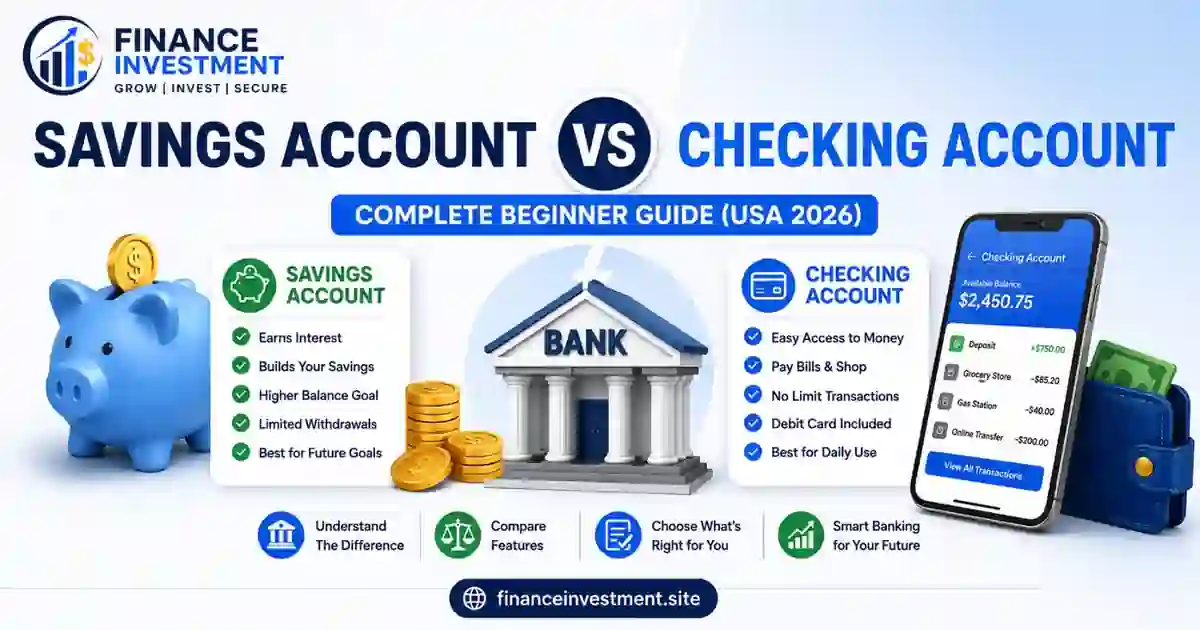 Should your paycheck go into a checking account, or would a savings account be the better choice? It’s one of the first questions many people ask when opening their first bank account. While both accounts help you manage money, they serve very different purposes. Understanding Savings Account vs Checking Account can help you avoid common mistakes and make smarter financial decisions from the beginning.Many beginners assume these accounts are almost identical because both allow you to deposit money. In reality, each one is designed for a different job. A checking account focuses on everyday spending, while a savings account encourages you to set money aside for future goals. Choosing the wrong account for your needs can lead to unnecessary fees, missed interest opportunities, or difficulty managing daily expenses.
This guide explains the differences in clear, practical language. You’ll learn when to use each account, where they work best, and why many Americans benefit from using both together instead of choosing only one.
What You’ll Learn
- The biggest differences between savings and checking accounts.
- When each account makes the most sense.
- How interest, withdrawals, and everyday banking compare.
- Which account is better for spending, saving, or building an emergency fund.
- Simple tips for choosing the right account based on your financial goals.
For a complete overview of checking accounts, account types, and beginner banking tips, visit our Checking Accounts USA 2026: Complete Beginner Guide. It brings together all of our checking account resources in one place.
By the end of this guide, you’ll clearly understand Savings Account vs Checking Account and know how each account can support your everyday finances and long-term savings goals.
Quick Answer & Key Takeaways
💡 Quick Answer
The main difference in Savings Account vs Checking Account is how each account is meant to be used. A checking account is built for everyday spending, paying bills, and frequent transactions. A savings account is designed to store money safely while earning interest over time. Most people benefit from having both accounts because they serve different financial purposes.
📌 Key Takeaways
- Checking accounts are ideal for daily purchases and bill payments.
- Savings accounts help grow money through interest earnings.
- Checking accounts usually include debit cards and easy ATM access.
- Savings accounts are better for emergency funds and future goals.
- Many banks allow customers to transfer money easily between both accounts.
- Comparing fees, interest rates, and banking features is always worthwhile.
- Using both accounts together creates a balanced money management system.
Bottom Line: Understanding Savings Account vs Checking Account helps you decide where your money should go. Keep spending money in a checking account and reserve a savings account for funds you don’t need every day. Using each account for its intended purpose can make managing your finances much easier.
📑 Table of Contents
Savings Account vs Checking Account at a Glance
Understanding Savings Account vs Checking Account becomes much easier when you compare their primary purpose instead of focusing only on their names. A checking account is designed for money you use regularly, while a savings account helps you build financial security by keeping money aside for future needs. Most people don’t have to choose one or the other—they often work best as a pair.
📌 Quick Facts
- Checking Account: Best for everyday spending, paying bills, and using a debit card.
- Savings Account: Best for emergency funds, future goals, and earning interest.
- Ideal Strategy: Use checking for daily expenses and savings for money you don’t plan to spend immediately.
- Who Benefits: Nearly everyone can benefit from having both accounts working together.
Understanding Savings Accounts and Checking Accounts
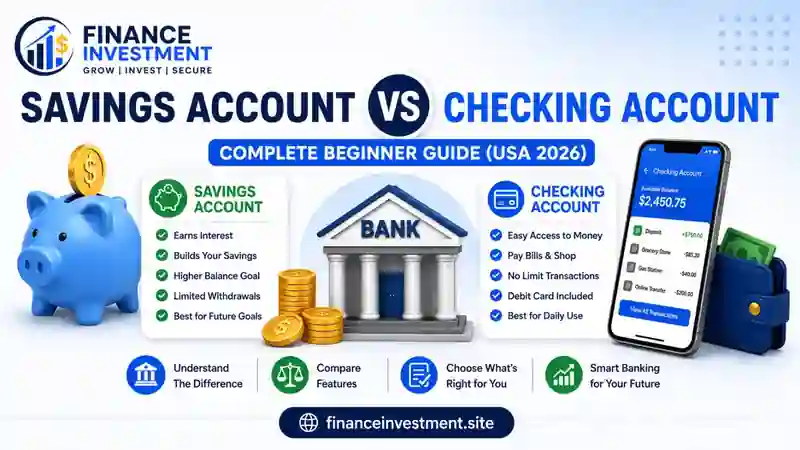 When comparing Savings Account vs Checking Account, the easiest way to think about them is to imagine two different wallets. One wallet is for money you spend often, while the other is for money you want to keep safe for future goals. Although both accounts are offered by banks and credit unions, they play very different roles in your financial life.
What Is a Savings Account?
A savings account is designed to help you store money that you don’t need every day. Banks usually pay interest on the balance, allowing your savings to grow over time. People commonly use these accounts for emergency funds, vacations, home down payments, or other future expenses. Since the goal is saving rather than spending, most savings accounts don’t include features like unlimited debit card purchases.
For example, if you receive a tax refund or annual bonus, moving part of that money into a savings account can help you resist unnecessary spending while earning interest.
What Is a Checking Account?
A checking account is built for everyday banking. It’s the account many people use to receive paychecks, pay bills, shop with a debit card, withdraw cash from ATMs, and transfer money electronically. The balance changes frequently because money moves in and out throughout the month.
Imagine your paycheck arrives every Friday. You use your checking account to pay rent, buy groceries, purchase fuel, and cover monthly subscriptions. That’s exactly what this type of account is designed to handle.
Why Do Banks Offer Both?
Banks understand that people need separate places for spending and saving. Combining everything into one account often makes budgeting more difficult. Keeping daily expenses separate from long-term savings helps many people stay organized and avoid spending money that was meant for future goals.
How They Work Together
The smartest approach is often using both accounts as a team. Your paycheck can be deposited into checking, while automatic transfers move part of that income into savings every month. This creates a simple habit that supports both everyday spending and long-term financial security.
If you’re exploring different checking account features, our Checking Accounts USA 2026: Complete Beginner Guide explains account types, banking features, and practical tips for beginners.
💡 Expert Tip
Instead of asking which account is better, decide what each dollar is meant to do. Keep money for everyday expenses in checking, and move money for future goals into savings. This simple habit makes budgeting easier and reduces the temptation to spend your savings.
Once you understand Savings Account vs Checking Account, banking becomes much less confusing. Each account has a different purpose, and using both together creates a stronger foundation for managing money. In the next section, we’ll compare their features side by side so you can clearly see where each account performs best.
Key Differences Between Savings and Checking Accounts
Understanding Savings Account vs Checking Account becomes much easier when you compare how each account works in everyday life. Although both hold your money safely, they are designed with different goals in mind. One supports daily spending, while the other encourages long-term saving.
How They Differ
- Purpose: A checking account handles everyday expenses, while a savings account stores money for future goals.
- Interest: Savings accounts usually earn interest. Many checking accounts pay little or no interest.
- Spending Access: Checking accounts are built for frequent transactions, whereas savings accounts are intended for occasional withdrawals.
- Debit Card: Checking accounts almost always include a debit card. Savings accounts may offer limited or no debit card access.
- ATM Withdrawals: Checking accounts make ATM access simple for daily cash needs. Savings accounts generally aren’t designed for frequent cash withdrawals.
- Direct Deposit: Most people receive paychecks into a checking account before transferring part of their income into savings.
Imagine your paycheck arrives every two weeks. You deposit it into checking, pay rent, buy groceries, and cover monthly bills. Then you automatically transfer a portion into savings for emergencies or a future vacation. Each account has its own job, and together they create a simple money management system.
💡 Which One Should You Use?
The answer isn’t one or the other. For most people, the best strategy is using both accounts together. Keep everyday spending money in checking and move extra cash into savings so it can stay protected and continue growing over time.
Once you understand Savings Account vs Checking Account, choosing the right banking setup becomes much more straightforward. Next, we’ll look at the biggest advantages and potential drawbacks of each account so you can decide which combination fits your financial goals.
Benefits & Drawbacks
When comparing Savings Account vs Checking Account, the goal isn’t to decide which account is better. Instead, it’s about understanding what each account does best. Using both accounts together often creates a simple, organized system for handling everyday expenses while steadily building savings.
✅ Benefits
- Checking accounts make paying bills and shopping fast and convenient.
- Savings accounts earn interest while helping you prepare for future expenses.
- Keeping spending money separate from savings improves budgeting.
- Automatic transfers make saving consistently much easier.
- Using both accounts together reduces the chance of accidentally spending emergency funds.
❌ Drawbacks
- Some accounts may charge monthly maintenance fees.
- Savings accounts usually offer fewer spending features than checking accounts.
- Choosing the wrong account for daily expenses can make money management less convenient.
- Interest rates and account benefits vary between banks.
For example, many families deposit paychecks into checking for everyday expenses, then automatically move part of each paycheck into savings every month. This approach keeps household bills organized while steadily building an emergency fund.
💡 Expert Insight
If you’re deciding where to open your accounts, compare the advantages in our Online Banks vs Traditional Banks guide. Choosing the right bank can be just as important as choosing the right account.
Now that you’ve seen the strengths and limitations of each account, let’s compare them side by side so the differences become even clearer.
Savings Account vs Checking Account Comparison
If you’re still deciding which account fits your needs, comparing the most important features side by side makes the choice much easier. The Savings Account vs Checking Account table below highlights where each account performs best and when you should use it.
Beginner Recommendation: You don’t have to choose one account over the other. A checking account keeps your daily finances running smoothly, while a savings account helps your money grow for future needs. Together, they create a balanced banking strategy.
Costs, Risks & Expert Tips
When comparing Savings Account vs Checking Account, don’t focus only on convenience or interest rates. The real value comes from understanding the costs, account requirements, and security features before you open an account. Spending a few minutes reviewing these details today can save money and prevent frustration later.
Costs to Watch
- Monthly Maintenance Fees: Some banks charge monthly fees unless you meet conditions such as direct deposit or maintaining a minimum balance.
- Minimum Balance Requirements: Certain savings and premium checking accounts require you to keep a specific balance to avoid service charges.
- ATM Fees: Using out-of-network ATMs may result in fees from both your bank and the ATM owner.
- Overdraft Fees: Checking accounts may charge overdraft fees if you spend more money than is available, although many banks now offer optional overdraft protection.
- Interest Rates: Savings accounts generally earn higher interest than checking accounts, but rates vary between financial institutions.
FDIC Protection
If your bank is FDIC-insured, eligible deposits are protected up to federal limits if the institution fails. To strengthen your overall cash management strategy, read our How to Protect and Grow Your Cash guide.
⚠️ Watch Out
- ✔ Compare fee schedules before opening any account.
- ✔ Keep enough money in checking to reduce overdraft risk.
- ✔ Review interest rates regularly—they can change.
- ✔ Use in-network ATMs whenever possible.
- ✔ Turn on banking alerts to spot unusual activity quickly.
Knowing these costs and risks helps you make smarter banking decisions. Next, we’ll look at common mistakes people make when choosing between savings and checking accounts—and how you can avoid them.
Common Mistakes + Real-Life Example
Many people compare Savings Account vs Checking Account only after they run into a problem. A little planning before opening an account can prevent unnecessary fees, missed interest, and budgeting headaches.
Five Common Mistakes
- Using a savings account for everyday spending, making it harder to track long-term savings.
- Keeping all your money in checking instead of earning interest in a savings account.
- Ignoring account fees and minimum balance rules before signing up.
- Not setting up automatic transfers to build savings consistently.
- Choosing an account based only on a promotional offer instead of comparing long-term features.
Real-Life Example
Emma, a first-time employee in Texas, deposited every paycheck into her checking account and kept all of her money there. Whenever she saw extra cash in the balance, she spent it on shopping and dining out. After her car unexpectedly needed repairs, she realized she had no emergency savings.
She opened a savings account, scheduled an automatic transfer after every payday, and continued using her checking account only for everyday expenses. Within several months, she had built a small emergency fund without making major changes to her lifestyle.
This situation is common because many beginners don’t separate spending money from savings. Creating that separation makes it easier to stay on budget and avoid using money that was meant for future needs.
✅ Lesson Learned
Give every dollar a purpose. Keep your daily spending money in checking and move money for emergencies and future goals into savings. This simple habit can improve budgeting, reduce unnecessary spending, and make financial setbacks easier to handle.
Now that you know which mistakes to avoid, let’s look at which type of account works best for different people and financial situations.
Who Should Choose Which Account?
After comparing Savings Account vs Checking Account, the next step is choosing the combination that matches your lifestyle. The right account isn’t determined by age or income alone—it’s based on how you manage your money every month.
- Beginners: Open both accounts. Use checking for everyday purchases and savings to build healthy financial habits from the start.
- Students: A low-fee checking account paired with a savings account makes it easier to manage spending while saving for tuition, books, or emergencies.
- Families: Keep household bills in checking and use savings for emergency funds, vacations, or future family goals.
- Retirees: Deposit retirement income into checking for monthly expenses while keeping extra cash in savings to earn interest and stay readily available.
- Small Business Owners: Separate business transactions with a business checking account while maintaining a savings account for taxes, equipment, or future investments.
✔️ Best Choice If…
Choose a checking account when you need quick access to money every day. Choose a savings account when your goal is protecting cash and growing it over time. For most people, using both accounts together provides the best balance of convenience and financial security.
Next, we’ll answer the questions people ask most often about choosing, using, and managing savings and checking accounts.
Frequently Asked Questions
Should I have both a savings account and a checking account?
Yes. For most people, using both accounts is the most practical approach. A checking account manages everyday expenses, while a savings account keeps money separate for emergencies and future goals. This combination makes budgeting much easier.
Which account earns more interest?
Savings accounts generally pay higher interest than checking accounts because they’re designed to encourage long-term saving. If earning interest is important, compare APYs offered by different banks before opening an account.
Can I use a debit card with a savings account?
Many checking accounts include a debit card for purchases and ATM withdrawals. Some savings accounts offer limited debit card access, but they are primarily intended for saving rather than everyday spending.
Where should my paycheck be deposited?
Most employers send direct deposits to a checking account because it’s designed for paying bills and making purchases. After receiving your paycheck, you can automatically transfer part of the money into savings.
Is a checking account better for paying monthly bills?
Yes. Automatic bill payments, debit card purchases, checks, and ATM withdrawals are core features of checking accounts. They’re built for frequent transactions and daily money management.
When should I use a savings account?
Use a savings account for emergency funds, vacations, home repairs, major purchases, or any financial goal that doesn’t require daily access to your money. Separating these funds can also reduce unnecessary spending.
How do I choose between the two?
When comparing Savings Account vs Checking Account, think about how you’ll use the money. If you’ll spend it regularly, checking is usually the better choice. If you’re setting money aside for the future, savings is often the smarter option.
Can I transfer money between my accounts?
Yes. Most banks allow quick transfers through online banking or mobile apps. Many customers even schedule automatic transfers every payday to make saving consistent and effortless.
Do I need to open both accounts at the same bank?
No. Some people prefer keeping both accounts at one bank for convenience, while others choose different banks to earn higher savings rates or access better checking features. Compare fees, interest rates, and banking tools before deciding.
Quick Tip: Understanding Savings Account vs Checking Account isn’t about picking a winner. It’s about giving every dollar the right place. When checking handles daily spending and savings protects your future goals, managing money becomes much simpler.
Final Verdict
Choosing between a Savings Account vs Checking Account doesn’t have to be an either-or decision. Each account serves a different purpose, and together they create a stronger financial foundation. A checking account keeps your everyday spending organized, while a savings account helps you prepare for emergencies, major purchases, and long-term goals by earning interest on money you don’t need right away.
If you’re still comparing account features, fees, and banking options, continue with our Checking Accounts USA 2026: Complete Beginner Guide. It brings together practical advice to help beginners choose the right banking setup with confidence.
For reliable banking information and consumer protection, refer to the official resources from FDIC, CFPB, and Consumer.gov.
✔️ Final Takeaway
Use your checking account for daily transactions and your savings account for future financial goals. Giving each account a clear purpose makes budgeting easier, helps you build better money habits, and creates a banking system that supports both today’s needs and tomorrow’s plans.
In the next section, you’ll find additional guides and trusted resources that can help you continue learning about banking, saving, and managing your money more effectively.
Build Better Banking Habits with Finance Investment
Enjoyed this guide? Subscribe to our newsletter for practical banking tips, saving strategies, and personal finance updates tailored for U.S. readers. Have a question or a personal experience to share? Leave a comment below and join the conversation. If this article helped you, share it with friends and family who are choosing their first bank account.


 If you’re opening your first savings account, it’s easy to feel confused by financial terms like interest rate, APY, and compound interest. The good news is that you don’t need a finance degree to understand them. Once you know how these numbers work together, comparing savings accounts becomes much easier. That’s why understanding APY vs Interest Rate Explained is an important first step before depositing your money.
 If you’re asking How Much Interest Can $10,000 Earn in a High-Yield Savings Account, you’re already thinking about making your savings work harder. Unlike a standard savings account that may pay very little interest, a high-yield savings account offers a higher Annual Percentage Yield (APY). That means your money earns interest every day while remaining available when you need it.
 If you’re wondering How Much Interest Can $5,000 Earn in a High-Yield Savings Account, the first step is understanding how these accounts work. A high-yield savings account is similar to a traditional savings account, but it typically offers a much higher Annual Percentage Yield (APY). That means your money can grow faster while remaining easy to access whenever you need it.
 Building the right savings balance is simpler than many people think. Instead of choosing a random dollar amount, start by looking at your monthly essential expenses. These include housing, groceries, utilities, transportation, insurance, healthcare, and other bills you must pay even during a financial emergency.
 Benefits and Drawbacks of Online Banks vs Traditional Banks