Tag: High-Yield Savings Accounts

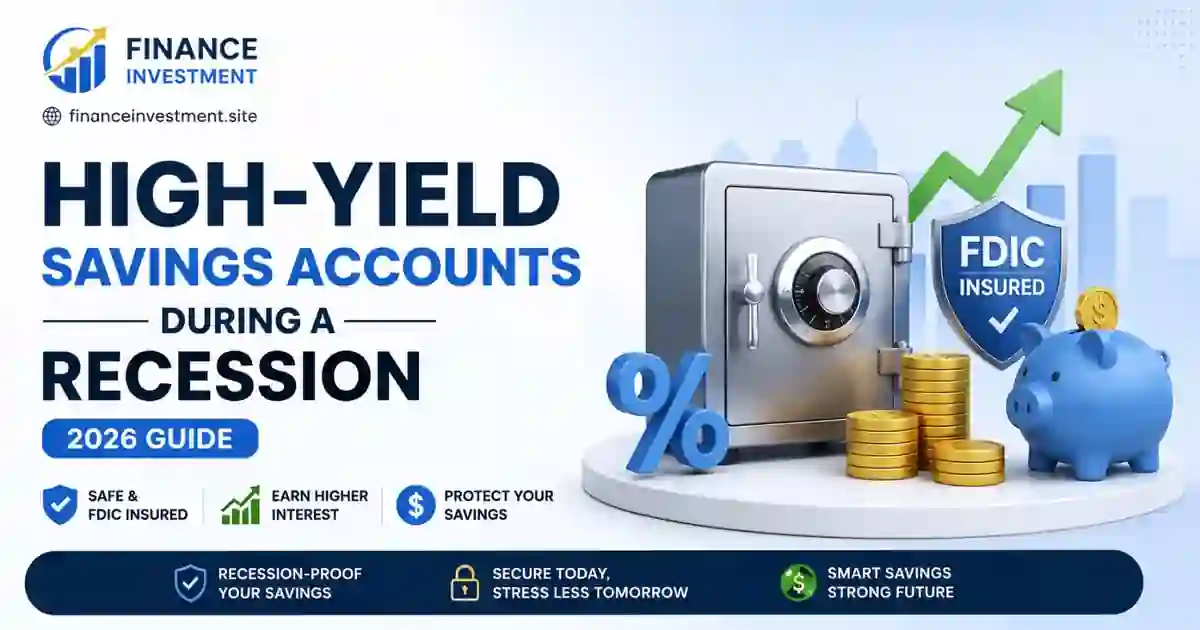
  • High-Yield Savings Accounts During a Recession (2026 Guide)

    High-Yield Savings Accounts During a Recession (2026 Guide)


    ✓ Expert Reviewed •
    USA Banking Guide
    Finance Investment Editorial Team
    Author: Subhash Rukade.
    Research-backed financial content designed to help Americans protect their savings, compare banking products, and make confident money decisions in every stage of the economy.
    Updated
    August 4, 2026
    Reading Time
    12 Minutes
    Fact Checked ✓


    High-Yield Savings Accounts During a Recession (2026 Guide)

    High-Yield Savings Accounts During a RecessionNews about slowing economic growth, layoffs, and market swings often makes people ask the same question: Is my savings still in the right place? During uncertain times, protecting your cash becomes just as important as growing it. That’s why more Americans start comparing savings options whenever recession concerns return.

    If you’re wondering whether High-Yield Savings Accounts During a Recession are still worth using,”It’s a question many savers are asking.” Interest rates can change, inflation affects buying power, and financial headlines can make it difficult to know what to do next. Making a rushed decision, however, isn’t the answer.

    This guide explains what usually happens to high-yield savings accounts during an economic slowdown, why APYs move up and down, and how you can protect your emergency fund without taking unnecessary risks. You’ll also learn when these accounts make sense and when another option may deserve a closer look.

    What You’ll Learn

    • How recessions can influence high-yield savings account interest rates.
    • Whether your deposits remain protected during difficult economic periods.
    • Simple ways to keep your emergency fund working for you.
    • Mistakes that can quietly reduce the value of your savings.
    • How to compare savings accounts when the economy becomes uncertain.
    • More practical savings strategies in our Complete High-Yield Savings Accounts USA Guide.

    By the end of this guide, you’ll have a clear understanding of how High-Yield Savings Accounts During a Recession fit into a smart savings strategy and what steps can help you feel more confident regardless of where the economy goes next.


    Quick Answer & Key Takeaways

    💙 Quick Answer

    A recession doesn’t automatically make a high-yield savings account a bad place for your money. Interest rates may move lower as economic conditions change, but your savings can still remain protected when they’re held in an eligible FDIC-insured bank. For many households, High-Yield Savings Accounts During a Recession continue to provide a practical place for emergency funds and short-term savings because they balance safety, liquidity, and interest earnings.

    ⭐ Key Takeaways

    • Economic slowdowns can affect APYs, but your money doesn’t disappear because rates change.
    • Emergency savings should stay easy to access when unexpected expenses appear.
    • Compare account features, fees, and insurance instead of chasing the highest advertised rate.
    • Keeping cash available can reduce financial stress during uncertain times.
    • Review your savings strategy every few months instead of reacting to daily headlines.
    • High-Yield Savings Accounts During a Recession remain a sensible option for people who want stability without locking away their money.

    “Here’s what matters most:” A recession is a good time to become more intentional with your savings—not more fearful. Choosing a well-managed savings account and maintaining a healthy emergency fund can help you handle uncertainty with greater confidence.


    Table of Contents


    At a Glance

    Economic slowdowns can make even experienced savers feel uncertain. Stock prices may swing, borrowing costs can change, and headlines often create more questions than answers. Even so, a well-chosen High-Yield Savings Accounts During a Recession strategy can give your cash a safe place to earn interest while remaining available for unexpected expenses.

    Rather than trying to predict every market move, many households focus on building a strong emergency fund and keeping enough cash within easy reach. That approach provides flexibility without exposing short-term savings to unnecessary market risk.

    Quick FactsOverview
    Best ForEmergency funds and short-term savings.
    SafetyEligible deposits are generally protected by FDIC insurance.
    Interest RatesAPYs may rise or fall as the economy changes.
    Access to CashMoney remains available whenever you need it.
    Ideal UsersFamilies, retirees, beginners, and anyone preparing for uncertain times.

    Keeping cash safe doesn’t mean giving up growth entirely.”Most people simply want three things: safety, access to cash, and a reasonable return.”


    Complete Beginner Guide

    High-Yield Savings Accounts During a RecessionWhen the economy slows down, many people stop thinking about growing money and start thinking about protecting it. That’s a natural reaction. Job security may feel uncertain, prices can remain high, and the stock market often becomes more unpredictable. During times like these, knowing where your savings are parked matters just as much as how much you’ve saved.


    A High-Yield Savings Accounts During a Recession strategy gives your cash a place that’s designed for stability instead of speculation. While investment values may rise and fall every day, money in an eligible high-yield savings account isn’t tied to stock market performance. That difference helps many families sleep a little better during uncertain periods.

    Why Interest Rates Change

    High-yield savings accounts don’t keep the same APY forever. Banks adjust rates as economic conditions change. When the Federal Reserve raises or lowers interest rates, banks often respond by changing the APYs offered on savings accounts. Seeing your rate move doesn’t mean something is wrong with your account. It’s simply part of how the banking system works.

    How Your Money Stays Protected

    “Many people choose these accounts because. If your account is held at an eligible FDIC-insured bank, your deposits are generally protected up to the applicable federal insurance limits. That protection remains in place whether the economy is strong or struggling.

    If you’d like a better understanding of how these accounts work, read our guide explaining high-yield savings accounts. You can also learn how rates are calculated in our APY vs. Interest Rate comparison.

    Emergency Funds Matter Even More

    A recession can bring unexpected expenses or temporary income changes. Having several months of living expenses in an easily accessible savings account gives you more options if life takes an unexpected turn. Instead of relying on credit cards or selling investments at the wrong time, you already have cash available when you need it.

    Inflation Doesn’t Disappear

    Even during a recession, inflation may continue affecting everyday costs. A high-yield savings account won’t eliminate inflation, but earning interest helps reduce the impact compared with leaving money in a low-interest account that barely grows.

    💡 Premium Expert Tip

    Don’t wait until recession headlines become louder before reviewing your savings. Building an emergency fund while your finances are stable is usually easier than trying to catch up after unexpected expenses arrive.

    For many households, High-Yield Savings Accounts During a Recession aren’t about chasing the highest return. They’re about keeping cash available, protected, and steadily growing while staying prepared for whatever comes next. That’s why they continue to “continue to be useful” in many financial plans, regardless of the economic outlook.


    How It Works During a Recession

    Money in a high-yield savings account keeps working even when the economy slows down. The bank pays interest on your balance, and that interest is added to your account based on the bank’s payment schedule. As long as the money stays in the account, it continues earning interest on both your original deposit and the interest already credited.

    That’s one reason High-Yield Savings Accounts During a Recession remain popular with people who want stability. While investment markets can move sharply from one week to the next, the value of your savings doesn’t rise and fall with stock prices.

    What Changes When the Economy Slows?

    “What you’ll notice first is.”the interest rate, not the safety of your money. Banks may adjust APYs as borrowing costs and market conditions change. Some months rates move higher, while at other times they move lower. Those adjustments are normal and happen across much of the banking industry.

    Accessing Your Savings

    Your money doesn’t become locked away during a recession. You can still transfer funds, pay unexpected bills, or cover emergency expenses whenever they’re needed. That easy access is one of the biggest reasons people choose a savings account instead of placing every dollar into long-term investments.

    A Simple Example

    Imagine Sarah keeps six months of living expenses in a high-yield savings account. During an economic slowdown, her bank lowers the APY slightly. Even so, her emergency fund remains protected, continues earning interest, and is available immediately if she needs to repair her car or cover household bills after a temporary loss of income.

    If you’re planning to build your emergency fund gradually, our How to Automate Your Savings guide explains how automatic transfers can make saving easier throughout the year.

    💡 Good to Know

    Many savers focus too much on short-term APY changes. Keeping enough cash for emergencies is usually far more important than trying to move money every time another bank advertises a slightly higher rate.

    For many households, High-Yield Savings Accounts During a Recession provide something that’s difficult to measure with numbers alone: confidence that emergency savings will still be there whenever life takes an unexpected turn.


    Benefits & Drawbacks

    “When money feels tighter, saving habits often change.” Instead of chasing bigger returns, the focus often shifts toward protecting savings while keeping cash available for unexpected expenses. That’s where High-Yield Savings Accounts During a Recession can be especially useful, although they aren’t perfect for every situation.

    ✅ Benefits

    • Your savings stay available whenever an emergency comes up.
    • Eligible deposits are generally protected through FDIC insurance.
    • You continue earning interest instead of leaving cash in a low-paying account.
    • No need to worry about daily stock market swings affecting your balance.
    • Online access makes it easy to monitor and manage your savings from anywhere.

    ❌ Drawbacks

    • Interest rates can decline if banks lower their APYs.
    • Returns may not keep pace with inflation during some periods.
    • These accounts are built for saving, not long-term wealth creation through investing.
    • Moving money frequently to chase slightly higher rates rarely delivers a meaningful advantage.

    💡 Expert Insight

    A recession isn’t the time to abandon your savings plan. It’s a good time to review your emergency fund, compare account features, and make sure your cash is earning a competitive rate while remaining easy to access whenever life throws you an unexpected expense.


    Comparison Table

    “Each account was built for a different job.” During a recession, the right choice depends on whether you need immediate access to your money, higher interest, or a guaranteed return for a fixed period. Here’s a simple side-by-side comparison to help you decide.

    FeatureHigh-Yield Savings AccountTraditional SavingsMoney Market AccountShort-Term CD
    SafetyVery HighVery HighVery HighVery High
    Interest PotentialUsually HigherUsually LowerModerate to HighFixed for the term
    LiquidityExcellentExcellentGoodLimited until maturity
    FDIC InsuranceYes (eligible banks)YesYesYes
    Inflation ProtectionBetter than standard savingsLimitedModerateDepends on the fixed rate
    Best Use CaseEmergency fund and short-term savingsBasic banking needsHigher balances with flexible accessMoney you won’t need for several months

    Planning Tip: During uncertain economic periods, High-Yield Savings Accounts During a Recession often provide the best mix of safety, liquidity, and competitive interest. If you expect to need your money quickly, keeping it accessible is usually more valuable than locking it away for a slightly higher return.


    Costs, Risks & Expert Tips

    A recession doesn’t automatically make a savings account less useful, but it can change how much your money earns. Banks regularly adjust APYs as interest rates move. If rates fall, your account may earn less than it did a few months earlier. That doesn’t mean your savings are unsafe—it simply reflects changing economic conditions.

    Inflation is another factor to watch. Even when your balance grows through interest, rising prices can reduce what that money buys in the future.”Taking a fresh look at your savings once or twice a year is usually enough.”

    Before opening a new account, look beyond the advertised APY. Check for monthly maintenance fees, minimum balance requirements, and transfer policies. Many online banks avoid these charges, but it’s always worth reading the account details.

    FDIC insurance is straightforward. If your money is held at an eligible FDIC-insured bank, deposits are generally protected up to the federal insurance limit for each ownership category. That protection stays in place regardless of economic conditions.

    Switching banks may be worthwhile if your current account pays very little interest or charges unnecessary fees. If the difference is only a small fraction of a percent, staying where you are may be the simpler choice.

    ⚠️ Watch Out For

    Don’t let recession headlines push you into making rushed financial decisions. Compare facts, not emotions, before moving your savings.

    5 Practical Tips

    • Keep three to six months of essential expenses in an emergency fund.
    • Compare fees before opening or switching accounts.
    • Review your APY occasionally instead of checking it every week.
    • Choose FDIC-insured institutions whenever possible.
    • High-Yield Savings Accounts During a Recession work best when they’re part of a long-term savings plan rather than a reaction to short-term news.


    Common Mistakes + Real-Life Example

    “When recession news dominates the headlines, it’s easy to make quick decisions.”Sometimes those decisions help, but in many cases they create new problems. A little patience and a clear savings plan usually produce better results than reacting to every financial headline. That’s especially true when managing High-Yield Savings Accounts During a Recession.

    5 Common Mistakes

    • Moving money after every rate change. A slightly higher APY isn’t always worth changing banks.
    • Leaving too little in an emergency fund. Unexpected expenses rarely wait for the economy to recover.
    • Keeping all savings in a checking account. Low interest means your money grows much more slowly.
    • Ignoring fees and account requirements. Small monthly charges can quietly reduce your earnings.
    • Making decisions out of fear. Selling investments or emptying savings without a plan can create bigger financial challenges later.

    Real-Life Example

    David, a teacher from Ohio, became worried after hearing constant recession news. He transferred nearly all of his savings into a regular checking account because he wanted immediate access to every dollar. Months later, he realized his money had earned very little interest while prices continued to rise.

    After reviewing his finances, David rebuilt his emergency fund in a high-yield savings account and kept only his monthly spending money in checking. The change gave him easier access to cash when needed while allowing the rest of his savings to keep earning interest.

    ✅ Lesson Learned

    Financial headlines change every day, but good saving habits don’t. Keeping an emergency fund, avoiding emotional decisions, and reviewing your account from time to time can help you stay prepared through both strong and weak economic periods.


    Who Should Choose This?

    “The right choice depends on your own situation.” Some people want quick access to cash, while others simply want a safe place to keep money until conditions improve. For many households, High-Yield Savings Accounts During a Recession offer a practical balance between safety, flexibility, and steady interest.

    Who Benefits Most?

    • Beginners building their first emergency fund without taking unnecessary investment risk.
    • Families preparing for unexpected expenses such as medical bills, home repairs, or temporary income changes.
    • Retirees who want part of their savings to remain stable and easy to access.
    • Freelancers and self-employed workers whose monthly income may not always be predictable.
    • Investors looking for a secure place to hold cash while waiting for future investment opportunities.

    ✔️ Best Choice If…

    You want your savings to stay available without exposing them to daily market swings. A strong emergency fund, combined with a competitive savings account, can provide valuable peace of mind while the economy works through uncertain periods.


    Frequently Asked Questions

    1. Are high-yield savings accounts safe during a recession?

    Yes. If your account is with an eligible FDIC-insured bank, your deposits are generally protected up to the applicable federal insurance limits. Market ups and downs don’t directly reduce the balance in your savings account.

    2. Why do APYs sometimes fall during a recession?

    Banks adjust savings rates as overall interest rates change. If borrowing costs decline, savings account APYs often follow. A lower APY doesn’t mean your money is less secure—it simply means future interest earnings may be smaller.

    3. Should I keep my emergency fund in a high-yield savings account?

    For many households, yes. Emergency savings should stay easy to reach while still earning interest. That’s one reason High-Yield Savings Accounts During a Recession remain a popular choice for short-term financial security.

    4. Can inflation reduce the value of my savings?

    Yes. Rising prices reduce purchasing power over time. Although a high-yield savings account won’t completely eliminate inflation’s impact, earning interest helps your money grow more than it would in a low-interest account.

    5. Are online banks reliable during a recession?

    Many online banks are well-established financial institutions. As long as the bank offers eligible FDIC insurance, your deposits receive the same federal protection as they would at many traditional banks.

    6. Should I switch banks every time another account offers a higher APY?

    Usually not. A slightly higher rate doesn’t always justify changing accounts. Compare customer service, fees, account features, and convenience before deciding to move your money.

    7. Is a high-yield savings account better than investing during a recession?

    “Each one solves a different problem.” while savings accounts are designed for stability and quick access to cash. Many people choose to use both instead of relying on only one option.

    8. How do I choose the right savings account?

    Look at more than the advertised APY. Check fees, minimum balance requirements, online banking tools, transfer options, and customer support. Choosing an account that matches your financial habits is usually more valuable than chasing the highest rate.

    9. Can I lose money in a high-yield savings account during a recession?

    Your balance doesn’t fluctuate with the stock market, so market declines won’t directly reduce your deposits. The main change you’ll notice is that interest rates may move up or down over time.

    10. Are High-Yield Savings Accounts During a Recession still worth opening in 2026?

    For many Americans, the answer is yes. They provide a practical place to keep emergency savings while earning interest and maintaining easy access to cash. If your goal is protecting money rather than taking additional investment risk, they continue to be a sensible option.


    Final Verdict

    “When the economy slows down, many people start paying closer attention to where their savings are kept.”High-Yield Savings Accounts During a Recession continue to offer an effective combination of safety, flexibility, and interest for money you’ll likely need within the next few months or years.

    Although APYs may change as the economy changes, keeping emergency savings in an account that remains accessible can provide valuable financial stability. Rather than reacting to every headline, focus on building healthy savings habits and reviewing your account occasionally to be sure it still meets your needs.

    If you’re comparing more savings options, explore our Complete High-Yield Savings Accounts USA Guide for additional comparisons, practical tips, and account recommendations.

    For trusted consumer information, visit the FDIC, the Consumer Financial Protection Bureau (CFPB), and Consumer.gov.

    ✔️ Final Takeaway

    A recession is a reminder to protect your savings, not to panic. Keeping an emergency fund in a competitive, FDIC-insured high-yield savings account gives you quick access to cash while allowing your money to continue earning interest as you prepare for whatever comes next.


    Stay Ready for Whatever the Economy Brings

    “If you found this guide useful” Join our free newsletter for practical savings ideas, banking tips, and easy-to-follow money guides delivered throughout the year. If you have a strategy that has helped you protect your savings during uncertain times, share it in the comments. Your experience could help another reader make a smarter financial decision. If you found this article useful, consider sharing it with friends and family.


    Explore the Complete Savings Guide →

  • Best Savings Accounts for Freelancers (2026): Compare High-Yield Options to Grow Your Money

    Best Savings Accounts for Freelancers (2026): Compare High-Yield Options to Grow Your Money


    Best Savings Accounts for Freelancers (2026)

    Finance Investment Editorial Team
    Independent Research • Banking • Savings • Investing • Retirement • USA 2026

    📅 July 31, 2026

    ⏱️ 11 Min Read

    ✓ Expert Reviewed


    Best Savings Accounts for FreelancersFreelancing gives you the freedom to work on your own terms, but it also comes with one challenge—your income may not be the same every month. Some months bring several client payments, while others can be quieter. That’s why choosing one of the Best Savings Accounts for Freelancers is more than a banking decision. It’s a practical way to build financial stability while making your money work harder.Unlike many traditional savings accounts, today’s high-yield options offer competitive APYs, low or no monthly fees, and convenient mobile banking. These features make it easier to set aside money for quarterly taxes, unexpected expenses, business upgrades, and future goals without locking away your cash.If you’re still learning how high-yield accounts work, our High-Yield Savings Accounts USA 2026: Complete Beginner Guide explains everything from APYs to FDIC insurance and can help you compare your options with confidence.In this guide, we’ll compare the Best Savings Accounts for Freelancers, explain the features that matter most, highlight common mistakes to avoid, and share practical tips to help you earn more interest while keeping your savings secure. Whether you’re a freelancer, consultant, creator, or gig worker, you’ll be ready to choose an account that fits your financial goals.


    Quick Answer: Which Are the Best Savings Accounts for Freelancers?

    The Best Savings Accounts for Freelancers are high-yield, FDIC-insured savings accounts that combine competitive interest rates, no or low monthly fees, and convenient online banking. These accounts are designed to help freelancers earn more on idle cash while keeping their money available for taxes, emergency expenses, and business needs.

    If your income changes from month to month, a high-yield savings account can help you build a financial cushion without taking unnecessary risks. Many online banks also offer automatic transfers, mobile check deposits, spending alerts, and goal-based savings tools that make it easier to stay organized.

    When comparing the Best Savings Accounts for Freelancers, pay attention to the annual percentage yield (APY), minimum balance requirements, monthly maintenance fees, withdrawal options, and customer support. A slightly higher APY may increase your earnings over time, but an account with lower fees and better features could provide greater overall value.

    Many freelancers also choose to separate their savings into different goals. Keeping one account for quarterly taxes, another for emergencies, and another for future business investments can simplify budgeting and reduce financial stress. The right savings account should support your cash flow today while helping you prepare for tomorrow.


    Table of Contents

    This guide covers everything you need to know about the Best Savings Accounts for Freelancers. You’ll learn which features matter most, how high-yield savings accounts work, their benefits and drawbacks, account comparisons, common mistakes to avoid, answers to frequently asked questions, and practical tips to help you choose the right account for your financial goals.


    Best Savings Accounts for Freelancers at a Glance

    The Best Savings Accounts for Freelancers are designed to help self-employed professionals manage irregular income while earning competitive interest on their savings. Instead of leaving extra cash in a checking account, a high-yield savings account allows your money to grow while remaining available when you need it.

    When comparing different accounts, focus on features that match your financial needs. A competitive APY can increase your earnings, while no monthly maintenance fees help you keep more of your money. FDIC insurance protects eligible deposits, giving you added confidence that your savings are secure.

    The Best Savings Accounts for Freelancers also make it easier to organize your finances. Many freelancers maintain separate savings for quarterly taxes, emergency expenses, and future business investments. Keeping these goals separate reduces the chance of spending money that has already been set aside for an important purpose.

    As you continue reading, you’ll learn how these accounts work, which features deserve the most attention, and how to choose an option that supports both your current cash flow and your long-term financial plans.


    Beginner’s Guide to Choosing the Best Savings Accounts for Freelancers

    If you’re new to freelancing, choosing the right savings account can have a lasting impact on your finances. Unlike a traditional job with a steady paycheck, freelance income often changes from month to month. Some clients pay quickly, while others may take weeks. That’s why the Best Savings Accounts for Freelancers are designed to help you save consistently, earn competitive interest, and stay prepared for unexpected expenses.

    Start With Your Financial Goals

    Before comparing banks, decide what you’re saving for. Your goals may include quarterly taxes, an emergency fund, new equipment, business software, or future investments. Knowing your priorities makes it easier to choose an account that fits your needs instead of selecting one based only on the advertised APY.

    Choose a Competitive APY

    Interest rates vary from one bank to another. A higher APY allows your savings to grow faster without changing your saving habits. While rates can change over time, selecting one of the Best Savings Accounts for Freelancers with a competitive APY gives your money a better opportunity to earn more throughout the year.FDIC Deposit Insurance Guide

    Pay Attention to Fees

    Monthly maintenance fees can slowly reduce your savings. Many online banks offer fee-free savings accounts with no minimum balance requirements. These accounts are often a better fit for freelancers whose income isn’t always predictable.

    Look for Useful Banking Features

    A good savings account should be easy to manage from anywhere. Features such as mobile banking, automatic transfers, account alerts, and fast transfers between checking and savings can simplify your daily finances. Some banks also let you create multiple savings goals within one account, making it easier to organize your money.

    Keep Different Savings Goals Separate

    Many freelancers use one savings account for taxes and another for emergencies or business purchases. This simple strategy reduces confusion and helps you avoid spending money that has already been reserved for another purpose. The Best Savings Accounts for Freelancers support this approach by offering flexible online tools and simple account management.

    Choosing the right savings account isn’t about finding the highest interest rate alone. It’s about selecting an account that matches your income, spending habits, and long-term financial goals. A thoughtful decision today can make managing freelance income much easier in the years ahead.


    How the Best Savings Accounts for Freelancers Work

    The Best Savings Accounts for Freelancers are built to help you save money while earning interest at the same time. Unlike a checking account, which is mainly used for daily spending and bill payments, a savings account is meant for money you want to keep available but don’t plan to spend right away. This makes it an excellent place to build an emergency fund, save for quarterly taxes, or prepare for future business expenses.

    After opening an account, you can transfer money from your checking account whenever you receive a client payment. Many freelancers schedule automatic transfers so a fixed amount or percentage of every payment goes directly into savings. This habit removes the guesswork from saving and helps your balance grow throughout the year.

    How Interest Grows Your Savings

    One of the biggest advantages of the Best Savings Accounts for Freelancers is the opportunity to earn a competitive annual percentage yield (APY). Most banks calculate interest every day and deposit it into your account monthly. As your balance increases, future interest is calculated on a larger amount, allowing your savings to grow steadily over time.

    Easy Access When You Need It

    A savings account isn’t designed to replace your checking account, but it still gives you convenient access to your money. Most banks allow transfers through their website or mobile app, making it simple to pay quarterly taxes, cover unexpected business costs, or handle personal emergencies without visiting a branch.

    Organizing Your Money

    Many online banks let you create multiple savings accounts or savings buckets for different goals. You might keep one account for taxes, another for emergencies, and another for equipment upgrades or business investments. The Best Savings Accounts for Freelancers make this organization easy, helping you avoid mixing money intended for different purposes.

    By saving consistently and choosing an account with strong features, you can build financial stability while making every client payment work a little harder for your future.


    Benefits and Drawbacks of the Best Savings Accounts for Freelancers

    The Best Savings Accounts for Freelancers can make managing unpredictable income much easier. They provide a safe place to store your money, earn interest, and prepare for future expenses. At the same time, it’s important to understand that every savings account has limitations. Looking at both the advantages and the drawbacks will help you choose an account that fits your financial needs.

    Benefits

    • Higher earning potential: High-yield savings accounts generally pay a much better APY than traditional savings accounts, allowing your balance to grow faster.
    • Safe and secure: Accounts at FDIC-insured banks protect eligible deposits up to federal limits, giving you confidence that your savings are secure.
    • Flexible access to funds: You can transfer money whenever it’s needed for taxes, emergencies, or business expenses without locking it away for years.
    • Better financial organization: The Best Savings Accounts for Freelancers make it easy to separate money for taxes, emergency savings, and future business goals.
    • Low ongoing costs: Many online banks offer accounts with no monthly maintenance fees and no minimum balance requirements.

    Drawbacks

    • Interest rates can change: APYs rise and fall with market conditions, so today’s rate may not stay the same forever.
    • Returns are modest: Savings accounts offer stability, but they won’t generate the long-term growth that investments may provide.
    • Easy access can tempt spending: Because your money is readily available, it takes discipline to avoid using savings for unnecessary purchases.

    For most freelancers, the benefits of a high-yield savings account outweigh the drawbacks. Choosing the right account and building consistent saving habits can strengthen your financial foundation for years to come.


    Comparison: High-Yield Savings Accounts vs Traditional Savings Accounts

    Not every savings account offers the same value. While traditional savings accounts are available at most brick-and-mortar banks, high-yield savings accounts often provide better interest rates and lower fees. Understanding the differences can help you choose the option that fits your financial goals.

    FeatureHigh-Yield Savings AccountTraditional Savings Account
    Interest (APY)Usually much higherUsually lower
    Monthly FeesOften noneMay apply
    Minimum BalanceOften low or noneMay be required
    Banking AccessMainly online and mobileBranch and online access
    Best ForGrowing savings fasterCustomers who prefer in-person banking

    Before opening an account, compare fees, features, and account terms using guidance from the Consumer Financial Protection Bureau.Consumer Financial Protection Bureau (CFPB) For most self-employed professionals, the Best Savings Accounts for Freelancers are high-yield online accounts because they combine competitive APYs, lower fees, and convenient digital tools. If you rarely visit a bank branch, a high-yield account can help your savings grow faster while giving you easy access whenever you need your money.


    Costs, Risks, and Smart Tips

    Most high-yield savings accounts are inexpensive to maintain, but that doesn’t mean every account is the same. Before opening one, review the fee schedule, account requirements, and available features. Even small charges can reduce your savings over time if you aren’t paying attention.

    Common Costs

    Many online banks don’t charge monthly maintenance fees, but some traditional banks may require a minimum balance to avoid those fees. You should also check for charges related to wire transfers, paper statements, or excessive account services. Choosing a low-cost account helps you keep more of the interest you earn.

    Potential Risks

    The Best Savings Accounts for Freelancers are generally safe when offered by FDIC-insured banks, but there are still a few risks to understand. Interest rates can change at any time, so today’s APY may be lower in the future. Another common risk is relying only on a savings account for long-term wealth building. While savings accounts provide security and liquidity, they usually don’t deliver the same long-term growth potential as diversified investments.

    Smart Tips

    • Set up automatic transfers whenever you receive client payments.
    • Keep separate savings for taxes, emergencies, and business expenses.
    • Review your APY and account fees at least once a year.
    • Maintain an emergency fund before investing extra cash.
    • Compare several banks before opening a new account instead of choosing the first option you find.

    Following these simple habits can help you earn more interest, avoid unnecessary fees, and make better use of your freelance income throughout the year.


    Common Mistakes to Avoid

    Even the Best Savings Accounts for Freelancers won’t help you reach your goals if you develop poor saving habits. Avoiding a few common mistakes can help you keep more of your money and build a stronger financial foundation.

    • Keeping all your money in a checking account: A checking account offers convenience, but it usually earns little or no interest. Moving extra cash into a high-yield savings account allows your money to grow.
    • Ignoring account fees: Monthly maintenance fees and other charges can slowly reduce your savings. Always review the fee schedule before opening an account.
    • Choosing an account based only on APY: A high interest rate is valuable, but customer service, mobile banking, account features, and low fees are just as important.
    • Not saving for taxes: Many freelancers forget to set aside money for quarterly tax payments. Keeping a separate savings account for taxes can help you avoid financial surprises.
    • Using savings for everyday spending: Emergency savings should be reserved for genuine emergencies, not routine purchases or impulse spending.
    • Never reviewing your account: The Best Savings Accounts for Freelancers today may not remain the best choice forever. Compare rates and features regularly to make sure your account still meets your needs.If you’re self-employed, remember to review the IRS estimated tax requirements to avoid penalties.IRS Estimated Tax Guide for Self-Employed

    Avoiding these mistakes makes it easier to protect your savings, earn more interest, and stay prepared for both expected and unexpected expenses.


    Who Should Choose This Account?

    The Best Savings Accounts for Freelancers are a great choice for anyone whose income changes from month to month. Whether you’re a freelance writer, designer, consultant, developer, photographer, or rideshare driver, a high-yield savings account can help you manage your money more effectively.

    This type of account is especially useful if you want to build an emergency fund, save for quarterly taxes, or set aside money for future business expenses. It also works well for freelancers who prefer online banking, automatic transfers, and mobile account management.

    If you already have enough money for everyday expenses in your checking account, moving extra cash into a high-yield savings account allows your balance to earn interest while remaining easily accessible. On the other hand, if you need money for daily spending, a checking account should still be your primary account.

    Choosing the right savings account depends on your financial goals, but for most self-employed professionals, a high-yield account offers the right balance of safety, flexibility, and long-term value.


    Frequently Asked Questions

    1. What are the Best Savings Accounts for Freelancers?

    The Best Savings Accounts for Freelancers are typically high-yield, FDIC-insured savings accounts that offer competitive APYs, low or no monthly fees, and easy online banking. They help freelancers earn more interest on their savings while keeping money available for taxes, emergencies, and future business expenses.

    2. Should freelancers use separate savings accounts for different goals?

    Yes. Many freelancers benefit from keeping separate savings for quarterly taxes, emergency funds, and business purchases. Separating your money makes budgeting easier and reduces the risk of accidentally spending funds that have already been set aside for an important purpose.

    3. Are online high-yield savings accounts safe?

    Yes, as long as the account is held at an FDIC-insured bank. Eligible deposits are protected up to the federal insurance limits, giving you the same level of protection as many traditional banks. Always verify that a bank is FDIC insured before opening an account.

    4. How much should a freelancer keep in a savings account?

    There’s no single amount that’s right for everyone. Many financial experts suggest building an emergency fund that covers three to six months of essential living expenses. Freelancers with highly unpredictable income may choose to save even more to provide additional financial stability during slower work periods.

    5. Can I use the same savings account for personal and business expenses?

    While it’s possible, it’s usually not the best approach. Keeping personal and business savings separate makes budgeting, tax preparation, and expense tracking much easier. Using dedicated accounts also gives you a clearer picture of your financial progress throughout the year.


    Final Verdict

    The Best Savings Accounts for Freelancers can do much more than hold your money. They help you earn interest, prepare for quarterly taxes, build an emergency fund, and stay ready for unexpected business expenses. Choosing an account with a competitive APY, low fees, and useful online banking features can make managing freelance income much easier.

    Remember that the highest interest rate isn’t the only factor that matters. Look for an account that matches your financial goals, offers reliable customer support, and gives you the flexibility to manage your savings whenever you need it. Small, consistent deposits can grow into meaningful savings over time.

    If you’re building a stronger financial future, don’t stop here. Read our complete guide on High-Yield Savings Accounts USA 2026 to compare more account options and saving strategies. You may also find these guides helpful:

    If you found this guide useful, consider subscribing to our newsletter for practical money-saving tips, banking updates, and personal finance strategies designed for freelancers and self-employed professionals.


    Disclaimer

    This article is for educational and informational purposes only and should not be considered financial, investment, tax, or legal advice. Interest rates, account features, fees, and banking policies may change over time. Always review the latest terms and conditions before opening a savings account. If you need advice based on your personal financial situation, consult a qualified financial advisor or tax professional.


    References

    The information in this guide is based on trusted financial and government resources. For the most current details about deposit insurance, savings account regulations, and personal finance guidance, refer to the following sources:

    • Federal Deposit Insurance Corporation (FDIC) – https://www.fdic.gov
    • Consumer Financial Protection Bureau (CFPB) – https://www.consumerfinance.gov
    • U.S. Securities and Exchange Commission (SEC) – https://www.investor.gov
    • Federal Reserve – https://www.federalreserve.gov
    • Internal Revenue Service (IRS) – https://www.irs.gov
    • Bankrate – https://www.bankrate.com
    • NerdWallet – https://www.nerdwallet.com
  • Top Savings Account FAQs Answered (2026): Everything Americans Need to Know

    Top Savings Account FAQs Answered (2026): Everything Americans Need to Know


    Top Savings Account FAQs Answered (2026)

    Finance Investment Editorial Team
    Independent Research • Banking • Savings • Investing • Retirement • USA 2026

    📅 July 31, 2026

    ⏱️ 11 Min Read

    ✓ Expert Reviewed


    Top Savings Account FAQs Answered (2026)

    Top Savings Account FAQs AnsweredIf you’ve ever searched for answers about savings accounts, you’re not alone. Many Americans wonder whether a high-yield savings account is safe, how APY works, how much interest they can earn, or whether it’s worth switching banks. These questions become even more important in 2026 as interest rates continue to change and more online banks compete for customers.

    This guide brings together the Top Savings Account FAQs Answered in one place using simple, practical language. Instead of reading dozens of articles, you’ll find clear answers that help you make smarter decisions with your money. Whether you’re building an emergency fund, saving for a home, planning retirement, or simply trying to earn more interest, this guide is designed to help.

    You’ll also discover when a traditional savings account is enough, when a high-yield account makes more sense, and which common myths can cost savers money. If you’re new to saving, start with our
    High-Yield Savings Accounts USA Guide
    for a complete foundation before exploring these frequently asked questions.

    What You’ll Learn

    • Answers to the most common savings account questions in 2026.
    • How interest, APY, and FDIC insurance really work.
    • Ways to avoid costly savings mistakes.
    • Simple strategies to grow your savings faster.
    • How to choose the right savings account for your financial goals.


    Quick Answer & Key Takeaways

    Quick Answer

    The best savings account is the one that helps your money grow while keeping it safe and easy to access. In 2026, many Americans are choosing high-yield savings accounts because they often offer much higher APYs than traditional banks. Before opening an account, compare interest rates, fees, FDIC insurance, withdrawal rules, and digital banking features. Understanding these basics can help you earn more without taking extra risk.

    Key Takeaways

    • Choose a savings account that matches your financial goals, not just the highest advertised APY.
    • Always confirm that your deposits are protected by FDIC insurance.
    • Compare fees, minimum balance requirements, and mobile banking features before switching.
    • Review interest rates regularly because banks may change them over time.
    • Automatic transfers can make saving easier and more consistent.
    • Keeping an emergency fund in a high-yield savings account can help your cash earn more while remaining accessible.

    Bottom Line: Knowing the answers to the most common savings account questions makes it easier to avoid costly mistakes, choose the right bank, and build stronger saving habits throughout 2026.


    Table of Contents


    At a Glance

    Savings accounts remain one of the safest places to keep money for short-term goals and unexpected expenses. While the basic purpose of every savings account is the same, the features can vary from one bank to another. High-yield savings accounts usually pay higher interest than traditional savings accounts, making them a popular choice for Americans who want their cash to earn more without taking investment risk.

    CategoryQuick Facts
    Best ForEmergency funds, short-term savings, and everyday financial goals.
    Risk LevelVery low when the account is FDIC-insured.
    Potential ReturnVaries by APY and can change as market interest rates move.
    LiquidityEasy access to your money whenever you need it.
    Ideal UsersBeginners, families, retirees, students, and anyone building healthy saving habits.


    Complete Beginner Guide

    Top Savings Account FAQs AnsweredA savings account is one of the first financial tools most people use, yet many account holders don’t fully understand how it works.Top Savings Account FAQs Answered That often leads to missed opportunities, such as earning a better interest rate or avoiding unnecessary fees. Knowing the answers to the Top Savings Account FAQs Answered can help you make smarter decisions from the very beginning.

    A savings account is designed to keep your money secure while allowing it to earn interest over time. Unlike investing in stocks or mutual funds, your balance doesn’t rise and fall with the market. If your account is held at an FDIC-insured bank, your eligible deposits are protected up to the legal limits, giving you peace of mind while your savings continue to grow.

    Why High-Yield Savings Accounts Are Popular

    Traditional savings accounts often pay very little interest. High-yield savings accounts, especially those offered by online banks, usually provide much higher annual percentage yields (APYs). Even a small increase in APY can make a noticeable difference over time, particularly if you save consistently and leave your money untouched whenever possible.

    If you’re still deciding where to keep your savings, our
    Online Banks vs. Traditional Banks
    guide explains the key differences and can help you choose the option that fits your needs.

    Questions You Should Ask Before Opening an Account

    • Is the bank FDIC-insured?
    • What APY does the account currently offer?
    • Are there monthly maintenance fees?
    • Is there a minimum balance requirement?
    • Can you easily transfer money through the mobile app?
    • How often does the bank update its interest rate?

    Build Better Saving Habits

    Choosing the right account is only the first step. Regular deposits matter just as much as the interest rate. Setting up automatic transfers after every paycheck helps many people save without thinking about it. Over time, these small contributions can grow into a healthy emergency fund or help pay for future goals such as a home, vacation, education, or retirement.

    If you’re looking for practical ways to earn more from the money you already save, read
    How to Maximize Savings Interest.
    It shares simple strategies that can increase your savings without taking on additional investment risk.


    How It Works

    Understanding how a savings account works makes it easier to choose the right one and avoid surprises later. Whether you use a traditional bank or an online bank, the basic process is simple. You deposit money into the account, the bank keeps it secure, and in return it pays you interest based on the account’s Annual Percentage Yield (APY). The higher the APY, the faster your balance can grow, assuming the rate stays the same.

    Step 1: Deposit Your Money

    After opening the account, you can add money through direct deposit, bank transfers, checks, cash deposits at participating locations, or mobile check deposits.Top Savings Account FAQs Answered Many people schedule automatic transfers from their checking account every payday. This creates a consistent saving habit without requiring extra effort each month.

    Step 2: Interest Starts Accumulating

    Banks calculate interest using your account balance. Most high-yield savings accounts compound interest daily and credit it monthly, although the exact schedule depends on the bank. As interest is added to your balance, future interest is calculated on a slightly larger amount, helping your savings grow over time.

    If you’d like a deeper look at how this process works, read
    Compound Interest Explained for Saving.
    It explains why regular deposits and time are just as important as earning a higher APY.

    Step 3: Access Your Savings When Needed

    Unlike certificates of deposit (CDs), savings accounts allow you to withdraw or transfer money whenever you need it. Some banks may limit certain types of transfers or charge fees in specific situations, so it’s always worth reviewing the account terms before opening one. For most everyday savers, however, accessing funds is quick and convenient through online banking or a mobile app.

    Step 4: Review Your Account Regularly

    Interest rates are not permanent. Banks can increase or reduce their APYs as market conditions change. Checking your account every few months helps you make sure you’re still earning a competitive return. If your current rate falls behind, it may be worth comparing other options or learning
    How to Switch Savings Accounts
    without interrupting your financial goals.


    Benefits & Drawbacks

    ✅ Benefits

    • Your money stays safe at an FDIC-insured bank within eligible coverage limits.
    • High-yield savings accounts can earn significantly more interest than many traditional savings accounts.
    • Funds remain easy to access for emergencies and short-term financial goals.
    • Most online banks offer convenient mobile apps, automatic transfers, and account alerts.
    • There is no investment market risk, making savings accounts suitable for conservative savers.

    ❌ Drawbacks

    • Interest rates can increase or decrease as market conditions change.
    • Returns usually do not keep pace with long-term stock market growth.
    • Some banks require minimum balances or charge maintenance fees if account conditions are not met.
    • Keeping too much cash in savings for many years may reduce your purchasing power if inflation remains high.
    • Not every advertised account offers the same features, so comparing options before opening an account is important.

    A savings account works best as a place for emergency funds and short-term goals, not as your only long-term wealth-building strategy.Top Savings Account FAQs Answered Understanding both the advantages and the limitations helps you choose an account that fits your financial needs instead of simply chasing the highest advertised APY.


    Comparison Table

    Not every savings account offers the same value. Some accounts focus on convenience, while others are designed to maximize interest earnings. Before opening a new account, compare the features that matter most instead of looking only at the advertised APY.

    FeatureTraditional SavingsHigh-Yield Savings
    Interest RateUsually lowerUsually much higher
    FDIC ProtectionYes (eligible accounts)Yes (eligible accounts)
    Online FeaturesBasicOften more advanced
    Best ForEveryday banking customersPeople who want higher savings growth

    The right choice depends on your goals. If earning more interest is a priority and you’re comfortable managing your account online, a high-yield savings account is often the stronger option.


    Costs, Risks & Expert Tips

    Many savings accounts are free to open, but that doesn’t mean every account has the same cost. Some banks charge monthly maintenance fees, require a minimum balance, or offer a lower interest rate after a promotional period ends. Reading the account terms before opening it can help you avoid unexpected charges.

    Possible Costs and Risks

    • Monthly maintenance fees if account requirements are not met.
    • Minimum balance rules that may reduce flexibility.
    • Variable APYs that can change when market interest rates move.
    • Lower long-term growth compared with investments such as diversified stock funds.

    💡 Expert Tip

    Don’t choose a savings account based only on the highest advertised APY.Top Savings Account FAQs Answered Compare the complete package, including fees, FDIC insurance, customer service, mobile banking tools, and how easy it is to transfer money. A slightly lower APY with better features may provide a better overall experience.

    If you’re unsure whether your current account is still competitive, review it at least once a year. You can also compare it with the guidance in
    How to Protect and Grow Your Cash
    to find simple ways to earn more while keeping your savings safe.


    Common Mistakes + Real-Life Example

    Even the best savings account won’t help much if it’s used the wrong way. Many people focus only on opening an account and forget that small decisions made afterward can affect how much their money grows. Avoiding a few common mistakes can make a noticeable difference over time.

    Common Savings Account Mistakes

    • Choosing an account based only on the highest APY.
      A high interest rate is attractive, but it shouldn’t be the only factor. Check for fees, customer service, mobile banking features, and FDIC insurance before making a decision.
    • Leaving money in an account with a low interest rate for years.
      Many people never review their savings account after opening it. Comparing rates once or twice a year could help your money earn more without changing your saving habits.
    • Not saving consistently.
      Even a great account cannot grow if deposits happen only once in a while. Automatic transfers often make saving easier and more reliable.
    • Ignoring inflation.
      If your savings earn less than inflation over a long period, your purchasing power may slowly decline. Reviewing your strategy regularly helps you stay on track.

    For a more detailed checklist, read
    Common Savings Account Mistakes to Avoid.
    It explains several practical errors that many savers make and how to avoid them.

    Real-Life Example

    Emily, a 34-year-old teacher from Texas, kept her emergency fund in a traditional savings account for several years. She rarely checked the interest rate because she believed all savings accounts worked the same way.

    After comparing different banks, she moved her savings to a competitive high-yield savings account with no monthly fees. She also scheduled an automatic transfer after every paycheck. Within a year, her balance had grown faster because she was earning more interest and saving consistently. She didn’t take on extra investment risk or change her financial goals. She simply chose an account that worked better for her money.

    The lesson is simple: building wealth isn’t always about making dramatic changes. Sometimes reviewing your savings account, comparing available options, and staying consistent can improve your financial progress without adding unnecessary complexity.


    Who Should Choose This?

    A savings account can benefit almost everyone, but the right account depends on your financial goals. Understanding the answers in this guide will help you choose an option that fits your needs instead of simply picking the first account you see.

    • Beginners: If you’re opening your first savings account, start with one that has no monthly fees, FDIC insurance, and a competitive APY.
    • Families: A high-yield savings account is a practical place to build an emergency fund or save for planned expenses such as vacations, home repairs, or education.
    • Retirees: Keeping a portion of your cash in a high-yield savings account provides easy access while earning more interest than many traditional accounts.
    • Students and Young Adults: Building the habit of saving early can create a stronger financial foundation for future goals.
    • Anyone Reviewing Their Current Bank: If your savings account has a low APY or charges unnecessary fees, comparing newer options may help your money work harder.

    No matter your age or income, choosing the right savings account and reviewing it from time to time can help you earn more interest while keeping your money safe and available when you need it.


    Frequently Asked Questions

    1. Is a high-yield savings account safe?

    Yes. If your account is held at an FDIC-insured bank, eligible deposits are protected up to the federal insurance limits. Your money earns interest while remaining available for future needs.

    2. Can I lose money in a savings account?Top Savings Account FAQs Answered

    Your deposited balance doesn’t fluctuate like investments in the stock market.Top Savings Account FAQs Answered However, inflation can reduce your purchasing power over time if your savings earn less than rising prices.

    3. How often do banks change savings account interest rates?

    Banks can adjust APYs whenever market conditions change. Some banks update rates more frequently than others, so checking your account a few times each year is a good habit.

    4. Should I switch banks for a higher APY?

    If another FDIC-insured bank offers a noticeably better APY with no unnecessary fees and useful banking features, switching may help your savings grow faster.

    5. How much should I keep in my savings account?

    Many financial experts suggest keeping enough to cover several months of essential living expenses. The exact amount depends on your income, monthly bills, and personal financial situation.

    6. Is an online savings account better than a traditional bank account?

    Online banks often offer higher APYs because they usually have lower operating costs. Traditional banks may provide more branch access, so the better choice depends on what matters most to you.

    7. Do I have to pay taxes on savings account interest?

    Yes. Interest earned from a savings account is generally considered taxable income under U.S. tax rules. Your bank may send a tax form if your interest reaches the reporting threshold.

    8. Can I have more than one savings account?

    Absolutely. Many people use multiple savings accounts for different goals, such as an emergency fund, travel, home repairs, or holiday spending. Keeping separate accounts can make budgeting easier.

    9. What is the difference between APY and an interest rate?

    The interest rate shows the basic rate you earn, while APY includes the effect of compound interest over a year. Because of compounding, APY gives a clearer picture of your potential earnings.


    Final Verdict

    Finding the right savings account doesn’t have to be complicated. Once you understand how APY, fees, FDIC insurance, and account features work together, comparing different options becomes much easier.Top Savings Account FAQs Answered The answers covered in this guide can help you avoid common mistakes and choose an account that supports your financial goals instead of slowing them down.

    A high-yield savings account is a practical choice for emergency funds, short-term goals, and money you want to keep safe while earning competitive interest. Even small improvements in your savings strategy can make a meaningful difference over time, especially when you save consistently and review your account regularly.

    If you’d like to explore the topic in greater detail, don’t miss our complete
    High-Yield Savings Accounts USA Guide.
    It explains how to compare banks, understand interest rates, choose the right account, and build smarter saving habits for 2026 and beyond.


    Stay One Step Ahead with Smarter Money Tips

    Personal finance keeps changing, and staying informed can help you make better decisions with your savings. Join the Finance Investment newsletter for practical guides, banking updates, savings strategies, retirement planning ideas, and beginner-friendly investing tips created for Americans.

    If you found this guide helpful, explore our other savings and personal finance resources to continue building stronger financial habits throughout 2026 and beyond.


    Explore More Finance Guides →

  • How to Protect and Grow Your Cash Savings in 2026

    How to Protect and Grow Your Cash Savings in 2026


    How to Protect and Grow Your Cash Savings in 2026

    Finance Investment Editorial Team
    Trusted USA Personal Finance • Savings • Banking • Investing • Retirement

    📅 July 30, 2026

    ⏱️ 11 Min Read

    ✔ Fact Checked      Subhash Rukade.


    How to Protect and Grow Your Cash Savings in 2026

    How to Protect and Grow Your Cash SavingsKnowing how to protect and grow your cash savings is more important than ever. Saving money is a great first step, but where you keep it and how you manage it can make a meaningful difference. A savings account with a competitive interest rate, consistent deposits, and a clear plan can help your money grow while remaining available when you need it.

    Many Americans still leave their savings in accounts that earn very little interest. Others don’t review their accounts for years or miss opportunities to earn more through better banking options. Small decisions like these can reduce the value of your savings over time, especially as prices continue to change.

    The good news is that improving your savings strategy doesn’t have to be difficult. A few practical changes can help you protect your money, earn more interest, and build greater financial confidence without taking unnecessary risks.

    If you’re new to high-yield savings accounts, start with our complete guide:
    High-Yield Savings Accounts USA: Complete Beginner Guide.
    It explains how these accounts work, what features to compare, and how to choose one that fits your financial goals.

    What You’ll Learn

    • Simple ways to protect your cash from losing value.
    • How to earn more interest without taking extra risk.
    • Common savings habits that help your money grow steadily.
    • Mistakes that can reduce your savings over time.
    • Practical tips for beginners, families, investors, and retirees.


    Quick Answer & Key Takeaways

    Quick Answer

    The best way to protect and grow your cash savings is to combine safety with steady growth. Keep your emergency fund in an FDIC-insured high-yield savings account, review interest rates regularly, and add money consistently instead of saving only when you have extra cash. Small deposits made every month can grow into a meaningful financial cushion over time while keeping your money available for unexpected expenses.

    Key Takeaways

    • Choose an FDIC-insured savings account that offers a competitive APY.
    • Set up automatic transfers so saving becomes part of your monthly routine.
    • Review your interest rate at least once or twice a year.
    • Keep emergency savings separate from everyday spending money.
    • Avoid unnecessary withdrawals that slow long-term growth.
    • Increase your savings whenever your income grows or expenses decrease.
    • Track progress toward a clear savings goal to stay motivated.

    Bottom Line

    Growing your savings isn’t about finding risky investments or chasing the highest advertised rate. It’s about building smart habits, choosing the right account, and giving your money time to earn interest. A few thoughtful decisions today can help create greater financial security for tomorrow.


    At a Glance


    At a Glance

    If your goal is to keep your money safe while earning more interest, a smart savings strategy can help you do both. The key is to store your cash in the right account, save consistently, and review your progress from time to time. Even small improvements can add up over the years without taking on investment risk.

    Quick FactsDetails
    Best ForBeginners, families, investors, and retirees
    Risk LevelLow when using FDIC-insured savings accounts
    Main GoalProtect cash while earning competitive interest
    Time CommitmentJust a few minutes each month to review and save
    Works Best WithAutomatic deposits and clear savings goals


    Complete Beginner Guide

    Learning how to protect and grow your cash savings doesn’t require a finance degree or a large paycheck. What matters most is creating a simple system that keeps your money safe while allowing it to earn more over time.How to Protect and Grow Your Cash Savings The earlier you build good saving habits, the easier it becomes to handle unexpected expenses and future financial goals.

    Start by deciding why you’re saving. Your goal could be an emergency fund, a home purchase, a vacation, retirement, or simply greater financial security. When you know the purpose of your savings, it’s much easier to stay motivated and avoid spending money that should remain untouched.

    Next, choose a savings account that works for you instead of against you. Many traditional savings accounts pay very little interest, while many online banks offer much higher annual percentage yields (APYs).How to Protect and Grow Your Cash Savings Even a small difference in APY can increase your earnings over several years without requiring extra effort.

    If you’re comparing accounts, our guide on
    How to Open a High-Yield Savings Account
    walks you through the process step by step.

    Build Saving Into Your Monthly Routine

    One of the easiest ways to grow your savings is to automate the process. Schedule an automatic transfer from your checking account every payday. Saving before you spend removes the temptation to use that money elsewhere and helps your balance grow steadily.

    You don’t need to start with hundreds of dollars. Consistently saving smaller amounts is often more effective than making occasional large deposits. As your income increases, consider raising your automatic contribution so your savings continue to grow alongside your earnings.

    Review Your Progress Regularly

    Checking your savings every few months helps you stay on track. Compare interest rates, confirm your account still meets your needs, and adjust your savings goal if your financial situation changes. Small improvements made regularly can have a meaningful impact over time.

    Most importantly, keep your emergency savings separate from everyday spending money. This simple habit reduces unnecessary withdrawals and allows your balance to continue earning interest while remaining available whenever life throws you an unexpected expense.


    How It Works

    How to Protect and Grow Your Cash SavingsUnderstanding how to protect and grow your cash savings starts with knowing what happens after you deposit money into a savings account.How to Protect and Grow Your Cash Savings Your balance stays available whenever you need it, while the bank pays you interest for keeping your money there. The amount you earn depends on your account’s annual percentage yield (APY), your balance, and how long your money remains in the account.

    When you choose a high-yield savings account, your money can grow faster than it would in many traditional savings accounts. Although interest rates change over time, earning a higher APY can make a noticeable difference without requiring you to take additional risk.

    If you’re unsure how APY differs from a standard interest rate, read our guide on
    APY vs. Interest Rate Explained.
    Understanding this difference makes it easier to compare savings accounts accurately.

    Interest Builds Over Time

    Every time interest is added to your account, your balance becomes slightly larger. Future interest is then calculated on that higher balance. This steady cycle allows your savings to grow gradually, especially when you continue making regular deposits. While growth may seem slow at first, consistency often produces better long-term results than chasing short-term offers.

    To see how this process works in more detail, check out our guide on
    Compound Interest Explained for Saving.

    Small Habits Create Bigger Results

    Growing your savings isn’t about making one perfect financial decision. It’s about repeating good habits over time. Automating deposits, limiting unnecessary withdrawals, and reviewing your account once or twice a year can help your savings continue moving in the right direction.

    The goal isn’t simply to save more money—it’s to help every dollar work a little harder while staying safe and available whenever you need it.


    Benefits & Drawbacks

    Every savings strategy has strengths and limitations. Knowing both sides helps you choose an approach that fits your financial goals.How to Protect and Grow Your Cash Savings For most people, keeping cash in a high-yield savings account offers a good balance of safety, flexibility, and steady growth.

    ✅ Benefits

    • Your money remains easily accessible for emergencies or planned expenses.
    • FDIC-insured accounts help protect eligible deposits.
    • Competitive APYs can earn more interest than many traditional savings accounts.
    • Automatic transfers make it easier to build consistent saving habits.
    • No investment experience is required, making it suitable for beginners.

    ❌ Drawbacks

    • Interest rates may change over time as market conditions shift.
    • Returns usually won’t keep pace with higher-risk investments over the long term.
    • Frequent withdrawals can slow the growth of your savings balance.
    • Keeping too much cash in low-interest accounts may reduce your purchasing power over time.


    Comparison Table

    Not every place to keep your cash offers the same mix of safety, growth, and flexibility. The table below highlights the key differences to help you decide where your savings may work best based on your financial goals.

    FeatureHigh-Yield SavingsTraditional SavingsChecking Account
    Interest EarningsHigher APYUsually lower APYMinimal or none
    Access to MoneyEasyEasyImmediate
    Best UseEmergency fund & savings goalsBasic savingsDaily spending
    SafetyFDIC-insured (eligible deposits)FDIC-insured (eligible deposits)FDIC-insured (eligible deposits)


    Costs, Risks & Expert Tips

    One of the biggest advantages of learning how to protect and grow your cash savings is that it doesn’t usually require expensive products or complicated financial strategies.How to Protect and Grow Your Cash Savings Most savings accounts can be opened with little or no minimum deposit, and many online banks charge no monthly maintenance fees. Even so, it’s worth reading the account terms before you open one.

    Potential Costs and Risks

    Some banks may charge fees if your balance falls below a required minimum or if you use optional services. Another risk is leaving your money in an account with a very low interest rate. While your balance stays safe, inflation can gradually reduce its purchasing power if your savings aren’t earning a competitive return.

    💡 Expert Tip

    Compare your savings account at least once a year. If your bank’s APY is no longer competitive, consider switching to a better option. Our guide on
    How to Switch Savings Accounts
    explains how to make the move smoothly while keeping your savings secure.


    Common Mistakes + Real-Life Example

    Even people who save regularly can miss opportunities to make their money work harder. Learning how to protect and grow your cash savings isn’t only about putting money aside—it’s also about avoiding habits that quietly reduce your long-term progress. A few small changes can make a noticeable difference over the years.

    Common Mistakes to Avoid

    • Keeping all your savings in a low-interest account. If your bank offers a very low APY, your money may not grow as quickly as it could elsewhere.
    • Saving without a clear goal. Whether you’re building an emergency fund or saving for a home, a defined goal makes it easier to stay consistent.
    • Skipping automatic deposits. Waiting until the end of the month to save often means there’s little left to set aside.
    • Using your savings for everyday spending. Frequent withdrawals interrupt growth and make it harder to reach your target balance.
    • Ignoring inflation. If your savings earn very little interest, rising prices can slowly reduce what your money can buy over time. Learn more in our guide on How Inflation Affects Your Savings.

    Real-Life Example

    Sarah, a 34-year-old teacher from Texas, kept nearly all of her emergency savings in a traditional savings account for several years. She believed any savings account would provide similar benefits, so she never compared interest rates or explored other options.

    After reviewing her finances, she moved her emergency fund to an FDIC-insured high-yield savings account, set up an automatic transfer after every paycheck, and stopped using that account for everyday purchases. She also reviewed her account every few months to make sure the interest rate remained competitive.

    Within a year, Sarah had increased both her savings balance and the amount of interest she earned. The biggest improvement didn’t come from making risky financial decisions—it came from building simple habits and choosing an account that worked better for her goals.

    Key Lesson

    Growing your savings is rarely about making one big move. It’s usually the result of consistent deposits, choosing the right account, and giving your money enough time to earn interest. Good habits often produce better results than constantly searching for quick fixes.


    Who Should Choose This?

    A smart savings strategy isn’t just for people with large bank balances.How to Protect and Grow Your Cash Savings Learning how to protect and grow your cash savings can benefit anyone who wants greater financial stability while keeping their money safe and easy to access.

    • Beginners who are building their first emergency fund and want a simple place to grow their savings.
    • Families saving for future expenses such as education, home repairs, or unexpected medical bills.
    • Investors who need a safe place to keep cash before investing or while waiting for new opportunities.
    • Retirees looking for a secure account to hold emergency funds without exposing that money to market fluctuations.
    • Anyone with short-term financial goals who wants their savings to earn interest while remaining available whenever needed.

    No matter where you are in your financial journey, building consistent saving habits and choosing the right account can help your money grow steadily while giving you peace of mind.


    Frequently Asked Questions

    1. What is the safest way to protect and grow your cash savings?

    For most people, an FDIC-insured high-yield savings account is one of the safest options. It keeps your money accessible while allowing it to earn more interest than many traditional savings accounts.

    2. How much cash should I keep in savings?

    A common goal is to save enough to cover three to six months of essential living expenses. The right amount depends on your income, job stability, and financial responsibilities.

    3. Should I keep all my money in one savings account?

    Not always. Many people separate emergency savings from money set aside for travel, home repairs, or other goals. This makes it easier to stay organized and avoid spending funds meant for something else.

    4. Can a high-yield savings account lose money?

    Your balance doesn’t fluctuate like stocks or mutual funds. However, interest rates can rise or fall over time, which affects how much your savings earn.

    5. How often should I review my savings account?

    Reviewing your account once or twice a year is usually enough. Compare the APY, check for new fees, and make sure the account still matches your financial goals.

    6. Is automatic saving a good idea?

    Yes. Automatic transfers help you save consistently without relying on willpower. Even modest monthly deposits can build a healthy savings balance over time.

    7. What is the biggest mistake people make with cash savings?

    One of the most common mistakes is leaving money in an account with a very low interest rate for years. Comparing better savings options occasionally can help your money grow faster.

    8. Can I use a savings account and still invest?

    Absolutely. A savings account is ideal for emergency funds and short-term goals, while investing is generally better suited for long-term wealth building. Many people use both as part of a balanced financial plan.


    Final Verdict

    Learning how to protect and grow your cash savings is one of the smartest financial decisions you can make. While a savings account won’t deliver stock market returns, it provides something equally valuable—security, flexibility, and peace of mind. The right account, combined with regular deposits and good saving habits, can help your money steadily grow without exposing it to unnecessary risk.

    If you’re just getting started, focus on building an emergency fund, choosing an FDIC-insured high-yield savings account, and reviewing your interest rate from time to time.How to Protect and Grow Your Cash Savings These simple steps can strengthen your financial foundation and prepare you for both expected and unexpected expenses.

    For a deeper look at choosing the best account and maximizing your savings, read our complete guide:
    High-Yield Savings Accounts USA: Complete Beginner Guide.
    It covers everything from comparing APYs to selecting the right savings account for your financial goals.


    Stay One Step Ahead with Smarter Saving

    Building wealth starts with small financial decisions made consistently. Subscribe to the Finance Investment newsletter for practical savings tips, banking updates, retirement planning guides, and easy-to-follow money strategies created for Americans.


    📩 Subscribe for Free


    📖 Explore More Savings Guides