Tag: ETF Investing

  • ETF SIP Strategy for Beginners: Complete 2026 Guide for American Investors

    ETF SIP Strategy for Beginners: Complete 2026 Guide for American Investors

    ETF SIP Strategy for Beginners: Complete 2026 Guide for American Investors

    etf sip strategy for beginners


    By Subhash Rukade | Updated June 7, 2026

    What Is an ETF SIP Strategy and Why Is It So Popular in 2026?

    ETF SIP strategy for beginners has become one of the most searched investing topics among American investors in 2026.

    More people are looking for simple, low-cost, and effective ways to grow their money without spending hours researching individual stocks.

    That is where ETFs and SIP investing work extremely well together.

    An Exchange-Traded Fund (ETF) is an investment fund that holds a collection of assets such as stocks, bonds, or other securities.

    Instead of buying shares of one company, investors can gain exposure to dozens, hundreds, or even thousands of investments through a single ETF.

    This diversification helps reduce risk and makes investing easier for beginners.

    A SIP, or Systematic Investment Plan, involves investing a fixed amount of money at regular intervals.

    Rather than trying to predict the perfect time to invest, SIP investors contribute consistently every month.

    This strategy helps investors stay disciplined and benefit from dollar-cost averaging over time.

    When ETFs and SIP investing are combined, investors gain a simple strategy that can support long-term wealth creation while reducing emotional decision-making.

    Many beginners prefer ETF investing because it removes much of the complexity associated with stock picking.

    Instead of constantly monitoring individual companies, investors can focus on building a diversified portfolio and staying committed to their financial goals.

    If you’re new to monthly investing, start with our complete pillar guide:


    SIP Investing Guide 2026: How Monthly Investing Builds Long-Term Wealth

    Strong financial habits also support successful investing. Investors should also review:


    Best Credit Cards 2026: Rewards, Cashback & Smart Usage Guide

    In this guide, you’ll learn how ETF SIP investing works, the best ETF categories for beginners, common mistakes to avoid, practical portfolio strategies, and future investing trends that can help American investors build wealth in 2026 and beyond.

    Why ETF SIP Investing Is Growing Rapidly in 2026

    The popularity of the ETF SIP strategy for beginners continues to grow across the United States in 2026.

    More investors are moving away from complicated investing approaches and choosing simple, diversified, and low-cost investment solutions.

    ETFs have become a major part of that trend.

    Combined with a systematic investment plan, ETFs offer a practical way for beginners to start building wealth without needing extensive investing experience.

    Diversification Makes Investing Easier

    One of the biggest reasons investors choose ETFs is diversification.

    Instead of putting all their money into a single stock, investors gain exposure to a large group of companies through one investment.

    For example, a broad-market ETF may hold hundreds of stocks from different industries.

    This helps reduce company-specific risk and creates a more balanced investment portfolio.

    Diversification is one of the strongest advantages of an ETF SIP strategy for beginners because it reduces the impact of any single investment performing poorly.

    Low Costs Help Investors Keep More Money

    Another reason ETFs continue gaining popularity is their low cost.

    Many ETFs have significantly lower fees compared to actively managed investment funds.

    Lower costs mean investors keep more of their returns.

    Over decades, even small fee differences can have a meaningful impact on long-term portfolio growth.

    This is particularly important for investors following a long-term SIP strategy.

    ETFs Simplify the Investing Process

    Many beginners feel overwhelmed by the idea of selecting individual stocks.

    ETFs simplify the process by providing instant diversification through a single investment.

    Instead of researching dozens of companies, investors can focus on selecting ETFs that match their goals and risk tolerance.

    This simplicity makes ETF investing attractive for busy professionals, new investors, and retirement savers.

    ETF Investing vs Individual Stock Investing

    FeatureETF InvestingIndividual Stocks
    DiversificationHighLow to Moderate
    Research RequiredLowerHigher
    Risk LevelGenerally LowerHigher
    Cost EfficiencyOften Low CostDepends on Strategy
    Beginner FriendlyExcellentModerate
    Portfolio ManagementSimplerMore Complex

    Popular ETF Categories in 2026

    Investors have access to a wide variety of ETFs today.

    • Broad Market ETFs
    • S&P 500 ETFs
    • Dividend ETFs
    • Growth ETFs
    • Technology ETFs
    • Bond ETFs
    • International ETFs

    These options allow investors to build diversified portfolios that align with their financial goals and risk preferences.

    The biggest lesson from this section is simple:
    ETF SIP strategy for beginners continues growing because it combines diversification, affordability, simplicity, and long-term investing discipline. These advantages make ETFs one of the most accessible investment tools available to American investors in 2026.

    How ETF SIP Investing Builds Long-Term Wealth

    One of the biggest reasons the ETF SIP strategy for beginners has become so popular is its ability to support long-term wealth creation through consistency and discipline.

    Many new investors believe they must constantly buy and sell investments to generate strong returns.

    However, history shows that investors who stay invested and contribute regularly often achieve better results than those who try to predict short-term market movements.

    This is where ETF SIP investing becomes a powerful strategy.

    Dollar-Cost Averaging Reduces Timing Risk

    Dollar-cost averaging is one of the biggest advantages of an ETF SIP strategy.

    Instead of investing a large amount at one time, investors contribute fixed amounts on a regular schedule.

    When ETF prices are lower, the same investment buys more shares.

    When prices rise, the same contribution buys fewer shares.

    Over time, this process helps smooth market fluctuations and reduces the pressure of finding the perfect entry point.

    For beginners, this approach can make investing less stressful and easier to maintain.

    The Power of Compounding

    Compounding is one of the most important concepts in investing.

    It occurs when investment gains begin generating additional gains.

    Over many years, even small monthly contributions can grow significantly because returns continue building upon previous returns.

    The earlier investors begin, the more time compounding has to work.

    This is why many financial experts encourage consistent investing rather than waiting for the “perfect” market conditions.

    Consistency Often Beats Market Timing

    Many investors attempt to predict market highs and lows.

    Unfortunately, successful market timing is extremely difficult.

    Even professional investors struggle to consistently predict short-term market movements.

    A disciplined ETF SIP strategy helps remove emotional decisions from the investing process.

    Instead of reacting to daily headlines, investors continue contributing according to their plan.

    This consistency often becomes a major advantage over long investment periods.

    Investors interested in creating additional passive income streams should also read:


    How to Build a Dividend Portfolio

    Consistent ETF Investing vs Market Timing

    StrategyMain FocusPotential Outcome
    ETF SIP InvestingConsistencySteady Wealth Building
    Dollar-Cost AveragingRegular ContributionsReduced Timing Risk
    Long-Term HoldingCompounding GrowthHigher Wealth Potential
    Market TimingPredicting Price MovesHigher Mistake Risk
    Emotional InvestingShort-Term ReactionsInconsistent Results

    A Recommended Investing Book

    One of the most respected books for long-term investors is:


    The Psychology of Money by Morgan Housel

    The book explains why patience, consistency, and strong financial habits often have a greater impact on wealth creation than trying to predict short-term market movements.

    The biggest lesson from this section is simple:
    ETF SIP strategy for beginners works because it combines dollar-cost averaging, compounding, diversification, and long-term discipline. Investors who remain consistent through different market cycles often place themselves in a stronger position to build lasting wealth.

    Best ETF Categories for Beginners in 2026

    One of the biggest advantages of an ETF SIP strategy for beginners is the wide range of investment options available.

    ETFs allow investors to build diversified portfolios based on their financial goals, risk tolerance, and investment timeline.

    Rather than selecting individual stocks, investors can choose ETF categories that match their long-term objectives.

    This approach simplifies investing and helps beginners stay focused on wealth creation.

    Broad Market ETFs

    Broad market ETFs are among the most popular choices for beginners.

    These ETFs provide exposure to a large number of companies across multiple industries.

    Because they spread investments across the market, they help reduce company-specific risk while providing long-term growth potential.

    Many investors use broad market ETFs as the foundation of their portfolio.


    etf sip strategy for beginners portfolio

    S&P 500 ETFs

    S&P 500 ETFs track some of the largest companies in the United States.

    These ETFs offer exposure to industry leaders across technology, healthcare, finance, consumer goods, and other sectors.

    Because of their diversification and historical performance, S&P 500 ETFs remain a popular choice among long-term investors.

    Dividend ETFs

    Dividend ETFs focus on companies that regularly distribute dividends to shareholders.

    These ETFs can provide both income and long-term growth potential.

    Investors interested in dividend investing should also review:


    Top Dividend Stocks USA 2026

    Growth ETFs

    Growth ETFs typically invest in companies expected to expand revenues and earnings at faster rates than the broader market.

    These funds often include technology, innovation, and artificial intelligence-related businesses.

    While growth ETFs may experience higher volatility, many investors include them to pursue long-term capital appreciation.

    Bond ETFs

    Bond ETFs invest in government bonds, corporate bonds, or a combination of fixed-income securities.

    These ETFs are commonly used to add stability and diversification to investment portfolios.

    Many retirement-focused investors allocate a portion of their portfolios to bond ETFs as they approach retirement age.

    ETF Categories Compared

    ETF CategoryMain ObjectiveSuitable For
    Broad Market ETFsMarket DiversificationMost Investors
    S&P 500 ETFsLarge-Cap ExposureLong-Term Growth
    Dividend ETFsIncome + GrowthPassive Income Investors
    Growth ETFsHigher Growth PotentialAggressive Investors
    Bond ETFsPortfolio StabilityConservative Investors

    A Recommended Wealth-Building Book

    One of the most respected books for ETF and index fund investors is:


    The Simple Path to Wealth by JL Collins

    The book explains how low-cost investing, diversification, and long-term discipline can help investors achieve financial independence.

    The biggest lesson from this section is simple:
    ETF SIP strategy for beginners becomes more effective when investors choose ETF categories that align with their goals. A diversified mix of broad market, dividend, growth, and bond ETFs can help create a balanced portfolio capable of supporting long-term wealth creation.

    Real Investor Example and Common ETF Investing Mistakes

    Understanding an ETF SIP strategy for beginners is important, but applying that strategy consistently is what creates long-term results.

    Many investors start investing with good intentions.

    However, emotional decisions, unrealistic expectations, and poor habits often prevent them from achieving their financial goals.

    Learning from real-world examples can help investors avoid costly mistakes and stay focused on long-term success.

    A Beginner ETF SIP Example

    Imagine a 30-year-old investor who contributes $500 every month into a diversified ETF portfolio.

    The portfolio includes a broad market ETF, a dividend ETF, and a small allocation to a bond ETF.

    Instead of trying to predict market movements, the investor continues investing every month regardless of market conditions.

    Some years deliver strong returns.

    Other years bring volatility and uncertainty.

    Despite market fluctuations, the investor remains disciplined and continues contributing.

    Over time, dollar-cost averaging and compounding work together to help build wealth.

    This simple approach reflects how many successful long-term investors manage their portfolios.

    Common Mistake #1: Chasing Recent Performance

    One of the most common mistakes investors make is buying investments solely because they recently performed well.

    Markets move in cycles.

    An ETF that performed strongly last year may not necessarily be the best performer next year.

    Successful investors focus on long-term strategy rather than short-term trends.

    Common Mistake #2: Over-Diversification

    Diversification is important, but too much diversification can create unnecessary complexity.

    Some investors own numerous ETFs with overlapping holdings.

    This can make portfolio management more difficult without providing meaningful additional diversification.

    Many beginners achieve excellent diversification with only a few carefully selected ETFs.

    Common Mistake #3: Emotional Investing

    Market declines often create fear.

    Market rallies often create excitement.

    Investors who make decisions based on emotions frequently buy high and sell low.

    A disciplined ETF SIP strategy helps reduce emotional decision-making because investments continue automatically according to a predetermined plan.

    Disciplined Investor vs Emotional Investor

    Investment HabitDisciplined InvestorEmotional Investor
    Monthly InvestingConsistent ContributionsIrregular Investing
    Market VolatilityRemains CalmReactively Changes Strategy
    ETF SelectionLong-Term FocusChases Trends
    Portfolio ManagementSimple and ConsistentFrequently Changes Holdings
    Investment HorizonYears or DecadesShort-Term Focus
    Wealth Building PotentialHigherOften Lower

    Investors preparing for uncertain markets should also review:


    Recession-Proof Investing 2026

    For a complete roadmap to monthly investing and long-term wealth creation, continue with:


    SIP Investing Guide 2026: How Monthly Investing Builds Long-Term Wealth

    The biggest lesson from this section is simple:
    ETF SIP strategy for beginners works best when investors remain consistent, avoid emotional decisions, and focus on long-term goals. A disciplined investing process often delivers better results than constantly reacting to short-term market movements.

    Practical Tips and Future Trends for ETF SIP Investors in 2026

    Building wealth through an ETF SIP strategy for beginners is not only about choosing the right ETFs. It is also about creating habits and systems that help investors stay consistent for years.

    The investing world continues evolving rapidly. New technology, automation tools, and portfolio management platforms are making investing easier than ever before.

    Investors who combine quality ETFs with smart investing habits often put themselves in a stronger position to achieve long-term financial goals.

    Focus on Diversification

    Diversification remains one of the most effective ways to manage investment risk.

    Even though ETFs are already diversified, investors can improve portfolio balance by combining different ETF categories.

    A diversified ETF portfolio may include:

    • Broad Market ETFs
    • S&P 500 ETFs
    • Dividend ETFs
    • Bond ETFs
    • International ETFs
    • Gold Investments

    This approach can help reduce volatility while maintaining long-term growth potential.

    Investors interested in portfolio diversification should also review:


    Gold Investment Strategies USA

    Automated ETF SIP Investing Is Becoming More Popular

    One major trend in 2026 is the growth of automated investing.

    Many brokerage platforms now allow investors to automatically invest into ETFs on a monthly schedule.

    Automation removes emotional decision-making and helps investors stay consistent regardless of market conditions.

    For beginners, this can be one of the simplest ways to maintain long-term investing discipline.

    Traditional Investing vs Automated ETF SIP Investing

    FeatureTraditional InvestingAutomated ETF SIP
    Investment TimingManual DecisionsAutomatic Contributions
    Emotional ImpactHigherLower
    ConsistencyDepends on InvestorHighly Consistent
    Ease of UseModerateVery Simple
    Long-Term DisciplineVariesStrong Support

    AI-Powered Investing Tools Are Expanding

    Artificial intelligence is playing a growing role in personal finance.

    Many investment platforms now offer:

    • Portfolio analysis tools
    • Retirement planning projections
    • Risk assessment reports
    • Automatic portfolio rebalancing
    • Personalized investing insights

    These technologies help investors make more informed decisions while reducing behavioral mistakes.

    Learn From Trusted Financial Sources

    Investors should always verify information using reputable financial organizations.

    These organizations provide educational resources, investor alerts, and retirement planning guidance that can help investors make better financial decisions.

    A Trusted Resource for ETF Investors

    Many long-term investors use:


    Fidelity Investments

    Fidelity offers investment research, retirement calculators, educational resources, and portfolio planning tools that support long-term investing success.

    The biggest lesson from this section is simple:
    ETF SIP strategy for beginners becomes even more effective when combined with diversification, automation, financial education, and a long-term mindset. These habits can help investors stay focused and continue building wealth regardless of short-term market fluctuations.

    Frequently Asked Questions About ETF SIP Strategy for Beginners

    1. What Is an ETF SIP Strategy?

    An ETF SIP strategy involves investing a fixed amount of money into Exchange-Traded Funds on a regular schedule, usually monthly. This approach helps investors benefit from dollar-cost averaging and long-term market growth.

    2. Are ETFs Good for Beginner Investors?

    Yes. ETFs are often considered one of the best investment options for beginners because they provide diversification, low costs, and easy access to different market sectors through a single investment.

    3. How Much Money Do I Need to Start an ETF SIP?

    Many brokerage platforms allow investors to start with relatively small monthly contributions. The ideal amount depends on individual financial goals, income, and investment horizon.

    4. Can ETF SIP Investing Help With Retirement Planning?

    Many retirement investors use ETFs because they offer long-term market exposure, diversification, and the potential to benefit from compounding over several decades.

    5. Should Beginners Invest Monthly or Wait for Market Corrections?

    Most long-term investors prefer regular monthly investing because it reduces timing risk and helps maintain discipline regardless of market conditions.

    Final Thoughts on ETF SIP Strategy for Beginners

    After exploring diversification, compounding, ETF categories, investor behavior, automation, and long-term wealth-building strategies, one conclusion becomes clear:

    ETF SIP strategy for beginners is one of the simplest and most effective ways to build long-term wealth in 2026.

    Successful investing does not require predicting stock market movements every day.

    It does not require finding the next winning stock.

    Instead, successful investing often comes from following a disciplined plan, investing consistently, and staying focused on long-term goals.

    ETFs make diversification simple.

    SIP investing creates consistency.

    Together, they form a powerful combination that can help investors navigate market volatility while continuing to build wealth over time.

    • Invest consistently every month.
    • Focus on diversification.
    • Keep investment costs low.
    • Avoid emotional investing decisions.
    • Stay committed during market fluctuations.
    • Allow compounding to work over time.

    These principles have helped investors build wealth through bull markets, bear markets, recessions, and economic uncertainty.

    Rather than trying to predict every market move, focus on creating a process you can follow for years.

    For a complete roadmap to monthly investing and long-term wealth creation, continue with:


    SIP Investing Guide 2026: How Monthly Investing Builds Long-Term Wealth

    Whether your goal is retirement planning, financial independence, passive income, or building generational wealth, an ETF SIP strategy can provide a practical foundation for long-term success.

    The greatest advantage of ETF investing is not complexity.

    It is consistency.

    And consistency remains one of the most powerful financial habits any investor can develop.

    📈 Join the Finance Investment Newsletter

    Get ETF investing insights, retirement planning strategies, market updates, wealth-building tips, and personal finance guidance delivered directly to your inbox.

    Join thousands of investors building stronger financial futures through smarter investing decisions.


    Subscribe Free →

    👨‍💼 About the Author

    Subhash Rukade

    Founder of Finance Investment and a dedicated financial educator focused on helping investors build wealth through ETF investing, SIP strategies, retirement planning, dividend investing, and long-term financial independence.

    • 📈 ETF & Index Fund Investing
    • 💰 Long-Term Wealth Building
    • 🏦 Retirement Planning
    • 📊 SIP Investing Strategies
    • 🪙 Portfolio Diversification
    • 📚 Personal Finance Education
    “Consistent Investing Beats Occasional Perfection.”

    Through Finance Investment, Subhash helps readers understand investing concepts, avoid common financial mistakes, and build practical strategies designed for long-term success.

    ✅ Beginner-Friendly Investing Guides
    ✅ USA-Focused Financial Content
    ✅ ETF & SIP Strategies
    ✅ Practical Wealth-Building Education

    🌐 Finance Investment
    Helping Investors Build Wealth One Smart Decision at a Time.

  • Market Crash Opportunities for SIP Investors: Complete 2026 Guide for Americans

    Market Crash Opportunities for SIP Investors: Complete 2026 Guide for Americans

    Market Crash Opportunities for SIP Investors: Complete 2026 Guide for Americans

    market crash opportunities for sip investors


    By Subhash Rukade | Updated June 6, 2026

    Why Market Crashes Create Fear for Investors

    Market crash opportunities for SIP investors may sound surprising at first. Most people associate market crashes with losses, fear, and uncertainty. However, experienced investors often view market downturns from a completely different perspective.

    A market crash occurs when stock prices decline sharply within a short period. These declines can be triggered by economic recessions, financial crises, geopolitical events, rising interest rates, or unexpected global events.

    When markets crash, financial headlines become negative. Investors watch portfolio values decline and many begin questioning their investment strategy.

    This emotional reaction is completely normal.

    However, history shows that market crashes have always been part of investing. The United States has experienced several major crashes, including the 2000 Dot-Com Crash, the 2008 Financial Crisis, and the 2020 COVID-19 Market Crash.

    Although each crash felt different, markets eventually recovered and reached new highs.

    This is why understanding market crash opportunities for SIP investors is so important in 2026.

    SIP investing is designed to help investors remain disciplined regardless of market conditions. Instead of trying to predict market bottoms, SIP investors continue investing fixed amounts regularly.

    When prices fall, those fixed contributions purchase more units. This creates opportunities that many investors overlook during periods of fear.

    If you’re new to systematic investing, start with our complete pillar guide:


    SIP Investing Guide 2026: How Monthly Investing Builds Long-Term Wealth

    Strong personal financial habits are equally important during market downturns. Investors should also review:


    Best Credit Cards 2026: Rewards, Cashback & Smart Usage Guide

    In this guide, you’ll learn how market crashes can create opportunities for SIP investors, why disciplined investing often outperforms emotional investing, common mistakes investors make during market downturns, and practical strategies that can help Americans build long-term wealth despite market uncertainty.

    Market Crash Opportunities for SIP Investors

    Many investors see a market crash as a reason to stop investing. However, experienced investors often recognize that market crash opportunities for SIP investors can become powerful wealth-building opportunities over time.

    The biggest advantage of SIP investing during a market crash is that investors continue purchasing investments regardless of market conditions.

    Instead of trying to predict when the market will recover, SIP investors stay focused on a disciplined investing strategy.

    This approach removes much of the emotional decision-making that often hurts long-term returns.

    Dollar-Cost Averaging Works Best During Market Declines

    One of the main reasons market crash opportunities for SIP investors exist is because of dollar-cost averaging.

    When markets decline, the same monthly investment amount buys more units or shares.

    For example, if an investor contributes $500 every month, that $500 purchases more investments when prices are lower.

    As a result, the average purchase cost may decrease over time.

    This process happens automatically when investors continue their SIP contributions during a market crash.

    Rather than fearing lower prices, disciplined investors often welcome them because they can accumulate more assets for future growth.

    Market Crashes Can Lower Your Average Cost

    Many investors focus only on temporary portfolio declines.

    However, long-term investors focus on accumulation.

    When prices fall, investors who continue investing can acquire more shares than they could during bull markets.

    This creates a lower average cost basis and potentially higher gains when markets eventually recover.

    This is one of the biggest market crash opportunities for SIP investors.

    Why Emotional Investors Miss These Opportunities

    Fear causes many investors to stop investing during market downturns.

    Some even sell their investments after significant declines.

    Unfortunately, these decisions often occur near market bottoms.

    Investors who leave the market frequently miss the strongest recovery periods.

    SIP investors avoid this problem by following a structured investment plan instead of reacting emotionally to market headlines.

    SIP Investor vs Panic Investor During a Market Crash

    BehaviorSIP InvestorPanic Investor
    Monthly InvestingContinues RegularlyStops Investing
    Reaction to Falling PricesBuys More UnitsAvoids Investing
    Dollar-Cost AveragingBenefits FullyMisses Benefits
    Market Recovery ParticipationFully InvestedMay Miss Recovery
    Long-Term Wealth PotentialHigherPotentially Lower
    Emotional Decision RiskLowerHigher

    Think Like a Long-Term Investor

    The biggest lesson from this section is simple:
    market crash opportunities for SIP investors are created when fear drives prices lower. Investors who continue investing through market downturns can benefit from dollar-cost averaging, lower purchase prices, and future market recoveries.

    While market crashes can be uncomfortable, they often create some of the best long-term investing opportunities for disciplined SIP investors.

    How Market Crashes Can Accelerate Wealth Creation

    Many investors focus only on the negative side of market downturns. However, one of the biggest market crash opportunities for SIP investors is the ability to accelerate long-term wealth creation through disciplined investing.

    While market crashes can feel uncomfortable in the moment, history shows that they often create some of the best buying opportunities for patient investors.

    The key is to stay focused on long-term goals instead of short-term market movements.

    Market Recoveries Have Rewarded Patient Investors

    The U.S. stock market has experienced numerous crashes throughout history.

    The Dot-Com Crash of 2000, the Financial Crisis of 2008, and the COVID-19 Market Crash of 2020 all caused significant declines.

    During those periods, many investors believed markets would continue falling indefinitely.

    However, every major market crash was eventually followed by recovery.

    Investors who continued investing during those difficult periods often benefited when markets rebounded.

    This historical pattern is one of the strongest examples of market crash opportunities for SIP investors.

    Lower prices during crashes can become higher returns during future recoveries.

    Compounding Continues Working During a Market Crash

    Compounding is one of the most powerful forces in investing.

    It occurs when investment gains begin generating additional gains over time.

    Many investors think compounding only matters during bull markets.

    In reality, investors who continue contributing during market crashes are often laying the foundation for stronger future compounding.

    The additional units purchased during downturns can potentially generate significant growth once markets recover.

    This is another reason why market crash opportunities for SIP investors should not be ignored.

    Dividend Reinvestment Can Multiply Results

    Dividend-paying investments can provide another advantage during market downturns.

    Instead of taking dividends as cash, many investors reinvest them to purchase additional shares.

    Those new shares may generate future dividends, creating an additional layer of compounding.

    Over long periods, dividend reinvestment can significantly improve portfolio growth.

    Investors interested in building passive income should also review:


    How to Build a Dividend Portfolio

    How Market Crashes Can Build Future Wealth

    Investor ActionPotential Long-Term Benefit
    Continue SIP ContributionsBuy More Units at Lower Prices
    Stay Invested During CrashParticipate in Recovery
    Reinvest DividendsIncrease Compounding Power
    Maintain DisciplineAvoid Emotional Decisions
    Focus on Long-Term GoalsHigher Wealth-Building Potential

    A Recommended Investing Book

    One of the most valuable books for long-term investors is:


    The Psychology of Money by Morgan Housel

    The book highlights why patience, consistency, and emotional control often have a greater impact on investment success than trying to predict short-term market movements.

    The biggest lesson from this section is simple:
    market crash opportunities for SIP investors are often created by patience and discipline. Investors who continue investing, reinvest dividends, and allow compounding to work through market cycles may position themselves for stronger long-term wealth creation.

    Best Investments During a Market Crash

    One of the biggest market crash opportunities for SIP investors is the ability to purchase quality investments at discounted prices.

    While many investors focus on fear and uncertainty during market crashes, disciplined investors focus on finding strong assets that can benefit from future recoveries.

    The goal is not to predict the exact market bottom.

    Instead, the goal is to consistently invest in quality assets that have long-term growth potential.

    A diversified portfolio combined with systematic investing can help investors take advantage of market downturns while managing risk effectively.

    Index Funds Remain a Powerful Long-Term Choice

    Index funds continue to be one of the most popular investments for long-term wealth creation.

    These funds provide exposure to hundreds of companies through a single investment.

    Because index funds are diversified, they reduce the risk associated with owning individual stocks.

    During a market crash, SIP investors can accumulate more index fund units at lower prices.

    When markets recover, those additional units can contribute significantly to future portfolio growth.

    This is one of the most important market crash opportunities for SIP investors.


    market crash opportunities for sip investors strategy

    ETFs Offer Diversification and Flexibility

    Exchange-Traded Funds (ETFs) have become increasingly popular among long-term investors.

    Broad-market ETFs, dividend ETFs, and sector ETFs provide exposure to multiple companies while helping reduce concentration risk.

    Many investors use ETFs as core holdings within their SIP portfolios because they offer diversification and relatively low costs.

    Dividend Stocks Can Provide Stability

    Dividend-paying companies often continue generating income even during difficult economic periods.

    While dividend stocks can still experience price declines during a market crash, the regular dividend income can help support long-term returns.

    Investors seeking quality dividend opportunities should also review:


    Top Dividend Stocks USA 2026

    Defensive Sectors Can Reduce Portfolio Volatility

    Certain sectors tend to be more resilient during economic downturns.

    Examples include healthcare, consumer staples, utilities, and some dividend-focused businesses.

    These sectors may not completely avoid losses during a market crash, but they can sometimes experience smaller declines than high-growth sectors.

    Investment Comparison During a Market Crash

    Investment TypeMain BenefitMarket Crash Advantage
    Index FundsBroad DiversificationLower Single-Stock Risk
    Broad Market ETFsLow Cost InvestingWide Market Exposure
    Dividend ETFsIncome + GrowthPotential Stability
    Dividend StocksRegular IncomeDividend Cash Flow
    Defensive SectorsReduced VolatilityMore Stable Performance

    A Recommended Wealth-Building Book

    One of the most respected books for investors looking to build long-term wealth is:


    The Simple Path to Wealth by JL Collins

    The book explains how disciplined investing, low-cost index funds, and long-term thinking can help investors achieve financial independence despite market volatility.

    The biggest lesson from this section is simple:
    market crash opportunities for SIP investors become even more powerful when investors combine systematic investing with diversified assets such as index funds, ETFs, dividend stocks, and defensive sectors. These investments can help investors navigate market downturns while remaining focused on future wealth creation.

    Real Investor Examples and Common Market Crash Mistakes

    To truly understand market crash opportunities for SIP investors, it helps to examine how investors behaved during previous market crashes.

    History repeatedly shows that market crashes create two types of investors.

    The first group reacts emotionally and makes decisions based on fear.

    The second group remains disciplined, continues investing, and focuses on long-term wealth creation.

    The difference between these two approaches can significantly impact future financial results.

    The 2008 Financial Crisis Example

    The 2008 Financial Crisis was one of the most severe market downturns in modern history.

    Major stock indexes lost a significant portion of their value, and investor confidence collapsed.

    Many investors sold investments because they feared the market would continue falling.

    Others continued investing through monthly SIP contributions.

    When markets recovered over the following years, disciplined investors benefited from the additional shares they accumulated at lower prices.

    This remains one of the strongest examples of market crash opportunities for SIP investors.

    The 2020 COVID-19 Market Crash Example

    During the COVID-19 market crash, stock markets experienced one of the fastest declines in history.

    Fear dominated financial news.

    Many investors paused investments and moved money to cash.

    Meanwhile, disciplined SIP investors continued following their long-term investment plans.

    As markets recovered, those investors often benefited from buying investments at discounted prices during the crash.

    This example highlights why consistency is often more valuable than trying to predict market movements.

    Common Mistake #1: Panic Selling

    One of the biggest mistakes investors make during a market crash is panic selling.

    Selling investments after significant declines often locks in losses and prevents participation in future market recoveries.

    History shows that markets eventually recover, but investors who exit the market may miss the rebound.

    Common Mistake #2: Stopping SIP Contributions

    Another common mistake is stopping SIP investments during a crash.

    Although this decision may feel safe, it prevents investors from purchasing assets at lower prices.

    This reduces the benefits of dollar-cost averaging and weakens long-term wealth-building potential.

    Disciplined Investor vs Emotional Investor During a Market Crash

    Investment BehaviorDisciplined InvestorEmotional Investor
    Reaction to Market CrashContinues SIP InvestingStops Investing
    Market DeclinesSees OpportunitySees Only Risk
    Investment StrategyLong-Term FocusShort-Term Reactions
    Dollar-Cost AveragingBenefits FullyMisses Benefits
    Market Recovery ParticipationFully InvestedOften Misses Recovery
    Long-Term Wealth PotentialHigherPotentially Lower

    Common Mistake #3: Trying to Time the Market

    Many investors believe they can predict the perfect time to exit and re-enter the market.

    In reality, market timing is extremely difficult.

    Missing just a few strong recovery days can significantly reduce long-term investment returns.

    Investors preparing for future market downturns should also review:


    Recession-Proof Investing 2026

    For a complete roadmap to systematic investing and long-term wealth creation, continue with:


    SIP Investing Guide 2026: How Monthly Investing Builds Long-Term Wealth

    The biggest lesson from this section is simple:
    market crash opportunities for SIP investors are often created when disciplined investors remain focused while others react emotionally. Investors who avoid panic selling, continue SIP contributions, and stay committed to long-term goals often place themselves in a stronger position for future wealth creation.

    Practical Tips, Diversification, and Future Trends for Market Crash Investors

    One of the biggest advantages of understanding market crash opportunities for SIP investors is knowing how to stay prepared before the next market downturn arrives.

    Market crashes are unpredictable.

    Nobody knows exactly when they will happen or how long they will last.

    However, investors can build strategies that help them remain confident regardless of market conditions.

    Successful investing is often less about predicting the future and more about preparing for different scenarios.

    Diversification Remains a Powerful Risk Management Tool

    Diversification is one of the simplest ways to reduce portfolio risk.

    Instead of relying on a single stock or sector, investors spread their money across different investments.

    A diversified portfolio may include:

    • S&P 500 Index Funds
    • Total Market ETFs
    • Dividend Stocks
    • Dividend ETFs
    • Bond Funds
    • Gold Investments

    Diversification helps reduce the impact of poor performance in any one investment.

    This strategy becomes especially valuable during market crashes when some sectors may decline more than others.

    Gold Can Add Stability During Market Uncertainty

    Many investors allocate a small percentage of their portfolio to gold.

    Gold has historically been viewed as a store of value during periods of inflation, economic uncertainty, and financial stress.

    Although gold should not replace growth-oriented investments, it can serve as a useful diversification tool.

    Investors interested in this strategy should also review:


    Gold Investment Strategies USA

    Market Crash Investing Strategy Comparison

    StrategyMain BenefitMarket Crash Advantage
    Continue SIP InvestingConsistent InvestingBuys More Units at Lower Prices
    DiversificationRisk ManagementReduces Portfolio Volatility
    Dividend ReinvestmentCompounding GrowthAdds More Shares Over Time
    Gold AllocationPortfolio StabilityMay Help During Uncertainty
    Long-Term InvestingWealth CreationBenefits From Recovery Cycles

    Technology Is Transforming Investing in 2026

    Modern investors have access to tools that previous generations could only imagine.

    • AI-powered portfolio analysis
    • Automated SIP investing platforms
    • Robo-advisors
    • Retirement planning software
    • Investment tracking applications

    These tools help investors stay disciplined and avoid emotional decision-making during market volatility.

    Automated investing can be particularly helpful because it removes the temptation to stop investing during market downturns.

    Learn From Trusted Financial Organizations

    These organizations provide valuable education, investor protection resources, and financial planning guidance.

    A Trusted Resource for Long-Term Investors

    Many investors use:


    Fidelity Investments

    Fidelity offers retirement planning tools, market research, portfolio analysis, and educational resources that support long-term investing success.

    The biggest lesson from this section is simple:
    market crash opportunities for SIP investors become even more powerful when investors combine systematic investing with diversification, financial education, modern technology, and a long-term mindset. These strategies can help investors stay confident during market downturns while continuing to build wealth for the future.

    Frequently Asked Questions About Market Crash Opportunities for SIP Investors

    1. Are Market Crashes Good for SIP Investors?

    Market crashes can create opportunities for SIP investors because lower prices allow investors to purchase more units with the same monthly investment amount. This strengthens dollar-cost averaging and can improve long-term wealth-building potential.

    2. Should I Continue My SIP During a Market Crash?

    Many financial experts recommend continuing SIP contributions during market downturns. Staying invested allows investors to benefit from lower prices and participate in future market recoveries.

    3. How Does Dollar-Cost Averaging Help During a Crash?

    Dollar-cost averaging allows investors to buy more shares when prices fall and fewer shares when prices rise. Over time, this can reduce the average purchase cost and improve long-term returns.

    4. What Investments Work Best During a Market Crash?

    Many investors focus on diversified assets such as index funds, ETFs, dividend stocks, and defensive sectors. These investments can help reduce risk while maintaining long-term growth potential.

    5. What Is the Biggest Mistake Investors Make During a Market Crash?

    Panic selling is often the biggest mistake. Investors who sell after major declines may lock in losses and miss future market recoveries.

    Final Thoughts on Market Crash Opportunities for SIP Investors

    After reviewing market history, dollar-cost averaging, compounding, diversification, investor behavior, and real-world examples, one important lesson stands out:

    Market crash opportunities for SIP investors are often hidden behind fear and uncertainty.

    While market crashes can feel uncomfortable, they have historically created opportunities for disciplined investors to build long-term wealth.

    The investors who often benefit the most from future market recoveries are not necessarily the ones who predict crashes correctly.

    They are the investors who continue following their investment plans while others panic.

    Market crashes eventually end.

    Economic cycles change.

    Markets recover.

    However, investors who stop investing during downturns may miss some of the best opportunities available.

    • Continue investing consistently.
    • Use dollar-cost averaging to your advantage.
    • Maintain portfolio diversification.
    • Reinvest dividends whenever possible.
    • Avoid emotional investing decisions.
    • Focus on long-term financial goals.

    These habits have helped investors navigate multiple recessions, market crashes, and economic downturns throughout history.

    Rather than viewing a market crash as a reason to abandon your investment strategy, consider it an opportunity to accumulate quality investments at lower prices.

    For a complete roadmap to long-term SIP investing and wealth creation, continue with:


    SIP Investing Guide 2026: How Monthly Investing Builds Long-Term Wealth

    Whether your goal is retirement planning, passive income, financial independence, or building generational wealth, understanding market crash opportunities for SIP investors can help you stay confident during uncertain times.

    The biggest advantage of SIP investing is simple:

    It transforms market volatility into an opportunity instead of a threat.

    That is why SIP investing continues to be one of the most effective wealth-building strategies for American investors in 2026 and beyond.

    📈 Join the Finance Investment Newsletter

    Get market insights, SIP investing strategies, retirement planning tips, dividend investing ideas, and wealth-building guidance delivered directly to your inbox.

    Join thousands of readers building stronger financial futures through disciplined investing and smarter financial decisions.


    Subscribe Free →

    👨‍💼 About the Author

    Subhash Rukade

    Founder of Finance Investment and a dedicated financial educator focused on helping investors build wealth through SIP investing, retirement planning, dividend strategies, and long-term financial independence.

    • 📈 SIP & Long-Term Investing Strategies
    • 📉 Market Crash Investing Education
    • 🏦 Retirement Planning
    • 💰 Dividend Income Strategies
    • 🪙 Gold & Alternative Investments
    • 📊 Wealth-Building Education
    “Market Crashes Are Temporary. Disciplined Investing Can Create Wealth That Lasts a Lifetime.”

    Through Finance Investment, Subhash helps readers understand complex financial concepts, avoid costly investing mistakes, and build practical strategies that support long-term financial success.

    ✅ Beginner-Friendly Investing Guides
    ✅ USA-Focused Financial Content
    ✅ SIP & Market Crash Strategies
    ✅ Practical Wealth-Building Education

    🌐 Finance Investment
    Helping Investors Build Wealth One Smart Decision at a Time.

  • Should You Stop SIP During a Bear Market? Complete 2026 Guide for Americans

    Should You Stop SIP During a Bear Market? Complete 2026 Guide for Americans

    Should You Stop SIP During a Bear Market? Complete 2026 Guide for Americans

    should you stop sip during a bear market


    By Subhash Rukade | Updated June 6, 2026

    Understanding Bear Markets and Why Investors Get Nervous

    Should you stop SIP during a bear market is one of the most common questions investors ask whenever stock markets experience a prolonged decline.

    A bear market generally occurs when major stock market indexes fall by 20% or more from recent highs. These periods can last for months and sometimes even longer depending on economic conditions.

    Bear markets often create fear among investors. Financial news becomes negative, portfolio values decline, and many investors begin questioning their long-term plans.

    However, history shows that bear markets are a normal part of investing. The U.S. stock market has experienced multiple bear markets, including the 2000 dot-com crash, the 2008 financial crisis, and the 2020 pandemic decline.

    Each downturn eventually ended. Markets recovered and moved to new highs.

    This is why understanding the answer to should you stop SIP during a bear market is critical for long-term wealth creation.

    SIP investing is designed to help investors stay consistent regardless of market conditions. Instead of trying to predict the perfect time to invest, SIP investors contribute fixed amounts regularly and benefit from long-term market growth.

    If you’re new to systematic investing, start with our complete guide:


    SIP Investing Guide 2026: How Monthly Investing Builds Long-Term Wealth

    Investors looking to strengthen their financial foundation should also read:


    Best Credit Cards 2026: Rewards, Cashback & Smart Usage Guide

    In this guide, you’ll learn whether stopping SIP during a bear market is a smart move, how bear markets create opportunities, common mistakes investors make, and practical strategies to help Americans stay on track toward long-term financial success.

    Should You Stop SIP During a Bear Market?

    The short answer is usually no.

    When investors ask should you stop SIP during a bear market, they are often reacting to falling portfolio values and negative financial news.

    While these concerns are understandable, stopping SIP contributions during a bear market can reduce long-term wealth-building opportunities.

    Bear markets are uncomfortable, but they also create lower entry prices for disciplined investors.

    This is one reason why experienced investors often continue investing even when markets are declining.

    Why Stopping SIP Can Hurt Long-Term Returns

    When you stop investing during a bear market, you stop buying investments at discounted prices.

    Many investors believe they should wait until markets become stable again.

    The problem is that nobody knows exactly when a recovery will begin.

    By waiting on the sidelines, investors may miss some of the strongest recovery periods.

    Historically, major market recoveries have often started when investor confidence was still low.

    This is why the answer to should you stop SIP during a bear market is often connected to long-term thinking rather than short-term emotions.

    Dollar-Cost Averaging Works Best During Market Declines

    One of the biggest advantages of SIP investing is dollar-cost averaging.

    When markets fall, the same monthly contribution purchases more units or shares.

    When markets rise, fewer shares are purchased.

    Over time, this helps reduce the average purchase cost.

    Bear markets can actually strengthen this process because investors accumulate more investments while prices remain lower.

    Bear Markets Reward Patient Investors

    Many successful investors view bear markets differently than most people.

    Instead of seeing only losses, they see opportunities to buy quality assets at reduced prices.

    While nobody enjoys watching markets decline, periods of market weakness have historically created opportunities for long-term investors.

    This is another reason why many experts recommend continuing SIP investments during difficult market conditions.

    Continue SIP vs Stop SIP During a Bear Market

    ActionContinue SIPStop SIP
    Monthly InvestingContinues ConsistentlyPaused
    Buying During Market DeclinesYesNo
    Dollar-Cost Averaging BenefitMaintainedLost
    Market Recovery ParticipationFull ParticipationMay Miss Opportunities
    Long-Term Wealth PotentialHigherPotentially Lower
    Emotional Investing RiskLowerHigher

    Focus on Long-Term Goals

    Every investor experiences market downturns at some point.

    The key difference is how they respond.

    Investors who remain disciplined often benefit from lower prices, future recoveries, and long-term compounding.

    The biggest lesson from this section is simple:
    should you stop SIP during a bear market? For most long-term investors, continuing SIP contributions is often the better strategy because it allows them to benefit from dollar-cost averaging and future market recoveries.

    How Bear Markets Create Wealth-Building Opportunities

    Many investors view bear markets as periods of loss and uncertainty.

    However, long-term investors often see them differently.

    Understanding should you stop SIP during a bear market becomes easier when you recognize that bear markets can create opportunities to build wealth at lower prices.

    While short-term declines can feel uncomfortable, they often allow disciplined investors to accumulate more assets for the future.

    This is one of the reasons why experienced investors continue investing even when markets are falling.

    Every Bear Market Has Eventually Ended

    History shows that bear markets are temporary.

    The dot-com crash, the 2008 financial crisis, and the 2020 pandemic downturn all created significant market declines.

    At the time, many investors believed recovery would take years.

    Yet markets eventually rebounded and reached new highs.

    Investors who remained invested during those difficult periods often benefited the most from the recovery.

    This historical pattern is an important reason why investors should carefully consider the question:
    should you stop SIP during a bear market?

    Stopping investments may feel safer, but it can also mean missing opportunities created by lower prices.

    Compounding Continues Working During Downturns

    One of the greatest advantages of long-term investing is compounding.

    Compounding occurs when investment returns generate additional returns over time.

    Even during bear markets, investors who continue contributing to their SIP plans are adding assets that may participate in future growth.

    When markets recover, those additional investments can accelerate portfolio growth.

    The longer investors remain committed, the greater the potential impact of compounding.

    Dividend Reinvestment Can Increase Long-Term Returns

    Many dividend-paying investments continue generating income even during difficult market conditions.

    Instead of withdrawing dividends, some investors choose to reinvest them.

    This allows dividends to purchase additional shares that can generate future dividends and future growth.

    Over long periods, dividend reinvestment can become a powerful wealth-building tool.

    Investors interested in creating long-term passive income should also review:


    How to Build a Dividend Portfolio

    How Wealth Is Built During Bear Markets

    Investor ActionPotential Long-Term Benefit
    Continue SIP ContributionsBuy More Units at Lower Prices
    Stay InvestedParticipate in Market Recovery
    Reinvest DividendsAccelerate Compounding
    Maintain DisciplineAvoid Emotional Mistakes
    Think Long TermIncrease Wealth-Building Potential

    A Recommended Book for Bear Market Investors

    One of the most respected investing books available today is:


    The Psychology of Money by Morgan Housel

    The book explains why patience, emotional control, and long-term thinking often matter more than trying to predict short-term market movements.

    The biggest lesson from this section is simple:
    should you stop SIP during a bear market? History suggests that disciplined investors who continue investing during downturns often place themselves in a stronger position to benefit from future recoveries, compounding, and long-term wealth creation.

    Best Investments During a Bear Market

    If you’re asking should you stop SIP during a bear market, it’s also important to understand where your money is being invested.

    Bear markets can create opportunities to buy quality investments at lower prices.

    However, choosing the right assets can make a significant difference in long-term portfolio performance.

    Rather than chasing trends, successful investors often focus on diversification, quality investments, and long-term growth potential.

    A disciplined SIP combined with strong investment choices can help investors navigate market downturns more confidently.

    Index Funds Remain a Popular Choice

    Index funds continue to be one of the most popular investment options for long-term investors.

    These funds provide exposure to a broad group of companies and help reduce the risk associated with owning individual stocks.

    During a bear market, SIP investors purchasing index funds can accumulate additional shares at discounted prices.

    When markets recover, those shares may contribute significantly to future portfolio growth.

    This is one reason many investors continue SIP contributions during market downturns.


    should you stop sip during a bear market strategy

    ETFs Provide Diversification and Flexibility

    Exchange-Traded Funds (ETFs) have become increasingly popular because they combine diversification with low investment costs.

    Broad-market ETFs, dividend ETFs, and sector ETFs allow investors to spread risk across multiple companies.

    Many long-term investors use ETFs as a core part of their SIP strategy.

    Dividend Stocks Can Support Stability

    Dividend-paying companies often continue generating income during difficult market conditions.

    Although no investment is completely immune to bear markets, established dividend stocks may provide additional stability and cash flow opportunities.

    Investors seeking dividend opportunities should also review:


    Top Dividend Stocks USA 2026

    Investment Comparison During a Bear Market

    Investment TypeMain AdvantageBear Market Benefit
    Index FundsBroad DiversificationLower Single-Stock Risk
    Broad Market ETFsLow Cost InvestingWide Market Exposure
    Dividend ETFsIncome + GrowthPotential Stability
    Dividend StocksRegular IncomeSupports Long-Term Investing
    Diversified PortfolioRisk ManagementBetter Volatility Control

    A Recommended Wealth-Building Book

    One of the most respected investing books for long-term investors is:


    The Simple Path to Wealth by JL Collins

    The book explains how disciplined investing, low-cost funds, and long-term thinking can help investors achieve financial independence despite market uncertainty.

    The biggest lesson from this section is simple:
    should you stop SIP during a bear market? Many investors find that continuing SIP contributions into diversified investments such as index funds, ETFs, and dividend stocks allows them to take advantage of lower prices while remaining positioned for future market recoveries.

    Real Investor Examples and Common Bear Market Mistakes

    To fully answer the question should you stop SIP during a bear market, it helps to examine how investors behaved during previous market downturns.

    History shows that bear markets often create fear, uncertainty, and emotional decision-making.

    However, history also shows that disciplined investors frequently benefit when markets eventually recover.

    The difference between these two approaches can significantly impact long-term wealth creation.

    The 2008 Financial Crisis Example

    The 2008 financial crisis caused one of the most severe market declines in modern history.

    Millions of investors watched portfolio values fall sharply.

    Many sold investments because they feared additional losses.

    Others continued investing through monthly SIP contributions.

    When markets recovered in the following years, investors who remained invested often benefited from purchasing shares at significantly lower prices during the downturn.

    This example remains one of the strongest arguments against stopping SIP contributions during a bear market.

    The 2020 Market Crash Example

    During the COVID-19 market crash, stock markets experienced one of the fastest declines in history.

    Fear dominated financial headlines.

    Many investors stopped investing or moved to cash.

    Meanwhile, disciplined SIP investors continued following their long-term plans.

    As markets recovered, those investors often benefited from the additional shares accumulated during the decline.

    This real-world example helps answer the question:
    should you stop SIP during a bear market?

    For many investors, consistency proved more effective than trying to predict market movements.

    Common Mistake #1: Panic Selling

    One of the most damaging mistakes investors make during bear markets is panic selling.

    Selling investments after significant declines often locks in losses and prevents participation in future recoveries.

    Bear markets eventually end, but investors who exit the market may miss the rebound.

    Common Mistake #2: Stopping SIP Contributions

    Another common mistake is pausing monthly investments.

    Although this decision may feel safe, it prevents investors from purchasing investments at lower prices.

    This weakens the benefits of dollar-cost averaging.

    Disciplined Investor vs Emotional Investor

    Investment BehaviorDisciplined InvestorEmotional Investor
    Bear Market ResponseContinues SIP InvestingStops Investing
    Market DeclinesSees OpportunitySees Only Risk
    Investment StrategyLong-Term FocusShort-Term Reactions
    Dollar-Cost AveragingBenefits FullyMisses Benefits
    Market RecoveryFully ParticipatesOften Misses Recovery
    Long-Term Wealth PotentialHigherLower

    Common Mistake #3: Trying to Time the Market

    Many investors believe they can predict the perfect moment to re-enter the market.

    In reality, market timing is extremely difficult.

    Investors preparing for future downturns should also review:


    Recession-Proof Investing 2026

    For a complete roadmap to long-term SIP investing, continue with:


    SIP Investing Guide 2026: How Monthly Investing Builds Long-Term Wealth

    The biggest lesson from this section is simple:
    should you stop SIP during a bear market? Historical evidence suggests that disciplined investors who continue investing, avoid panic selling, and maintain a long-term perspective often place themselves in a stronger position for future wealth creation.

    Practical Tips, Diversification, and Future Trends for Bear Market Investors

    If you’re still wondering should you stop SIP during a bear market, the answer becomes much clearer when you focus on portfolio strategy rather than short-term market movements.

    Bear markets are temporary, but a well-planned investment strategy can benefit investors for decades.

    The key is to stay disciplined, diversify wisely, and continue building a portfolio designed for long-term growth.

    Rather than reacting emotionally to every market decline, successful investors focus on proven wealth-building principles.

    Diversification Helps Reduce Risk

    Diversification remains one of the most effective ways to manage investment risk during bear markets.

    Instead of putting all your money into one stock or one sector, diversification spreads investments across multiple asset classes.

    A diversified portfolio may include:

    • S&P 500 Index Funds
    • Broad Market ETFs
    • Dividend Stocks
    • Dividend ETFs
    • Bond Funds
    • Gold Investments

    This approach helps reduce concentration risk and may improve portfolio stability during volatile market conditions.

    Consider Adding Gold as a Defensive Asset

    Many investors include a small allocation to gold as part of a diversified portfolio.

    Gold has historically been viewed as a hedge against inflation and economic uncertainty.

    Although gold should not replace growth investments, it can complement a long-term investment strategy.

    Investors interested in this approach should also review:


    Gold Investment Strategies USA

    Bear Market Strategy Comparison

    StrategyMain BenefitBear Market Advantage
    Continue SIP InvestingConsistent InvestingBuys More Units at Lower Prices
    DiversificationRisk ManagementReduces Portfolio Volatility
    Dividend ReinvestmentCompounding GrowthAccelerates Long-Term Returns
    Gold AllocationPortfolio StabilityMay Help During Uncertainty
    Long-Term InvestingWealth CreationBenefits From Market Recoveries

    Technology Is Changing Investing in 2026

    Today’s investors have access to powerful tools that make investing easier than ever.

    • AI-powered portfolio analysis
    • Automated SIP investing platforms
    • Robo-advisors
    • Retirement planning calculators
    • Investment tracking applications

    These tools can help investors remain disciplined during bear markets and reduce emotional decision-making.

    Learn From Trusted Financial Organizations

    These organizations provide educational resources, investor protection information, and guidance for building strong long-term investment habits.

    A Trusted Platform for Long-Term Investors

    Many investors use:


    Fidelity Investments

    Fidelity offers retirement planning tools, investment research, portfolio analysis, and educational resources that support long-term investing goals.

    The biggest lesson from this section is simple:
    should you stop SIP during a bear market? Investors who stay diversified, continue investing consistently, use modern investing tools, and maintain a long-term perspective often place themselves in a stronger position when markets eventually recover.

    Frequently Asked Questions About SIP Investing During a Bear Market

    1. Should You Stop SIP During a Bear Market?

    In most cases, no. Continuing SIP investments during a bear market allows investors to benefit from lower prices and dollar-cost averaging. This can improve long-term wealth-building potential when markets recover.

    2. Why Do Bear Markets Create Investment Opportunities?

    Bear markets often reduce the prices of quality investments. Investors who continue investing can accumulate more shares or units, which may generate stronger returns during future market recoveries.

    3. Is SIP Better Than Trying to Time the Market?

    Many investors find SIP investing more effective because it removes the need to predict market highs and lows. Instead of guessing the best entry point, SIP investors invest consistently over time.

    4. Can Bear Markets Help Long-Term Investors?

    Yes. Although bear markets can be uncomfortable, they often create opportunities to purchase investments at lower valuations. Long-term investors may benefit when markets eventually rebound.

    5. What Should Investors Focus on During a Bear Market?

    Investors should focus on maintaining discipline, continuing SIP contributions, staying diversified, reinvesting dividends, and avoiding emotional investment decisions.

    Final Thoughts: Should You Stop SIP During a Bear Market?

    After examining market history, dollar-cost averaging, compounding, diversification, investor psychology, and real-world examples, one conclusion becomes clear:

    Should you stop SIP during a bear market? For most long-term investors, the answer is usually no.

    Bear markets are a natural part of investing.

    Every major market decline in modern history has eventually been followed by recovery.

    While nobody can predict exactly when a bear market will end, investors can control how they respond to it.

    The investors who often achieve the strongest long-term results are not necessarily the ones who predict every market movement correctly.

    They are the investors who remain disciplined when markets become difficult.

    • Continue investing consistently.
    • Use dollar-cost averaging to your advantage.
    • Maintain portfolio diversification.
    • Reinvest dividends whenever possible.
    • Avoid panic selling.
    • Focus on long-term financial goals.

    These habits have helped investors build wealth through multiple market cycles, recessions, corrections, and bear markets.

    Instead of viewing a bear market as a reason to stop investing, many successful investors view it as an opportunity to accumulate quality investments at lower prices.

    For a complete roadmap to long-term investing and wealth creation, continue with our pillar guide:


    SIP Investing Guide 2026: How Monthly Investing Builds Long-Term Wealth

    Whether your goal is retirement planning, financial independence, passive income, or generational wealth, remaining consistent during a bear market can play an important role in future success.

    The reason SIP investing continues to be one of the most trusted investing strategies is simple:

    It helps investors stay focused on long-term opportunities instead of short-term fear.

    That is exactly why many experienced investors continue their SIP contributions even when markets are falling.

    📈 Join the Finance Investment Newsletter

    Get investing insights, bear market strategies, retirement planning tips, dividend investing ideas, and wealth-building guidance delivered directly to your inbox.

    Join thousands of readers building stronger financial futures through disciplined investing and smarter financial decisions.


    Subscribe Free →

    👨‍💼 About the Author

    Subhash Rukade

    Founder of Finance Investment and a passionate financial educator dedicated to helping investors build wealth through SIP investing, retirement planning, dividend strategies, and long-term financial independence.

    • 📈 Long-Term Investing Strategies
    • 📉 Bear Market Investing Education
    • 🏦 Retirement Planning
    • 💰 Dividend Income Strategies
    • 🪙 Gold & Alternative Investments
    • 📊 Wealth-Building Education
    “Bear Markets Are Temporary. Disciplined Investing Can Create Wealth That Lasts a Lifetime.”

    Through Finance Investment, Subhash shares practical investing strategies designed to help readers avoid costly mistakes, stay focused during market volatility, and build long-term financial security.

    ✅ Beginner-Friendly Investing Guides
    ✅ USA-Focused Financial Content
    ✅ Bear Market Investing Strategies
    ✅ Practical Wealth-Building Education

    🌐 Finance Investment
    Helping Investors Build Wealth One Smart Decision at a Time.

  • How SIP Reduces Market Volatility Risk: Complete 2026 Guide for Americans

    How SIP Reduces Market Volatility Risk: Complete 2026 Guide for Americans

    How SIP Reduces Market Volatility Risk: Complete 2026 Guide for Americans

    <!-- FOCUS KEYWORD --> how sip reduces market volatility risk


    By Subhash Rukade | Updated June 6, 2026

    Understanding Market Volatility and Why Investors Fear It

    How SIP reduces market volatility risk is one of the most important concepts every investor should understand in 2026.

    Market volatility refers to the rapid rise and fall of investment prices over short periods of time. Stock markets can move sharply because of inflation reports, interest rate decisions, economic uncertainty, geopolitical events, or investor sentiment.

    For many investors, volatility creates stress.

    Watching portfolio values fluctuate daily can trigger emotional reactions. Some investors stop investing, while others panic and sell quality investments at the wrong time.

    Unfortunately, emotional decisions often damage long-term investment performance.

    This is where SIP investing becomes valuable.

    Instead of trying to predict market movements, SIP investors invest a fixed amount on a regular schedule. This disciplined approach helps investors stay focused on long-term goals rather than short-term market noise.

    Over time, this strategy can help reduce the impact of volatility while creating opportunities to accumulate investments at different price levels.

    This is exactly how SIP reduces market volatility risk for long-term investors.

    Investors who are new to systematic investing should begin with our complete pillar guide:


    SIP Investing Guide 2026: How Monthly Investing Builds Long-Term Wealth

    Strong personal financial management is also important during volatile market conditions. Investors looking to improve overall financial habits should also review:


    Best Credit Cards 2026: Rewards, Cashback & Smart Usage Guide

    In this guide, you’ll learn how SIP reduces market volatility risk, why dollar-cost averaging matters, common mistakes investors make during volatile periods, practical strategies to stay invested, and how Americans can use SIP investing to build long-term wealth despite market uncertainty.

    How SIP Reduces Market Volatility Risk

    Understanding how SIP reduces market volatility risk starts with understanding one simple fact:

    No investor can consistently predict market highs and lows.

    Markets move up and down for countless reasons, including economic data, interest rates, inflation, corporate earnings, and investor sentiment.

    Trying to perfectly time these movements is extremely difficult.

    This is why many long-term investors prefer SIP investing.

    Dollar-Cost Averaging Is the Key Advantage

    The biggest reason how SIP reduces market volatility risk is through a strategy called dollar-cost averaging.

    Instead of investing a large amount all at once, investors contribute a fixed amount regularly.

    When markets fall, the same investment amount buys more shares.

    When markets rise, fewer shares are purchased.

    Over time, this helps smooth out the average purchase price.

    Rather than worrying about finding the perfect entry point, SIP investors gradually build positions across different market conditions.

    Volatility Can Become an Opportunity

    Many investors view market volatility as a threat.

    However, disciplined investors often view volatility as an opportunity.

    Lower prices allow SIP investors to accumulate more units for the same monthly contribution.

    When markets eventually recover, those additional units may contribute significantly to long-term portfolio growth.

    This process is one of the clearest examples of how SIP reduces market volatility risk.

    Reducing Emotional Investing Decisions

    Volatile markets often trigger emotional reactions.

    Investors may panic during declines or become overly optimistic during rallies.

    These emotional decisions frequently lead to poor investment outcomes.

    SIP investing creates a structured system that removes much of this emotional pressure.

    Because investments occur automatically, investors are less likely to react to short-term market movements.

    Investment ApproachDuring Market VolatilityPotential Long-Term Outcome
    SIP InvestorContinues Regular InvestmentsBenefits From Dollar-Cost Averaging
    Lump-Sum InvestorDepends on Entry TimingHigher Timing Risk
    Emotional InvestorBuys and Sells FrequentlyPotentially Lower Returns
    Disciplined InvestorStays ConsistentBetter Long-Term Stability

    Consistency Often Beats Market Timing

    The reality is simple.

    Very few investors consistently predict market movements accurately.

    Instead of trying to outguess the market, SIP investors focus on consistency and long-term wealth building.

    The biggest lesson from this section is simple:
    how SIP reduces market volatility risk comes down to dollar-cost averaging, emotional discipline, and consistent investing. These advantages help investors navigate uncertainty while remaining focused on long-term financial goals.

    Compounding and Long-Term Stability During Market Volatility

    One of the most powerful benefits of understanding how SIP reduces market volatility risk is recognizing the role of compounding.

    Many investors focus on short-term market fluctuations and forget that wealth is usually built over years or decades, not days or months.

    Market volatility is temporary.

    Compounding can last a lifetime.

    When investors continue investing through both market highs and lows, they give their portfolios more opportunities to grow over time.

    Why Staying Invested Matters

    Volatile markets often tempt investors to stop investing or move to cash.

    While this may feel safe in the short term, it can reduce long-term wealth-building potential.

    Investors who stay invested continue purchasing shares during market declines and participate when markets recover.

    Historically, major stock market declines have been followed by recoveries.

    Investors who remain consistent are often positioned to benefit from those recoveries.

    This is another reason how SIP reduces market volatility risk.

    Instead of reacting to temporary market movements, SIP investors focus on long-term goals.

    Compounding Turns Time Into Wealth

    Compounding occurs when investment returns begin generating additional returns.

    Over long periods, this process can significantly increase portfolio value.

    The earlier investors begin and the longer they remain invested, the greater the potential impact of compounding.

    Even small monthly contributions can grow substantially when given enough time.

    This is why consistency often matters more than trying to predict market movements.

    Dividend Reinvestment Can Accelerate Growth

    Dividend-paying investments offer another opportunity for long-term investors.

    Many investors choose to reinvest dividends instead of taking them as cash.

    Reinvested dividends purchase additional shares that can generate future dividends and future growth.

    This creates another layer of compounding that can strengthen portfolio performance over time.

    Investors interested in creating long-term dividend income should also review:


    How to Build a Dividend Portfolio

    Investor ActionPotential Long-Term Benefit
    Continue SIP ContributionsMore Shares Accumulated
    Stay Invested During VolatilityParticipate in Market Recovery
    Reinvest DividendsFaster Compounding
    Maintain Long-Term FocusHigher Wealth Potential
    Avoid Emotional DecisionsMore Consistent Results

    A Recommended Book for Investors

    One of the most respected investing books available today is:


    The Psychology of Money by Morgan Housel

    The book explains why patience, consistency, and emotional control often play a larger role in financial success than trying to predict short-term market movements.

    The biggest lesson from this section is simple:
    how SIP reduces market volatility risk becomes even more powerful when combined with compounding and dividend reinvestment. Investors who stay invested through market fluctuations often position themselves for stronger long-term financial growth.

    Best Investments for Volatile Markets

    Choosing the right investments is an important part of understanding how SIP reduces market volatility risk.

    While volatility cannot be eliminated completely, investors can build portfolios that are better prepared to handle market fluctuations.

    The goal is not to avoid volatility.

    The goal is to use volatility intelligently while maintaining long-term growth potential.

    A diversified portfolio combined with consistent SIP investing can help investors stay focused during uncertain market conditions.

    Index Funds Remain a Strong Foundation

    Index funds are among the most popular investments for long-term wealth creation.

    These funds track major market indexes and provide exposure to hundreds of companies through a single investment.

    Because they are diversified, index funds help reduce the risk associated with individual stocks.

    When markets become volatile, SIP investors continue purchasing index fund units at different price levels.

    This process supports dollar-cost averaging and strengthens long-term investment discipline.

    This is another example of how SIP reduces market volatility risk.


    how sip reduces market volatility risk strategy

    ETFs Offer Flexibility and Diversification

    Exchange-Traded Funds (ETFs) have become increasingly popular among investors looking for diversification and low costs.

    Broad-market ETFs, dividend ETFs, and sector ETFs provide exposure to multiple companies while reducing concentration risk.

    Many investors combine ETFs with SIP investing to maintain a disciplined investment approach regardless of market conditions.

    Dividend Stocks Can Add Stability

    Dividend-paying companies often provide additional stability during periods of market volatility.

    Many established businesses continue paying dividends even when markets experience short-term declines.

    Reinvesting dividends can also enhance compounding and support long-term portfolio growth.

    Investors seeking quality dividend opportunities should also review:


    Top Dividend Stocks USA 2026

    Investment TypeMain BenefitVolatility Advantage
    Index FundsBroad DiversificationReduces Single-Stock Risk
    Broad Market ETFsLow Cost InvestingSpreads Market Exposure
    Dividend ETFsIncome + GrowthPotential Stability
    Dividend StocksRegular IncomeSupports Long-Term Investing
    Diversified PortfolioRisk ManagementHandles Volatility Better

    A Recommended Wealth-Building Book

    One of the most respected investing books for long-term investors is:


    The Simple Path to Wealth by JL Collins

    The book explains how low-cost investing, patience, and disciplined portfolio management can help investors achieve financial independence despite market uncertainty.

    The biggest lesson from this section is simple:
    how SIP reduces market volatility risk becomes even more effective when investors combine systematic investing with diversified assets such as index funds, ETFs, and dividend investments. These tools help investors navigate volatility while remaining focused on long-term wealth creation.

    Real Investor Example and Common Volatility Investing Mistakes

    The easiest way to understand how SIP reduces market volatility risk is by examining how real investors behaved during periods of extreme market uncertainty.

    Market volatility often creates fear, confusion, and emotional decision-making.

    However, disciplined investors frequently respond differently.

    Instead of reacting to short-term price movements, they continue following their long-term investment plans.

    This difference in behavior can significantly impact long-term investment results.

    The 2020 Market Volatility Example

    During the COVID-19 market crash in early 2020, stock markets experienced sharp declines within weeks.

    Many investors feared that markets would continue falling and sold investments to avoid further losses.

    Others continued investing through their monthly SIP contributions.

    As markets recovered over the following months and years, investors who maintained their SIP plans benefited from purchasing investments at lower prices.

    This example clearly demonstrates how SIP reduces market volatility risk.

    Rather than trying to predict market bottoms, SIP investors focused on consistency.

    Common Mistake #1: Panic Selling

    One of the biggest investing mistakes during volatile markets is panic selling.

    When markets decline sharply, fear often causes investors to sell quality investments at lower prices.

    Unfortunately, selling during periods of panic often locks in losses and prevents participation in future recoveries.

    Successful investors understand that temporary volatility is a normal part of long-term investing.

    Common Mistake #2: Trying to Time the Market

    Many investors believe they can predict the perfect time to buy and sell.

    In reality, market timing is extremely difficult.

    Missing only a few strong recovery days can significantly reduce long-term investment returns.

    SIP investing helps eliminate this challenge by maintaining regular investments regardless of market conditions.

    Volatility Investing Comparison

    Investment BehaviorDisciplined SIP InvestorEmotional Investor
    Reaction During Market DropContinues InvestingStops Investing
    Buying OpportunityBuys More Units at Lower PricesMisses Opportunities
    Investment StrategyLong-Term FocusShort-Term Reactions
    Market TimingIgnores Market TimingAttempts to Predict Markets
    Emotional ControlDisciplined ApproachFear-Based Decisions
    Recovery ParticipationFully InvestedOften Misses Recovery
    Long-Term Wealth PotentialHigherLower

    Common Mistake #3: Ignoring Diversification

    Another common mistake is investing too heavily in a small number of stocks or sectors.

    Diversification helps reduce portfolio risk and improves stability during volatile periods.

    Investors preparing for uncertain markets should also review:


    Recession-Proof Investing 2026

    For a complete roadmap to systematic investing, continue with:


    SIP Investing Guide 2026: How Monthly Investing Builds Long-Term Wealth

    The biggest lesson from this section is simple:
    how SIP reduces market volatility risk becomes clear when investors compare disciplined investing with emotional investing. Investors who remain consistent, avoid panic selling, and stay focused on long-term goals often place themselves in a stronger position for future wealth creation.

    Practical Tips, Diversification, and Future Trends for Managing Market Volatility

    Successfully applying how SIP reduces market volatility risk requires more than simply investing every month.

    Investors should also focus on diversification, portfolio management, and long-term financial planning.

    Market volatility will always exist.

    However, investors who prepare for volatility often make better decisions and avoid costly mistakes.

    The goal is not to eliminate risk completely.

    The goal is to build a portfolio that can handle uncertainty while continuing to grow over time.

    Diversification Remains One of the Best Risk Management Tools

    Diversification means spreading investments across different asset classes rather than relying on a single investment.

    A diversified portfolio may include:

    • S&P 500 Index Funds
    • Broad Market ETFs
    • Dividend Stocks
    • Dividend ETFs
    • Bond Funds
    • Gold Investments

    Diversification helps reduce the impact of poor performance in any one area of the market.

    This is another important example of how SIP reduces market volatility risk.

    When combined with diversification, SIP investing helps investors spread risk across both time and asset classes.

    Consider Adding Gold for Stability

    Many investors allocate a small portion of their portfolio to gold.

    Gold has historically been used as a hedge against inflation, economic uncertainty, and market stress.

    Although gold should not replace growth investments, it may help improve overall portfolio stability.

    Investors interested in this strategy should also review:


    Gold Investment Strategies USA

    Volatility Risk Reduction Strategies

    StrategyMain BenefitVolatility Advantage
    Monthly SIP InvestingConsistent InvestingReduces Timing Risk
    DiversificationRisk ManagementReduces Concentration Risk
    Dividend ReinvestmentCompounding GrowthImproves Long-Term Returns
    Gold AllocationPortfolio StabilityMay Reduce Volatility
    Long-Term InvestingWealth CreationBenefits From Market Recoveries

    Technology Is Transforming Investing in 2026

    Modern investors have access to powerful financial tools that make investing easier and more efficient.

    • AI-powered portfolio analysis
    • Automated SIP investing platforms
    • Robo-advisors
    • Retirement planning calculators
    • Investment tracking applications

    These tools help investors remain disciplined and reduce emotional decision-making during periods of market volatility.

    Learn From Trusted Financial Organizations

    These organizations provide educational resources that help investors understand risk management, diversification, retirement planning, and market investing.

    A Trusted Platform for Long-Term Investors

    Many investors use:


    Fidelity Investments

    Fidelity offers investment research, retirement accounts, portfolio planning tools, and educational content that support long-term investing goals.

    The biggest lesson from this section is simple:
    how SIP reduces market volatility risk becomes even more effective when investors combine systematic investing with diversification, financial education, modern technology, and long-term thinking. These strategies help investors stay confident during market uncertainty while continuing to build wealth for the future.

    Frequently Asked Questions About How SIP Reduces Market Volatility Risk

    1. How Does SIP Reduce Market Volatility Risk?

    SIP reduces market volatility risk through dollar-cost averaging. Investors buy investments at different price levels over time, which helps lower the impact of short-term market fluctuations and reduces timing risk.

    2. Is SIP Better Than Lump-Sum Investing During Volatile Markets?

    For many investors, SIP investing can be less stressful during volatile markets because investments are spread over time. This reduces the risk of investing a large amount immediately before a market decline.

    3. Should I Continue SIP Investments During Market Corrections?

    Many long-term investors continue SIP contributions during market corrections because lower prices allow them to purchase more shares. This can improve long-term wealth-building potential when markets recover.

    4. Can SIP Eliminate Investment Risk Completely?

    No. SIP investing cannot eliminate investment risk. However, it can reduce market timing risk, encourage disciplined investing, and help investors manage market volatility more effectively.

    5. What Investments Work Best With SIP Strategies?

    Many investors use SIP investing with index funds, ETFs, dividend funds, and diversified portfolios. These investments can help balance growth potential and risk management over the long term.

    Final Thoughts on How SIP Reduces Market Volatility Risk

    After examining market volatility, dollar-cost averaging, compounding, diversification, investor behavior, and real-world examples, one conclusion becomes clear:

    How SIP reduces market volatility risk comes down to consistency, discipline, and long-term thinking.

    Market volatility is a normal part of investing.

    Stock prices will rise and fall.

    Economic conditions will change.

    Investor sentiment will fluctuate.

    However, investors who remain committed to a systematic investment strategy often place themselves in a stronger position than those who constantly react to market movements.

    • Continue investing regularly.
    • Use dollar-cost averaging to your advantage.
    • Maintain a diversified portfolio.
    • Reinvest dividends whenever possible.
    • Avoid emotional investing decisions.
    • Focus on long-term financial goals.

    These habits have helped investors build wealth through multiple bull markets, bear markets, recessions, and periods of uncertainty.

    Instead of fearing volatility, disciplined investors often learn how to use it as an opportunity.

    By purchasing investments consistently through changing market conditions, SIP investors can reduce timing risk and strengthen long-term wealth-building potential.

    For a complete roadmap to monthly investing and systematic wealth creation, continue with our pillar guide:


    SIP Investing Guide 2026: How Monthly Investing Builds Long-Term Wealth

    Whether your goal is retirement planning, passive income, financial independence, or building generational wealth, understanding how SIP reduces market volatility risk can help you stay confident during uncertain times.

    The investors who often achieve the strongest long-term results are not necessarily those who predict markets correctly.

    They are the investors who remain disciplined when markets become unpredictable.

    That is exactly why SIP investing continues to be one of the most effective wealth-building strategies for American investors in 2026 and beyond.

    📈 Join the Finance Investment Newsletter

    Get investing insights, market volatility strategies, retirement planning tips, dividend income ideas, and wealth-building guidance delivered directly to your inbox.

    Join thousands of readers building stronger financial futures through disciplined investing and smarter financial decisions.


    Subscribe Free →

    👨‍💼 About the Author

    Subhash Rukade

    Founder of Finance Investment and a dedicated financial educator focused on helping investors build wealth through SIP investing, retirement planning, dividend strategies, and long-term financial independence.

    • 📈 Long-Term Investing Strategies
    • 📉 Market Volatility Education
    • 🏦 Retirement Planning
    • 💰 Dividend Income Strategies
    • 🪙 Gold & Alternative Investments
    • 📊 Wealth-Building Education
    “Market Volatility Is Temporary. Disciplined Investing Can Create Wealth That Lasts a Lifetime.”

    Through Finance Investment, Subhash helps readers understand complex financial concepts, avoid costly mistakes, and build practical strategies that support long-term financial success.

    ✅ Beginner-Friendly Investing Guides
    ✅ USA-Focused Financial Content
    ✅ SIP & Volatility Investing Strategies
    ✅ Practical Wealth-Building Education

    🌐 Finance Investment
    Helping Investors Build Wealth One Smart Decision at a Time.
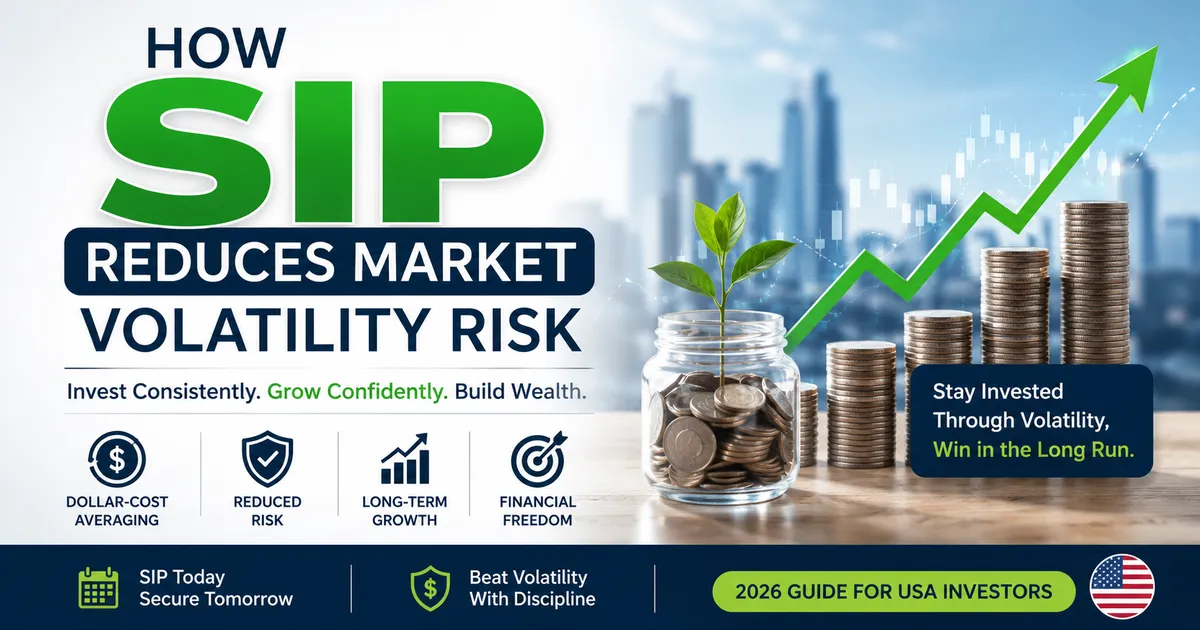
  • SIP Investment During Recession 2026: Smart Strategies to Build Wealth During Economic Uncertainty

    SIP Investment During Recession 2026: Smart Strategies to Build Wealth During Economic Uncertainty

    SIP Investing During Recession 2026: Complete Guide for Americans


    <!-- FOCUS KEYWORD --> sip investing during recession 2026By Subhash Rukade | Updated June 6, 2026

    Why Recessions Create Fear for Investors

    SIP investing during recession 2026 has become one of the most discussed topics among American investors as concerns about economic growth, inflation, and market volatility continue to dominate financial headlines.

    A recession is generally defined as a significant decline in economic activity that lasts for several months. During a recession, businesses may slow hiring, consumer spending often declines, and stock markets can experience sharp fluctuations.

    These conditions naturally create fear among investors.

    When markets fall, many people begin questioning whether they should continue investing or move their money into cash.

    However, history tells a different story.

    The U.S. stock market has recovered from every major recession, including the 2008 financial crisis and the 2020 pandemic-driven downturn.

    While recessions can be uncomfortable, they have also created some of the best long-term buying opportunities for disciplined investors.

    This is one reason why SIP investing during recession 2026 remains a powerful strategy for long-term wealth building.

    Instead of trying to predict when markets will recover, SIP investors continue investing a fixed amount regularly. This strategy allows them to purchase more shares when prices are lower and benefit from future market recoveries.

    If you’re new to systematic investing, start with our complete pillar guide:


    SIP Investing Guide 2026: How Monthly Investing Builds Long-Term Wealth

    Strong financial habits are equally important during economic slowdowns. Investors looking to improve overall financial management should also review:


    Best Credit Cards 2026: Rewards, Cashback & Smart Usage Guide

    In this guide, you’ll learn why SIP investing during recession 2026 can help reduce emotional investing mistakes, how market downturns create opportunities, common recession investing errors to avoid, and practical strategies that can help Americans build wealth despite economic uncertainty.

    Why SIP Investing Works During Recession 2026

    One of the biggest reasons SIP investing during recession 2026 remains effective is that it removes guesswork from investing.

    During economic downturns, investors often face uncertainty.

    Stock prices may decline, financial news becomes negative, and many people begin questioning their investment decisions.

    Unfortunately, emotional reactions often lead to costly mistakes.

    SIP investing helps solve this problem by creating a disciplined and automatic investment process.

    Dollar-Cost Averaging Creates Opportunity

    Dollar-cost averaging is one of the most powerful advantages of SIP investing.

    When investors contribute a fixed amount every month, they automatically buy more shares when prices fall and fewer shares when prices rise.

    This helps reduce the average cost of investments over time.

    During a recession, market declines often allow SIP investors to accumulate additional shares at discounted prices.

    As markets recover, those shares can contribute significantly to long-term portfolio growth.

    This is one of the main reasons why SIP investing during recession 2026 continues to attract long-term investors.

    Recessions Can Create Long-Term Buying Opportunities

    Many investors view recessions as periods of risk.

    However, experienced investors often see them as periods of opportunity.

    When quality investments become available at lower prices, disciplined investors can continue building positions for the future.

    Historically, investors who remained invested during economic downturns were often rewarded when markets recovered.

    Instead of focusing on short-term fear, SIP investors focus on long-term wealth creation.

    Emotional Investing Can Hurt Returns

    Fear is one of the biggest threats to investment success.

    Many investors stop investing or sell assets during recessions because they worry that markets may continue falling.

    Unfortunately, these decisions often prevent them from participating in future recoveries.

    SIP investing during recession 2026 helps reduce emotional decision-making by keeping investors committed to a consistent plan.

    Investor TypeDuring RecessionPotential Long-Term Outcome
    SIP InvestorContinues InvestingBuys More Shares at Lower Prices
    Panic InvestorStops InvestingMisses Future Opportunities
    Market TimerWaits for Perfect EntryMay Miss Recovery
    Disciplined InvestorStays ConsistentBenefits From Compounding

    Consistency Often Beats Prediction

    No one can consistently predict when a recession will end or when markets will reach their lowest point.

    Instead of trying to time the market, SIP investors focus on regular contributions and long-term goals.

    The biggest lesson from this section is simple:
    SIP investing during recession 2026 works because it combines dollar-cost averaging, disciplined investing, and long-term thinking. These advantages help investors turn economic uncertainty into an opportunity for future wealth creation.

    Compounding During Economic Downturns

    One of the most overlooked benefits of SIP investing during recession 2026 is the power of compounding.

    Many investors focus only on short-term market declines and forget that recessions are temporary while long-term investing can last for decades.

    When investors continue contributing during economic downturns, they position themselves to benefit from future recoveries and long-term wealth growth.

    This is where compounding becomes a powerful financial tool.

    How Compounding Works During a Recession

    Compounding occurs when investment gains generate additional gains over time.

    During a recession, investors often purchase shares at lower prices through their SIP contributions.

    When markets eventually recover, those discounted shares can appreciate significantly.

    Future gains are then calculated on a larger portfolio, creating a snowball effect that can accelerate wealth creation.

    The earlier investors begin and the longer they stay invested, the greater the impact of compounding.

    This is one reason why SIP investing during recession 2026 can be highly rewarding for patient investors.

    Market Recoveries Have Historically Followed Recessions

    Every major recession in modern U.S. history has eventually been followed by economic recovery.

    Although timing is never guaranteed, long-term investors who remained invested during difficult periods often benefited from future market rebounds.

    Instead of viewing recessions as reasons to stop investing, many successful investors view them as opportunities to accumulate assets at lower prices.

    This long-term perspective is essential for building wealth.

    Dividend Reinvestment Can Accelerate Growth

    Investors who own dividend-paying investments can gain another advantage by reinvesting dividends.

    Rather than taking dividend payments as cash, reinvestment allows investors to purchase additional shares.

    Those additional shares can generate future dividends and future growth.

    Over long periods, this strategy can significantly increase portfolio value.

    Investors interested in creating reliable passive income should also review:


    How to Build a Dividend Portfolio

    Investor ActionLong-Term Benefit
    Continue SIP ContributionsMore Shares Purchased
    Stay Invested During RecessionParticipate in Recovery
    Reinvest DividendsFaster Compounding
    Increase ContributionsAccelerated Wealth Growth
    Maintain Long-Term FocusHigher Wealth Potential

    A Recommended Book for Long-Term Investors

    One of the most respected personal finance books available today is:


    The Psychology of Money by Morgan Housel

    The book highlights why patience, consistency, and emotional control often matter more than trying to predict market movements.

    The biggest lesson from this section is simple:
    SIP investing during recession 2026 becomes more powerful when combined with compounding and dividend reinvestment. Investors who remain disciplined through economic downturns often place themselves in a stronger position when markets recover.

    Best Investments During Recession 2026

    Choosing the right investments is especially important during economic downturns.

    One reason SIP investing during recession 2026 continues to be effective is that it allows investors to steadily accumulate quality assets while prices are lower.

    Instead of trying to predict market bottoms, disciplined investors focus on building diversified portfolios that can benefit from future economic recoveries.

    Not every investment performs the same during a recession.

    Some asset classes are better suited for long-term wealth creation and risk management.

    Index Funds Remain a Top Choice

    Index funds are among the most popular investments for long-term investors.

    These funds provide exposure to hundreds of companies through a single investment and help reduce the risk associated with individual stocks.

    During recessions, SIP investors purchasing index funds can accumulate more shares at lower prices.

    When markets recover, those shares may generate significant long-term returns.

    This is a major reason why SIP investing during recession 2026 remains attractive for wealth-building investors.


    sip investing during recession 2026 strategy

    ETFs Offer Diversification and Flexibility

    Exchange-Traded Funds (ETFs) provide another strong option during recessionary periods.

    Broad-market ETFs, dividend ETFs, and sector-based ETFs allow investors to diversify while keeping investment costs relatively low.

    Many investors combine ETFs and index funds to create balanced portfolios that can withstand economic uncertainty.

    Dividend Stocks Can Provide Stability

    Dividend-paying companies often continue generating income even during slower economic periods.

    Although no investment is recession-proof, many established dividend companies have long histories of maintaining or increasing dividend payments.

    These dividends can be reinvested to purchase additional shares and strengthen long-term compounding.

    Investors seeking dividend opportunities should also review:


    Top Dividend Stocks USA 2026

    Investment TypeBenefit During RecessionLong-Term Potential
    Index FundsBroad DiversificationVery High
    Broad Market ETFsLow Cost + FlexibilityVery High
    Dividend ETFsIncome + GrowthHigh
    Dividend StocksPotential StabilityHigh
    Defensive Sector FundsReduced VolatilityModerate to High

    A Recommended Wealth-Building Book

    One of the most respected books for long-term investors is:


    The Simple Path to Wealth by JL Collins

    The book explains how disciplined investing, low-cost funds, and long-term thinking can help investors build financial independence despite economic uncertainty.

    The biggest lesson from this section is simple:
    SIP investing during recession 2026 works best when investors focus on quality assets such as index funds, ETFs, and dividend investments. These investments provide diversification, long-term growth potential, and opportunities to benefit from future market recoveries.

    Real Investor Examples and Common Recession Investing Mistakes

    The easiest way to understand SIP investing during recession 2026 is by looking at how investors behaved during previous economic downturns.

    History shows that recessions often create fear, uncertainty, and negative headlines.

    However, they also create opportunities for disciplined investors who continue investing when others panic.

    The difference between these two approaches can have a major impact on long-term wealth creation.

    The 2008 Financial Crisis Example

    During the 2008 financial crisis, stock markets experienced one of the sharpest declines in modern history.

    Many investors sold their investments because they feared further losses.

    Others continued investing through systematic monthly contributions.

    When markets eventually recovered, investors who maintained their investment plans often benefited from purchasing shares at significantly lower prices.

    This is one reason why SIP investing during recession 2026 remains relevant today.

    The 2020 Recession Example

    The COVID-19 recession created another real-world example.

    Stock markets declined rapidly as uncertainty spread across the global economy.

    Many investors paused investments or sold their portfolios.

    Meanwhile, disciplined SIP investors continued contributing every month.

    As markets recovered, those investors often benefited from the additional shares they accumulated during the downturn.

    This demonstrates how consistency can outperform emotional decision-making.

    Mistake #1: Panic Selling

    One of the most common recession investing mistakes is panic selling.

    When markets decline, fear can cause investors to sell quality investments at lower prices.

    Unfortunately, this often locks in losses and prevents participation in future market recoveries.

    Mistake #2: Stopping SIP Contributions

    Another major mistake is pausing monthly investments during a recession.

    Many investors believe they should wait until markets become stable again.

    However, lower prices often provide opportunities to purchase more shares for the same investment amount.

    Investor ActionShort-Term ResultPotential Long-Term Outcome
    Continue SIP InvestingMore Shares PurchasedBenefits From Recovery
    Reinvest DividendsPortfolio Growth ContinuesStronger Compounding
    Panic SellingLocks In LossesReduced Wealth Potential
    Stop InvestingMisses Lower PricesSlower Wealth Growth
    Stay DisciplinedMaintains StrategyLong-Term Advantage

    Mistake #3: Trying to Time the Market

    Many investors spend too much time trying to predict the exact bottom of a recession.

    Unfortunately, market timing is extremely difficult.

    Investors preparing for uncertain economic conditions should also review:


    Recession-Proof Investing 2026

    For a complete roadmap to long-term SIP investing, continue with:


    SIP Investing Guide 2026: How Monthly Investing Builds Long-Term Wealth

    The biggest lesson from this section is simple:
    SIP investing during recession 2026 rewards discipline. Investors who continue investing, avoid panic selling, and remain focused on long-term goals often place themselves in a stronger position when economic conditions improve and markets recover.

    Recession Investing Comparison: Disciplined SIP Investor vs Emotional Investor

    Investment BehaviorDisciplined SIP InvestorEmotional Investor
    Reaction During RecessionContinues monthly SIP investmentsStops investing due to fear
    Buying OpportunityPurchases more shares at lower pricesMisses discounted buying opportunities
    Investment StrategyFollows long-term wealth-building planChanges strategy frequently
    Market VolatilityUses dollar-cost averagingTries to time the market
    Dividend IncomeReinvests dividends for compoundingOften withdraws or ignores reinvestment
    Portfolio Growth During RecoveryBenefits from additional shares purchased during downturnParticipates less in recovery
    Emotional ControlStays disciplined and patientMakes fear-based decisions
    Long-Term Wealth PotentialHighModerate to Low
    Financial Freedom ProgressFasterDelayed
    Result After 10–20 YearsStronger portfolio and higher wealth accumulationLower returns and missed opportunities

    Practical Tips, Diversification, and Future Trends for Recession Investors

    Successfully navigating SIP investing during recession 2026 requires more than simply continuing monthly investments.

    Investors should also focus on diversification, risk management, and long-term planning.

    Economic downturns can create uncertainty, but they can also create opportunities for investors who remain disciplined and prepared.

    The goal is not to predict every market movement.

    The goal is to build a portfolio capable of surviving volatility while continuing to grow over time.

    Build a Diversified Portfolio

    Diversification remains one of the most effective ways to manage investment risk.

    Rather than concentrating money in a few stocks, investors spread investments across different asset classes.

    A diversified recession portfolio may include:

    • S&P 500 Index Funds
    • Broad Market ETFs
    • Dividend ETFs
    • Dividend Stocks
    • Bond Funds
    • Gold Investments

    Diversification helps reduce the impact of market volatility while maintaining long-term growth potential.

    Consider a Small Gold Allocation

    Many investors use gold as a hedge against inflation and economic uncertainty.

    While gold should not replace growth investments, a small allocation may provide additional stability during recessions.

    Investors interested in this strategy should also review:


    Gold Investment Strategies USA

    Recession Wealth-Building Strategy Comparison

    StrategyMain BenefitRecession Advantage
    Monthly SIP InvestingConsistent InvestingBuys More Shares at Lower Prices
    DiversificationRisk ReductionProtects Against Single-Sector Losses
    Dividend ReinvestmentCompounding GrowthAccelerates Portfolio Recovery
    Gold AllocationPortfolio StabilityMay Reduce Volatility
    Long-Term InvestingWealth CreationBenefits From Future Recoveries

    Technology Is Transforming Investing in 2026

    Modern investors have access to tools that make investing easier and more efficient than ever before.

    • AI-powered portfolio analysis
    • Automated SIP investing platforms
    • Robo-advisors
    • Retirement planning calculators
    • Investment tracking apps

    These tools help investors stay disciplined during volatile markets and reduce emotional investing decisions.

    Learn From Trusted Financial Organizations

    These organizations provide investor education, retirement planning resources, and guidance that can help investors make informed financial decisions during economic downturns.

    A Trusted Platform for Long-Term Investors

    Many investors use:


    Fidelity Investments

    Fidelity offers investment research, retirement accounts, planning tools, and educational resources that support long-term wealth building.

    The biggest lesson from this section is simple:
    SIP investing during recession 2026 becomes even more effective when combined with diversification, disciplined investing, modern technology, and continuous financial education. These strategies help investors navigate economic uncertainty while positioning themselves for future market growth.

    Frequently Asked Questions About SIP Investing During Recession 2026

    1. Is SIP Investing During Recession 2026 a Good Idea?

    Yes. SIP investing during recession 2026 allows investors to buy more shares when prices decline. This helps lower the average purchase cost and may improve long-term returns when markets recover.

    2. Should I Stop My SIP During a Recession?

    Most financial experts recommend continuing SIP investments during economic downturns. Stopping investments may cause investors to miss opportunities created by lower market prices.

    3. What Investments Work Best During a Recession?

    Many investors focus on diversified investments such as index funds, ETFs, dividend stocks, and defensive sectors. These investments can help manage risk while maintaining long-term growth potential.

    4. Can SIP Investing Help Reduce Recession Risk?

    SIP investing cannot eliminate risk, but it can reduce the impact of market timing mistakes through dollar-cost averaging and consistent investing.

    5. How Long Should I Continue SIP Investing?

    SIP investing is generally most effective when maintained over many years. Long-term investing allows compounding and market recoveries to work in your favor.

    Final Thoughts on SIP Investing During Recession 2026

    After examining market downturns, recession investing strategies, compounding, diversification, and real-world examples, one conclusion becomes clear:

    SIP investing during recession 2026 remains one of the most practical and effective strategies for long-term wealth creation.

    Economic slowdowns can be stressful.

    Financial headlines often focus on uncertainty, declining markets, and investor fear.

    However, history repeatedly shows that recessions eventually end and markets recover.

    The investors who often benefit the most from those recoveries are the ones who remain disciplined during difficult periods.

    • Continue investing consistently.
    • Take advantage of dollar-cost averaging.
    • Stay diversified.
    • Reinvest dividends whenever possible.
    • Avoid panic selling.
    • Focus on long-term goals.

    These habits have helped countless investors build wealth through multiple economic cycles.

    Instead of viewing a recession as a reason to stop investing, consider it an opportunity to strengthen your long-term financial plan.

    For a complete roadmap to monthly investing and long-term wealth building, continue with our pillar guide:


    SIP Investing Guide 2026: How Monthly Investing Builds Long-Term Wealth

    Whether your goal is retirement planning, financial independence, passive income, or building generational wealth, staying invested during a recession can play a major role in future success.

    The reason SIP investing during recession 2026 continues to attract long-term investors is simple:

    It transforms market volatility into an opportunity to accumulate assets, benefit from compounding, and participate in future economic recoveries.

    Those who remain patient today often position themselves for stronger financial outcomes tomorrow.

    📈 Join the Finance Investment Newsletter

    Get investing insights, recession survival strategies, retirement planning tips, dividend income ideas, and wealth-building guidance delivered directly to your inbox.

    Join thousands of readers building stronger financial futures through disciplined investing and smarter financial decisions.


    Subscribe Free →

    👨‍💼 About the Author

    Subhash Rukade

    Founder of Finance Investment and a passionate financial educator focused on helping Americans build wealth through SIP investing, retirement planning, dividend income strategies, and long-term financial independence.

    • 📈 Long-Term Investing Strategies
    • 📉 Recession Investing Education
    • 🏦 Retirement Planning
    • 💰 Dividend Investing
    • 🪙 Gold & Alternative Investments
    • 📊 Wealth-Building Education
    “Recessions Are Temporary. Disciplined Investing Can Create Wealth That Lasts a Lifetime.”

    Through Finance Investment, Subhash shares practical investing strategies designed to help readers avoid costly mistakes, stay focused during market volatility, and build long-term financial security.

    ✅ Beginner-Friendly Investing Guides
    ✅ USA-Focused Financial Content
    ✅ Recession Investing Strategies
    ✅ Practical Wealth-Building Education

    🌐 Finance Investment
    Helping Investors Build Wealth One Smart Decision at a Time.

  • Why SIP Works During Market Crashes: Complete 2026 Guide for Americans

    Why SIP Works During Market Crashes: Complete 2026 Guide for Americans

    Why SIP Works During Market Crashes: Complete 2026 Guide for Americans

    <!-- FOCUS KEYWORD --> why sip works during market crashes


    By Subhash Rukade | Updated June 5, 2026

    Why Market Crashes Create Fear for Investors

    Few events make investors more nervous than a market crash.

    When stock prices fall rapidly, headlines become negative, portfolios lose value, and many investors begin questioning their investment strategy.

    History shows that market downturns are a normal part of investing.

    From the 2008 financial crisis to the 2020 pandemic crash, markets have experienced significant declines and later recovered.

    Despite these recoveries, many investors still panic when markets fall.

    This is exactly why understanding why SIP works during market crashes is so important.

    A Systematic Investment Plan (SIP) helps investors continue investing regardless of market conditions.

    Instead of trying to predict market bottoms or tops, SIP investors contribute a fixed amount on a regular schedule.

    This approach removes emotional decision-making and allows investors to take advantage of lower market prices during downturns.

    While market crashes may feel uncomfortable, they often create opportunities for disciplined investors.

    Investors who continue their SIP contributions during periods of fear may purchase more shares at lower prices, positioning themselves for stronger long-term returns when markets recover.

    If you’re new to systematic investing, begin with our complete pillar guide:


    SIP Investing Guide 2026: How Monthly Investing Builds Long-Term Wealth

    Strong financial habits also help investors remain confident during difficult market environments.

    Investors looking to improve overall financial stability should also review:


    Best Credit Cards 2026: Rewards, Cashback & Smart Usage Guide

    In this guide, you’ll learn why SIP works during market crashes, how market volatility can benefit long-term investors, common mistakes to avoid during downturns, and practical strategies that can help Americans build wealth even during uncertain economic periods.

    Why SIP Works During Market Crashes

    Understanding why SIP works during market crashes starts with recognizing a simple truth:
    market declines are often opportunities rather than disasters for disciplined investors.

    While many investors panic when stock prices fall, SIP investors continue investing according to a fixed schedule.

    This consistency allows them to benefit from one of the most powerful investing principles: dollar-cost averaging.

    Dollar-Cost Averaging Creates an Advantage

    When markets decline, investment prices become lower.

    Because SIP investors contribute the same amount every month, they automatically purchase more units or shares when prices fall.

    During strong markets, the same contribution buys fewer shares.

    Over time, this helps reduce the average cost of investments.

    This is one of the main reasons why SIP works during market crashes.

    Instead of fearing lower prices, disciplined investors use them to accumulate more assets for the future.

    Market Crashes Often Create Long-Term Opportunities

    Historically, major market downturns have eventually been followed by recoveries.

    Investors who continue contributing during market declines often benefit when markets rebound.

    Lower purchase prices combined with future market growth can significantly improve long-term returns.

    The challenge is staying disciplined when headlines become negative.

    Many investors stop investing at exactly the wrong time.

    SIP investing helps remove this emotional reaction by automating the investment process.

    Emotion Is Often the Biggest Risk

    Market crashes trigger fear.

    Fear often causes investors to sell assets at low prices or stop investing altogether.

    Unfortunately, these actions can damage long-term wealth creation.

    SIP investors avoid many of these mistakes because their investment strategy focuses on consistency rather than prediction.

    Investor TypeDuring Market CrashLong-Term Outcome
    SIP InvestorContinues InvestingPotentially Buys More Shares at Lower Prices
    Emotional InvestorStops InvestingMisses Recovery Opportunities
    Panic SellerSells InvestmentsLocks in Losses
    Disciplined InvestorRemains ConsistentBenefits From Recovery

    Consistency Beats Prediction

    Nobody can consistently predict the exact bottom of a market crash.

    Trying to perfectly time investments often leads to missed opportunities.

    SIP investing removes the need for market timing by keeping investors focused on long-term goals.

    The biggest lesson from this section is simple:
    why SIP works during market crashes comes down to dollar-cost averaging, disciplined investing, and the ability to purchase more shares when prices are lower. These advantages help investors turn market volatility into an opportunity for long-term wealth creation.

    The Power of Compounding After Market Recoveries

    One of the biggest reasons why SIP works during market crashes becomes clear after markets begin recovering.

    While market downturns can feel painful in the short term, history shows that major stock markets have repeatedly recovered from recessions, corrections, and financial crises.

    Investors who remain invested during these difficult periods often benefit from both lower purchase prices and future market growth.

    This combination creates a powerful opportunity for long-term wealth building.

    Market Recoveries Reward Patient Investors

    The stock market has experienced many significant declines throughout history.

    Examples include the 2008 financial crisis, the COVID-19 market crash in 2020, and numerous recession-driven downturns.

    Although each event created fear and uncertainty, markets eventually recovered and reached new highs.

    Investors who continued their SIP contributions during those periods accumulated more shares at discounted prices.

    When markets recovered, those additional shares often generated substantial gains.

    This is a major reason why SIP works during market crashes.

    Compounding Accelerates After Recovery

    Compounding becomes even more powerful after a market rebound.

    Shares purchased at lower prices during a crash have greater potential to appreciate when markets recover.

    As portfolio values increase, future gains begin generating additional gains.

    This creates a cycle of wealth creation that can continue for decades.

    Investors who stop investing during downturns often miss this critical phase of growth.

    Dividend Reinvestment Adds More Momentum

    Dividend-paying investments can provide another advantage during market volatility.

    Many investors choose to reinvest dividends instead of spending them.

    Reinvested dividends purchase additional shares that can generate future dividends and future growth.

    This strategy strengthens compounding and can significantly increase long-term portfolio value.

    Investors interested in building reliable dividend income should also review:


    How to Build a Dividend Portfolio

    Investor Action During CrashPotential Result After Recovery
    Continue SIP InvestingMore Shares Purchased at Lower Prices
    Reinvest DividendsFaster Compounding
    Remain InvestedParticipate in Market Recovery
    Stop InvestingReduced Long-Term Growth
    Sell During PanicMiss Recovery Gains

    A Recommended Book for Long-Term Investors

    One of the most respected investing books available today is:


    The Psychology of Money by Morgan Housel

    The book explains why patience, consistency, and emotional control often matter more than trying to predict market movements.

    The biggest lesson from this section is simple:
    why SIP works during market crashes becomes most visible during market recoveries. Investors who continue investing, reinvest dividends, and remain patient often benefit from stronger compounding and long-term wealth growth after markets rebound.

    Best Investments During Market Crashes

    Choosing the right investments is critical when markets become volatile.

    One reason why SIP works during market crashes is that investors can continue buying quality assets at lower prices while avoiding emotional decisions.

    Instead of focusing on short-term market fear, successful investors concentrate on building diversified portfolios that can benefit from future recoveries.

    Not all investments perform the same during market downturns.

    Some assets are better positioned to weather volatility and support long-term wealth creation.

    Index Funds Remain a Top Choice

    Index funds are often considered one of the best investments during market crashes.

    These funds provide broad exposure to major companies and help reduce the risk associated with individual stocks.

    When markets decline, SIP investors purchasing index funds acquire more shares for the same investment amount.

    Over time, this can significantly improve long-term returns when markets recover.


    why sip works during market crashes strategy

    ETFs Provide Flexibility and Diversification

    Exchange-Traded Funds (ETFs) are another excellent option for investors navigating market volatility.

    Broad-market ETFs, dividend ETFs, and sector ETFs offer diversification while maintaining low investment costs.

    Many investors combine ETFs with index funds to create resilient portfolios that can perform well over long investment periods.

    This diversification is another reason why SIP works during market crashes.

    Dividend Stocks Can Add Stability

    Dividend-paying companies often provide an additional layer of stability during uncertain markets.

    Many established dividend companies continue generating income even during economic slowdowns.

    For long-term investors, reinvested dividends can help accelerate wealth creation after market recoveries.

    Investors searching for quality dividend opportunities should also review:


    Top Dividend Stocks USA 2026

    Investment TypeBenefit During Market CrashLong-Term Potential
    Index FundsBroad DiversificationVery High
    Broad Market ETFsLow Cost + FlexibilityVery High
    Dividend ETFsIncome + GrowthHigh
    Dividend StocksPotential StabilityHigh
    Defensive FundsLower VolatilityModerate

    A Recommended Book for Market Volatility

    One of the most highly recommended books for investors seeking financial independence is:


    The Simple Path to Wealth by JL Collins

    The book explains why low-cost investing, patience, and consistency often outperform attempts to predict short-term market movements.

    The biggest lesson from this section is simple:
    why SIP works during market crashes is closely connected to investing in quality assets such as index funds, ETFs, and dividend investments. These investments allow investors to take advantage of lower prices while preparing for future market recoveries.

    Real Investor Example and Common Mistakes During Market Crashes

    The easiest way to understand why SIP works during market crashes is by looking at how real investors behave when markets become volatile.

    History shows that market crashes often create two types of investors.

    The first group remains disciplined and continues investing.

    The second group reacts emotionally and abandons their long-term strategy.

    The difference between these two approaches can have a major impact on future wealth.

    The 2020 Market Crash Example

    During the COVID-19 market crash in early 2020, major stock indexes experienced sharp declines within a short period.

    Many investors became fearful as headlines predicted economic uncertainty and recession.

    However, investors who continued their SIP contributions were able to purchase investments at significantly lower prices.

    As markets recovered over the following months and years, those investments benefited from the rebound.

    This example clearly demonstrates why SIP works during market crashes.

    Lower prices allowed disciplined investors to accumulate more shares, which later participated in the recovery.

    Mistake #1: Panic Selling

    One of the most damaging mistakes investors make during market crashes is panic selling.

    When prices decline sharply, fear often causes investors to sell assets at depressed prices.

    Unfortunately, this locks in losses and removes the opportunity to benefit from future market recoveries.

    Many successful investors understand that temporary declines are part of long-term investing.

    Mistake #2: Stopping SIP Contributions

    Another common mistake is pausing SIP investments during market downturns.

    While this may feel safe in the moment, it often prevents investors from purchasing assets at discounted prices.

    Ironically, market crashes can provide some of the best buying opportunities for long-term investors.

    Investor BehaviorDuring CrashPotential Long-Term Result
    Continue SIPBuys More SharesBenefits From Recovery
    Reinvest DividendsAccumulates More AssetsStronger Compounding
    Panic SellingLocks In LossesReduced Wealth Potential
    Stop InvestingMisses Lower PricesSlower Portfolio Growth
    Remain DisciplinedStays InvestedLong-Term Advantage

    Mistake #3: Emotional Investing

    Market crashes often trigger emotional decisions.

    Fear, uncertainty, and negative news can cause investors to abandon carefully designed investment plans.

    SIP investing helps reduce this risk by creating a structured investment process that continues regardless of market conditions.

    Investors preparing for future downturns should also review:


    Recession-Proof Investing 2026

    For a complete roadmap to disciplined long-term investing, continue with:


    SIP Investing Guide 2026: How Monthly Investing Builds Long-Term Wealth

    The biggest lesson from this section is simple:
    why SIP works during market crashes becomes clear when investors compare disciplined behavior with emotional reactions. Investors who stay invested, continue contributing, and avoid panic decisions often place themselves in a stronger position when markets recover.

    Practical Tips, Diversification, and Future Trends for Market Crash Investors

    Understanding why SIP works during market crashes is important, but successful investors also need practical strategies that help them stay confident during periods of market uncertainty.

    Market crashes are temporary, but the decisions investors make during those periods can influence long-term results for years.

    The goal is not to avoid every downturn.

    The goal is to build a portfolio that can survive volatility while continuing to grow over time.

    Diversification Remains a Powerful Defense

    One of the most effective ways to manage risk during market crashes is diversification.

    Instead of concentrating investments in a single stock or sector, investors spread their money across multiple asset classes.

    A diversified portfolio may include:

    • S&P 500 Index Funds
    • Broad Market ETFs
    • Dividend ETFs
    • Dividend Stocks
    • Bond Funds
    • Alternative Assets

    Diversification helps reduce the impact of volatility while maintaining long-term growth potential.

    This strategy is another reason why SIP works during market crashes.

    Consider a Small Gold Allocation

    Many investors include gold as part of a diversified portfolio.

    Gold has historically acted as a hedge against inflation and economic uncertainty.

    Although gold should not replace growth-oriented investments, a small allocation may help improve portfolio stability during turbulent periods.

    Investors interested in diversification strategies should also review:


    Gold Investment Strategies USA

    StrategyBenefit During Market Crashes
    Monthly SIP InvestingBuys More Shares at Lower Prices
    DiversificationReduces Portfolio Risk
    Dividend ReinvestmentImproves Compounding
    Gold AllocationPotential Stability
    Long-Term InvestingBenefits From Recoveries

    Technology Is Improving Investing in 2026

    Modern investors have access to tools that make investing easier than ever.

    • AI-powered portfolio analysis
    • Automated SIP investing platforms
    • Robo-advisors
    • Retirement planning calculators
    • Portfolio tracking applications

    These tools help investors remain disciplined during volatile market conditions and reduce emotional decision-making.

    Learn From Trusted Financial Organizations

    These organizations provide valuable educational resources that help investors understand market risk, diversification, and long-term investing principles.

    A Trusted Platform for Long-Term Investors

    Many investors use:


    Fidelity Investments

    Fidelity offers retirement accounts, educational resources, investment research, and planning tools that can support long-term wealth building through all market conditions.

    The biggest lesson from this section is simple:
    why SIP works during market crashes becomes even more powerful when investors combine disciplined investing with diversification, modern investing tools, and continuous financial education. These strategies help create resilient portfolios that can withstand volatility and participate in future market recoveries.

    Frequently Asked Questions About Why SIP Works During Market Crashes

    1. Why Does SIP Work Better During Market Crashes?

    SIP investing allows investors to purchase more shares when prices fall. This process, known as dollar-cost averaging, lowers the average purchase cost over time and can improve long-term returns when markets recover.

    2. Should I Stop My SIP During a Market Crash?

    Many financial experts recommend continuing SIP investments during market downturns. Stopping contributions may cause investors to miss opportunities to buy quality investments at lower prices.

    3. What Happens If Markets Continue Falling?

    If markets continue declining, SIP investors continue accumulating additional shares at lower prices. Historically, long-term investors who remained disciplined during downturns often benefited when markets eventually recovered.

    4. Are Index Funds Good During Market Crashes?

    Yes. Index funds provide diversification and exposure to large groups of companies. Many investors use SIP investments in index funds because they can benefit from lower prices during market declines and future recoveries.

    5. How Long Should I Continue SIP Investing?

    SIP investing is generally most effective when used as a long-term strategy. Many investors continue investing for decades to maximize compounding and long-term wealth creation.

    Final Thoughts on Why SIP Works During Market Crashes

    After examining market downturns, investor behavior, diversification strategies, compounding, and real-world examples, one conclusion becomes clear:

    Why SIP works during market crashes comes down to consistency, discipline, and the ability to turn market fear into long-term opportunity.

    Market crashes are uncomfortable.

    They create uncertainty, negative headlines, and short-term losses.

    However, history repeatedly shows that markets have recovered from recessions, corrections, financial crises, and economic disruptions.

    Investors who remain committed to their long-term strategy often place themselves in a stronger position than those who react emotionally.

    • Continue investing during downturns.
    • Use dollar-cost averaging to your advantage.
    • Stay diversified.
    • Reinvest dividends whenever possible.
    • Avoid panic selling.
    • Focus on long-term goals rather than short-term headlines.

    These habits have helped generations of investors build wealth through some of the most challenging market environments in history.

    The true strength of SIP investing is not that it avoids market crashes.

    The true strength is that it helps investors use market volatility as a tool for long-term wealth creation.

    For a complete roadmap to monthly investing and long-term wealth building, continue with our pillar guide:


    SIP Investing Guide 2026: How Monthly Investing Builds Long-Term Wealth

    Whether your goal is retirement planning, financial freedom, passive income, or building generational wealth, maintaining discipline during market downturns can have a powerful impact on future results.

    The investors who often benefit the most from market recoveries are those who continue investing when others stop.

    That is exactly why SIP works during market crashes and why it remains one of the most effective wealth-building strategies for American investors in 2026 and beyond.

    📈 Join the Finance Investment Newsletter

    Get investing insights, market crash survival strategies, retirement planning tips, dividend income ideas, and wealth-building guidance delivered directly to your inbox.

    Join thousands of readers building stronger financial futures through disciplined long-term investing.


    Subscribe Free →

    👨‍💼 About the Author

    Subhash Rukade

    Founder of Finance Investment and a dedicated financial educator focused on helping investors build wealth through SIP investing, retirement planning, dividend strategies, and long-term financial independence.

    • 📈 Long-Term Investing Strategies
    • 📉 Market Crash Investing Education
    • 🏦 Retirement Planning
    • 💰 Dividend Income Strategies
    • 🪙 Gold & Alternative Investments
    • 📊 Wealth Building Education
    “Market Crashes Are Temporary. Disciplined Investing Can Create Wealth That Lasts a Lifetime.”

    Through Finance Investment, Subhash helps readers understand complex financial topics, avoid costly investing mistakes, and build practical strategies that support long-term financial success.

    ✅ Beginner-Friendly Investing Guides
    ✅ USA-Focused Financial Content
    ✅ Market Crash Investing Strategies
    ✅ Practical Wealth-Building Education

    🌐 Finance Investment
    Helping Investors Build Wealth One Smart Decision at a Time.