What Happens If Someone Uses Your Bank Account Without Permission?
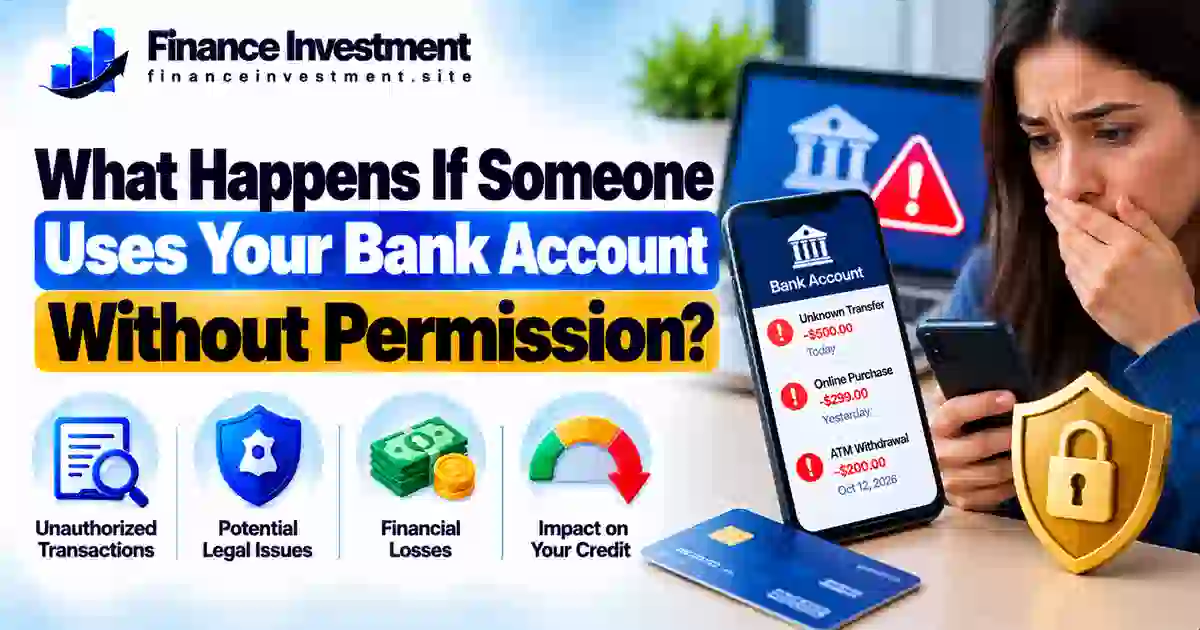
You check your bank balance and notice a withdrawal you never made. Or you see a transfer to someone you don’t know. It is natural to worry about your money and wonder what to do next. Acting quickly can help limit further losses and give your bank the information it needs to investigate.
So, what happens if someone uses your bank account without permission? The outcome depends on how the person accessed your account, the type of transaction, when you report it, and the rules that apply. In the United States, federal protections may cover certain unauthorized electronic transfers. However, deadlines and the circumstances of the transaction matter, and a refund is not guaranteed in every situation.
If you suspect unauthorized activity, contact your bank immediately through its official app or website, or call the number on your bank card or statement. Ask the bank to secure your account, review the suspicious transaction, and explain how to submit a dispute. You can also review our bank security and fraud prevention guide for more ways to protect your money.
What You’ll Learn
- What can happen when someone accesses your bank account without permission.
- What to do first after spotting an unfamiliar withdrawal or transfer.
- How reporting deadlines can affect your legal protections and potential liability.
- How to report suspicious activity and dispute an unauthorized transaction.
- How to reduce the risk of another account security incident.
Quick Answer: What Happens If Someone Uses Your Bank Account Without Permission?
If someone uses your bank account without permission, you may face unauthorized withdrawals, transfers, or payments. Your bank might also restrict certain account activity while it investigates. Contact your bank immediately, report the suspicious transactions, and ask how to secure your account and formally dispute the charges. For some unauthorized electronic fund transfers, U.S. federal law provides consumer protections. However, your rights and potential liability can depend on the type of transaction and when you notify the bank. A refund is not automatic in every case.
Key Takeaways
- Contact your bank promptly through its official app, website, or verified phone number.
- Lock your debit card if the option is available, and ask the bank whether your online access or account details need to be secured.
- Review your transactions and report each suspicious withdrawal, transfer, or payment.
- Change compromised passwords from a trusted device and enable multifactor authentication where available.
- Save transaction details, bank correspondence, dispute confirmation numbers, and relevant screenshots.
- Ask the bank about reporting deadlines, its investigation process, and whether provisional credit may apply.
Important: Report suspected fraud as soon as possible. Different rules may apply to electronic transfers, unauthorized checks, and other types of transactions.
What Can Happen If Someone Uses Your Bank Account Without Permission?
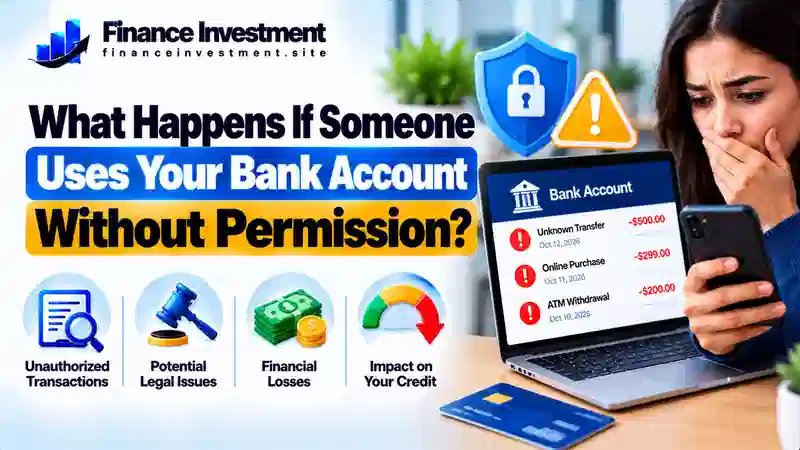
If someone uses your bank account without permission, the consequences can range from one unfamiliar transaction to a wider account security problem. You might lose access to funds, face disrupted payments, or need to secure your banking credentials. The outcome depends on the activity involved and how quickly you respond.
1. Money Could Leave Your Account
Someone may attempt an unauthorized electronic transfer, debit card purchase, or cash withdrawal. A lower balance could affect bills or scheduled payments. Contact your bank promptly, identify the transaction, and ask whether it can be stopped, traced, or disputed. Do not wait to see whether another transaction appears.
2. Someone Could Take Over Your Online Banking
If a criminal obtains your login credentials or access codes, they may try to change your password, register a new device, or send additional payments. Contact your bank through its official app, website, or verified phone number. Change compromised passwords from a trusted device and enable multifactor authentication when available.
3. Your Bank May Temporarily Restrict Account Activity
To limit further risk or investigate suspicious activity, a bank may block a card, disable online access, or restrict certain transactions. Ask which services are affected, how to make essential payments safely, and what steps are needed to restore access. A restriction does not, by itself, establish that you did anything wrong.
4. You May Have the Right to Dispute Certain Transactions
Some unauthorized electronic fund transfers are covered by the federal Electronic Fund Transfer Act and Regulation E. These rules include consumer protections and bank error-resolution requirements, but the applicable rights and deadlines depend on the circumstances. Read the Consumer Financial Protection Bureau’s guidance on unauthorized transactions. Unauthorized checks and other types of payments may be governed by different rules.
What this means for you
Report suspicious activity promptly, ask the bank to secure your account, and follow its formal dispute process. Keep copies of transaction details and your case number. Acting quickly can help limit further activity and protect your ability to seek a resolution, but it does not guarantee that the money will be refunded.
How Does Unauthorized Bank Account Access Happen?
Someone may misuse your bank account without taking your physical debit card. They might steal your login details, trick you into approving a transaction, or access a device where your banking information is available. Knowing how these incidents happen can help you recognize warning signs and respond sooner.
1. Phishing Emails, Texts, and Fake Bank Calls
Scammers may impersonate your bank and claim that your account is locked or a payment needs urgent attention. Their goal may be to steal your password, card details, or verification code. Learn how to spot bank email phishing scams before clicking links or responding to unexpected messages.
2. Stolen or Reused Passwords
If you reuse a password across websites, a data breach elsewhere may expose credentials that criminals try on your bank account. Malware or a compromised device can create additional risks. If someone gains control of your banking profile, this may become an account takeover fraud incident.
3. Misused Verification Codes or Shared Access
A scammer may pressure you to reveal a one-time passcode or approve a transaction you did not initiate. In other cases, someone with legitimate access may misuse that access. The legal treatment can depend on the authorization given, the transaction, and the circumstances.
4. Unsafe Devices or Exposed Banking Information
An unlocked phone, an infected computer, or saved banking details on an untrusted device can expose sensitive information. Use a strong screen lock, keep devices updated, and avoid accessing banking services on devices you do not trust.
Security Tip
Never disclose a one-time passcode to someone who contacts you unexpectedly or approve a transaction you did not initiate. If you suspect account access has been compromised, contact your bank using an official channel, secure your login, and report any suspicious transactions promptly.
Benefits and Drawbacks of Acting Quickly
If you spot an unauthorized bank transaction, contacting your bank promptly can help limit further activity and begin the dispute process. Acting quickly matters, but you should also keep records and follow the bank’s official instructions.
Benefits of Acting Quickly
- Gives the bank an earlier opportunity to secure your account and try to prevent further unauthorized activity.
- Helps you meet applicable reporting deadlines, which may affect your rights and potential liability.
- Creates a timely record of your report and the transactions you are disputing.
Possible Drawbacks and Challenges
- Your bank may temporarily block a card or restrict certain account services while it investigates.
- You may need to replace a compromised card, reset passwords, or update automatic payments.
- The investigation may take time, and a refund is not guaranteed in every case.
Best approach: Contact your bank through an official channel as soon as possible. Record the date and time of your report, save the case number, and keep copies of relevant transactions and messages. Do not delay reporting while trying to investigate the incident yourself.
Unauthorized Access vs. Other Banking Problems
An unfamiliar bank transaction does not always mean someone has accessed your account without permission. It could be a duplicate merchant charge, a pending payment, or a transaction listed under a business name you do not recognize. The key is to check the details without delaying a fraud report when you suspect unauthorized activity.
| Situation | Possible explanation | Recommended action |
|---|---|---|
| Transaction you did not authorize | Someone may have made a payment or transfer without your permission. | Contact your bank promptly and formally report the transaction. |
| Possible duplicate charge | A merchant may have submitted the same payment more than once. | Compare receipts and transaction details; contact the merchant or bank if the charge remains unexplained. |
| Pending or delayed payment | The payment may still be processing or awaiting final posting. | Check its status with your bank. Report it promptly if you did not initiate or approve it. |
| Unfamiliar merchant name | The statement may display a parent company, payment processor, or alternate business name. | Check receipts, subscriptions, and merchant details; dispute the charge if it was not authorized. |
Important distinction
A transaction you do not recognize deserves attention, but the statement description alone may not tell you whether it is fraud. Check the available details and contact your bank promptly if you suspect unauthorized activity. You can report your concern without first identifying who made the transaction.
Risks, Deadlines, Costs and Expert Tips
Unauthorized bank account activity can reduce your available balance, disrupt scheduled payments, and expose your account to further misuse. In the United States, certain electronic transfers have federal consumer protections, but reporting deadlines and potential liability depend on the circumstances. Contact your bank as soon as you notice suspicious activity.
Understand the Reporting Deadlines
Under Regulation E, if a lost or stolen debit card or other access device is involved, notifying your bank within two business days after learning of the loss can affect your potential liability for certain unauthorized electronic transfers. A separate rule generally requires you to report an unauthorized electronic transfer shown on a periodic statement within 60 days after the bank sends that statement. Waiting beyond the applicable period can affect your rights, including potential liability for later transfers. These rules have specific conditions and do not apply identically to every type of fraud. Review the CFPB’s Regulation E liability rules and ask your bank which requirements apply to your case.
Consider the Possible Costs
Missing funds can make it harder to pay bills or cover everyday expenses. You may also need a replacement card or changes to automatic payments. Ask your bank whether any related fees can be reviewed and whether provisional credit may be available during the investigation. Provisional credit and final reimbursement are not guaranteed in every case.
Practical Steps to Protect Your Rights
- Report each suspicious transaction promptly using an official bank channel.
- Ask to open a formal dispute and record the case or reference number.
- Save statements, transaction details, relevant messages, and copies of your report.
- Ask about the investigation timeline, required documents, and any deadlines for follow-up.
Expert Tip
Do not delay contacting your bank while trying to work out exactly how the fraud happened. Explain what you noticed, identify the transactions you did not authorize, and ask what to do next. Unauthorized checks and certain other non-electronic transactions may follow different rules, including applicable state law.
Common Mistakes to Avoid After Suspected Bank Fraud
Finding an unfamiliar transaction can be stressful, but avoid these mistakes while protecting your account:
- Delaying your report: Contact your bank promptly because applicable reporting deadlines may affect your rights and potential liability.
- Sharing security codes: Never disclose a one-time passcode or password to an unexpected caller or message, even if the person claims to represent your bank.
- Checking only one transaction: Review recent account activity and identify any other payments or transfers you did not authorize.
- Failing to keep records: Save transaction details, relevant messages, the date you contacted the bank, and your dispute reference number.
A Realistic Example
Imagine Sarah checks her bank account and spots a $240 electronic transfer she does not recognize. She contacts her bank using the verified number on her card, reports the transfer as unauthorized, and asks how to secure her online banking. She then follows the bank’s instructions, submits the required dispute information, and keeps a copy of her report and case number.
Sarah has taken sensible steps, but the result is not guaranteed. Her bank must assess the circumstances under the rules that apply to the transaction. The example is illustrative and does not represent a promise of reimbursement or a specific investigation outcome.
Key Lesson
Report suspicious activity promptly, use official bank channels, secure compromised access, and keep a record of every step. Do not wait to identify the person responsible before reporting the transaction.
Who Should Take Extra Care With Bank Account Security?
Anyone with a bank account can experience unauthorized activity. Extra caution is especially useful if you regularly bank on your phone, share account access with another person, reuse passwords, or rely on public or shared devices. Older adults and people who receive help managing their finances may also benefit from clear account-access rules and trusted security practices.
Pay particular attention if you have lost your phone or debit card, clicked a suspicious banking link, shared a verification code, or received an alert about a login you do not recognize. These signs do not prove that fraud has occurred, but they are reasons to check your account and respond promptly.
Your Next Step
Use a unique banking password, enable multifactor authentication where available, turn on transaction alerts, and review account activity regularly. If your login or device may be compromised, contact your bank through an official channel and ask how to secure your account.
Frequently Asked Questions
1. What should I do if someone uses my bank account without permission?
Contact your bank promptly through its official app, website, or verified phone number. Report the suspicious transactions, ask how to secure your account, and follow the bank’s formal dispute process. Keep your case number and copies of relevant records.
2. Will my bank refund unauthorized transactions?
A refund is not guaranteed in every case. Your rights depend on the transaction, the circumstances, and applicable law. Ask your bank about its investigation, error-resolution process, and whether provisional credit may apply.
3. How quickly should I report unauthorized bank activity?
Report suspicious activity as soon as possible. Certain electronic transfers have specific reporting deadlines, and delays can affect your rights or potential liability. Do not wait until you identify the person responsible before contacting your bank.
4. Can someone access my bank account with only my account number?
An account number alone generally does not provide access to normal online banking, but it may be misused in certain fraud or payment schemes. Protect your login credentials and verification codes, monitor transactions, and contact your bank if you notice suspicious activity.
5. Should I close my bank account after suspected fraud?
Not necessarily. Depending on what happened, your bank may recommend replacing a compromised debit card, resetting online access, or opening a new account. Ask which measures are appropriate and how to manage scheduled payments during the process.
6. Can I dispute a transaction I do not recognize?
Yes. Contact your bank and explain why you believe the transaction was unauthorized. Check receipts or merchant details when possible, but report it promptly if you suspect fraud. Ask how to submit a formal dispute and what information is required.
7. What evidence should I keep after bank account fraud?
Keep relevant statements, transaction dates and amounts, bank messages, screenshots, and your dispute reference number. Save copies of documents you submit and note when you contacted the bank.
8. How can I help prevent unauthorized bank account access?
Use a unique, strong password, enable multifactor authentication where available, turn on transaction alerts, and keep your devices updated. Avoid unexpected banking links and never share verification codes with unverified contacts. Review your account activity regularly.
Final Verdict: Protect Your Bank Account and Act Quickly
What happens if someone uses your bank account without permission? You could face unauthorized withdrawals, unfamiliar transfers, disrupted payments, or compromised online access. What happens next depends on the transaction, the circumstances, and the protections that apply to your situation.
If you spot suspicious activity, contact your bank through an official channel, report the transactions, and ask how to secure your account. Keep your dispute reference number and relevant records. Reporting deadlines can affect your rights, so do not wait until you identify the person responsible. A refund is not guaranteed, but prompt reporting can help limit further activity and start the bank’s review.
Make account security part of your regular financial routine. For more practical guidance, explore our bank security and fraud prevention guide to learn how to recognize risks and protect your banking information.
Have a Money Question? Keep Exploring.
Worried about unauthorized bank account access? Contact your bank immediately, report suspicious transactions, and follow its instructions to secure your account. Keep records of your report and any disputed transactions.
Continue Your Research
Explore these practical guides to strengthen your banking security: